
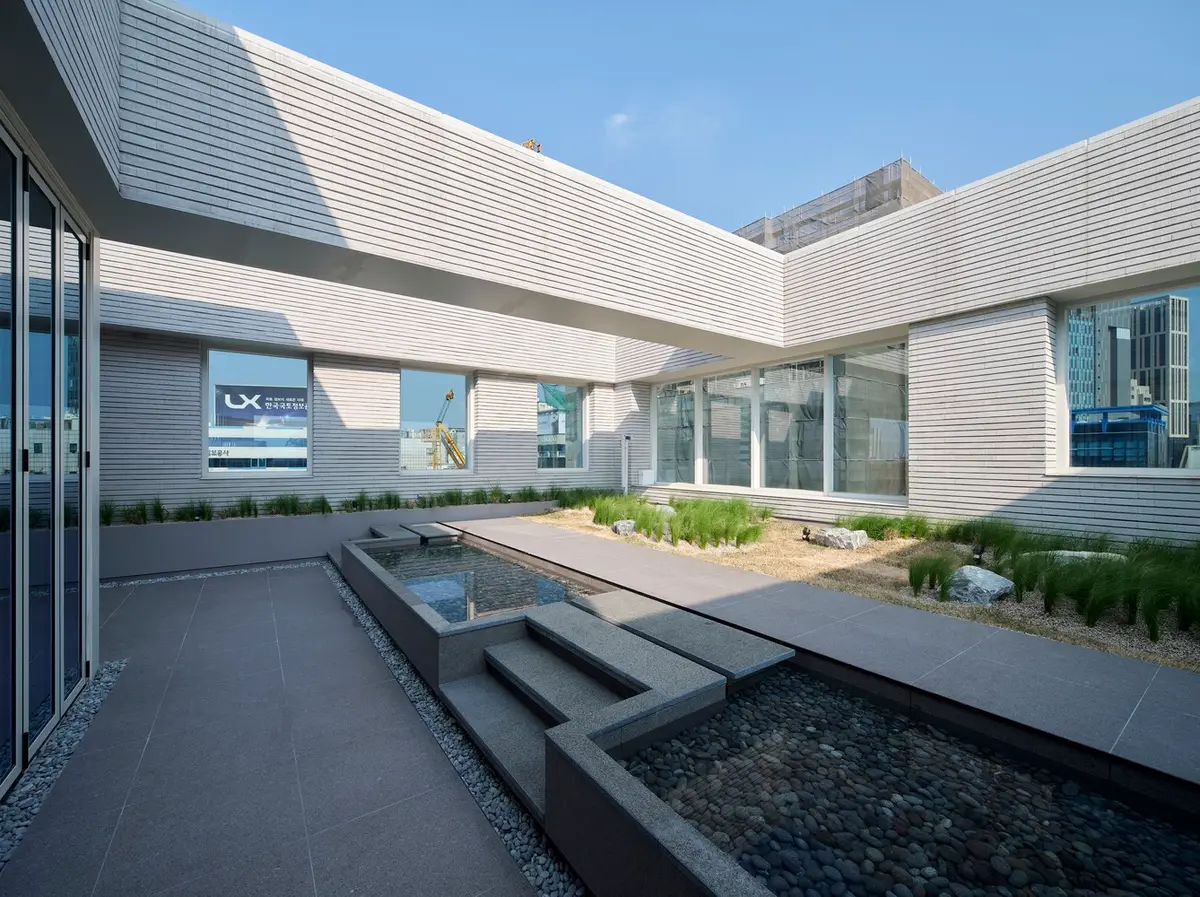
Innovative Office Architecture: The Chai Communication Office Building
The article explores the Chai Communication Office Building's innovative design, integrating creative spaces with nature and urban dynamics in Seoul, South Korea.


In the heart of South Korea's bustling urban landscape lies a beacon of innovative office architecture, the Chai Communication Office Building. Designed by the visionary teams at ARCHITECTS BAN and Fluxys Lab, this architectural marvel stands as a testament to the evolving needs of modern workspaces. In this article, we dive deep into the elements that make the Chai Communication Office Building a paragon of innovative office design.

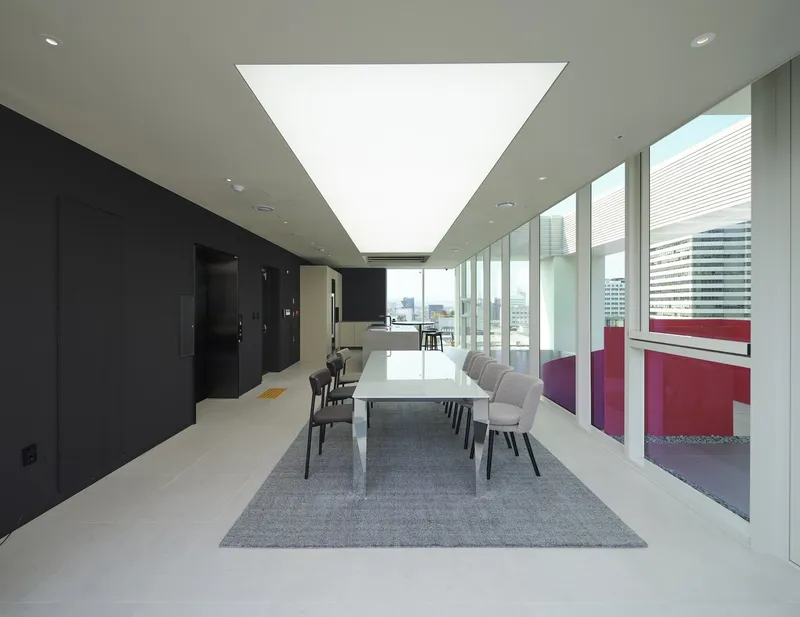
The Vision Behind the Chai Communication Office Building
Creating a Creative Space Amidst Urban Density
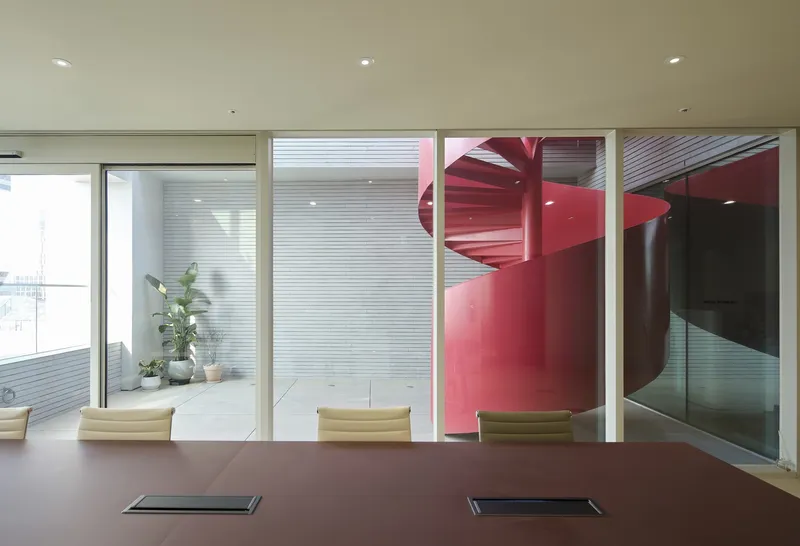
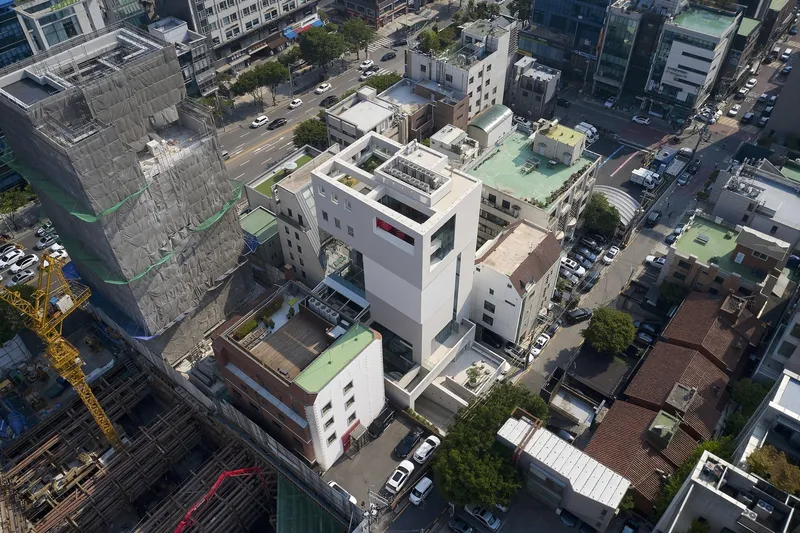
The primary objective behind the Chai Communication Office Building was to transcend the conventional boundaries of office design. Nestled on the back road of Hakdong-ro, Gangnam-gu, this advertising company office building distinguishes itself by focusing on creativity and individuality. Unlike the surrounding rental buildings that prioritize economical floor area ratios, the Chai Communication Office Building is designed as a creative space that fosters innovation.
Embracing the City and Nature
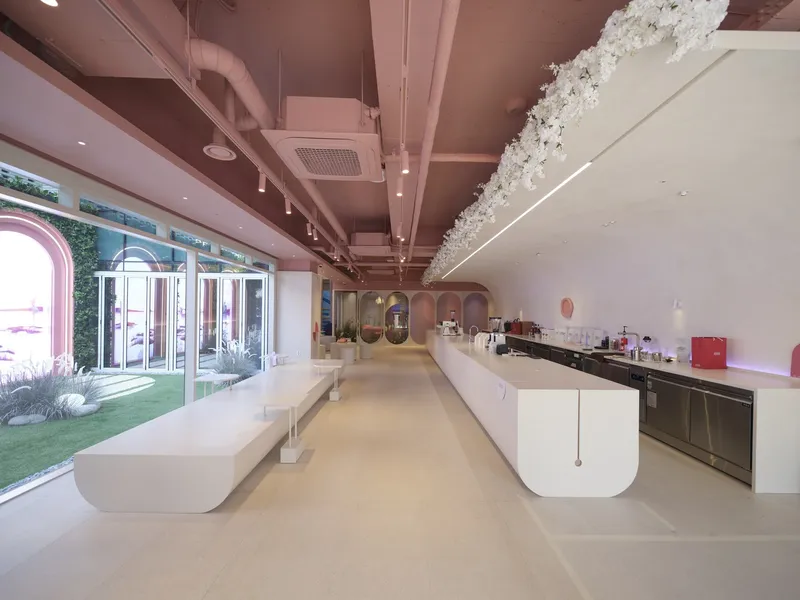
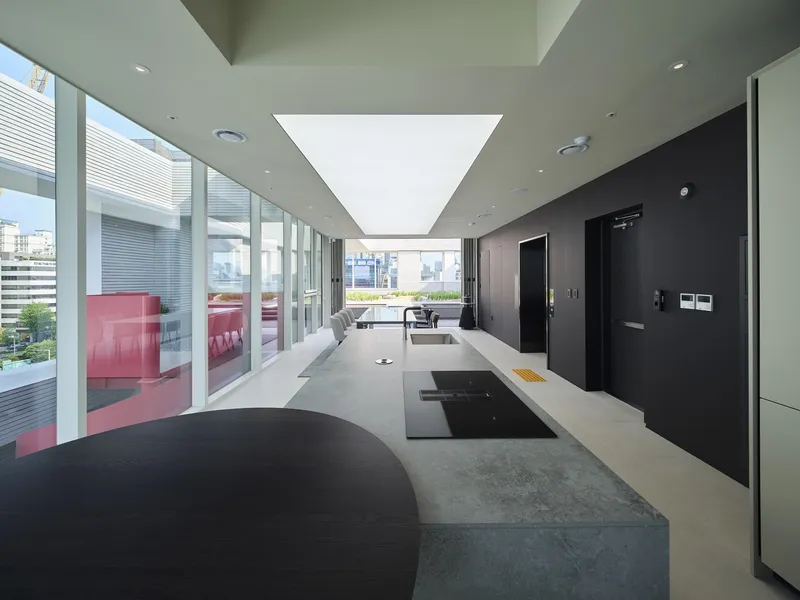
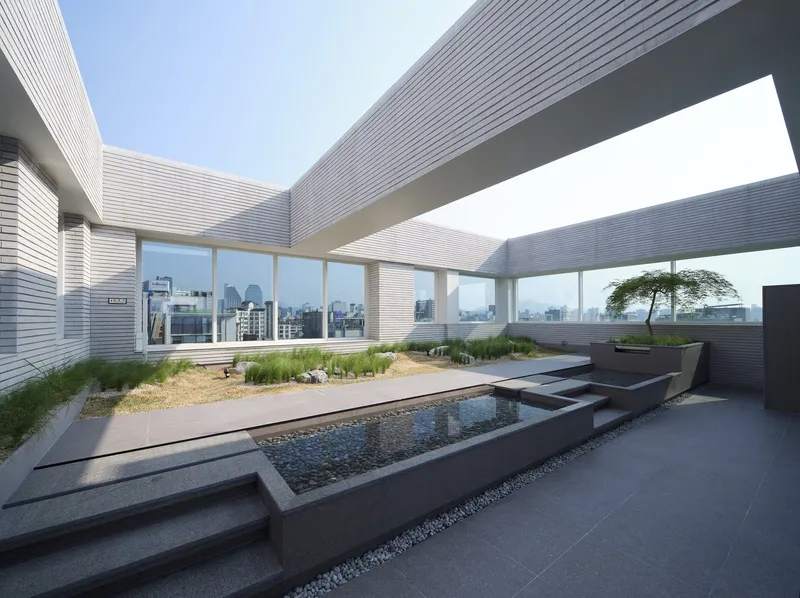
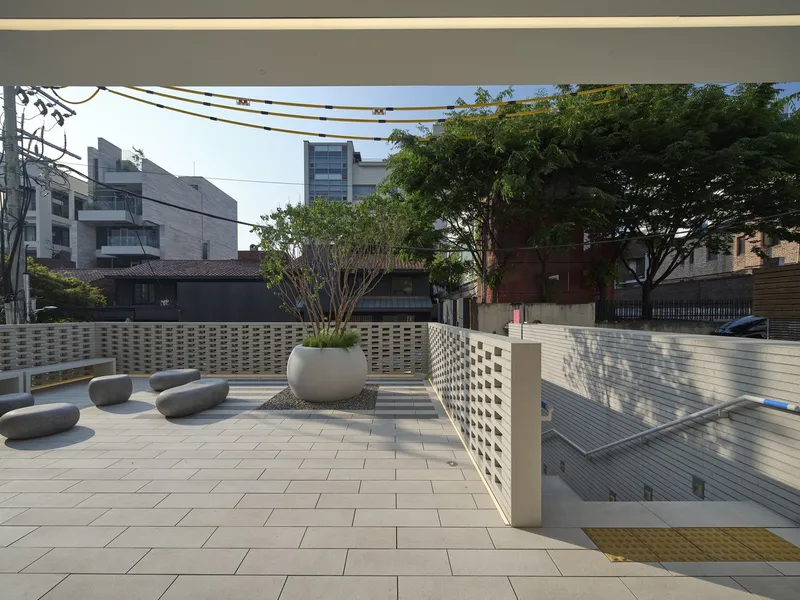
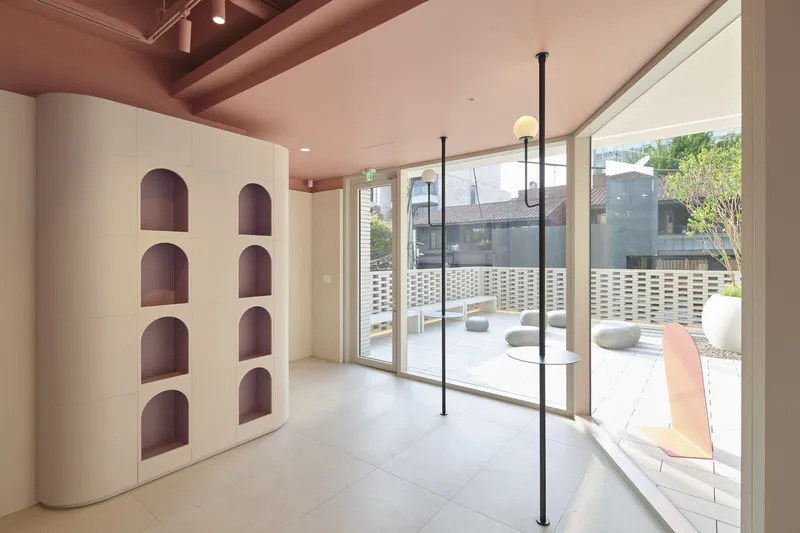
One of the building's core philosophies is its seamless integration of the city and nature. The architects envisioned a workspace where the hustle of city life and the tranquility of nature coexist, enhancing the creative potential of its occupants. This integration is achieved through various external spaces that allow natural elements to flow into the urban environment, thus expanding the internal space beyond its physical boundaries.

Architectural Features that Foster Creativity
Simplicity in Design
Amidst the diversity of its urban context, the Chai Communication Office Building stands out through its simplicity. The building's facade, proportions, and elevation are meticulously designed to present it as a singular, coherent object. This simplicity is not just aesthetic but functional, creating a workspace that is both inviting and inspiring.

Five Yards: A Hierarchy of External Spaces
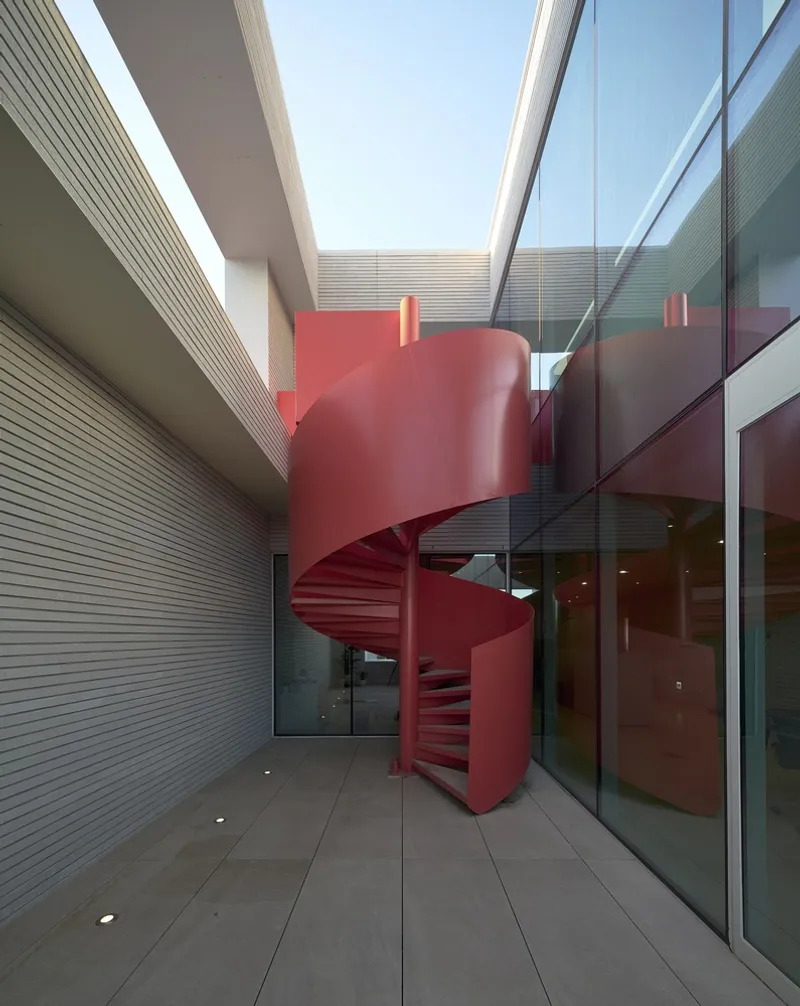
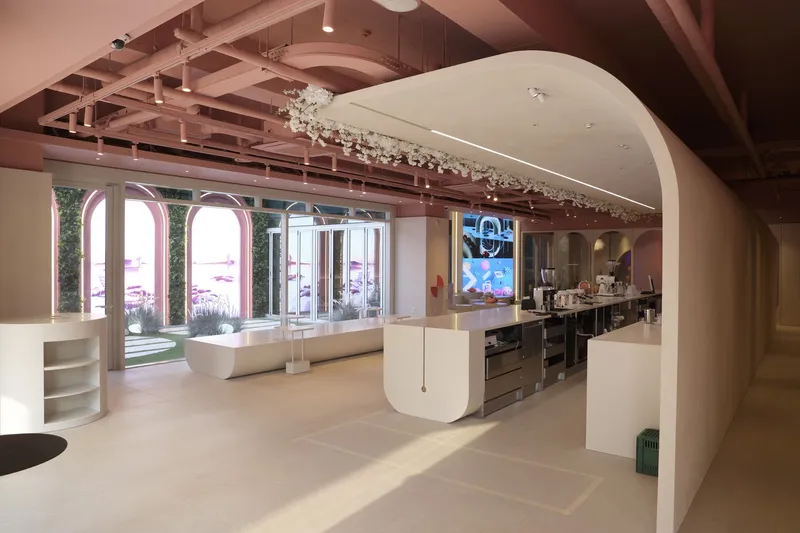
A unique feature of the Chai Communication Office Building is its five yards, which introduce a hierarchy of publicness. As one moves vertically up the building, the spaces transition from public to private. This design allows for a differentiated experience of the external spaces, catering to various activities from work to rest, and enhancing the connection between the building's interior and the cityscape.
The Impact of Innovative Office Architecture
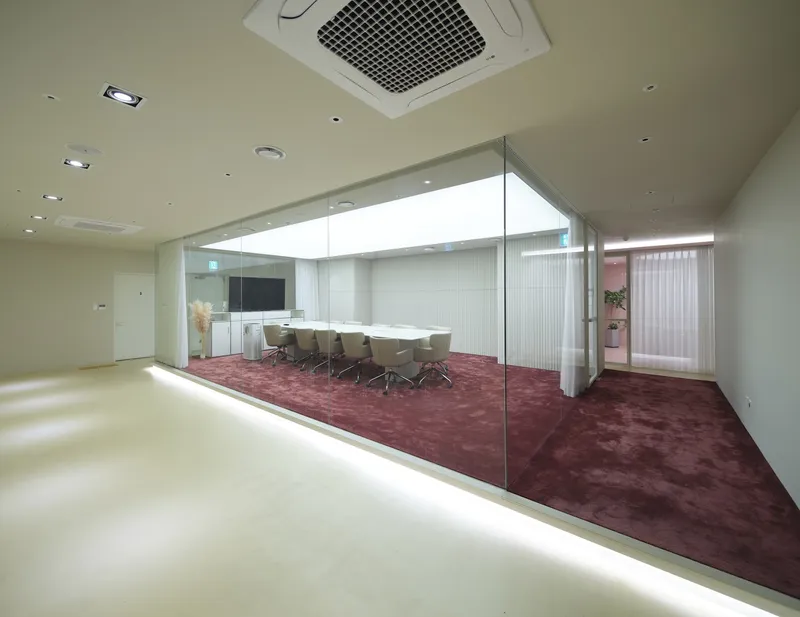
The Chai Communication Office Building is more than just a place of work; it's a vibrant part of the city that interacts with its surroundings. Its innovative design not only caters to the immediate needs of its occupants but also contributes to the broader urban fabric. This building sets a new standard for office architecture, where the focus is on creating spaces that adapt to the evolving nature of work while promoting creativity and well-being.
Redefining Office Spaces for the Future
The Chai Communication Office Building by ARCHITECTS BAN and Fluxys Lab is a landmark in innovative office architecture. It challenges conventional design norms and presents a new paradigm for the future of workspaces. As we move towards a more dynamic and interconnected world, the principles embodied in the Chai Communication Office Building serve as a guiding light for architects and designers aiming to create spaces that inspire, connect, and thrive.
In embracing the complexity of urban life and the simplicity of design, the Chai Communication Office Building stands as a testament to the power of architecture in shaping our experiences and enhancing our creative potential.
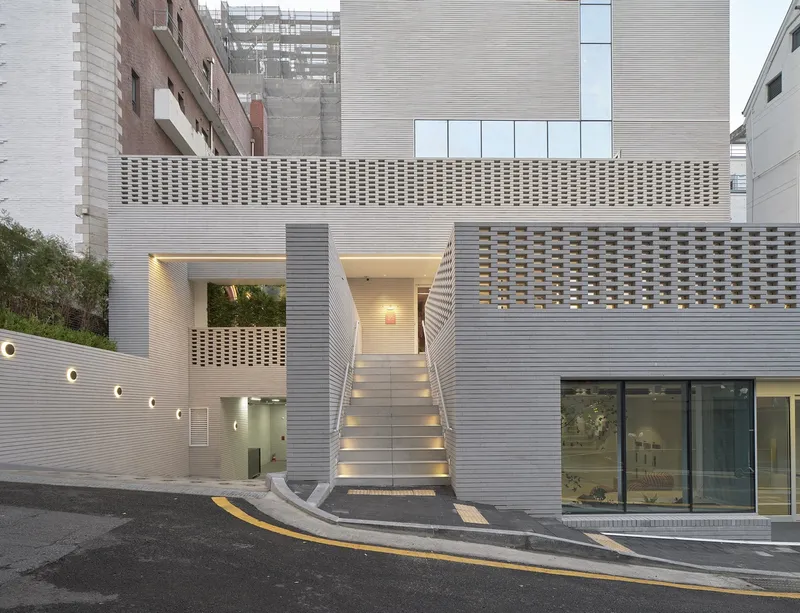

All the photographs are work of Hansuk Kim


Popular Articles
Popular articles from the community

Extended Shell: Retrofitting Kolkata's Balconies as Living Urban Thresholds
A modular retrofit system recovers the social and environmental intelligence of Kolkata's historic verandas for contemporary Park Street residents.

Cloaked Colonization: A Mobile Underwater Habitat That Moves Like a Fish
Micah Abaya's shortlisted EHC Pacific entry reimagines ocean settlement as a dispersed network of self-sustaining architectural organisms.

Manzana Morphosis: Stretching Barcelona's Grid into a Living Landscape for 2050
A radical reworking of the Eixample manzana turns density into a tool for generous public space, vertical ecology, and environmental performance.
Faces of the Soviet Avant-Garde: Turning Moscow's Street Names into an Open-Air Museum
A network of sculptural installations across a Moscow residential district transforms forgotten architect names into spatial encounters with cultural memor

Similar Reads
You might also enjoy these articles

Maya Harvest: A Cacao Resort Village Rooted in Mayan Tradition and Local Craft
Situated within a Tabasco cacao plantation, this shortlisted resort proposal merges vernacular materials with hands-on cultural immersion.
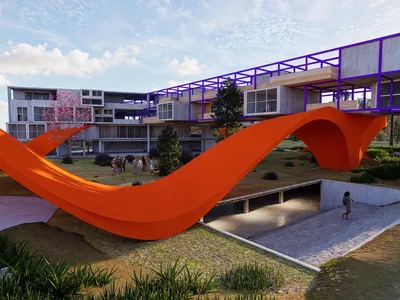
Harmonia: A River-Shaped Community That Grows Over Decades in Boa Vista
Curved pathways and modular grid structures along the Branco River create a phased settlement designed to evolve from 2030 to 2050.
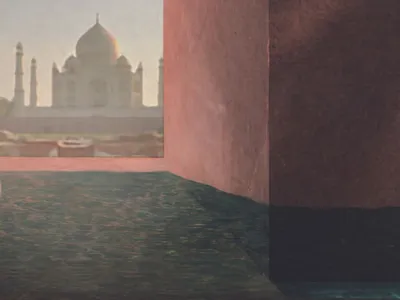
The Architecture of Bathing: A Mughal Hammam Reimagined Across the Yamuna
Charlotte May's honorable mention entry for The Black Taj reinterprets Agra's bathing rituals through red sandstone, water, and framed views of the Taj Mah
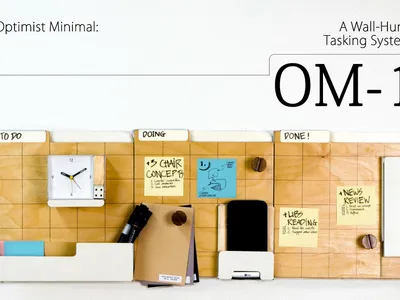
Om-1: A Wall-Hung System That Moves Your Workspace Off the Desk
Modular plywood boards, magnetic pegs, and utility elements migrate clutter from the horizontal surface to the vertical plane.

Explore Office Building Competitions
Discover active competitions in this discipline

Challenge to reimagine the Iron Throne

Photograph architecture without architects

Illustrate the lost glory of Angkor Wat - Render Challenge

Design challenge to reuse E-waste
Comments (0)
Please login or sign up to add comments
No comments yet. Be the first to comment!