
Innovative Stadium Design: Bridging Architecture and Public Spaces
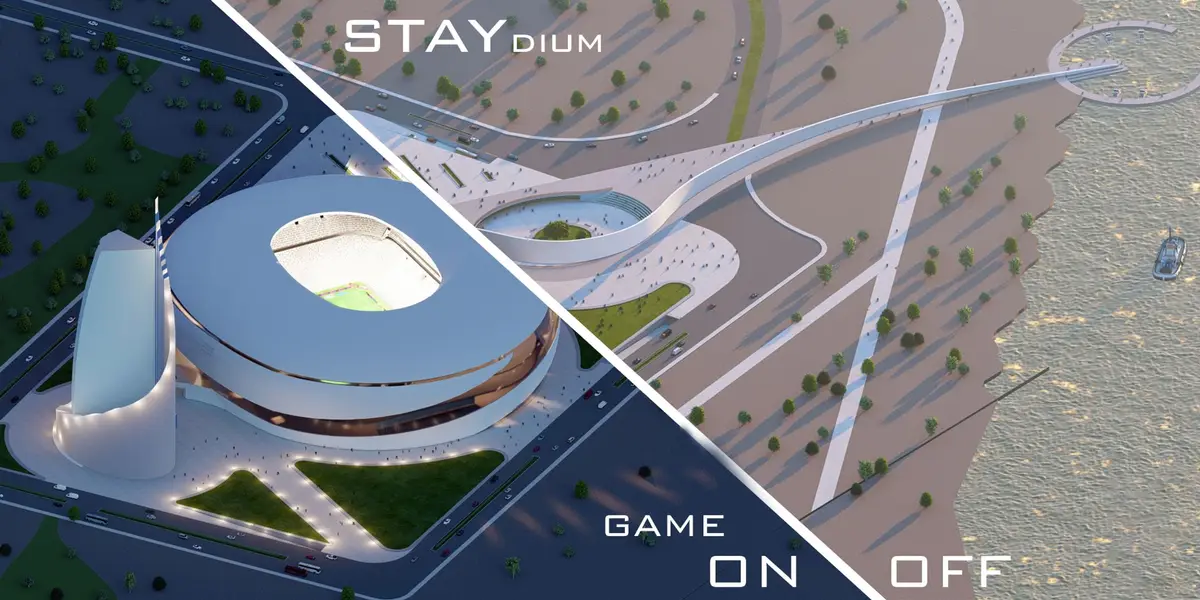
The article discusses the STAYdıum, a sustainable stadium design that melds community spaces with eco-architecture to remain vibrant post-events.


Sustainable Stadium Architecture: A Paradigm Shift
In the ever-evolving landscape of architectural design, the concept of sustainability has become a cornerstone. Particularly within the realm of stadium design, it marks a transition from transient structures to enduring, interactive spaces. Sustainable Stadium Architecture is more than a buzzword; it's an ethos that underpins the 'STAYdıum' project Winner of Staydium by Diyar Cevirel, an epitome of how modern arenas can serve communities long after the final whistle.

The Concept of STAYdıum
The 'STAYdıum' is not just an architectural marvel; it's a living, breathing entity that harmonizes with the Mississippi River's natural grandeur. Inspired by the river's resemblance to a vast tree with sprawling branches, the stadium serves as the central trunk, with surrounding facilities as the branches that support its life.

A Design Inspired by Nature
The Mississippi River, with its tributaries — the Red River, Missouri, and Arkansas — inspired the design of the STAYdıum, mirroring the river's significance in shaping the ecological and cultural fabric of the region. This design philosophy extends beyond aesthetics, integrating the stadium into the city's lifeblood, making it an indispensable hub for communal convergence.

Keeping the Stadium Alive
The key to Sustainable Stadium Architecture is the utility beyond the main events. The STAYdıum addresses the often-observed decline of stadium relevance post-events by embedding public spaces within its structure, ensuring its vibrancy and utility persist.
Public Spaces: The Heart of Urban Development
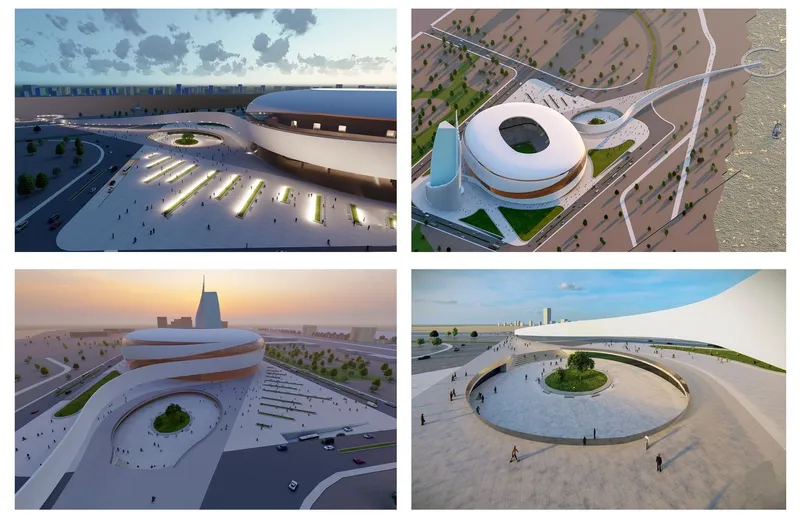
At the core of the STAYdıum's design is the emphasis on public spaces. These areas are not just voids between structures but interactive zones where societal bonds are forged. By infusing the coastal city's essence into the design, the STAYdıum becomes a catalyst for social interaction and cultural enrichment.

The Integration of Public Oriented Design
A "living coast" concept is adopted, integrating the coast with the city, fostering collective social life. It's a design that not only respects the existing urban tapestry but also weaves new patterns of community and connectivity.

Architectural Features of STAYdıum
The STAYdıum's design is a testament to the potential of Sustainable Stadium Architecture. It demonstrates that stadiums can be more than venues; they can be community landmarks.
Eco-Friendly Infrastructure
The design incorporates eco-friendly materials and green spaces, reducing the environmental footprint and promoting sustainability. The surrounding areas of the stadium offer a mix of commercial, leisure, and green spaces, ensuring a balanced ecosystem within the urban fabric.

Inclusive and Accessible Design
Accessibility is at the forefront of the STAYdıum's design. It is fashioned to be a welcoming space for all demographics, celebrating diversity and inclusivity.
Technology-Integrated Architecture
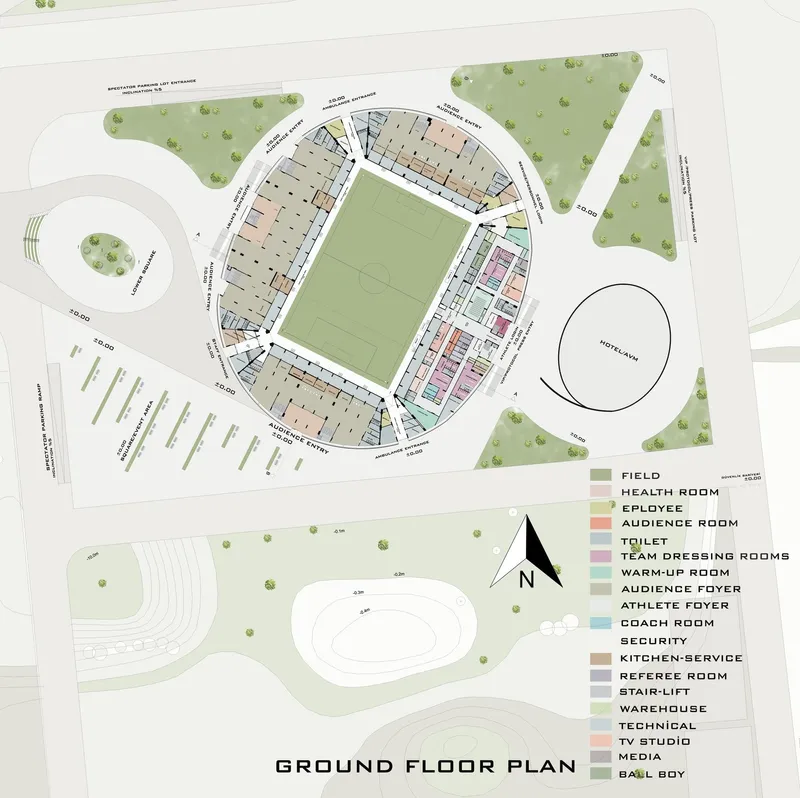
Advanced technologies are integrated into the stadium's design, enhancing the visitor experience and streamlining operations. From energy-efficient solutions to state-of-the-art amenities, the STAYdıum is poised to redefine the standards of modern architecture.
The STAYdıum project exemplifies the transformative power of Sustainable Stadium Architecture. It's a visionary approach that reimagines the role of sports venues in urban landscapes. By fostering an inclusive, vibrant, and sustainable environment, the STAYdıum sets a new benchmark for future architectural endeavors.
As cities continue to grow and evolve, the principles of Sustainable Stadium Architecture will guide the creation of spaces that not only celebrate sports but also nurture the community, environment, and the very essence of urban living. The STAYdıum isn't just a design; it's a legacy that will inspire generations to come.


Popular Articles
Popular articles from the community


U.GA Architects Wraps an Oval Rooftop Pool in Curved Board-Formed Concrete on Busan's Jeollidan-gil
In Busan's Jeonpo-dong, a 454 m² mixed-use block stacks a neighborhood facility, guest rooms and an oval rooftop pool inside spiraling concrete walls.

Cube Design Draws an Ecological Corridor Between Two Shenzhen Hills with the Nankai Building
Beside Shenzhen's container docks, the Nankai Building pairs stacked balconies with a climbing green screen to connect two hillsides across its height.

Jaramillo Van Sluys Arquitectura and Urbanismo Turn a Demolished Registry Lot in Quito into an Orchard Plaza
In Quito's Centro Histórico, a 2,800 m² plaza exposes the San Agustín convent wall and redraws its lost Augustinian orchard in volcanic stone.

David Macias Steps a Doorless Stone and Plaster House Down a Tropical Colombian Hillside
In the humid hills of Colombia, Threshold House replaces the front door with an open void and terraces its 850 m² down the slope instead of fighting it.

Similar Reads
You might also enjoy these articles


Vereda Arquitetos Renovates a 40-Square-Meter Apartment Inside Niemeyer's Copan Building
A compact unit in São Paulo's most iconic residential tower gets a material overhaul that pairs exposed concrete with bold blue Formica.

Shakur's House: Exposed Brick as an Interior Organiser in a 168 m² Mashhad Residence
Brick moves indoors in this Mashhad residence, where masonry walls, glass partitions and teal planes sequence a compact home without closing it off.

Day and Night Park: A Time-Based Urban Newsstand in Beijing
A temporary urban newsstand in Beijing blending travel, light, and reading through poetic colors, compact form, and community-focused design.

Modernist Patio Renovation in El Masnou, Barcelona by Oliver Segura Arquitectura + Cebrià Arquitectura
Modernist patio renovation blending tradition and innovation with a movable pool, leveled floors, and Catalan materials in El Masnou.

Comments (0)
Please login or sign up to add comments
No comments yet. Be the first to comment!