
Integrated Natural Architecture in Japan: The House in Asagiri Kogen
This article delves into the House in Asagiri Kogen, showcasing its design that integrates natural surroundings with architectural innovation in Japan.


Integrated natural architecture is a design philosophy that harmonizes building designs with their natural surroundings. In Japan, where the appreciation of nature is deeply embedded in culture, this architectural approach is particularly significant. The House in Asagiri Kogen by Buttondesign exemplifies this philosophy, merging daily life seamlessly with the natural environment.
Overview of the House in Asagiri Kogen
Architectural Design and Vision
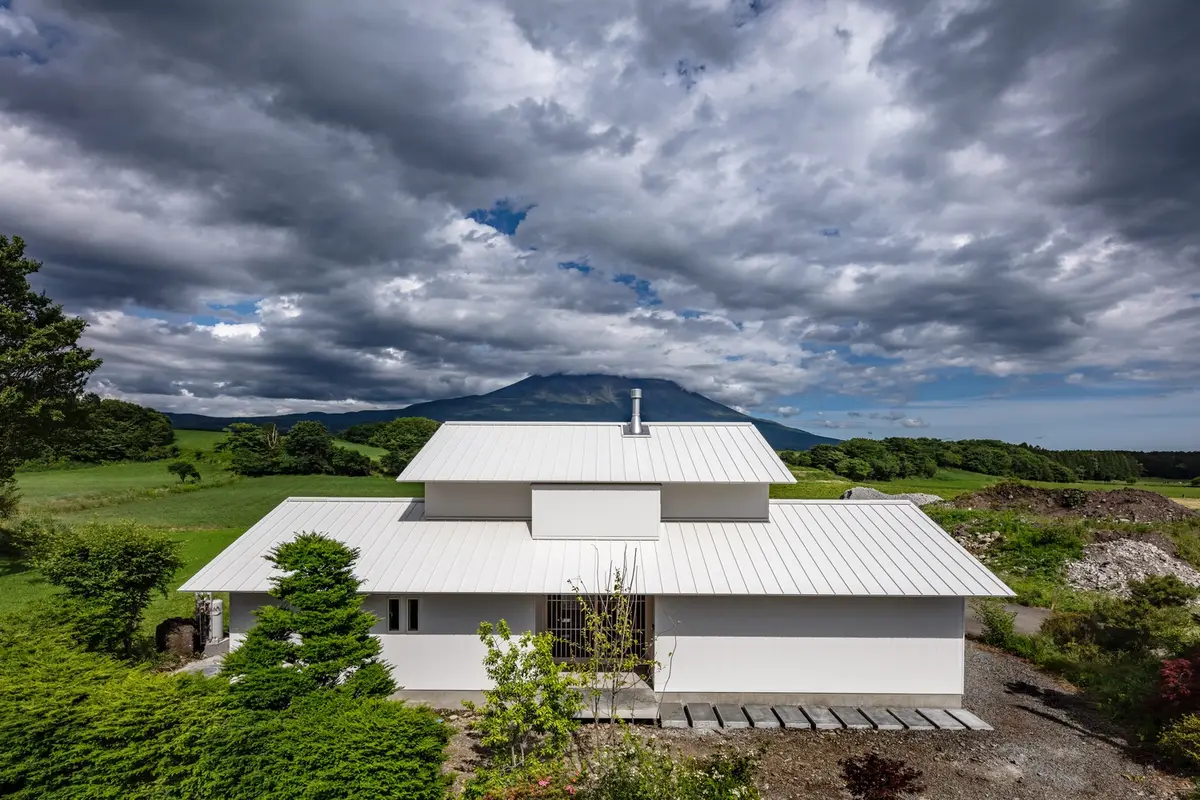
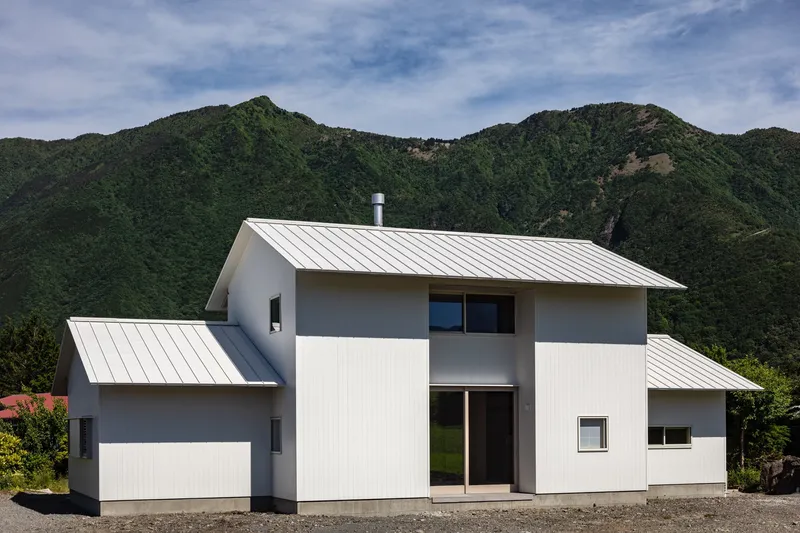
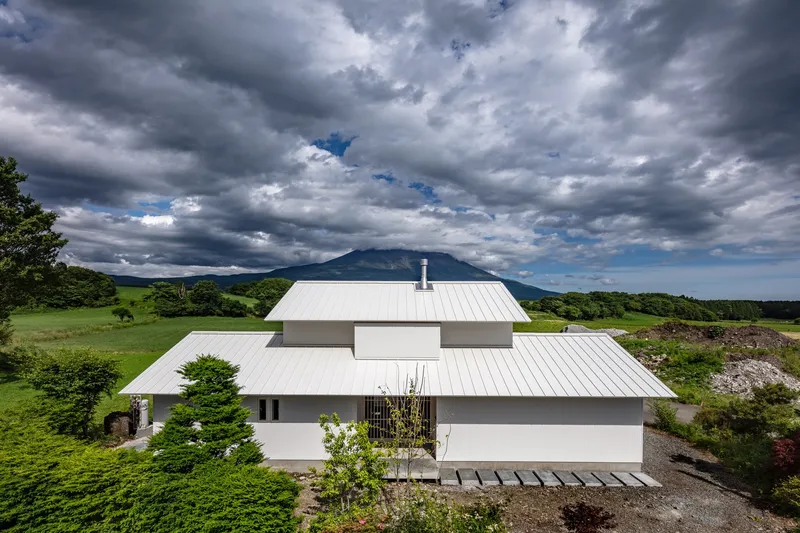
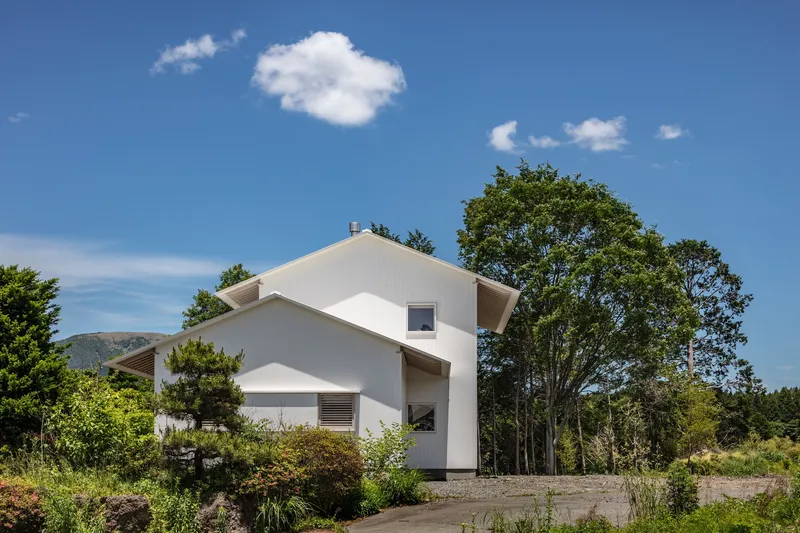
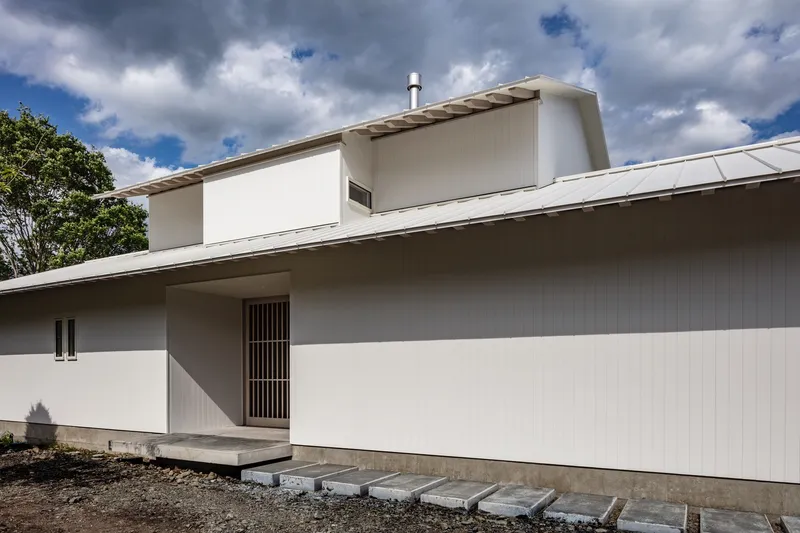
Located on the Asagiri Plateau in Fujinomiya, Japan, this 139 square meter farmhouse is designed for a rancher living at the foot of an 870-meter-high mountain west of Mt. Fuji. Designed by the innovative team at Buttondesign, led by architects Kohei Kikuta and Yuzuru Murakami, the house is a profound response to the dramatically changing weather conditions and the breathtaking landscapes of the region.
The Role of the Environment in Design
From the outset, the architects recognized the scenery not just as a backdrop but as an integral part of the residents' daily lives. This realization guided every aspect of the architectural design, aiming to create a dwelling that reflects the symbiotic relationship between the human and natural worlds.

Key Features of the House
Connection with Nature
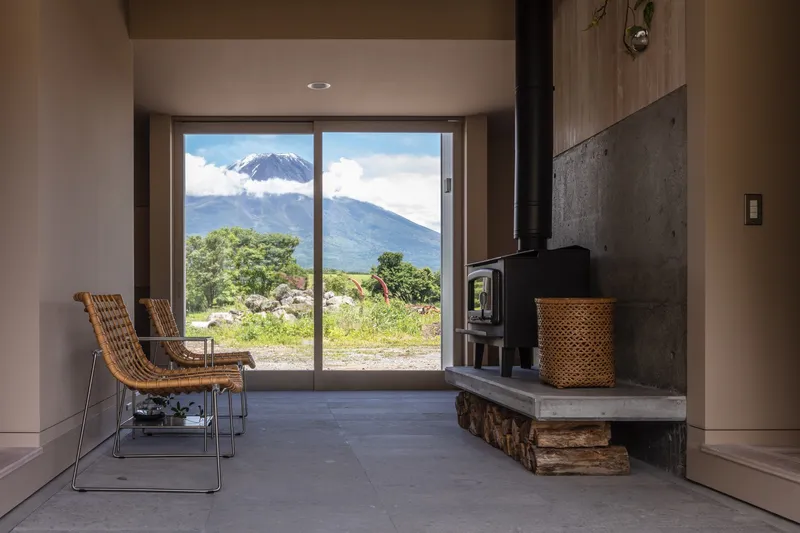
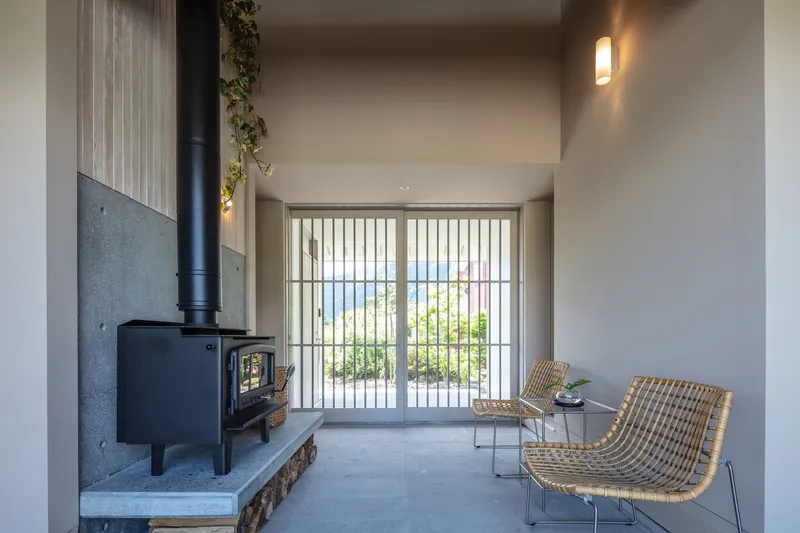
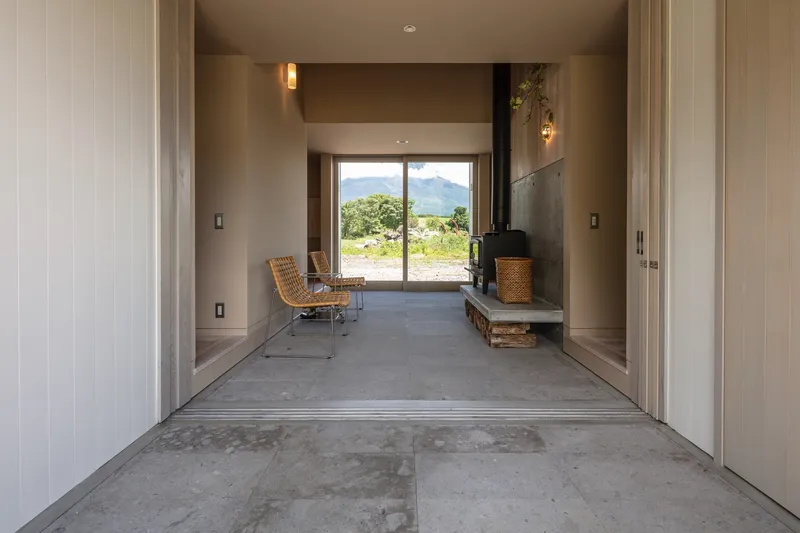
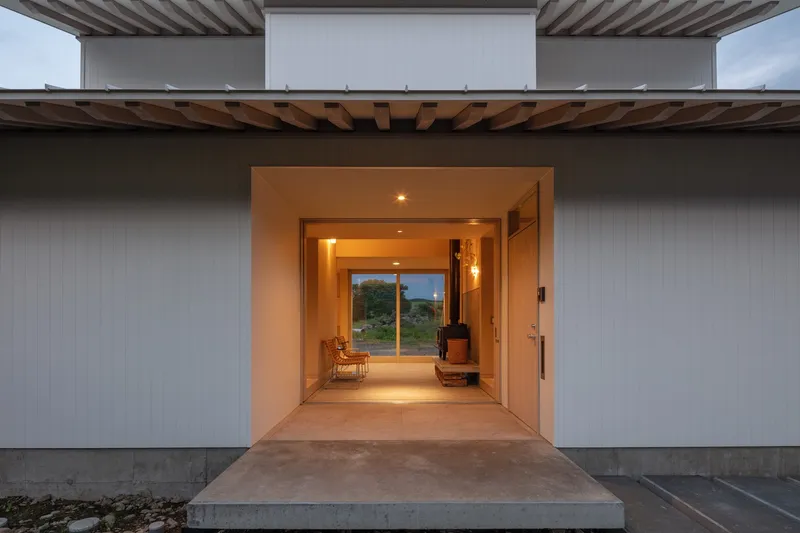
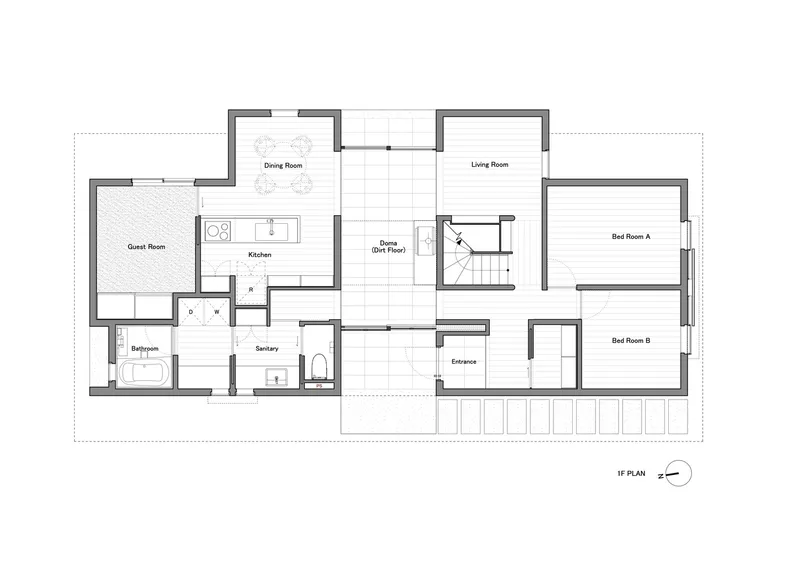
The house is strategically planned to make nature a core element of the living space. An earthen floor stretches in a straight line from the top of Mt. Fuji to the center of the house, acting as a gathering point for family and friends, and symbolizing the connection between the home and the mountain.
Seasonal Adaptations
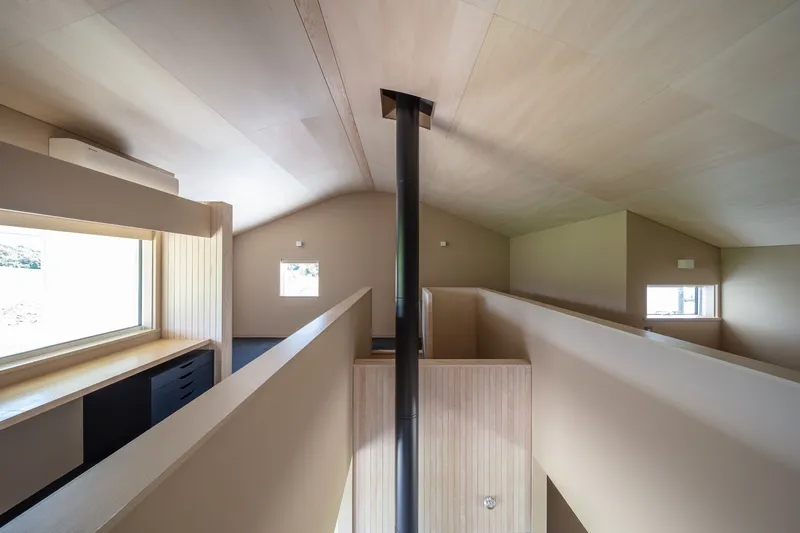
The architectural design takes into account the varying seasons of the Asagiri Plateau. During warmer months, large windows invite cooling breezes from the mountain, while in colder seasons, residents gather around a wood stove, enjoying the warmth and the mesmerizing view of flickering flames, further enhancing the integration with nature.

Architectural Materials and Techniques
Sustainable Building Practices
Reflecting on the sustainable practices, the House in Asagiri Kogen incorporates local materials like cool stone for flooring and features a wood stove that both heats and serves as a focal point in the living space. These choices not only reduce environmental impact but also add to the aesthetic and functional qualities of the home.



The Significance of Integrated Natural Architecture
The House in Asagiri Kogen stands as a testament to the potential of integrated natural architecture in Japan. By embracing the intrinsic link between architecture and its environment, Buttondesign has created a space that is not only sustainable but deeply connected to its cultural and physical landscape. This project serves as an inspiring example for future architectural endeavors that aim to blend human habitation with natural beauty.

All photographs are work of Satoshi Asakawa


Popular Articles
Popular articles from the community


Cube Design Draws an Ecological Corridor Between Two Shenzhen Hills with the Nankai Building
Beside Shenzhen's container docks, the Nankai Building pairs stacked balconies with a climbing green screen to connect two hillsides across its height.

David Ortega Stacks a Two-Story Mexico City Penthouse Around a Steel Stair and a Pergola-Shaded Roof Terrace
In Colonia Roma, a 300 m² penthouse uses oak joinery, a planted steel stair and a slatted roof pergola to make a new-build apartment feel like a house.

Architekt Andreas Gruber Scatters 23 Dark Timber Chalets Across a South Tyrolean Forest Edge
In Molini di Tures, Amonti Chalets breaks a resort into a hamlet of gabled timber houses, with parking, storage and services pushed into the slope.

U.GA Architects Wraps an Oval Rooftop Pool in Curved Board-Formed Concrete on Busan's Jeollidan-gil
In Busan's Jeonpo-dong, a 454 m² mixed-use block stacks a neighborhood facility, guest rooms and an oval rooftop pool inside spiraling concrete walls.

Similar Reads
You might also enjoy these articles


Hodi-Mandai Geram
Project Function: Preservation and revitalization of the Intangible heritage and socio-spatial identity of the Hodi by Housing, Cultural Memory Center, Sacred Grove, landscape, local tourism economy


Olio Towers: A Mid-Rise for Performers That Fuses Housing, Rehearsal, and Stage
Located blocks from Houston's Theater District, this modular tower stacks living units around a central performance atrium.

Oasis: Modular Green Housing Carved into Dhaka's Urban Fabric
A shortlisted Plugin Housing entry reclaims unauthorized settlements in Dhaka with stepped concrete volumes, green roofs, and ventilation-driven design.

Black Hole: A Floating Megastructure for the Post-Physical Era
Emiliano Mazzarotto envisions a spherical, self-scaling arena where e-sports, digital hotels, and holographic stadiums replace traditional public space.
Explore Architecture Competitions
Discover active competitions in this discipline

Challenge to reimagine the Iron Throne

Photograph architecture without architects

Illustrate the lost glory of Angkor Wat - Render Challenge

Design challenge to reuse E-waste
Comments (0)
Please login or sign up to add comments
No comments yet. Be the first to comment!