
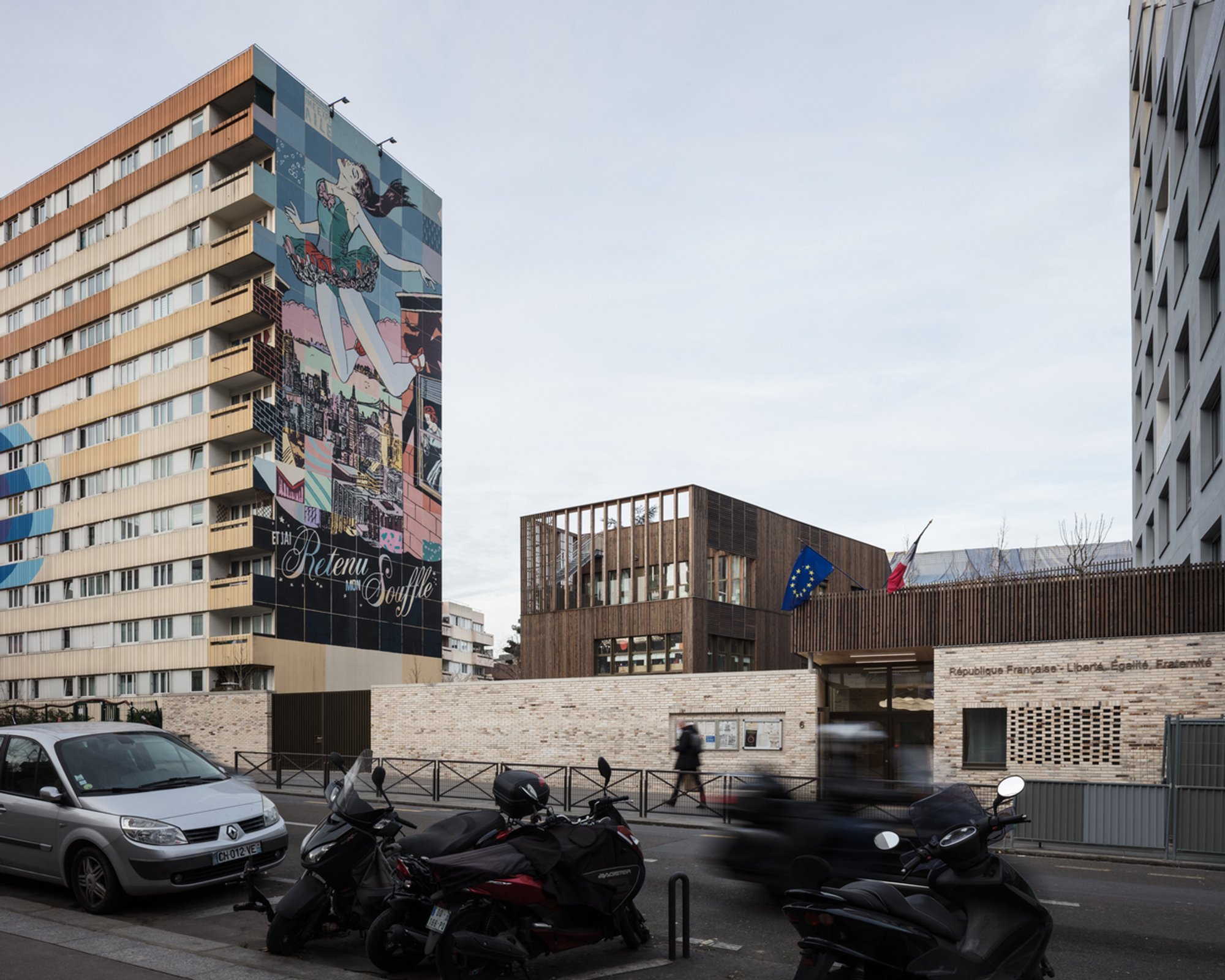
Jeanne d’Arc Nursery School – A Sustainable, Child-Centered Architectural Landmark in Paris
Jeanne d’Arc Nursery School in Paris blends sustainable materials, natural light, and child-centered design, creating an eco-friendly educational environment.

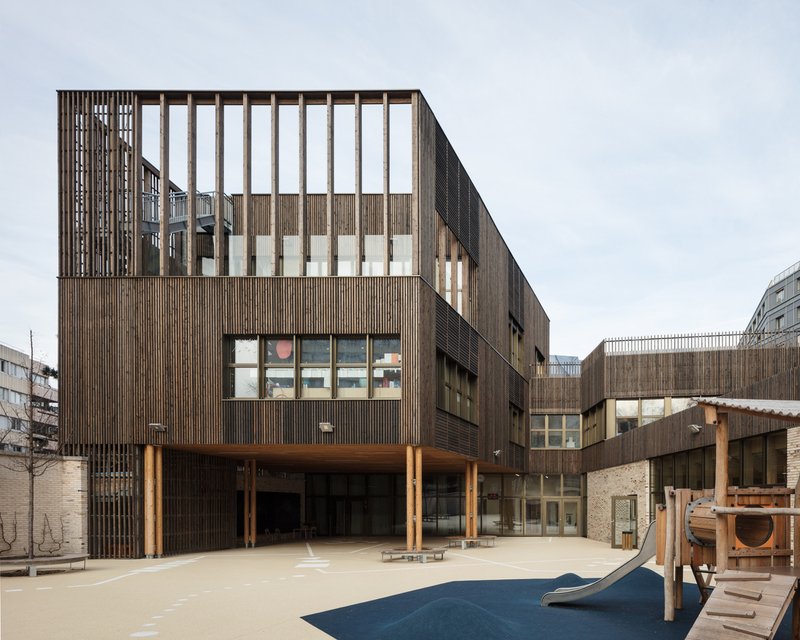
Designed by La Architectures in collaboration with Atelier Desmichelle Architecture, the Jeanne d’Arc Nursery School in Paris, France, redefines educational architecture through its innovative design, sustainable construction methods, and focus on child-centered spatial experiences. Completed in 2019, the 1,753 m² project integrates biobased materials, low-carbon strategies, and passive design principles, creating a space where learning, play, and environmental responsibility coexist seamlessly.
Architectural Concept – The Inner Street
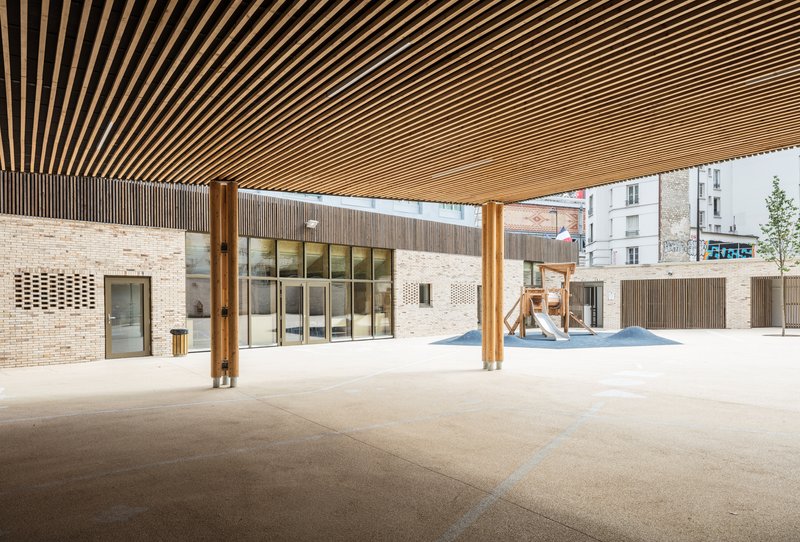
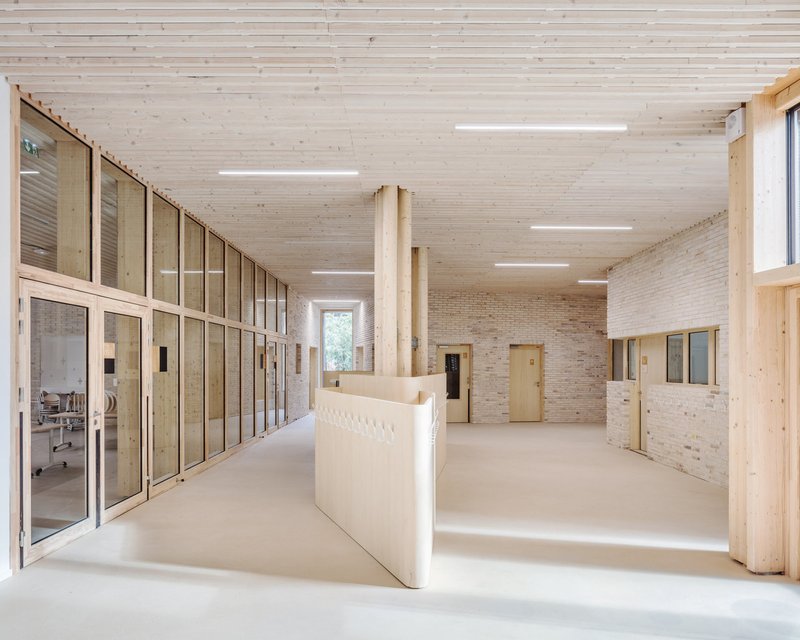
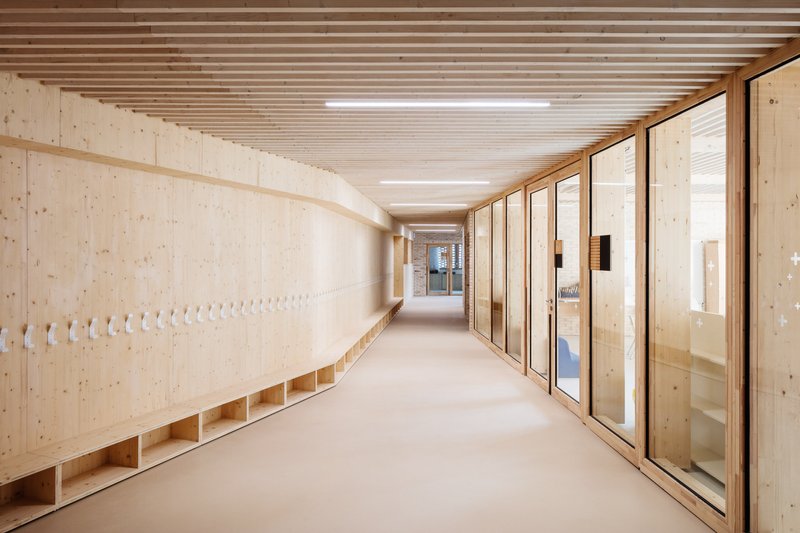
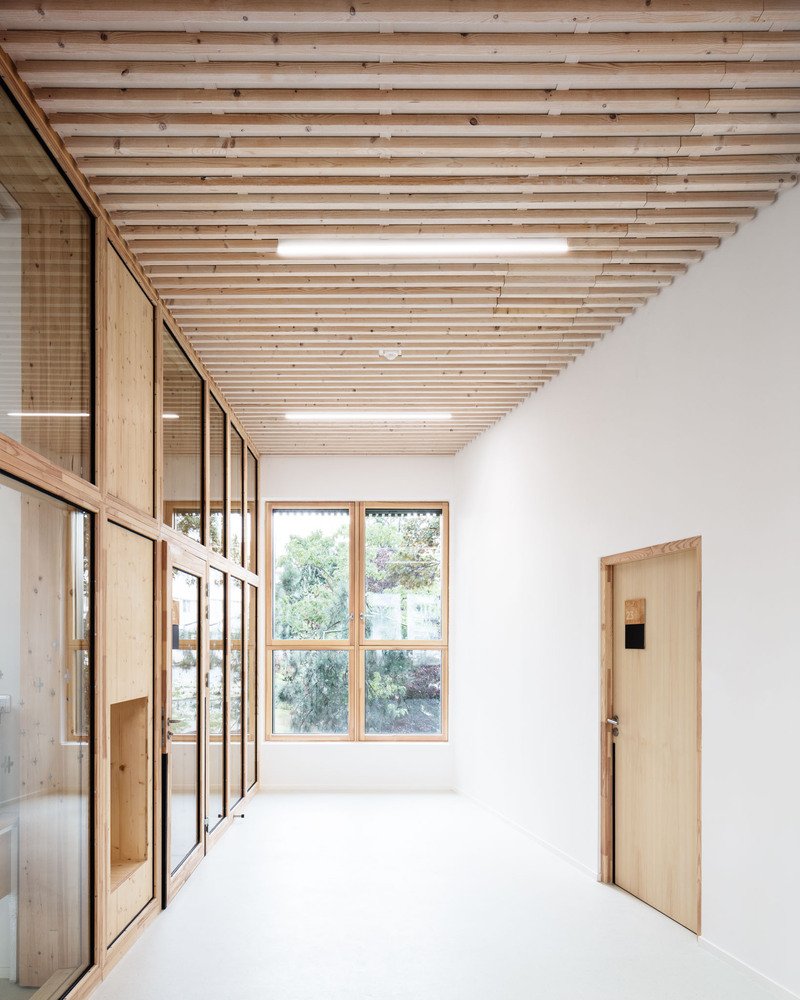
The design is structured around the concept of an “inner street”, a central spine that organizes circulation and anchors the school’s spatial identity. Running nearly 40 yards, this passage connects classrooms, play areas, and shared spaces while maintaining constant visual links to the outside. Natural light floods the interiors through glazed partitions, large bay windows, and openings in thick brick volumes, ensuring a bright, welcoming atmosphere for children and educators alike.
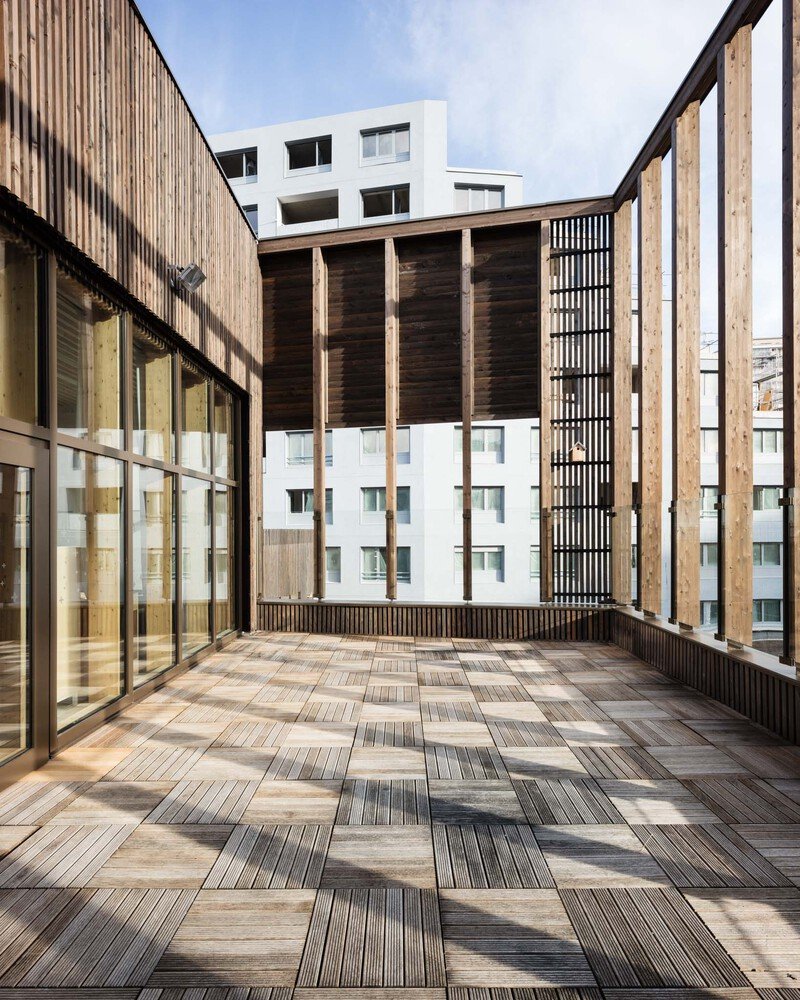
Materiality and Spatial Experience
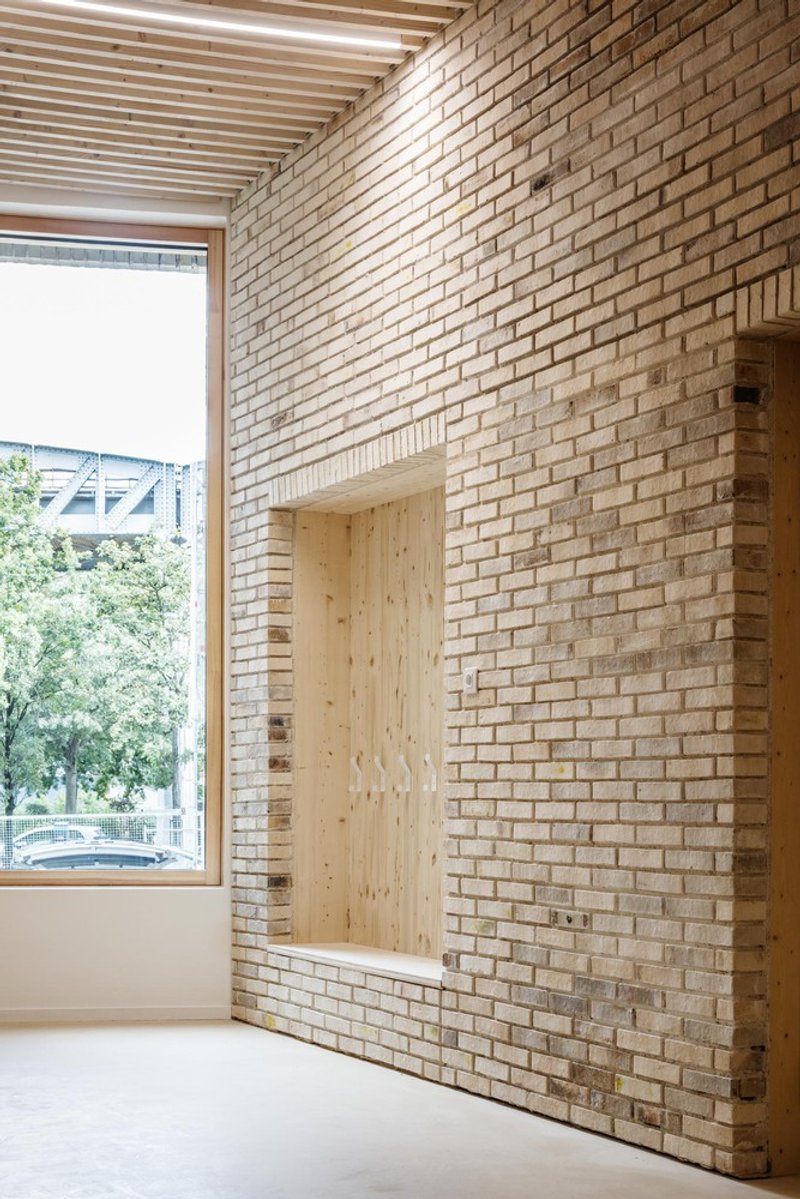
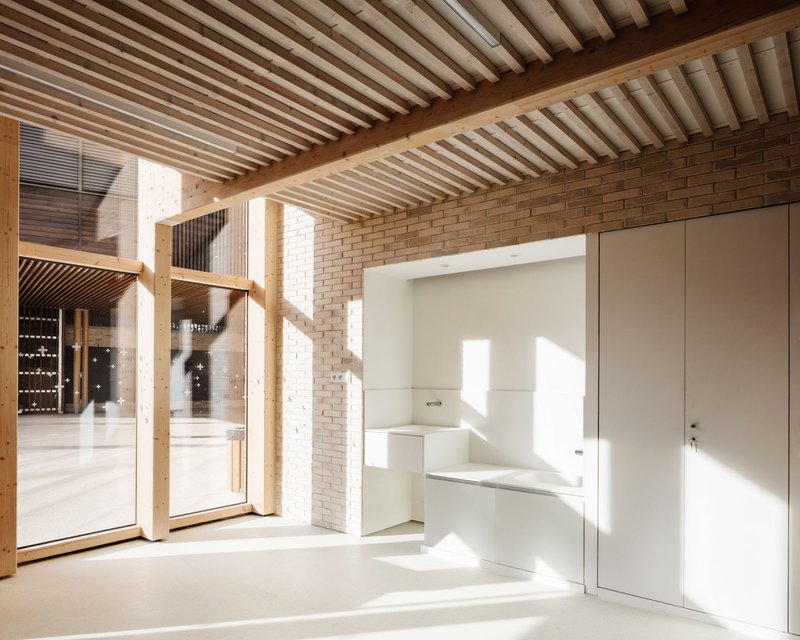
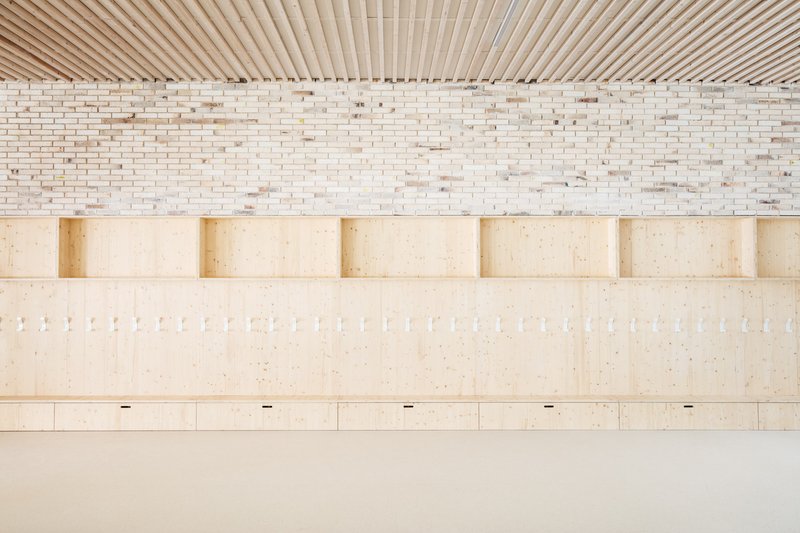
The building’s architectural language balances solid brick walls and glazed wooden frames, creating a rhythm of openness and enclosure. The brick volumes define children’s spaces, while the wooden structures—often load-bearing and fully glazed—encourage transparency and interaction. Carefully designed mashrabiya-inspired elements provide filtered light and privacy where needed, complementing the natural textures of wood, terracotta, and plant-filled landscapes visible from within.
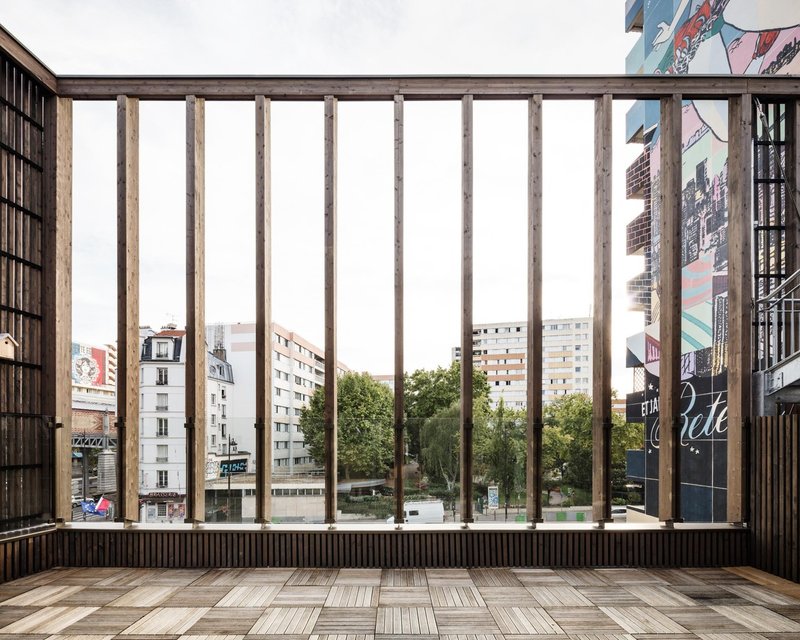
Functionality and Flow
The entrance hall opens generously onto the inner street, connecting the leisure center, washrooms, dining hall, and classrooms. Every space is naturally lit and carefully integrated into the building’s structure. The design ensures multifunctionality—each constructive element serves dual purposes, from traffic direction to storage or framing specific spatial moments.
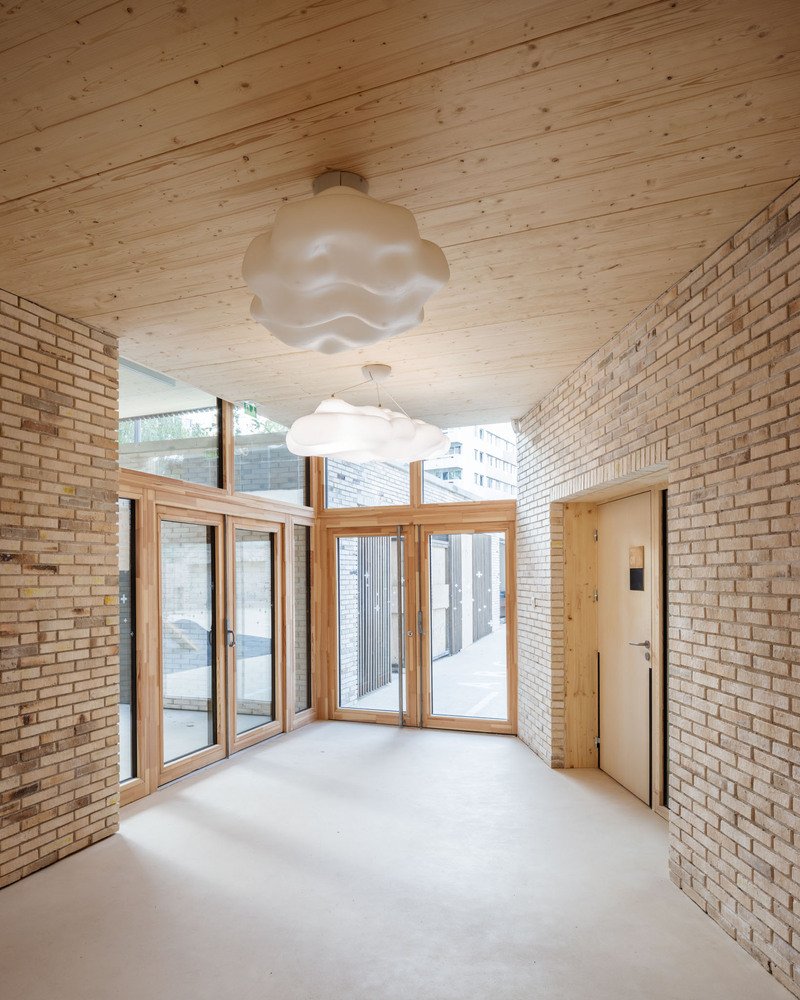
Sustainability and Low-Carbon Design
A key focus of the Jeanne d’Arc Nursery School is environmental performance. The project adopts a low-carbon approach, using biobased and geo-sourced materials such as wood-frame walls, straw insulation, and terracotta bricks fired in one of the last traditional French kilns. Prefabricated wooden elements reduce construction waste, while CLT (cross-laminated timber) walls and floors, wood-aluminum joinery, and natural wood cladding highlight the project’s ecological commitment.
The building meets passive design certification standards, with reduced heating needs, a high-performance thermal envelope, optimized sunlight, and dual-flow ventilation. Acoustic solutions and summer comfort strategies further enhance user experience, while significantly lowering the school’s carbon footprint.
A Model for Future Educational Architecture
The Jeanne d’Arc Nursery School demonstrates how architecture for education can go beyond functionality, offering spaces that nurture curiosity, creativity, and environmental awareness. By blending sustainable materials, innovative circulation concepts, and abundant natural light, the project creates an inspiring learning environment and stands as a benchmark for eco-friendly educational design in France and beyond.
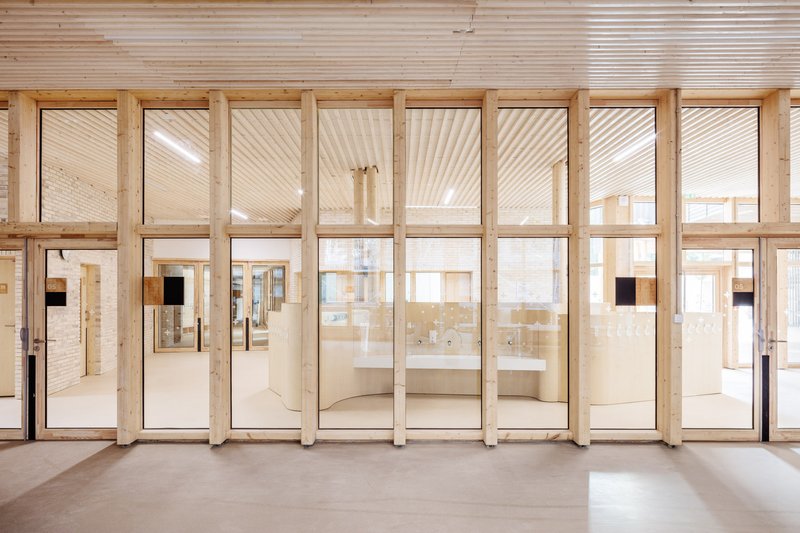
All Photographs are works of Charly Broyez



Popular Articles
Popular articles from the community

Free Architecture Competitions You Can Enter Right Now
No entry fees, real prizes. Here are the best free architecture competitions open for submissions in 2026.

Inverted Architecture Installation by Studio Link-Arc: Exploring the Intersection of Architecture and Living Organisms
Inverted Architecture Installation by Studio Link-Arc blends mycelium, sustainability, inverted design, ecological cycles, and urban adaptive architecture in Shenzhen.
Gads Hill Early Learning Center by JGMA: Adaptive Reuse Shaping Community-Focused Educational Architecture
Adaptive reuse transforms fragmented structure into vibrant early learning center with playful façade, natural light, and community-focused sustainable design.

Solar Steam: A Climate-Responsive Architecture That Redefines the Monument
A climate-responsive memorial architecture that transforms heat, decay, and time into a living system reflecting humanity’s ecological impact.

Similar Reads
You might also enjoy these articles


The Ken Roberts Memorial Delineation Competition (Krob)
As the most senior architectural drawing competition currently in operation anywhere in the world, it draws hundreds of entries each year, awarding the very best submissions in a series of medium-based categories.
Waterfront Redevelopment and Urban Revitalization in Mumbai: Forging a New Dawn for Darukhana
A transformative waterfront redevelopment project reimagining Darukhana’s shipbreaking heritage into an inclusive urban future.

OUT-OF-MAP: A Call for Postcards on Feminist Narratives of Public Space
Rhizoma Design and Research Lab invites artists, designers, architects, researchers, and students to reflect on how feminist perspectives can reshape public space. Selected works will be exhibited in Barcelona, October 2026. Submissions open until 15 April 2026.

Documentation Work on Buddhist Wooden Temple
Architectural syncretism and cultural hybridity: A comparative study of the Buddhist temples in Chattogram Hill tracks


Explore Architecture Competitions
Discover active competitions in this discipline




The International Standard for Design Portfolios


The Global Benchmark for Architecture Dissertation Awards


The Global Benchmark for Graduation Excellence


Challenge to design public laboratory
Comments (0)
Please login or sign up to add comments
No comments yet. Be the first to comment!