

Kiaora Residence By [STRANG] | Miami, United States
Kiaora Residence by STRANG features interlocking volumes, climate-responsive design, and seamless indoor-outdoor living tailored to Miami’s subtropical lifestyle.


The Kiaora Residence, designed by Miami-based studio [STRANG] under the leadership of Max Strang, is a refined expression of contemporary tropical residential architecture. Set within a leafy suburban neighborhood of Miami, the house redefines modern family living through a carefully composed balance of climate-responsive design, indoor, outdoor continuity, and material warmth.
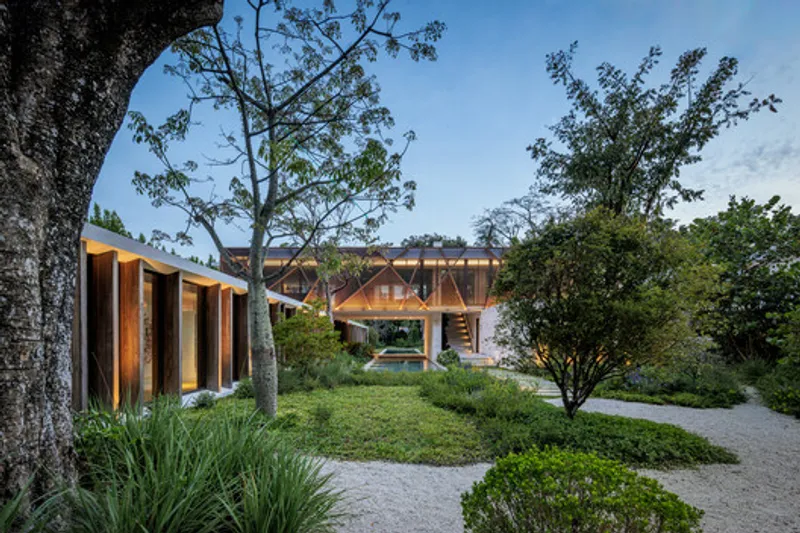
Conceived as two interlocking rectangular volumes, the residence presents a dynamic architectural composition that is both bold and restrained. This clear volumetric strategy allows the home to respond intelligently to its elongated suburban site while embracing Miami’s subtropical lifestyle and climate.


Floating Living Spaces and Subtropical Living
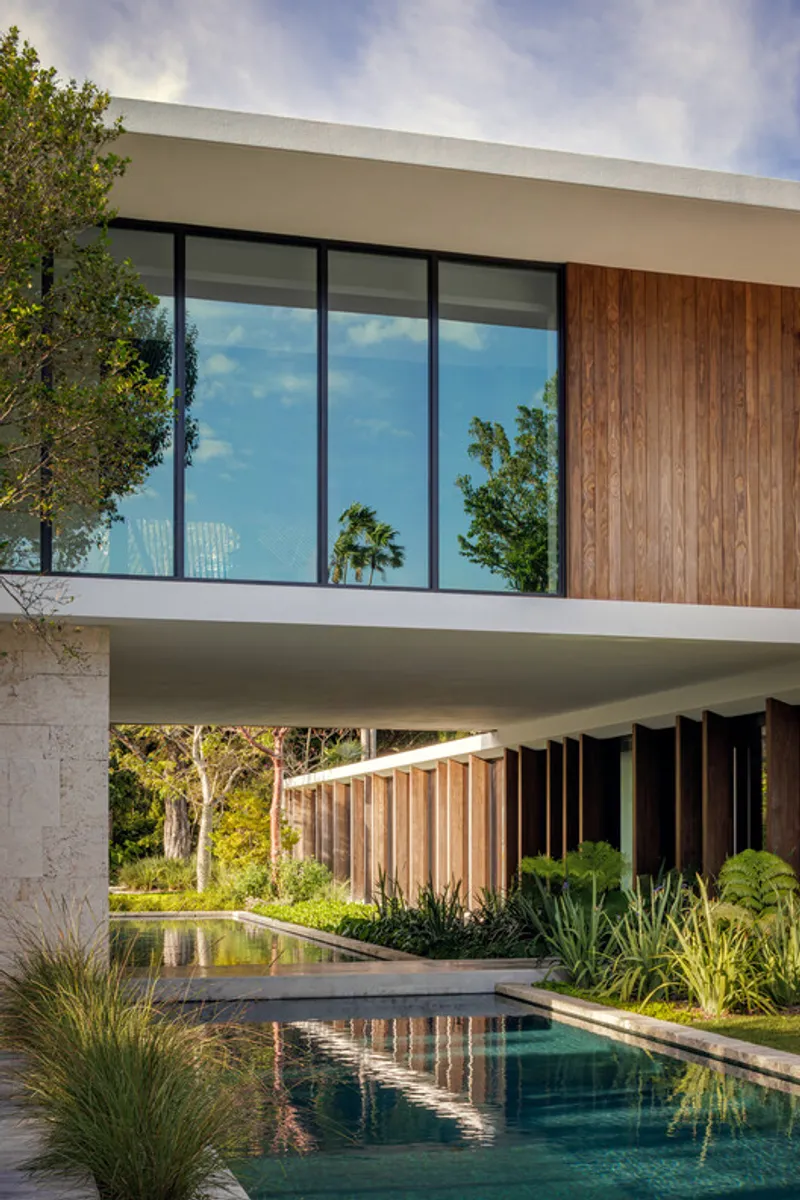
The upper volume, clad in rich wood panels and operable louvers, accommodates the home’s primary communal spaces, including the living, dining, and kitchen areas. Elevated above the ground, this level appears to float, creating a strong visual identity while opening the interiors to breezes, filtered daylight, and views of the surrounding greenery.
By lifting the main living areas, the architects create a direct relationship with the landscape while simultaneously freeing the ground plane for shaded outdoor living. This strategy reinforces a seamless connection between architecture and climate, allowing daily life to extend naturally beyond enclosed interiors.


Privacy, Comfort, and Climate Control
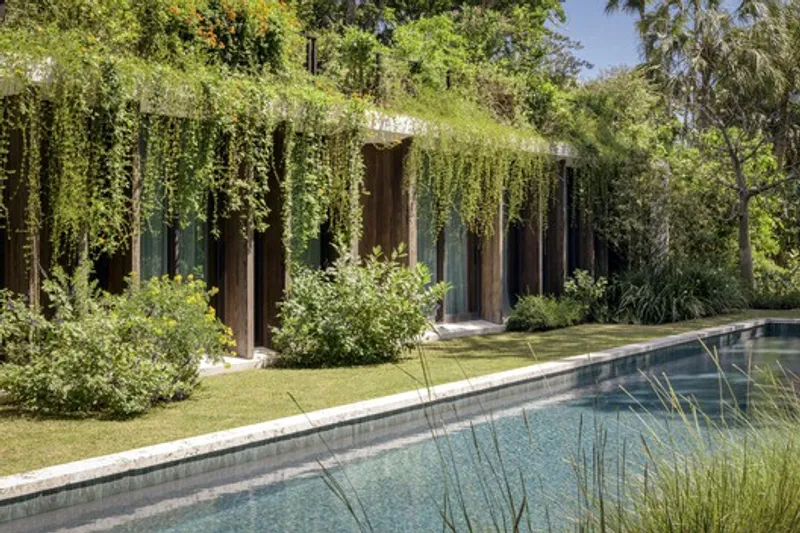
The ground floor is dedicated to private living spaces, including bedrooms and more intimate family areas. These spaces are carefully shielded by strategically spaced architectural elements that provide sun-shading, privacy, and thermal comfort without sacrificing openness.
Courtyards and garden-facing rooms blur the boundary between interior and exterior, ensuring that even the most private spaces maintain a strong connection to nature. This layered approach to privacy allows the home to feel both protected and open, an essential balance in contemporary residential design.


Materiality and Architectural Expression
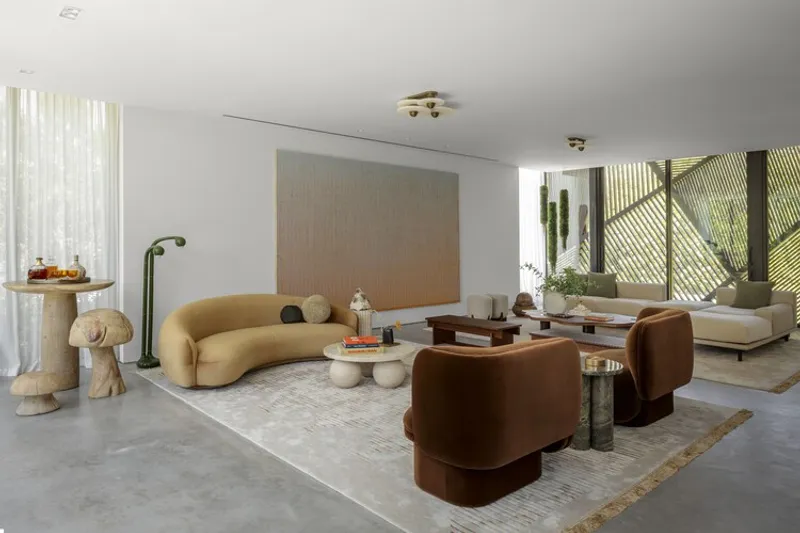
Natural materials play a central role in shaping the home’s atmosphere. Warm wood finishes, expansive glazing, and clean-lined detailing establish a calm, understated interior palette that complements the lush landscape outside. The careful use of light, shadow, and texture enhances the spatial experience throughout the day, responding to the shifting Miami sun.
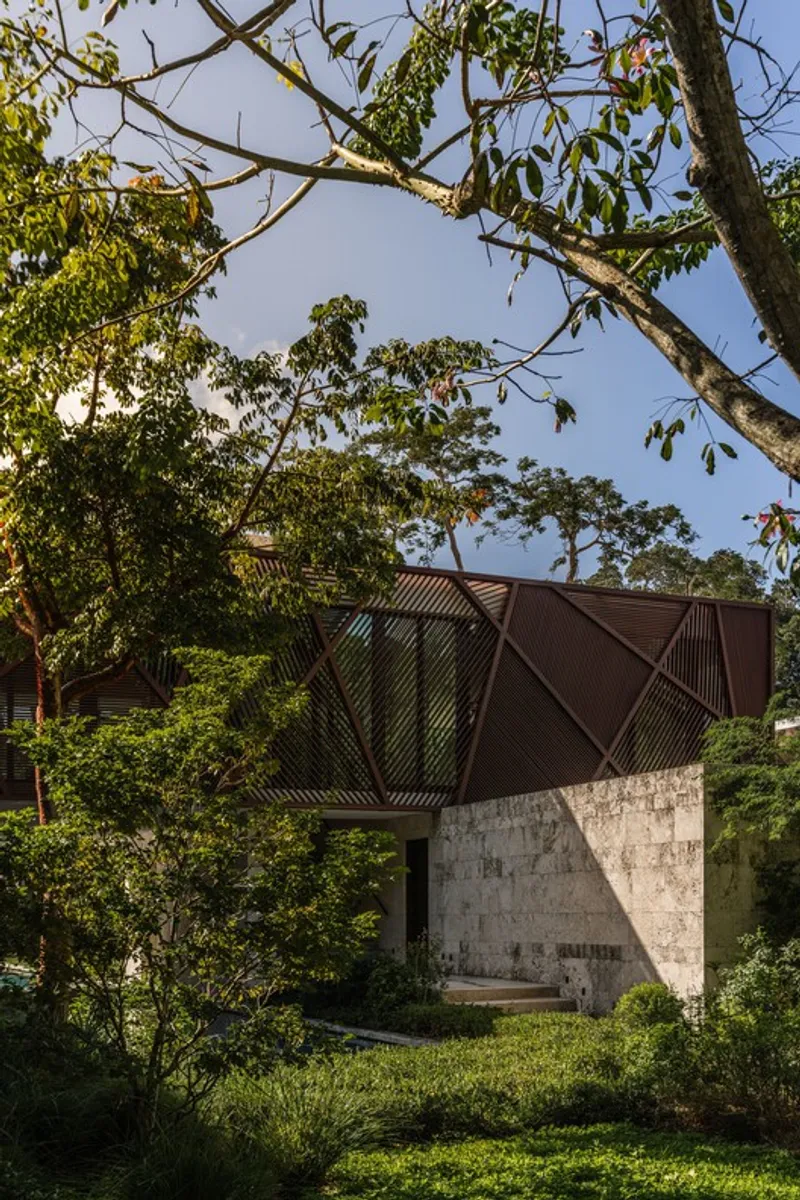
The home’s architecture demonstrates a deep understanding of passive design principles, using shading devices, orientation, and material selection to reduce heat gain while maintaining visual transparency and comfort.


A Modern Miami Residence
Kiaora Residence exemplifies [STRANG]’s design philosophy, which prioritizes clarity of form, environmental responsiveness, and a strong connection to place. By seamlessly integrating architecture with landscape, the house becomes an extension of its setting, supporting relaxed family living while standing as a distinctive example of modern residential architecture in South Florida.
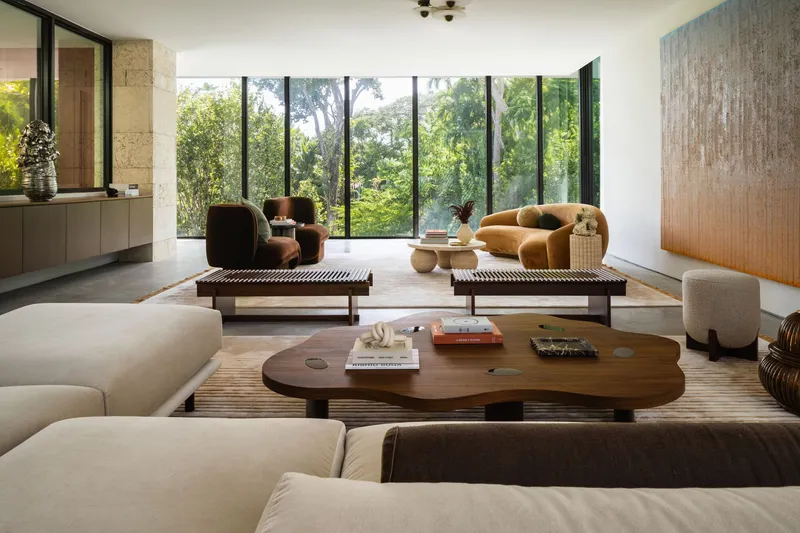


All the photographs are works of Kris Tamburello, Jeanne Cantro


Popular Articles
Popular articles from the community

Extended Shell: Retrofitting Kolkata's Balconies as Living Urban Thresholds
A modular retrofit system recovers the social and environmental intelligence of Kolkata's historic verandas for contemporary Park Street residents.
Manzana Morphosis: Stretching Barcelona's Grid into a Living Landscape for 2050
A radical reworking of the Eixample manzana turns density into a tool for generous public space, vertical ecology, and environmental performance.
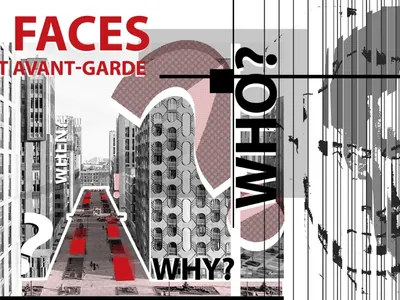
Faces of the Soviet Avant-Garde: Turning Moscow's Street Names into an Open-Air Museum
A network of sculptural installations across a Moscow residential district transforms forgotten architect names into spatial encounters with cultural memor
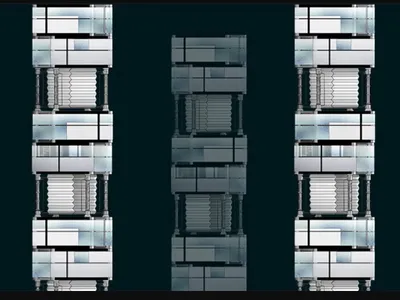
Tsunami Convergenics: Turning Catastrophic Ocean Forces into Underwater Housing Infrastructure
A speculative underwater settlement off the coast of Onagawa, Japan, treats tsunamis and typhoons as energy sources rather than threats.

Similar Reads
You might also enjoy these articles

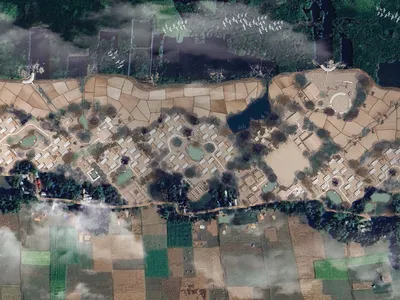
Hodi-Mandai Geram
Project Function: Preservation and revitalization of the Intangible heritage and socio-spatial identity of the Hodi by Housing, Cultural Memory Center, Sacred Grove, landscape, local tourism economy

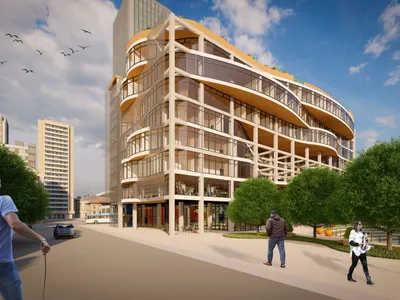
Olio Towers: A Mid-Rise for Performers That Fuses Housing, Rehearsal, and Stage
Located blocks from Houston's Theater District, this modular tower stacks living units around a central performance atrium.
Oasis: Modular Green Housing Carved into Dhaka's Urban Fabric
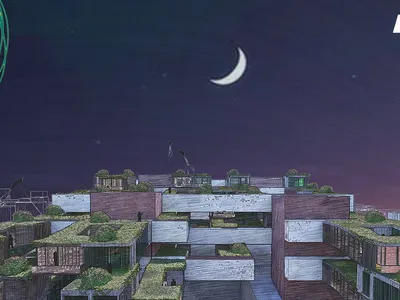
A shortlisted Plugin Housing entry reclaims unauthorized settlements in Dhaka with stepped concrete volumes, green roofs, and ventilation-driven design.

Black Hole: A Floating Megastructure for the Post-Physical Era
Emiliano Mazzarotto envisions a spherical, self-scaling arena where e-sports, digital hotels, and holographic stadiums replace traditional public space.

Explore Residential Building Competitions
Discover active competitions in this discipline

Challenge to design mud housing for contemporary communities

Challenge to reimagine the Iron Throne

Photograph architecture without architects

Illustrate the lost glory of Angkor Wat - Render Challenge
Comments (0)
Please login or sign up to add comments
No comments yet. Be the first to comment!