

Korngold Apartment by Ana Sawaia Arquitetura: A Sensitive Renovation Honoring Modernist Heritage in São Paulo
A modernist São Paulo apartment restored with warm materials, curated Brazilian design, updated lighting, and functional home-office spaces respecting Lucjan Korngold’s legacy.


The Korngold Apartment by Ana Sawaia Arquitetura is a refined interior renovation that honors São Paulo’s modernist legacy while adapting the space to contemporary living needs. Located in the historic Higienópolis neighborhood, the 230 m² residence occupies part of a building originally designed by Polish architect Lucjan Korngold in 1946 and completed in 1949. Korngold himself lived in the penthouse of this building until his death, and his architectural influence across the city includes significant works such as the CBI Esplanada Building, the Bom Retiro Commercial Center, and numerous residential structures that helped shape the identity of mid-20th-century São Paulo.
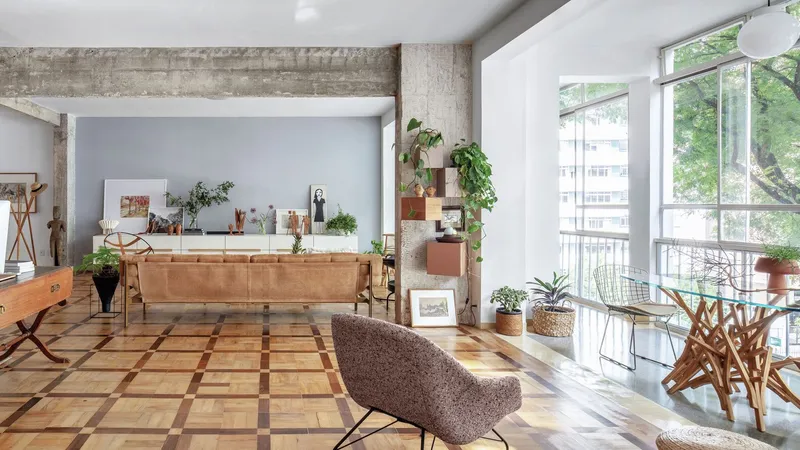
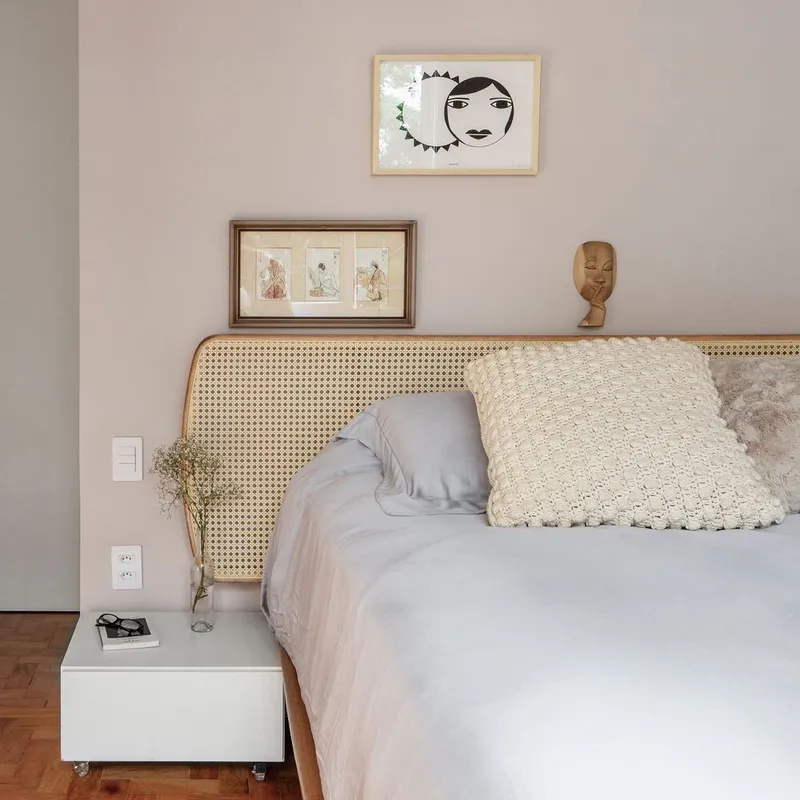
The apartment’s unique layout, defined by a generous balcony that runs across the bedrooms and a compact central patio that brings natural light deep into the living areas, reflects the architect’s thoughtful approach to residential design. These spatial features, characteristic of Higienópolis’ modernist residences, provided the foundation for Ana Sawaia’s intervention.

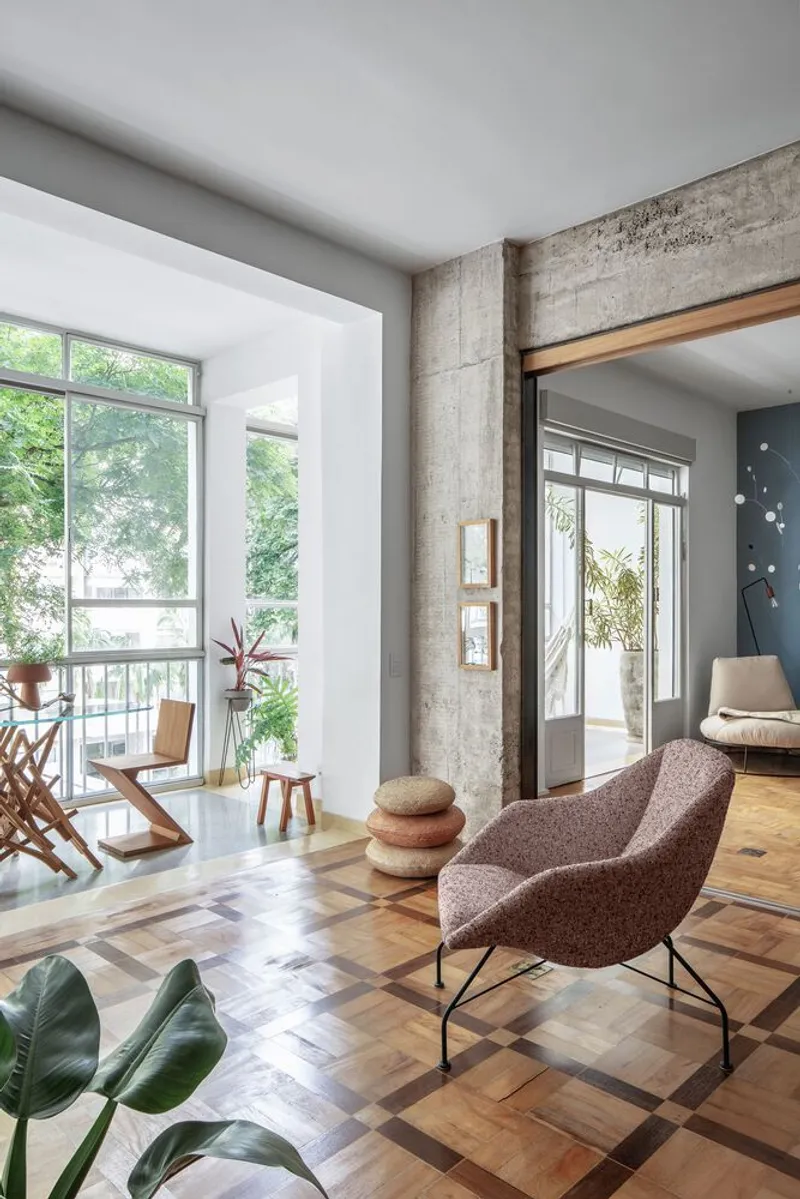
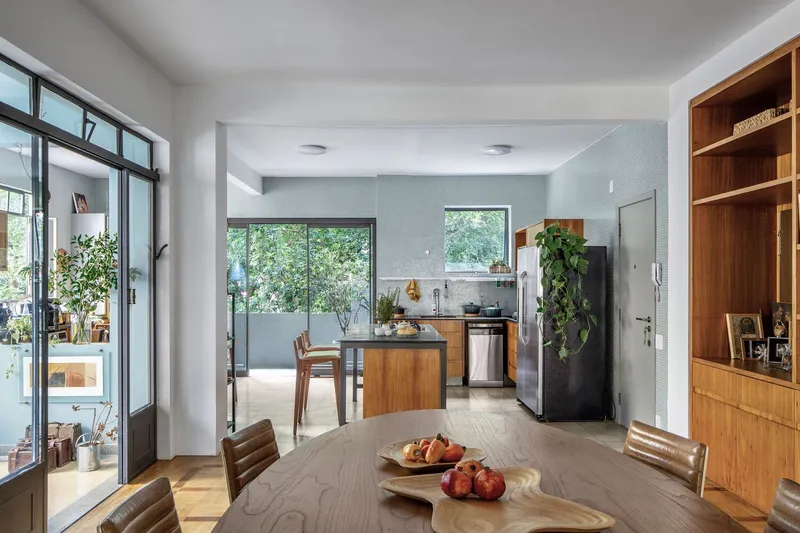
When the current resident, a psychologist, acquired the apartment, the intention was to create a comfortable home office environment suited for online consultations. The renovation preserved the essence of the 2017 redesign by Tacoa Arquitetos while restoring and upgrading essential architectural elements. Ana Sawaia reintroduced warmth, color, and authenticity through carefully curated materials, lighting strategies, and a selection of Brazilian design icons.
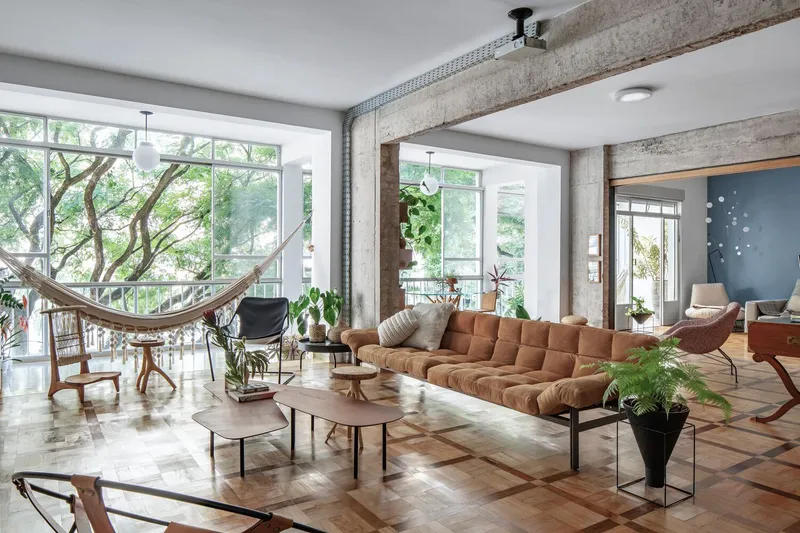


The original wooden flooring, crafted from ipê and peroba rosa in an elegant square-pattern mosaic produced by the renowned J. Dip, was fully restored to its natural richness. The classic iron window frames underwent meticulous refurbishment, while their original glass panes were replaced with laminated glass featuring a high-efficiency UV protection film. This subtle yet impactful upgrade reduces heat intake and improves energy efficiency without altering the protected facade of the historic building.
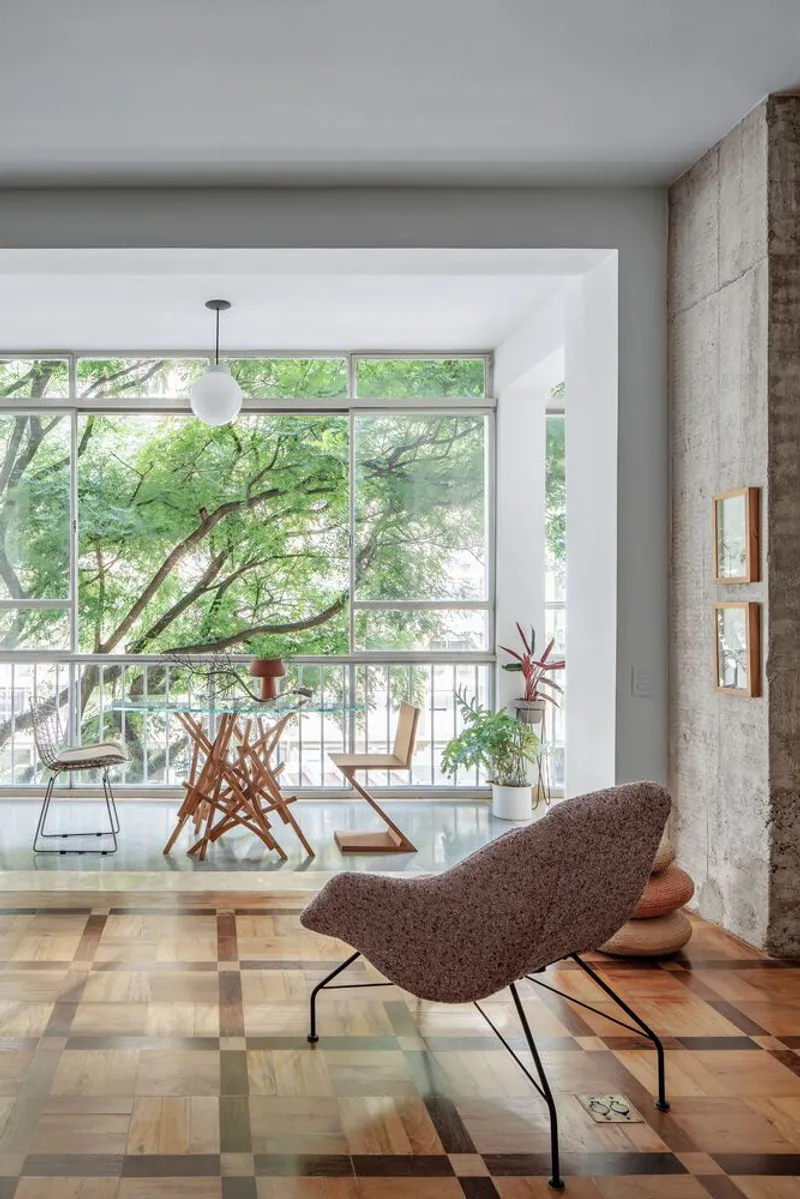


In the living area, the traditional television setup was replaced with a modern projection system. Exposed galvanized piping and metal channels route the electrical wiring intentionally, giving the space a raw, industrial aesthetic that contrasts beautifully with the warm textures of wood and vintage elements. A carefully prepared projection wall removes the need for a physical screen, integrating technology seamlessly into the architectural composition.

Furniture selection plays a central role in defining the apartment’s atmosphere. The interiors feature works by celebrated Brazilian designers such as Paulo Alves, Estúdio Bola, Flávio de Carvalho, Paulo Mendes da Rocha, Baba Vacaro, Carbono Design, and Giacomo Tomazzi. These pieces not only reflect the country’s design heritage but also resonate with the original era of the building. Lighting fixtures from Studio Dela Cruz and Uaná enhance the natural ambiance, while mobile art by Eduardo Amado introduces movement and spatial dynamism. Artworks by Derlon Almeida, Luís Benício, and Cida Lima, along with handcrafted stools by Fernando da Ilha do Ferro, bring expressive layers of Brazilian cultural identity into the home.


All photographs are works of André Scarpa




Popular Articles
Popular articles from the community


The Ocean Hive: Sustainable Architecture for a Self-Sufficient Civilization at Sea
The Ocean Hive imagines sustainable architecture at sea, where modular habitats, algae, wave power and ocean waste sustain a growing colony.

Hill & Cross Opera: Sculptural Opera House Architecture Shaped by Tallinn’s Landscape and Identity
Hill & Cross Opera reimagines opera house architecture in Tallinn through its sculptural hill, civic plaza, glass wave and a luminous cross.
EW PARK: Sustainable Architecture Reimagines the Future of Urban Parking
EW PARK reimagines city parking as a modular wooden tower combining automation, solar energy, electric mobility, and adaptable urban design.

Conexión: Biophilic Design Reimagines High-Rise Living in Hong Kong
Conexión reimagines high-rise living in Hong Kong through biophilic design, green facades, shared spaces, daylight, water and nature within.

Similar Reads
You might also enjoy these articles


Hodi-Mandai Geram
Project Function: Preservation and revitalization of the Intangible heritage and socio-spatial identity of the Hodi by Housing, Cultural Memory Center, Sacred Grove, landscape, local tourism economy


Olio Towers: A Mid-Rise for Performers That Fuses Housing, Rehearsal, and Stage
Located blocks from Houston's Theater District, this modular tower stacks living units around a central performance atrium.

Oasis: Modular Green Housing Carved into Dhaka's Urban Fabric
A shortlisted Plugin Housing entry reclaims unauthorized settlements in Dhaka with stepped concrete volumes, green roofs, and ventilation-driven design.

Black Hole: A Floating Megastructure for the Post-Physical Era
Emiliano Mazzarotto envisions a spherical, self-scaling arena where e-sports, digital hotels, and holographic stadiums replace traditional public space.


Explore Residential Building Competitions
Discover active competitions in this discipline


Challenge to design mud housing for contemporary communities


Challenge to reimagine the Iron Throne


Photograph architecture without architects


Illustrate the lost glory of Angkor Wat - Render Challenge
Comments (0)
Please login or sign up to add comments
No comments yet. Be the first to comment!