
LÁ-SÁCH House by Atelier tho.A
Compact tropical tube house-library with polycarbonate louvers, flexible interiors, concrete core, crafted materials, and community-focused alley setback.


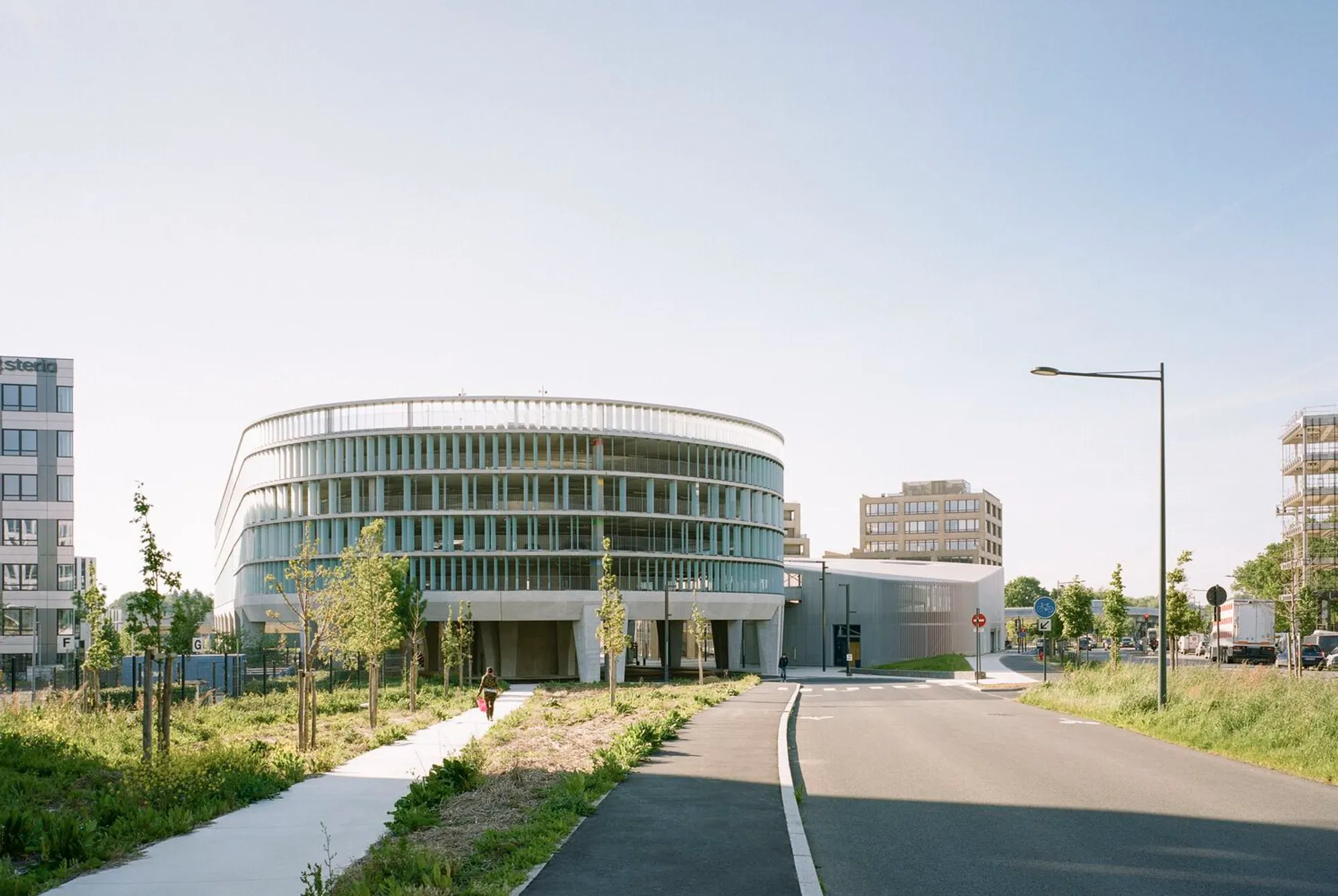
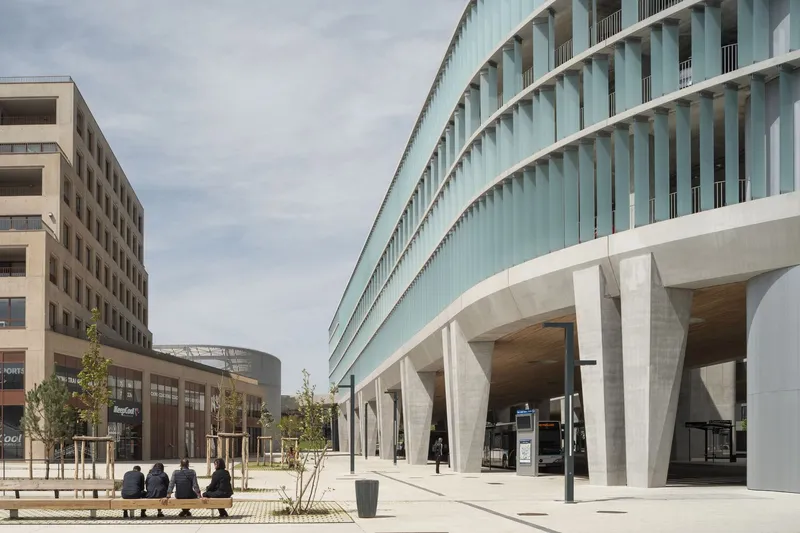
The Cesson-Viasilva Park and Ride Bus Station, designed byAteliers O-SArchitectes, is a groundbreaking multi-modal transport hub located in Cesson-Sévigné, France. Covering 32,200 m², this 2024 project redefines suburban mobility while acting as an urban catalyst in the new Atalante ViaSilva district. The station seamlessly integrates sustainable infrastructure, public transport accessibility, and innovative architectural design to serve commuters, cyclists, and electric vehicle users.
Sustainable Mobility and Environmental Design
As a key link in the Rennes metropolitan area's sustainable mobility network, the Park and Ride Bus Station prioritizes eco-friendly transport solutions. Its carbon-conscious design integrates a solar power system on the roof, electric car parking, and energy-efficient LED lighting, all while minimizing the facility’s environmental footprint. This approach supports both urban sustainability goals and the advancement of green transportation technologies.
Architectural Concept and Structure
The project comprises two interconnected buildings, each tailored to specific functions:
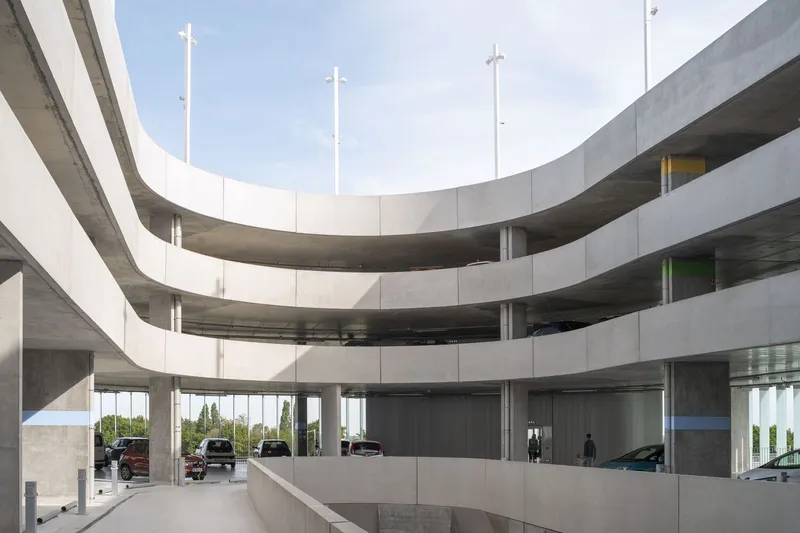
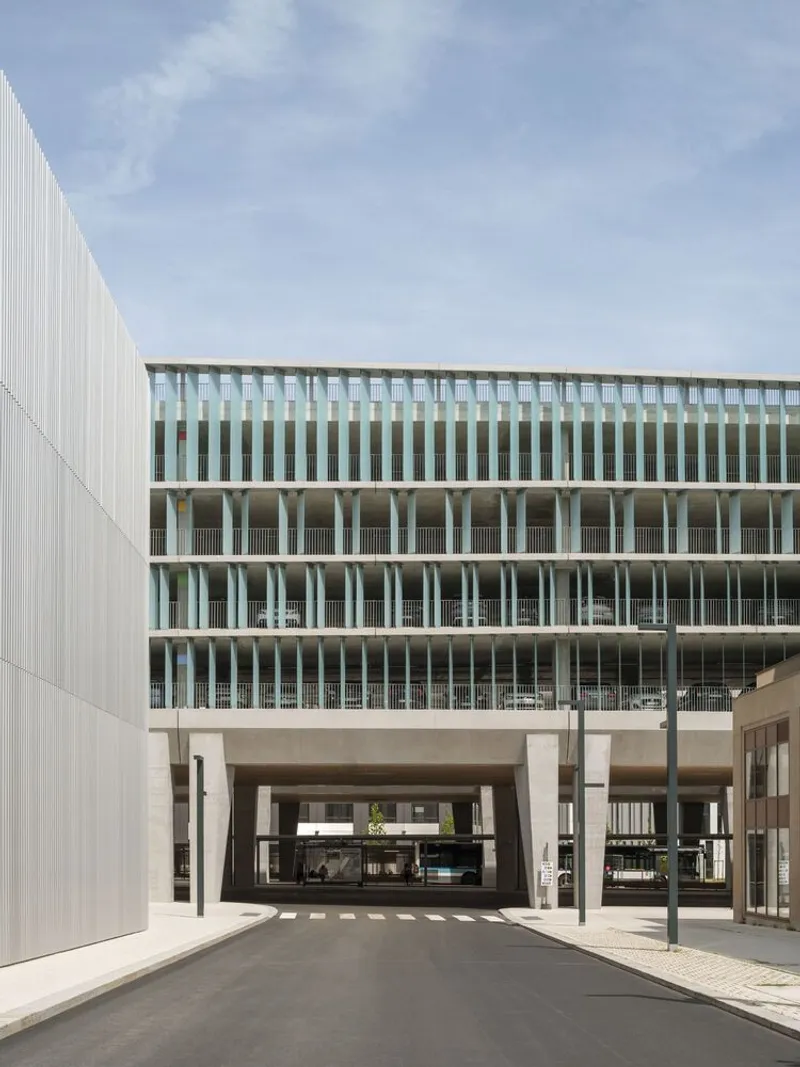
- Triangular Building: Featuring rounded angles and clad in vertical metal strips, this structure houses the vehicle access ramps and a 200-place bicycle storage area, encouraging active mobility.
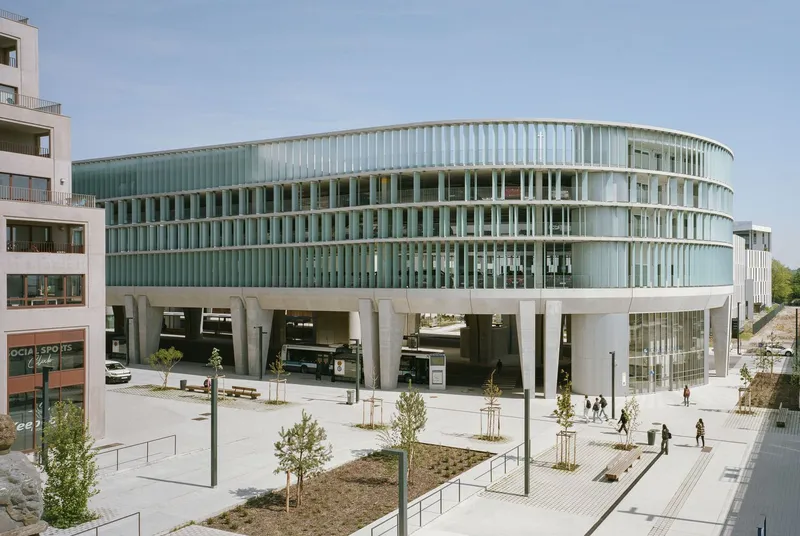
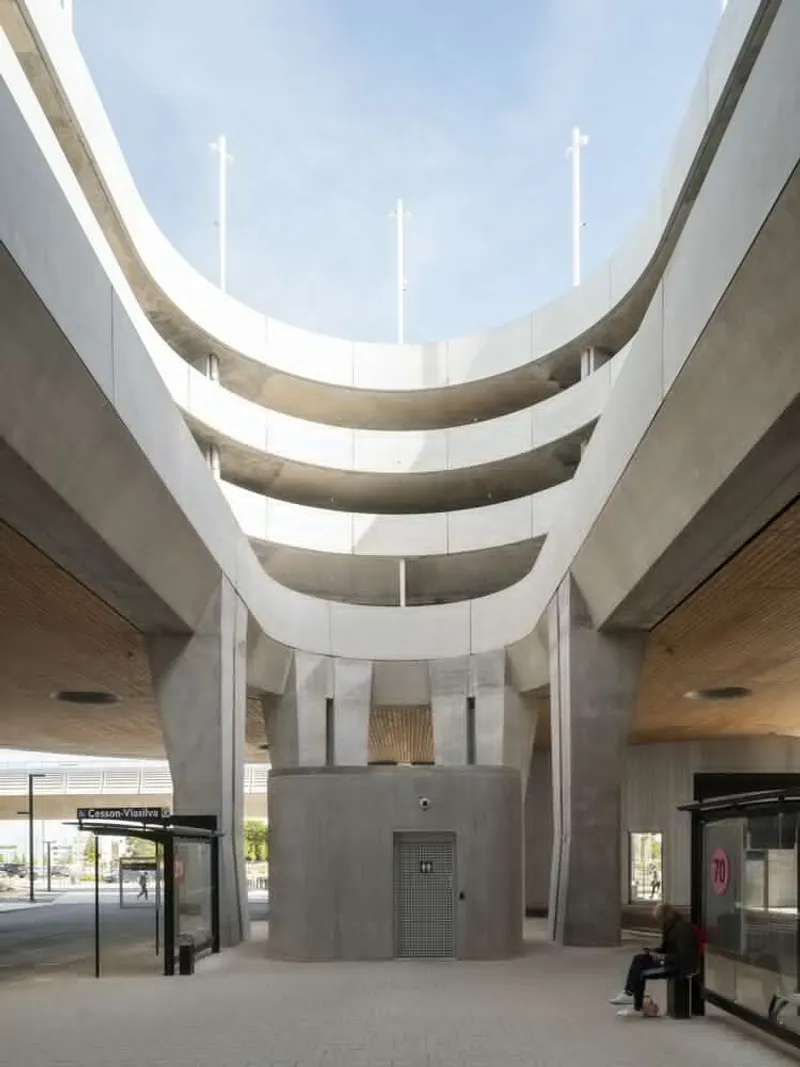
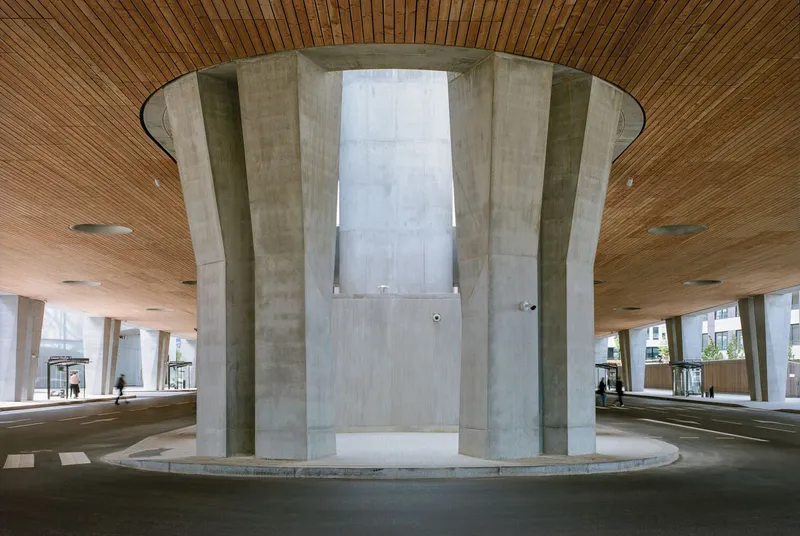
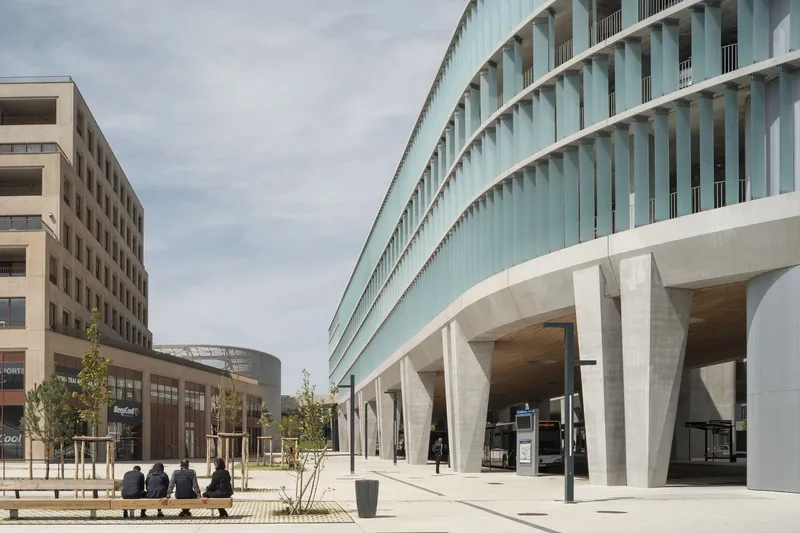
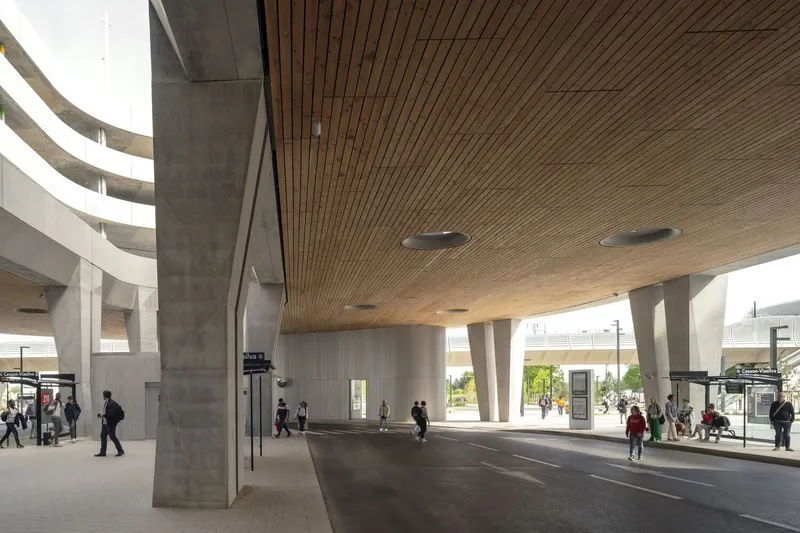
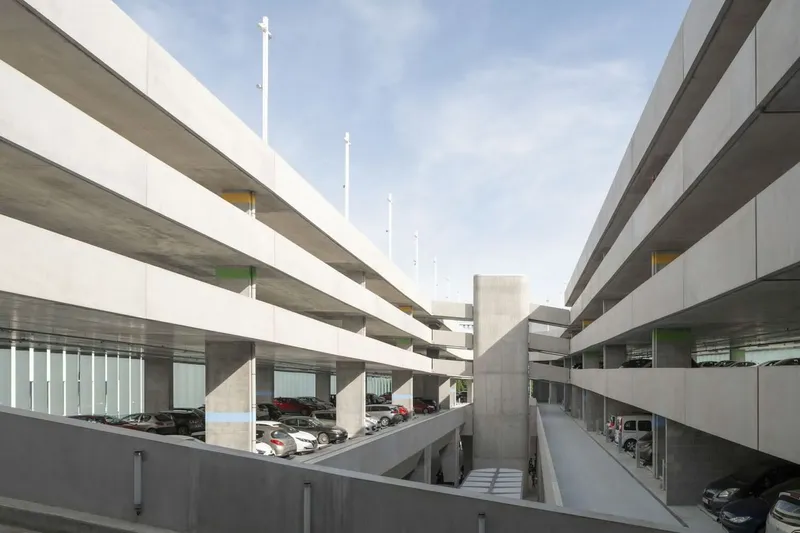
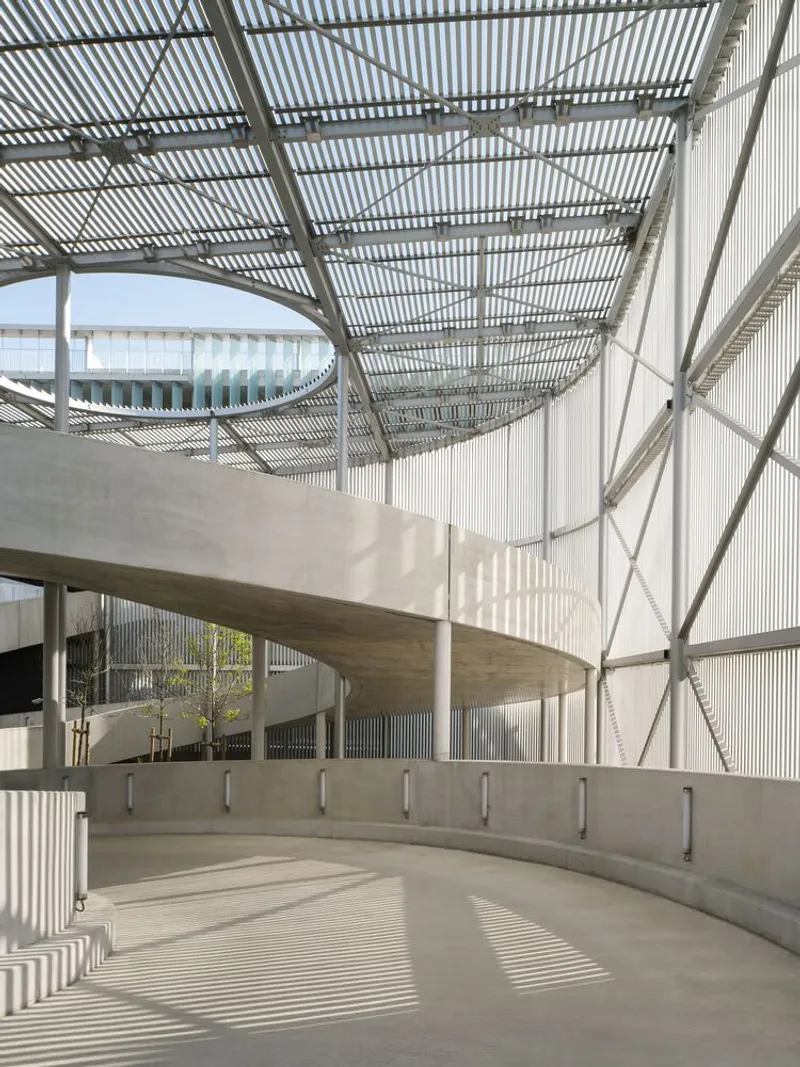
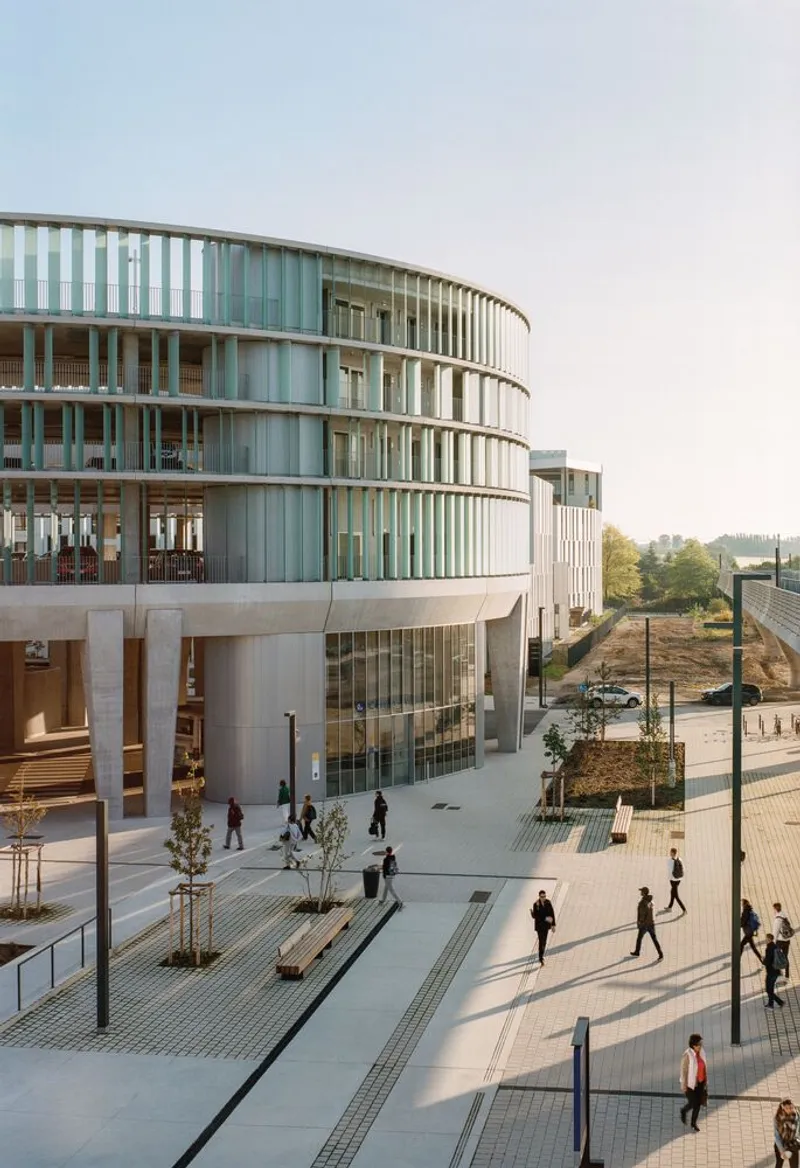
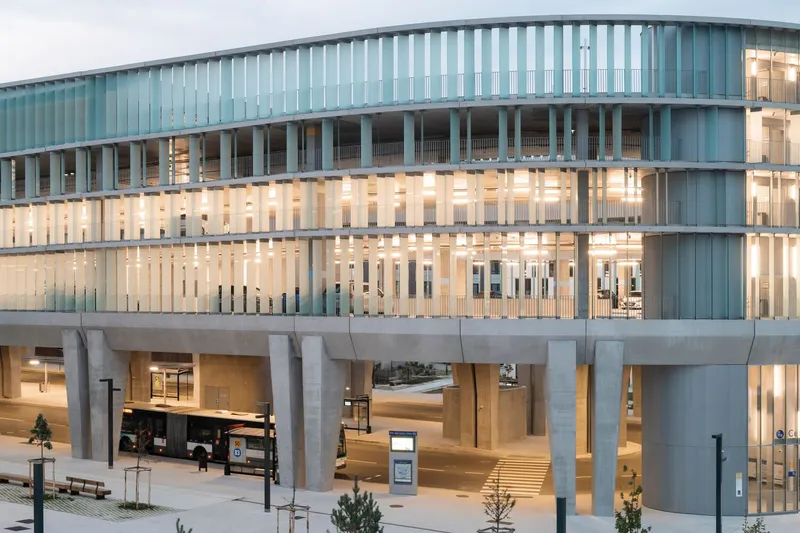
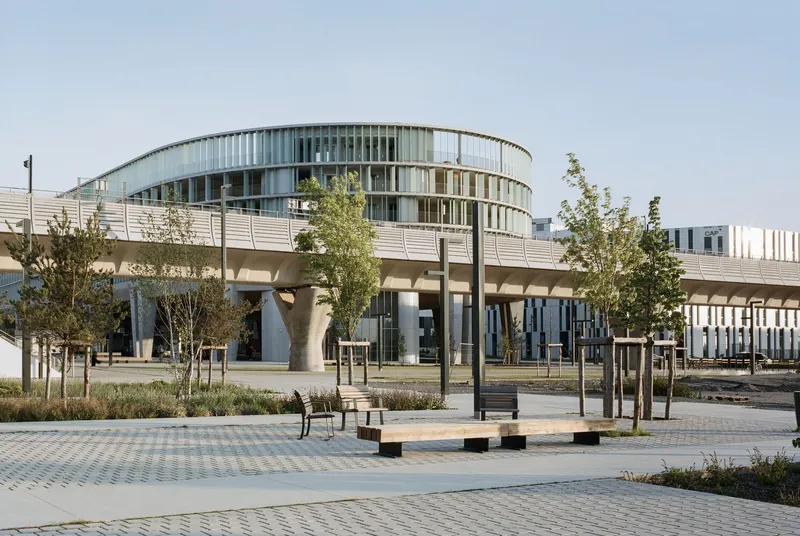
- Oblong Building: Resembling an ancient Roman circus, this building includes a bus station on the ground floor and upper-level park-and-ride facilities, characterized by plate-glass blades that offer transparency and an inspiring urban presence.
The concrete structural system allows future adaptability, enabling the facility to transform into office spaces or residential units as urban needs evolve. The design balances robust mineral materiality with light, transparent upper volumes, creating an architecture that is both functional and visually striking.
User Comfort and Accessibility
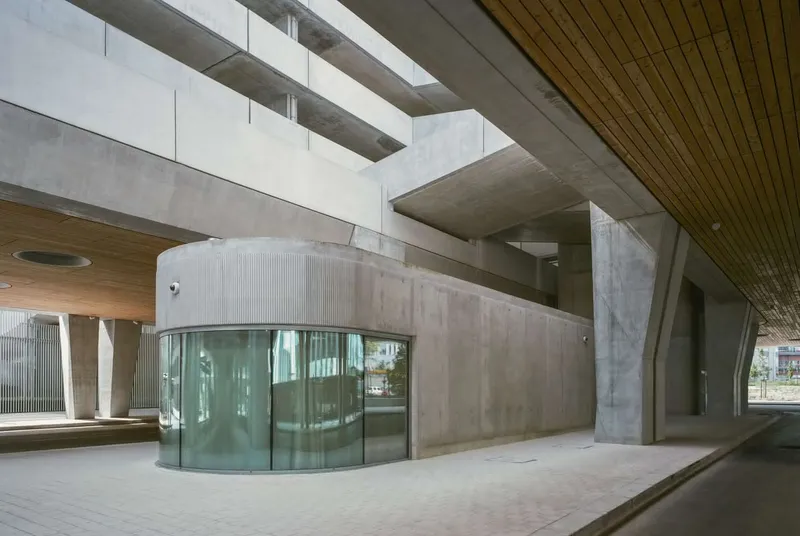
User comfort is central to the station’s design. Access between floors is facilitated by three lifts and a monumental glazed staircase, while core vertical circulation ensures quick and intuitive movement. The bus station receives abundant natural light, and its ceiling lined with larch wood strips adds warmth and a welcoming atmosphere.
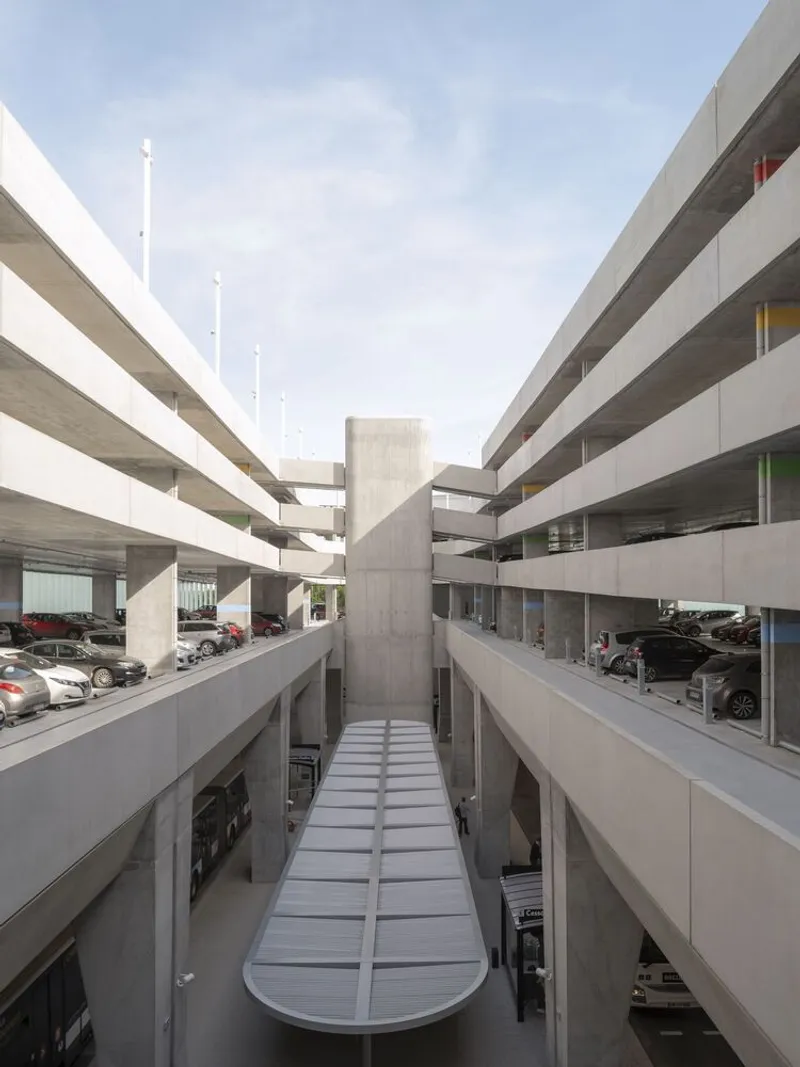
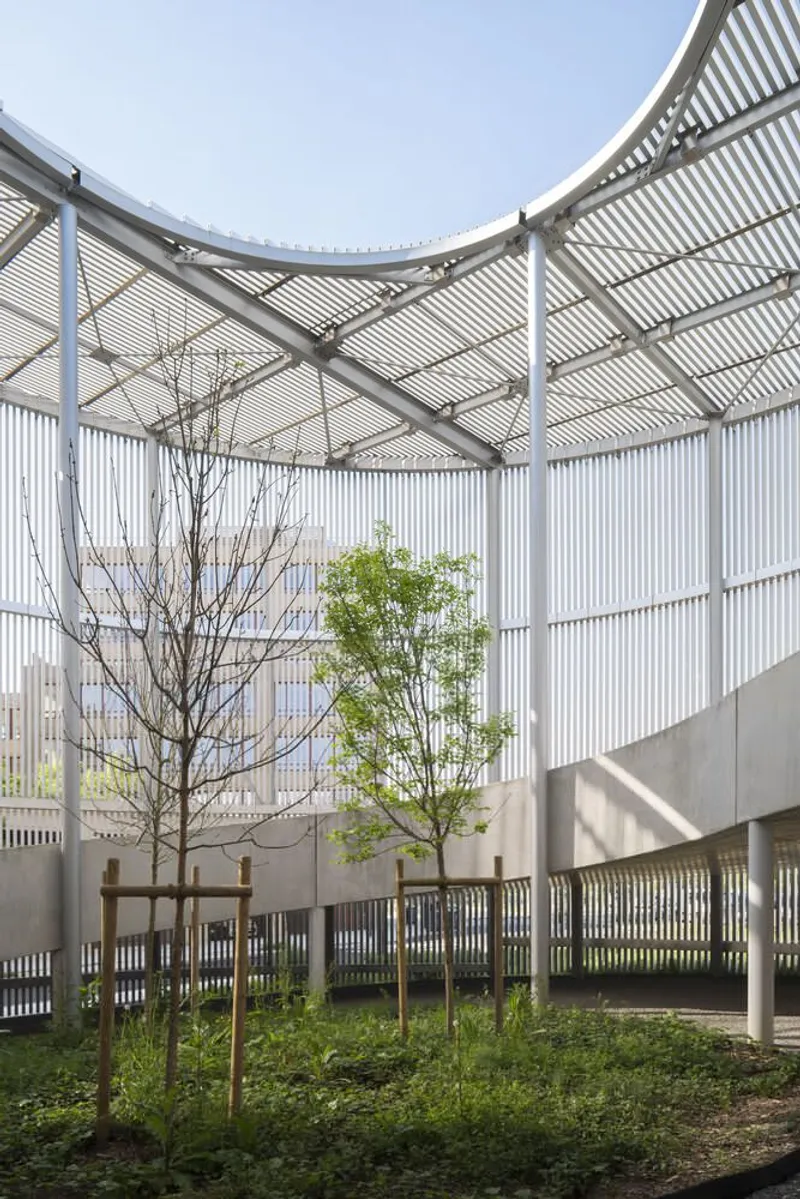
The facility is designed as a signal building for independent users. The reception pavilion is a lightweight, open structure with a metal framework and anodized aluminum cladding, functioning as a light filter and clearly signaling the building’s purpose.
Circulation and Urban Integration
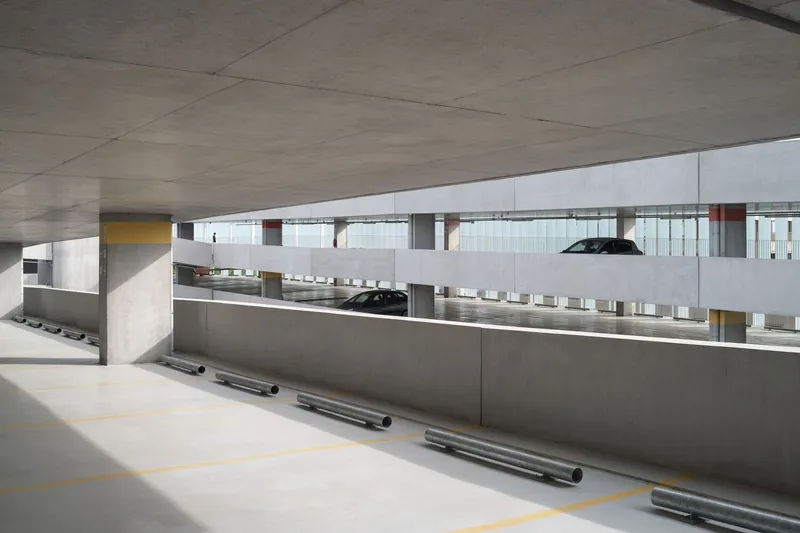
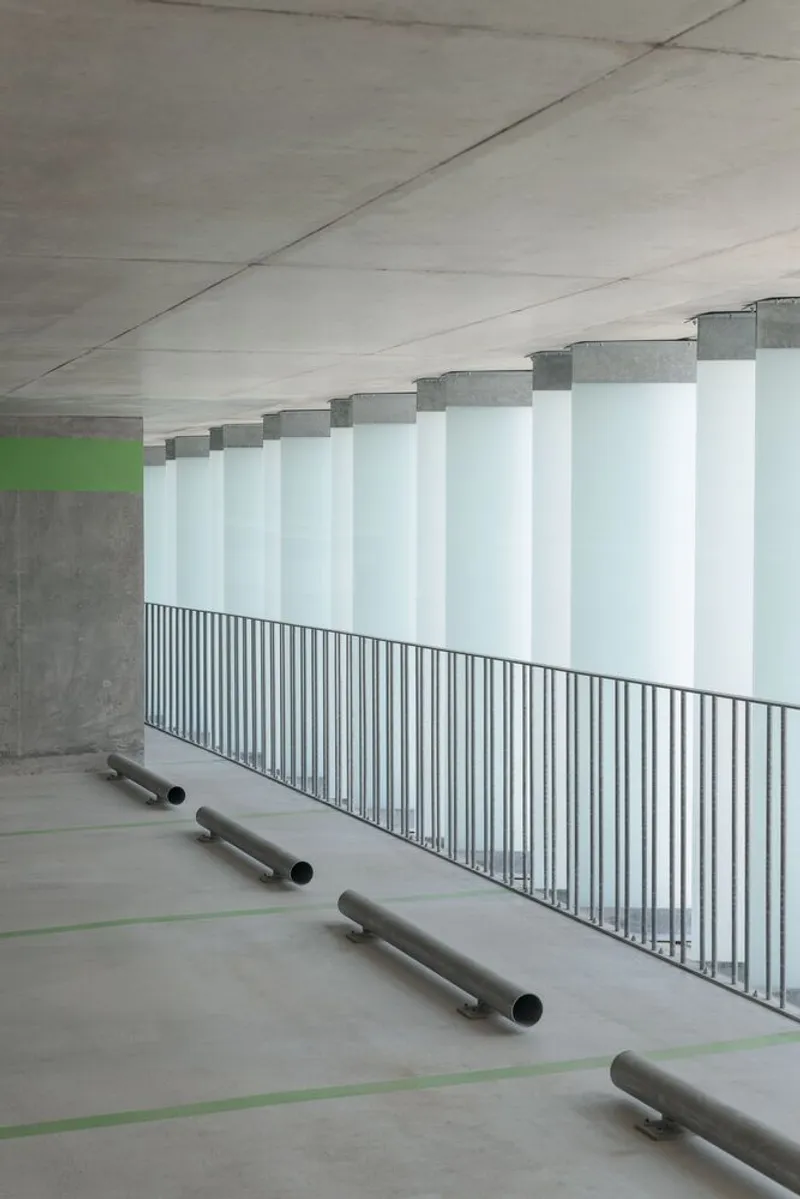
The station’s vehicular layout optimizes traffic flow across its 815 parking spaces, employing one-way circulation lanes for simplicity and safety. Pedestrian access is seamless, connecting parking levels, the bus station, and the adjacent metro station. The continuous rising façade band emphasizes the station’s urban presence, transforming it from a conventional car park into a landmark infrastructure project.
This Park and Ride Bus Station demonstrates how infrastructure design can transcend its functional purpose, offering architectural innovation, sustainable solutions, and enhanced commuter experiences in the suburban landscape.
All photographs are works of
Cyrille Weiner



Popular Articles
Popular articles from the community

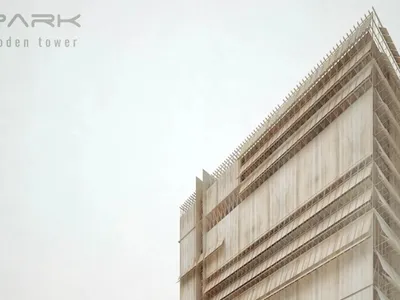
EW PARK: Sustainable Architecture Reimagines the Future of Urban Parking
EW PARK reimagines city parking as a modular wooden tower combining automation, solar energy, electric mobility, and adaptable urban design.

The Ocean Hive: Sustainable Architecture for a Self-Sufficient Civilization at Sea
The Ocean Hive imagines sustainable architecture at sea, where modular habitats, algae, wave power and ocean waste sustain a growing colony.

Conexión: Biophilic Design Reimagines High-Rise Living in Hong Kong
Conexión reimagines high-rise living in Hong Kong through biophilic design, green facades, shared spaces, daylight, water and nature within.

The Musturak Paradise: Senior Living Architecture for a Connected Future in Temara, Morocco
The Musturak Paradise reimagines senior living architecture in Temara via private homes, social spaces, culture, community, and shared care.

Similar Reads
You might also enjoy these articles

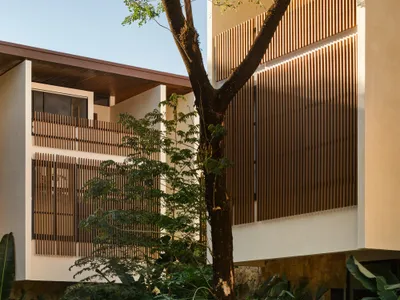
FAMM Arquitectura Organizes Ten Villas Around Courtyards and Jungle in Nosara, Costa Rica
El Molino pairs two elongated volumes with deep overhangs and timber louvers to build a compact coastal community five minutes from the beach.
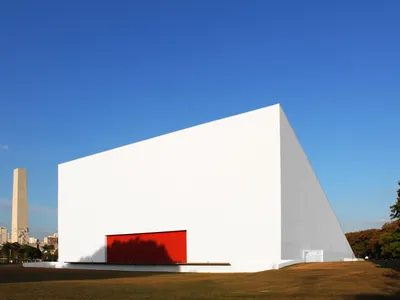
Oscar Niemeyer's Ibirapuera Park Pavilions Define São Paulo's Cultural Identity in Concrete and Curve
A constellation of modernist volumes set within São Paulo's most important urban park, conceived for the city's 400th anniversary in 1954.
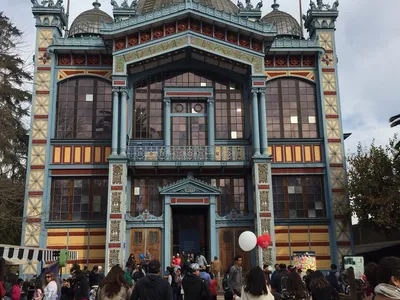
How Henri Picq's 1889 Paris Pavilion Traveled 11,000 Kilometers to Become Santiago's Artequín Museum
A prefabricated iron and glass pavilion built for the Paris Universal Exposition found a second life as a children's art museum in Chile.
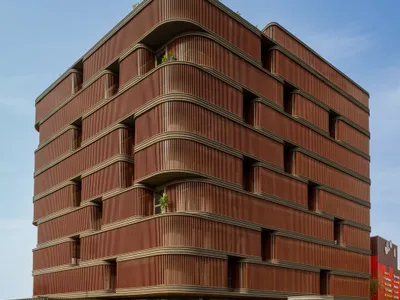
Sanjay Puri Architects Wraps a Jaipur Office Tower in Capsule-Shaped Green Buffers
A nine-level climate-responsive workplace near Jaipur Airport uses stacked planter terraces and aluminium screens to fight 40°C heat.

Explore Architecture Competitions
Discover active competitions in this discipline



Challenge to reimagine the Iron Throne


Photograph architecture without architects


Illustrate the lost glory of Angkor Wat - Render Challenge


Design challenge to reuse E-waste
Comments (0)
Please login or sign up to add comments
No comments yet. Be the first to comment!