
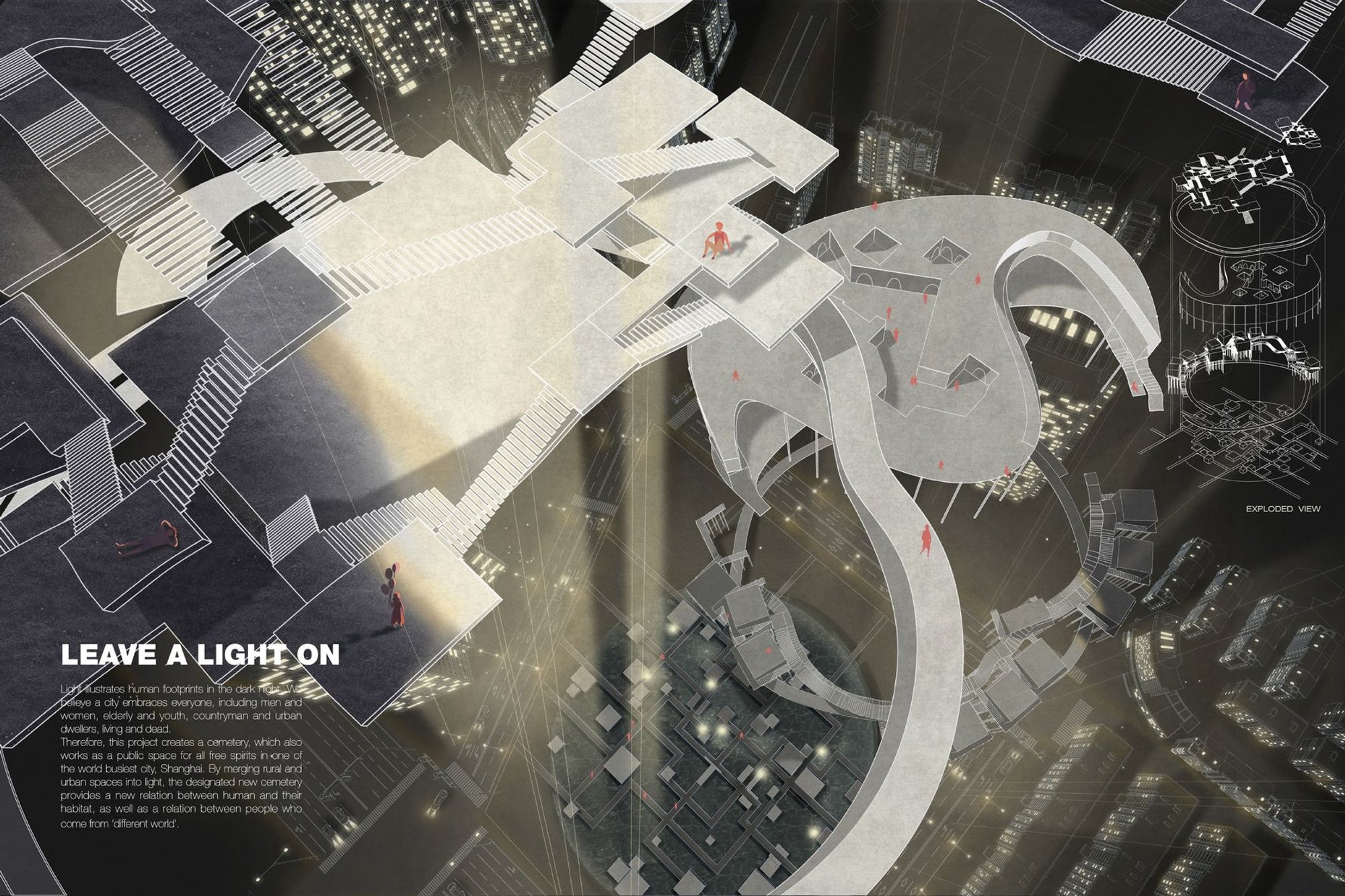
LEAVE A LIGHT ON: Exploring the Intersection of Memory and Space through Memorial Architecture
A glowing urban sanctuary where memory lives on—blending light, ritual, and space to reshape how we remember in the modern city

In a city that never sleeps, where millions of lives interweave and disappear into the pace of modernity, a light flickers quietly for those who came before us. Leave a Light On is a poetic and provocative intervention in the field of memorial architecture, challenging the conventions of how we honor memory in urban spaces. Conceived by designers Cun Wu, Ziyao Wang, and 蔡领航, this project proposes a radical reinterpretation of the cemetery—not as a static place of mourning, but as a luminous, public landscape of remembrance integrated into the daily rhythms of city life.
Set in Shanghai, a metropolis known for its relentless momentum and ever-evolving skyline, the project addresses a fundamental human need: to be remembered. But rather than isolate the act of remembrance in remote or somber grounds, Leave a Light On brings it into the shared urban experience. Here, memory becomes a visible presence, a light left on in the darkness—a beacon for the living and a gesture toward those who have passed.
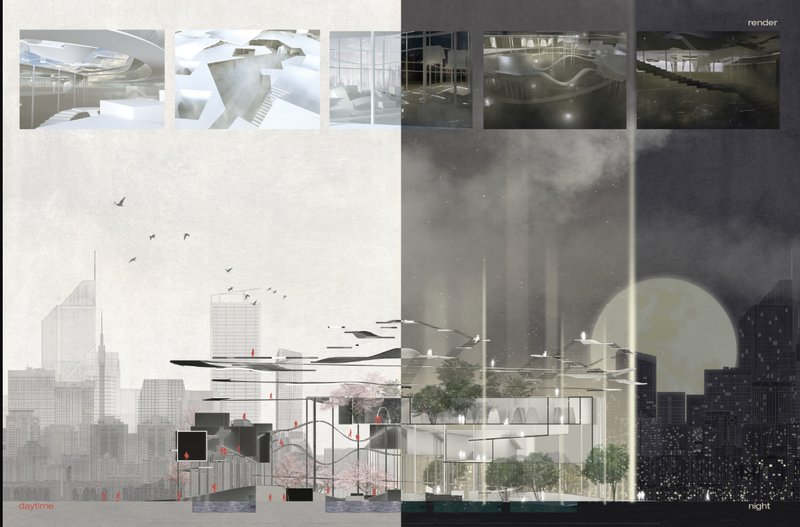
The concept is deeply rooted in the symbolic use of light. It is light that marks our human footprints at night, that carves out a path through the shadows of the unknown. The designers envision a cemetery that glows—not only in a physical sense but in its emotional resonance. Lights integrated into the architecture subtly illuminate pathways, niches, and communal areas, creating a tranquil atmosphere where visitors feel both solitude and connection. These lights do not overpower the night but exist as quiet markers of presence and passage.
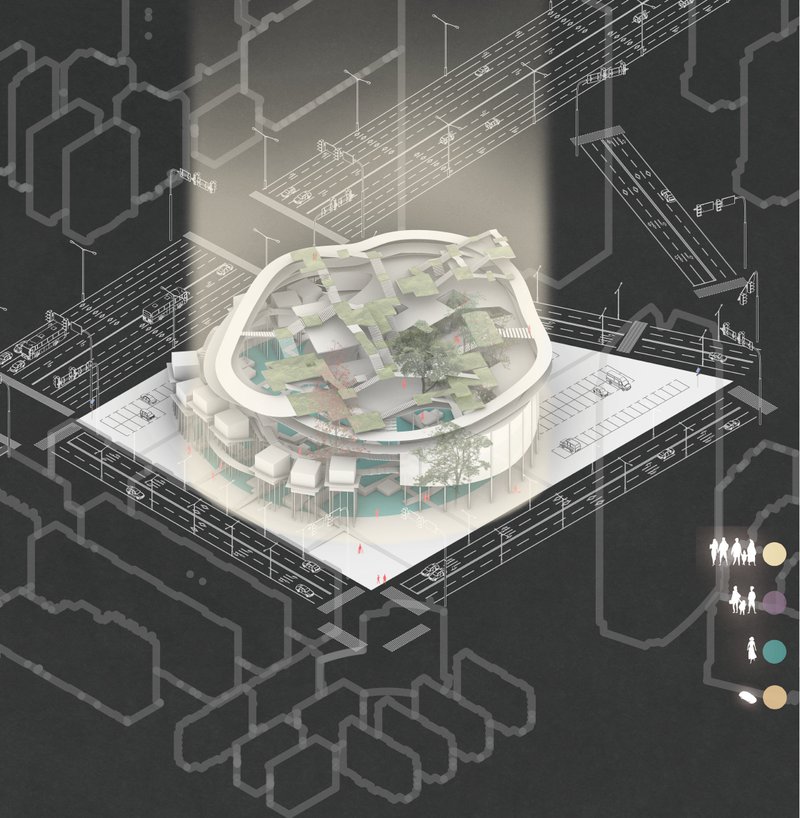
One of the most innovative aspects of the project is its fusion of the rural and the urban. Traditional cemeteries in rural areas are often intimate, integrated with nature, and open to community rituals. In contrast, urban cemeteries tend to be hidden, highly regulated, and emotionally distant. Leave a Light On collapses this binary, merging the organic and the constructed into a continuous experience. It allows the cemetery to function as a public space—welcoming walkers, mourners, wanderers, and those simply in need of a moment of quiet reflection. In this way, the project does not separate death from life but creates an architecture that encourages coexistence.
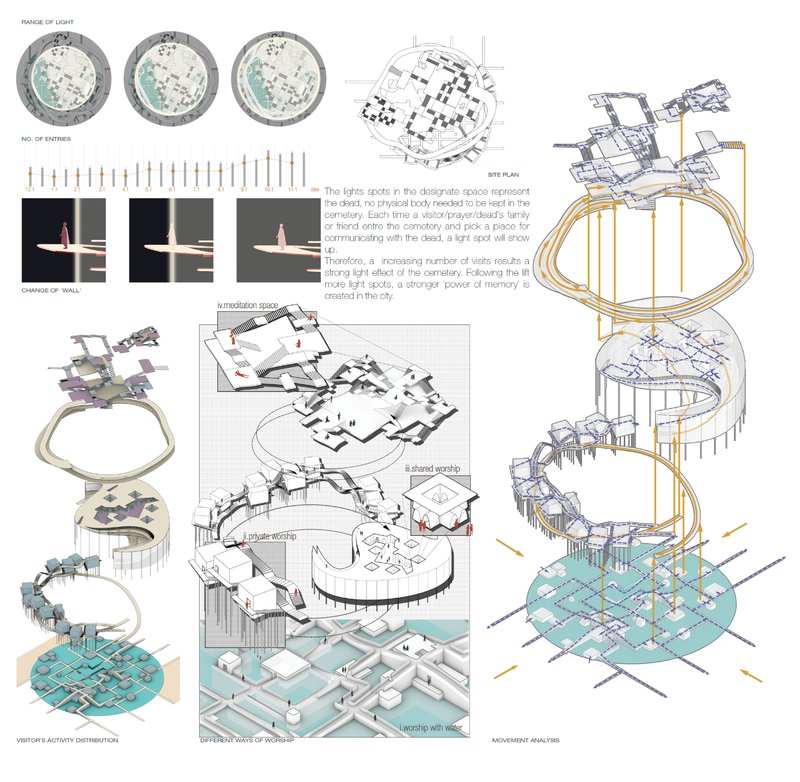
Spatially, the project unfolds as a series of open corridors, reflective surfaces, and modular vaults that blend with the city’s fabric. Rather than isolated gravestones, memory is held in minimalist niches—spaces where light, sound, and silence form the architecture. The cemetery becomes a landscape of interaction rather than division. It is not bound by walls but shaped by the continuity of human movement, history, and grief.
In a time when cities are rethinking how to humanize their infrastructures, Leave a Light On offers a timely meditation on architecture’s role in shaping how we live with loss. It suggests that remembrance does not have to be monumental to be meaningful. A single point of light can contain a world of memory.
By reimagining the cemetery as a communal, illuminated space, this project not only honors the dead but dignifies the everyday encounters of the living. It invites us to carry memory not as a burden but as a quiet light we keep on—for others, for ourselves, and for the continuity of human presence in the city.




Popular Articles
Popular articles from the community

Free Architecture Competitions You Can Enter Right Now
No entry fees, real prizes. Here are the best free architecture competitions open for submissions in 2026.

Filtering Space: A Gradual Spatial Experience
From urban intensity to spatial calm.

Alton Cliff House: A Harmonious Retreat by f2a Architecture in Lake Country, Canada
Alton Cliff House blends corten steel, prefabrication, and sustainable design, creating a luxurious, energy-efficient retreat perched on Canadian cliffs.
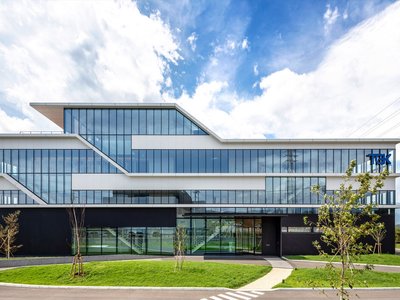
TGK Nirasaki Plant: A Smart Factory Blending Technology, Landscape, and Wellness
Smart factory in Japan blending IoT manufacturing, scenic trail design, natural ventilation, and landscape integration to enhance user experience and sustainability.


Similar Reads
You might also enjoy these articles
Filtering Space: A Gradual Spatial Experience
From urban intensity to spatial calm.


The Ken Roberts Memorial Delineation Competition (Krob)
As the most senior architectural drawing competition currently in operation anywhere in the world, it draws hundreds of entries each year, awarding the very best submissions in a series of medium-based categories.
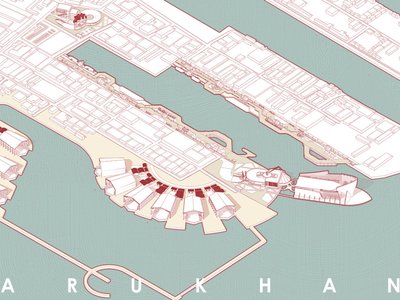
Waterfront Redevelopment and Urban Revitalization in Mumbai: Forging a New Dawn for Darukhana
A transformative waterfront redevelopment project reimagining Darukhana’s shipbreaking heritage into an inclusive urban future.

OUT-OF-MAP: A Call for Postcards on Feminist Narratives of Public Space
Rhizoma Design and Research Lab invites artists, designers, architects, researchers, and students to reflect on how feminist perspectives can reshape public space. Selected works will be exhibited in Barcelona, October 2026. Submissions open until 15 April 2026.






Comments (0)
Please login or sign up to add comments
No comments yet. Be the first to comment!