
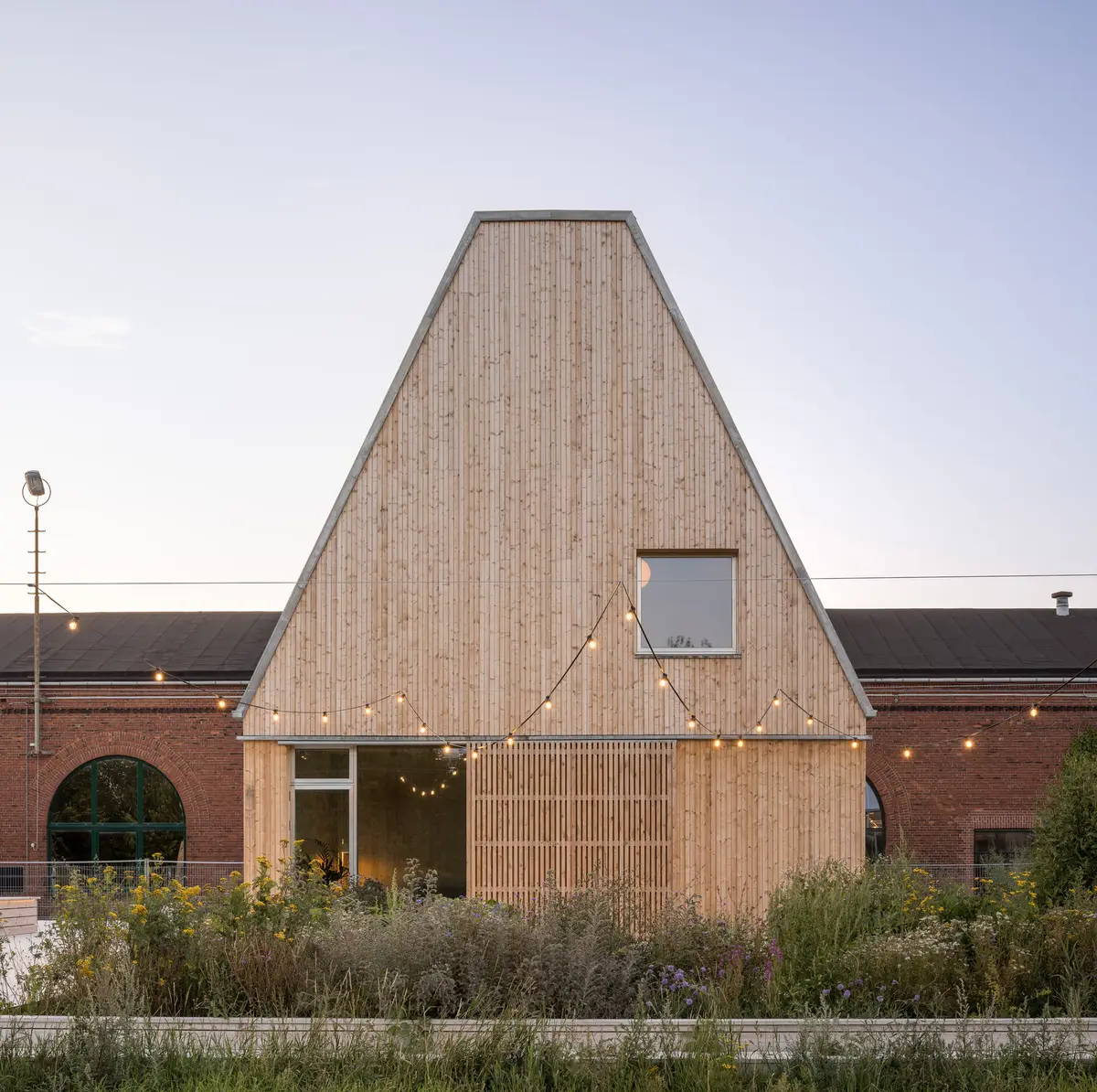
Living Places Copenhagen by EFFEKT: Rethinking Homes for People and Planet
Low-carbon housing prototype in Copenhagen by EFFEKT promoting sustainable, healthy, and affordable living through circular design and collaborative innovation.


In Copenhagen, EFFEKT Architects, in collaboration with Artelia and the VELUX Group, presents Living Places Copenhagen—a groundbreaking prototype project that redefines how we design, construct, and inhabit our homes in the era of climate urgency. Completed in 2023, the 2,230-square-meter development demonstrates that the future of housing is not about building morebut about building better: homes that are healthy, flexible, and low in carbon impact while remaining affordable and scalable.
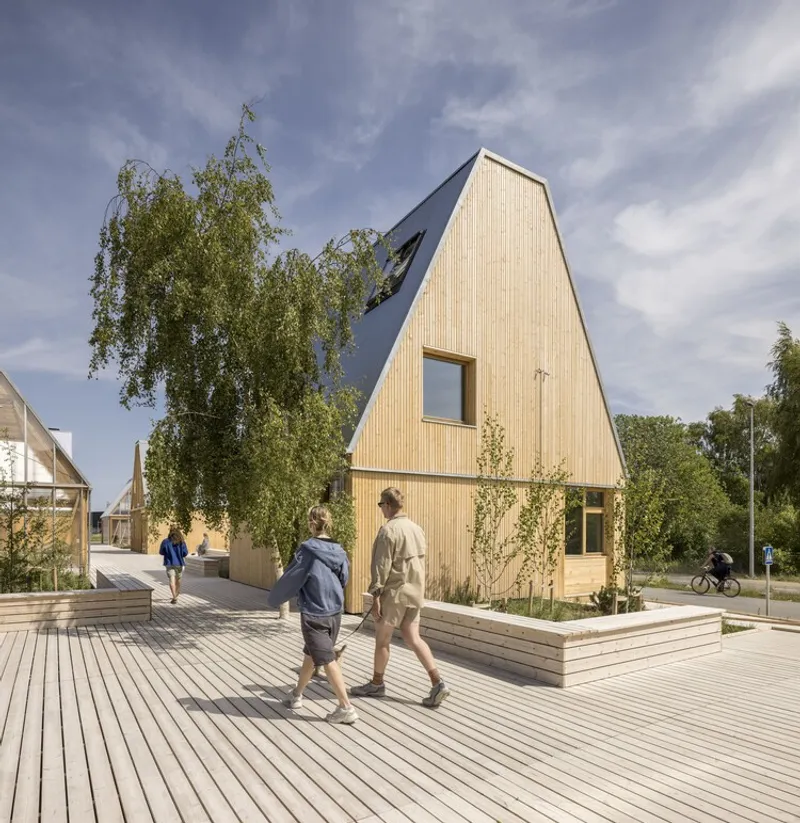
Vision and Philosophy: Architecture for a Regenerative Future
At its core, Living Places is founded on five guiding principles:
- Homes must promote physical and mental health.
- Housing must be affordable and accessible.
- Design should favor simplicity and clarity.
- Buildings must endure and adapt over time.
- Concepts must be scalable to meet global needs.
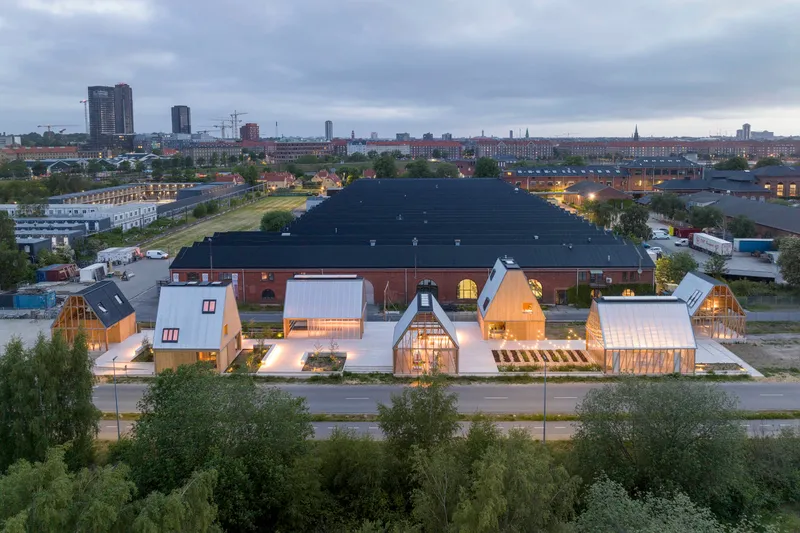
These principles form a response to the dual crises of climate change and urban wellbeing, reimagining domestic architecture as a regenerative force. The architects and partners envision this project as a living laboratory—a place to test solutions in real time, setting new benchmarks for sustainable construction worldwide.
The Climate Imperative
The global building industry currently accounts for 34% of energy consumption and 37% of CO₂ emissions. Recognizing this challenge, Living Places Copenhagen demonstrates that sustainability need not be theoretical—it can be achieved now.
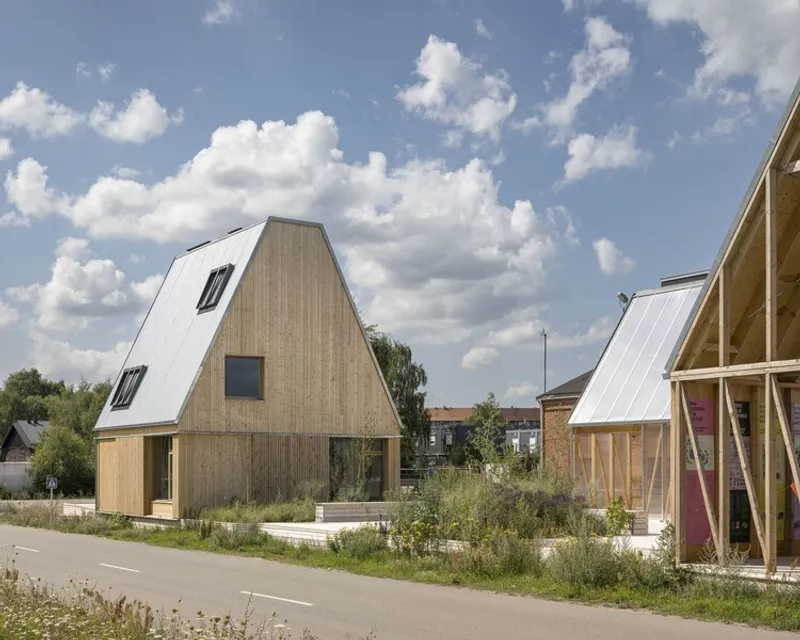
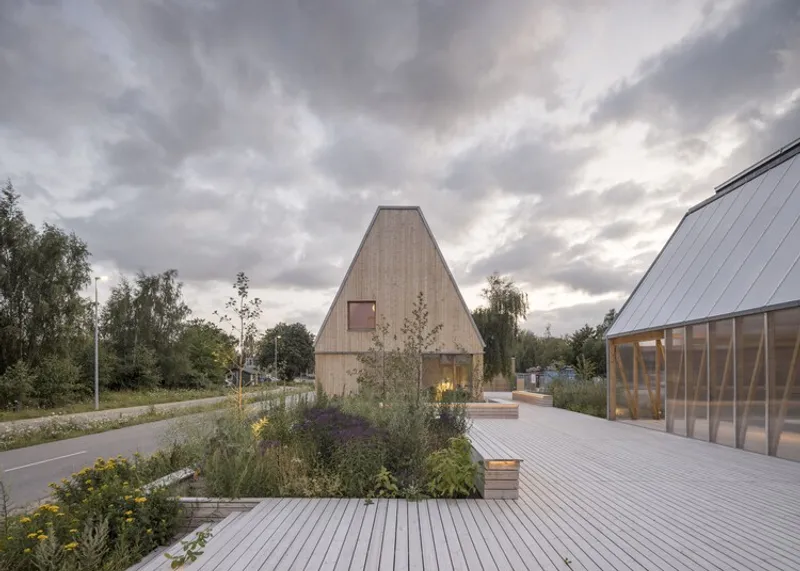
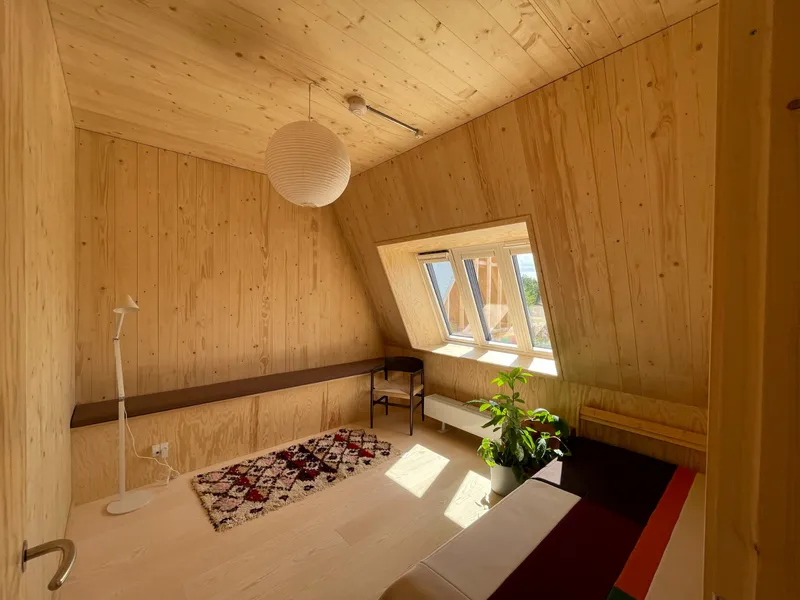
The project achieves an extraordinary CO₂ footprint of 3.8 kg CO₂/m²/year, three times lower than Denmark’s current legislative baseline of 12 kg CO₂/m²/year. Despite such efficiency, it remains cost-competitive with standard single-family homes and rowhouses, proving that environmental performance and affordability can coexist.
EFFEKT co-founder Sinus Lynge articulates this urgency:“Remaining passive in the green transition is a greater risk than progress itself. Architecture must evolve—or there will be no viable future.”
Design and Construction: Prototypes for Change
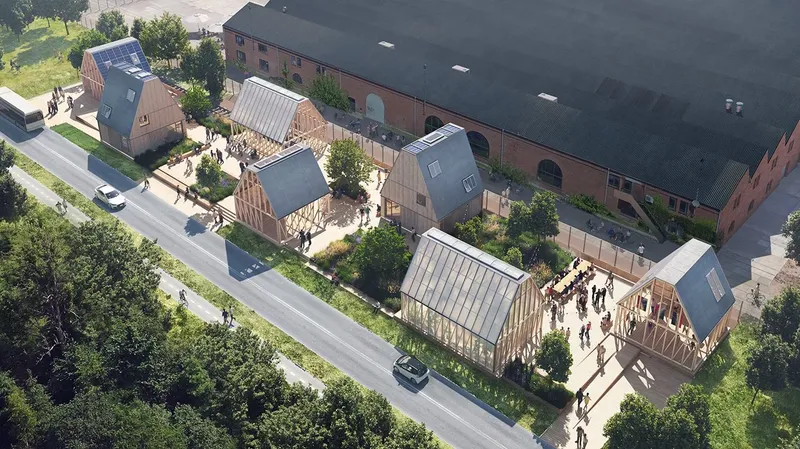
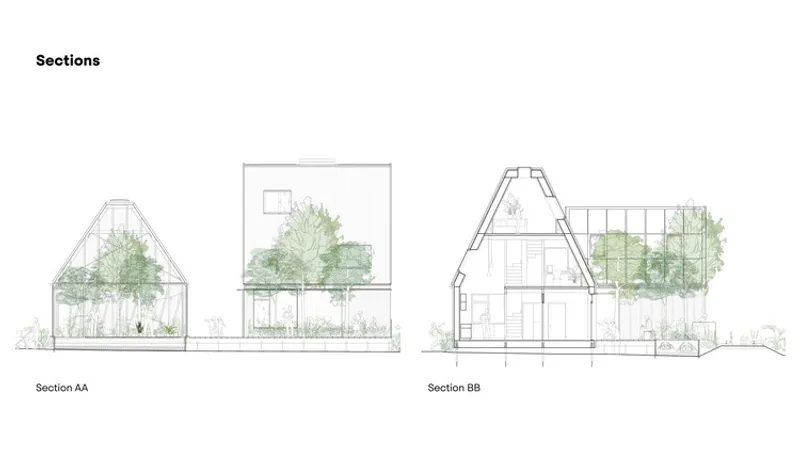
The Living Places exhibition comprises seven full-scale prototypes—five open pavilions and two fully completed homes. Each serves as a testbed for innovation, environmental performance, and human experience.
Through meticulous Life Cycle Assessment conducted with Artelia and VELUX, every material choice and structural element was analyzed for embodied carbon, energy usage, and long-term resilience. The result is homes designed from the ground up for circularity, disassembly, and reuse.
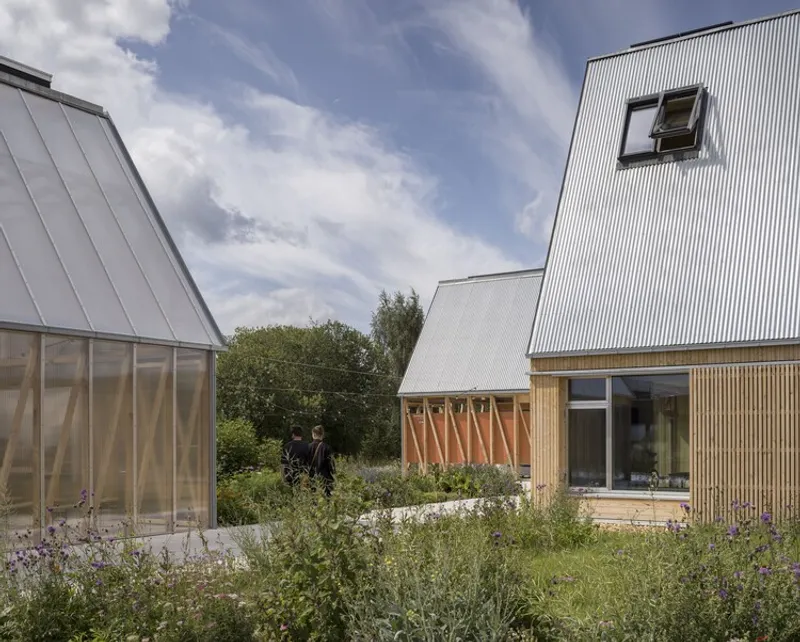
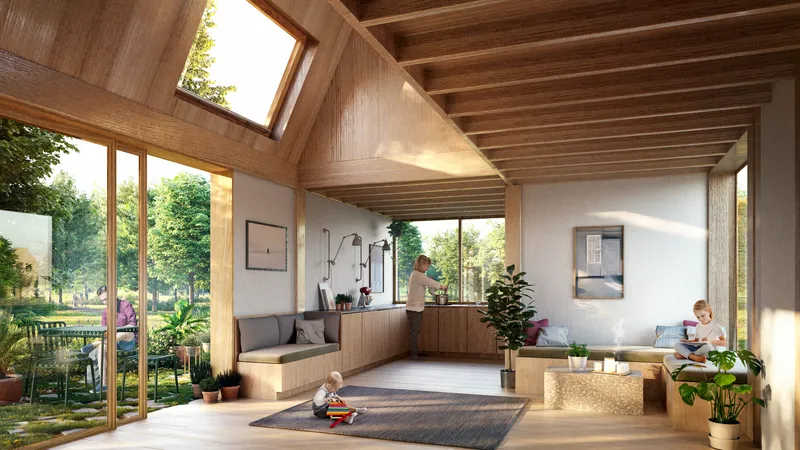
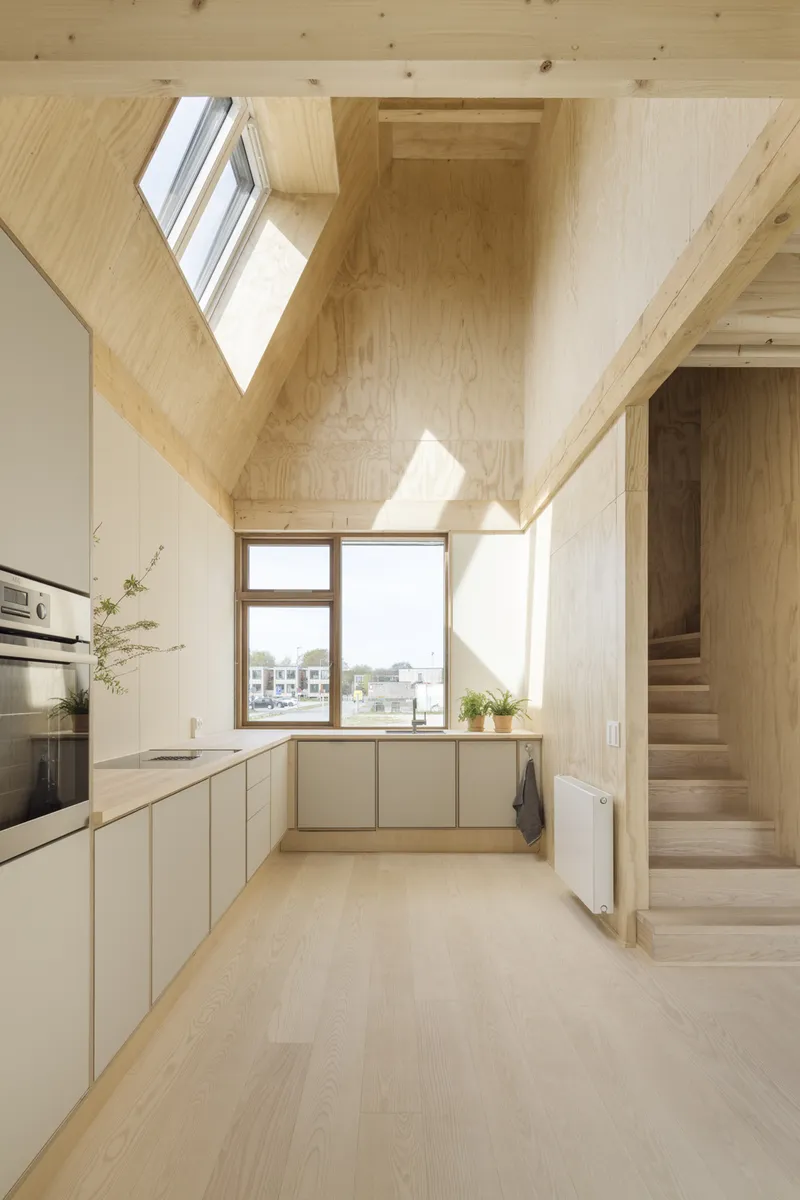
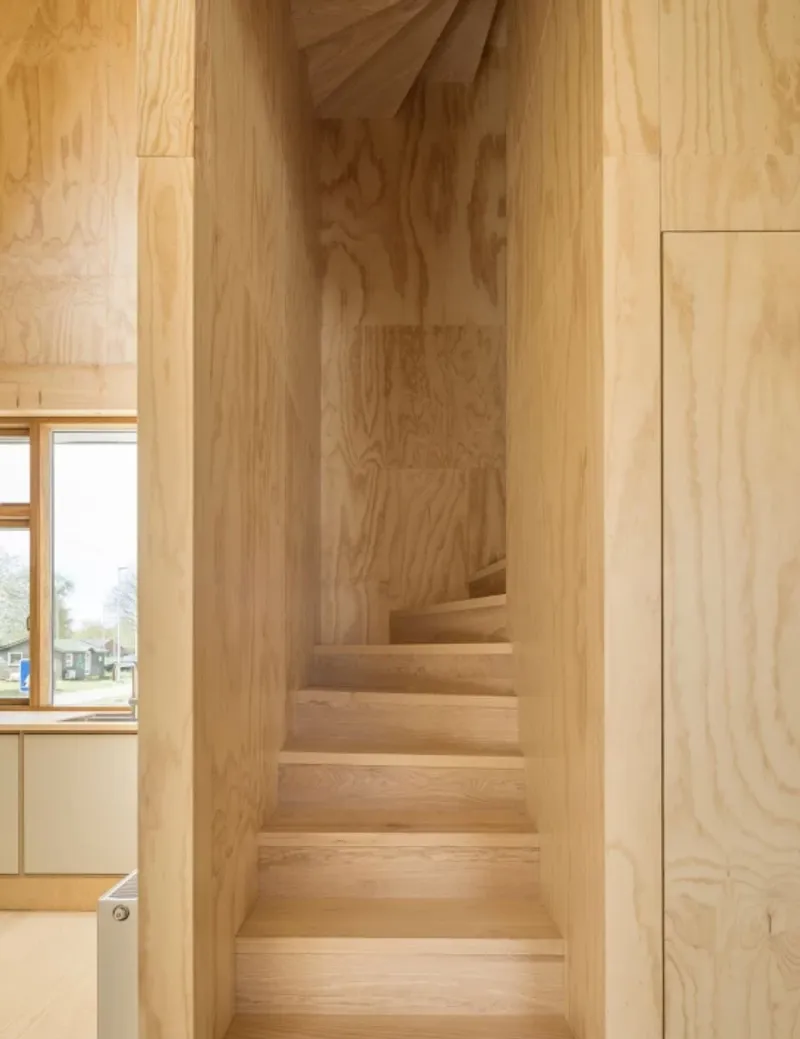
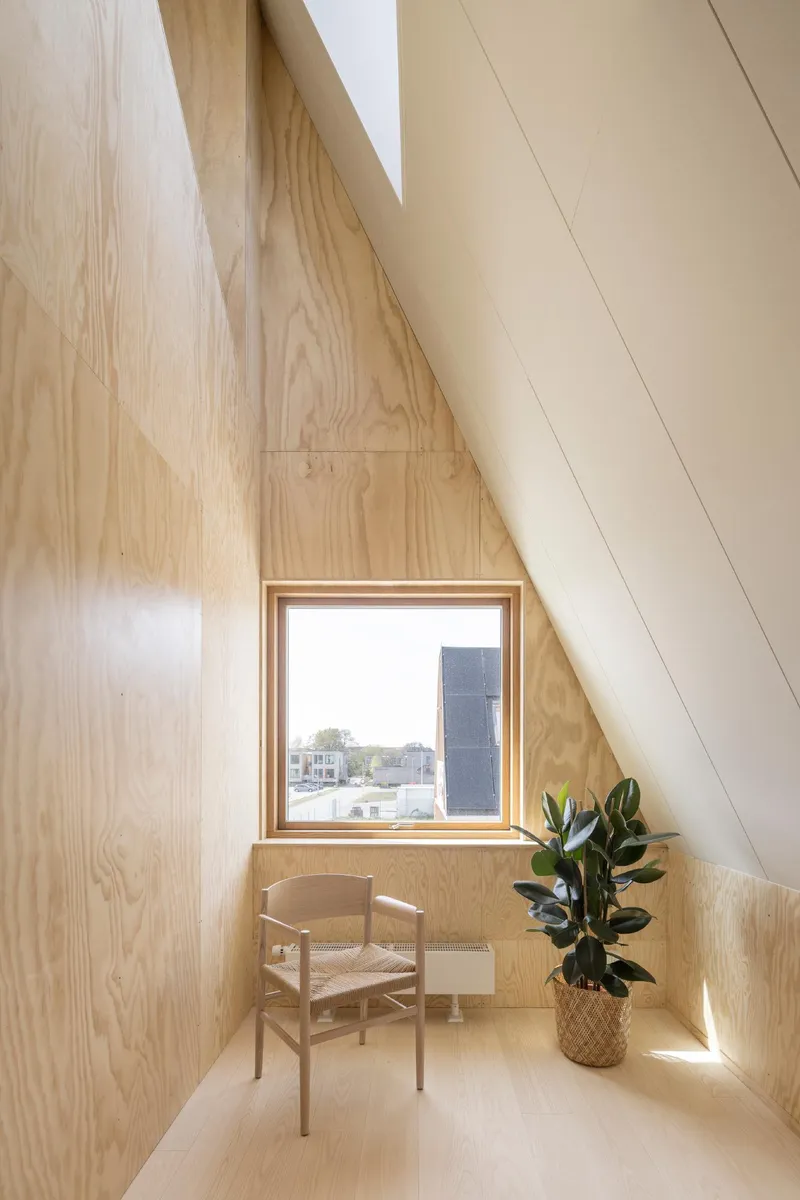
The structures employ prefabricated timber systems, daylight-optimized envelopes, and natural ventilation strategies, reducing operational energy while enhancing indoor air quality. The integration of VELUX skylight technology ensures spaces flooded with healthy daylight, while materials with low toxicity support emotional and physiological wellbeing.
This holistic design process positions the home as a living organism, in conversation with nature—harvesting light, breathing air, and connecting inhabitants directly to the rhythms of the environment.
Architecture for Health and Humanity
Living Places Copenhagen shifts sustainability from a technical exercise to a human-centered experience. While the project excels in performance metrics, its greatest success lies in how it feels to inhabit.
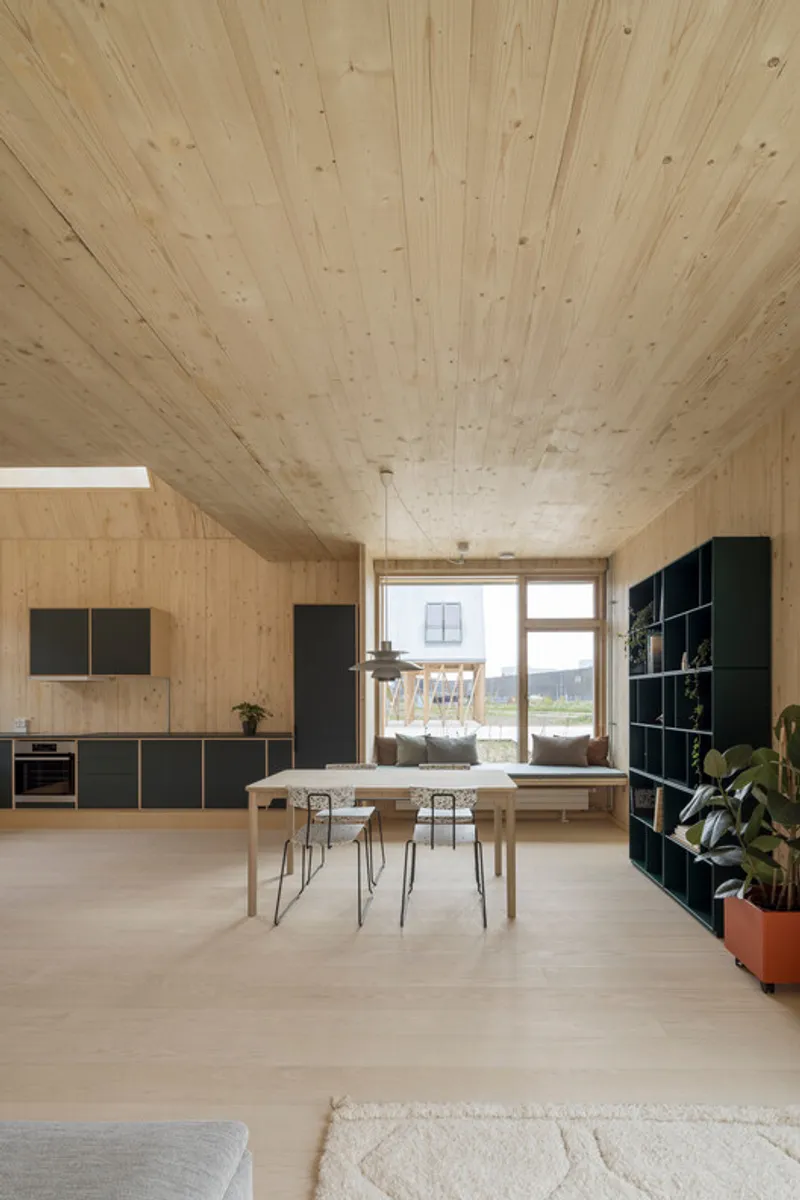
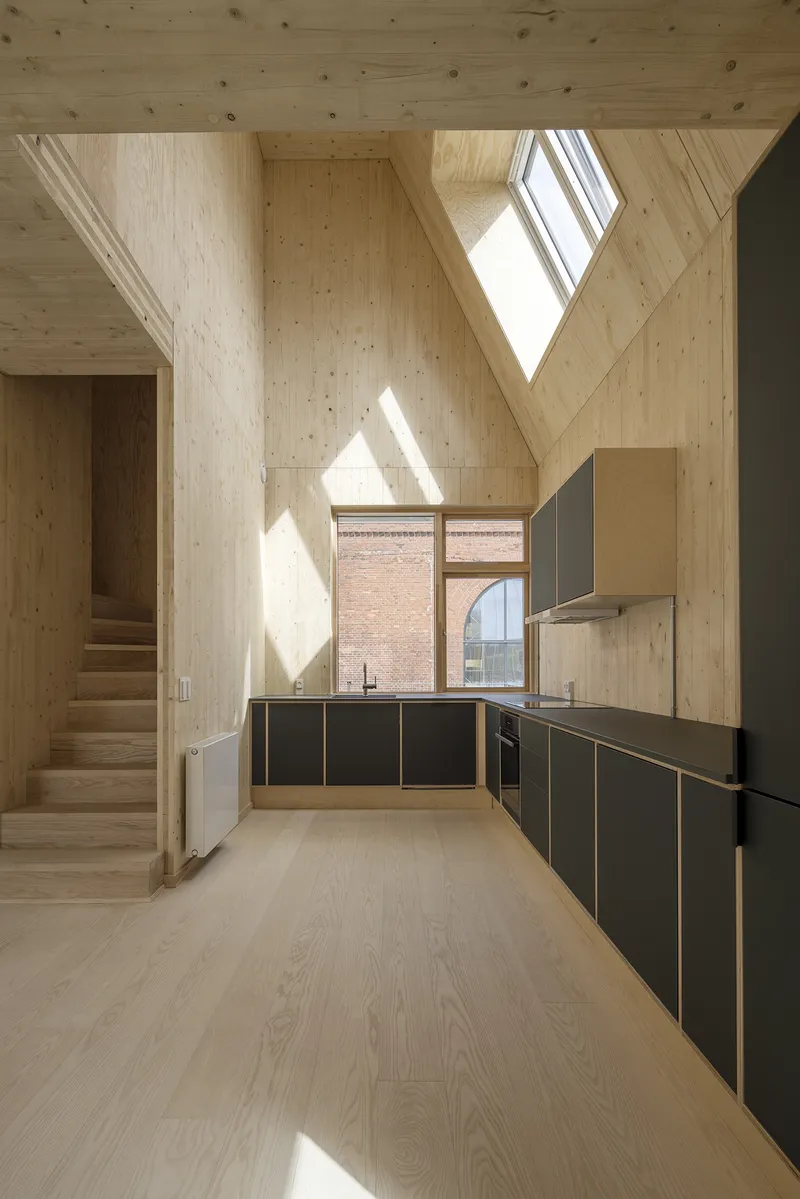
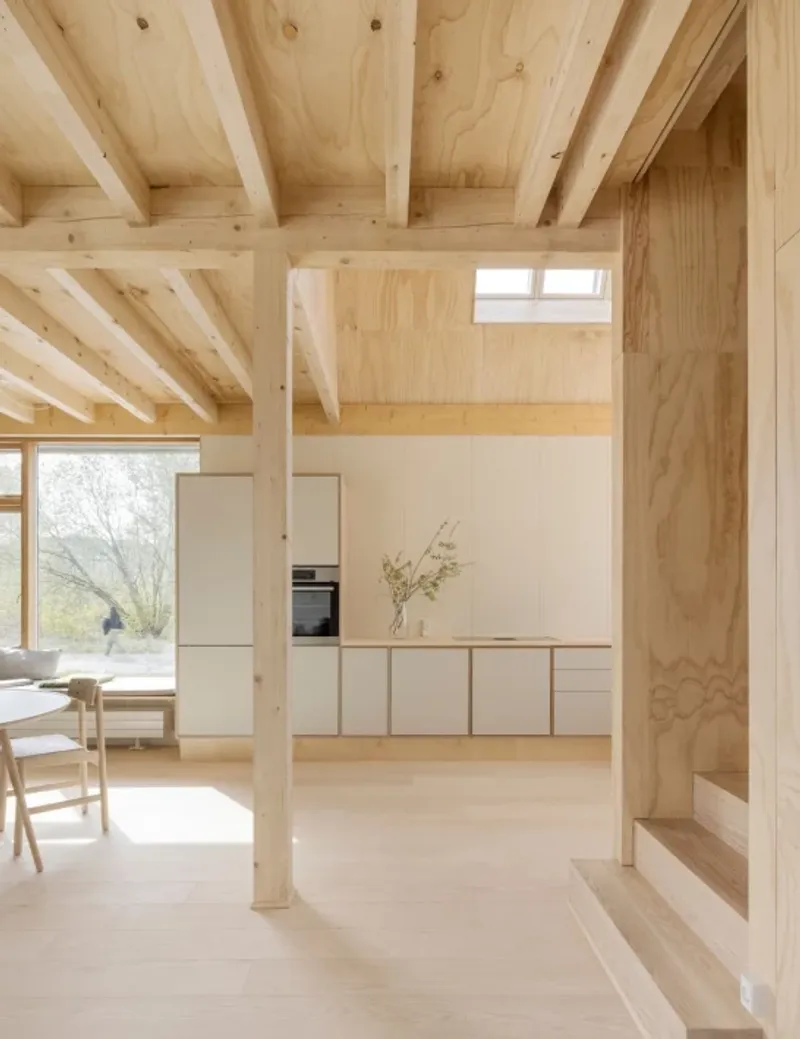
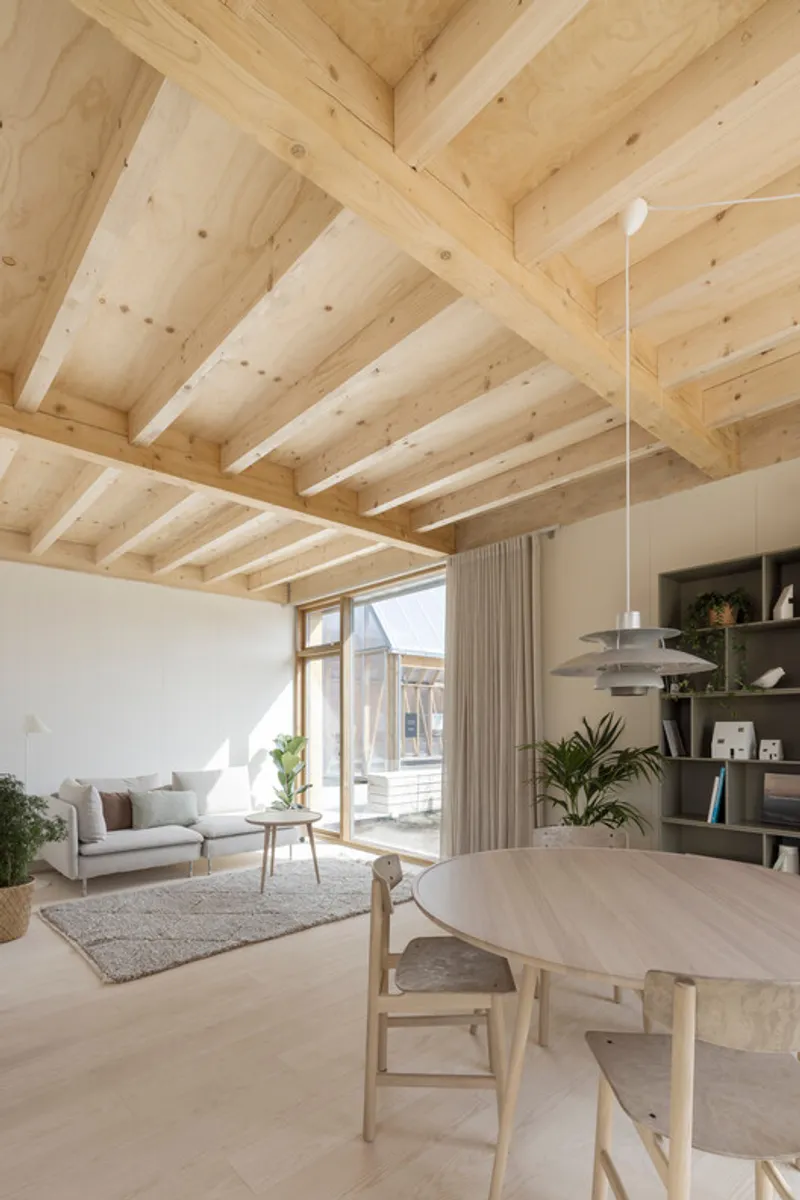
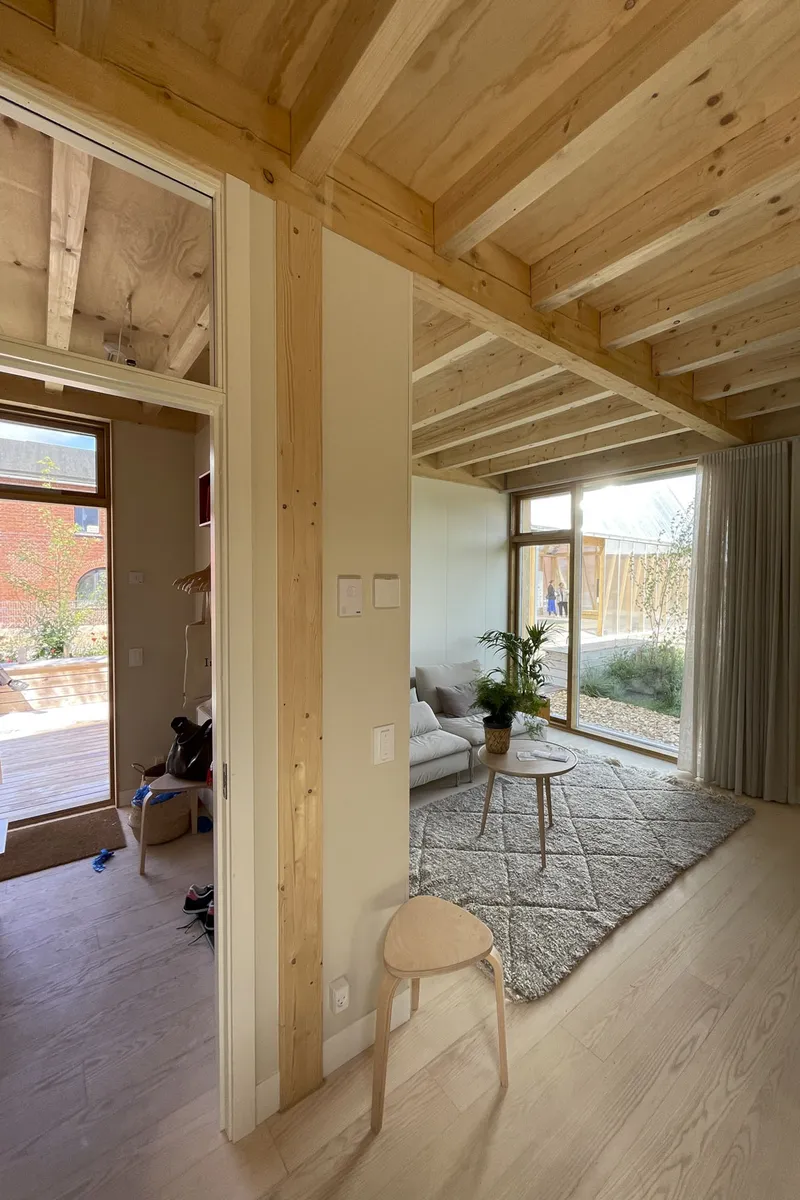
Spaces are designed to embrace natural light, regulate temperature passively, and support daily living in harmony with external conditions. Timber, brick, glass, and textiles were selected for tactile warmth and sensory quality, reinforcing the project’s ethos that sustainability begins with empathy—for occupants, community, and planet.
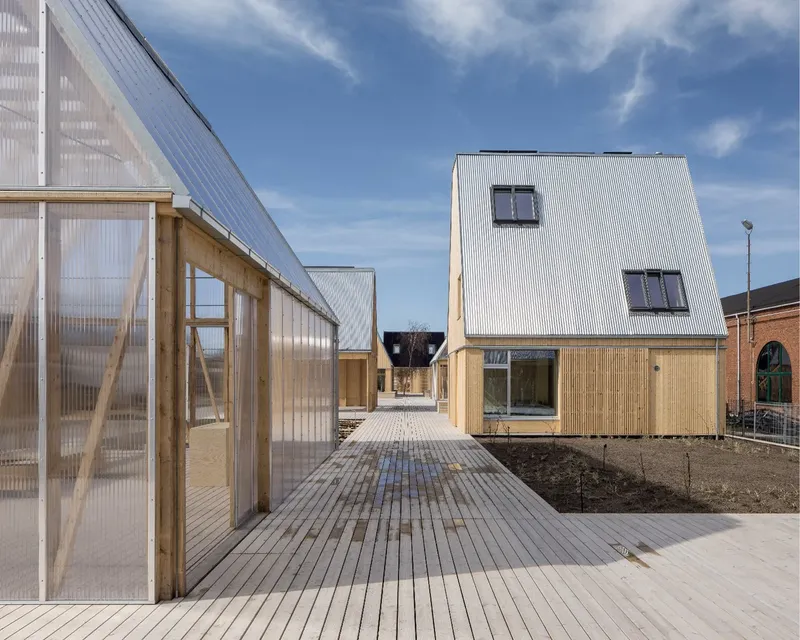
Visitors stepping inside the prototypes experience first-hand how architecture can nurture wellbeing, encourage community, and reveal the life cycles of materials.
Collaboration as Catalyst
Living Places Copenhagen exemplifies collaborative innovation. Beyond EFFEKT, the project involves engineering firm Artelia, construction partner Enemærke & Petersen, and VELUX Groupas both sponsor and technical consultant. Together they forged a new model of industry cooperation, sharing methods, data, and results openly to accelerate global learning.
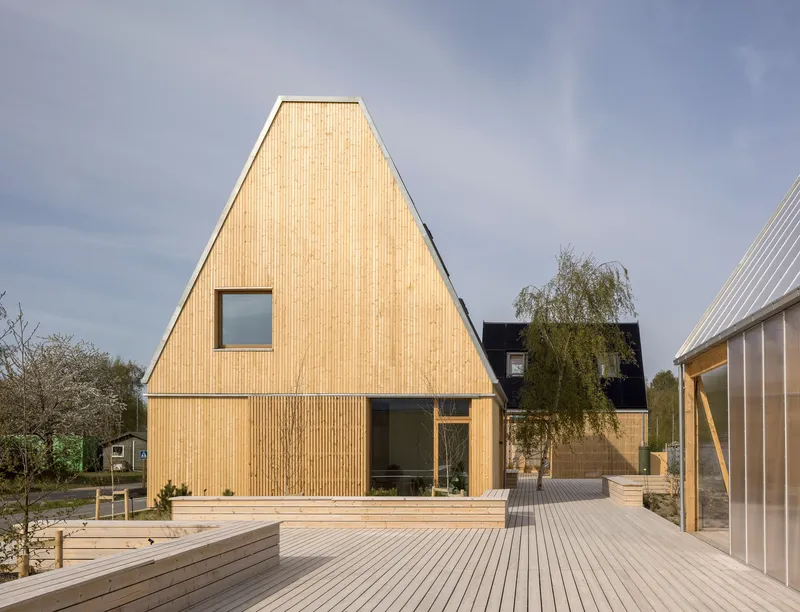
“The green transition is a team effort,” writes Lynge. “Knowledge must be shared across disciplines. Progress occurs only when we build on each other’s shoulders.”
Global Relevance and Impact
As a UNESCO World Capital of Architecture 2023 partner project presented during the UIA World Congress of Architects, Living Places Copenhagen operates not only as an exhibition but as an educational catalyst.
Publicly open since Earth Day 2023, the prototypes invite visitors to engage with low-carbon living firsthand. The project demonstrates that the tools to decarbonize construction—timber framing, modular design, passive performance—already exist. What remains is collective will and cultural commitment.
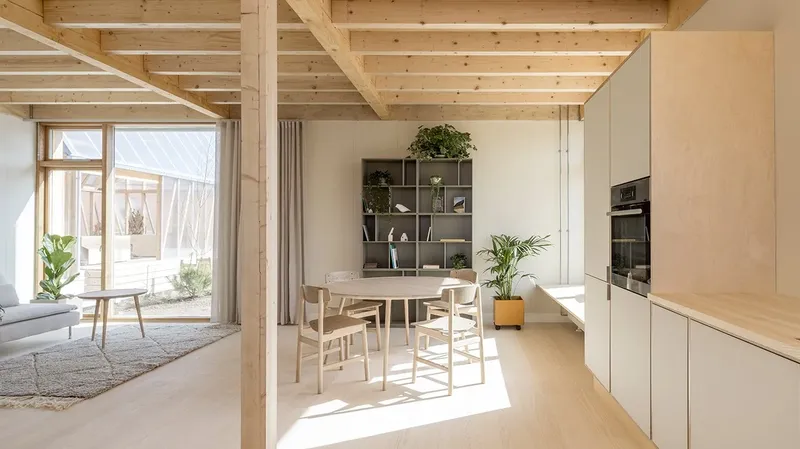
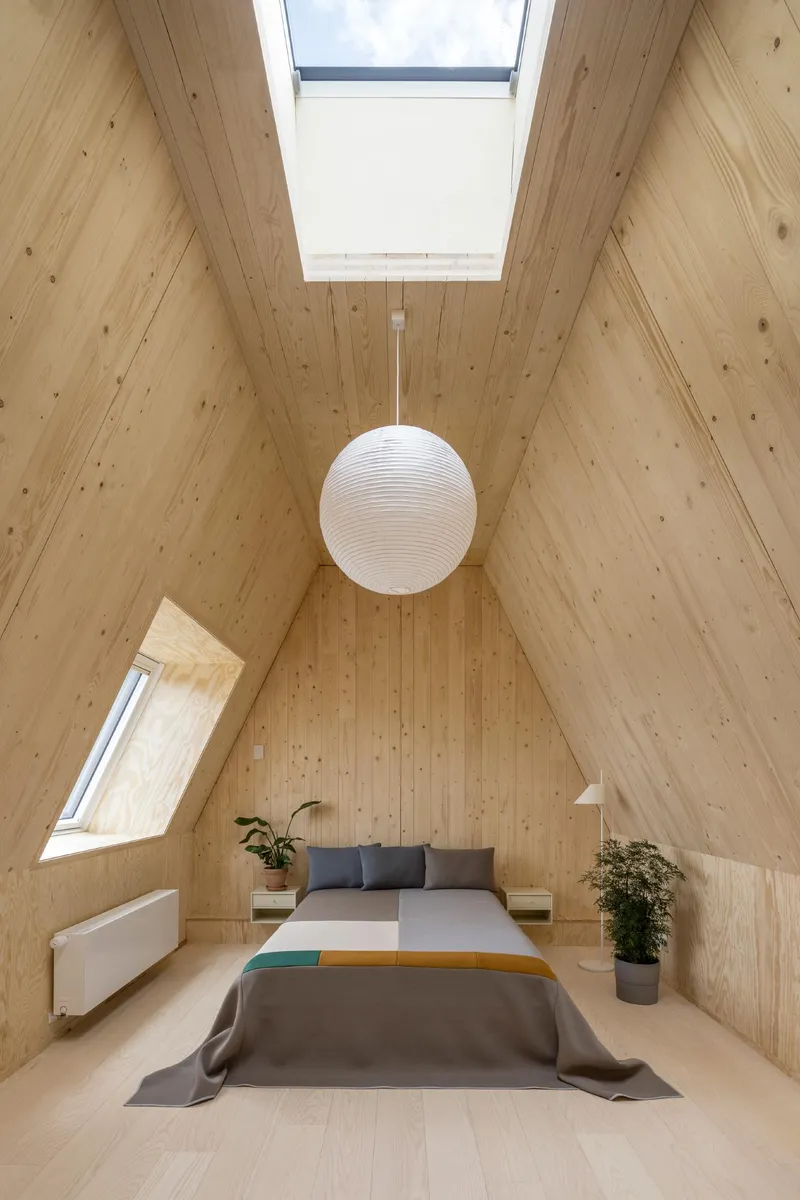
The open setting hosts workshops, guided tours, and debates on material innovation, carbon metrics, and the architecture of wellbeing—transforming the site into a living classroom for the global building community.
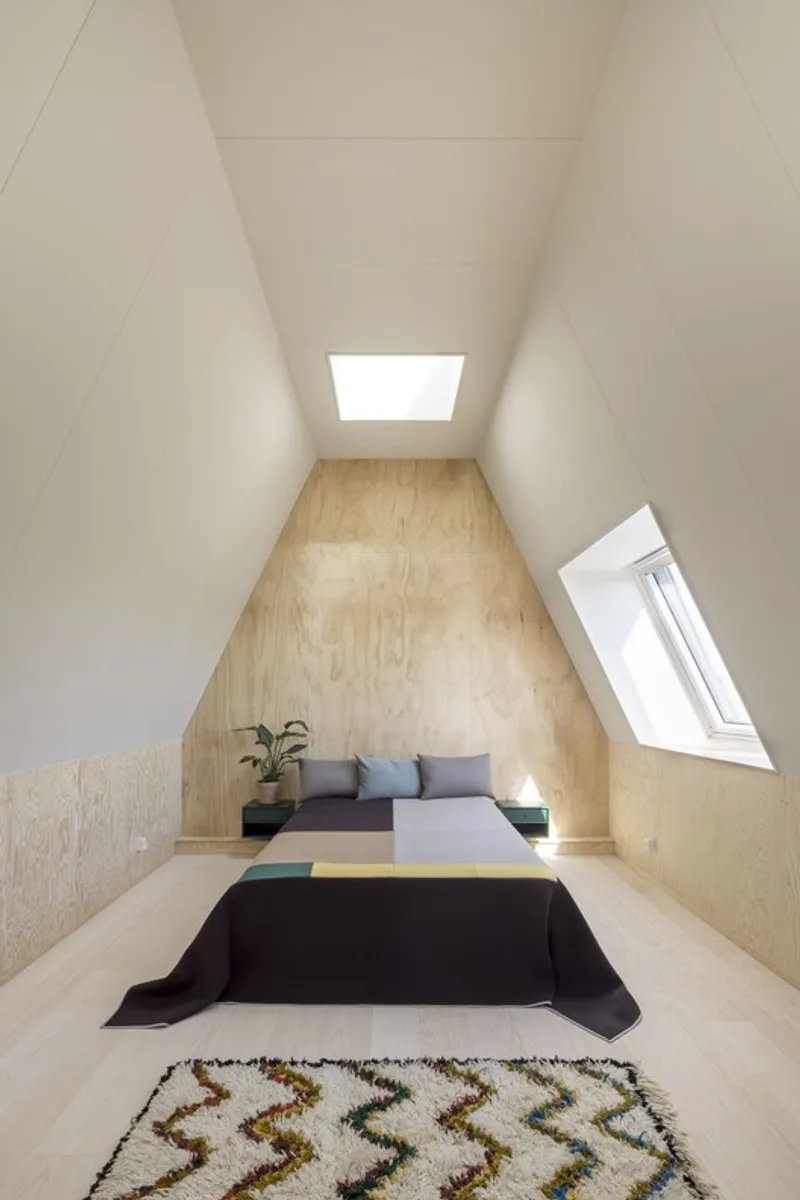
Architecture as Hope
Living Places Copenhagen redefines home as an ecological and emotional habitat—a framework for life that celebrates connection: between people, nature, light, and time.Sinus Lynge concludes:“What visitors remember should not just be the numbers—but the feeling of being embraced by spaces that breathe, adapt, and connect humanity back to nature.”
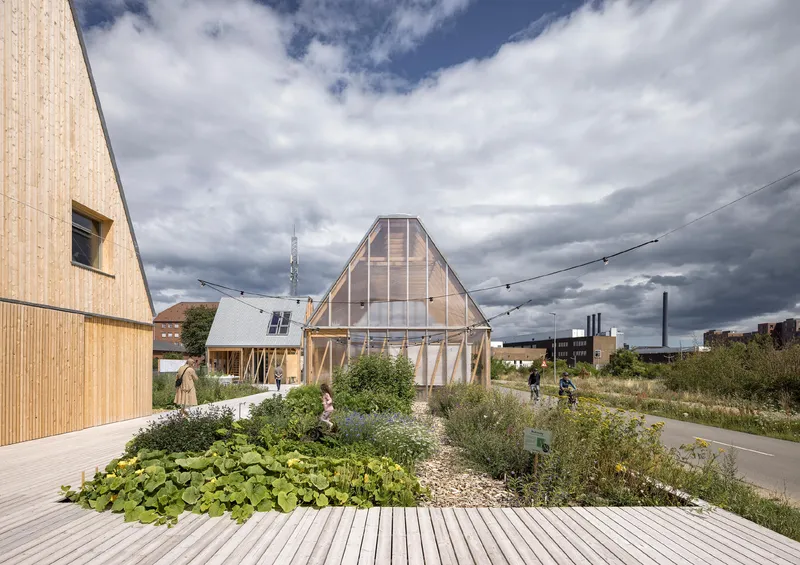
Through this work, EFFEKT and partners demonstrate that climate-resilient design is not a distant vision but a tangible reality attainable today. Living Places Copenhagen stands as proof that architecture, when guided by empathy and evidence, can redefine how we coexist with the planet.
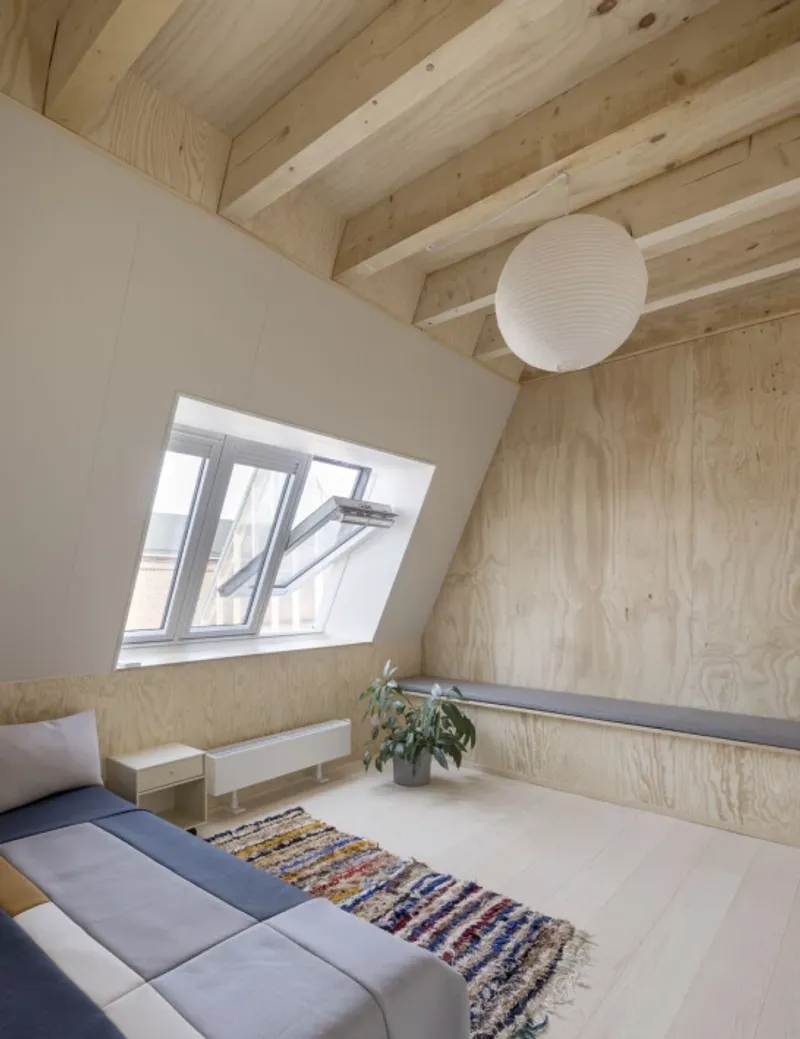
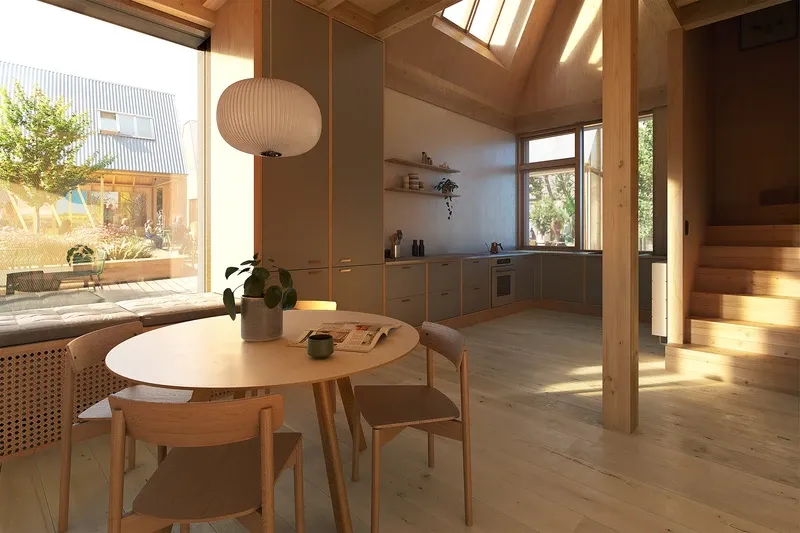
All the Photographs are works of Adam Mørk


Popular Articles
Popular articles from the community


The Ocean Hive: Sustainable Architecture for a Self-Sufficient Civilization at Sea
The Ocean Hive imagines sustainable architecture at sea, where modular habitats, algae, wave power and ocean waste sustain a growing colony.

Co-life: Sustainable Architecture for Age-Friendly Community Living
Co-life reimagines sustainable architecture for seniors through courtyards, rammed earth, shared gardens, and spaces designed for belonging.

Lunar Spiral: Space Architecture Shaped by the Mathematics of the Universe
Lunar Spiral reimagines space architecture through Fibonacci geometry, lunar regolith, levitating habitats, and self-sustaining Moon living.

ALGAL REALM: A Bio-Integrated Lunar Habitat Design for Life Beyond Earth
ALGAL REALM reimagines lunar habitat design with algae-powered life support, 3D-printed regolith, and vertical living for a lunar future.

Similar Reads
You might also enjoy these articles


Hodi-Mandai Geram
Project Function: Preservation and revitalization of the Intangible heritage and socio-spatial identity of the Hodi by Housing, Cultural Memory Center, Sacred Grove, landscape, local tourism economy


Olio Towers: A Mid-Rise for Performers That Fuses Housing, Rehearsal, and Stage
Located blocks from Houston's Theater District, this modular tower stacks living units around a central performance atrium.

Oasis: Modular Green Housing Carved into Dhaka's Urban Fabric
A shortlisted Plugin Housing entry reclaims unauthorized settlements in Dhaka with stepped concrete volumes, green roofs, and ventilation-driven design.

Black Hole: A Floating Megastructure for the Post-Physical Era
Emiliano Mazzarotto envisions a spherical, self-scaling arena where e-sports, digital hotels, and holographic stadiums replace traditional public space.

Explore Nordic Sustainable Architecture Competitions
Discover active competitions in this discipline

Challenge to reimagine the Iron Throne

Photograph architecture without architects

Illustrate the lost glory of Angkor Wat - Render Challenge

Bring back Drive In's
Comments (0)
Please login or sign up to add comments
No comments yet. Be the first to comment!