
Maytue House: A Harmonious Blend of Architecture and Nature
Maytue House seamlessly integrates with nature, featuring sustainable design, panoramic views, and flexible spaces by Juan Carlos Sabbagh Arquitectos.

A Masterpiece by Juan Carlos Sabbagh Arquitectos
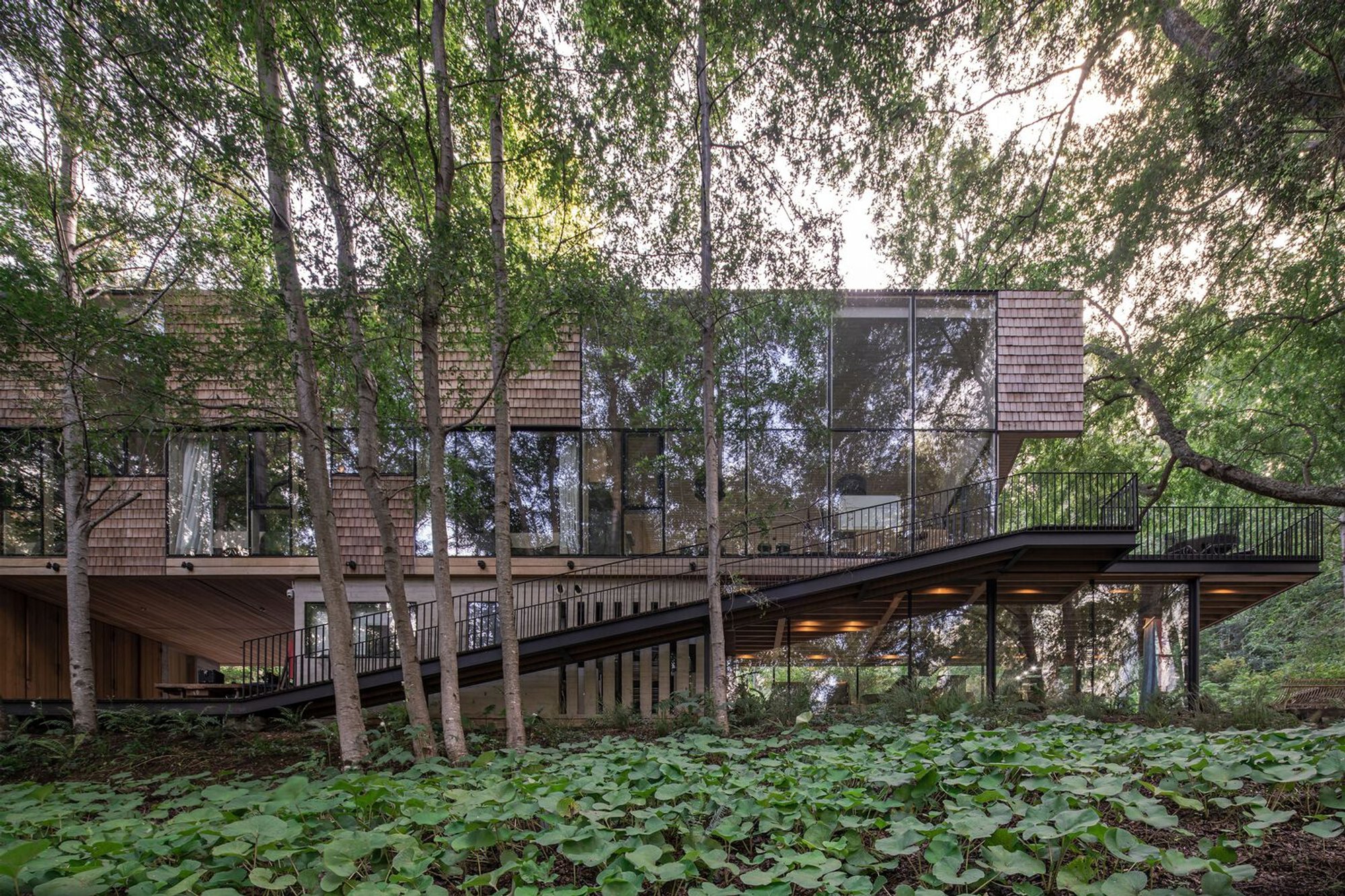
Located on the picturesque shores of the Golfo Azul in Lake Ranco, Maytue House is a striking example of modern architecture seamlessly integrating with nature. Designed by Juan Carlos Sabbagh Arquitectos, this residence is an architectural response to the site's unique topography and rich natural surroundings. The 5737-square-foot house, completed in 2021, respects the existing landscape by carefully adapting its structure to the environment.
Site and Landscape Integration
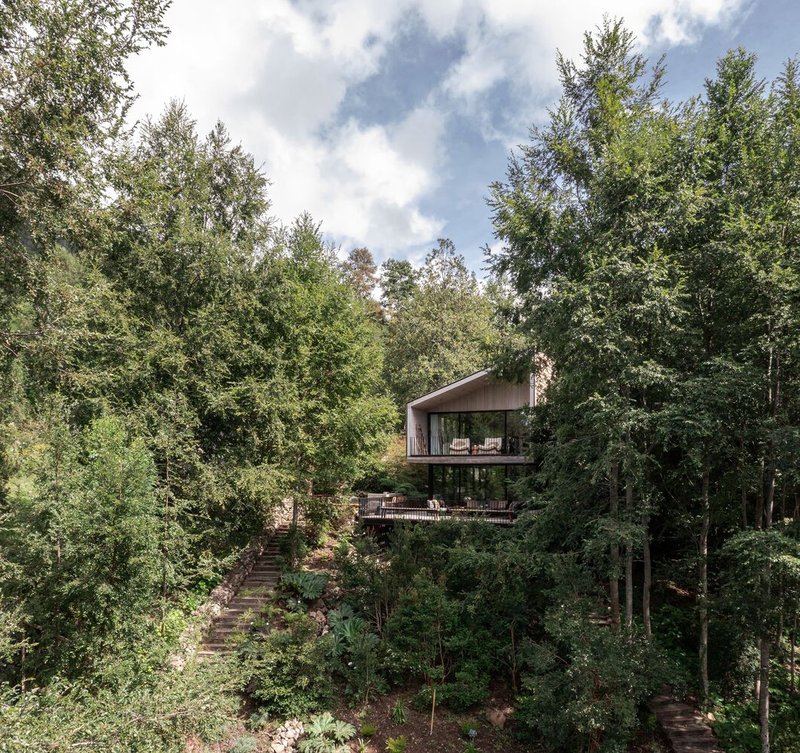
The property has an elongated shape, orienting itself perpendicularly to the lake. The upper section is densely populated with native trees and features a transverse slope, while the lower section transitions into a longitudinal slope that descends sharply toward the lakefront. This natural division results in two distinct spatial conditions:
- The upper section offers intimacy and seclusion, with dense forest surroundings.
- The lower section provides breathtaking panoramic views, opening the house to the vast landscape of Lake Ranco.
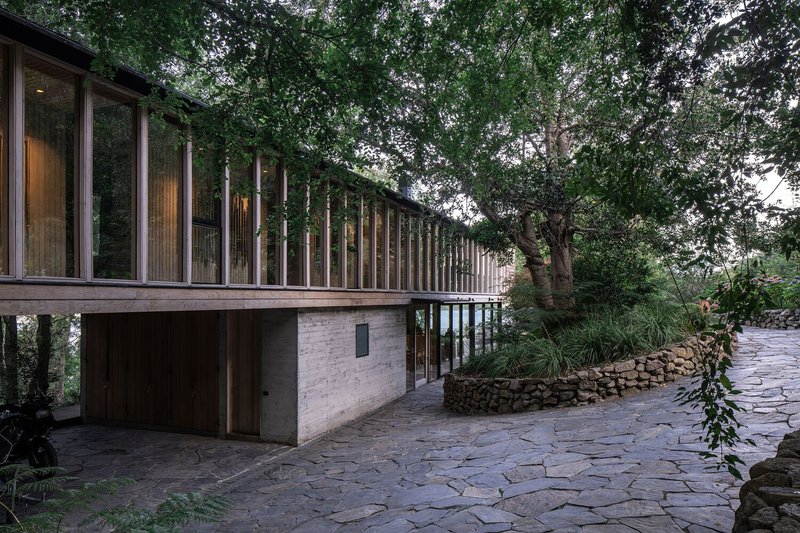
To preserve the natural beauty of the site, the architects opted for minimal intervention. The structure is strategically placed within a tree-free strip measuring approximately six meters in width, allowing the house to blend seamlessly with the existing topography.
Architectural Concept: A Suspended Wooden Bar
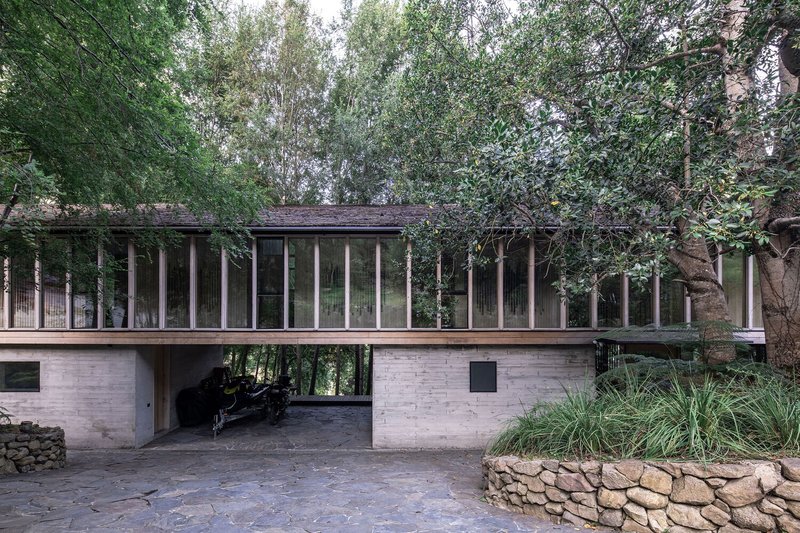
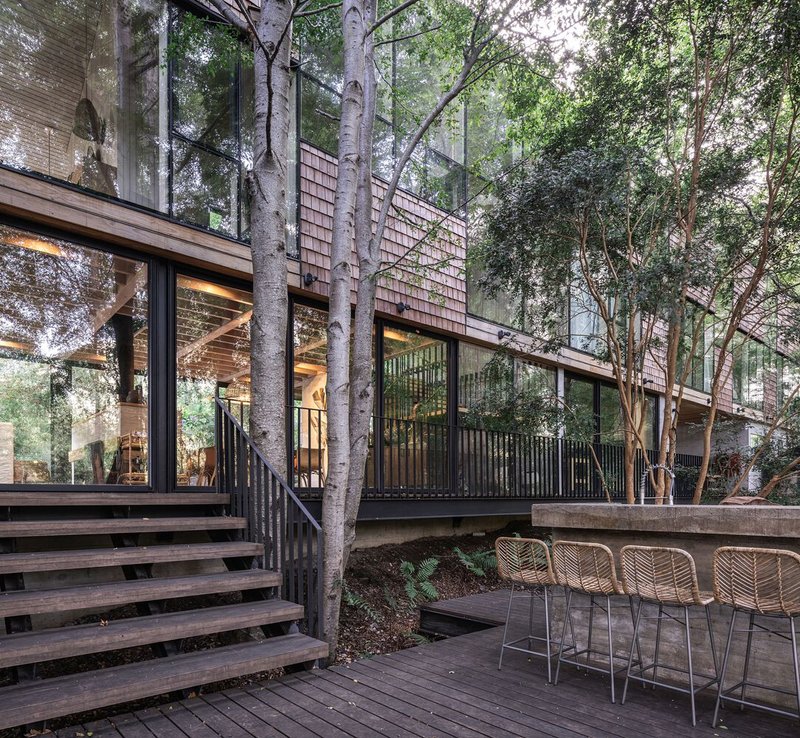
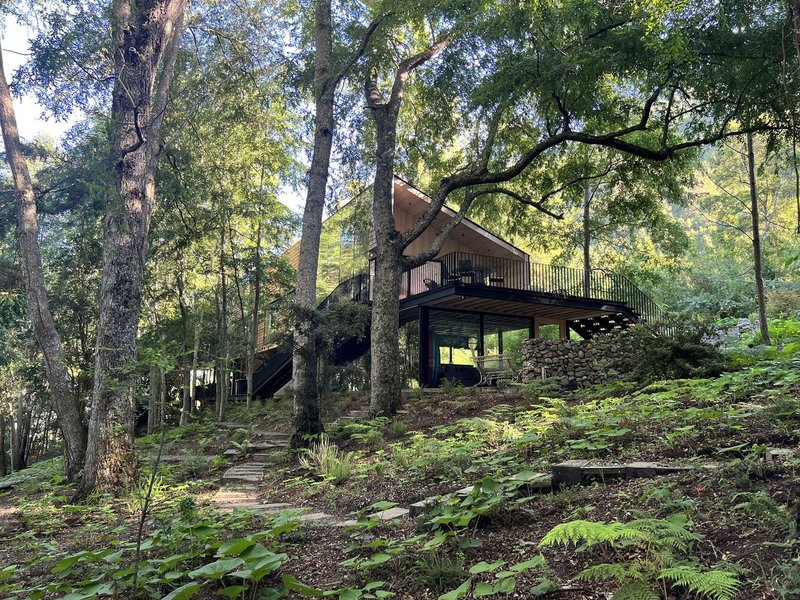
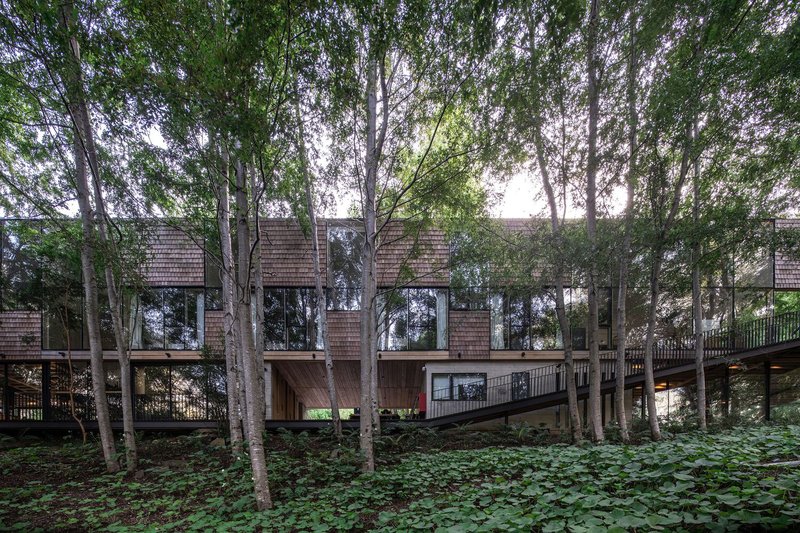
Inspired by the fallen trunks commonly found in Chile's southern forests, the design features a narrow, elongated volume that appears to hover between the trees. Clad in natural larch shingles, a material frequently used in local architecture, the exterior will gradually age into a distinctive silver-gray hue, further blending into the surrounding forest.
The structure is positioned longitudinally along the site, ensuring an immersive experience of both the intimate forest setting and the expansive distant views. As one moves through the house, the architectural journey shifts between these two contrasting spatial experiences.
Interior Layout: Balancing Privacy and Views
The spatial organization of Maytue House is carefully planned to provide both privacy and connectivity to nature:
- The children’s and guest bedrooms are nestled within the forest, offering a sense of enclosure and tranquility.
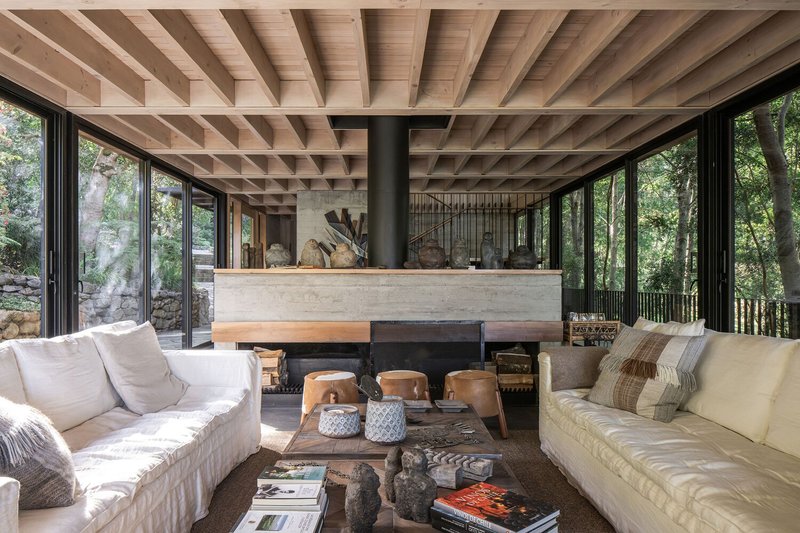
- The master bedroom and main living spaces are positioned at the suspended end of the structure, capturing the most stunning views of the lake and landscape.
- A single-span roof opens the interiors toward the northeast, maximizing natural light, particularly in winter when the oak trees shed their leaves. This design also accentuates the height and verticality of the surrounding trees.
Flexibility in Use: A House for All Seasons
Understanding the diverse needs of its inhabitants, Maytue House is designed for flexibility. It can function as a single-family home or be divided into two independent sections, each with its own access and service areas. This adaptable layout allows for efficient use whether occupied by the entire family or a smaller group.
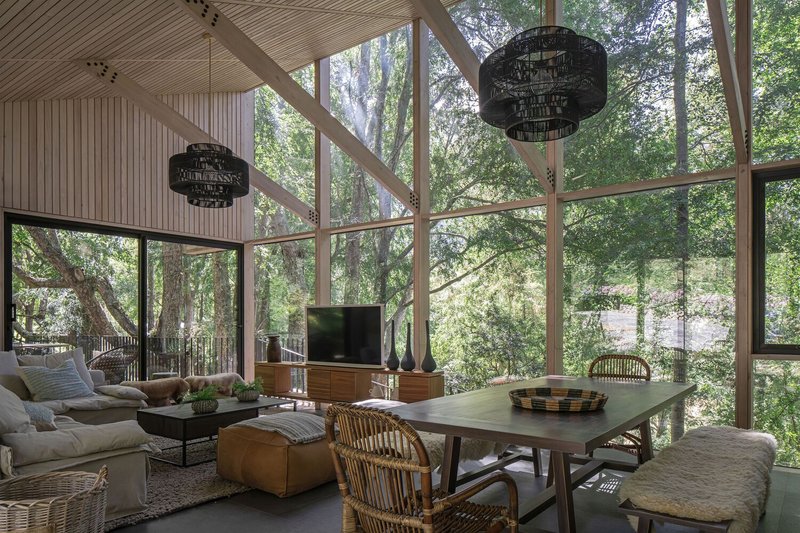
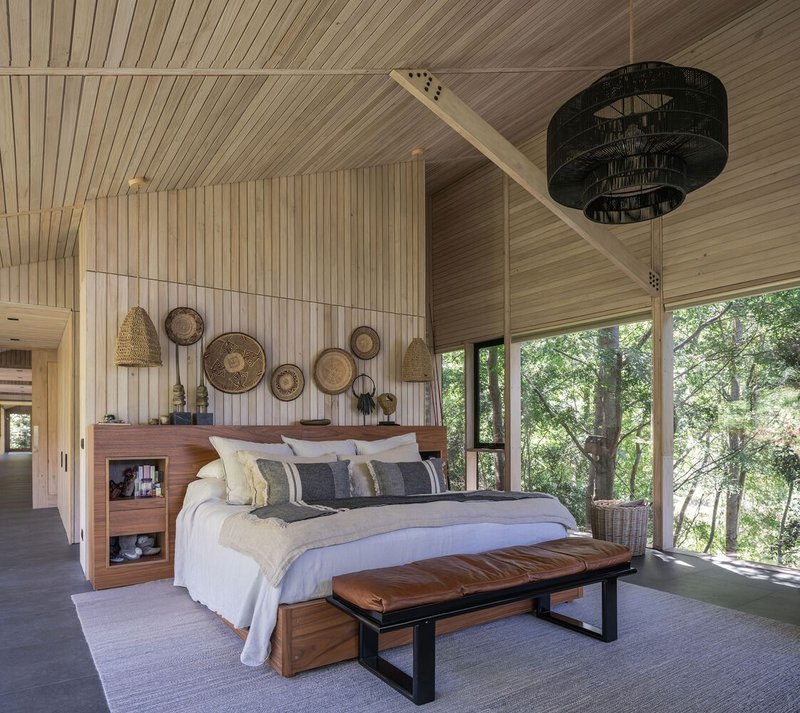
Sustainable and Contextual Design
The project prioritizes sustainable architecture, minimizing its environmental footprint by:
- Avoiding unnecessary deforestation through strategic site placement.
- Utilizing locally sourced materials such as larch wood.
- Designing for passive solar gain, optimizing natural light and thermal efficiency.
By embracing circular construction principles, the design ensures longevity and harmony with the landscape, making Maytue House a true testament to sustainable residential architecture in Chile.
Maytue House by Juan Carlos Sabbagh Arquitectos is more than a residential project—it is an architectural dialogue with nature. By respecting the site’s topography, utilizing natural materials, and offering flexible living spaces, it achieves a perfect balance between functionality, aesthetics, and sustainability. This project stands as an inspiring example of how contemporary architecture can seamlessly integrate with its environment while enhancing the living experience of its inhabitants.
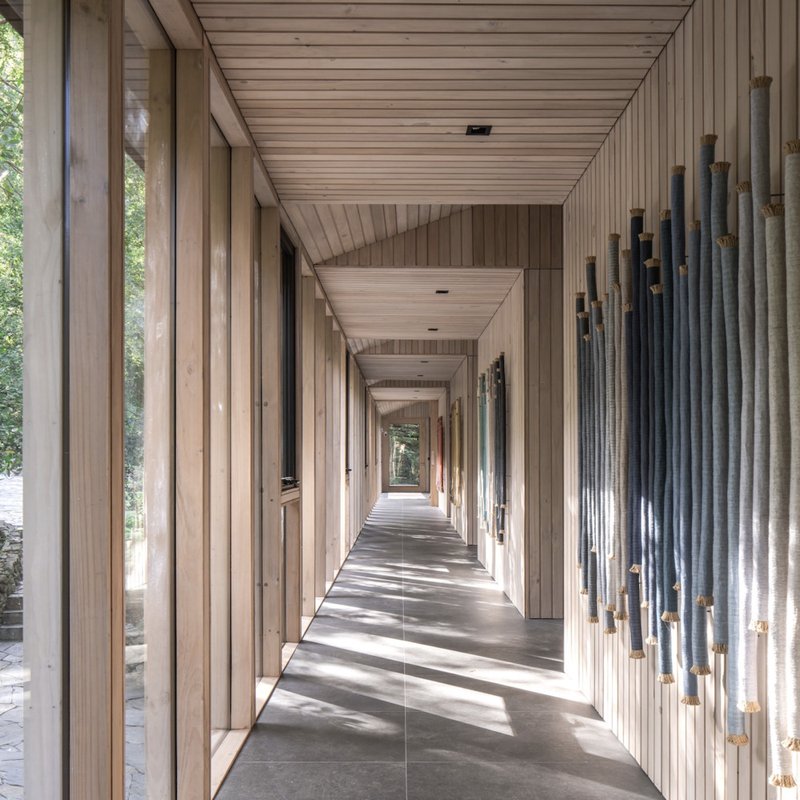
All Photographs are works of Nicolás Saieh



Popular Articles
Popular articles from the community

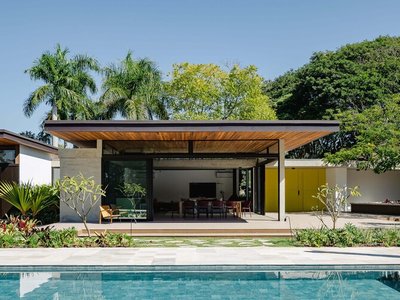
Flamboyant House by Juliana Camargo + Prumo Projetos
Modern Brazilian house integrating existing tree, pool, and volumes with glass, wood, and transitional spaces blending interior, exterior, and landscape seamlessly.
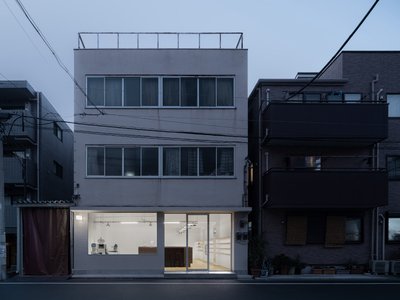
Atelier Macri Concept Store Interior Design by CASE-REAL
Atelier Macri store features a "ko" counter, walnut wood details, cork displays, blending retail, gallery, and seamless customer experiences.
On the Brooks House by Monsoon Collective – A Contemporary Kerala Home Rooted in Tradition
Kerala home blending tradition and modernity with water-inspired design, brick architecture, courtyard planning, and sustainable rainwater harvesting strategies.


The Ken Roberts Memorial Delineation Competition (Krob)
As the most senior architectural drawing competition currently in operation anywhere in the world, it draws hundreds of entries each year, awarding the very best submissions in a series of medium-based categories.
Similar Reads
You might also enjoy these articles
The Ken Roberts Memorial Delineation Competition (Krob)
As the most senior architectural drawing competition currently in operation anywhere in the world, it draws hundreds of entries each year, awarding the very best submissions in a series of medium-based categories.


Waterfront Redevelopment and Urban Revitalization in Mumbai: Forging a New Dawn for Darukhana
A transformative waterfront redevelopment project reimagining Darukhana’s shipbreaking heritage into an inclusive urban future.

OUT-OF-MAP: A Call for Postcards on Feminist Narratives of Public Space
Rhizoma Design and Research Lab invites artists, designers, architects, researchers, and students to reflect on how feminist perspectives can reshape public space. Selected works will be exhibited in Barcelona, October 2026. Submissions open until 15 April 2026.


Documentation Work on Buddhist Wooden Temple
Architectural syncretism and cultural hybridity: A comparative study of the Buddhist temples in Chattogram Hill tracks


Explore Architecture Competitions
Discover active competitions in this discipline




The International Standard for Design Portfolios


The Global Benchmark for Architecture Dissertation Awards


The Global Benchmark for Graduation Excellence


Challenge to reimagine the Iron Throne
Comments (0)
Please login or sign up to add comments
No comments yet. Be the first to comment!