
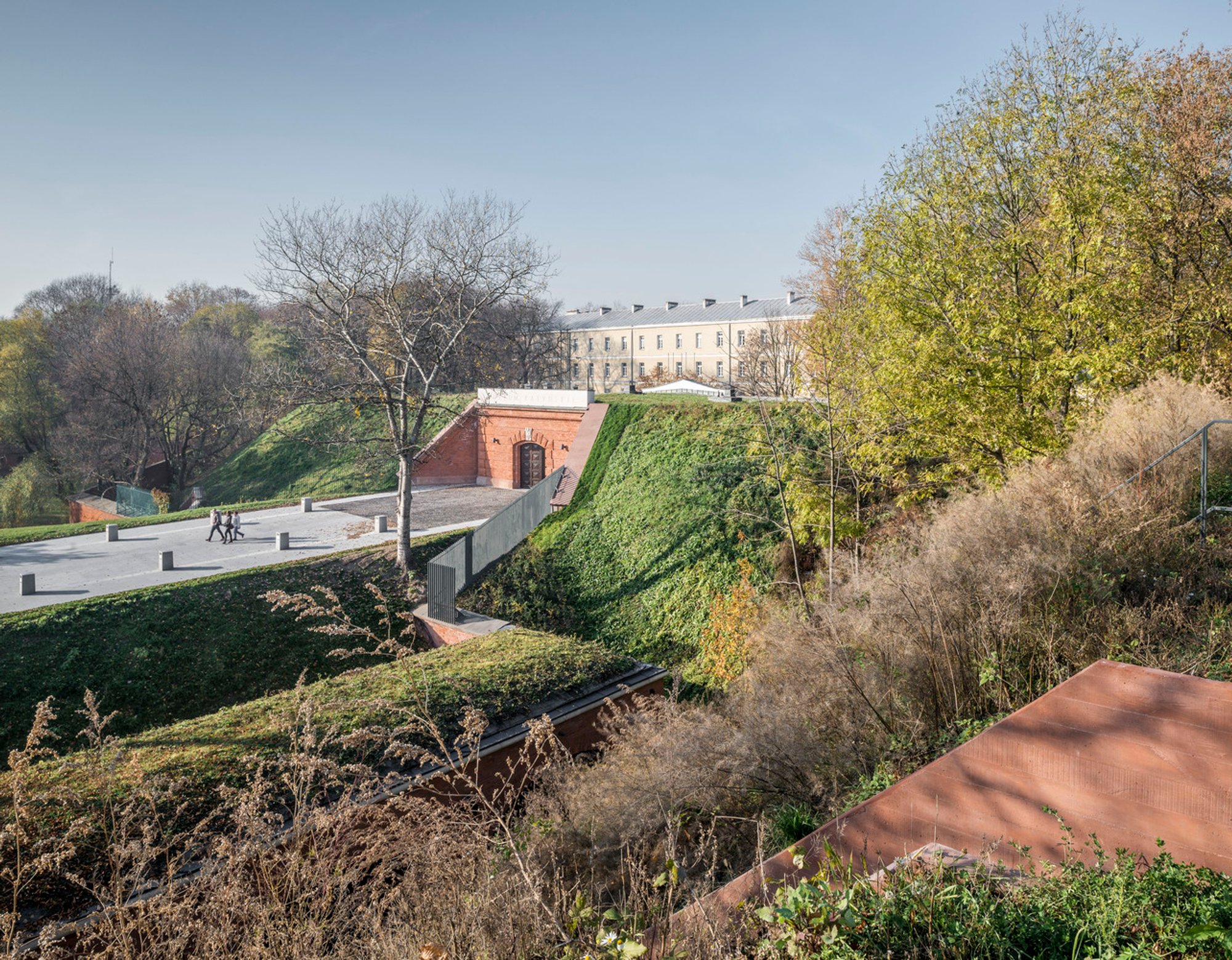
Memorial Architecture Design: The Katyń Museum by BBGK Architekci
The Katyń Museum exemplifies memorial architecture design, transforming historical tragedy into a contemplative and emotionally resonant spatial journey.

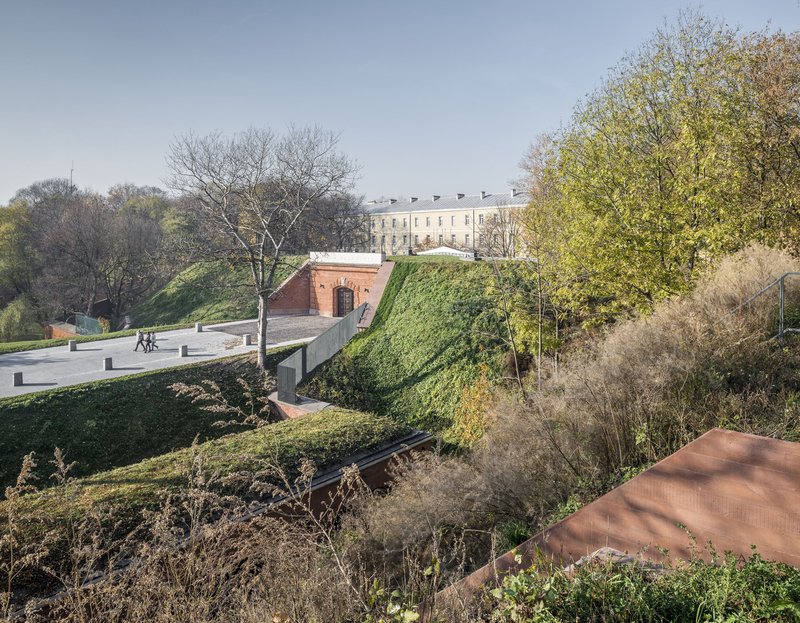
Located within the historic Warsaw Citadel, the Katyń Museum by BBGK Architekci stands as a profound example of memorial architecture design, seamlessly weaving architectural restraint with emotional depth. Opened in 2015 and housed in a 19th-century military fortress, this museum honors one of the most harrowing tragedies in Polish history—the Katyń massacre of 1940, where 22,000 Polish officers and officials were executed by the Soviet NKVD.
Transforming History into Architectural Memory
The transformation of the Warsaw Citadel into a museum complex is one of Poland’s most significant cultural endeavors since joining the European Union. The Katyń Museum was among the first spaces completed in this initiative, setting the tone for how architecture can participate in shaping national remembrance. The architects confronted the challenge of narrating trauma and loss not through spectacle, but through spatial introspection.
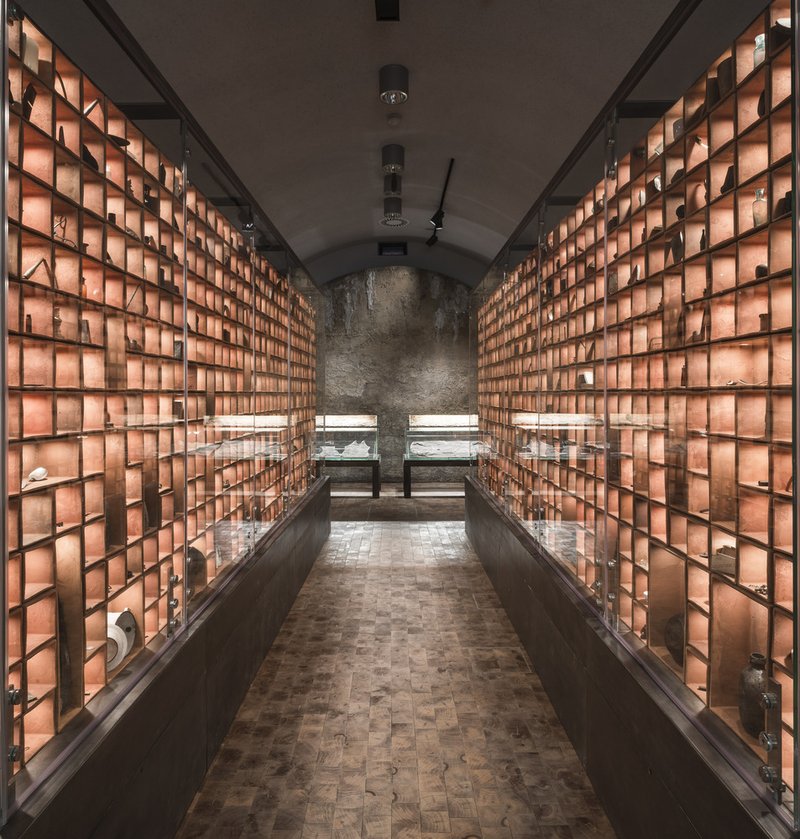
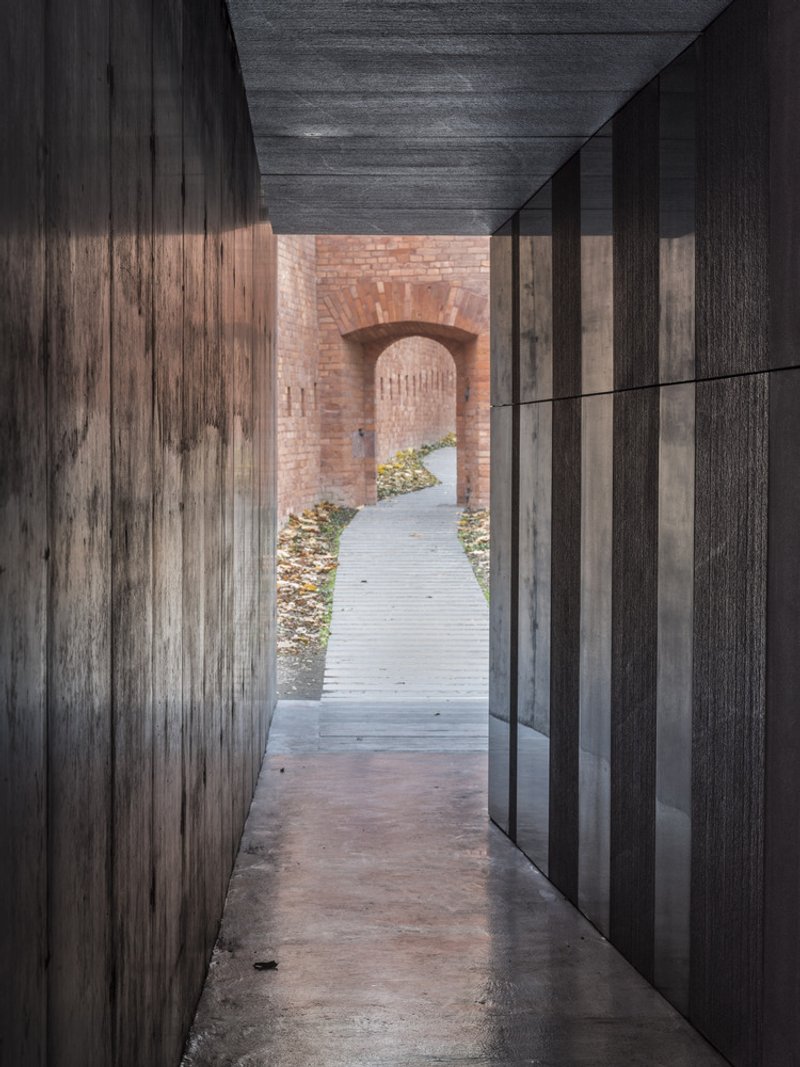
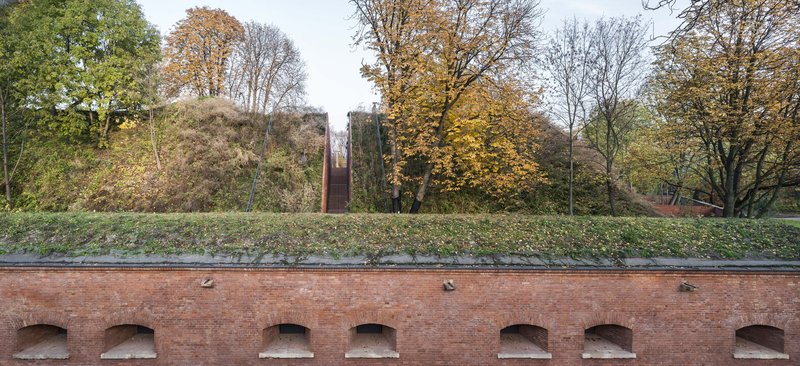
BBGK Architekci’s design uses the existing architecture not as a background, but as a foundational part of the museum’s emotional and historical message. The spaces, once military bastions, are now redefined to evoke solemnity, silence, and reflection—qualities essential to memorial architecture design.
A Space for Silence and Contemplation
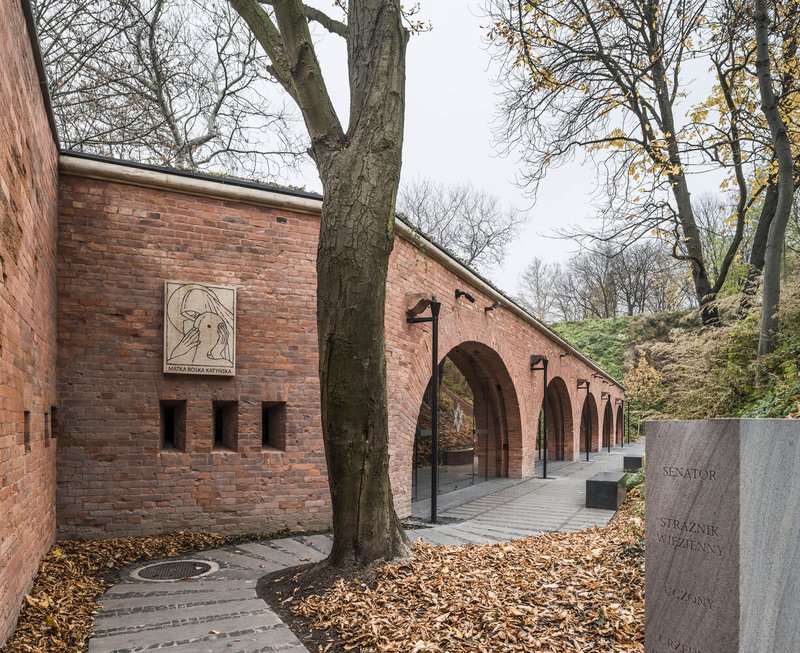
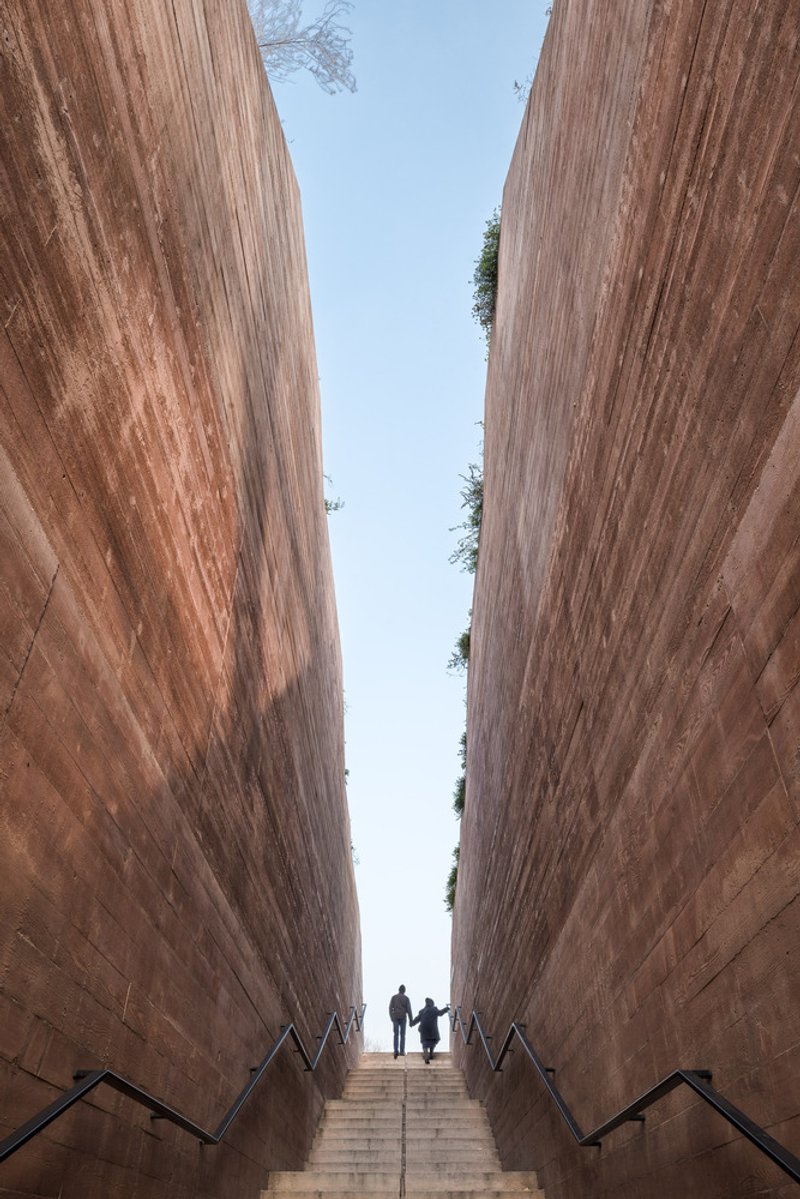
At the heart of the museum lies an ethos of quiet reverence. The architects embraced a minimalist palette of brick, plaster, and stained concrete to reflect the severity and dignity of the content. Rather than overwhelming visitors, the design guides them into a state of introspection through sequential spatial experiences.
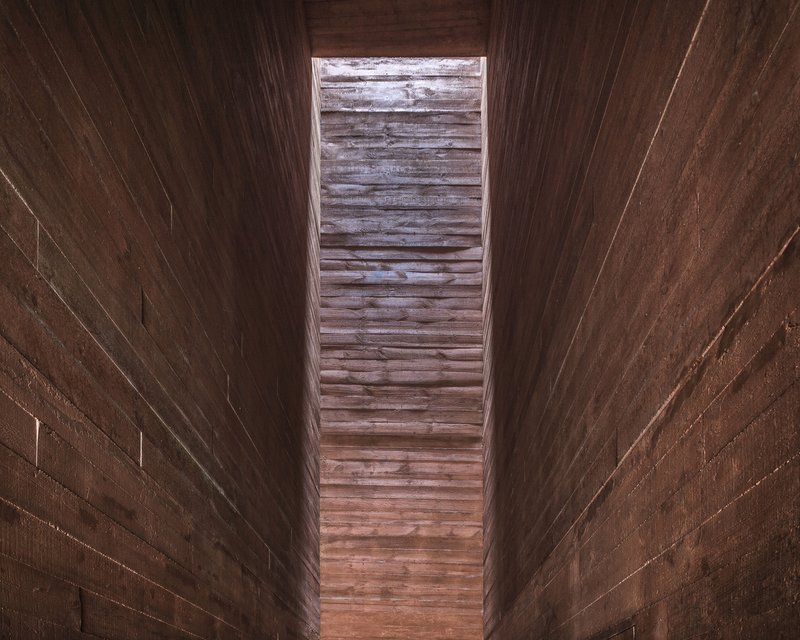
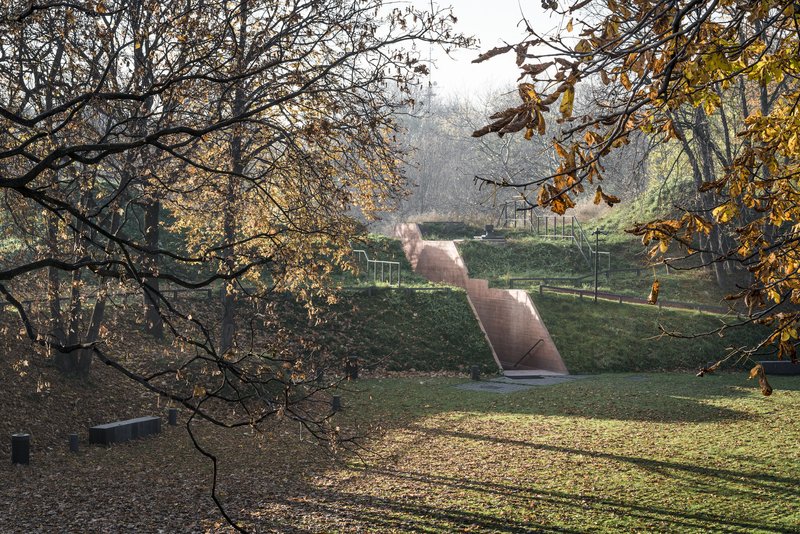
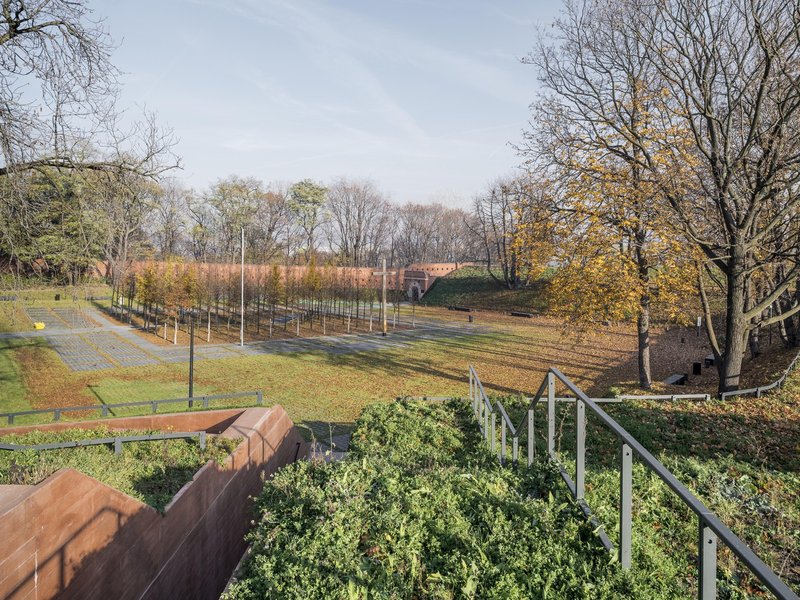
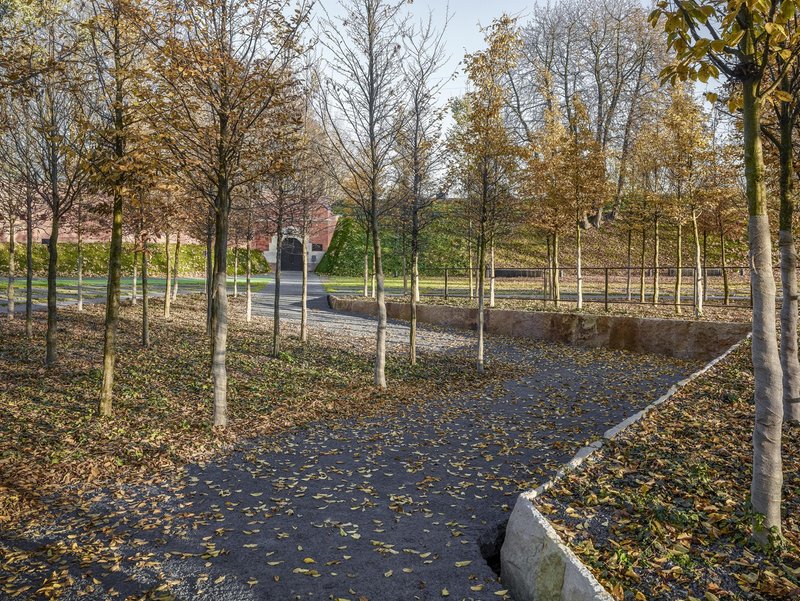
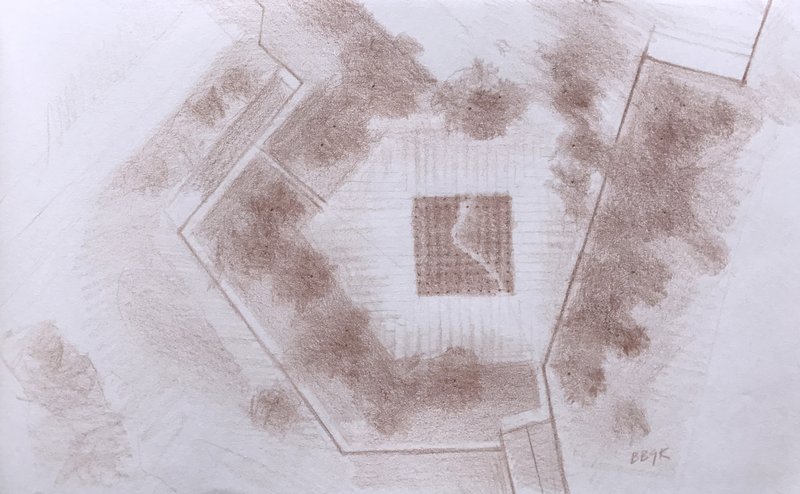
The symbolic Katyń forest at the museum's center features 100 trees planted to recall the massacre site and the decades of denial that followed. This gesture transforms a historical void into a living presence—nature reclaiming memory.
A Dual-Level Narrative of History and Humanity
Inside the Caponier, the museum unfolds in two levels. The first presents a factual, historical account of the Katyń massacre, with archival materials, unearthed artifacts, and documentary evidence. The second level shifts the focus toward personal narratives—the stories of families left behind, letters from the victims, and testimonies of loss.
This dual structure in the memorial architecture design creates a complete narrative arc: from collective history to intimate grief. It emphasizes not only what happened but what was lost—individual lives, futures, professions, and dreams.
The Architecture of Absence and Memory
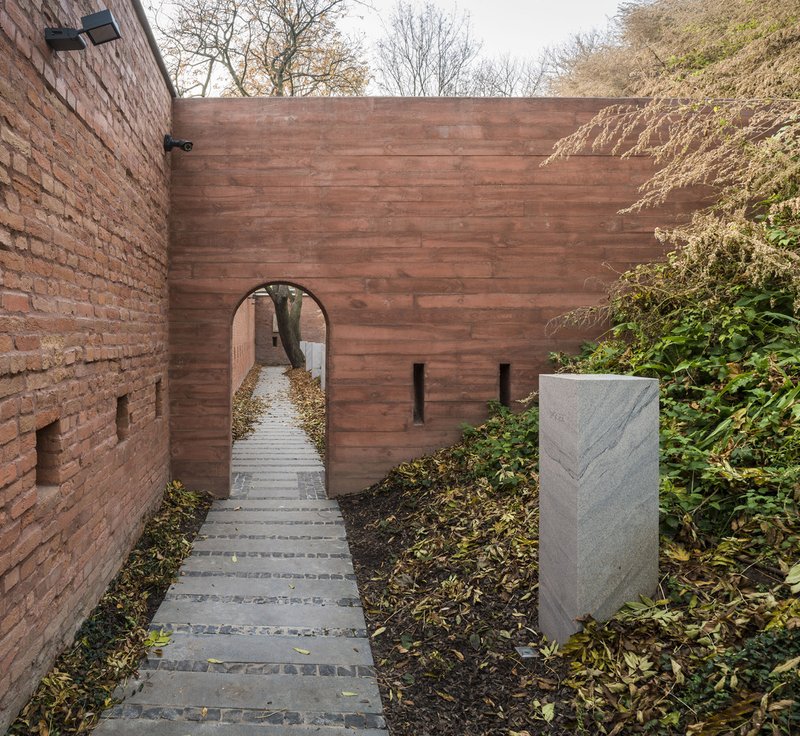
One of the most emotionally charged elements is the Death Tunnel—a black concrete corridor designed by Jerzy Kalina that extends the visitor’s journey into the symbolic realm. Emerging from this dark passage, visitors find the Alley of the Missing Ones, where empty pedestals display only the professions of the murdered—silent reminders of the identities stripped away by violence.
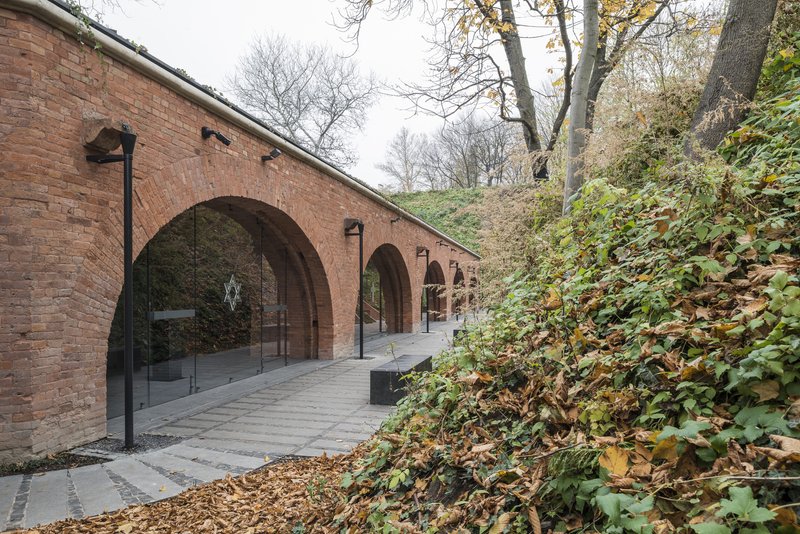
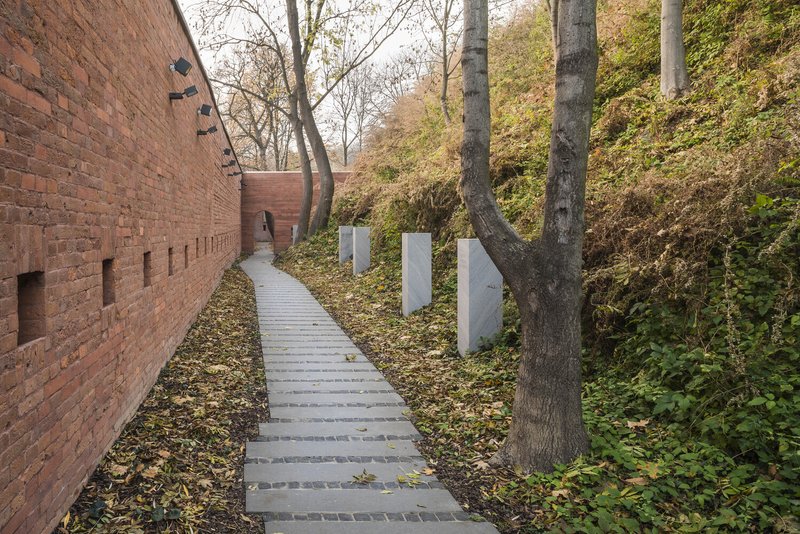
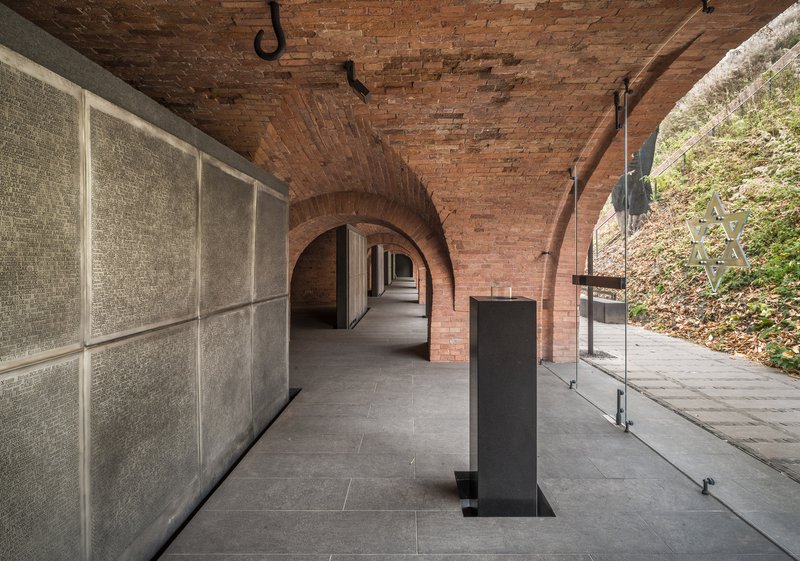
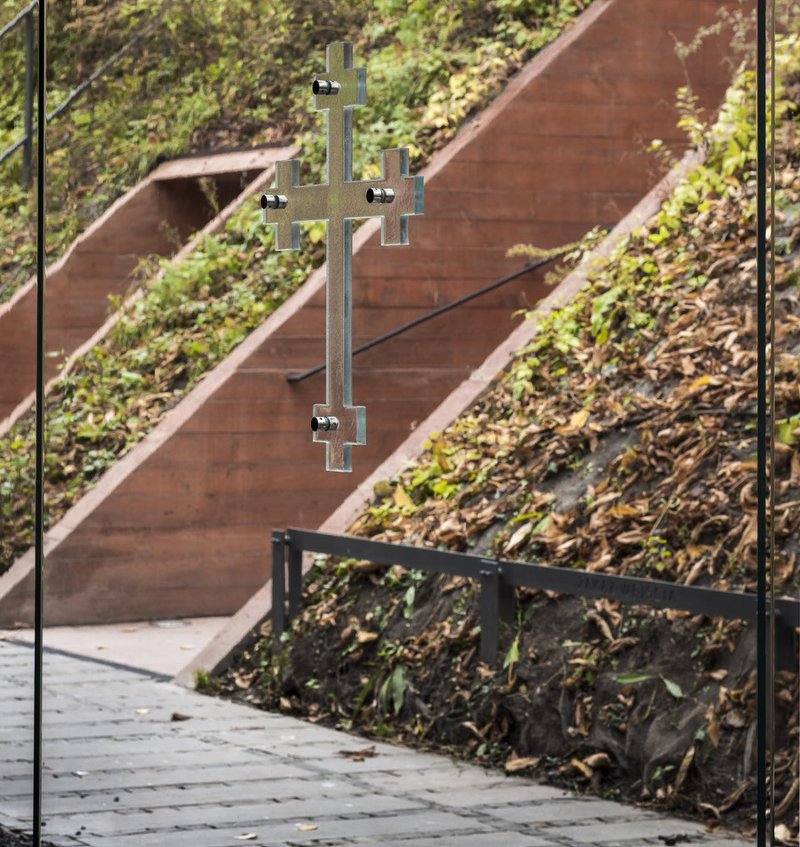
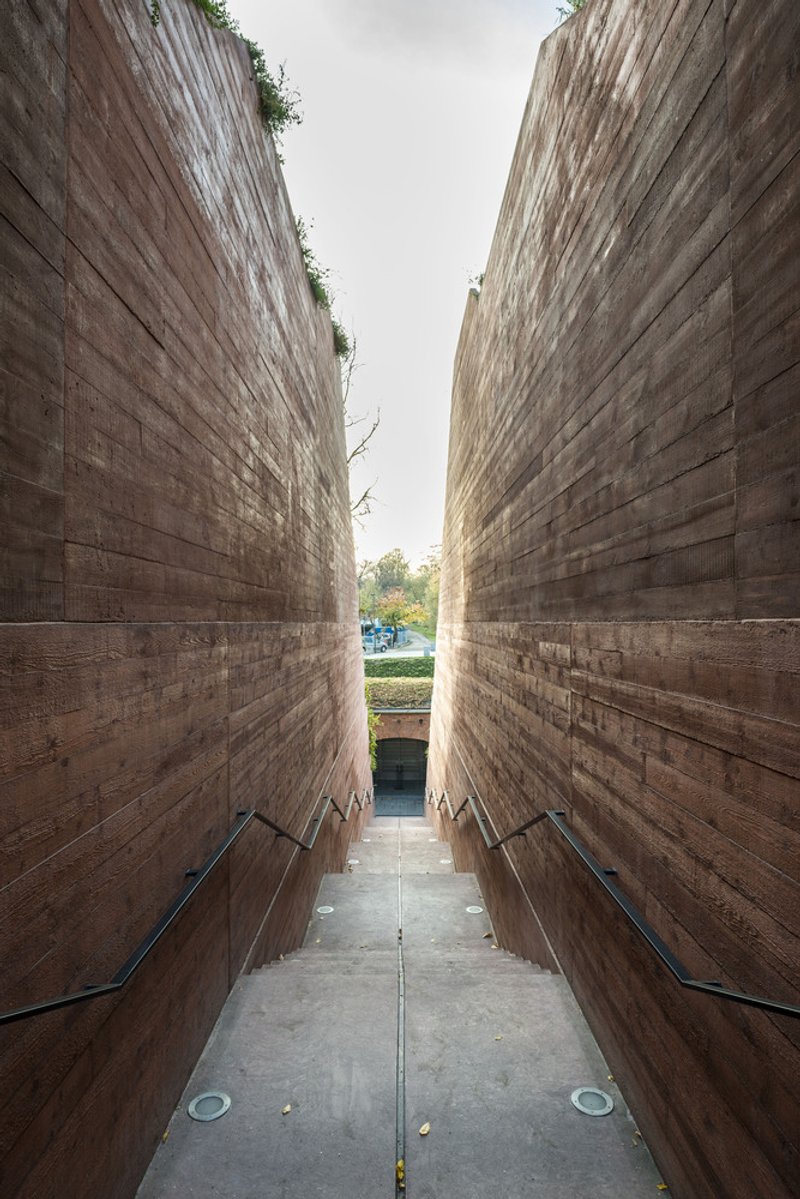
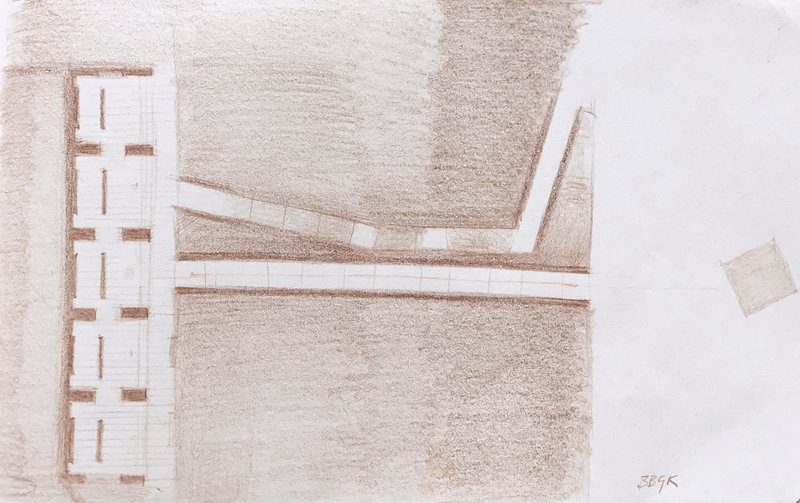
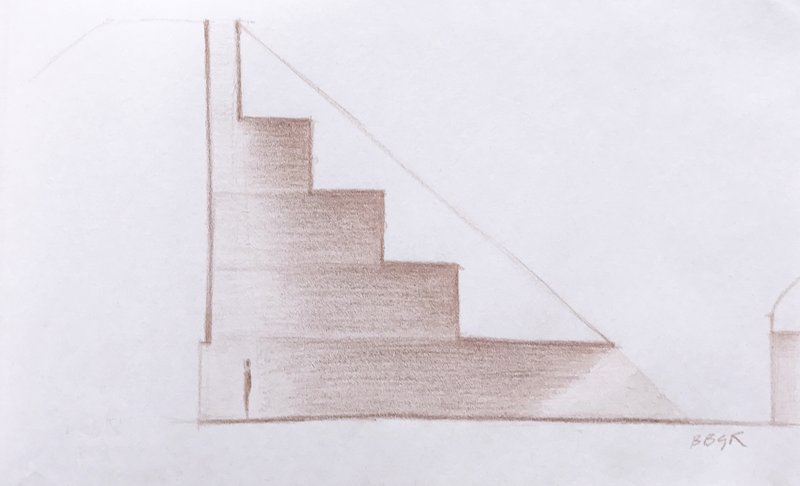
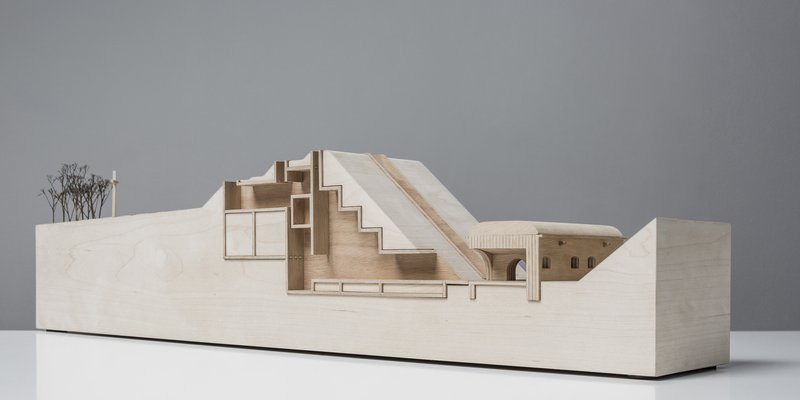
This spatial choreography culminates at the third structure—an arcaded stand with glazed walls showcasing 15 plaques engraved with the names of over 21,000 victims. Between two towering 12-meter walls, visitors must choose their direction: toward the descending path of names or the upward view of sky and hope. The journey ends beneath trees, with an oak cross as a quiet sentinel to the past.
Material as Message
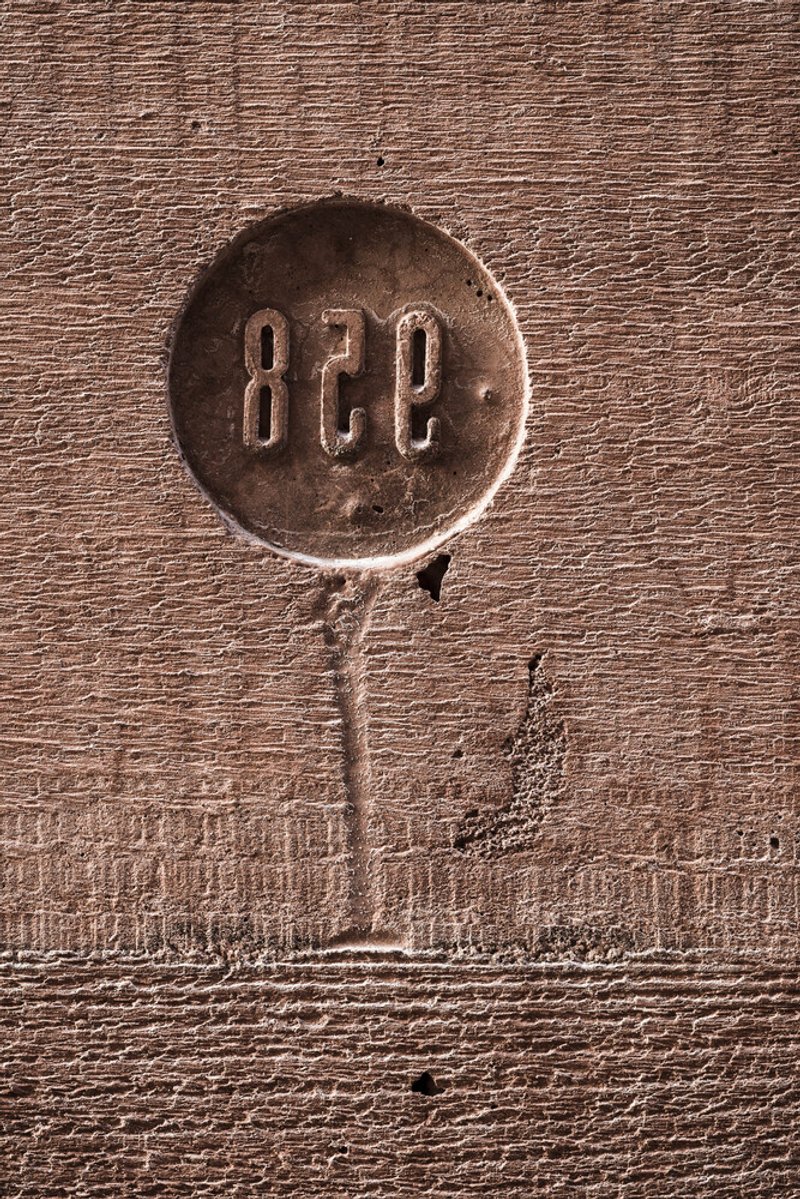
Throughout the museum, materiality becomes narrative. Concrete bears imprints of letters and personal items, extending the exhibition beyond curated artifacts. These architectural textures turn the built environment itself into a canvas of remembrance.
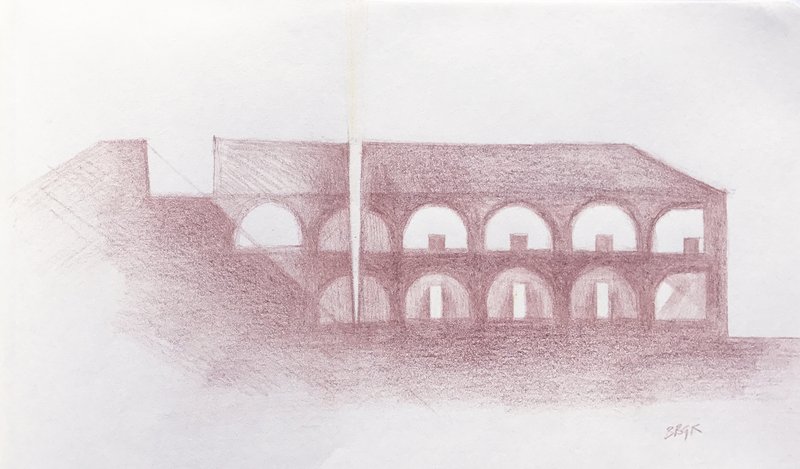
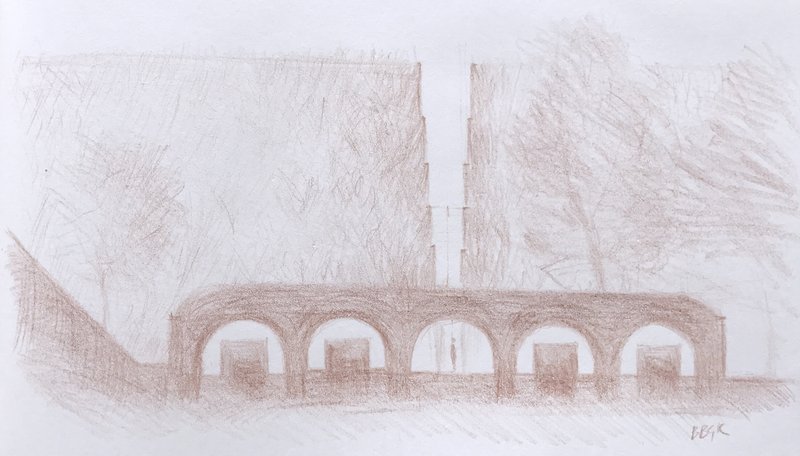
BBGK Architekci do not use architecture to tell the story of Katyń—they let the architecture become the story. Their approach to memorial architecture design moves beyond function and form, entering the realm of ethics and empathy. It invites visitors not only to remember but to reflect, not only to witness but to feel.



Popular Articles
Popular articles from the community

20 Most Popular Office Building Projects of 2025
From biophilic workspaces in India to net-positive energy offices in New Delhi, 20 office building projects that defined architecture in 2025.

MIDW Casts a Pavilion Roof from the Earth Itself at the 2025 Osaka Expo
On a fragile reclaimed island, excavated soil becomes formwork for a concrete canopy that will eventually disappear into wisteria.
20 Most Popular Furniture Design Projects of 2025
Modular street systems, parametric benches, and insect hotels: the furniture design projects that captivated architects on uni.xyz in 2025.
OUJ Rewires a 72-Square-Meter Taipei Apartment for Multigenerational Living After the Pandemic
Inside a 40-year-old public housing block, plywood volumes and translucent screens turn three cramped bedrooms into a flexible family home.


Similar Reads
You might also enjoy these articles
Bamboo Housing Challenge 2026: Design Affordable, Sustainable Homes Using Bamboo
An international design competition by Bamboo U and IBUKU inviting architects and designers to reimagine affordable housing using bamboo — with the winning design built full-scale in Bali.

Computational Design & Education: Beegraphy Design Awards Introduces 7th Category (Featuring Jiyun's Innovative Approach)
Dive into Beegraphy’s 7th Design Awards category, where computational design meets education to create immersive, interactive learning tools, inspired by Jiyun’s work.

From Parametric Lighting to Urban Furniture: Join the 2nd Workshop in Beegraphy’s Computational Design Series
Dive into Cutting-Edge Design Techniques and Practical Applications with Industry Experts

Introducing Sphere by UNI: Pioneering a New Era in AEC Industry
Unlocking Global Potential with BIM and Agile Management

Explore Architecture Competitions
Discover active competitions in this discipline




The International Standard for Design Portfolios


The Global Benchmark for Architecture Dissertation Awards


The Global Benchmark for Graduation Excellence


Challenge to reimagine the Iron Throne
Comments (0)
Please login or sign up to add comments
No comments yet. Be the first to comment!