

Miracle House by Grupo Culata Jovái: A Forest-Integrated Home Rooted in Topography, Landscape, and Local Craft
A forest-integrated home in Paraguay that blends terraces, local materials, and framed views to create a harmonious, landscape-responsive living experience.


A Home Designed to Grow from the Land
Miracle House by Grupo Culata Jovái is a masterful example of architecture that listens to the land before shaping it. Set between the Yvytypanema mountain range and the shimmering Lake Ypacaraí in Itauguá, Paraguay, the residence is conceived as a quiet intervention—a home that reveals itself only after understanding the topography, the behavior of rainwater, and the natural arrangement of mature trees. Built in 2022 and spanning 135 m², the project offers a thoughtful study in sustainability, bioclimatic sensitivity, and contextual design.
Echoing Álvaro Siza’s famous warning—“Building in a beautiful place is almost the certainty of its destruction”—the architects engage with the site through minimal disturbance, maximum respect, and a deliberate intention to preserve the forest’s beauty.
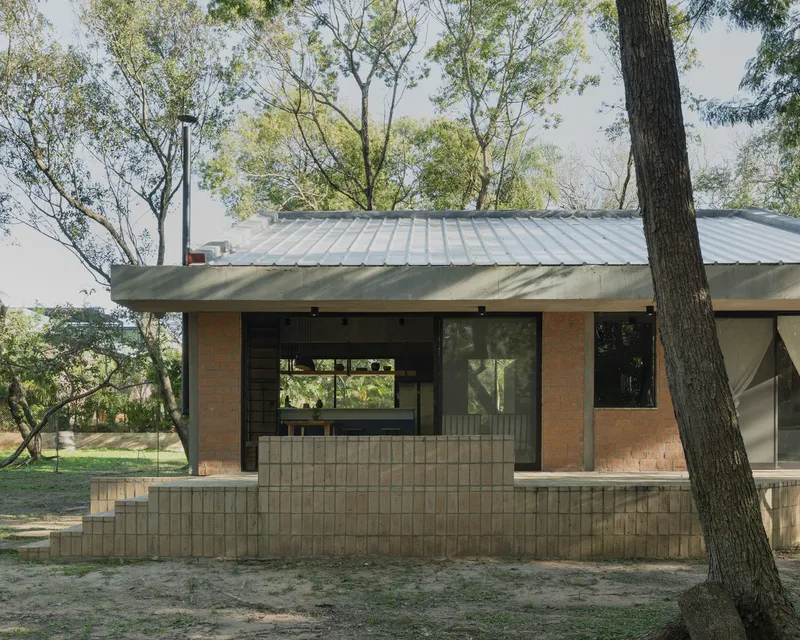

A Strategic Position Within a Forest Remnant
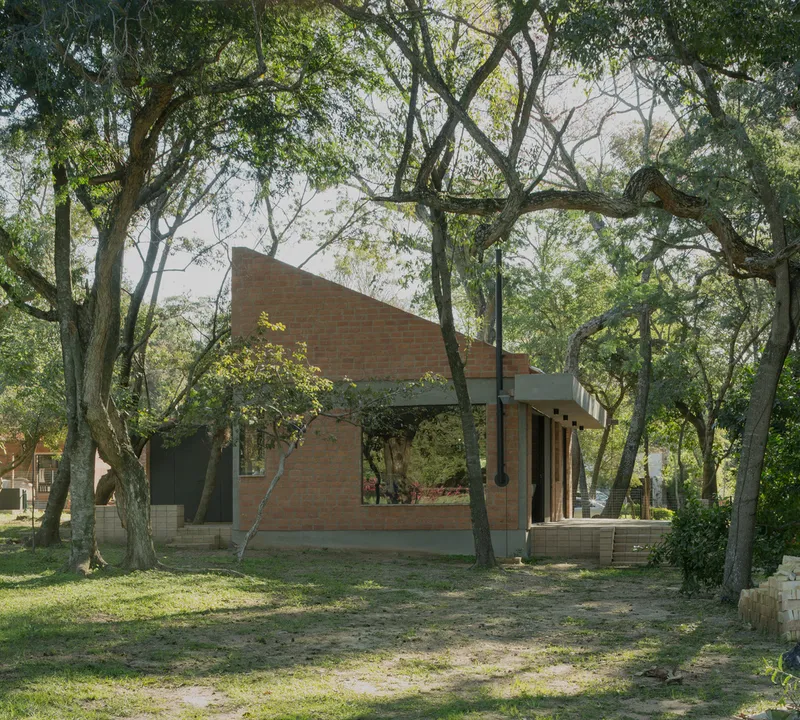
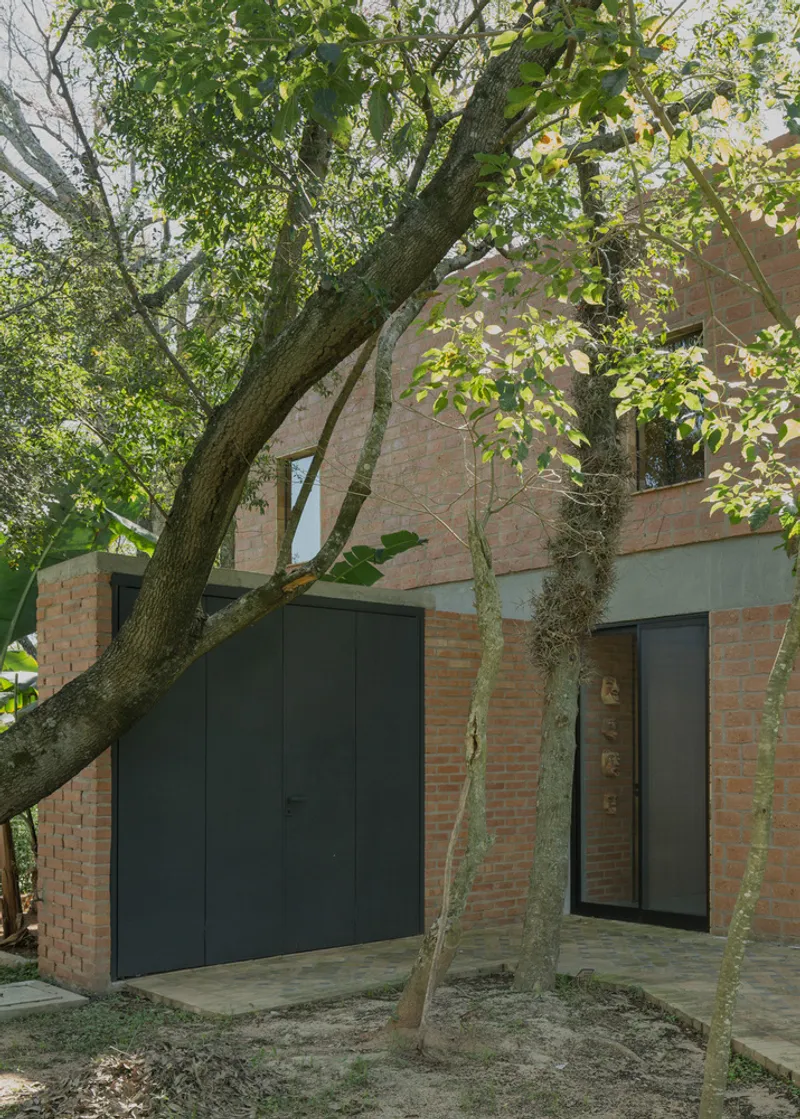
The long narrow plot forms part of a native forest pocket near Greater Asunción. Rather than imposing itself on the landscape, the house nestles quietly into a natural clearing toward the back of the site. This placement shelters the home from the street, protects the existing trees, and enhances intimacy while keeping the building visually open to the surrounding greenery.
The architects treat the forest not as a backdrop but as a design partner. Every decision—from the building’s orientation to the placement of terraces—responds to the density, species, and health of the existing trees.


Terraces as Transitional Ecosystems
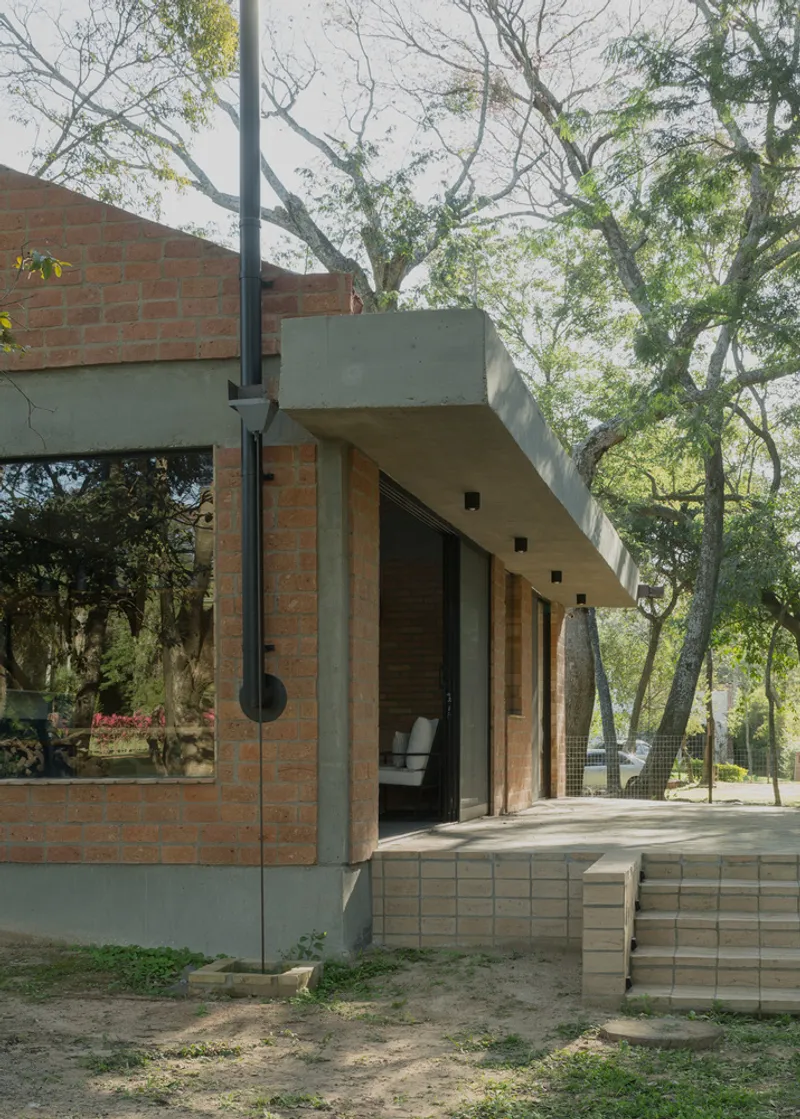
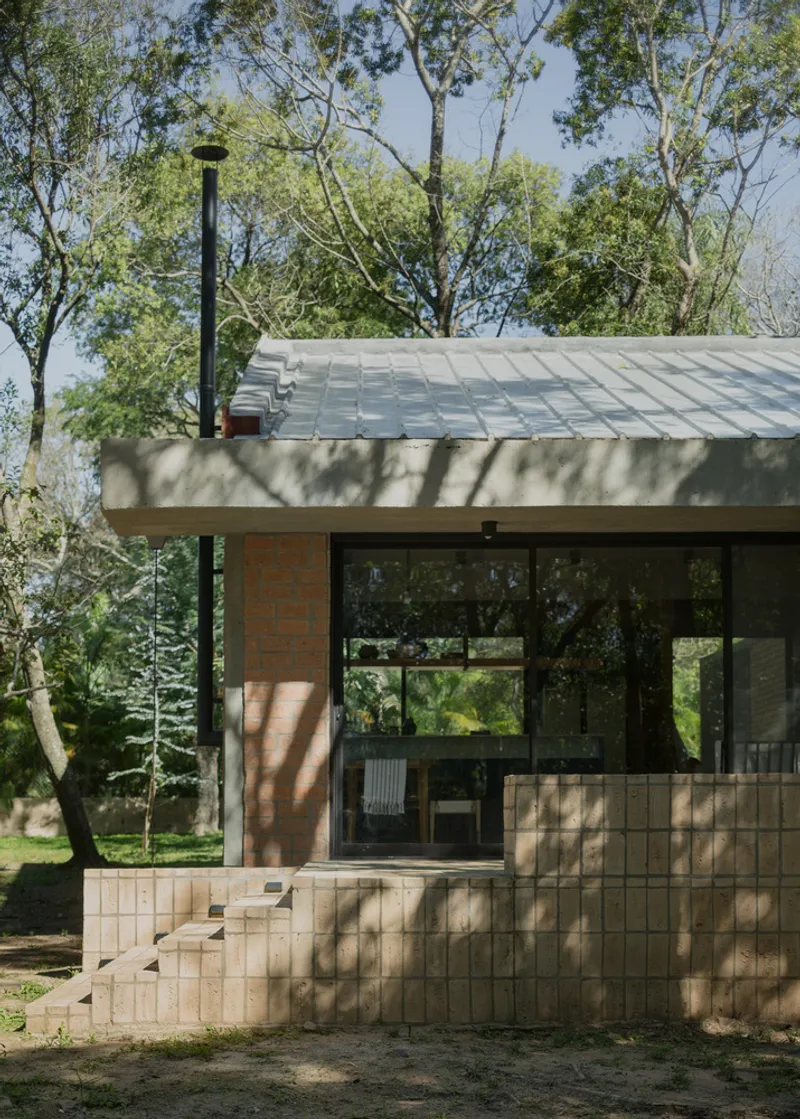
A defining feature of Miracle House is its system of exterior terraces, conceived as a base that adapts organically to the terrain and vegetation. These terraces curve around tree trunks, guide rainwater naturally, and expand the inhabitable surface into the forest.
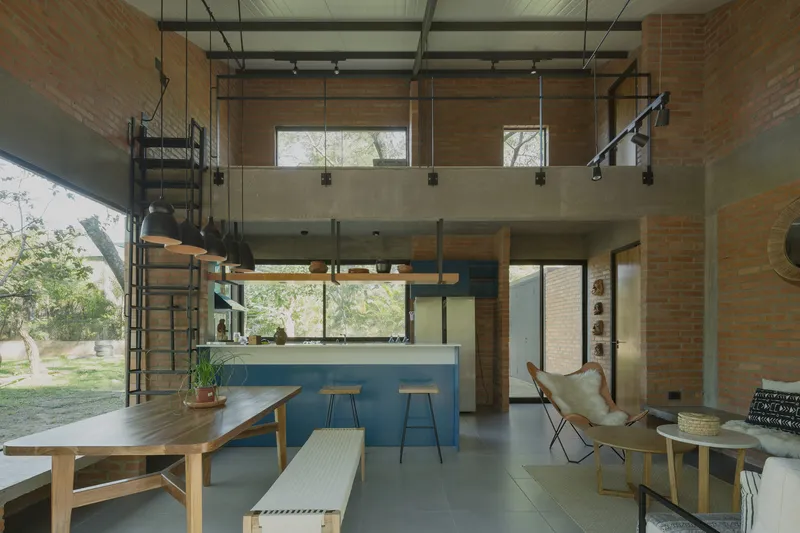
They act as threshold spaces, dissolving the boundary between interior and exterior and allowing the house to function as a large, breathable middle zone. Here, dining, socializing, cooking, and resting happen in direct continuity with sunlight, shadows, scent, and breeze.
Architecture that Adapts and Evolves
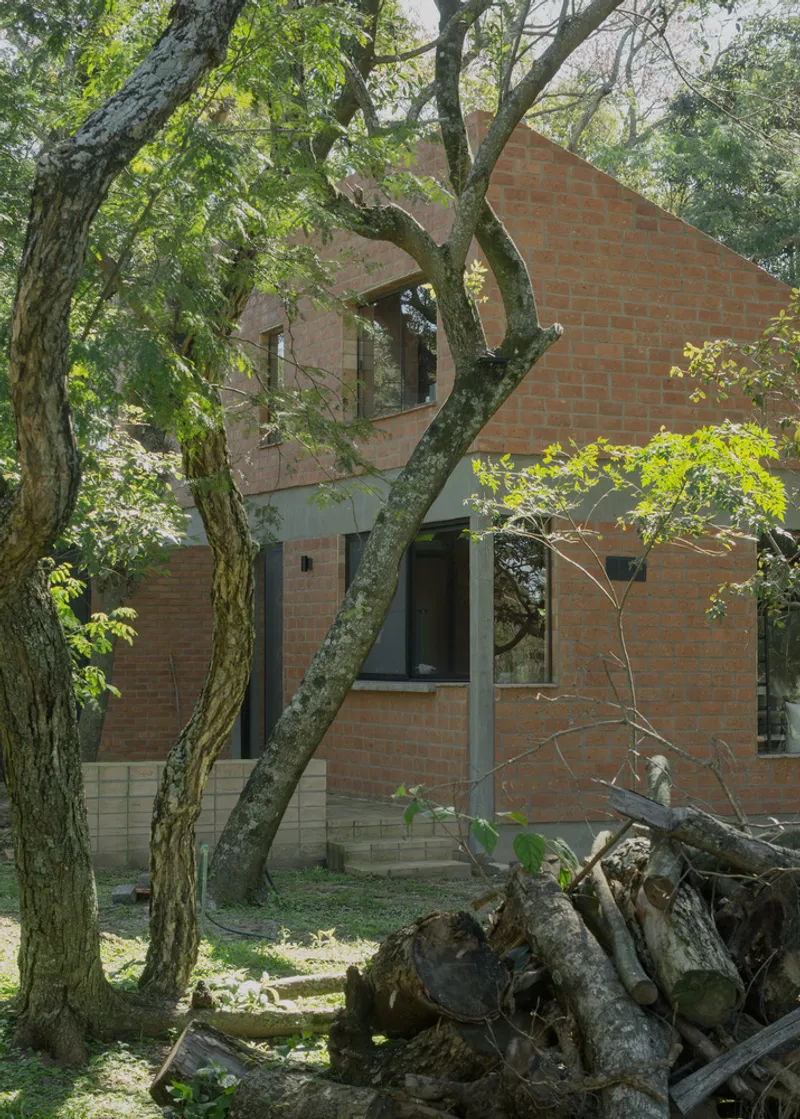
During the design process, the needs of the residents evolved, prompting the spontaneous addition of a second floor—a gesture handled with the same sensitivity as the ground floor. The vertical extension does not disrupt the harmony with the landscape; instead, it enhances views and spatial flexibility.
The material palette reinforces the project’s local roots. Stone and ceramic, sourced regionally, ground the architecture in Paraguayan craft traditions while providing thermal comfort and long-term durability.

Microclimates and Bioclimatic Bathrooms
The bathrooms showcase the architects’ interest in creating micro-ecosystems. Each bathroom includes an interior garden and an independent sanitary block, promoting natural ventilation, daylight, and a sense of immersion in vegetation.
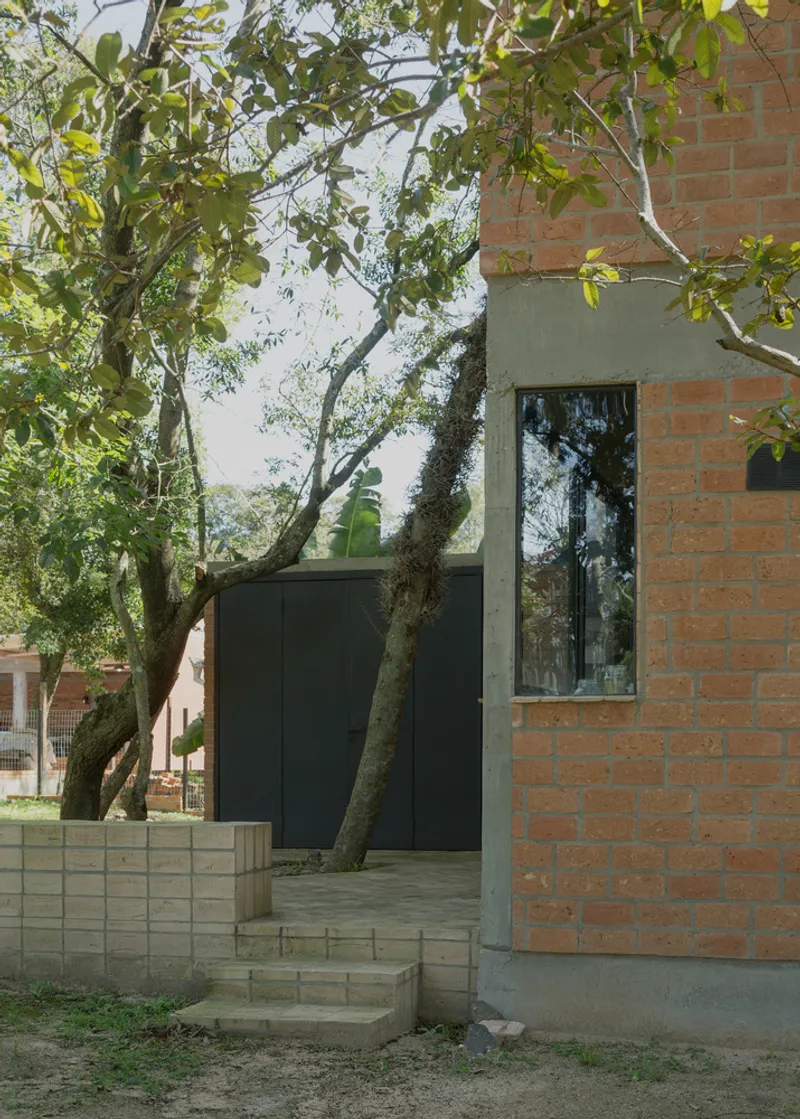
Environmental responsibility extends into water management. The house uses an evapotranspiration chamber, an ecological system that isolates wastewater from the ground, preventing contamination of the region’s sensitive water table.
Framing Nature: Openings as Living Landscapes
Windows are more than ventilation or light sources; they function as green frames, carefully placed to highlight specific moments of the landscape. Each opening captures a curated view—a tree canopy, a mountain silhouette, or a filtered fragment of the forest—turning the architecture into a series of living paintings.
Inside, the kitchen and living area merge into a single social space, reinforcing communal life and offering a relaxed atmosphere connected visually and physically to the forest.

A Symbiotic Approach to Living
Miracle House is not just a residence—it is a manifesto for architecture that preserves, adapts, and coexists with the land. Through sensitive placement, local materials, ecological systems, and spaces that blend into nature, Grupo Culata Jovái demonstrates how contemporary design can strengthen our relationship with the environment rather than disrupt it.
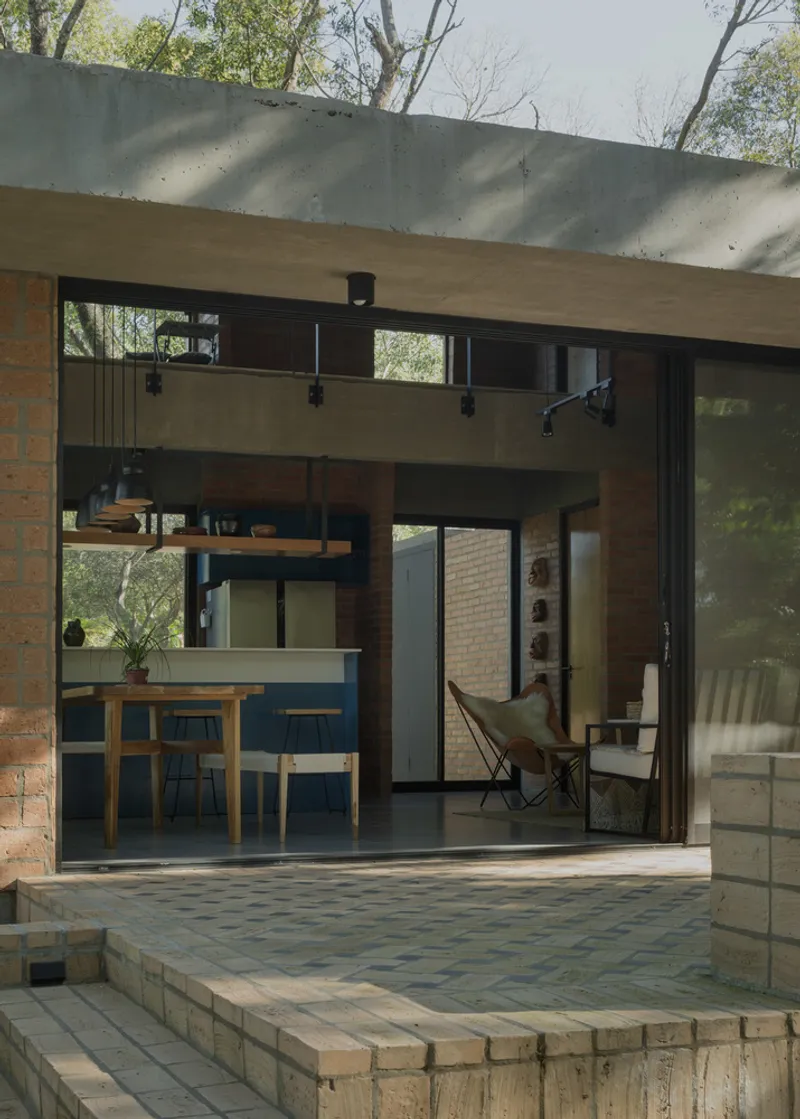
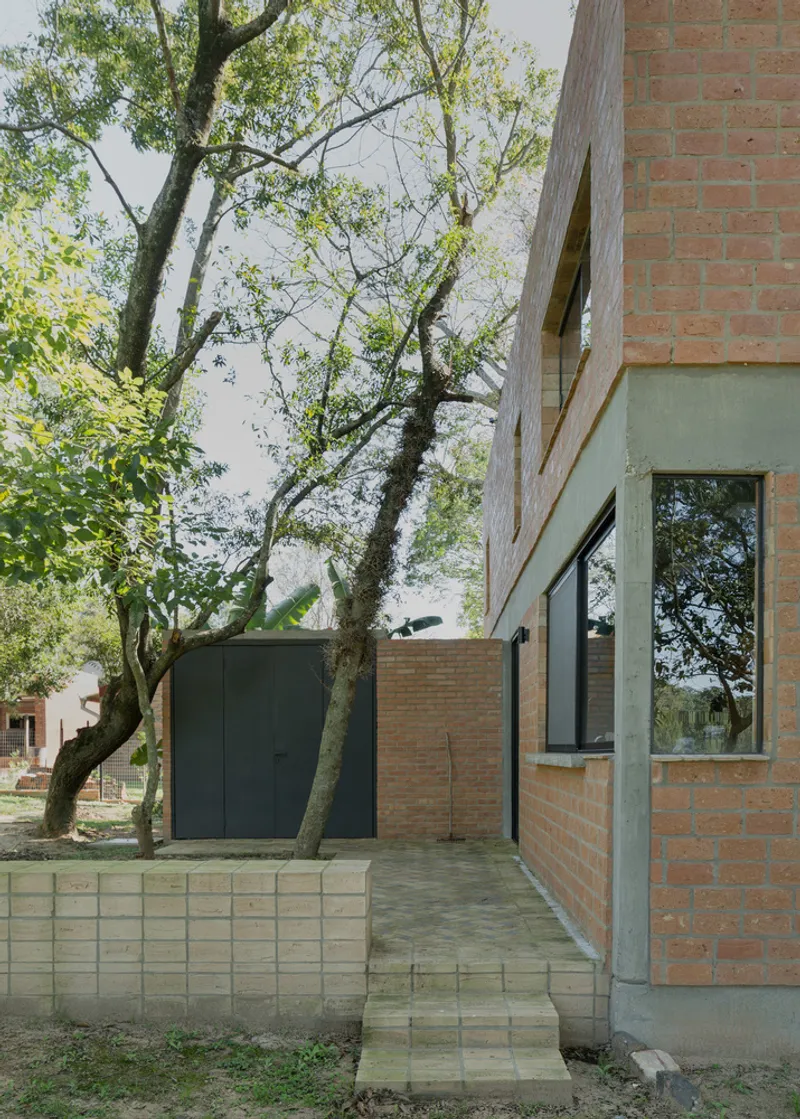
All photographs are works of Federico Cairoli



Popular Articles
Popular articles from the community


The Ocean Hive: Sustainable Architecture for a Self-Sufficient Civilization at Sea
The Ocean Hive imagines sustainable architecture at sea, where modular habitats, algae, wave power and ocean waste sustain a growing colony.

The Musturak Paradise: Senior Living Architecture for a Connected Future in Temara, Morocco
The Musturak Paradise reimagines senior living architecture in Temara via private homes, social spaces, culture, community, and shared care.

Co-life: Sustainable Architecture for Age-Friendly Community Living
Co-life reimagines sustainable architecture for seniors through courtyards, rammed earth, shared gardens, and spaces designed for belonging.

Play: Fragments of Their World
Familiar architecture becomes modular playground design, creating safe spaces where displaced children can learn, connect, imagine and play.


Similar Reads
You might also enjoy these articles


Hodi-Mandai Geram
Project Function: Preservation and revitalization of the Intangible heritage and socio-spatial identity of the Hodi by Housing, Cultural Memory Center, Sacred Grove, landscape, local tourism economy


Olio Towers: A Mid-Rise for Performers That Fuses Housing, Rehearsal, and Stage
Located blocks from Houston's Theater District, this modular tower stacks living units around a central performance atrium.

Oasis: Modular Green Housing Carved into Dhaka's Urban Fabric
A shortlisted Plugin Housing entry reclaims unauthorized settlements in Dhaka with stepped concrete volumes, green roofs, and ventilation-driven design.

Black Hole: A Floating Megastructure for the Post-Physical Era
Emiliano Mazzarotto envisions a spherical, self-scaling arena where e-sports, digital hotels, and holographic stadiums replace traditional public space.


Explore Architecture Competitions
Discover active competitions in this discipline



Challenge to reimagine the Iron Throne


Photograph architecture without architects


Illustrate the lost glory of Angkor Wat - Render Challenge


Design challenge to reuse E-waste
Comments (0)
Please login or sign up to add comments
No comments yet. Be the first to comment!