
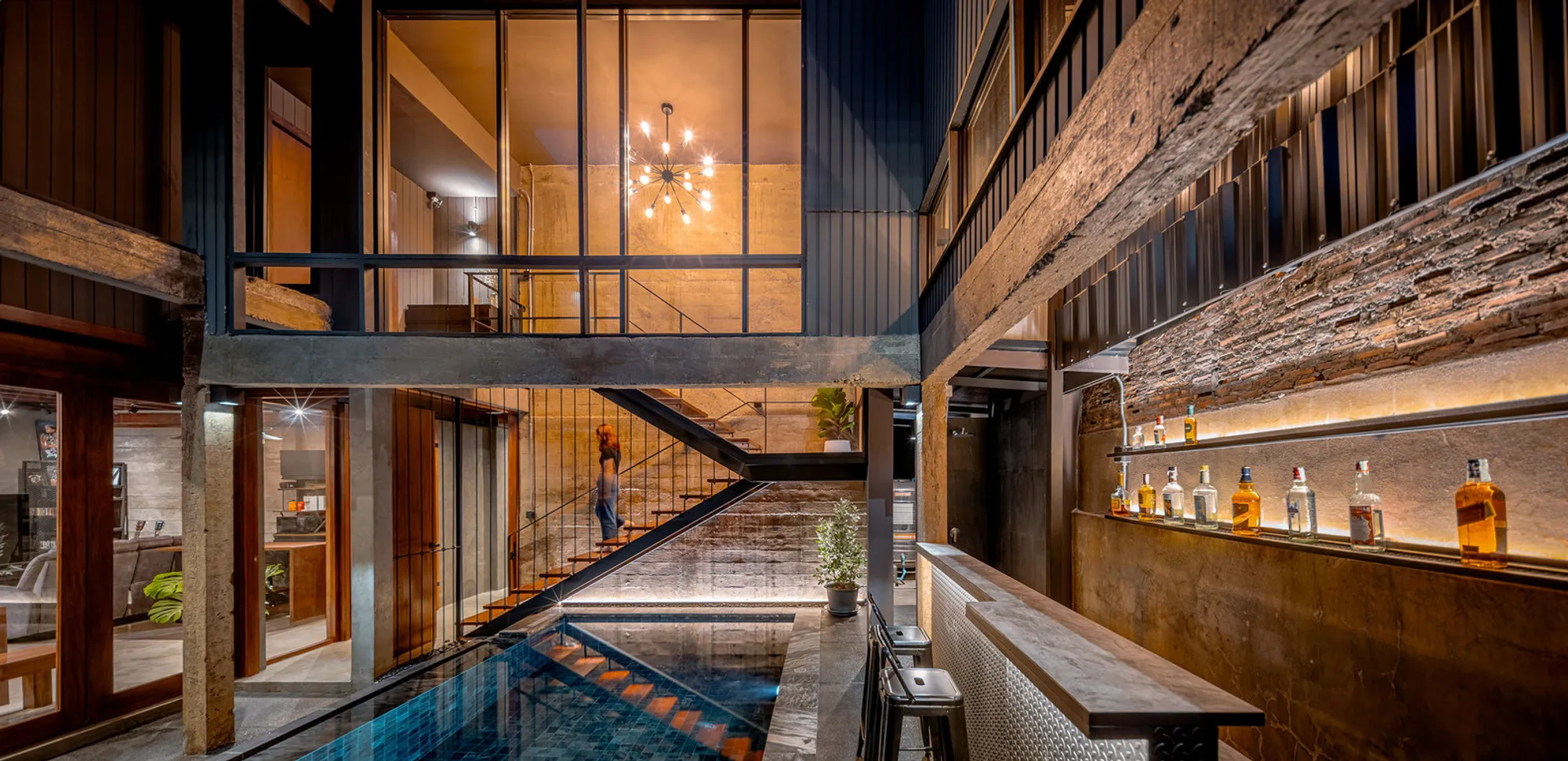
Modern Renovation of Historic Homes in Thailand: A Case Study of The S Wall House by COLLAGE DESIGN STUDIO
This article explores the S Wall House in Thailand, highlighting its transformation from a historic structure to a modern, functional home.


Renovating historic homes presents a unique set of challenges and opportunities, especially in culturally rich landscapes like Thailand. The S Wall House in Bangkok exemplifies how architects can preserve the soul of historic homes while infusing them with modern functionality and aesthetics.
Overview of The S Wall House Project
Historical Background and Renovation Motive
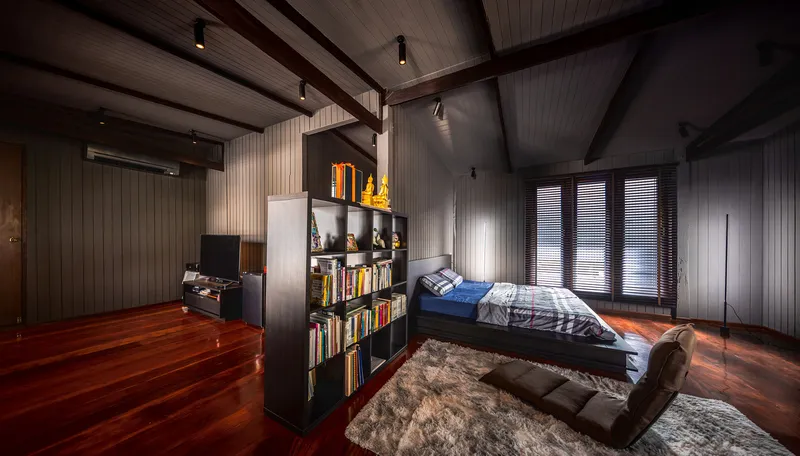
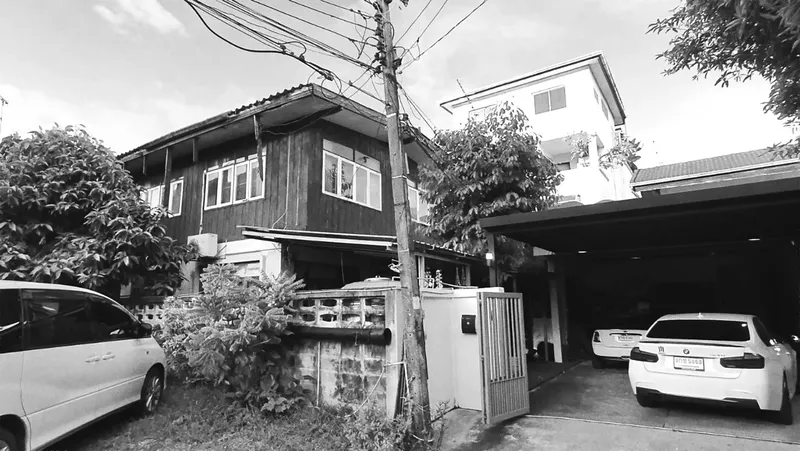
The S Wall House, located in Khet Chatuchak, Bangkok, originally built over fifty years ago, was more than just a structure; it was a repository of familial history and memories. After falling into disrepair, the renovation aimed to resurrect the house as a vibrant, functional space reflective of both its heritage and contemporary design.
Design Vision and Objectives
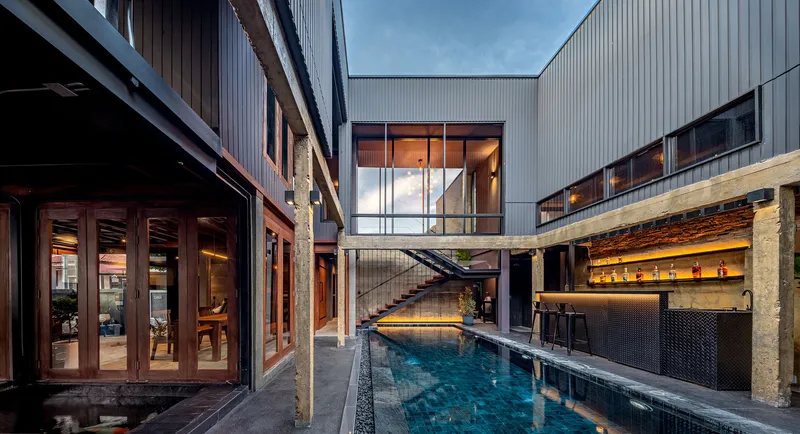
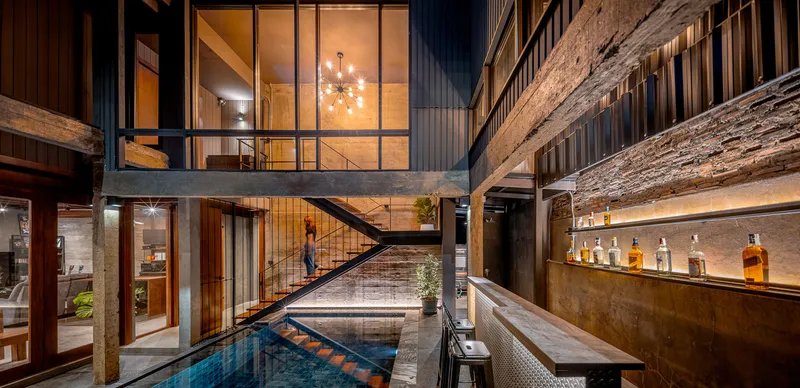
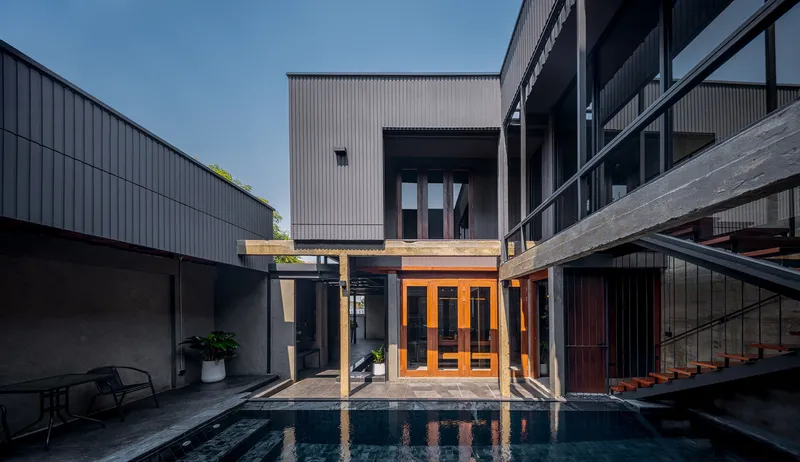
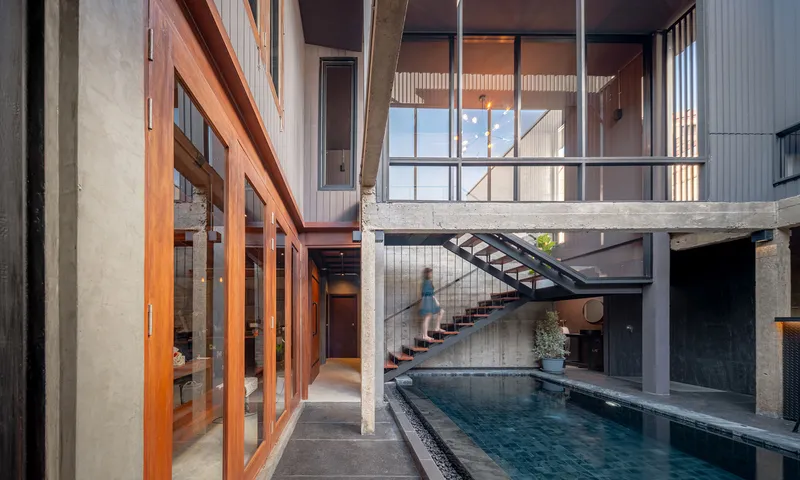
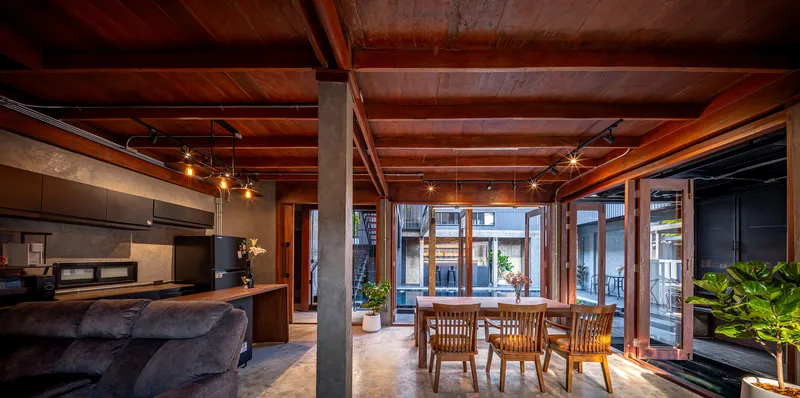
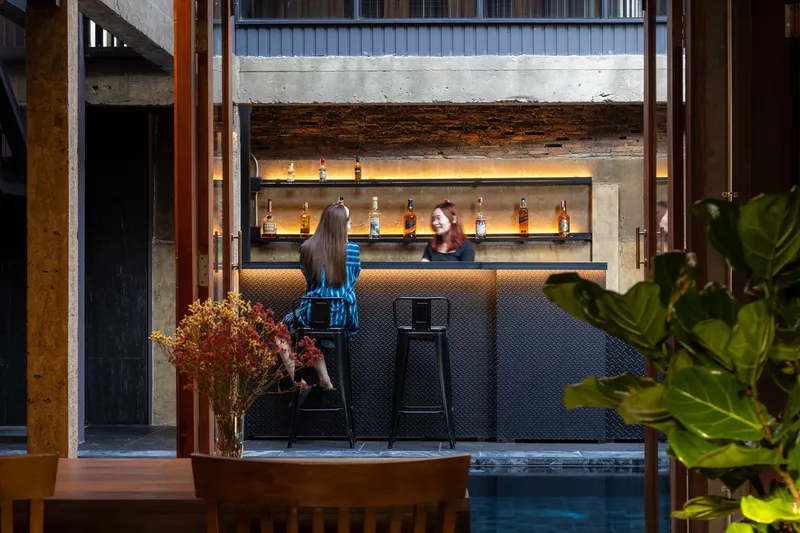
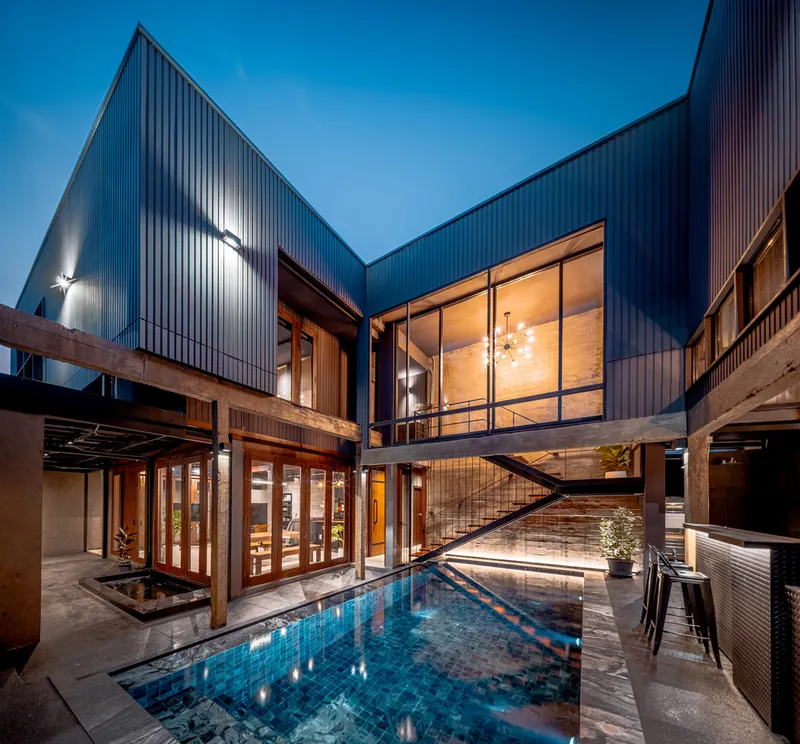
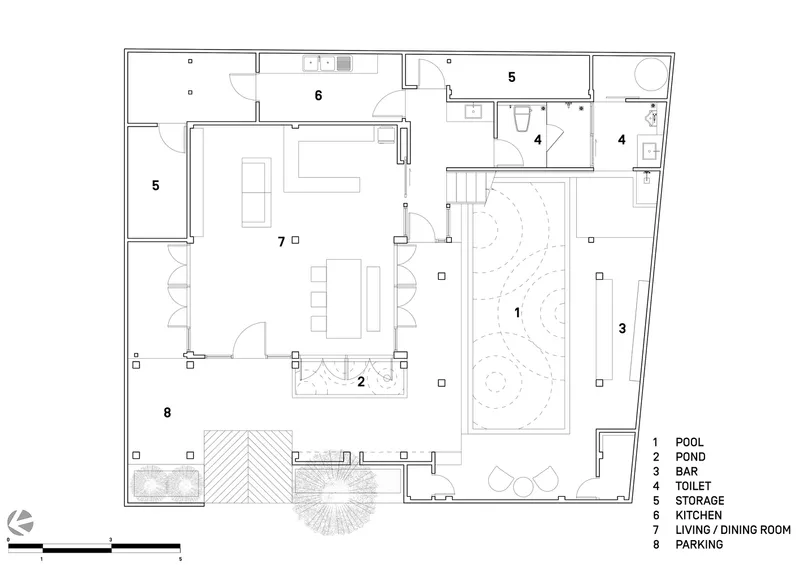
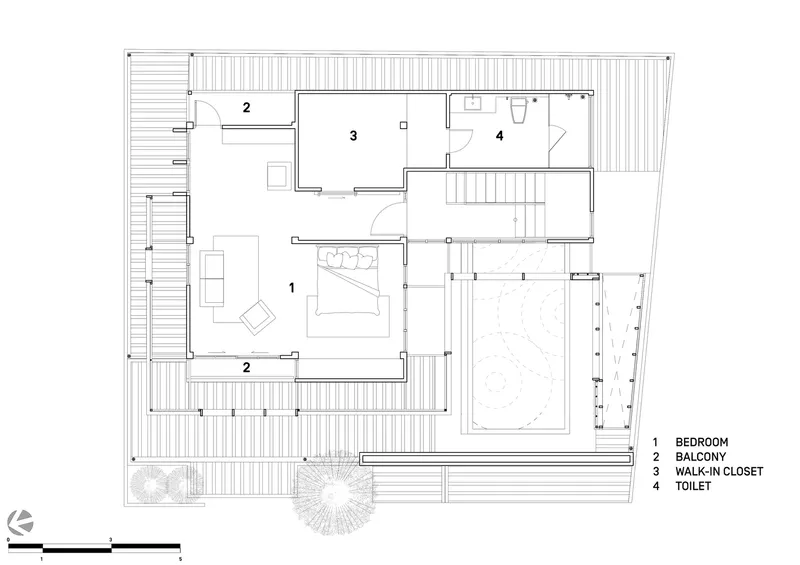
Led by COLLAGE DESIGN STUDIO, the renovation was driven by the dual objectives of preserving the structural integrity and historical value of the house while introducing modern living amenities. The project centered around creating a home that was not only a living space but also a place for family gatherings, complete with a swimming pool and outdoor bar.
Key Features of The S Wall House Renovation
Structural Preservation and Enhancement
Reinforced Concrete Framework
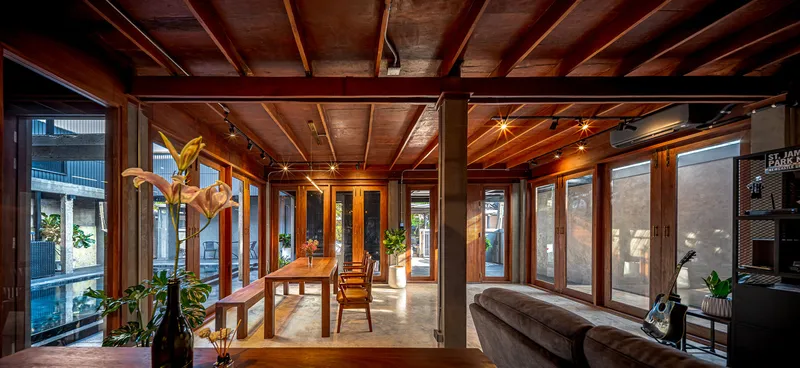
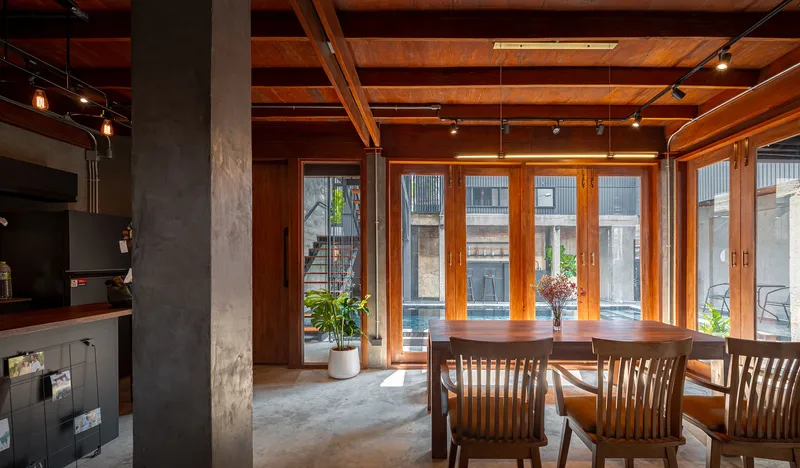
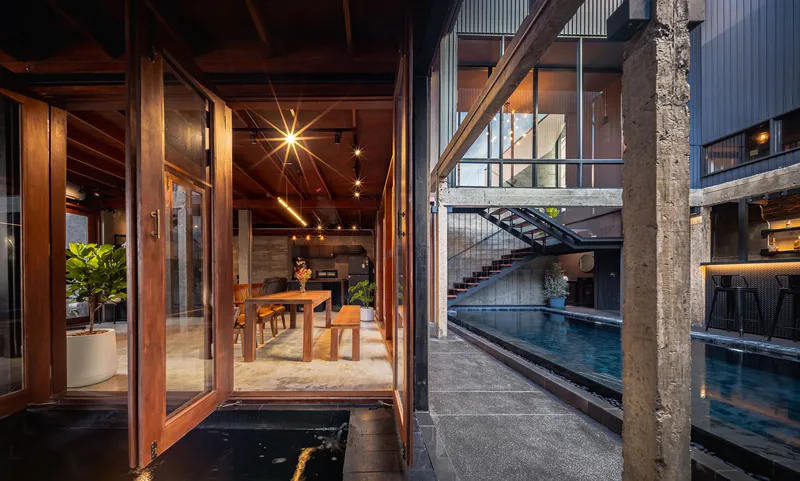
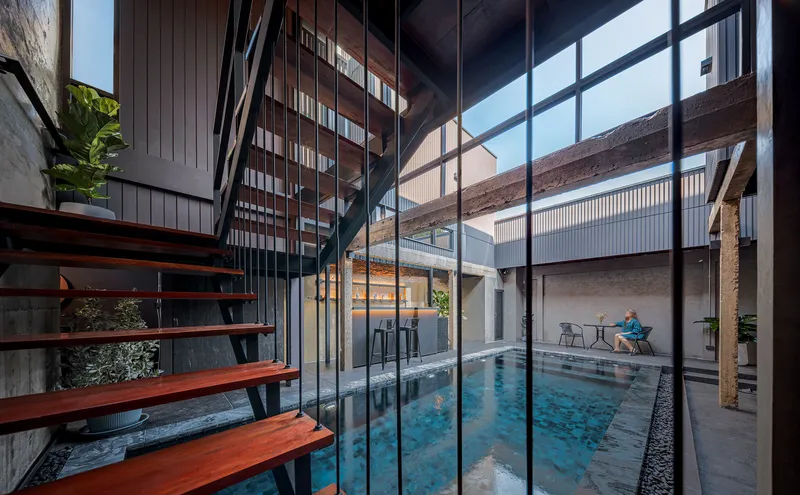
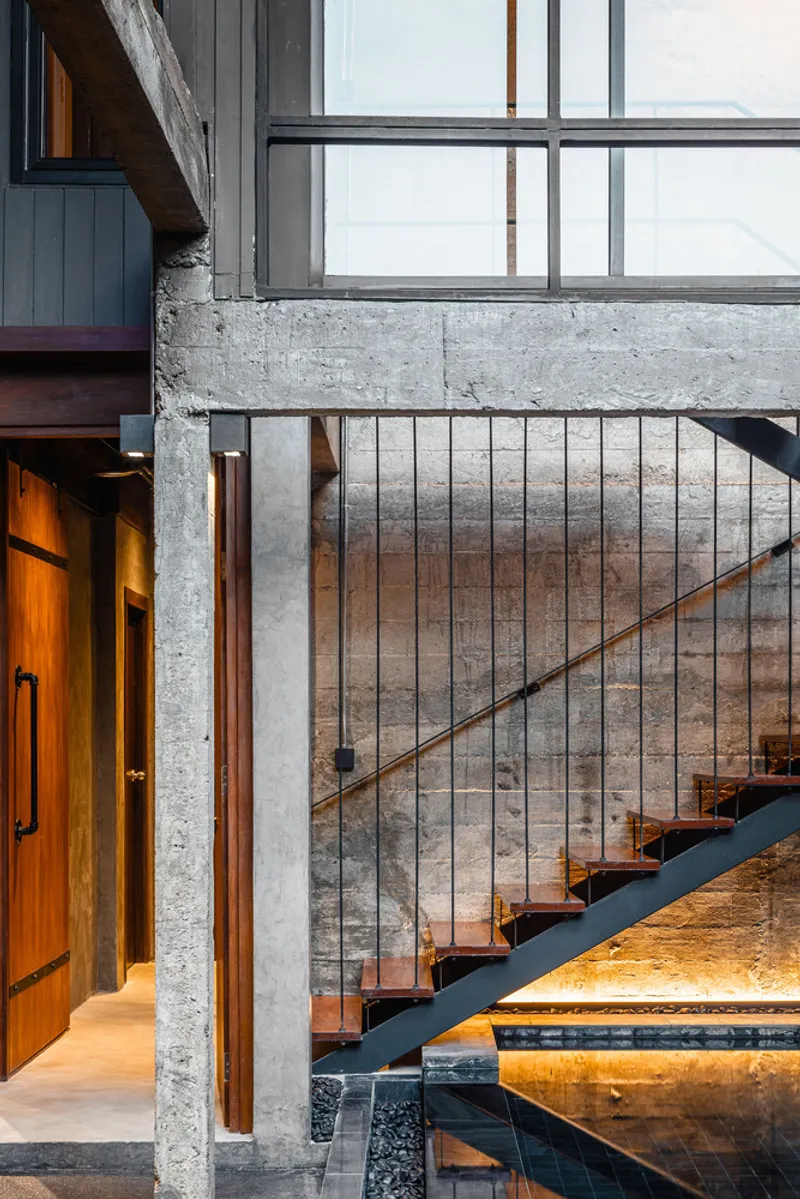
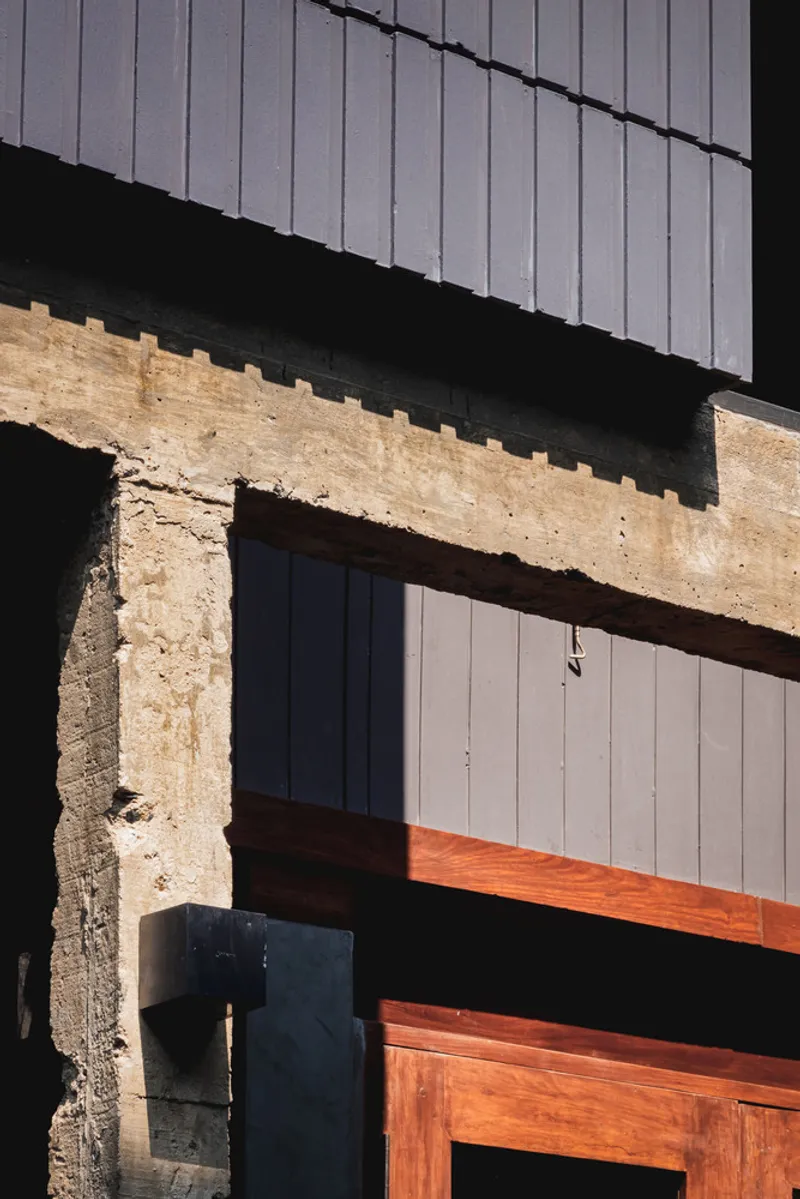
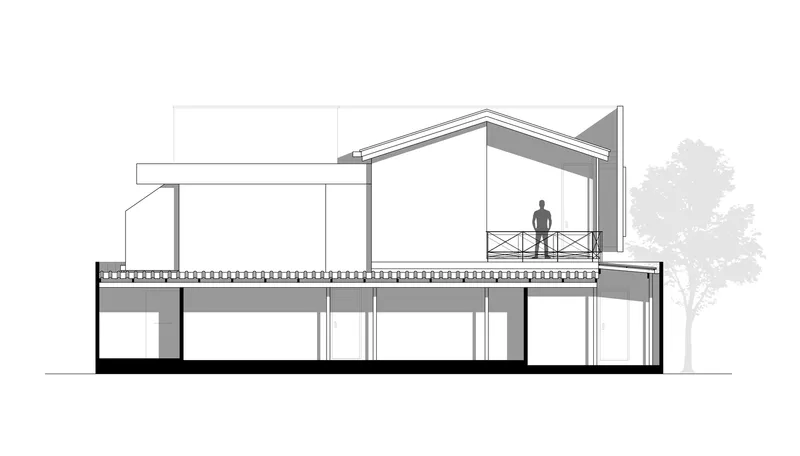
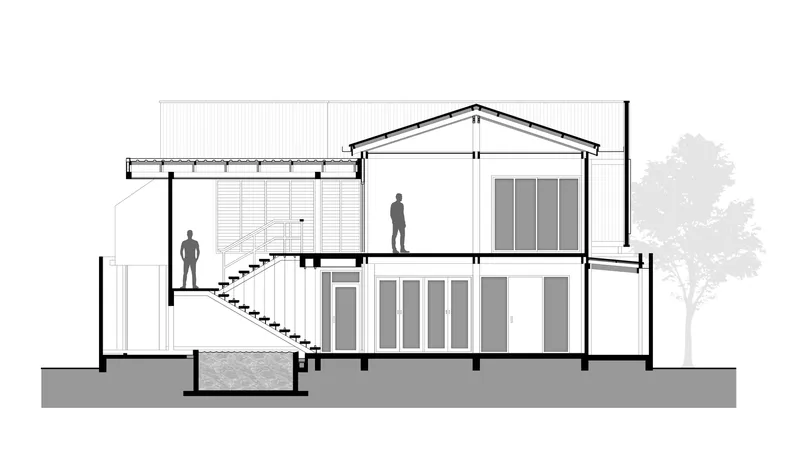
The discovery of the house’s original reinforced concrete columns and beams, engineered by the owner's father, informed much of the structural preservation efforts. These elements were incorporated into the new design, symbolizing strength and continuity.
Timber Elements
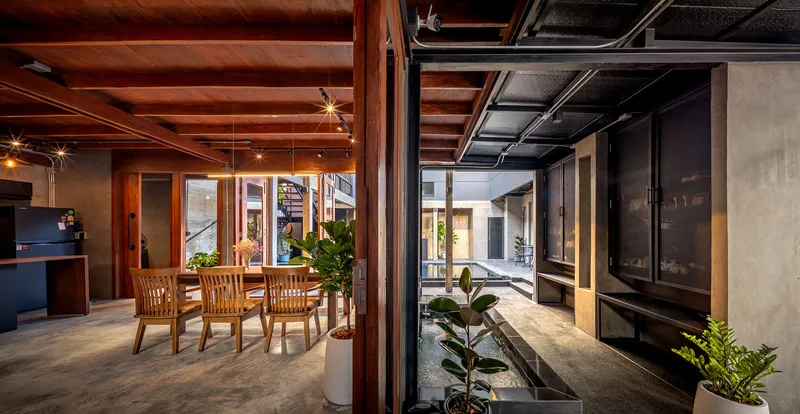
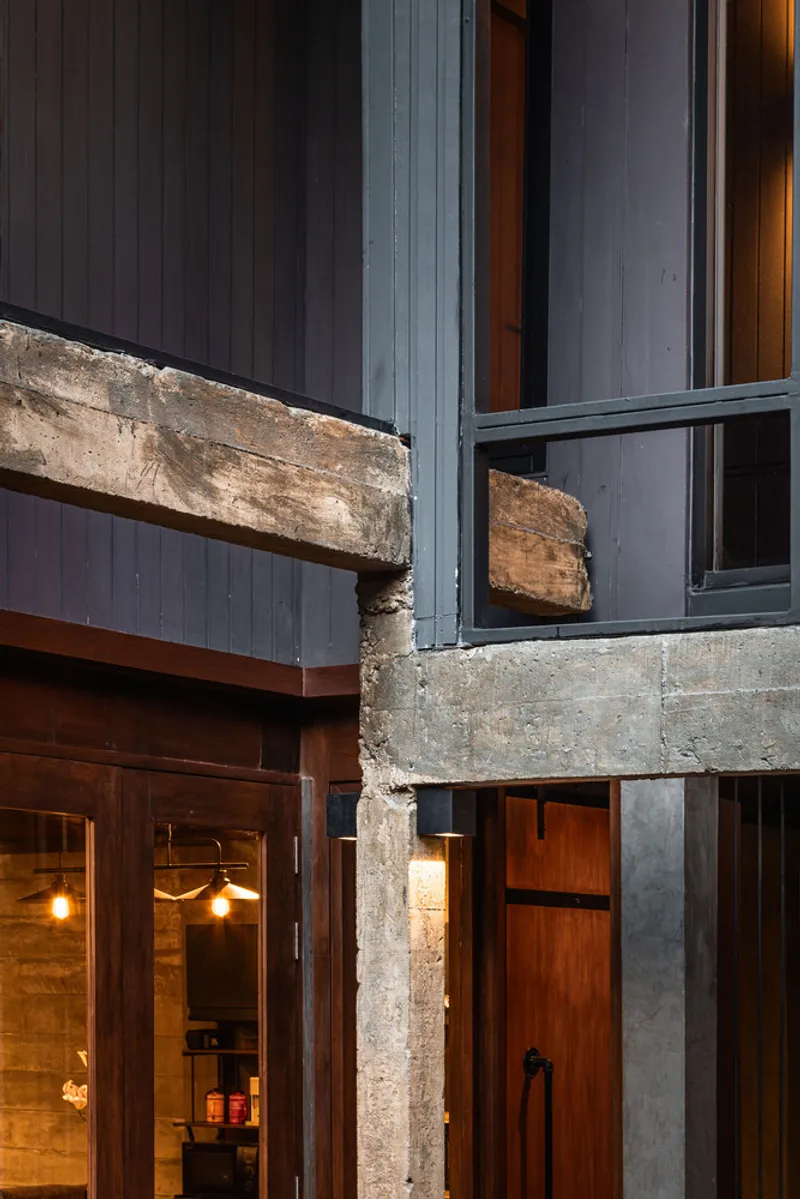
The original wooden floor planks, noted for their quality and width, were carefully preserved and repurposed within the new design, blending the house’s historical elements with new architectural features.
Architectural Innovations
The S Wall
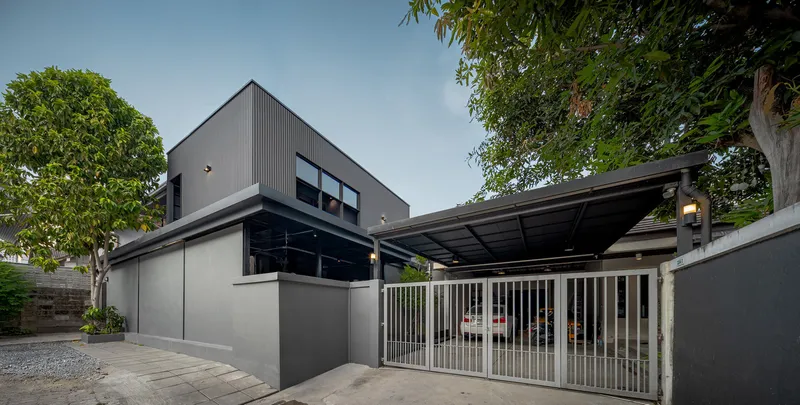
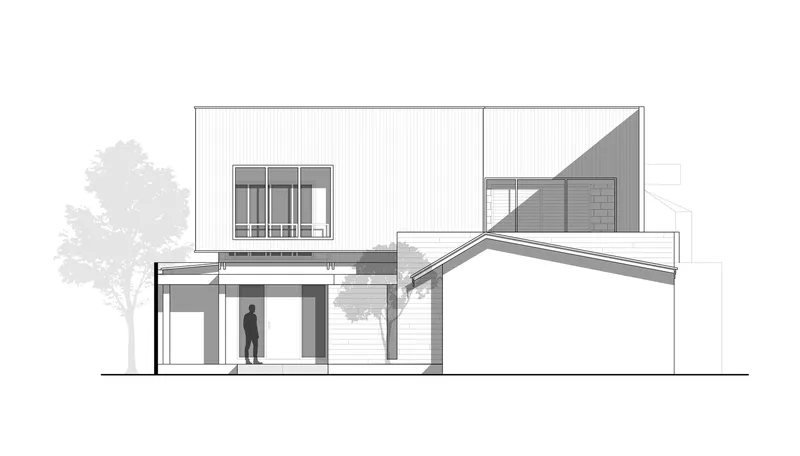
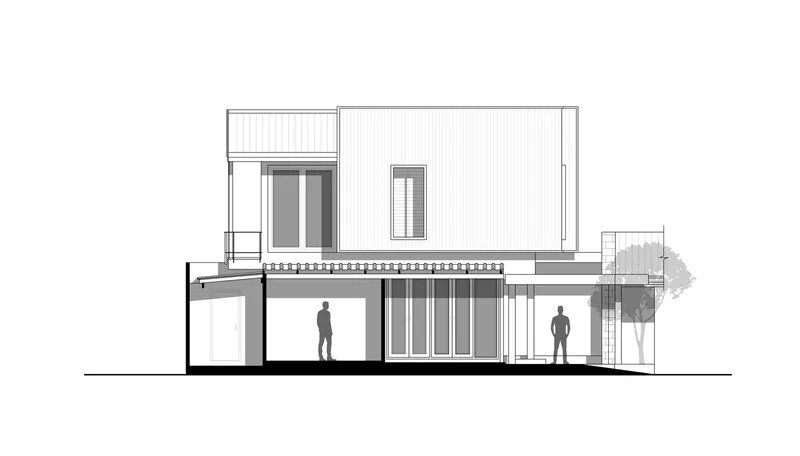
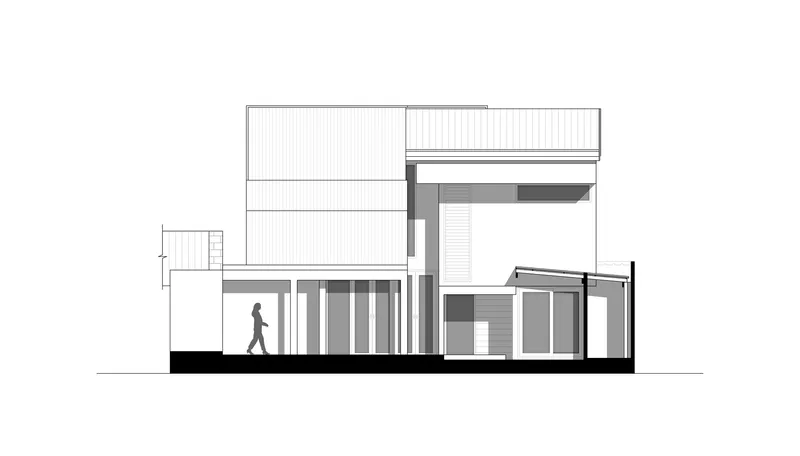
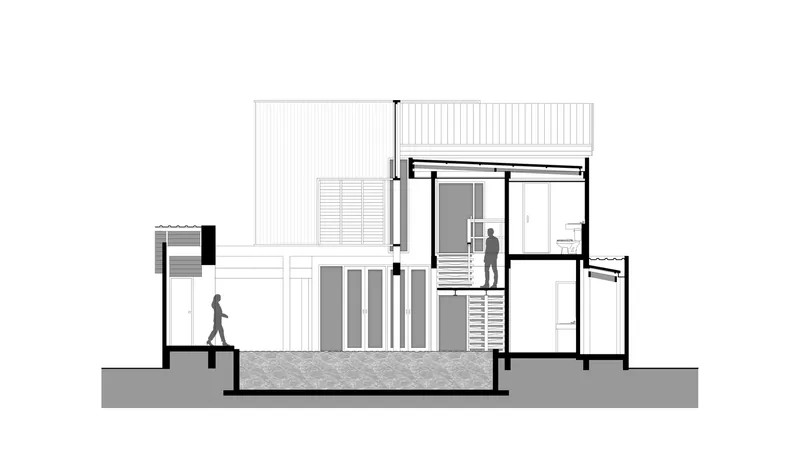
A distinctive feature of the renovation is the 'S' shaped wall made from fiber cement panels. This wall not only enhances privacy but also serves as a symbolic façade that weaves the past with the present. It’s a design element that both protects and showcases the boundary between the old and the new.
Open Living Spaces
The ground floor transformation into an open, light-filled living area, called Taitun (traditional open space under a Thai house), epitomizes the blending of indoor and outdoor spaces, a hallmark of both traditional Thai and modern tropical architecture.
Integrating Sustainability and Modernity
Materials and Methods
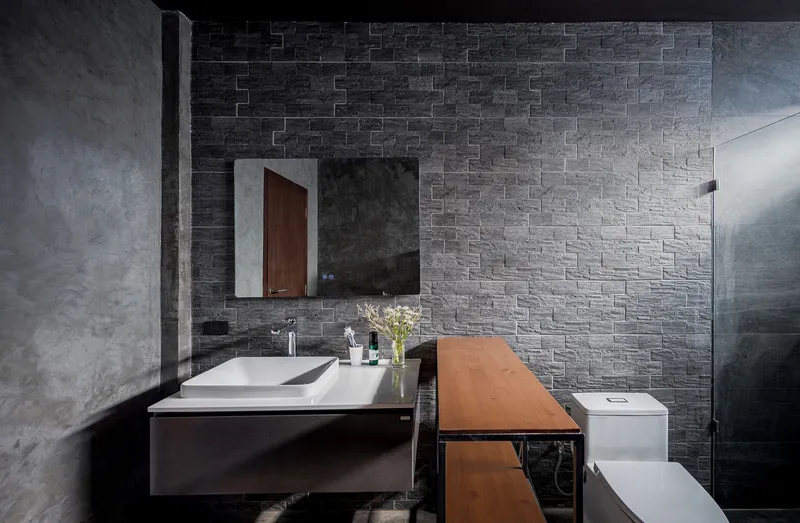
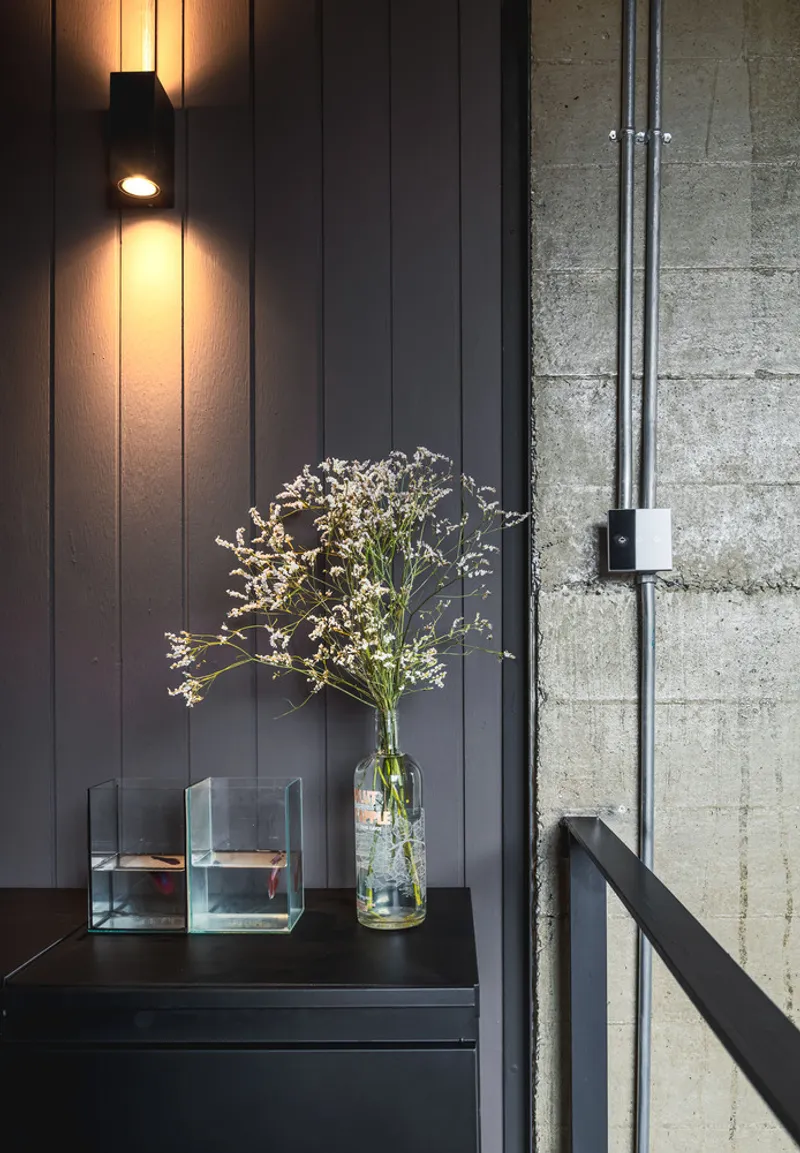
Sustainable practices were central to the renovation, with a focus on utilizing locally sourced materials and repurposing existing elements wherever possible. This approach not only reduced the environmental impact but also helped maintain the architectural integrity of the original structure.
Contemporary Living Enhancements
The addition of modern amenities like the swimming pool and the outdoor bar area were designed to enhance the usability of the space, making it suitable for contemporary lifestyles while respecting the building’s historical essence.
The Future of Historical Renovations in Thailand
The S Wall House by COLLAGE DESIGN STUDIO stands as a beacon for future renovations of historic homes in Thailand. It exemplifies how sensitive architectural interventions can breathe new life into old structures, creating spaces that honor their past while embracing modern functionality. This project sets a precedent for how heritage homes can be thoughtfully preserved and transformed in urban Thai settings.
All photographs are work of Witsawarut Kekina




Popular Articles
Popular articles from the community


The Ocean Hive: Sustainable Architecture for a Self-Sufficient Civilization at Sea
The Ocean Hive imagines sustainable architecture at sea, where modular habitats, algae, wave power and ocean waste sustain a growing colony.

Riyadh For All: Intergenerational Urban Design for Active Aging in Rabat
Riyadh For All reimagines urban design in Rabat with intergenerational co-living, adaptive courtyards, and Moroccan cultural exchange today.

Conexión: Biophilic Design Reimagines High-Rise Living in Hong Kong
Conexión reimagines high-rise living in Hong Kong through biophilic design, green facades, shared spaces, daylight, water and nature within.

The Earth Pod: 3D Printed Homes for Resilient Refugee Communities
The Earth Pod reimagines refugee housing through 3D printed homes made from clay, combining resilience, self-sufficiency, and rapid shelter.


Similar Reads
You might also enjoy these articles


Hodi-Mandai Geram
Project Function: Preservation and revitalization of the Intangible heritage and socio-spatial identity of the Hodi by Housing, Cultural Memory Center, Sacred Grove, landscape, local tourism economy


Olio Towers: A Mid-Rise for Performers That Fuses Housing, Rehearsal, and Stage
Located blocks from Houston's Theater District, this modular tower stacks living units around a central performance atrium.

Oasis: Modular Green Housing Carved into Dhaka's Urban Fabric
A shortlisted Plugin Housing entry reclaims unauthorized settlements in Dhaka with stepped concrete volumes, green roofs, and ventilation-driven design.

Black Hole: A Floating Megastructure for the Post-Physical Era
Emiliano Mazzarotto envisions a spherical, self-scaling arena where e-sports, digital hotels, and holographic stadiums replace traditional public space.

Explore Architecture Competitions
Discover active competitions in this discipline



Challenge to reimagine the Iron Throne


Photograph architecture without architects


Illustrate the lost glory of Angkor Wat - Render Challenge


Design challenge to reuse E-waste
Comments (0)
Please login or sign up to add comments
No comments yet. Be the first to comment!