

Modern Wooden Architecture in Vilnius: A Masterpiece by G.Natkevicius & Partners
The article explores the innovative design of a modern wooden house in Vilnius by G.Natkevicius & Partners, blending tradition and contemporary architecture.


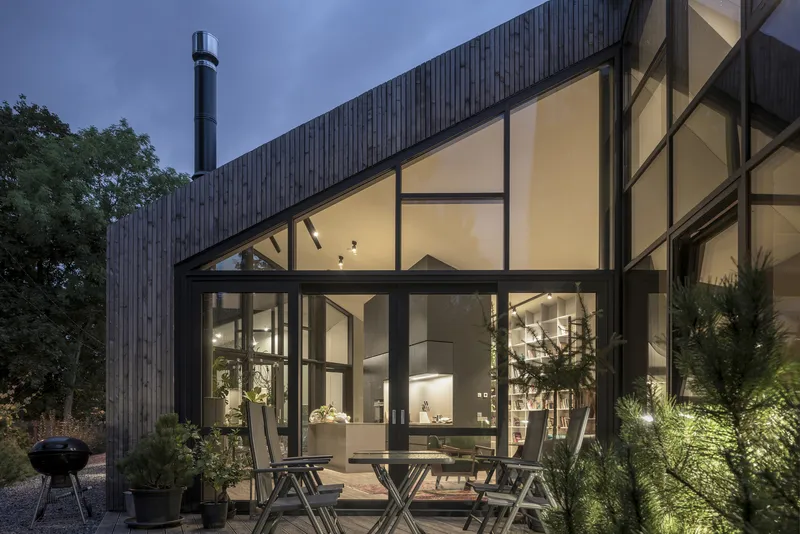
The House in Vilnius, designed by the renowned architectural firm G.Natkevicius & Partners, showcases a beautiful example of modern wooden architecture in Vilnius. Located in the heart of Lithuania’s capital, this stunning single-story home blends contemporary design with the rich cultural and historical context of its surroundings.
The Unique Design of the House in Vilnius
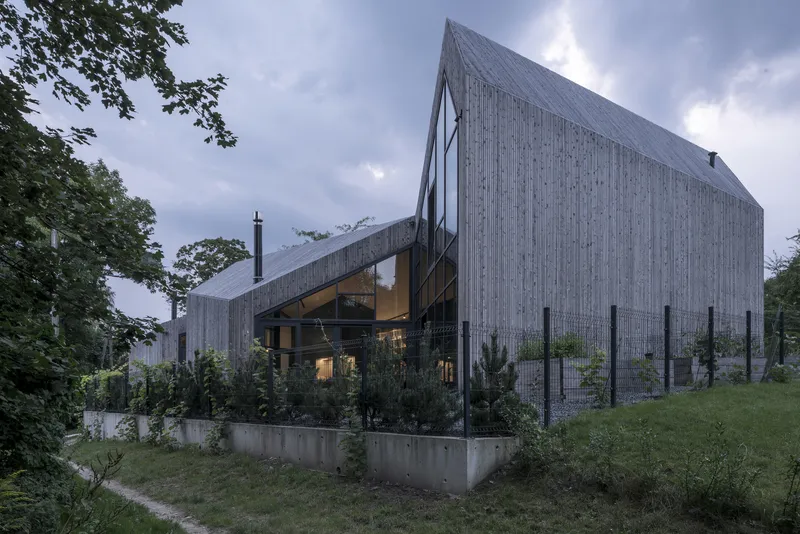
Nestled on a non-standard L-shaped plot, the house stands as a testament to the harmony between modern architecture and the authentic character of Vilnius. The city’s charming atmosphere, characterized by small-town vibes and wooden single-story houses with intricate wooden balconies, serves as the perfect backdrop for this striking architectural work. The challenge for the architects was clear: create a design that fits seamlessly into the historical context while also presenting a modern, artistic flair.
The house is situated near a significant cultural landmark—the old Bernardine Cemetery—so its design needed to respect the heritage requirements of the area. The result is a beautiful integration of modernity and tradition, with the structure’s sharp triangular forms standing out while still respecting the character of its environment.
Elements of Modern Wooden Architecture
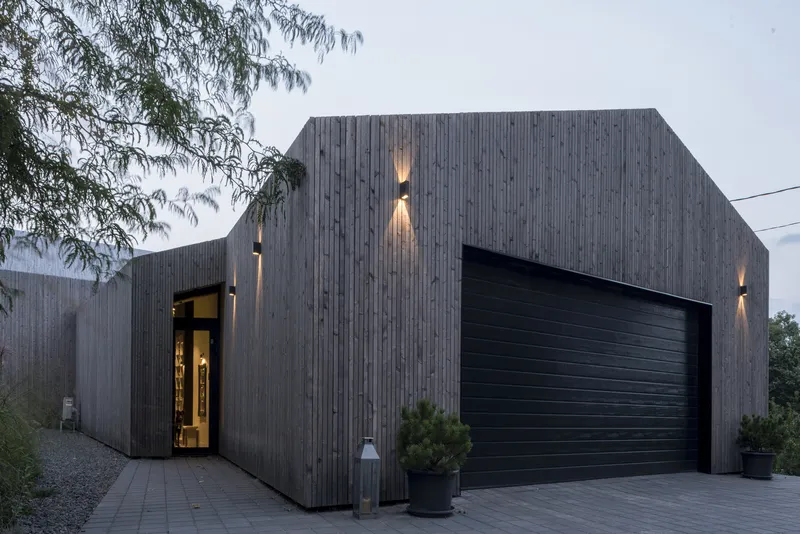
The core concept behind this modern wooden architecture in Vilnius revolves around simplicity and natural materials. The house is constructed primarily of wood, with both the walls and roof featuring solid wooden elements. The design is minimalistic, allowing the beauty of the natural materials and the surrounding greenery to take center stage.
One of the most striking features of the house is its large cutouts in the wooden façade. These incisions, created with large windows, not only provide ample natural light but also allow the views of the lush environment to become part of the interior. These open spaces create a fluid connection between the interior of the home and the exterior, making the house feel like an extension of the landscape.

Natural Light and Greenery Integration
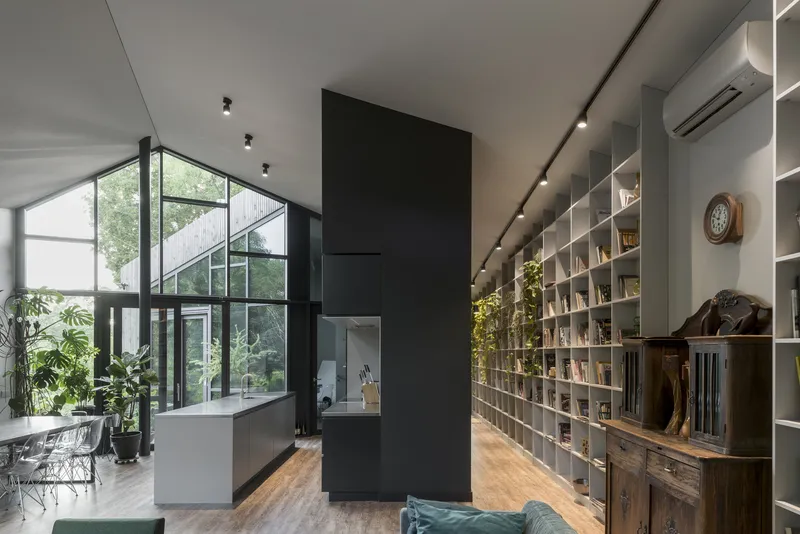
The house's design is a masterclass in integrating natural light and greenery into the living spaces. The large, almost seamless glass windows frame the surrounding nature, bringing the outdoors inside. These windows create alcoves, mini-terraces, and unique views of the garden, transforming the living experience. This connection to nature is one of the most compelling aspects of modern wooden architecture in Vilnius, as it promotes a sense of tranquility and harmony.
Interior Design: Function Meets Aesthetic
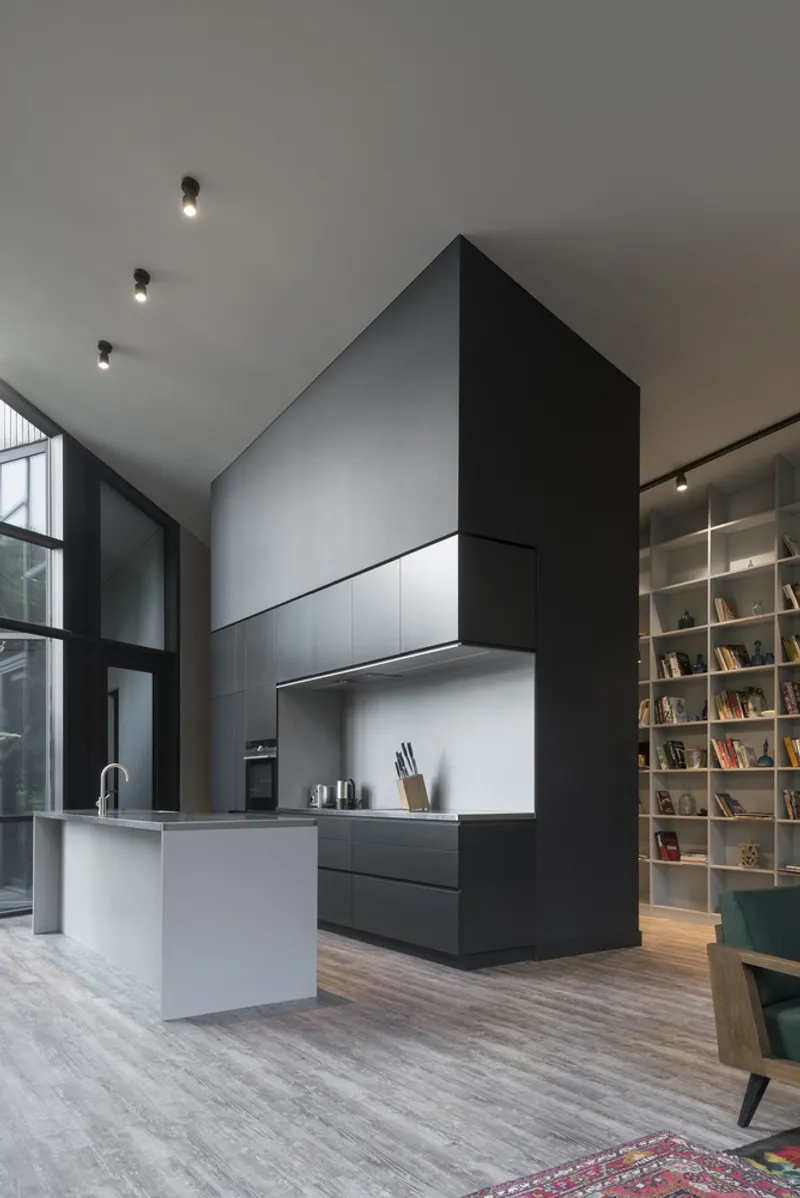
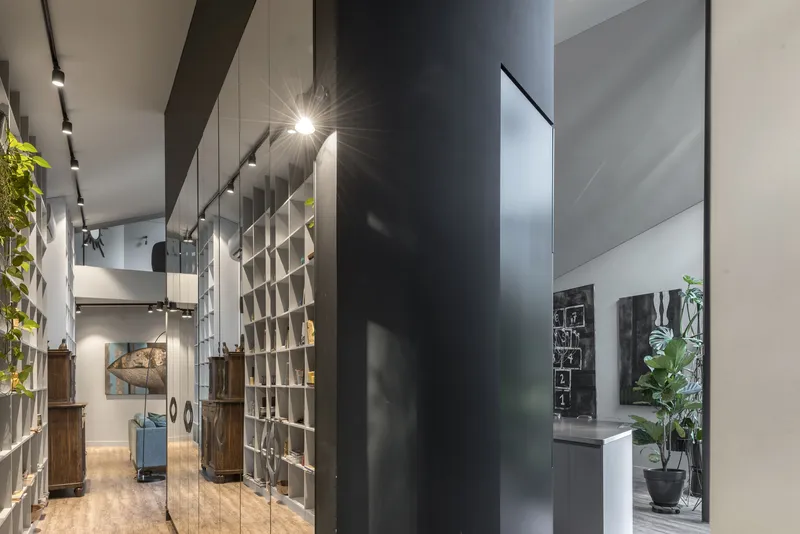
Inside, the house is divided into functional yet beautifully designed spaces. The first floor features an open-plan kitchen and living area, with access to both terraces. The furniture is custom-designed, with a wardrobe and kitchen furniture creating subtle divisions between the spaces. These functional elements are made of steel, providing a striking contrast to the warm wooden finishes throughout the house.
The Private Suite
The second floor of the house is dedicated to the private spaces, including the master bedroom, bathroom, and dressing room. The bedroom is strategically elevated to offer panoramic views of the surroundings. This thoughtful design decision allows the occupants to experience the beauty of the landscape while maintaining privacy.


Sustainability and Modern Architecture in Vilnius
A key consideration in the design of this house was sustainability. The use of natural materials, especially wood, not only adds aesthetic value but also supports eco-friendly construction practices. The architects have embraced the sustainable use of wood, ensuring that the home fits seamlessly into the natural environment and minimizes its ecological footprint.

A Fusion of Art, History, and Modern Design
The House in Vilnius is a stunning example of modern wooden architecture in Vilnius that pushes the boundaries of contemporary design while respecting the historical and cultural fabric of the city. With its innovative use of wood, thoughtful integration of natural light, and seamless connection to the environment, this architectural masterpiece stands as a true reflection of the artistic vision of G.Natkevicius & Partners.
Whether you are an architecture enthusiast or someone interested in the evolution of modern homes, this project serves as a powerful example of how traditional materials can be used in new and exciting ways to create spaces that are both functional and visually striking.


All Photographs are work of L. Mykolaitis, L. Garbačauskas



Popular Articles
Popular articles from the community


The Ocean Hive: Sustainable Architecture for a Self-Sufficient Civilization at Sea
The Ocean Hive imagines sustainable architecture at sea, where modular habitats, algae, wave power and ocean waste sustain a growing colony.

Hill & Cross Opera: Sculptural Opera House Architecture Shaped by Tallinn’s Landscape and Identity
Hill & Cross Opera reimagines opera house architecture in Tallinn through its sculptural hill, civic plaza, glass wave and a luminous cross.

Co-Life: Senior Housing Design That Reconnects Older Adults With the City
Co-Life reimagines senior housing design through healing gardens, shared streets, workshops, and a sustainable community across generations.

AL-JANNAH: Sustainable Architecture and Permaculture for Afghan Widows
AL-JANNAH uses sustainable architecture and permaculture to create resilient oasis of housing, learning, work and renewal for Afghan widows.


Similar Reads
You might also enjoy these articles


Hodi-Mandai Geram
Project Function: Preservation and revitalization of the Intangible heritage and socio-spatial identity of the Hodi by Housing, Cultural Memory Center, Sacred Grove, landscape, local tourism economy


Olio Towers: A Mid-Rise for Performers That Fuses Housing, Rehearsal, and Stage
Located blocks from Houston's Theater District, this modular tower stacks living units around a central performance atrium.

Oasis: Modular Green Housing Carved into Dhaka's Urban Fabric
A shortlisted Plugin Housing entry reclaims unauthorized settlements in Dhaka with stepped concrete volumes, green roofs, and ventilation-driven design.

Black Hole: A Floating Megastructure for the Post-Physical Era
Emiliano Mazzarotto envisions a spherical, self-scaling arena where e-sports, digital hotels, and holographic stadiums replace traditional public space.


Explore Architecture Competitions
Discover active competitions in this discipline



Challenge to reimagine the Iron Throne


Photograph architecture without architects


Illustrate the lost glory of Angkor Wat - Render Challenge


Design challenge to reuse E-waste
Comments (0)
Please login or sign up to add comments
No comments yet. Be the first to comment!