
Modular Housing for Urban Nomads: A Sustainable Future in Architecture
Rethinking capsule living through sustainable modular architecture—customizable, eco-friendly homes for modern urban nomads.

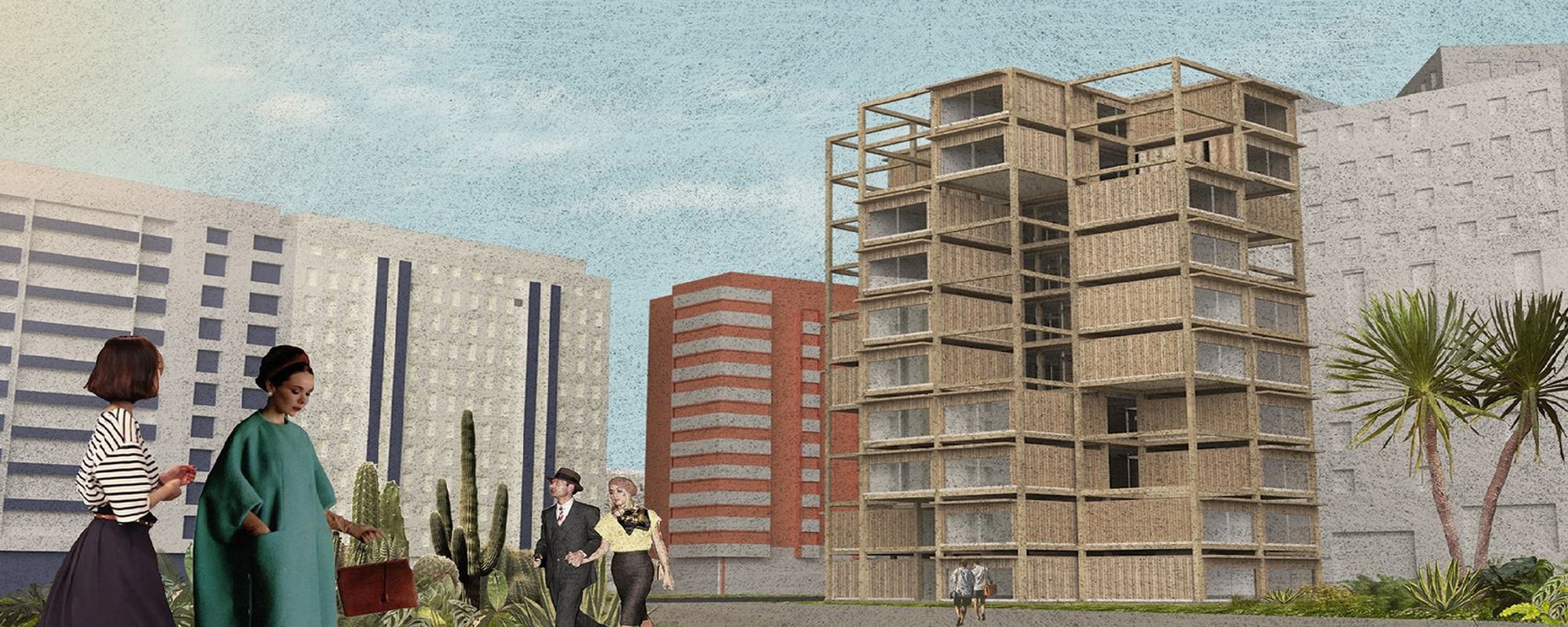
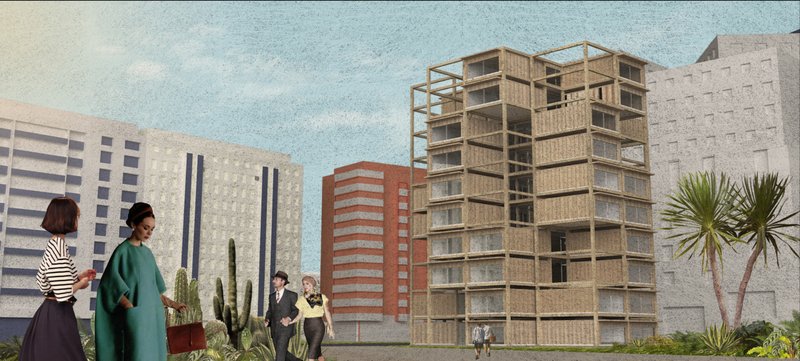
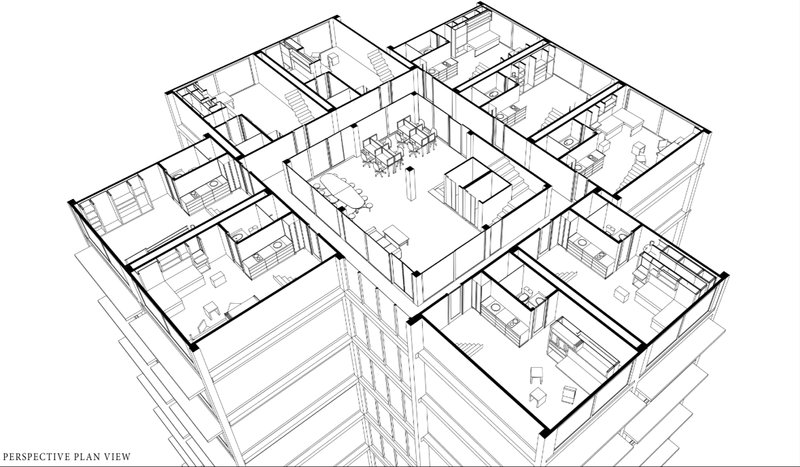
In the heart of Valencia, Spain, a fresh vision of sustainable modular architecture emerges with KM team "Make (A) Room" — a project by Katarzyna Lech and Maja Pacek. This shortlisted entry for the Plugin Housing Challenge 2020 revisits the legacy of the iconic Nakagin Capsule Tower by Kisho Kurokawa and addresses its core challenges through a modern, eco-conscious lens.
A New Take on Capsule Architecture
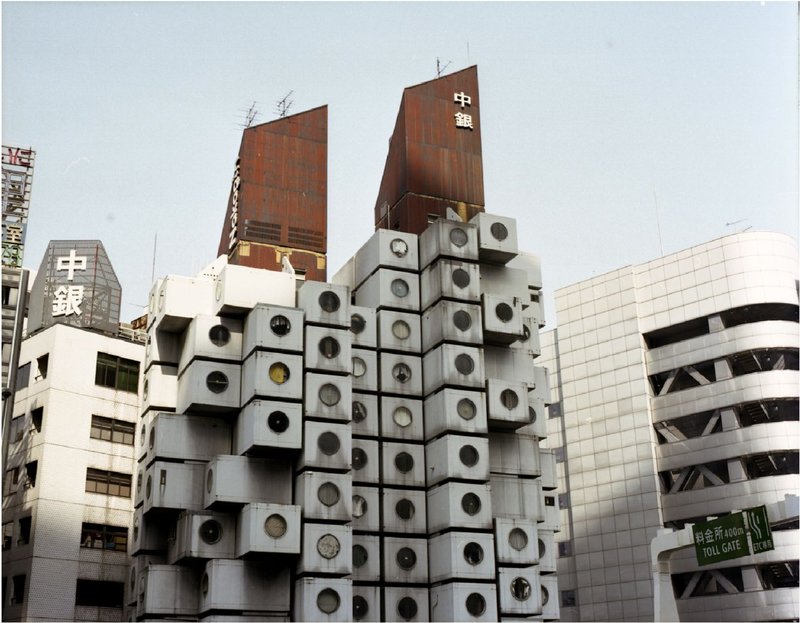
The Nakagin Capsule Tower in Tokyo, a hallmark of the Metabolist movement, inspired a generation of architects with its modular plug-in units. However, its failure to adapt and evolve revealed key issues: non-recyclable materials, limited customization, and inflexible structures. Lech and Pacek's proposal retains the spirit of modular design but solves these pain points using sustainable cross-laminated timber (CLT) and adaptable spatial configurations.
Urban Housing for the Modern Nomad
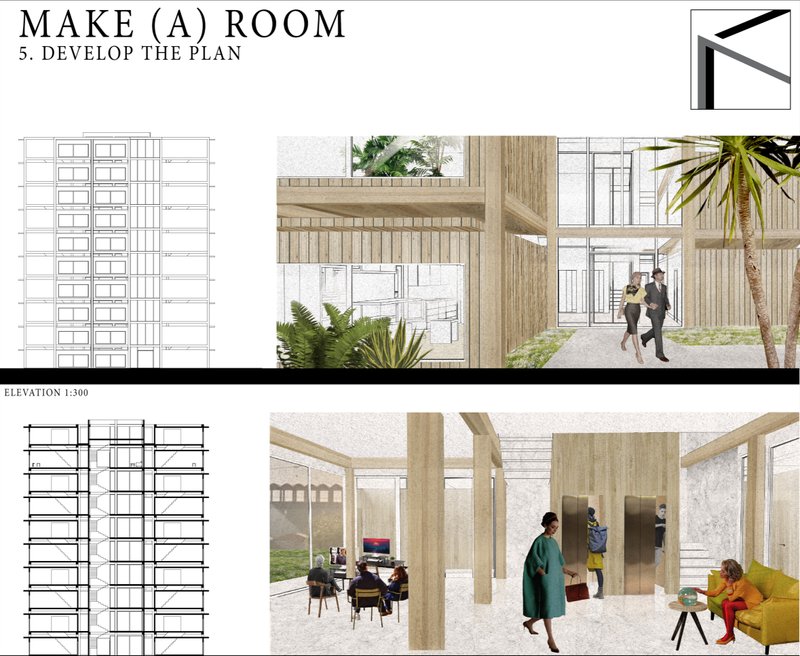
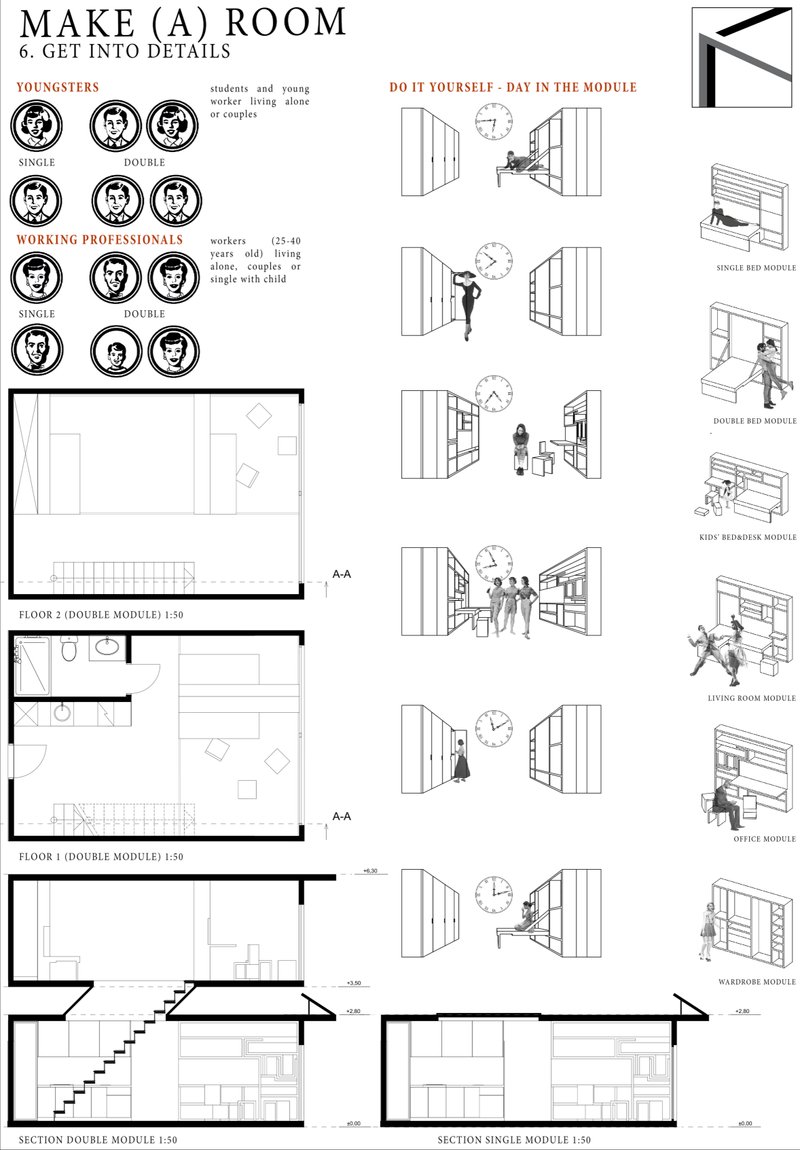
The project targets today's urban nomads — remote workers, students, and mobile professionals. These individuals seek homes that reflect flexibility, affordability, and personalization. The proposal delivers compact yet livable units that can be customized for singles, couples, or small families. Modular units include day-to-night transformations, built-in storage, and furniture that maximizes usability without compromising comfort.
Environmental Responsibility at Its Core
Lech and Pacek replace concrete, a high-impact building material, with recyclable wood systems. The CLT structure comprises columns, beams, and modular panels, significantly reducing the carbon footprint. Additionally, photovoltaic panels integrated into rooftops generate green energy, taking advantage of Valencia’s sunny climate.
Adaptive Urban Integration
Rather than imposing a monolithic block, the proposed structure fits organically into the city grid. The octagonal plan promotes spatial variety and social interaction through open shared spaces at each level. The internal layout also introduces communal lounges and outdoor terraces, allowing a blend of private and public life.
Climatic and Cultural Sensitivity
Located in Valencia’s Penya Roja neighbourhood, the project embraces the local environment. The modular configuration and open ground-level zones enable natural ventilation and light. Sun influence studies guided the placement of photovoltaic panels, while orientation and shading devices reduce heat gain during hot summers.
DIY and Livability
Beyond its construction logic, the project supports a DIY lifestyle. It showcases a "day in the module" experience for different user types, encouraging residents to customize and personalize their spaces. These modules are not only livable but also foster a strong sense of ownership and community.
"Make (A) Room" is a forward-thinking response to urban density and climate change. By combining modular architecture, sustainable materials, and human-centric design, it redefines how cities can accommodate modern living needs. It is not just a reinterpretation of the past but a blueprint for resilient and adaptive housing of the future.
Project by Katarzyna Lech and Maja Pacek
Shortlisted Entry — Plugin Housing Challenge 2020




Popular Articles
Popular articles from the community


The Ken Roberts Memorial Delineation Competition (Krob)
As the most senior architectural drawing competition currently in operation anywhere in the world, it draws hundreds of entries each year, awarding the very best submissions in a series of medium-based categories.

Atelier Macri Concept Store Interior Design by CASE-REAL
Atelier Macri store features a "ko" counter, walnut wood details, cork displays, blending retail, gallery, and seamless customer experiences.
Fifth NRE Jazz Club – De Bever Architecten: Eindhoven’s Revitalized Cultural Hub
Historic gas factory transformed into Fifth NRE Jazz Club blending modern sustainability, jazz culture, dining, and heritage architecture seamlessly.
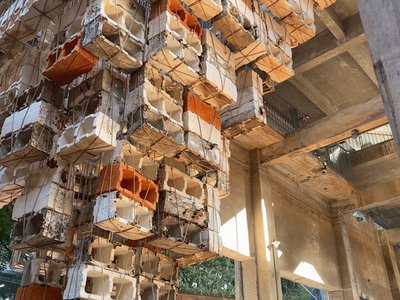
Inverted Architecture Installation by Studio Link-Arc: Exploring the Intersection of Architecture and Living Organisms
Inverted Architecture Installation by Studio Link-Arc blends mycelium, sustainability, inverted design, ecological cycles, and urban adaptive architecture in Shenzhen.

Similar Reads
You might also enjoy these articles
The Ken Roberts Memorial Delineation Competition (Krob)
As the most senior architectural drawing competition currently in operation anywhere in the world, it draws hundreds of entries each year, awarding the very best submissions in a series of medium-based categories.

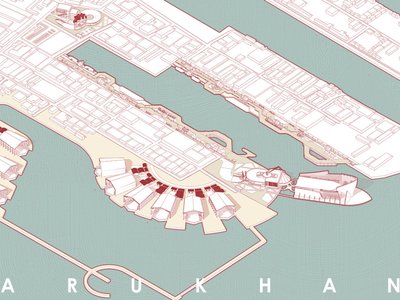
Waterfront Redevelopment and Urban Revitalization in Mumbai: Forging a New Dawn for Darukhana
A transformative waterfront redevelopment project reimagining Darukhana’s shipbreaking heritage into an inclusive urban future.
OUT-OF-MAP: A Call for Postcards on Feminist Narratives of Public Space
Rhizoma Design and Research Lab invites artists, designers, architects, researchers, and students to reflect on how feminist perspectives can reshape public space. Selected works will be exhibited in Barcelona, October 2026. Submissions open until 15 April 2026.


Documentation Work on Buddhist Wooden Temple
Architectural syncretism and cultural hybridity: A comparative study of the Buddhist temples in Chattogram Hill tracks





Comments (0)
Please login or sign up to add comments
No comments yet. Be the first to comment!