
Nami Play Pavilion: Redefining Urban Play Spaces in Prague
The Nami Play Pavilion in Prague is a circular, interactive playground promoting free play, creativity, and community engagement with sustainable materials.


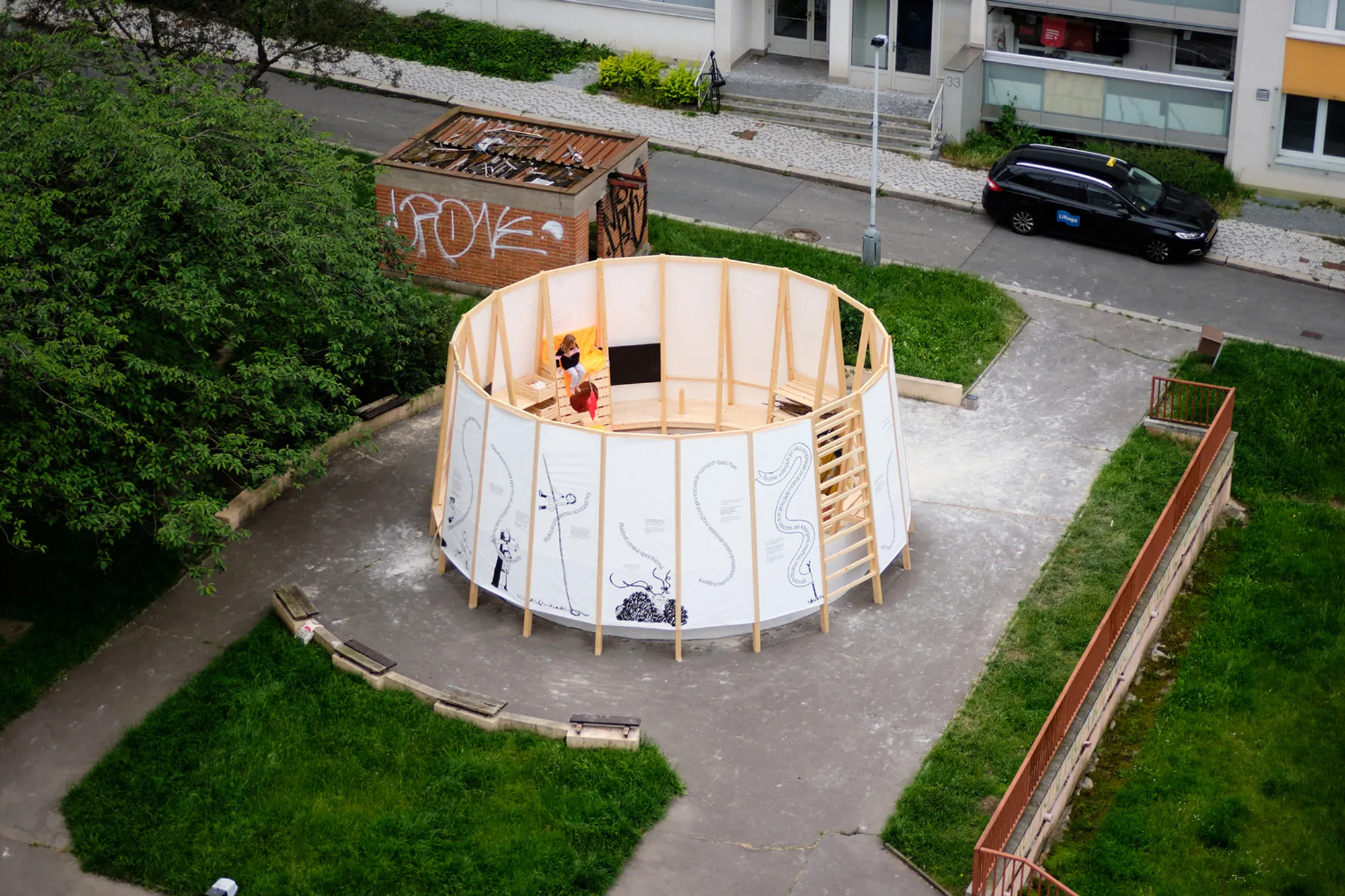
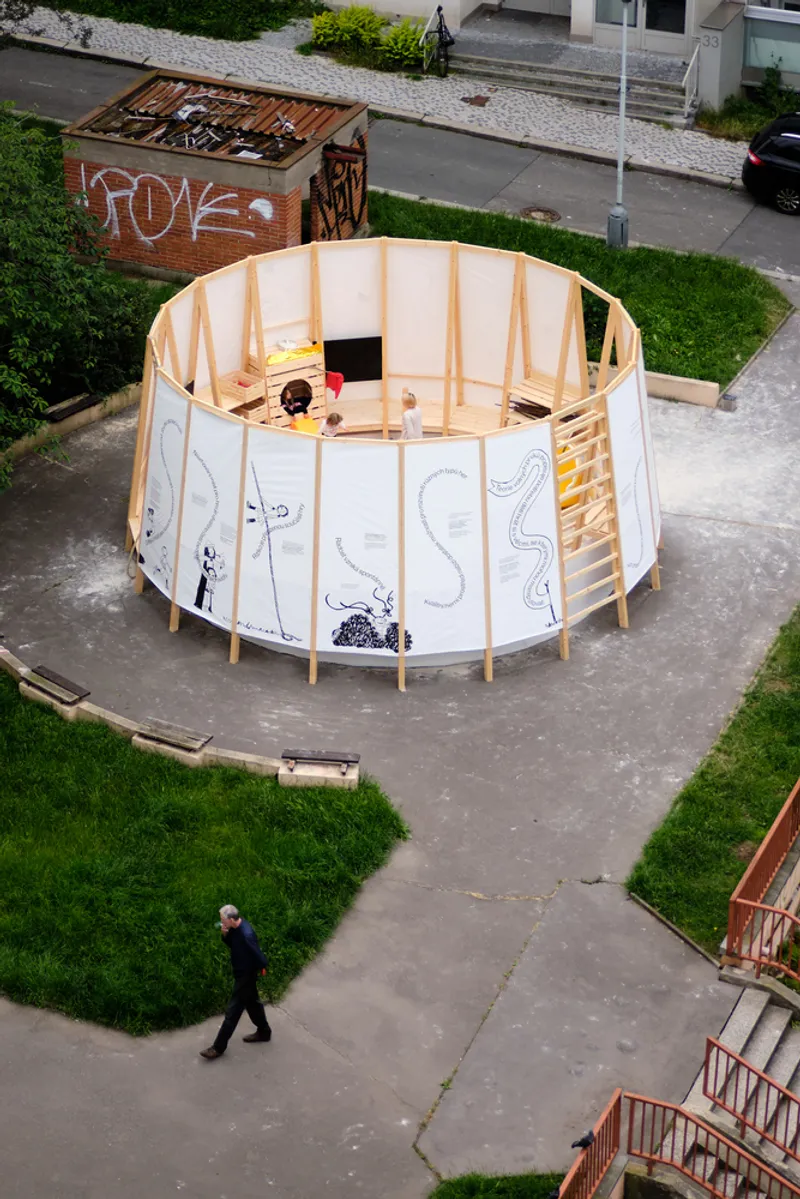
Located in the heart of Praha 3, Czechia, the Nami Play Pavilion by Nami ñami studio is transforming how children experience play in urban environments. Completed in 2024, this innovative playground spans 33 m² and serves as both a functional play area and an interactive public art installation. Photographed by the studio itself, the pavilion highlights the possibilities of free play, sustainable materials, and creative urban design.
A Playground Beyond Standardization
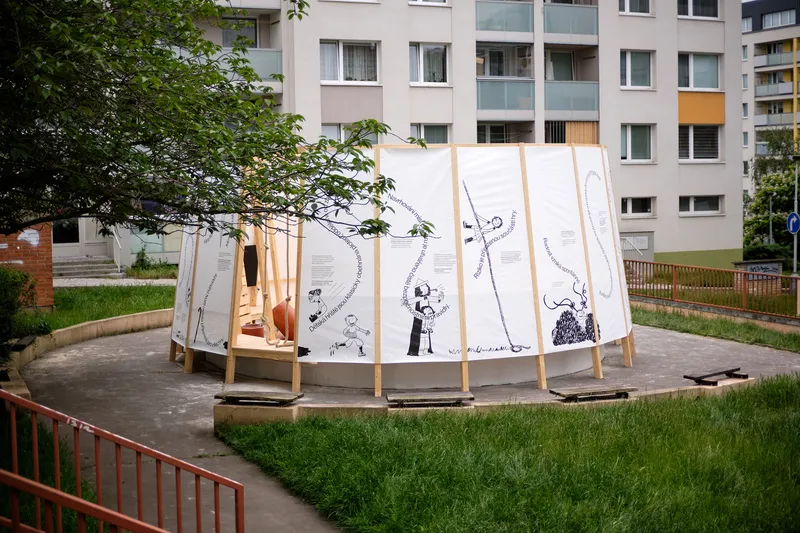
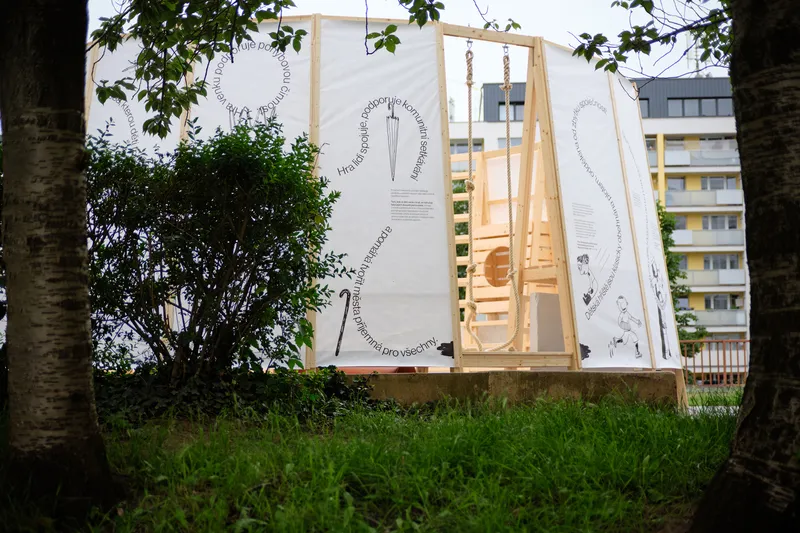
The Nami Play Pavilion stands out in Prague’s apartment block landscape as a circular, open-ended playground designed to challenge conventional ideas of children’s play. Traditional playgrounds often rely on standardized equipment like swings and slides on rubber surfaces, which, while safe, limit children’s creativity and imagination. As Eduard Herrmann of Nami ñami studio explains, “Children deserve more, both functionally and aesthetically.”
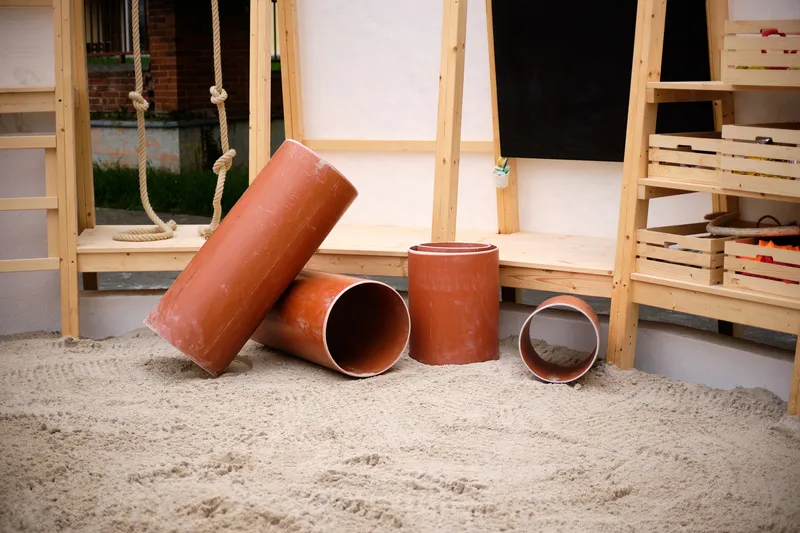
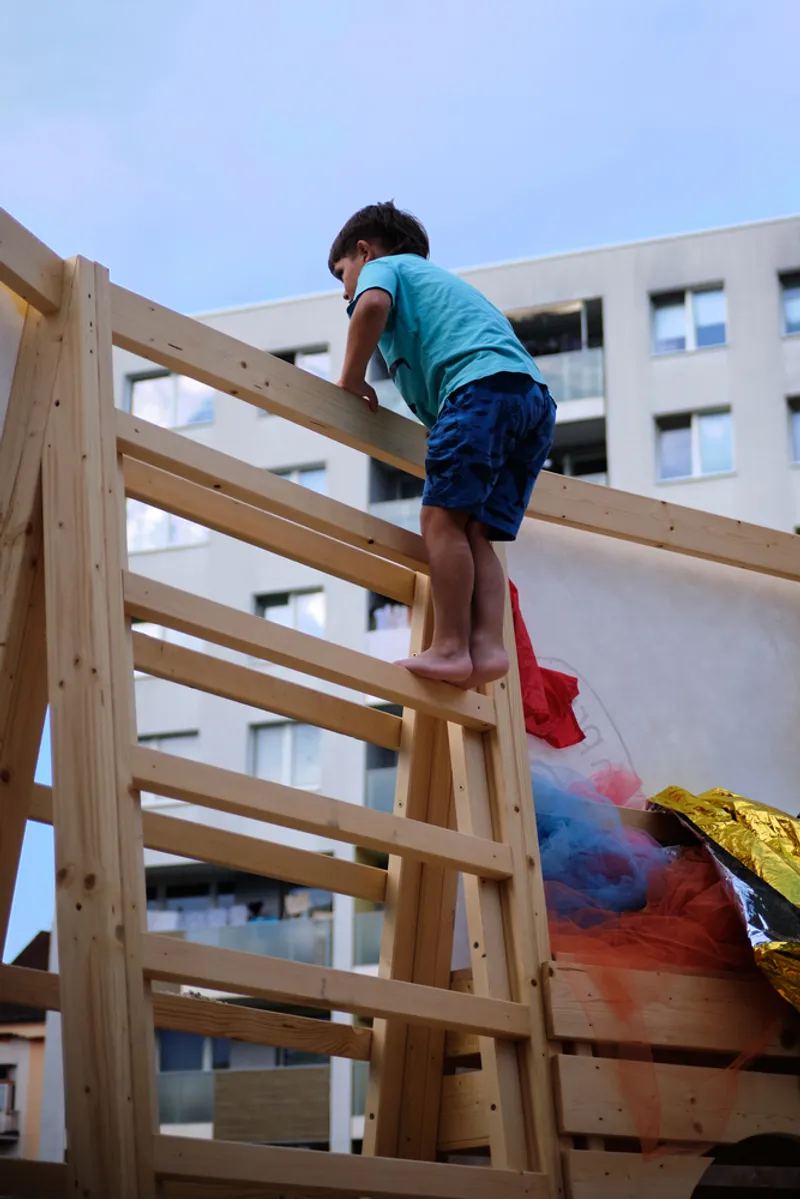
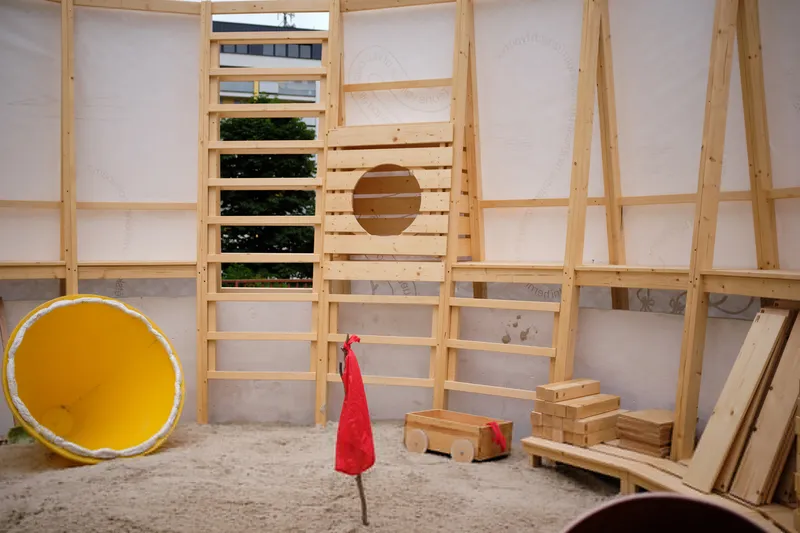
Curated for the Prague Landscape Festival, the pavilion encourages imaginative play, offering children the freedom to manipulate, move, and engage with the environment through the theory of loose parts. The pavilion integrates objects like colorful fabrics, stones, ropes, large pipes, and custom wooden play pieces, allowing each child to shape their play experience.
Interactive Learning for Adults
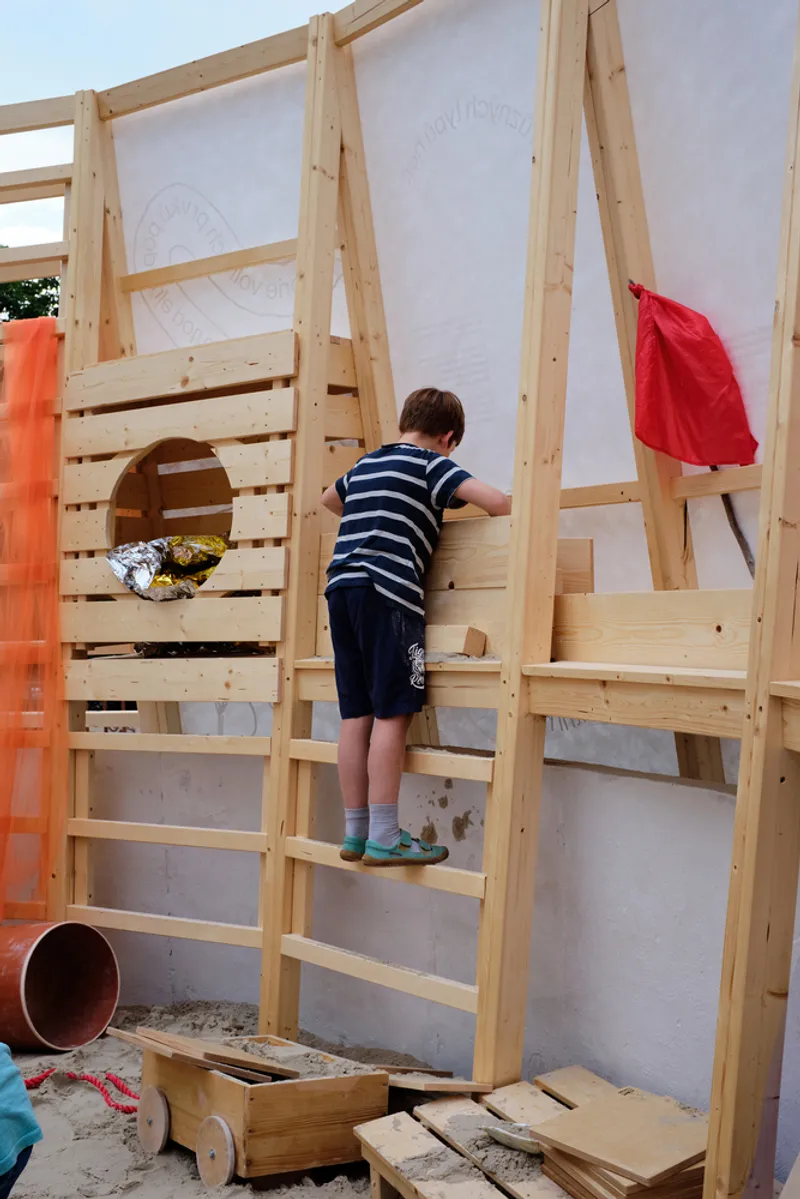
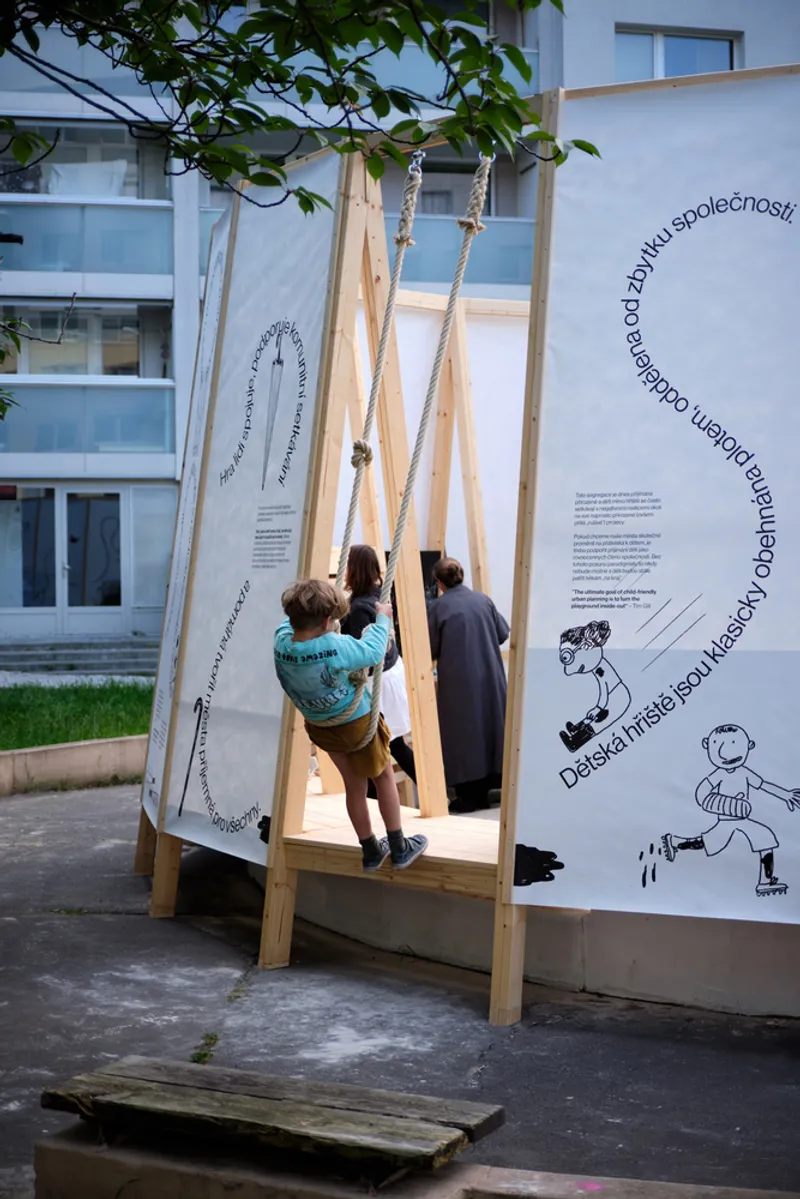
The pavilion also emphasizes educational engagement for adults. Panels around the structure guide caregivers to observe rather than intervene, promoting the philosophy of free play. As co-creator Klára Koldová explains, “Free play allows children to express themselves and make decisions independently, fostering their creativity and understanding of their own needs.” This dual approach, combining child-centered play with adult awareness, makes the pavilion both a community hub and a space for learning.
Thoughtful Materials and Design
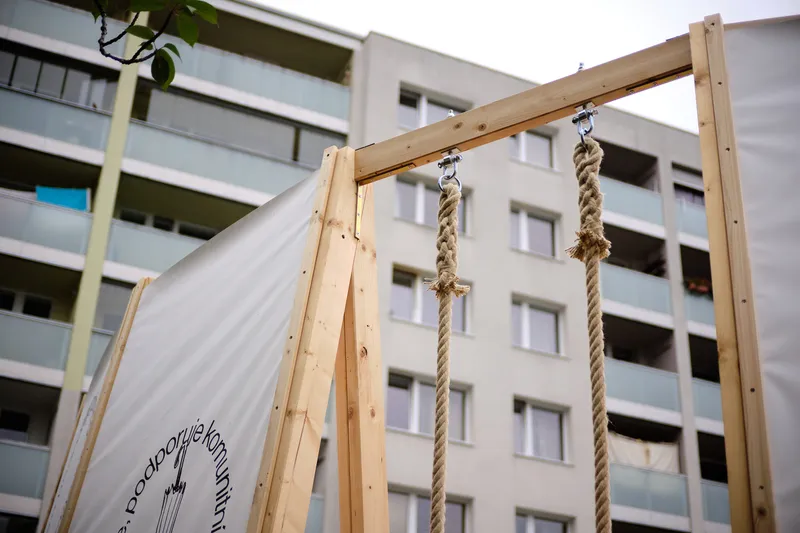
Constructed primarily from spruce wood treated with natural oils, the pavilion reflects sustainable design principles. The circular form references a pre-existing concrete wall, integrating seamlessly into the site. The space features built-in benches, hiding spots, storage, climbing ropes, ladders, drawing boards, and performance stages, all designed with simplicity and durability in mind.
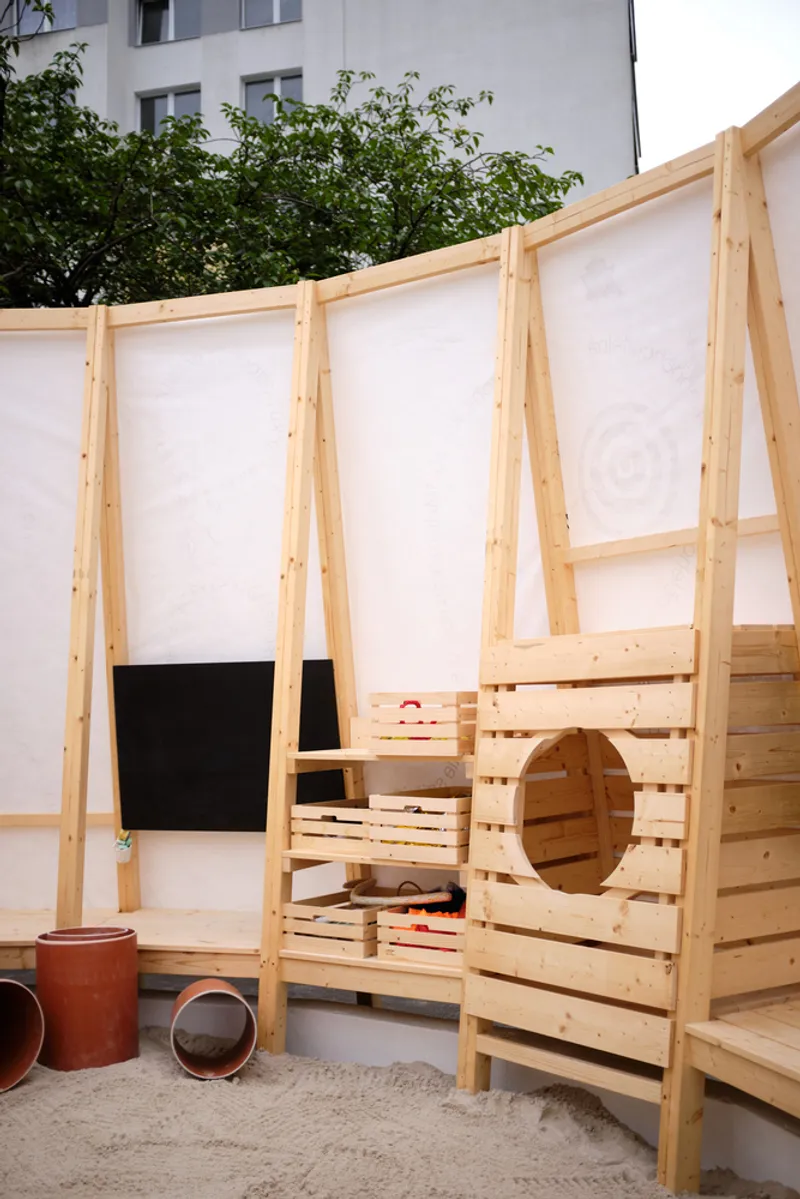
The floor is layered with fine sand, providing tactile play for children of all ages, while handmade sand tools crafted from recycled plastic add an artistic, eco-conscious touch. The pavilion’s playful, minimalist design bridges the gap between art and functional public architecture, offering both aesthetic value and a platform for exploration.
Fostering Community and Creativity
More than a playground, the Nami Play Pavilion is a statement about the role of play in urban life. It encourages children to experiment, imagine, and collaborate, while prompting the community to rethink the possibilities of public spaces. By combining art, sustainability, and child-focused design, Nami ñami studio has created a landmark that enriches Prague’s urban landscape and inspires future playgrounds worldwide.
All photographs are works of
Nami ñami studio




Popular Articles
Popular articles from the community


Conexión: Biophilic Design Reimagines High-Rise Living in Hong Kong
Conexión reimagines high-rise living in Hong Kong through biophilic design, green facades, shared spaces, daylight, water and nature within.

Hill & Cross Opera: Sculptural Opera House Architecture Shaped by Tallinn’s Landscape and Identity
Hill & Cross Opera reimagines opera house architecture in Tallinn through its sculptural hill, civic plaza, glass wave and a luminous cross.

Co-Life: Senior Housing Design That Reconnects Older Adults With the City
Co-Life reimagines senior housing design through healing gardens, shared streets, workshops, and a sustainable community across generations.

AL-JANNAH: Sustainable Architecture and Permaculture for Afghan Widows
AL-JANNAH uses sustainable architecture and permaculture to create resilient oasis of housing, learning, work and renewal for Afghan widows.


Similar Reads
You might also enjoy these articles

FAMM Arquitectura Organizes Ten Villas Around Courtyards and Jungle in Nosara, Costa Rica
El Molino pairs two elongated volumes with deep overhangs and timber louvers to build a compact coastal community five minutes from the beach.
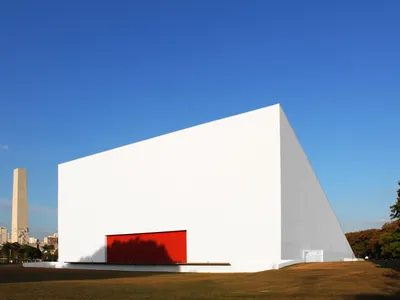
Oscar Niemeyer's Ibirapuera Park Pavilions Define São Paulo's Cultural Identity in Concrete and Curve
A constellation of modernist volumes set within São Paulo's most important urban park, conceived for the city's 400th anniversary in 1954.
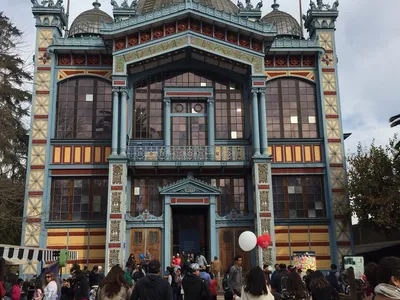
How Henri Picq's 1889 Paris Pavilion Traveled 11,000 Kilometers to Become Santiago's Artequín Museum
A prefabricated iron and glass pavilion built for the Paris Universal Exposition found a second life as a children's art museum in Chile.
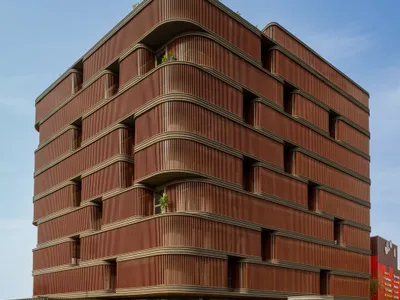
Sanjay Puri Architects Wraps a Jaipur Office Tower in Capsule-Shaped Green Buffers
A nine-level climate-responsive workplace near Jaipur Airport uses stacked planter terraces and aluminium screens to fight 40°C heat.


Explore Architecture Competitions
Discover active competitions in this discipline



Challenge to reimagine the Iron Throne


Photograph architecture without architects


Illustrate the lost glory of Angkor Wat - Render Challenge


Design challenge to reuse E-waste
Comments (0)
Please login or sign up to add comments
No comments yet. Be the first to comment!