
Ombak House by Arti Design Studio – A New Model for Sustainable Urban Living in Indonesia
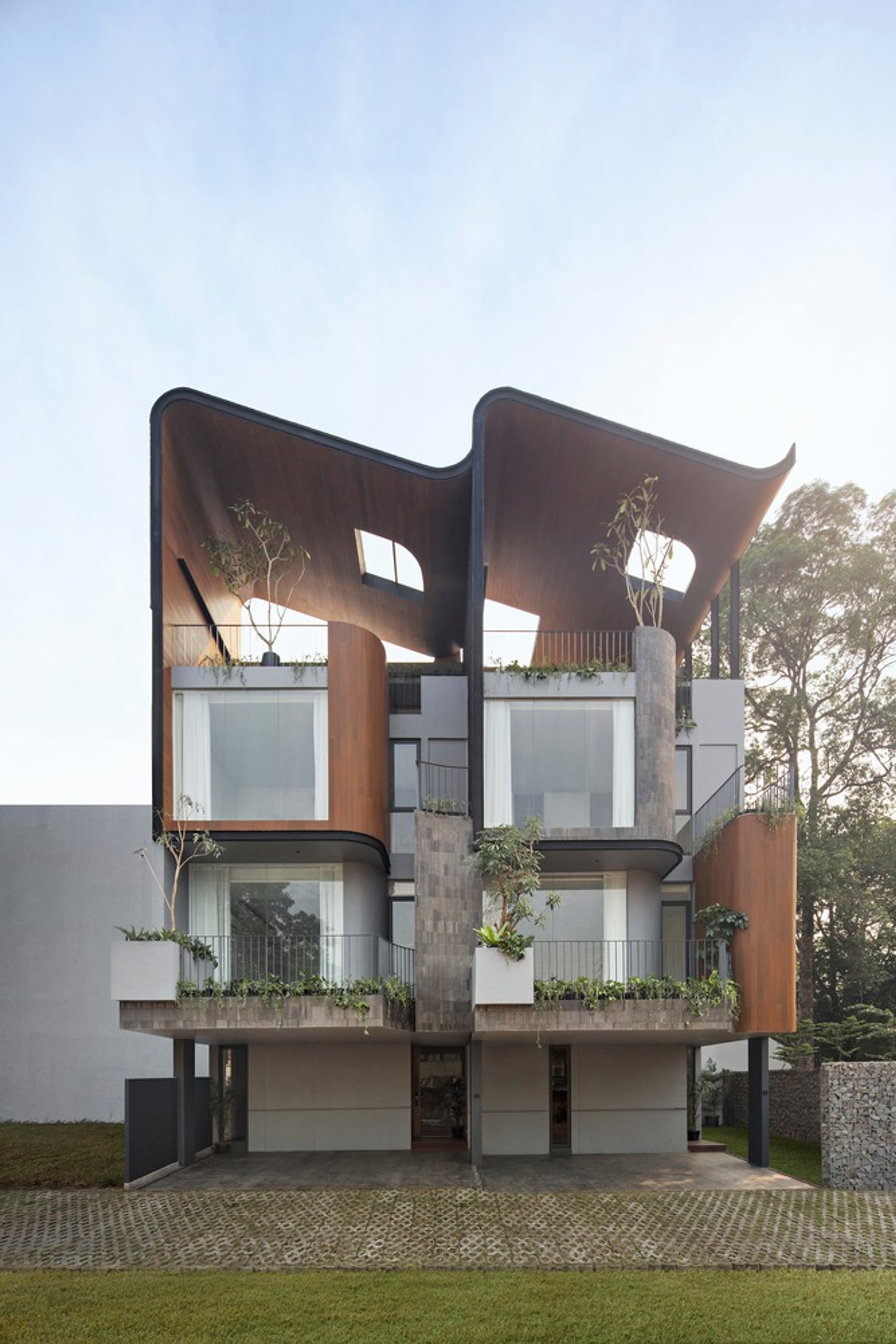
Ombak House transforms traditional backyards into rooftop terraces, using wave-inspired forms to create sustainable, shaded, community-focused tropical living spaces.

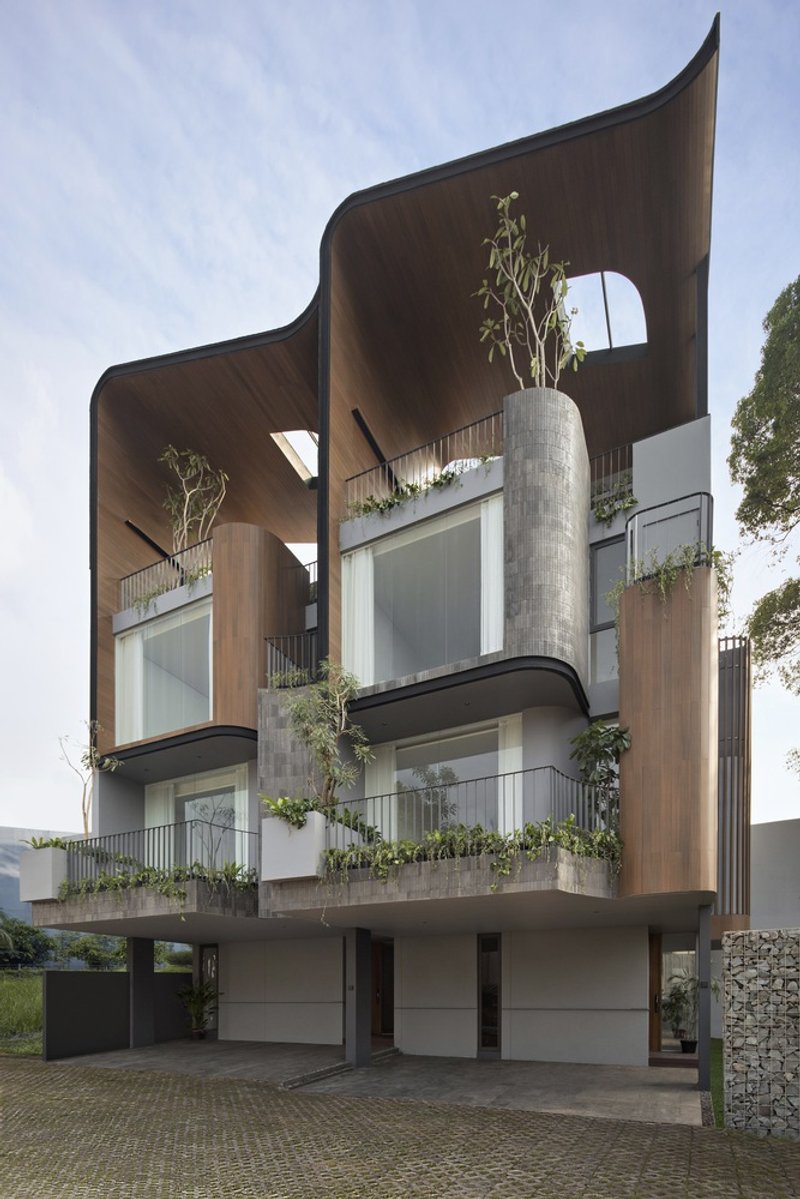
Ombak House by Arti Design Studio redefines contemporary residential architecture in Southeast Asia by transforming traditional backyard space into elevated rooftop landscapes. Located in Kecamatan Mampang Prapatan, Indonesia, this 568 m² home showcases a forward-thinking approach to sustainability, passive design, and community-centered living. Designed by lead architects Raynaldo Theodore and Natasha Astari, the project integrates nature directly into the vertical structure of the house, responding to the region’s dense urban fabric and climatic challenges.
Reclaiming Nature Through Vertical Architecture
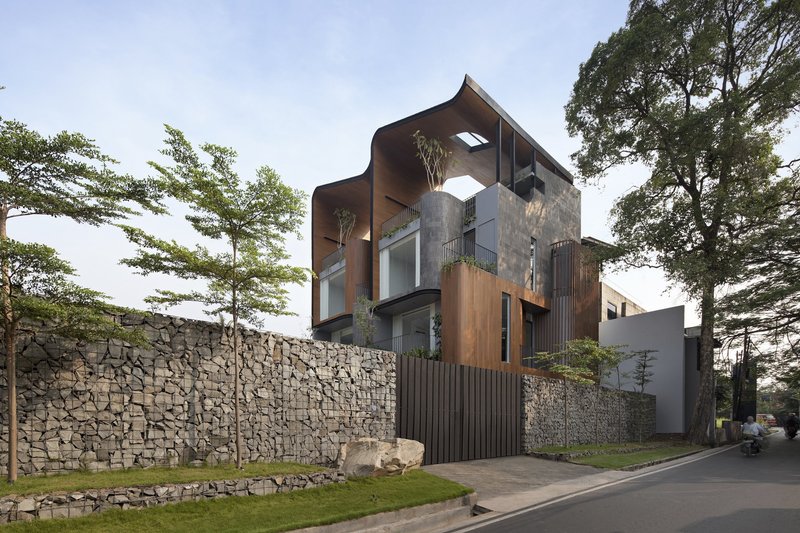
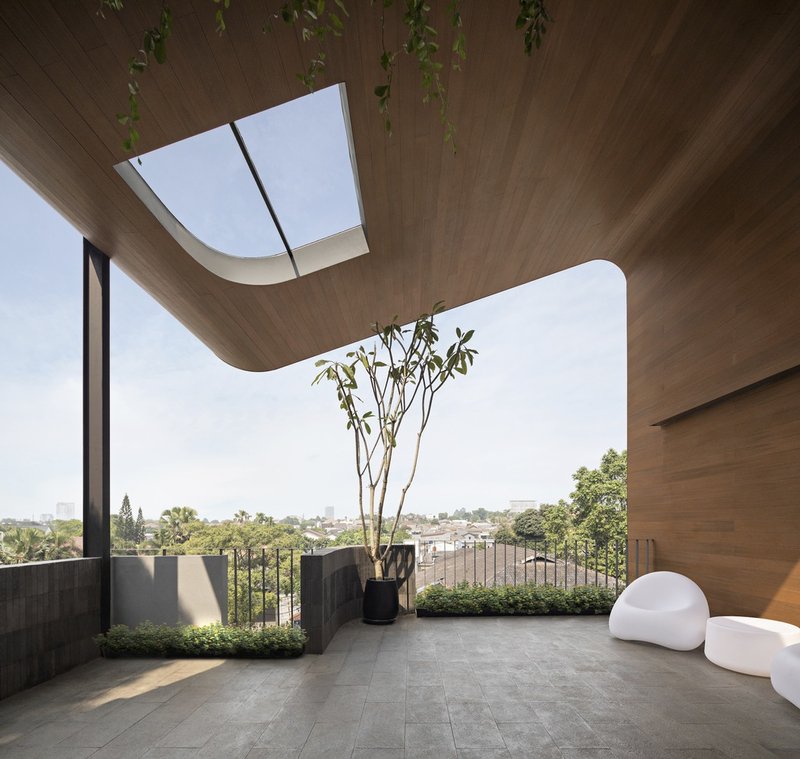
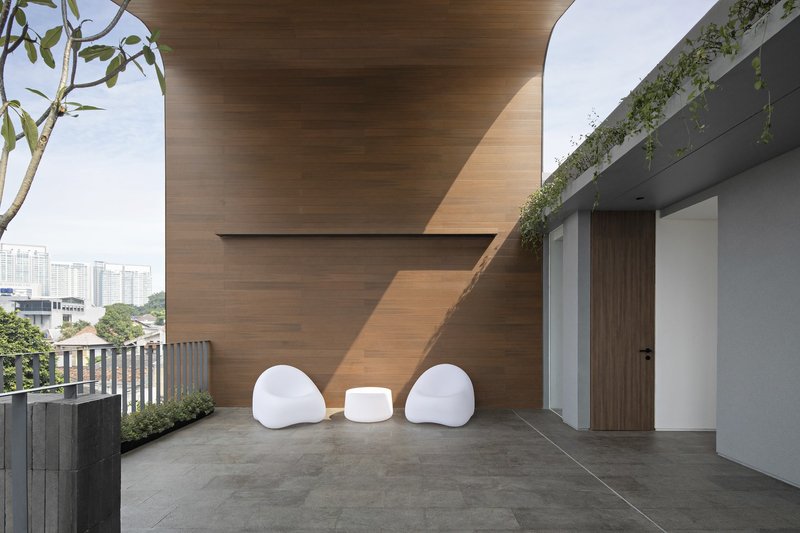
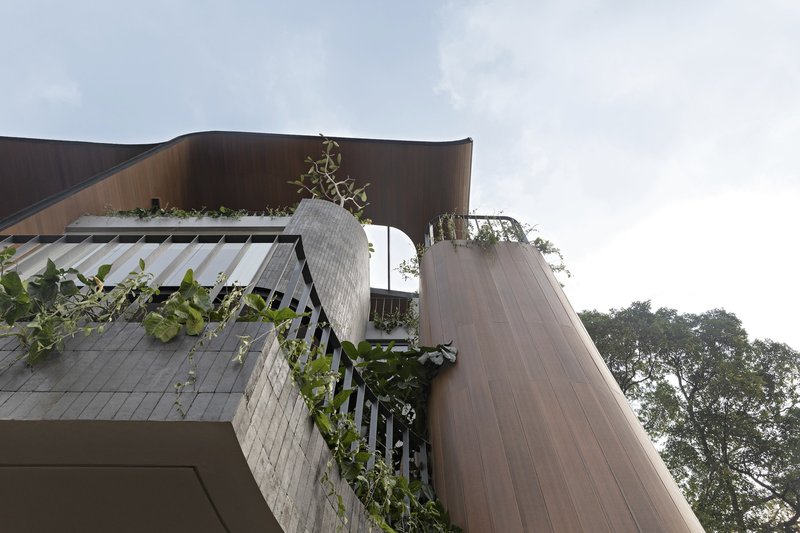
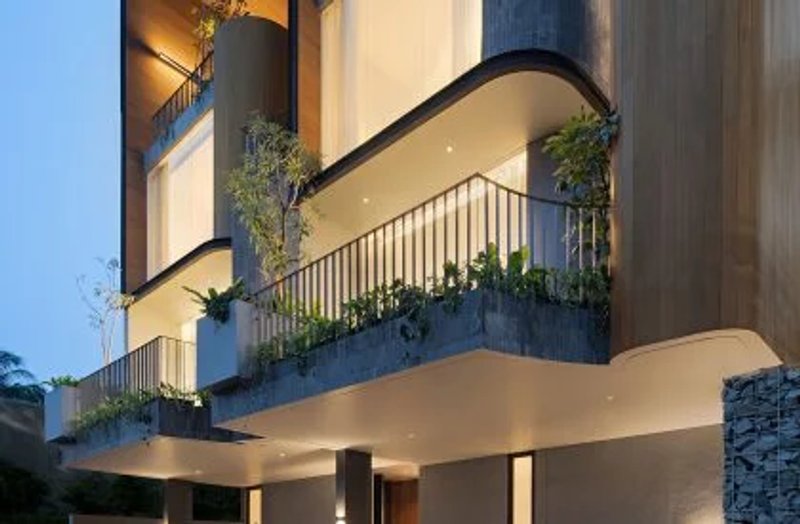
Inspired by a global ethos of comfort, safety, and serenity, Ombak House introduces a series of multi-level terraces that allow nature to occupy the heart of the home. Instead of placing outdoor living spaces at ground level—typical in Southeast Asian houses—the architects reimagine these functions on the rooftop, giving residents a private yet open sanctuary where they can relax, socialize, and enjoy expansive views of the neighborhood.
This rooftop transformation is not simply a design gesture but an architectural strategy for restoring natural connections within increasingly compact urban environments. By elevating the garden, Arti Design Studio rebalances built and natural elements to create a healthier living ecosystem.
The Ombak: A Climate-Responsive Rooftop Landscape
At the core of the project is The Ombak, the semi-public rooftop space named after the Indonesian word for “ocean waves.” Inspired by the rhythmic movement of water, the roofscape features wave-like curves designed according to the sun’s direction and intensity. These forms create deep shading, reduce heat gain, and establish a cool microclimate beneath them.
The design serves multiple functions:
- Mitigating the heat island effect in the dense tropical city
- Enhancing cross-ventilation and daylight distribution
- Offering community-oriented spaces where residents can interact
- Establishing a strong visual identity tied to natural symbolism
Through this passive design strategy, Ombak House becomes a model for climate-resilient architecture that harmonizes environmental performance with human comfort.
Sustainable Living Enhanced by Passive Cooling
The shaded rooftop is not only a space for communal activity—it also plays a crucial role in reducing internal temperatures throughout the home. By limiting direct solar exposure, the roof significantly decreases energy consumption for cooling and artificial lighting. This approach fosters:
- Improved indoor comfort
- Reduced reliance on air-conditioning
- Lower long-term energy costs
- A healthier residential environment
Arti Design Studio demonstrates how thoughtful design can seamlessly integrate passive sustainability without compromising aesthetics or spatial experience.
Architectural Experience and Interior Atmosphere
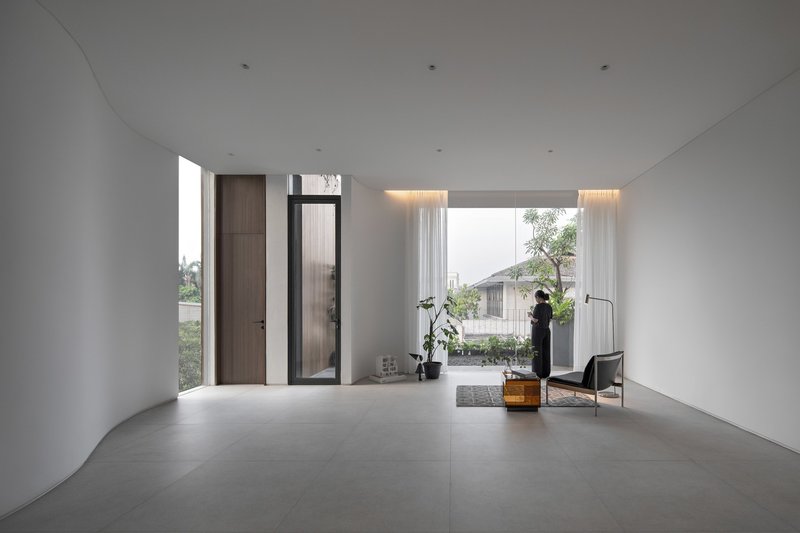
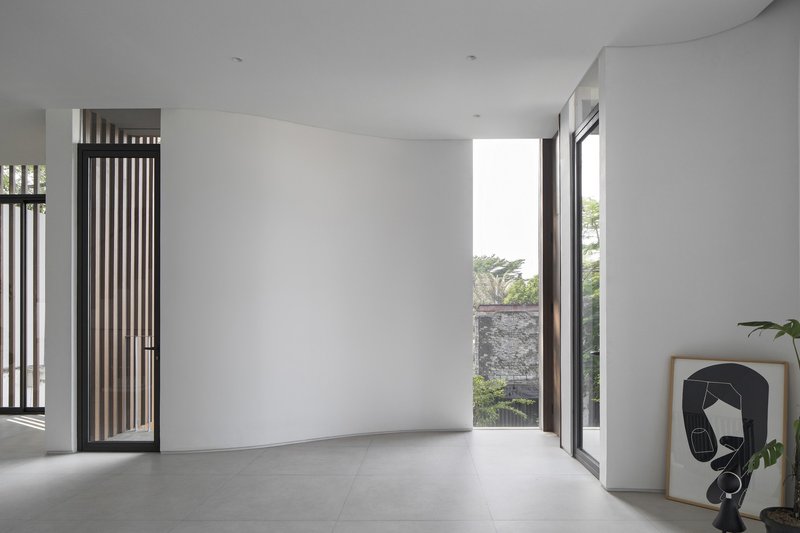
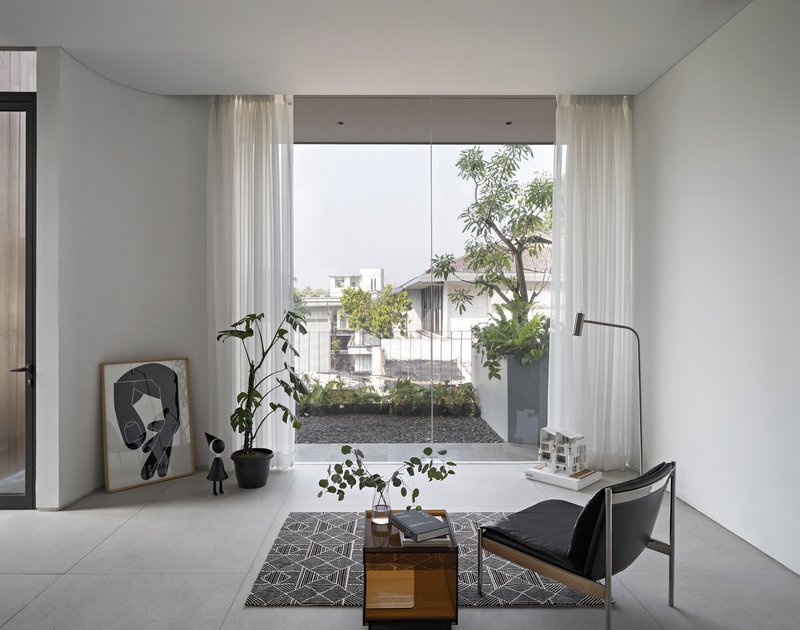
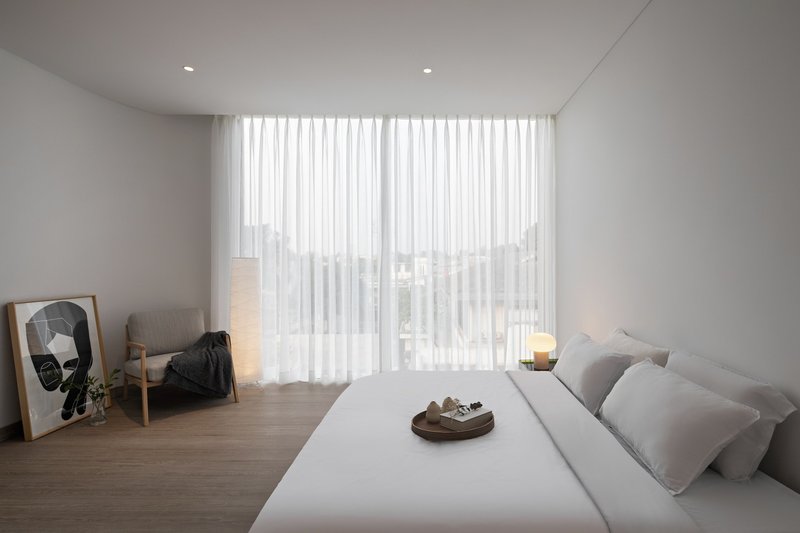
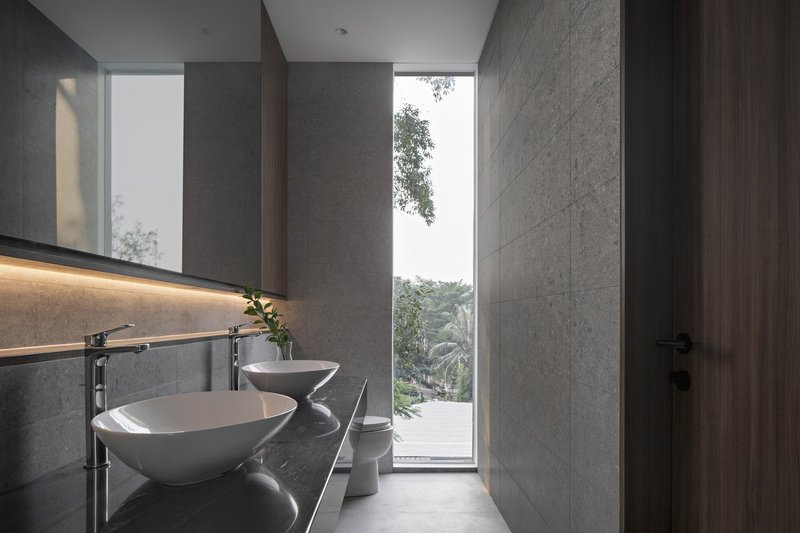
Inside, Ombak House maintains a refined palette of materials from manufacturers such as Owens Corning, Kohler, Dulux, Infiniti, Magnus Aluminium, and Tuscany Marble. Large windows and an open layout allow natural light to penetrate every space, creating a continuous relationship between interior life and the elevated outdoor environment.
Carefully crafted views frame greenery at different levels, reinforcing the concept of nature as an essential living element, not a decorative addition.
A Symbol of Future-Oriented Urban Architecture
Ombak House stands as more than a residence—it represents a new paradigm for sustainable, community-focused living in Indonesia. By integrating natural, social, and environmental factors into every aspect of the design, the project aligns with Arti Design Studio’s mission to build responsibly for the future.
All photographs are works of Mario Wibowo


Popular Articles
Popular articles from the community


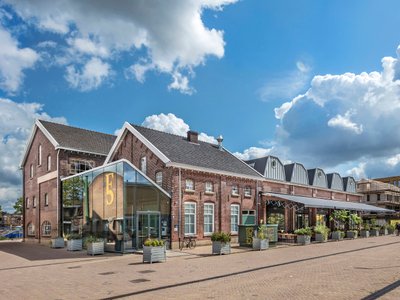
Fifth NRE Jazz Club – De Bever Architecten: Eindhoven’s Revitalized Cultural Hub
Historic gas factory transformed into Fifth NRE Jazz Club blending modern sustainability, jazz culture, dining, and heritage architecture seamlessly.
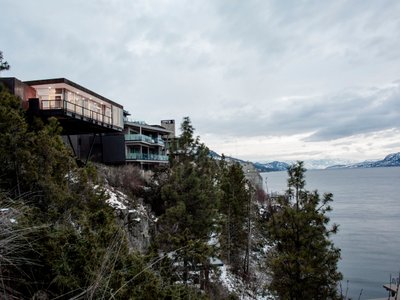
Alton Cliff House: A Harmonious Retreat by f2a Architecture in Lake Country, Canada
Alton Cliff House blends corten steel, prefabrication, and sustainable design, creating a luxurious, energy-efficient retreat perched on Canadian cliffs.
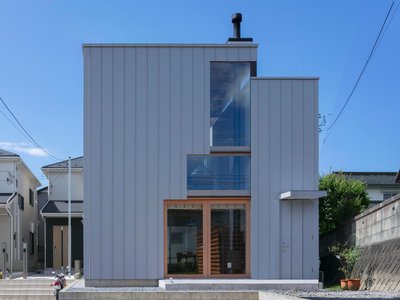
Split House: A Compact Urban Home Blending Privacy, Light, and Flexible Living in Japan
Compact Japanese home featuring DOMA space, flexible café potential, passive lighting, privacy zoning, and sustainable urban living design.

Similar Reads
You might also enjoy these articles


The Ken Roberts Memorial Delineation Competition (Krob)
As the most senior architectural drawing competition currently in operation anywhere in the world, it draws hundreds of entries each year, awarding the very best submissions in a series of medium-based categories.


Waterfront Redevelopment and Urban Revitalization in Mumbai: Forging a New Dawn for Darukhana
A transformative waterfront redevelopment project reimagining Darukhana’s shipbreaking heritage into an inclusive urban future.

OUT-OF-MAP: A Call for Postcards on Feminist Narratives of Public Space
Rhizoma Design and Research Lab invites artists, designers, architects, researchers, and students to reflect on how feminist perspectives can reshape public space. Selected works will be exhibited in Barcelona, October 2026. Submissions open until 15 April 2026.


Documentation Work on Buddhist Wooden Temple
Architectural syncretism and cultural hybridity: A comparative study of the Buddhist temples in Chattogram Hill tracks


Explore Architecture Competitions
Discover active competitions in this discipline




The International Standard for Design Portfolios


The Global Benchmark for Architecture Dissertation Awards


The Global Benchmark for Graduation Excellence


Challenge to reimagine the Iron Throne
Comments (0)
Please login or sign up to add comments
No comments yet. Be the first to comment!