

Open-Air Architecture in Nature: The Missing Room by Carroccera Collective
An open-air structure blending architecture and ecology, The Missing Room invites ritual, reflection, and coexistence in the Italian landscape.


Hidden within the Italian landscape, The Missing Room by Carroccera Collective challenges traditional architectural definitions through a radical expression of open-air architecture in nature. Without walls or ceilings, this experimental structure invites both humans and non-humans to participate in rituals of dwelling, reconnecting with rhythms long lost to the built world.
A Room Beyond Walls: Redefining Shelter in the Forest
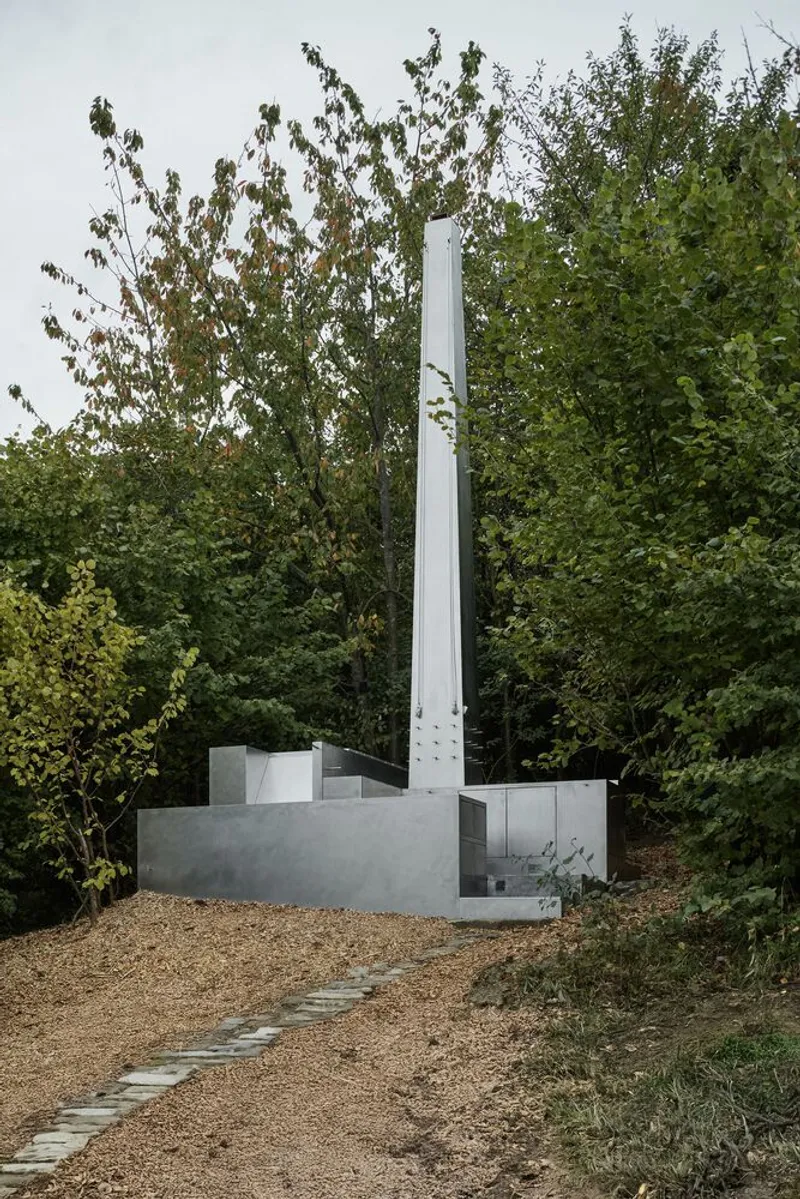
Situated in the Carroccera landscape, The Missing Room emerges as a fragmentary vision before fully revealing itself. Wanderers catch glimpses of glinting secondary structures through the greenery before arriving at the central space. But this isn’t architecture as we know it—there are no rigid boundaries, no permanent enclosures. It is a space that exists in dialogue with the environment, merging functionality with the poetry of presence.
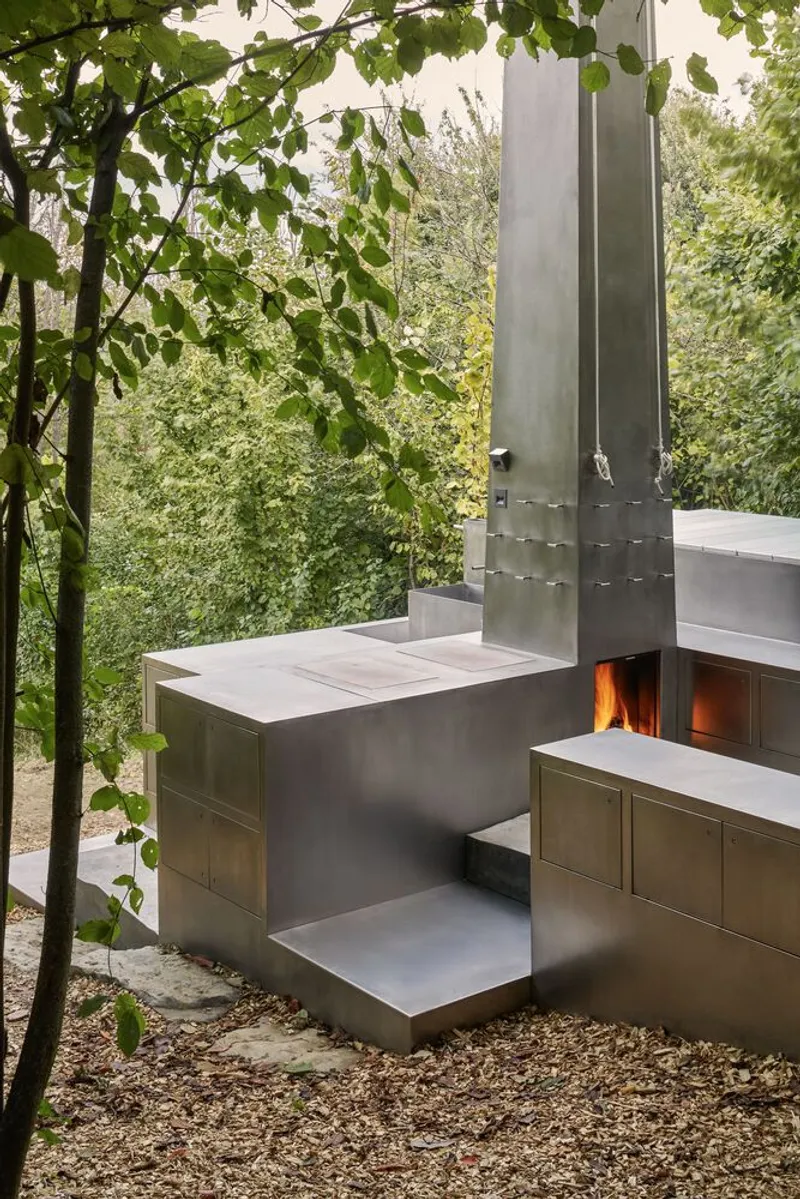
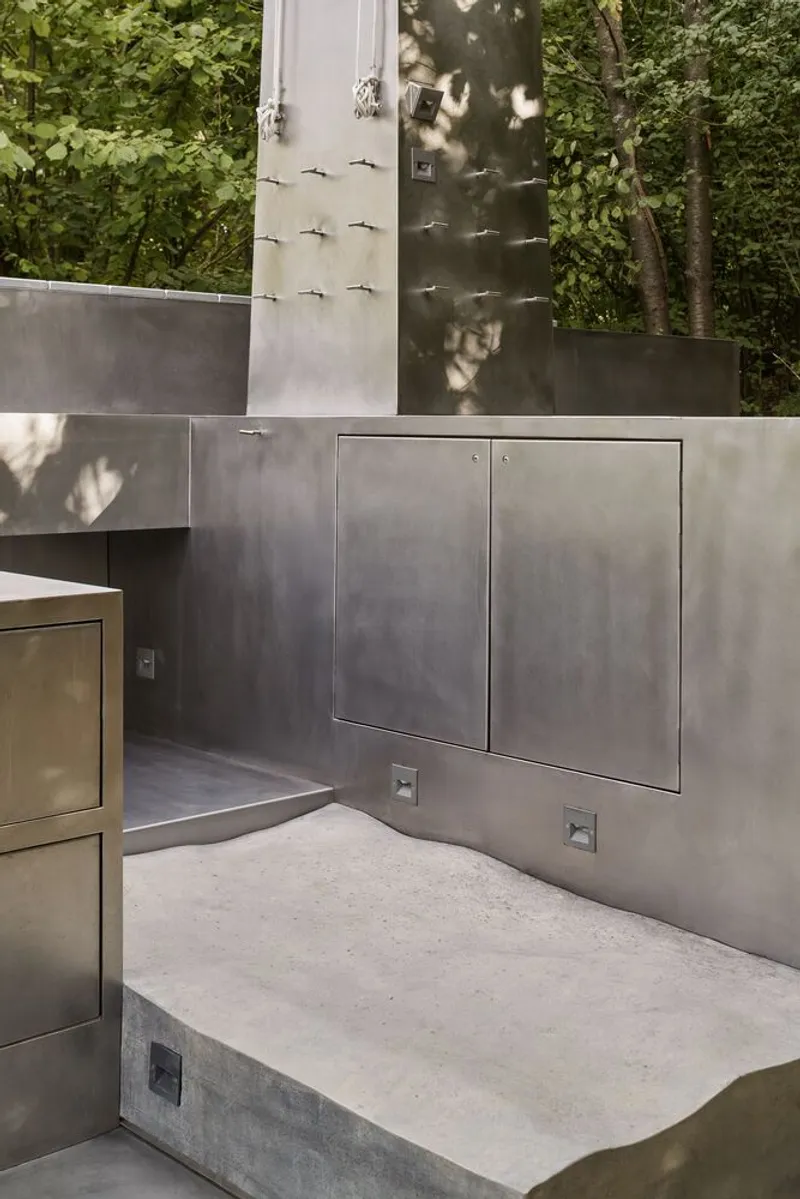
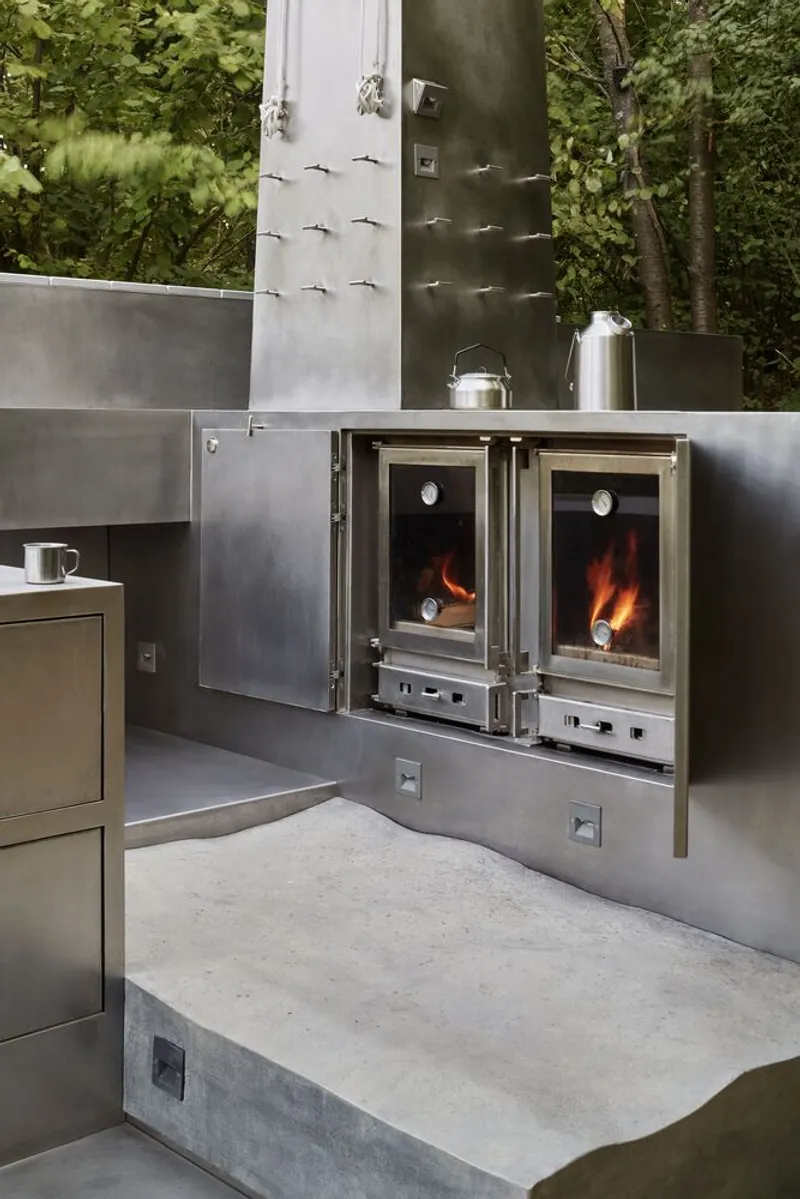
The room is imagined not as a private retreat, but as a shared public space where humans, animals, and natural systems cohabit in mutual respect. The absence of a roof or enclosing walls allows the sky, trees, and surrounding forest to become active participants in the architectural experience.
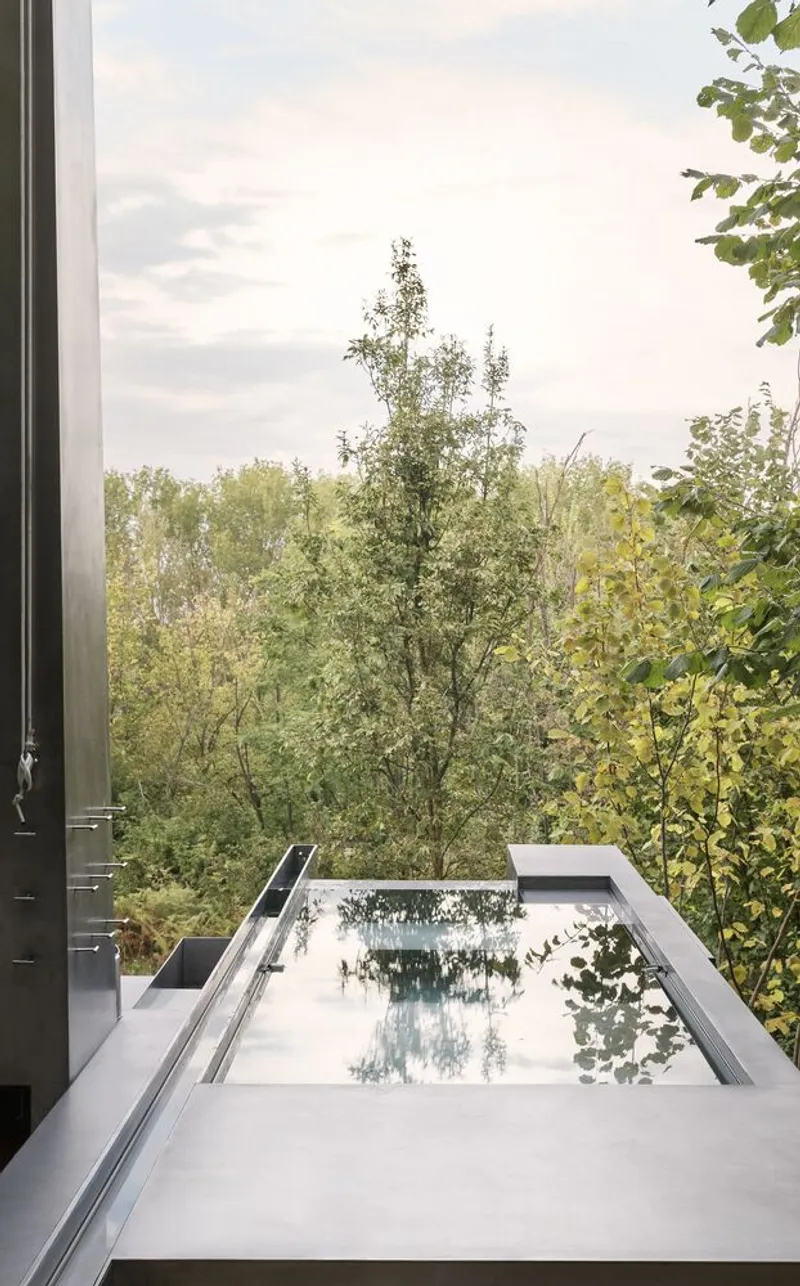
Primitive Rituals in Contemporary Form
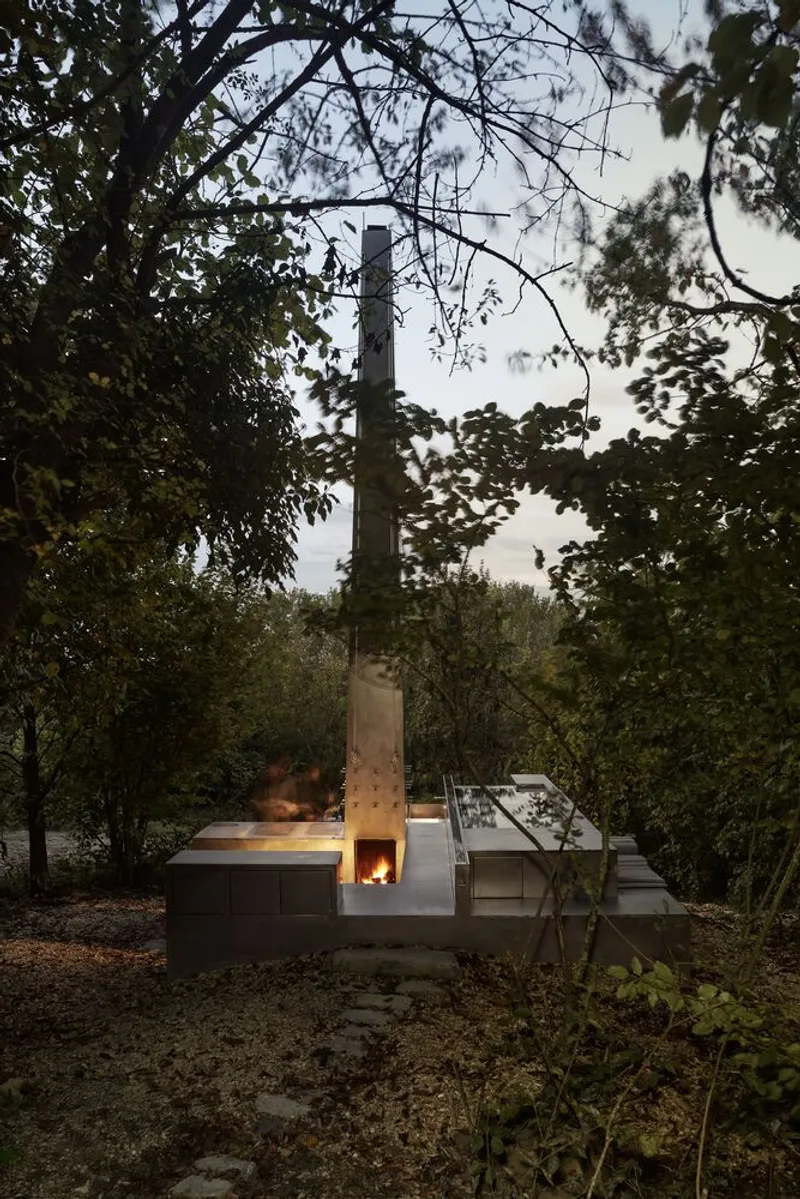
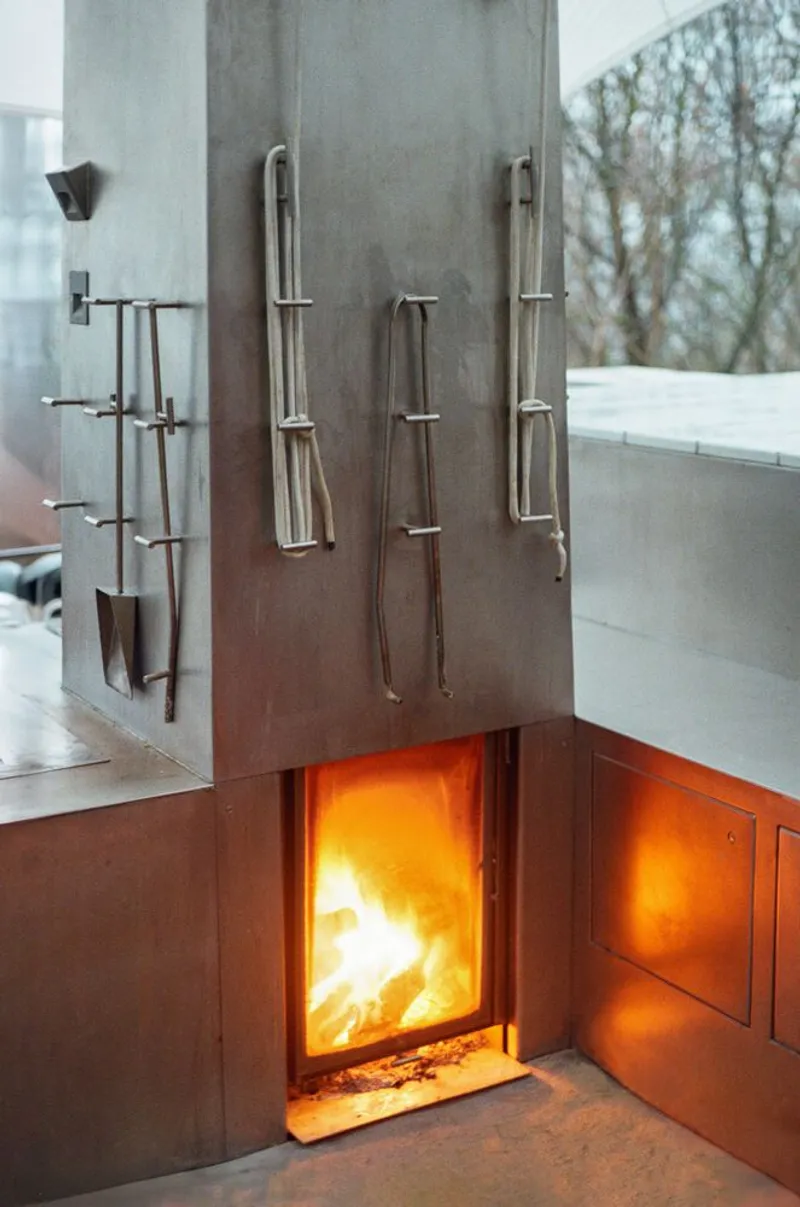
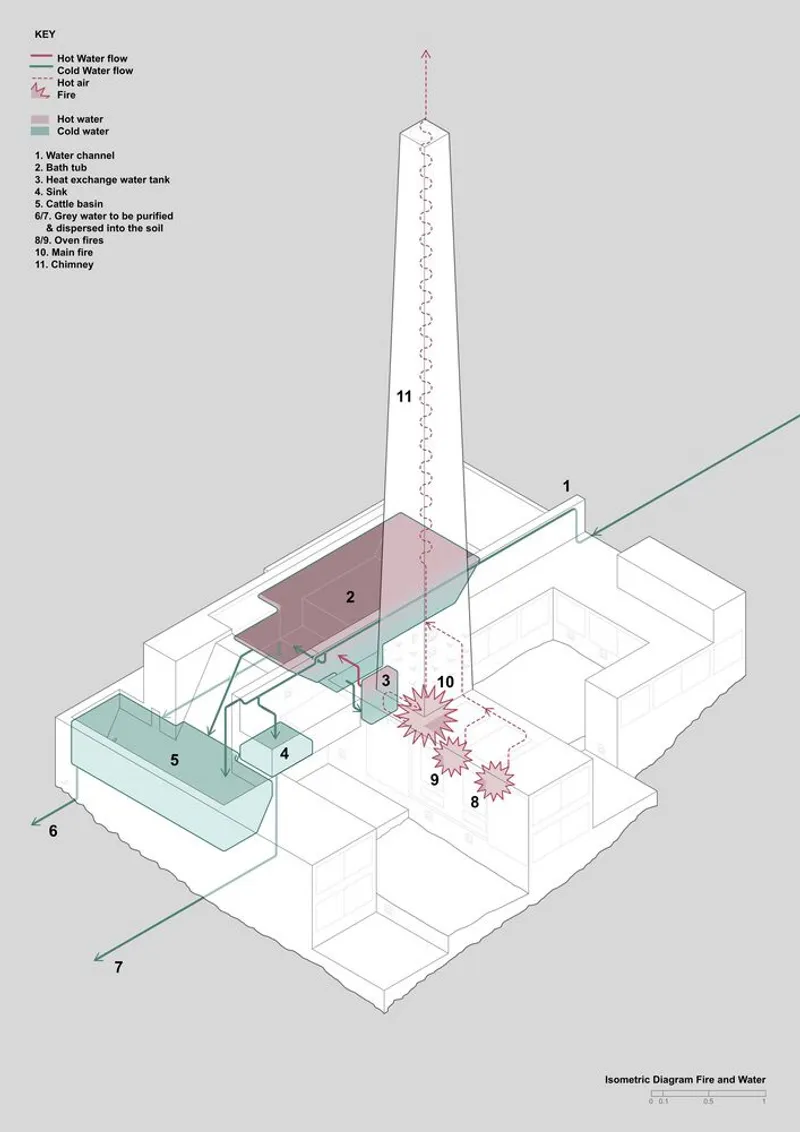
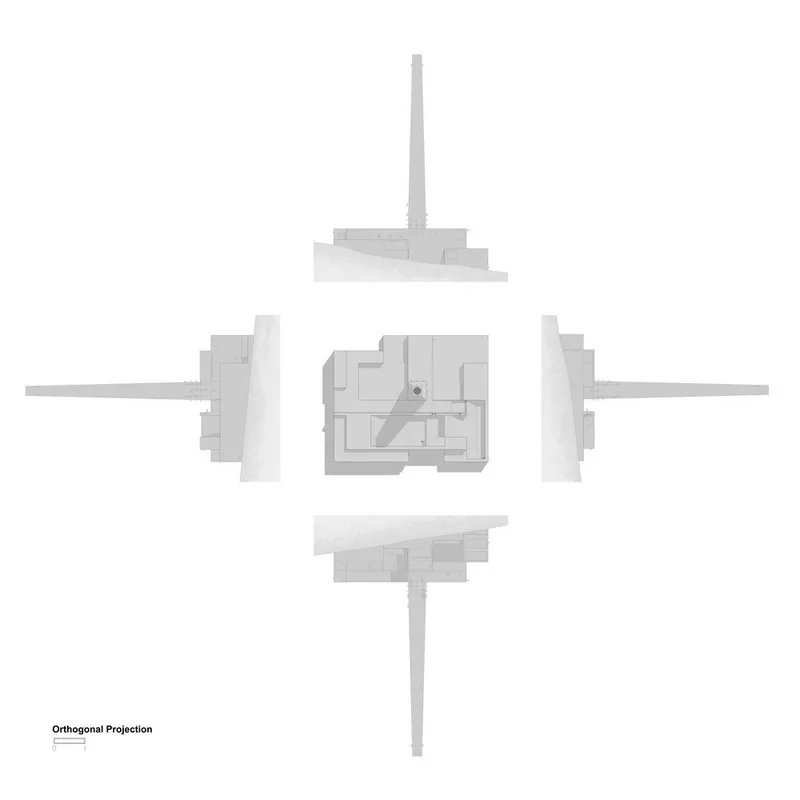
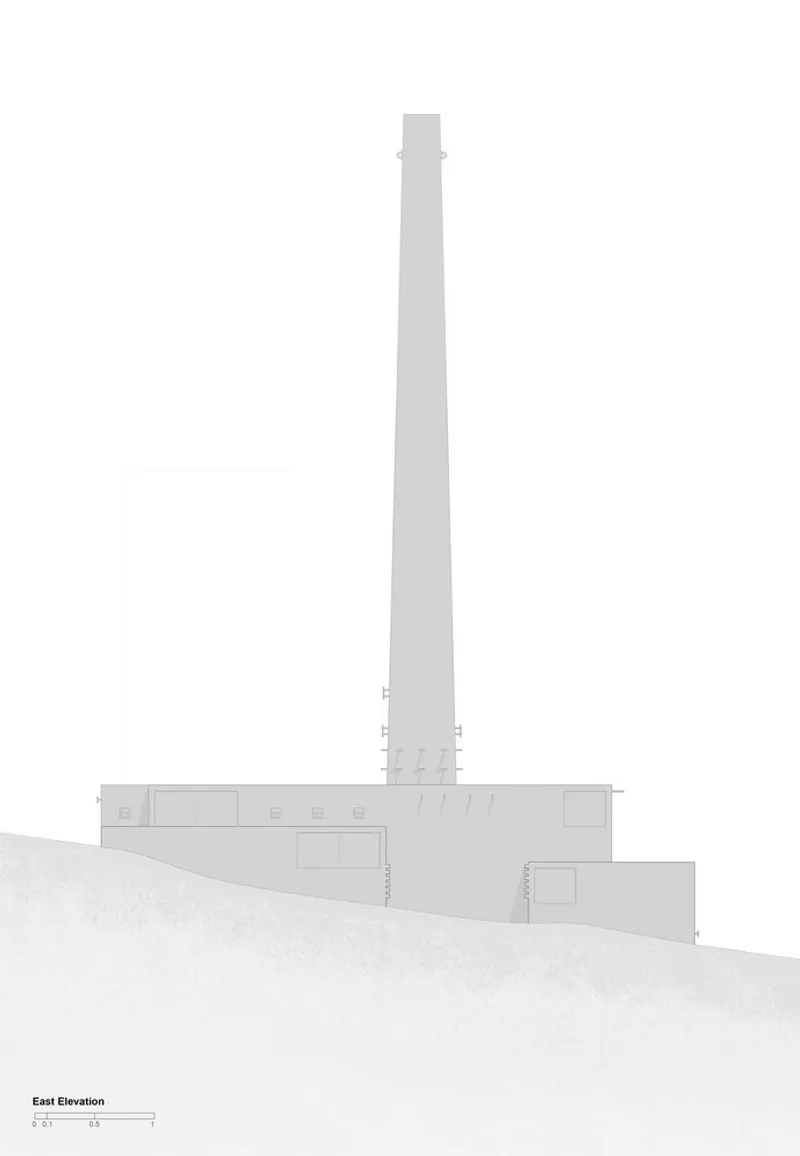
The Missing Room revolves around elemental rituals—eating, bathing, resting, and socializing—all unified under the sky. A monumental seven-meter-tall chimney anchors the space like a sculptural monolith. This chimney serves as the functional and symbolic heart: it powers the ovens, heats water for the baths, and emits smoke visible above the treetops like a beacon. The chimney’s verticality mimics the surrounding tree trunks, rooting the structure into its environment.
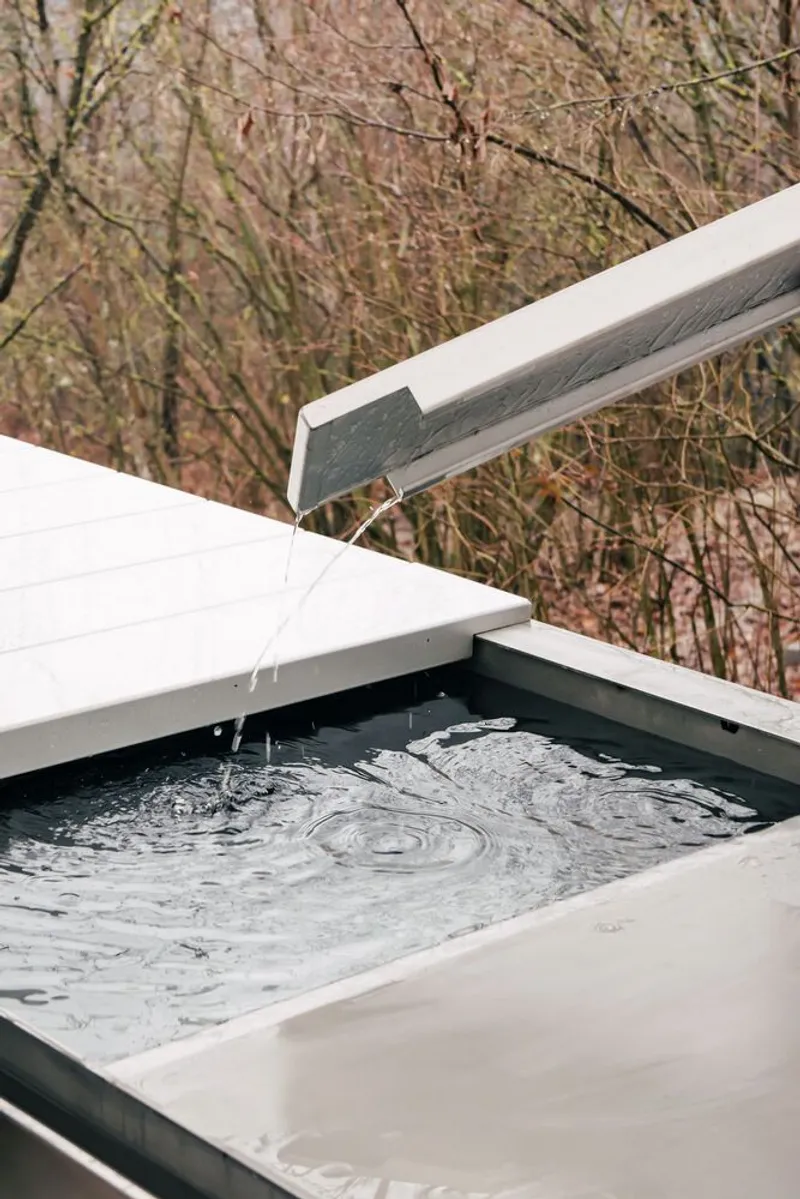

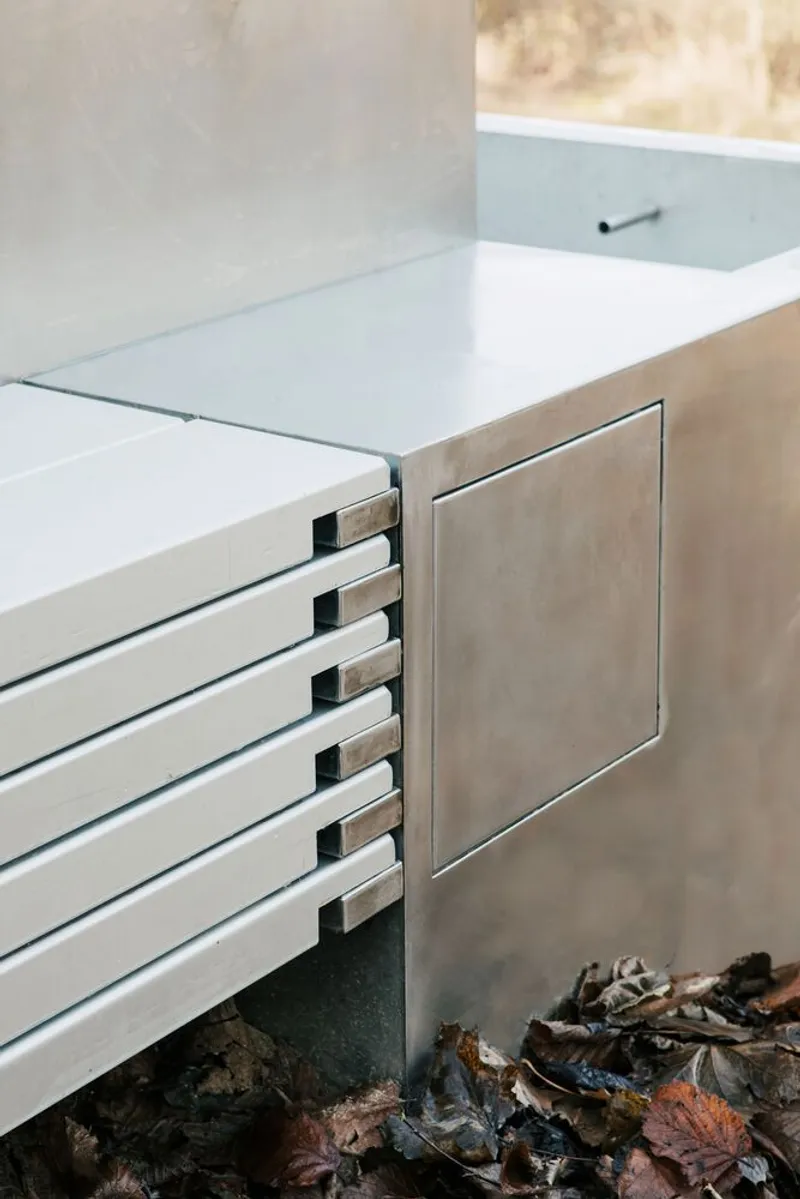
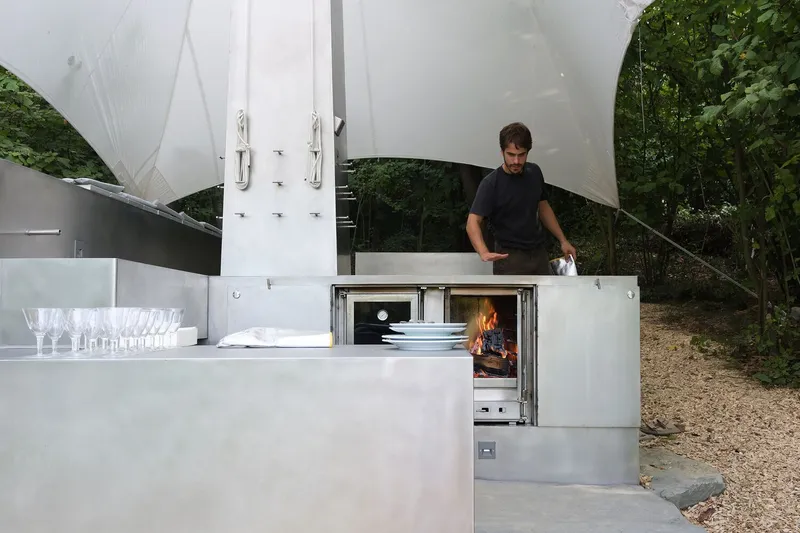
Fire is not just a tool but a performance. As someone tends a flame to cook, another bathes in the warm water, while a cow drinks from the same system’s trough. The overlapping of these primal functions is deliberate, emphasizing coexistence and dissolving modern domestic boundaries.
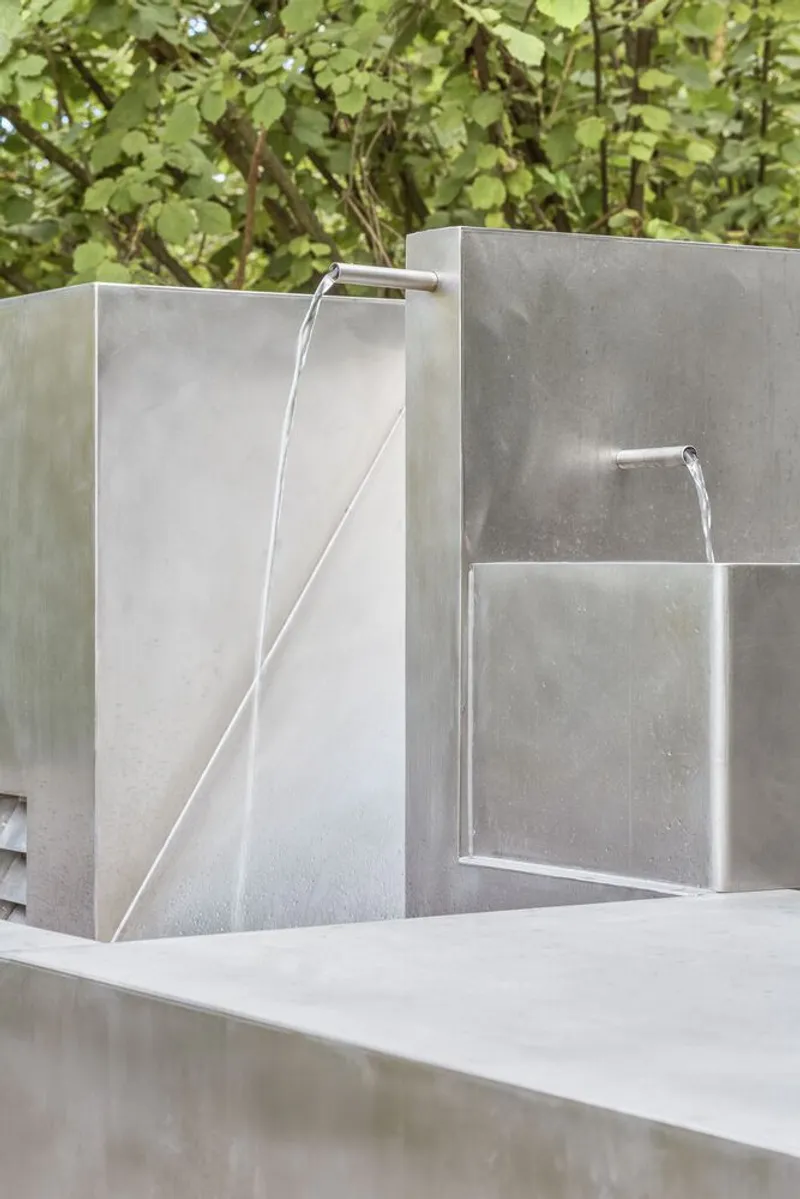
A Water System Designed for Interaction
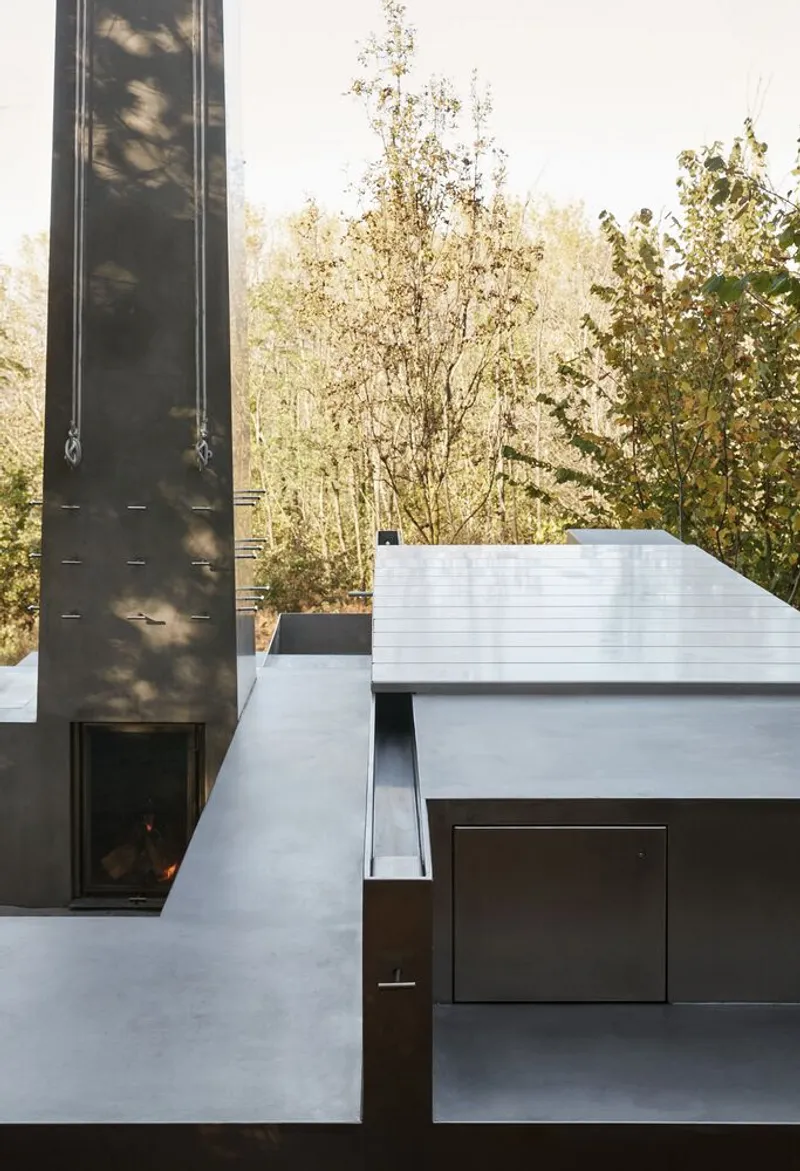
The water system is equally interactive and layered in design. Water is introduced at the entrance and then guided through collection channels that fill a variety of basins. Guests can adjust flow paths with plugs and locks, turning water into a participatory experience rather than a passive convenience.
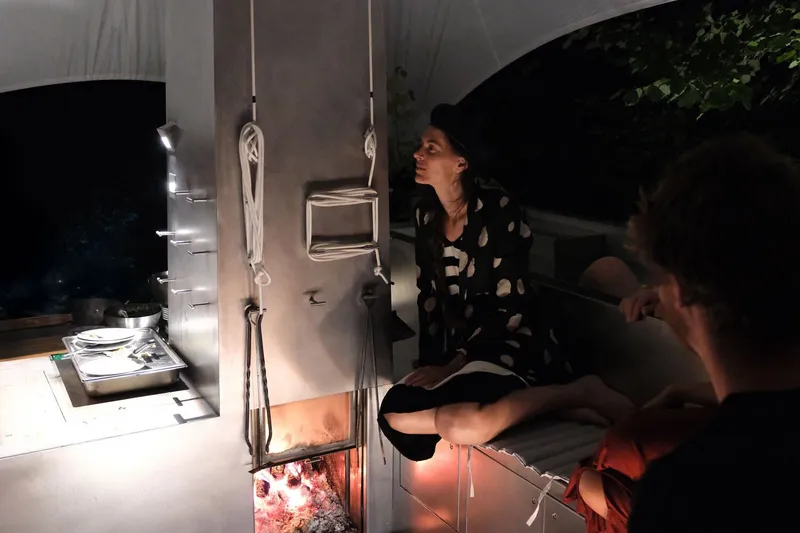
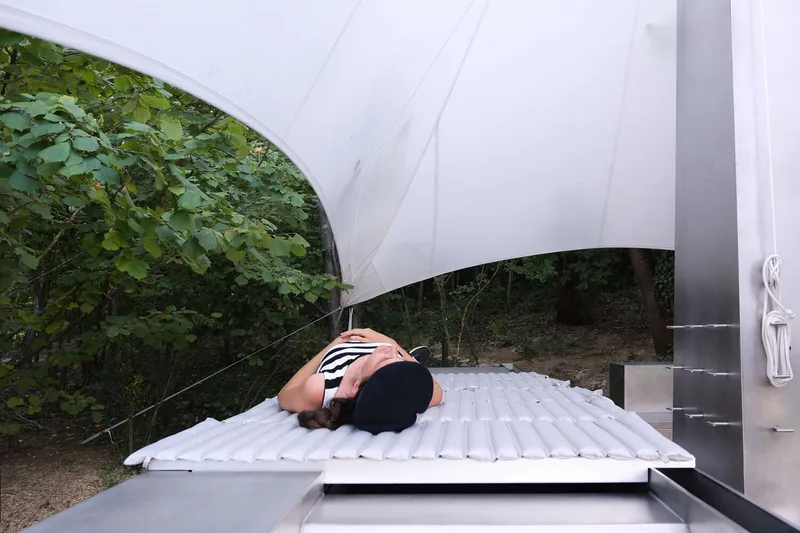
The bath—designed for either multiple users or solitary immersion—includes partitioning options and can be converted into a warm sleeping platform. It is both a ritual space and a resting ground, offering moments of reflection under starlight or shelter beneath the trees.
A Structure that Responds and Adapts
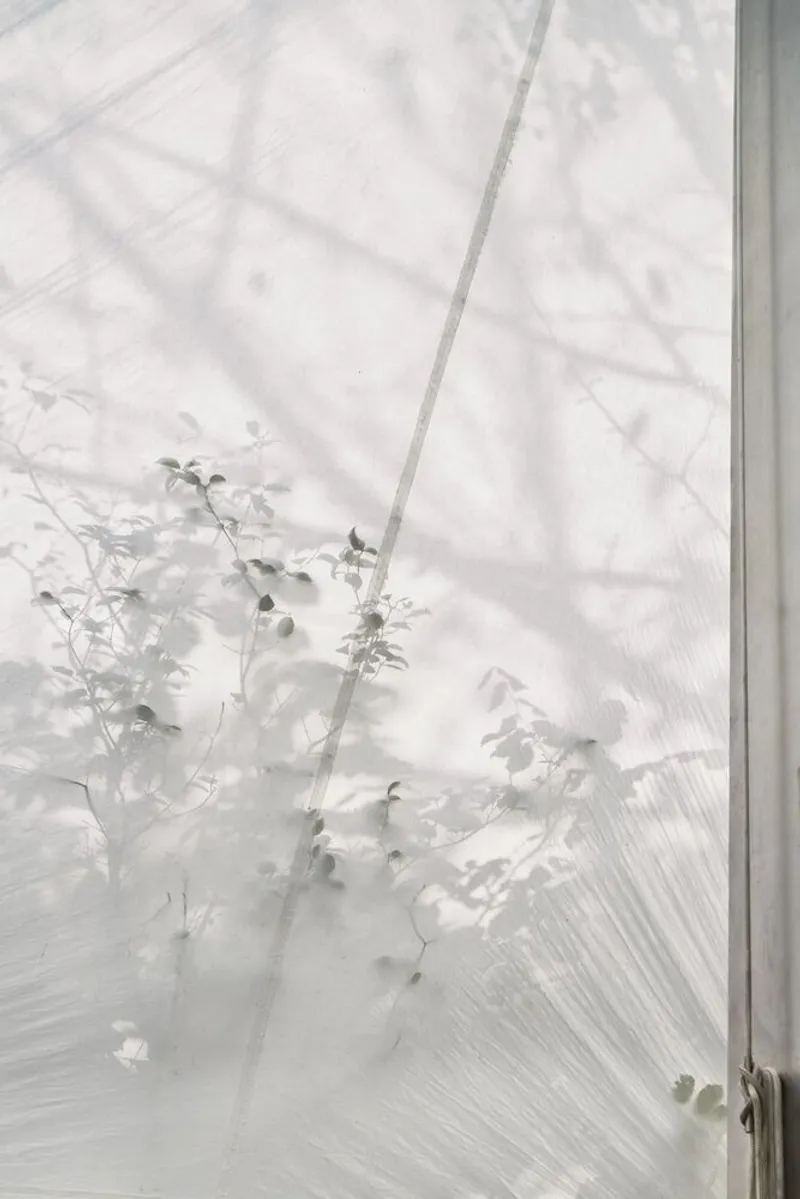
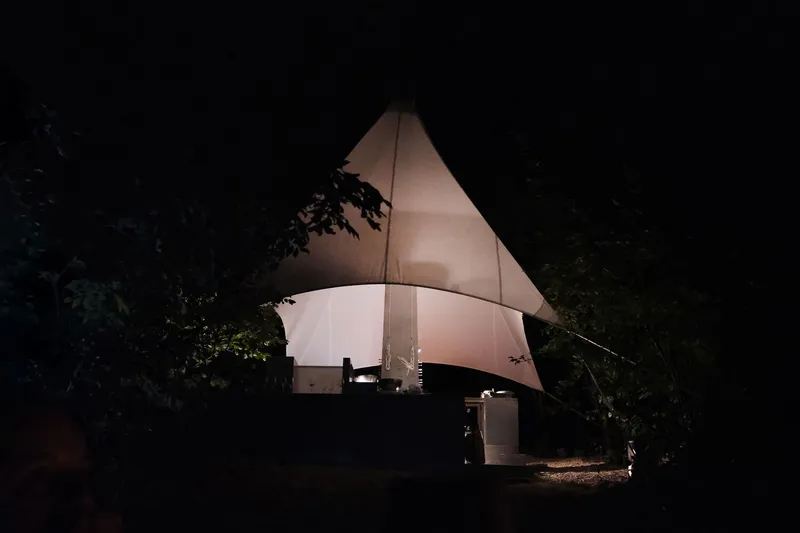
To accommodate shifts in weather and use, a sail canopy can be deployed. It attaches to the chimney and anchors into the earth, creating a temporary roof. During the day, it captures shifting shadows from the surrounding canopy; by night, it glows with warm light, casting the structure as a forest lantern. This adaptability reinforces the project’s ephemeral nature—here, architecture breathes with the environment rather than resisting it.
Ecological Design Principles Embedded in Every Layer
Material and ecological sensitivity guide every decision. The main structure is constructed from stainless steel—durable, recyclable, and non-reactive to weather. A modular, non-invasive screw-pile foundation ensures that the room can be removed without harming the land, leaving no permanent trace.
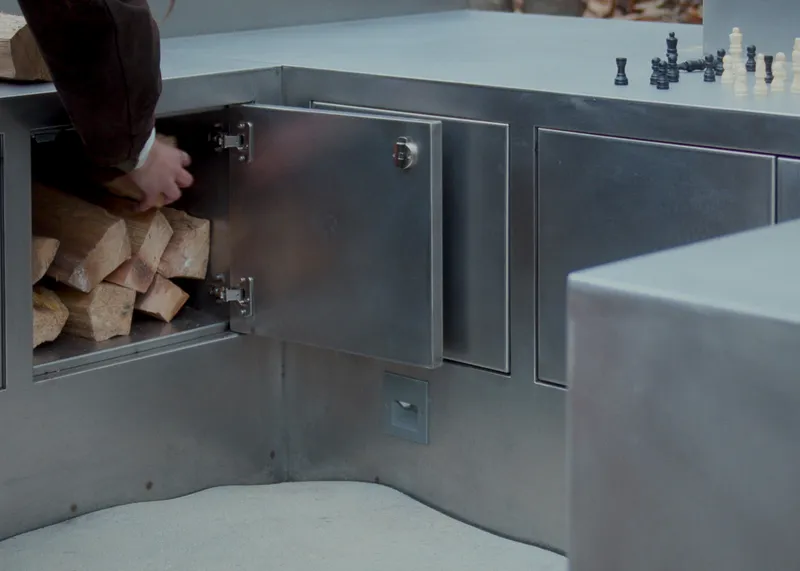
Energy and waste systems follow regenerative cycles: wood debris is collected and burned for heat; wastewater from bathing and cooking is filtered on-site and redirected to nourish the surrounding forest. This open-air architecture in nature is not an isolated intervention—it integrates seamlessly with the local ecosystem, supporting biodiversity through respectful coexistence.
An Invitation to Rediscover the Essentials of Living
The Missing Room is not just a spatial experiment; it is a call to reawaken forgotten rhythms of life. It asks us to slow down, engage the senses, and embrace the landscape with humility. By removing layers of protection, the architecture becomes an act of exposure—a reminder that we are guests in nature, not its masters.
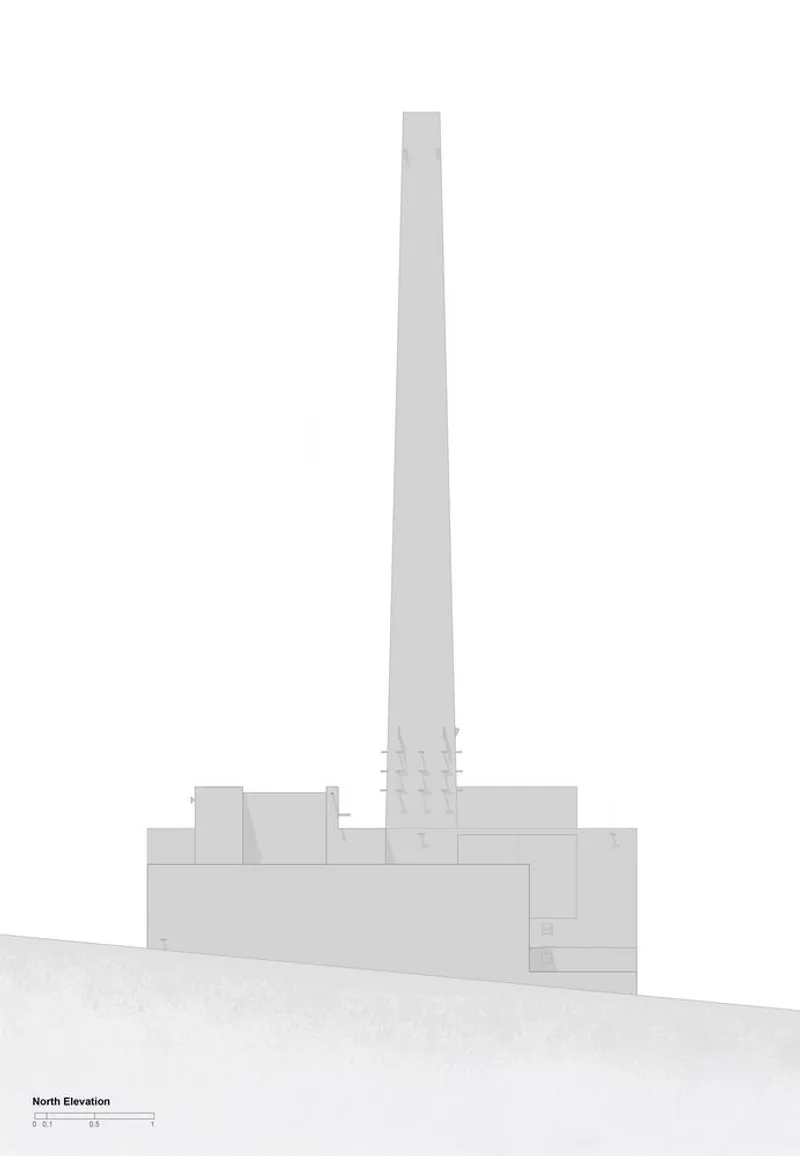
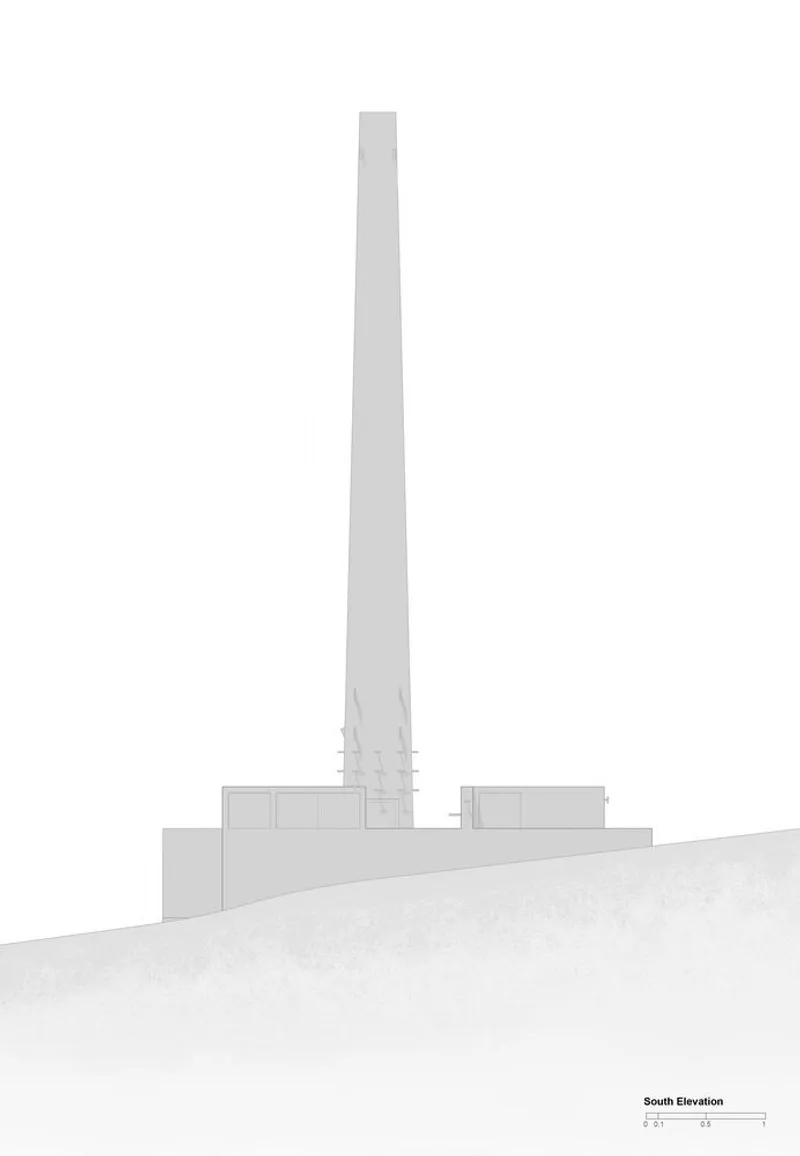
As the boundaries between dwelling and environment blur, Carroccera Collective’s design encourages a new understanding of space, one that places open-air architecture at the heart of sustainability, reflection, and renewal.
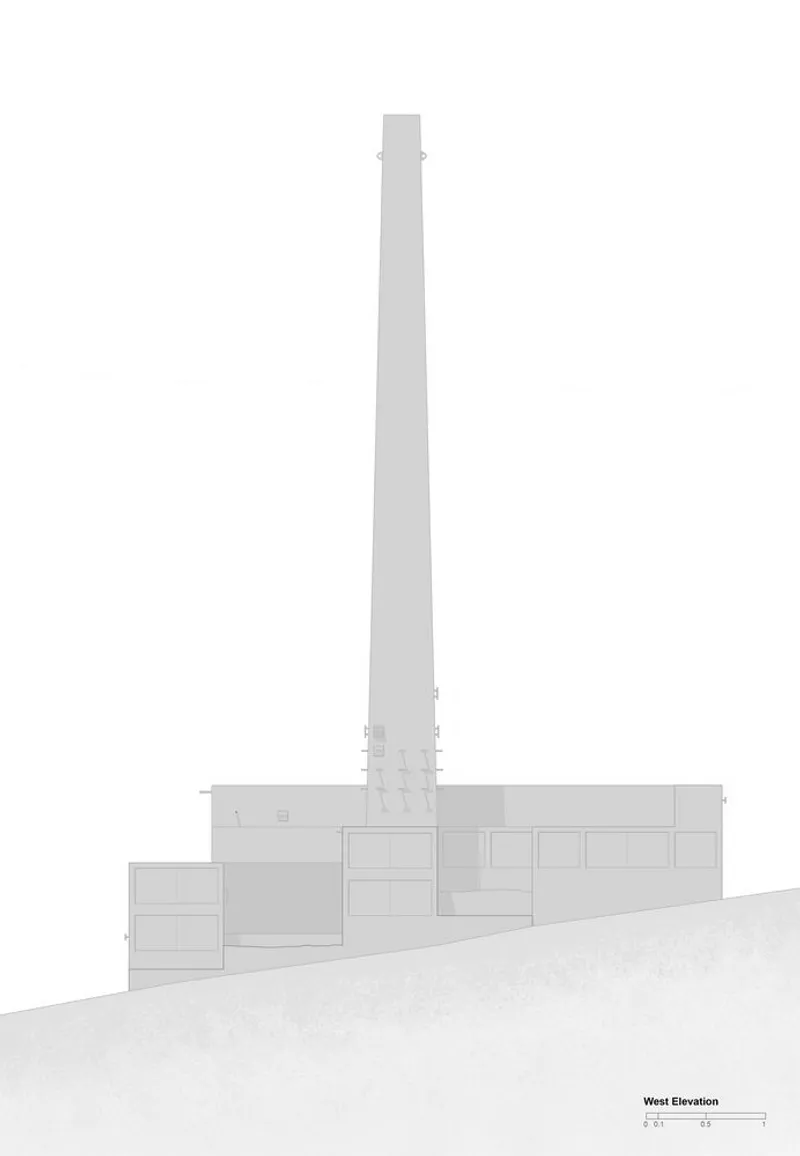
All Photographs are works of Alessandro Nanni, Carroccera Collective, Genevieve Lutkin


Popular Articles
Popular articles from the community


Singing Woman: Contemporary Architecture Inspired by Estonia’s Voice and the Sea
Singing Woman turns Estonia’s song culture into flowing opera house architecture, blending public life, landscape, sea, and national memory.

Temporary Home for Dogs: A Reversed Zoo Rethinks Animal Shelter Architecture
In Bucharest, a sinuous corridor and freed landscape flip the logic of containment, designing a shelter that works to make itself unnecessary.

Cloaked Colonization: A Mobile Underwater Habitat That Moves Like a Fish
Micah Abaya's shortlisted EHC Pacific entry reimagines ocean settlement as a dispersed network of self-sustaining architectural organisms.
Faces of the Soviet Avant-Garde: Turning Moscow's Street Names into an Open-Air Museum
A network of sculptural installations across a Moscow residential district transforms forgotten architect names into spatial encounters with cultural memor

Similar Reads
You might also enjoy these articles

Bamboo Housing Challenge 2026: Design Affordable, Sustainable Homes Using Bamboo
An international design competition by Bamboo U and IBUKU inviting architects and designers to reimagine affordable housing using bamboo — with the winning design built full-scale in Bali.

Computational Design & Education: Beegraphy Design Awards Introduces 7th Category (Featuring Jiyun's Innovative Approach)
Dive into Beegraphy’s 7th Design Awards category, where computational design meets education to create immersive, interactive learning tools, inspired by Jiyun’s work.

From Parametric Lighting to Urban Furniture: Join the 2nd Workshop in Beegraphy’s Computational Design Series
Dive into Cutting-Edge Design Techniques and Practical Applications with Industry Experts

Last Call: Unleash Your Architectural Genius in SHAK's Kindergarten Design Competition
Urgent call for architects to join SHAK's kindergarten design competition before the looming deadline

Explore Natural Architecture Competitions
Discover active competitions in this discipline

Challenge to reimagine the Iron Throne

Photograph architecture without architects

Illustrate the lost glory of Angkor Wat - Render Challenge

Design challenge to reuse E-waste
Comments (0)
Please login or sign up to add comments
No comments yet. Be the first to comment!