
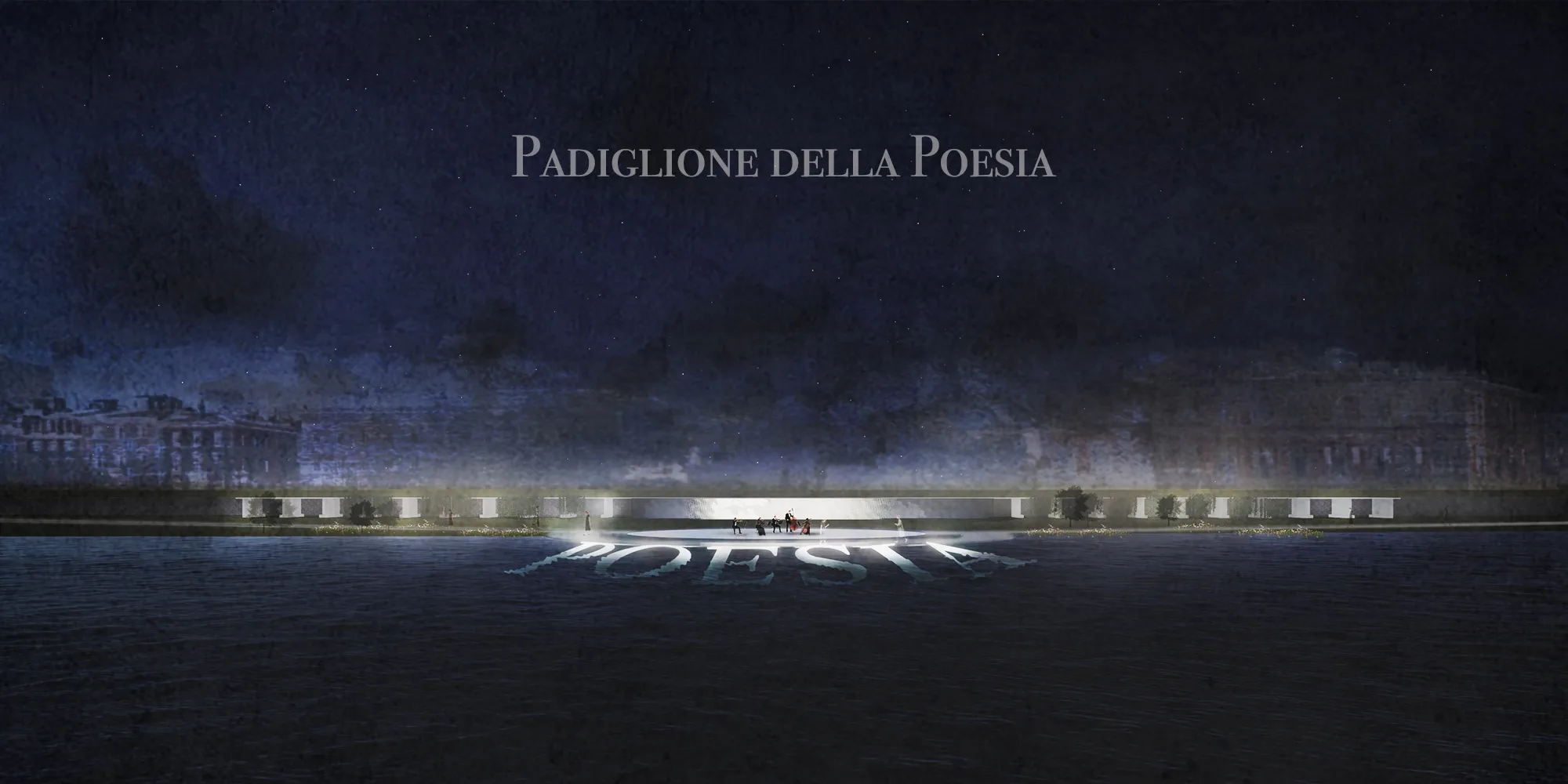
Padiglione della Poesia
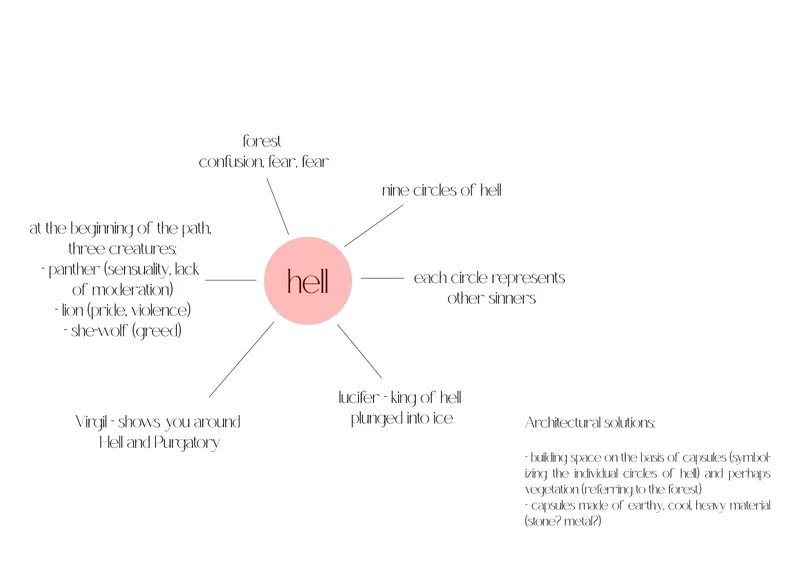
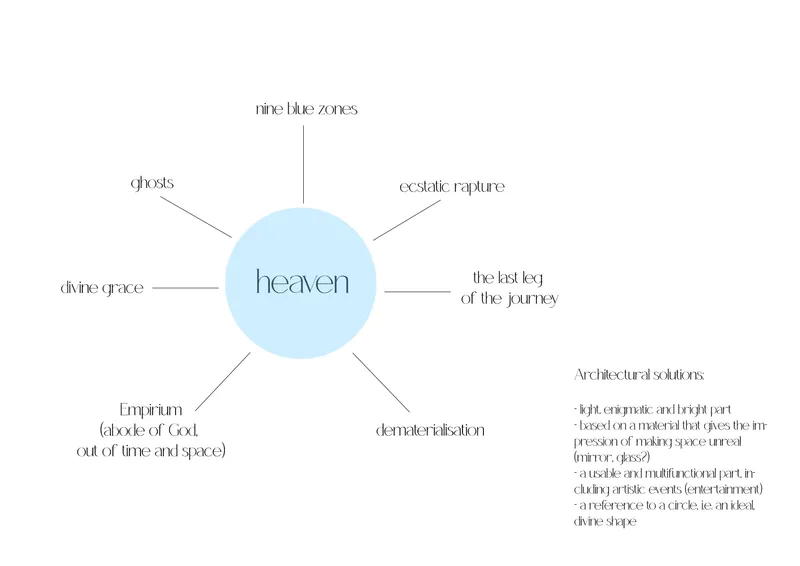
The aim of our project was to create a space that respects nature, in correlation with the surroundings, referring to the history and culture of this region. Our project was inspired by poetry itself, in particular the poem "The Divine Comedy" by Dante and its journey through the underworld, as well as the symbolism of numbers.

Project description
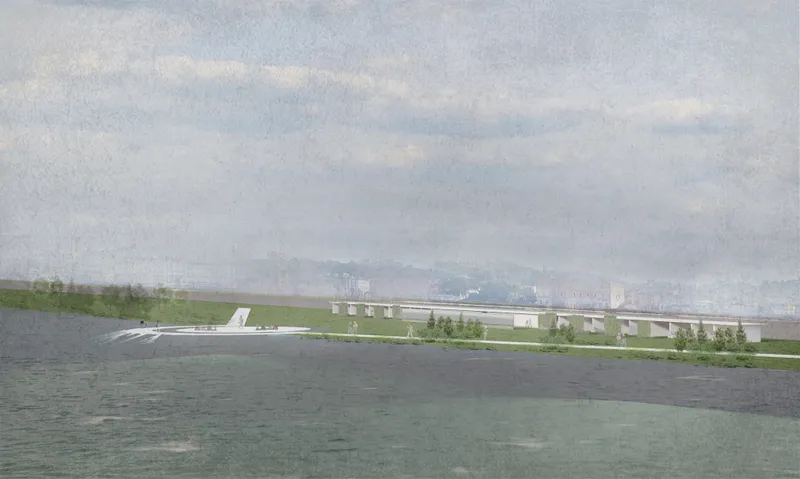
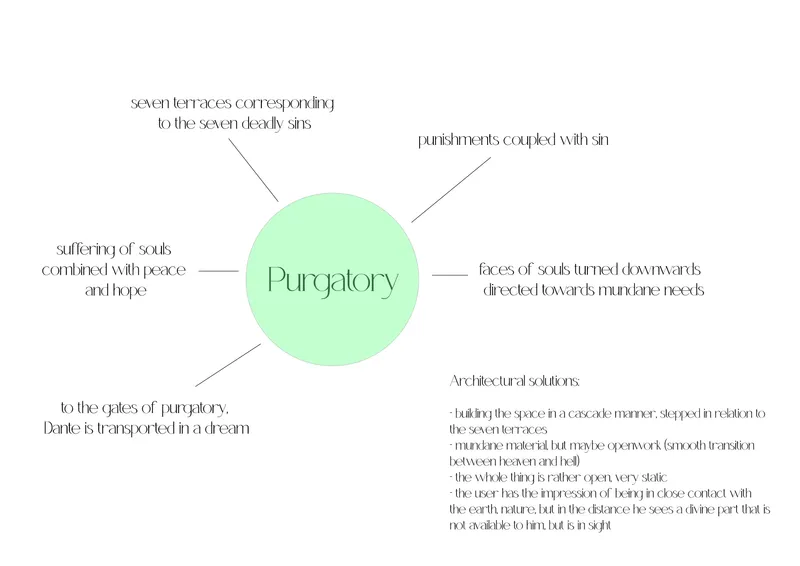
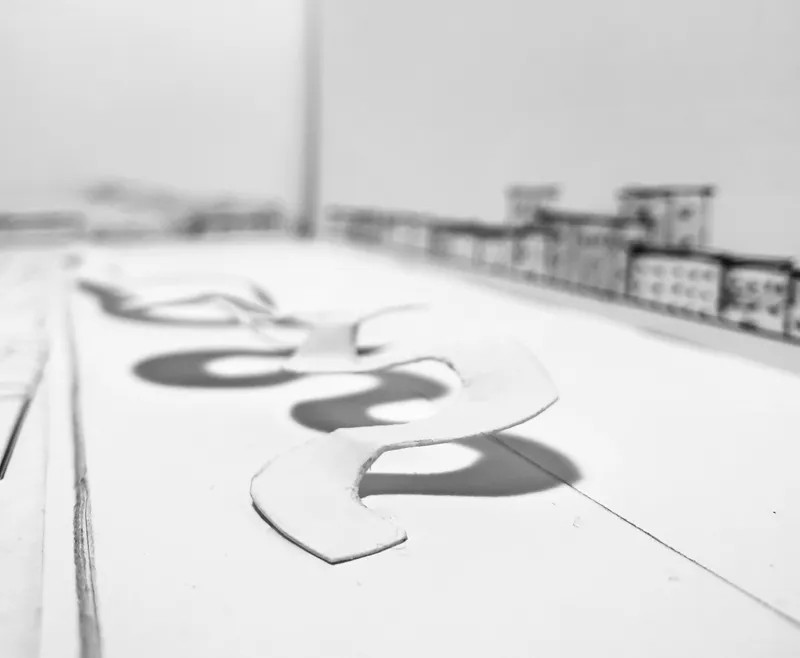
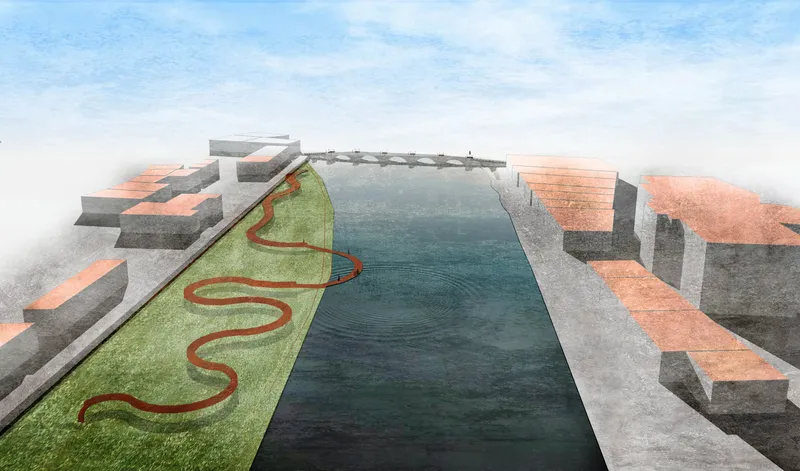
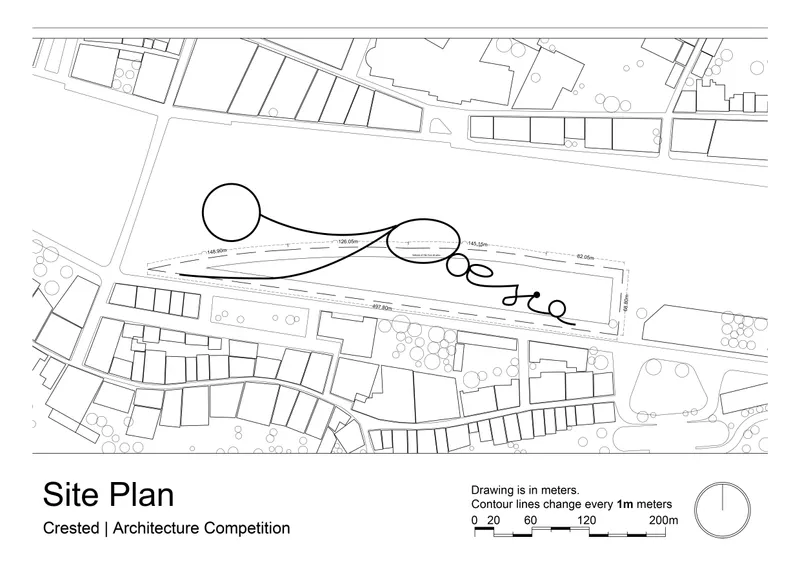
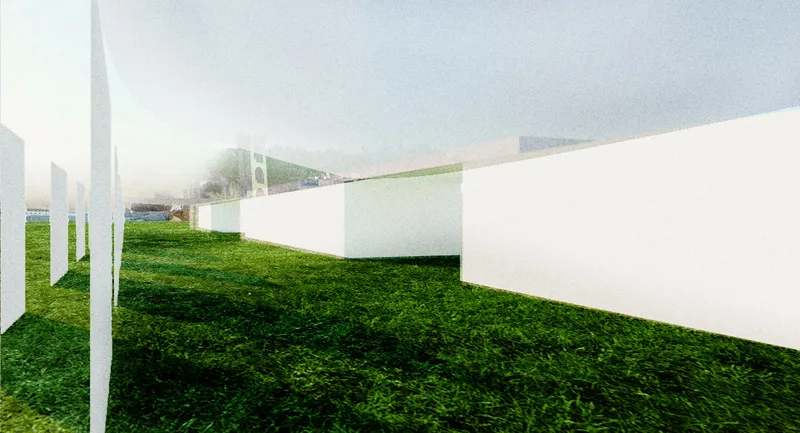
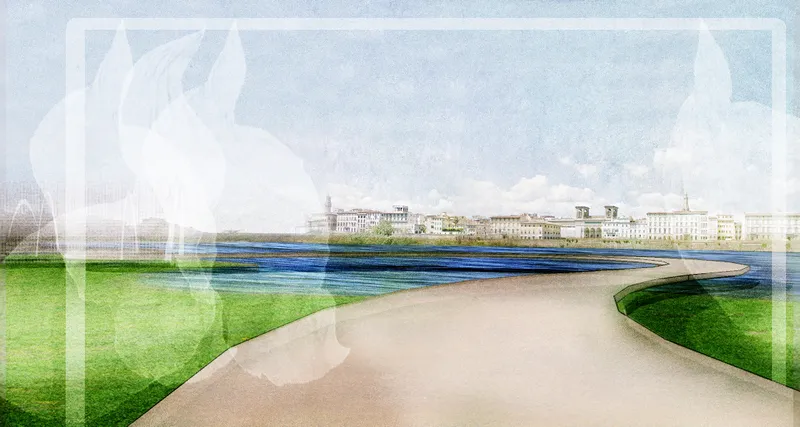
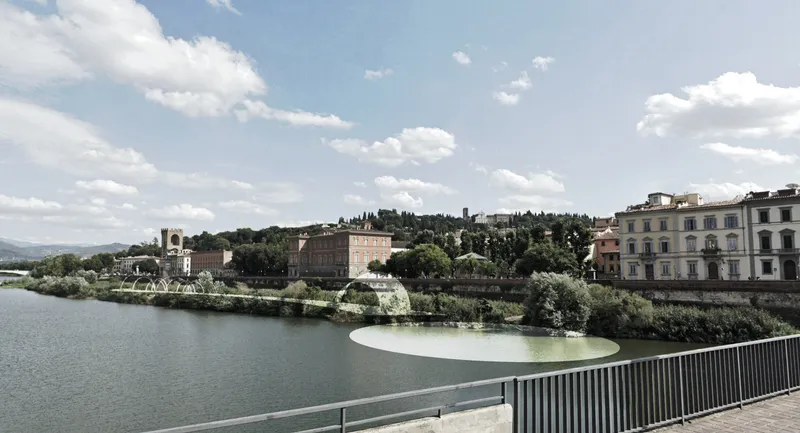
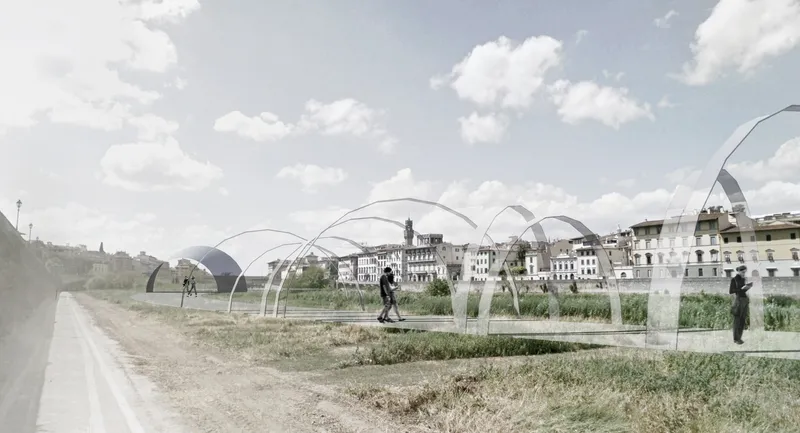
Close to the wall separating the river bank from the street, in the central part, we have placed catering and sanitary points, and on their sides, covered with stone seats, providing shelter for users on hot days. There are 9 lounge recesses on each side, referencing 9 circles of hell in a poem by a Florentine writer. It is at the same time the most dense part by us and the most down-to-earth part, focusing on basic human needs, and therefore the least spiritual. Also, the material from which its individual components were made, i.e. stone, brings to mind a coldness similar to that of the kingdom of Lucifer. The highlight of the project is a transparent round stage on the water, which allows users to relax during the day, who have the opportunity to place sun loungers on it and admire the beautiful city landscape, while at dusk it creates favorable conditions for staging performances, organizing poetry evenings and all kinds of other cultural events. There are two footbridges made of toughened opal glass on the opposite sides leading to the stage itself, turning in the central part of the river into the inscription "poesia", facing the Central National Library in Florence, located on the other side of the river. There is a circle of water between the glass stage and the footbridges, resulting from the leveling of the terrain. This part of the pavilion is a refection of Dante's heaven, dematerialized thanks to transparent materials, blending with the surroundings during the day, and shimmering in the background of the Florentine panorama at night thanks to light illuminations. The transition zone between the earthly part of the hell and the heavenly part set on the water is a series of planes arranged in such a way that from the front they give the impression of a coherent surface, losing its edges on the sides, but in fact it is a composition of vertical partitions arranged in such a way as to create transitions between which users of the pavilion can move about. The main partition separating the service part from the city panorama is made of a translucent mirror, while the shorter partitions following the stone seats are made of metal mesh. On the one hand, both of these materials divide the open space, and on the other hand, they provide a partial insight into what is happening at the river bank, thus putting the visitor in the role of a voyeur. Here we again respond architecturally to Dante's work, because on both sides of the mirror wall there are seven mesh surfaces, thus referring to the 7 terraces of Purgatory, symbolizing the 7 deadly sins. The green belt allows users to spend their free time in nature, organize picnics, light a barbecue or provide a playground for children. Dante's poem is referred to not only by numerical references or divisions into zones, but also by light illuminations, dematerializing the waterside zone, giving it a truly heavenly dimension.
Concept phase
We started work on the project from the conceptual stage, which consisted in analyzing the existing and conceptual implementations of river bank development all over the world, moving to the analysis of the region, and ending with clarifying the inspiration that the title poetry has just become. After moving to the design phase, we prepared a number of sketches and mock-up models, thus looking for means of expression to illustrate our idea. After clarifying the concept, we moved to modeling the pavilion in the 3D program and creating its technical documentation in the form of a top view as well as longitudinal and transverse sections. The subject of our considerations was both the creation of a new functional layout of the existing space, the appropriate selection of materials and colors consistent with our concept, the design of service points and the selection of an appropriate font for the inscription correlated with the footbridge on the water.
Adaptation of space in the event of a food
In order to protect against fooding, service and recreation points have been placed by us closer to the wall on the natural elevation of the area, while the footbridge and stage made of glass look visually effective and still correspond to our assumptions also under the surface of the river.
Design idea
The key assumption of our project was to create a multifunctional space, enabling both relaxation and active leisure, providing shelter from the heat and exposing yourself to it, taking an active part in the cultural life of the city as a rest from its tourist side, because the space was mainly by us designed for the inhabitants of Florence.
Possible interference
The Poetry Pavilion is so little interfering with the existing shape of the surface and the current state of the structural development, it works more like a scenography than a massive architecture, thus giving space for changes in its area, more or less permanent, but stylistically obliging to keep "breath". Rather, it tends to expand it with small architecture or periodic installation.

Popular Articles
Popular articles from the community


Conexión: Biophilic Design Reimagines High-Rise Living in Hong Kong
Conexión reimagines high-rise living in Hong Kong through biophilic design, green facades, shared spaces, daylight, water and nature within.

Riyadh For All: Intergenerational Urban Design for Active Aging in Rabat
Riyadh For All reimagines urban design in Rabat with intergenerational co-living, adaptive courtyards, and Moroccan cultural exchange today.

The Earth Pod: 3D Printed Homes for Resilient Refugee Communities
The Earth Pod reimagines refugee housing through 3D printed homes made from clay, combining resilience, self-sufficiency, and rapid shelter.

Co-life: Sustainable Architecture for Age-Friendly Community Living
Co-life reimagines sustainable architecture for seniors through courtyards, rammed earth, shared gardens, and spaces designed for belonging.


Similar Reads
You might also enjoy these articles
The Rhythm of Seasons
A Farmers' Market Connecting Nature and the City

More Than a Building-Designing a Living System
More Than a Building-Designing a Living System
Base Beyond
DESERT COMPOUND ARID: TOURISM OF ABSENCE AND ABUNDANCE
Comments (0)
Please login or sign up to add comments
No comments yet. Be the first to comment!