

Itzamna's Gift
Where Nature Meets Divinity

In Maya mythology, Itzamna, the god of wisdom, creativity, and the source of life, became the inspiration for our project. Named after him, Itzamna’s Gift is designed as a museum experience that aims to bring the sacred meaning the Mayans attributed to the cacao plant and their profound connection with nature into the present day. For the Mayans, cacao was not just a source of nourishment but a gift from the gods to humanity. In this project, we aimed to combine this ancient gift with the sanctity of nature to offer visitors an unforgettable experience.
The museum’s slogan, "Where Nature Meets Divinity," reflects the essence of the project. With this idea in mind, we focused on creating a space that reimagines the relationship the Mayans had with nature. Our goal was to ensure that visitors could become part of this connection not only visually but also spatially and experientially.
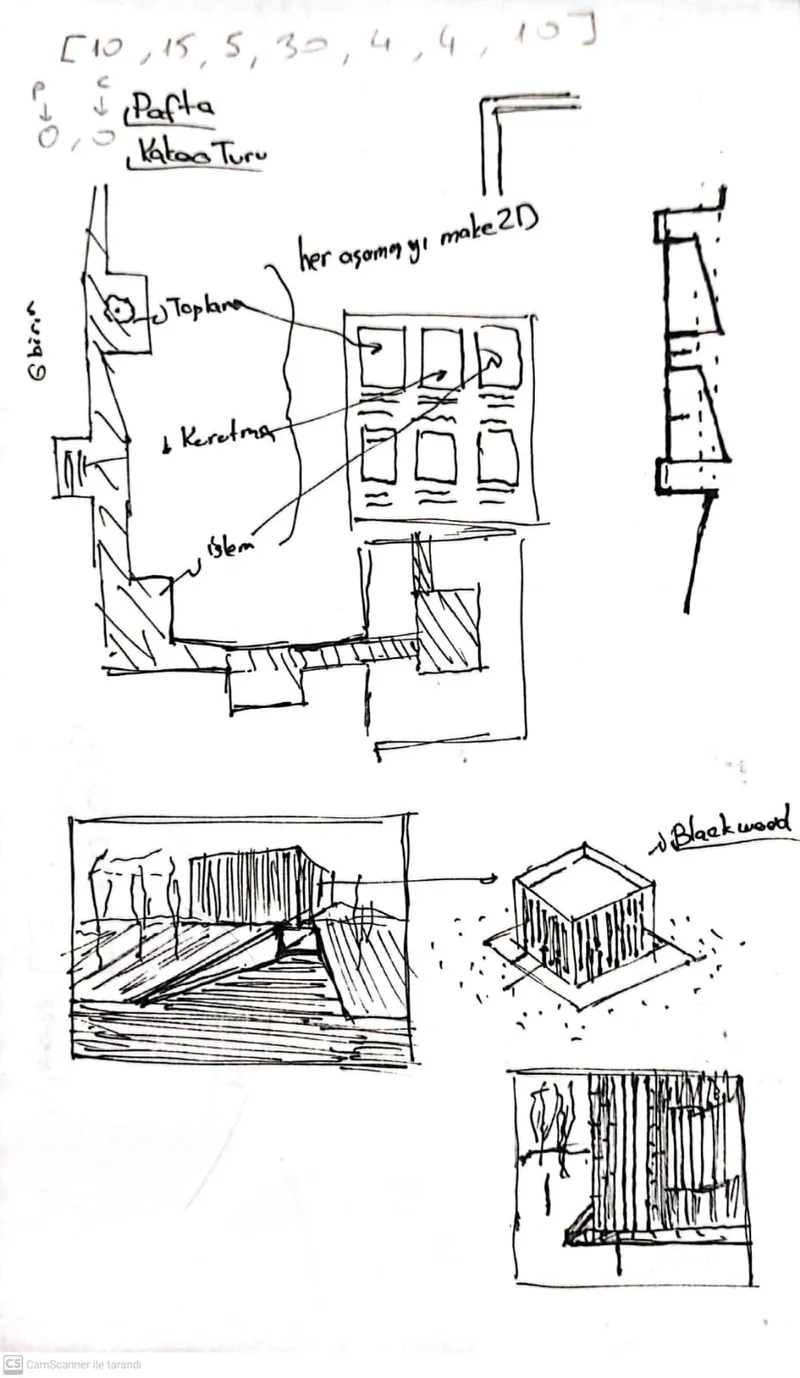
In the initial stages of the project, we conducted an in-depth study of the Mayans' life sources, rituals, and their relationship with nature. For the Mayans, water was the fundamental source of life. Cisterns and underground water systems were a crucial part of their survival strategies. This knowledge shaped the underground concept of the project. A design that maintains the perception of a cave underground was combined with the idea of collecting and storing water. We integrated a cistern into the lower level of the museum, reinforcing the cave-like atmosphere. This space was designed not only as a water reservoir but also as a ritual point that enhances the sense of sacredness. This connection with water and nature provided visitors with an environment where they could directly experience the Mayans' worldview.
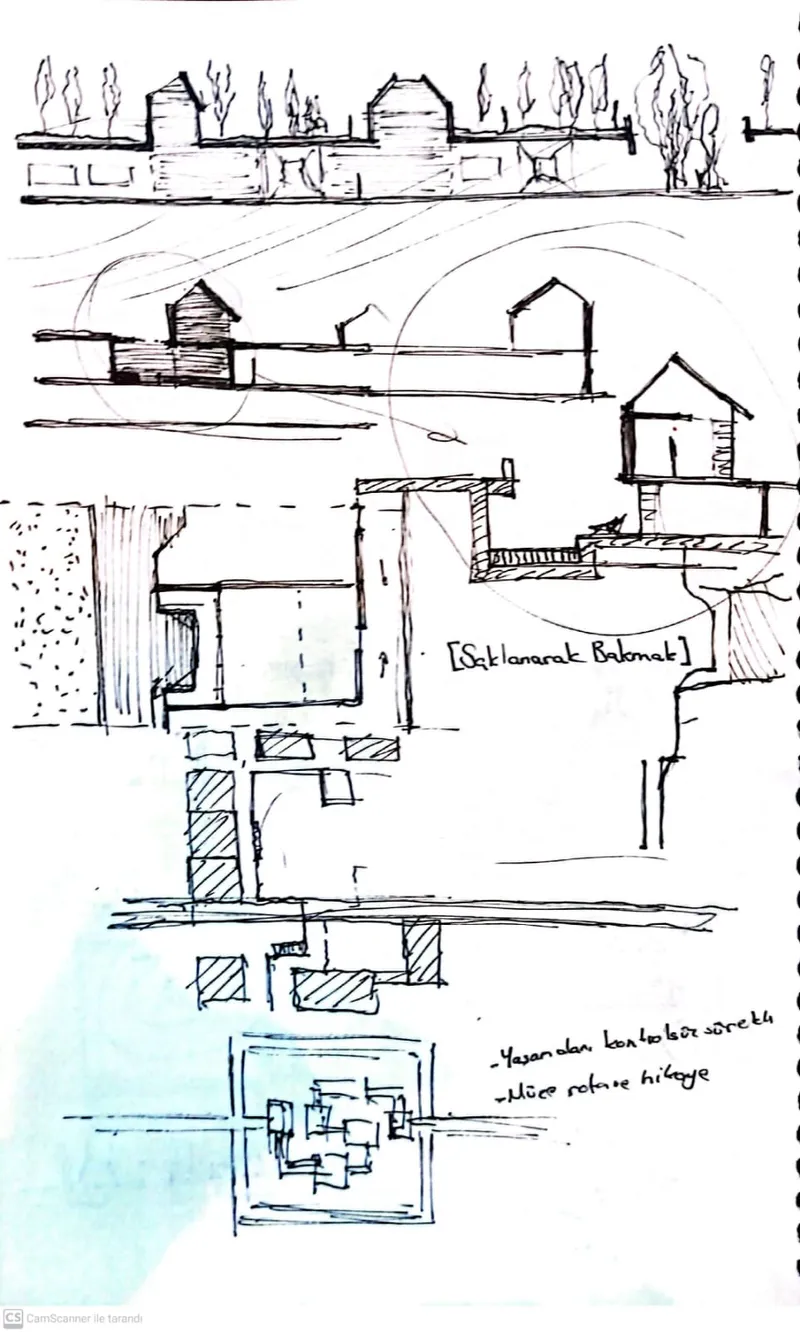
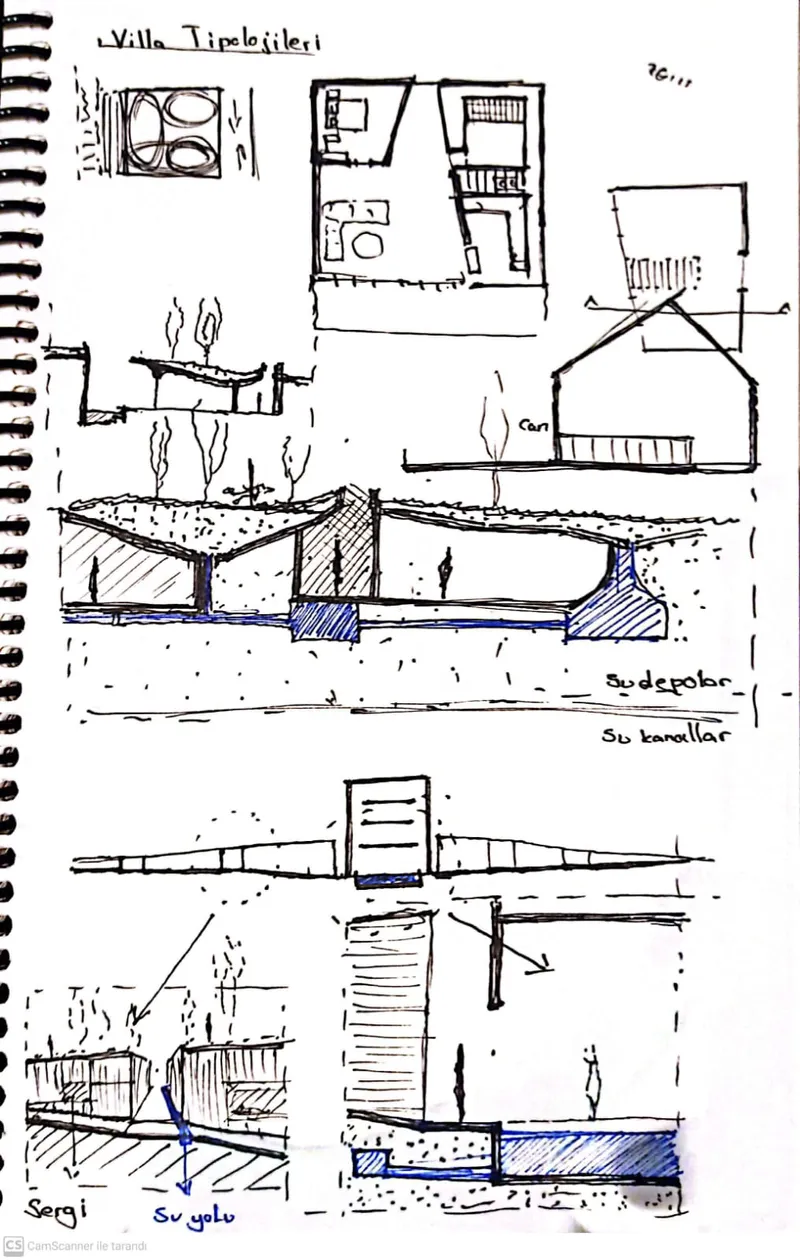
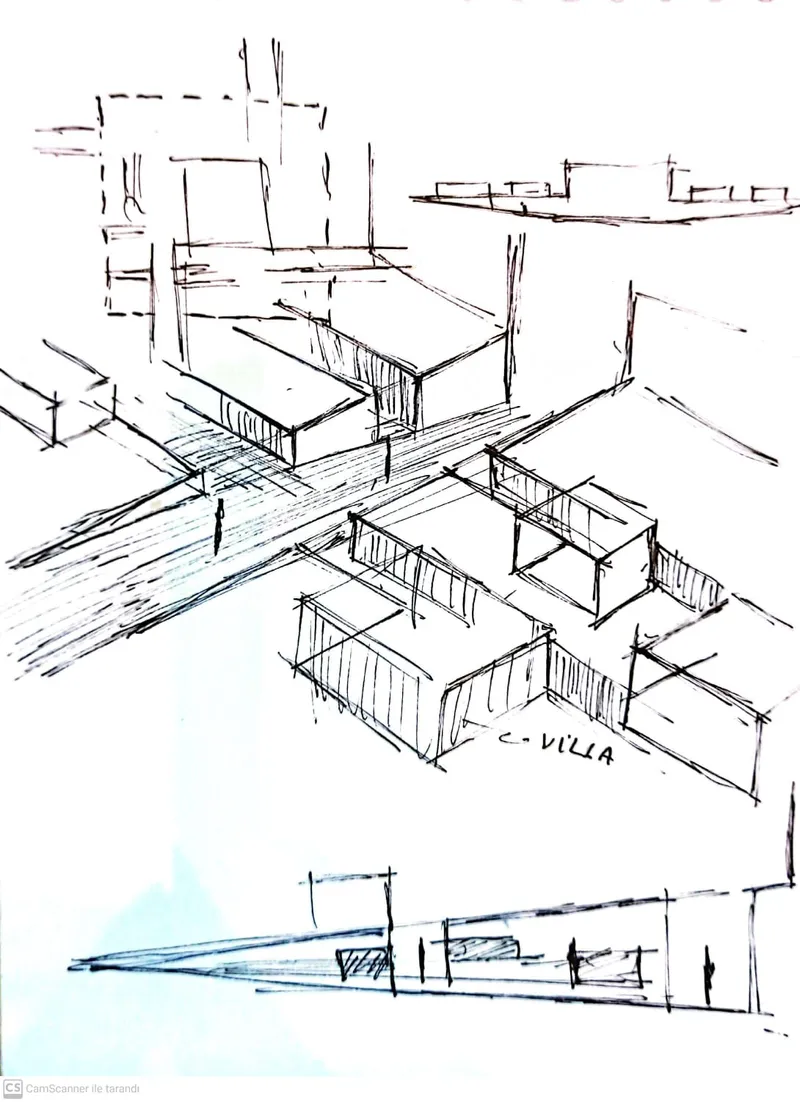
Above ground, the museum rises in the form of a cube, reflecting the geometric simplicity of Mayan temples and sacred structures. This form is not merely an aesthetic choice but also a reference to the Mayans' cosmological beliefs. The cube represents cosmic order, stability, and the source of wisdom. This structure was designed as a symbol that invites visitors into a ritual, where wisdom and sacredness are reflected in the space. At the same time, it ensured a seamless connection between the exhibition areas and the cacao plantation. As visitors experience these transitions, they become not just observers but active participants in the process.
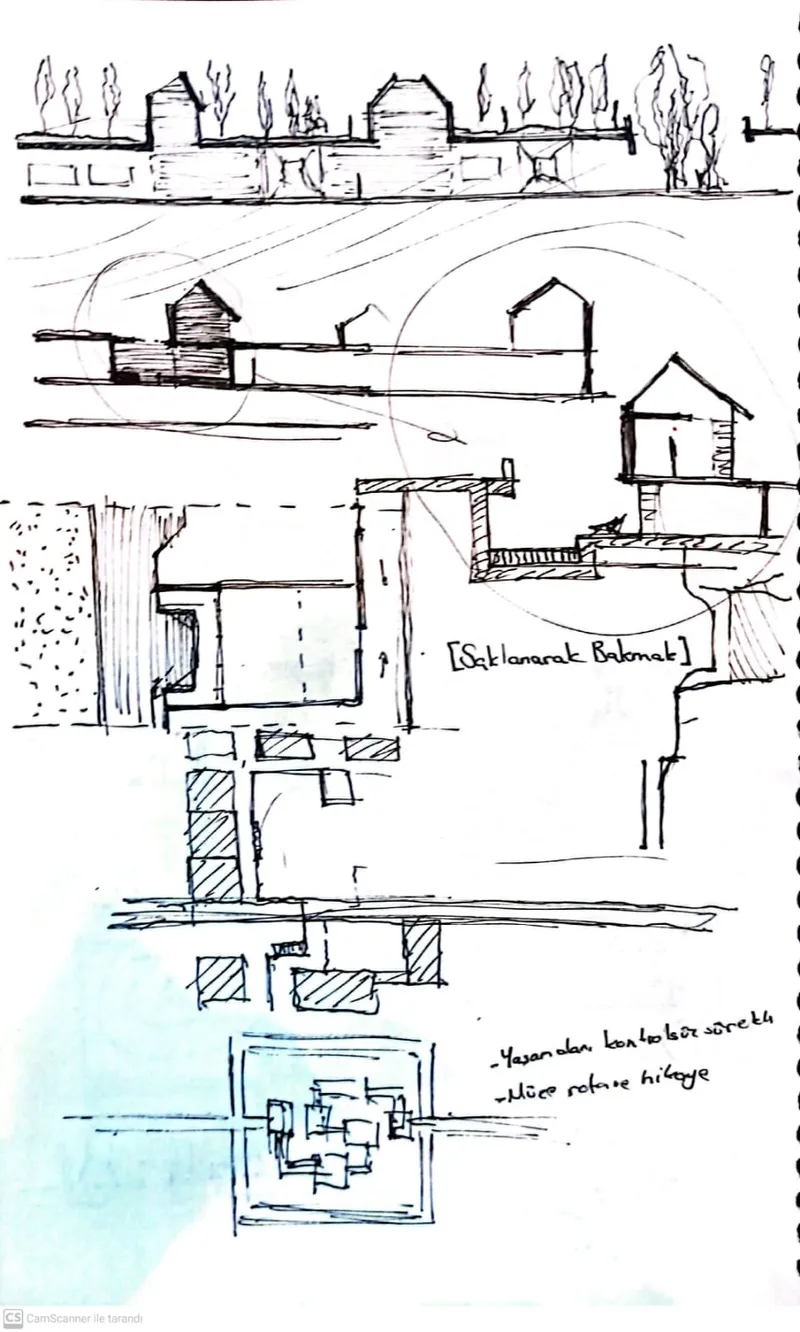
The museum’s design aims to take visitors on a ritualistic journey. The cube form above ground gives visitors the feeling of stepping into the Mayans' sacred temples, while the layered and interconnected spaces inside encourage them to embark on a journey of discovery. At the entrance, a high-ceilinged gallery space welcomes visitors with the story of Maya mythology and cacao. From this area, a ramp guides visitors to different experiential points within the museum.
Visitors can descend underground to explore the Mayans' connection with sacred water and ascend above ground to observe the cacao plantations. The ramp system not only allows visitors to explore the exhibition areas but also provides a bird’s-eye view of the plantation, enabling them to witness the cycle of nature. Inside the museum, the rhythmic transitions between narrow corridors and wide openings create varied spatial experiences for visitors. Natural light filtering through the cube creates a mystical atmosphere.
The design of the plantation area was developed by considering the life cycle of cacao trees. The water needs, shade requirements, and growth processes of cacao trees were examined in detail. The stages of cacao production—harvesting, consumption, and transformation into chocolate—were researched. The Mayans' methods of processing cacao beans, their use in rituals, and the story of how chocolate became a universal delicacy today formed the foundation of the museum’s exhibition route. Along this route, visitors can explore the transformation of the cacao bean from a ritual object to a universal delicacy, while also participating in interactive workshops to create their own chocolate.
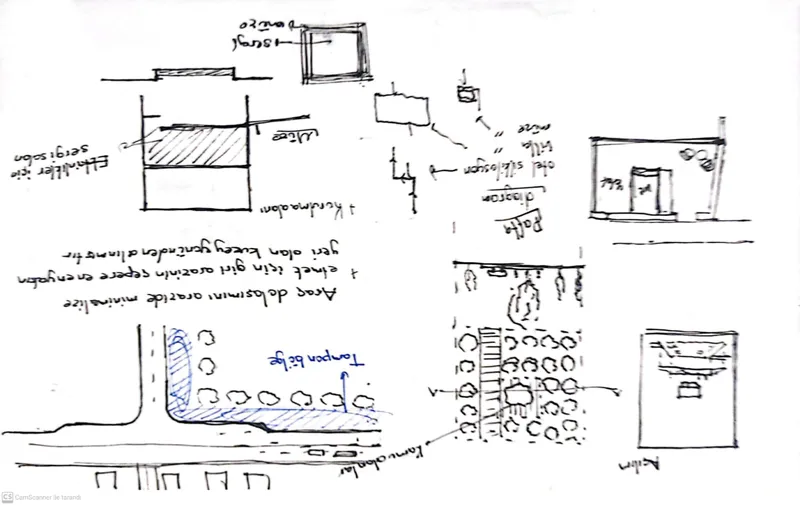
Throughout the design process, we tested the spatial flow through sketches, models, and digital simulations. We focused on ramp systems to guide visitors' movement. The ramps not only serve as circulation elements but also function as observation points overlooking the plantation area. This transformed the museum from a mere exhibition of the past into a living experiential space.
In material selection, we prioritized sustainability. We ensured the ecological balance of the structure by using natural insulation materials, air purification systems, and sustainable water management solutions. By supporting the underground cave concept with natural ventilation, we reflected the Mayans' philosophy of living in harmony with nature through a contemporary approach.
In conclusion, Itzamna’s Gift is not just a museum but a memory space that carries the wisdom of the past into the present. Here, visitors will discover the harmony the Mayans established with nature, experience interactive insights into the cacao production process, and even produce their own chocolate. This nature-integrated experience will not only preserve the legacy of the Mayans but also inspire a sustainable approach to life for the future. Nature and divinity come together in this museum, offering inspiration to visitors. The gift of cacao from Itzamna will continue to live on in this project, carrying a hopeful message for the future.
This project was designed as a memory space that bridges the wisdom of the past with the present. It aims to keep alive the harmony the Mayans had with nature and the meaning they attributed to the cacao plant, both in our individual and collective memories. Itzamna's Gift is not just a museum but also a monument that reminds us of the importance of living in balance with nature and carries a hopeful message for the future. The ancient wisdom of the Mayans will continue to live on in this museum, inspiring visitors for generations to come.

Popular Articles
Popular articles from the community


Temporary Home for Dogs: A Reversed Zoo Rethinks Animal Shelter Architecture
In Bucharest, a sinuous corridor and freed landscape flip the logic of containment, designing a shelter that works to make itself unnecessary.

Opera on the Sea: Driftwood Logic Shapes a Timber Opera House on Estonia's Coast
Trevor Orgill's opera house translates the entangled drift of floating timber into a civic building where wood, water, and music converge.

Manzana Morphosis: Stretching Barcelona's Grid into a Living Landscape for 2050
A radical reworking of the Eixample manzana turns density into a tool for generous public space, vertical ecology, and environmental performance.

Opera by the Sea Estonia: Three Shells Dissolving Architecture into Tallinn's Coastline
A winning opera house proposal replaces monumental form with interconnected shells that blur the boundary between building, park and Baltic Sea.

Similar Reads
You might also enjoy these articles

The Rhythm of Seasons
A Farmers' Market Connecting Nature and the City

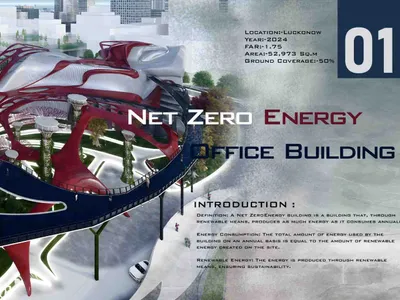
More Than a Building-Designing a Living System
More Than a Building-Designing a Living System
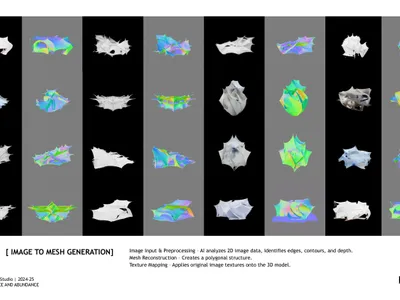
Base Beyond
DESERT COMPOUND ARID: TOURISM OF ABSENCE AND ABUNDANCE

Explore Exhibition Design Competitions
Discover active competitions in this discipline


Challenge to reimagine the Iron Throne

Photograph architecture without architects

Illustrate the lost glory of Angkor Wat - Render Challenge

Design challenge to reuse E-waste
Comments (0)
Please login or sign up to add comments
No comments yet. Be the first to comment!