
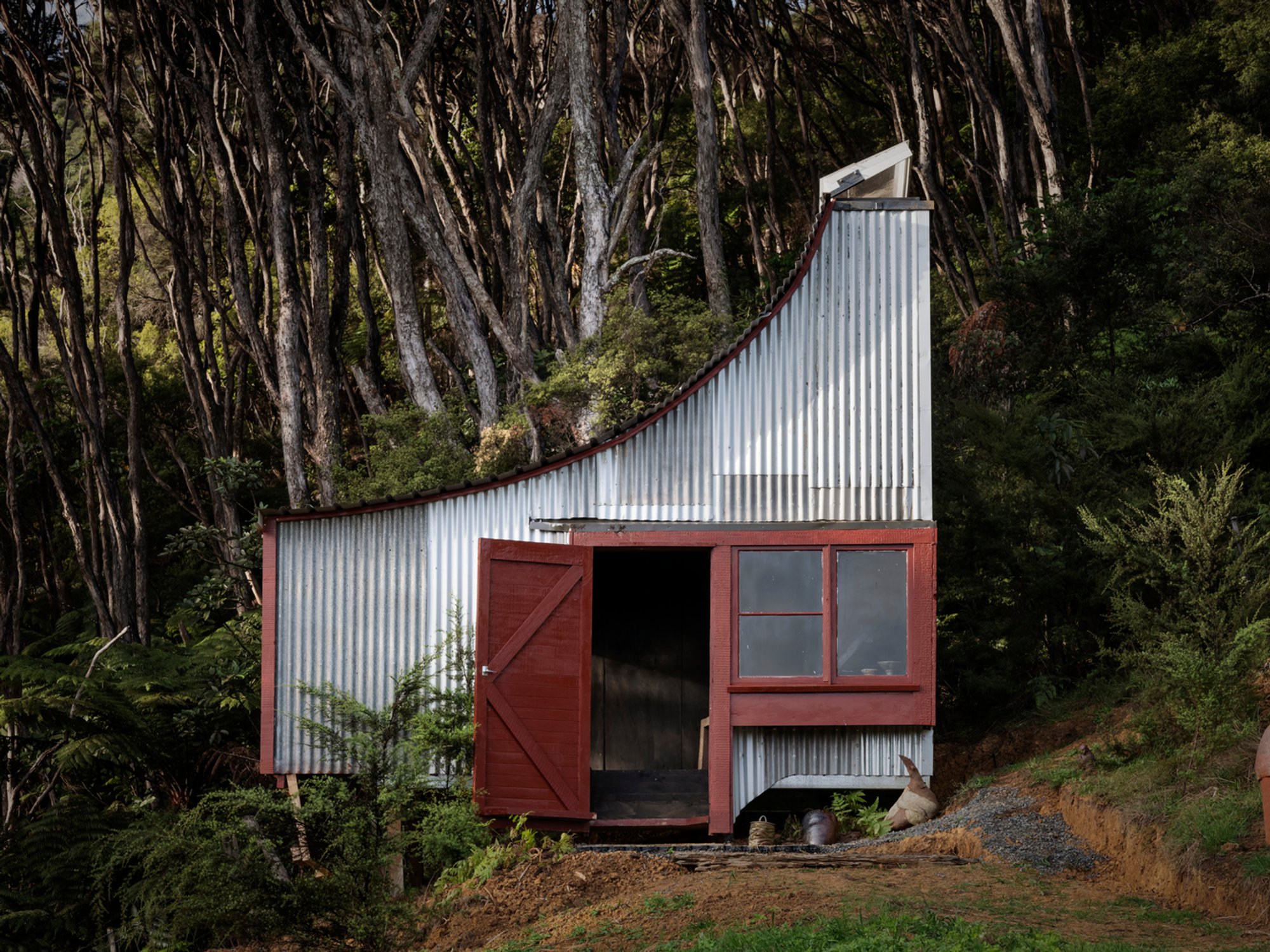
Picalo Cabin by Gerard Dombroski Workshop
Picalo Cabin by Gerard Dombroski Workshop is a 10 m² forest retreat in Coromandel, crafted from reclaimed materials, connecting nature and design.

A Minimalist Retreat in the New Zealand Forest
Nestled beneath a kanuka canopy in Coromandel, the Picalo Cabin by Gerard Dombroski Workshop exemplifies resourceful, small-scale architecture. This 10 m² timber and steel cabin emerged from a month-long residency at Driving Creek Railway (DCR), where the challenge was to create a functional structure using only salvaged and locally sourced materials. With no budget due to COVID-19 constraints, the project became a hands-on exploration of adaptive reuse, craftsmanship, and instinctive design.
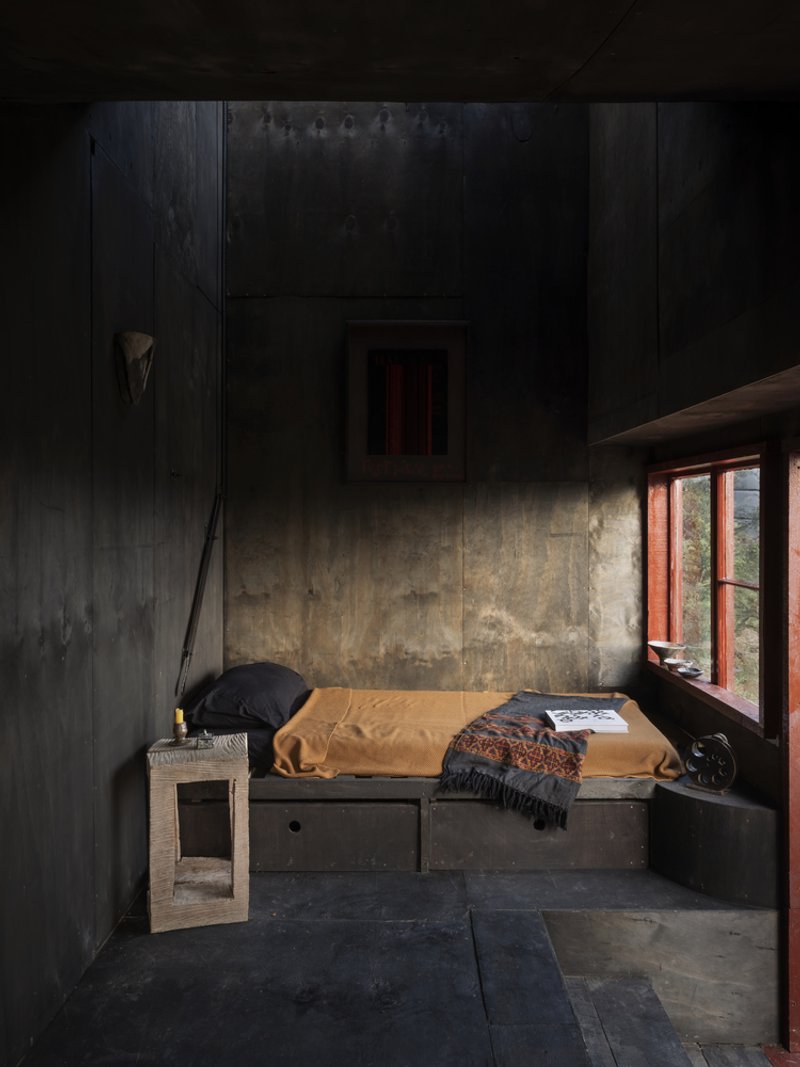
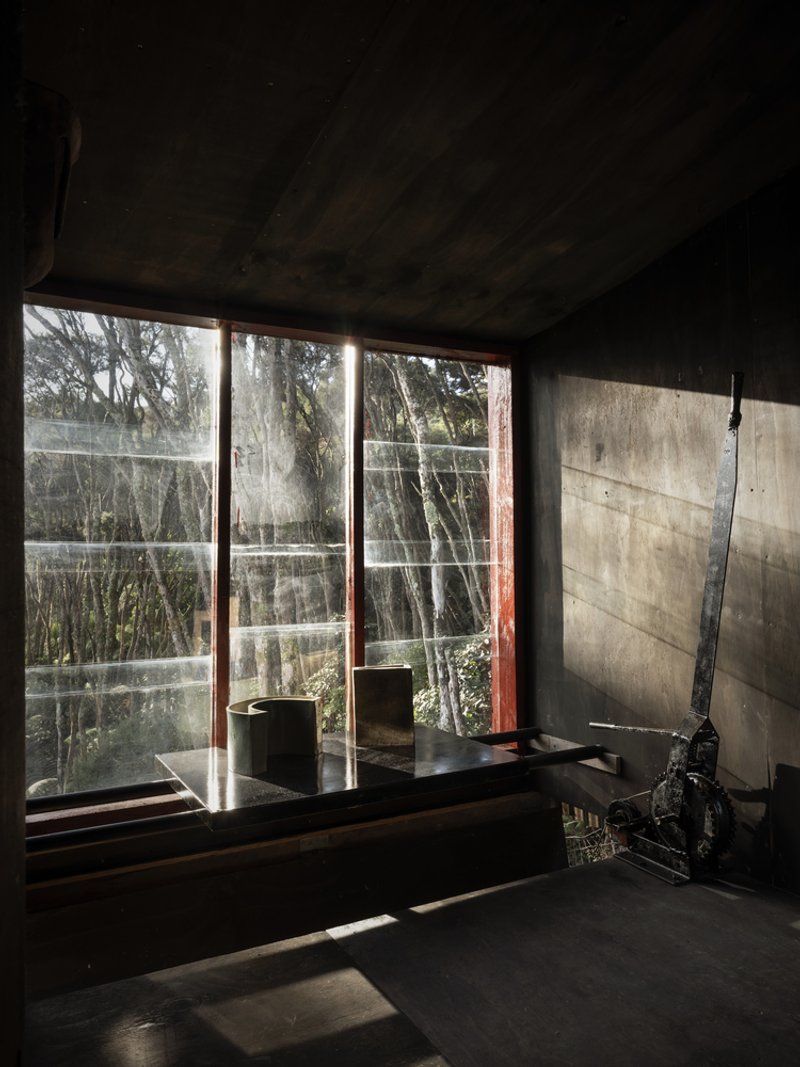
Concept: A “Room to View the Trees”
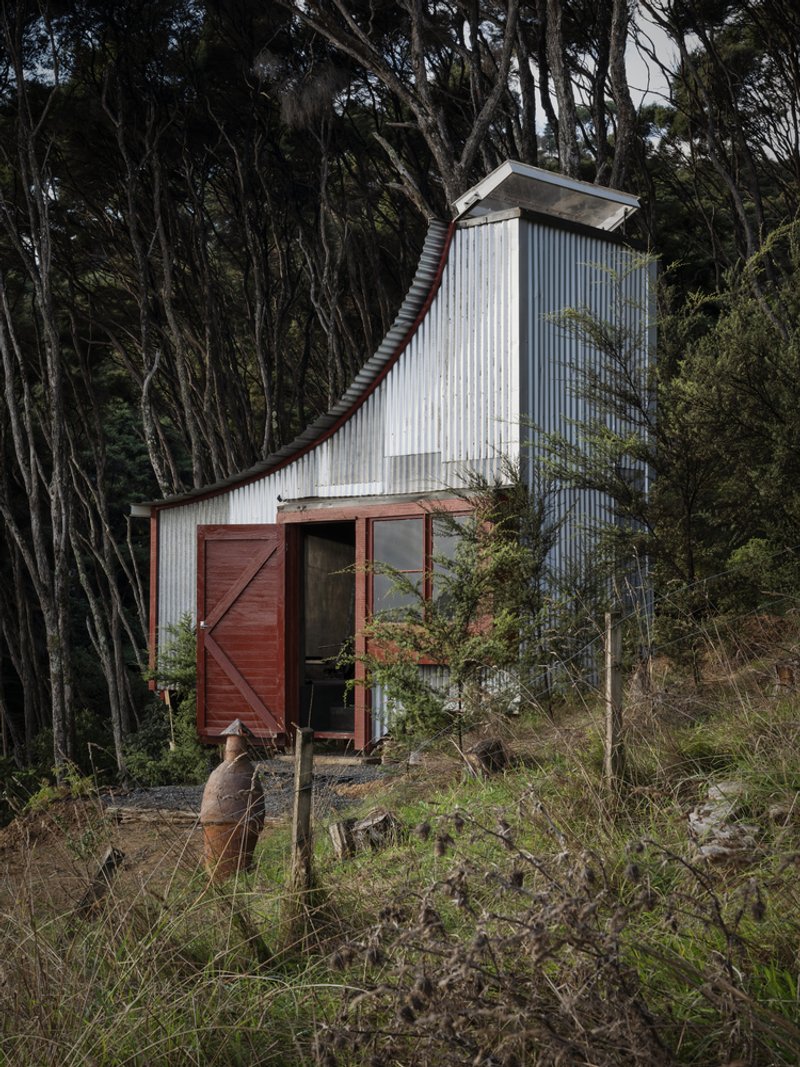
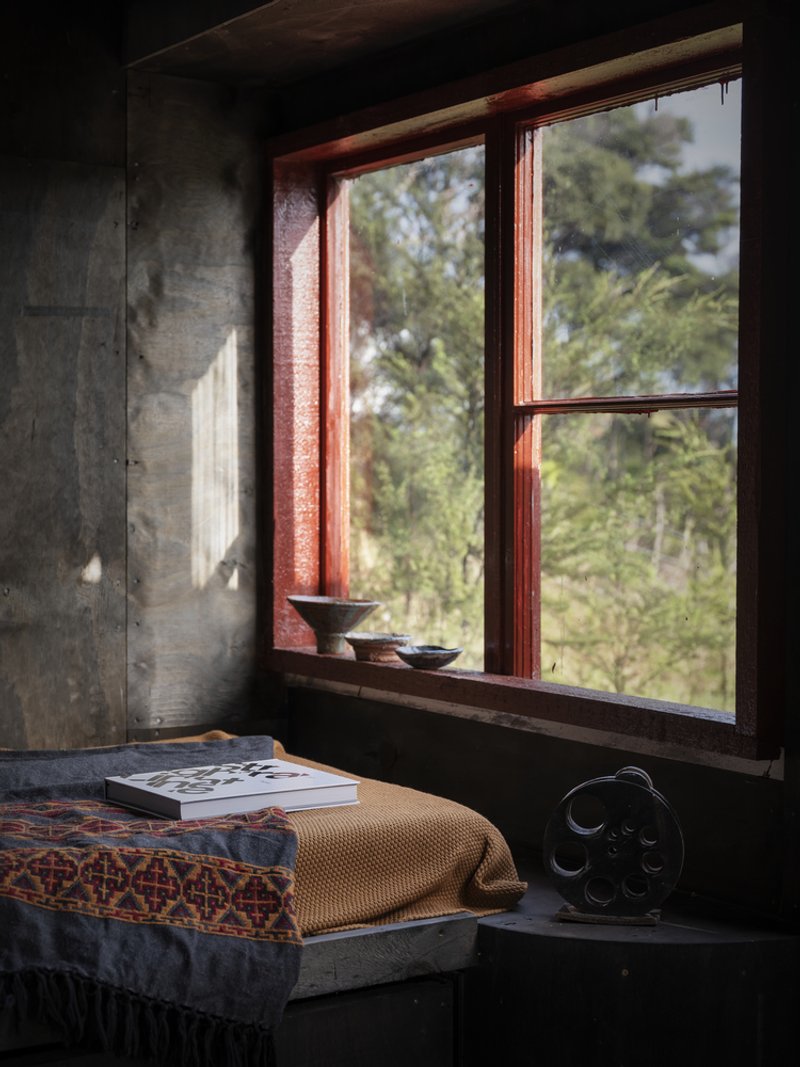
Inspired by its forest setting, the cabin was conceived as a skylight-filled retreat that allows occupants to connect with the surrounding canopy. From the steel frame of an abandoned zipline platform, the cabin’s footprint and stair recess were determined. The design emphasizes two main perspectives: a vertical view up through the skylight and a horizontal view across the treetops, with a gently sweeping roof bridging these vantage points. The resulting experience is immersive, intimate, and deeply connected to the natural environment.
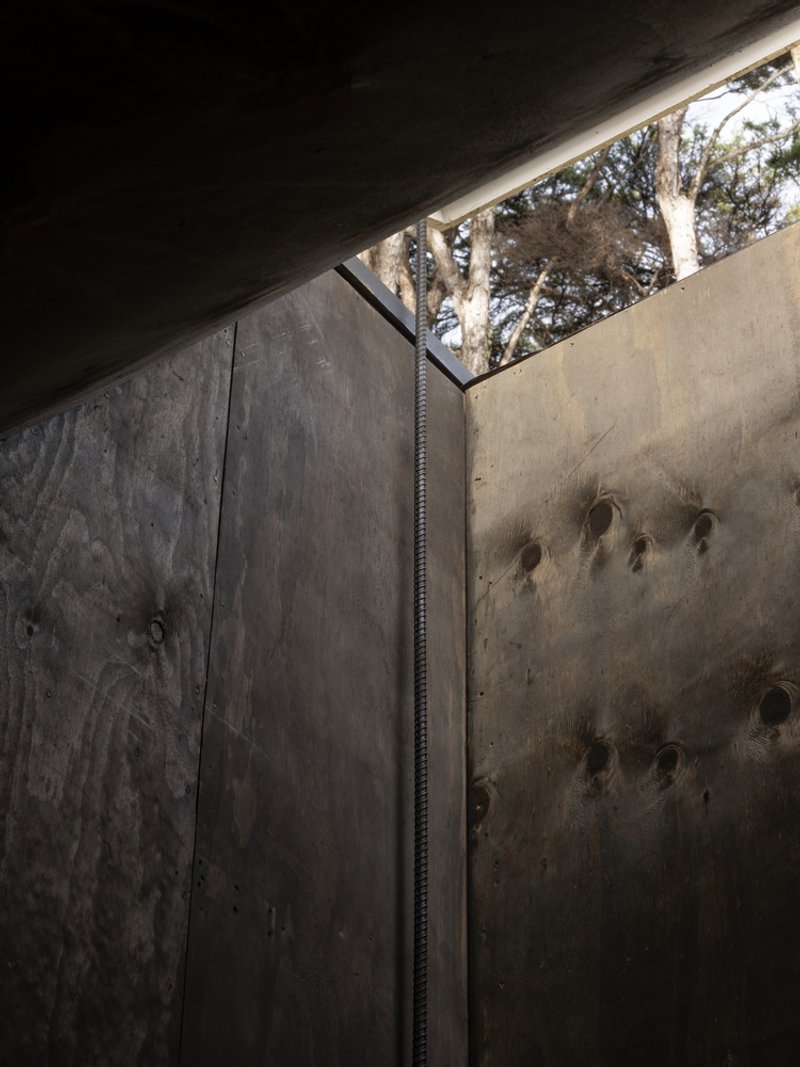
Design Process and Material Reuse
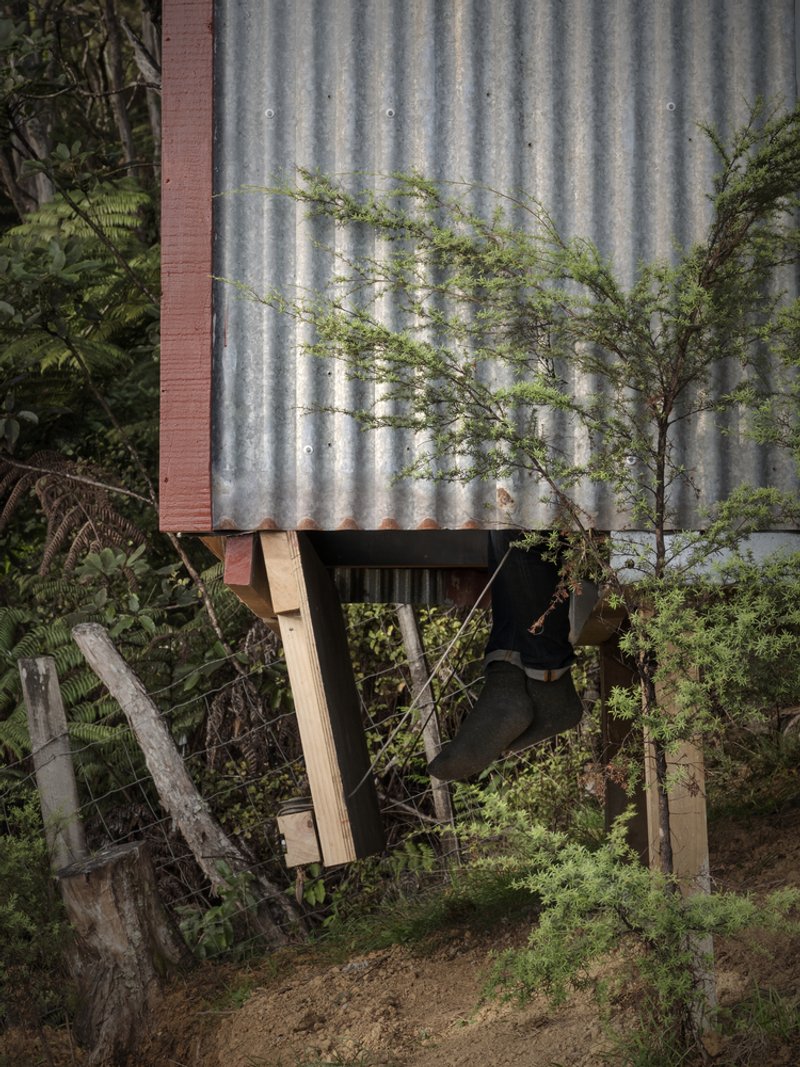
Gerard Dombroski embraced a uniquely Kiwi approach, dedicating much of the project to foraging for materials, dismantling disused structures, and repurposing them into architectural elements. Roughly a third of the time was spent sourcing timber, steel, and other materials from the surrounding area. The cabin’s skatepark-inspired form reflects the architect’s prior experiences with urban skate bowls, infusing the tiny structure with dynamic geometry and playful, curved lines.
Construction began on February 2, with concrete floors poured by the fourth day. Daily routines combined work with community engagement—mornings in local cafes and evenings spent collaborating with other artists and locals. Despite the tight schedule, the cabin was completed before February 25, in time for the architect’s milestone 30th birthday.
Integration with Driving Creek Railway
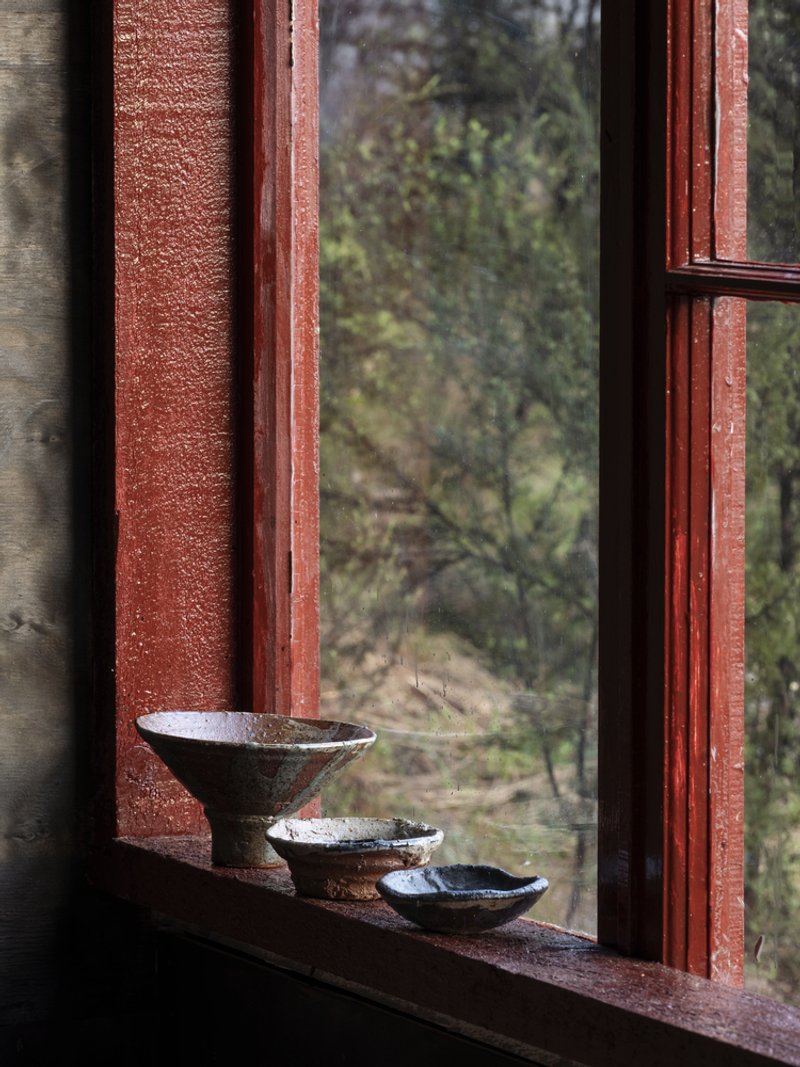
The Picalo Cabin sits harmoniously within the Driving Creek landscape, respecting both its visual and cultural context. DCR has a longstanding tradition of hosting artists who contribute small structures to the site, and this cabin continues that legacy. The final result is a functional, unconventional retreat, blending exploration, sustainability, and handcrafted detail.
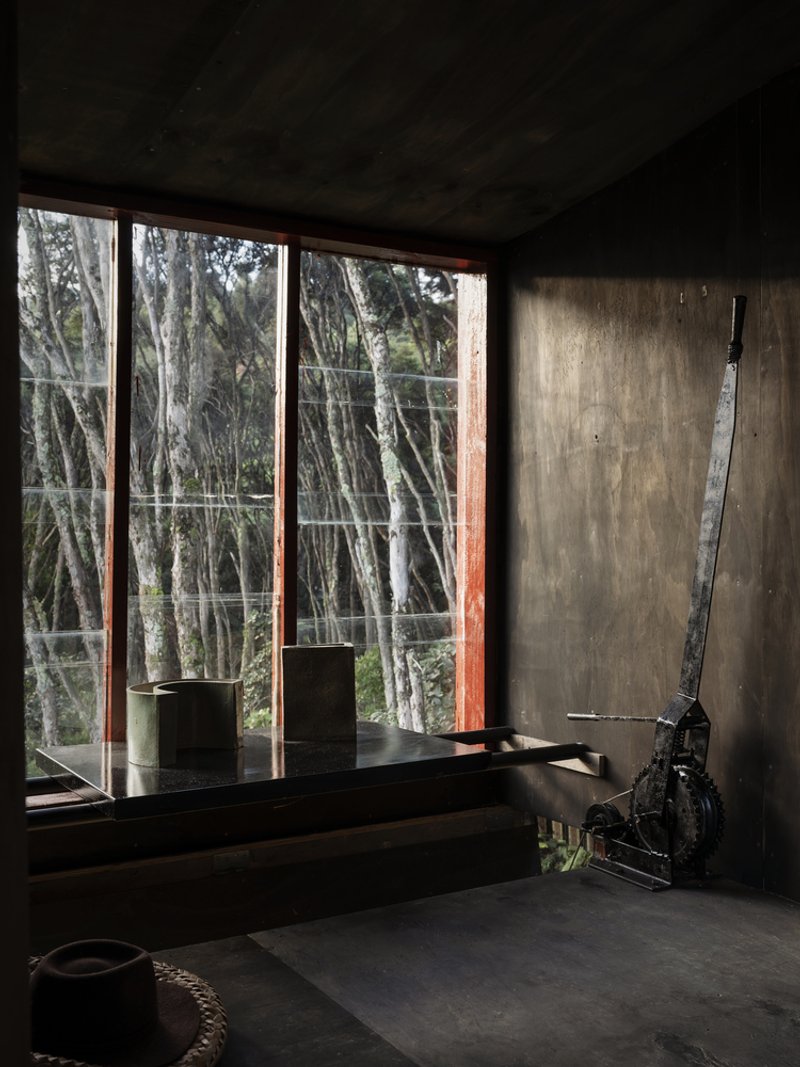
All Photographs are works of Samuel Hartnett




Popular Articles
Popular articles from the community

Split House: A Compact Urban Home Blending Privacy, Light, and Flexible Living in Japan
Compact Japanese home featuring DOMA space, flexible café potential, passive lighting, privacy zoning, and sustainable urban living design.


The Ken Roberts Memorial Delineation Competition (Krob)
As the most senior architectural drawing competition currently in operation anywhere in the world, it draws hundreds of entries each year, awarding the very best submissions in a series of medium-based categories.
Alton Cliff House: A Harmonious Retreat by f2a Architecture in Lake Country, Canada
Alton Cliff House blends corten steel, prefabrication, and sustainable design, creating a luxurious, energy-efficient retreat perched on Canadian cliffs.
Atelier Macri Concept Store Interior Design by CASE-REAL
Atelier Macri store features a "ko" counter, walnut wood details, cork displays, blending retail, gallery, and seamless customer experiences.


Similar Reads
You might also enjoy these articles
The Ken Roberts Memorial Delineation Competition (Krob)
As the most senior architectural drawing competition currently in operation anywhere in the world, it draws hundreds of entries each year, awarding the very best submissions in a series of medium-based categories.

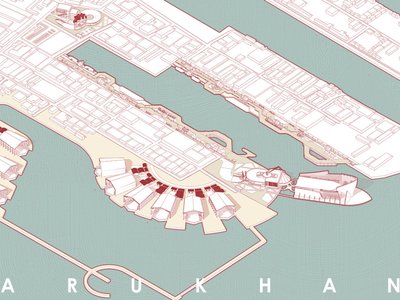
Waterfront Redevelopment and Urban Revitalization in Mumbai: Forging a New Dawn for Darukhana
A transformative waterfront redevelopment project reimagining Darukhana’s shipbreaking heritage into an inclusive urban future.

OUT-OF-MAP: A Call for Postcards on Feminist Narratives of Public Space
Rhizoma Design and Research Lab invites artists, designers, architects, researchers, and students to reflect on how feminist perspectives can reshape public space. Selected works will be exhibited in Barcelona, October 2026. Submissions open until 15 April 2026.


Documentation Work on Buddhist Wooden Temple
Architectural syncretism and cultural hybridity: A comparative study of the Buddhist temples in Chattogram Hill tracks


Explore Architecture Competitions
Discover active competitions in this discipline




The International Standard for Design Portfolios


The Global Benchmark for Architecture Dissertation Awards


The Global Benchmark for Graduation Excellence


Challenge to reimagine the Iron Throne
Comments (0)
Please login or sign up to add comments
No comments yet. Be the first to comment!