
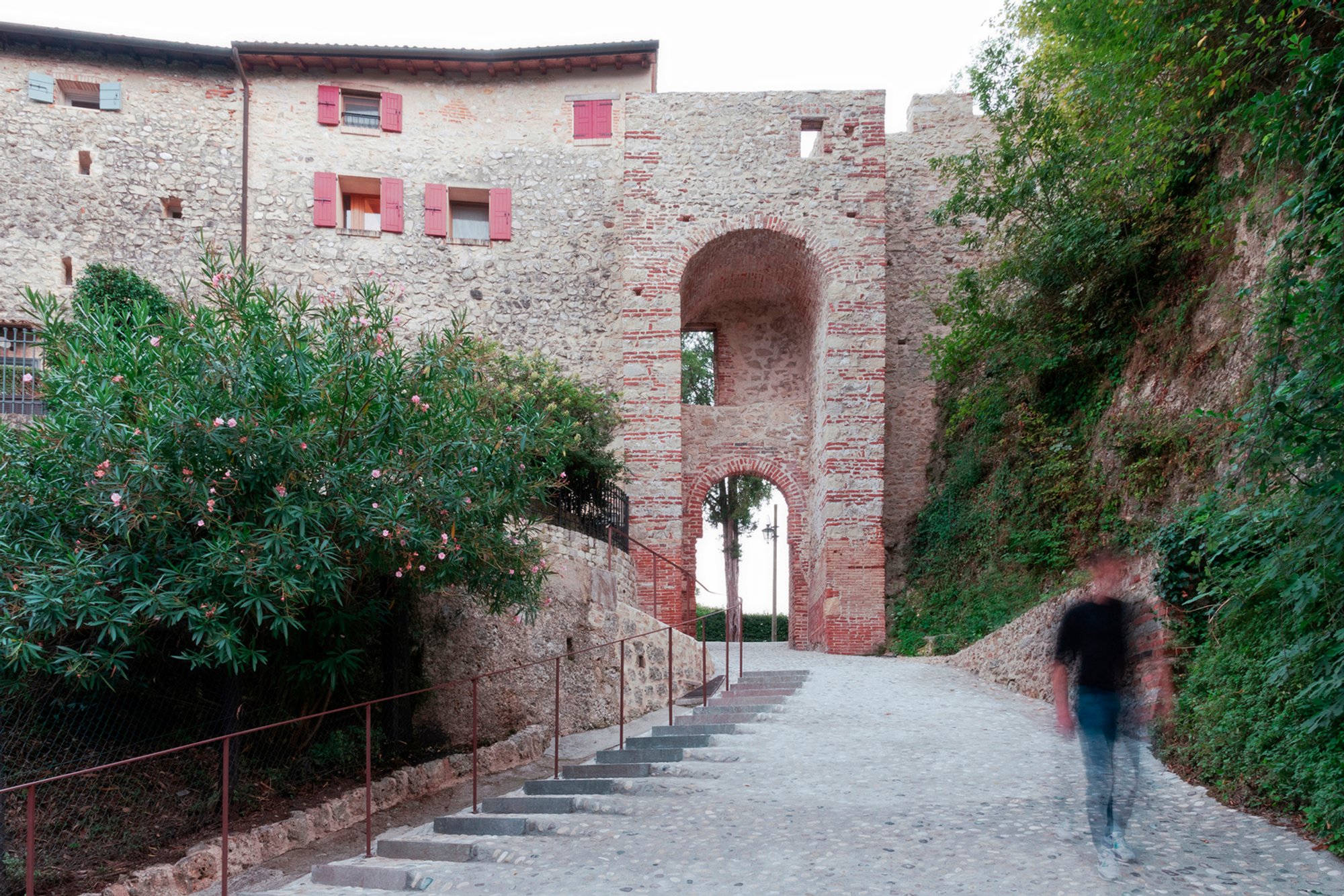
Portello Colmarion Restoration by Studio Bressan
Medieval gateway in Asolo restored with local materials, enhancing historical identity, urban connectivity, and landscape views through sensitive conservation.

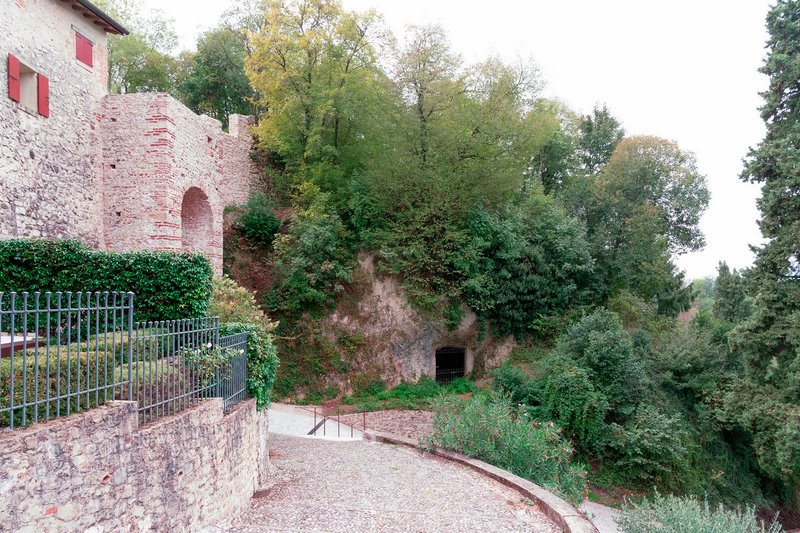
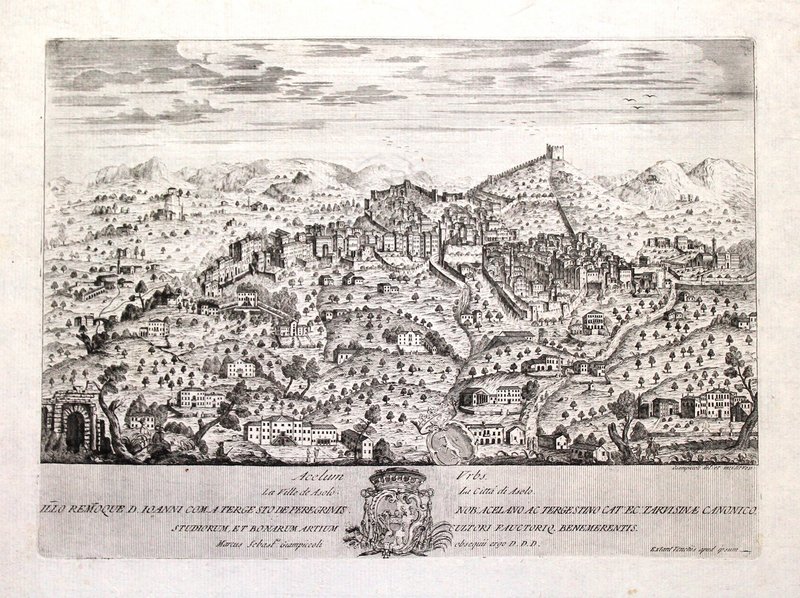
The Portello Colmarion Restoration by Studio Bressan is a conservation project located in Asolo, Italy, seamlessly blending historical architecture with contemporary urban design strategies. Positioned at the edge of the village and adjacent to the forested hills, the site bridges the town's historical character with its surrounding natural landscape.
Medieval Legacy Reimagined
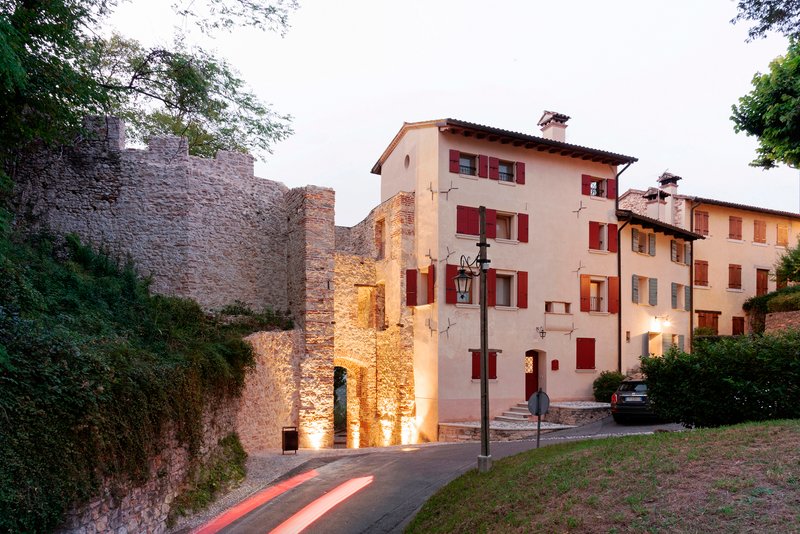
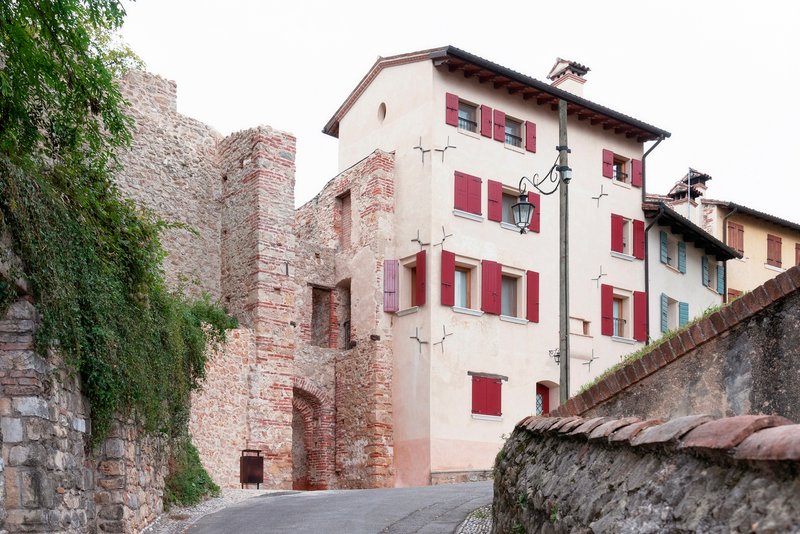
The portal is a medieval structure from the 14th century, part of Asolo's fortified walls. Sitting at 379 meters above sea level, it commands panoramic views of the Venetian plains and Monte Grappa, embodying poet Giosuè Carducci's epithet for Asolo: "the city of a hundred horizons."
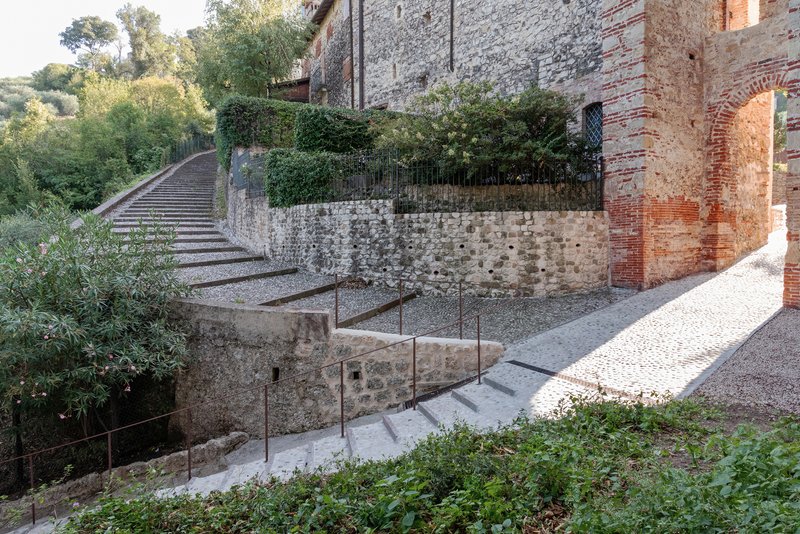
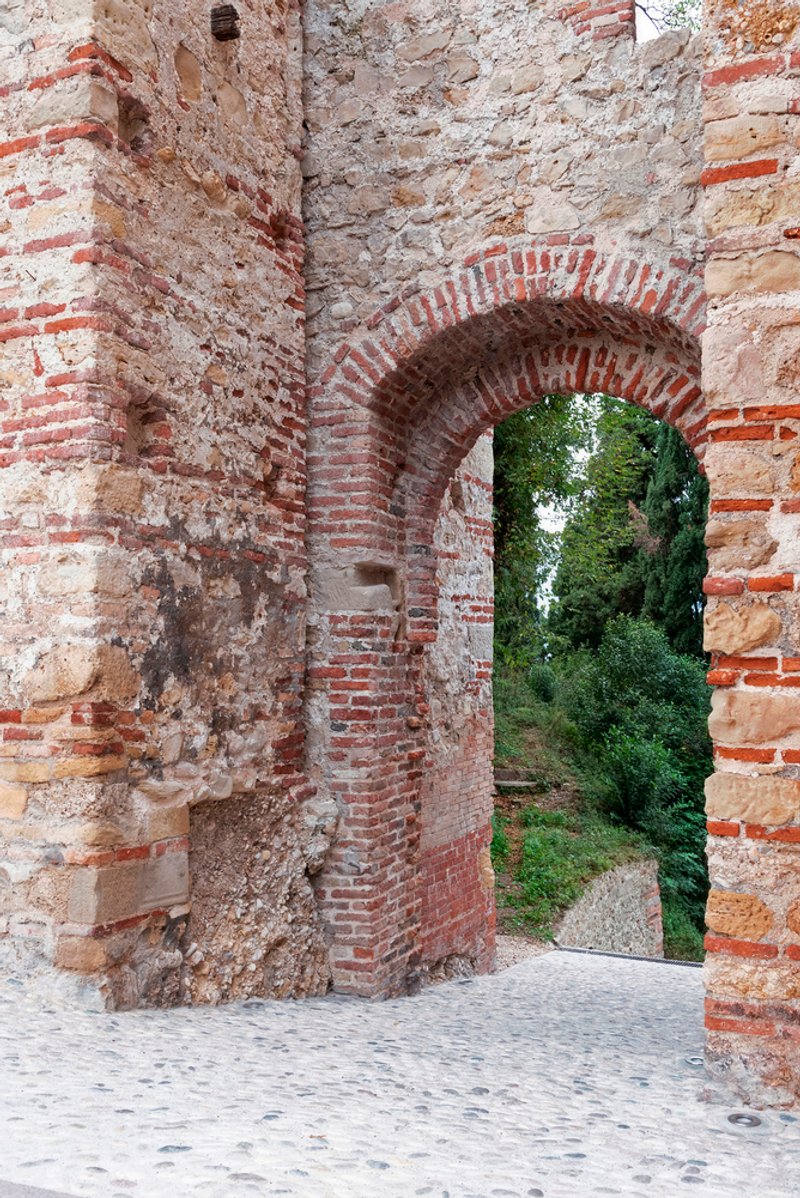
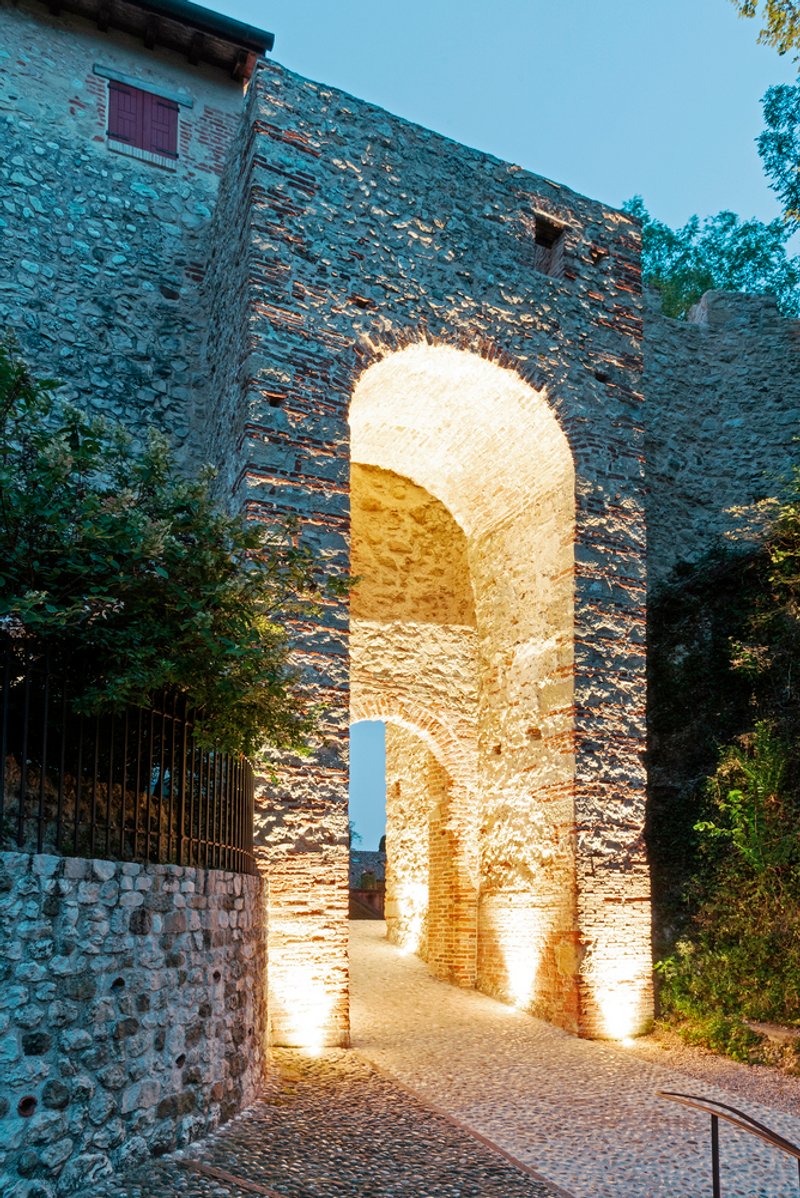
The project discards the romanticized, overgrown ruins aesthetic in favor of a thoughtful restoration approach that enhances architectural legibility and urban relevance. The intervention aligns with broader efforts to reclaim and recontextualize Asolo’s ancient defensive elements.
Material Integrity and Historical Craftsmanship
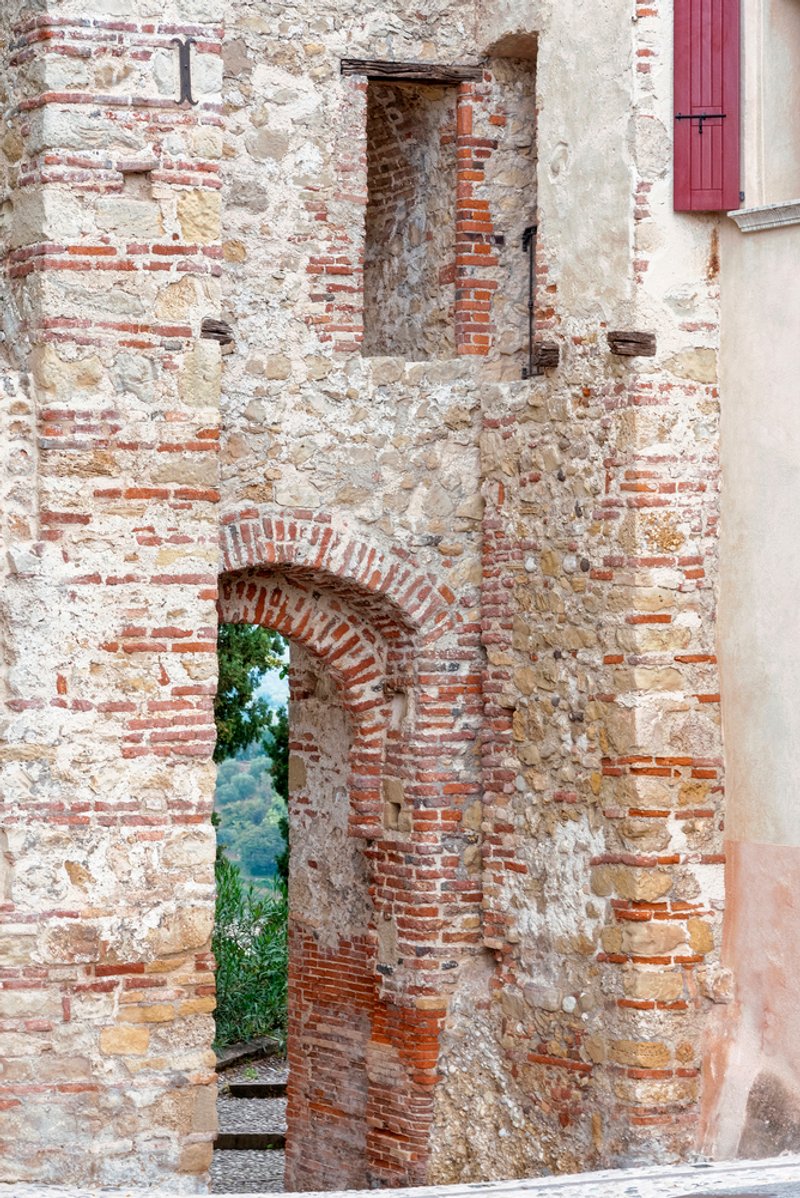
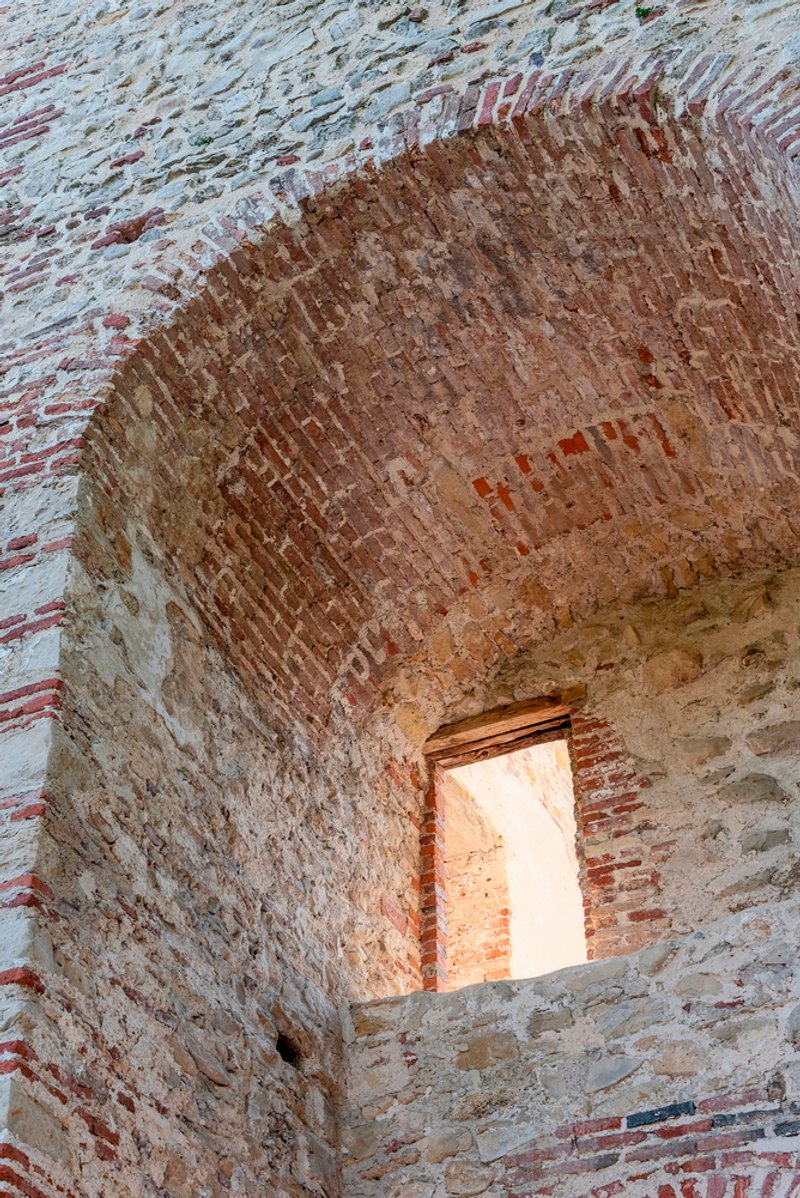
The restoration involved in-depth material analysis of the brick and roughly cut stone masonry, along with studies on original mortars and plaster stratigraphy. A specialized lime and puddingstone mortar was developed to repair and reintegrate the degraded masonry, reviving the gate’s original aesthetic and structural coherence.
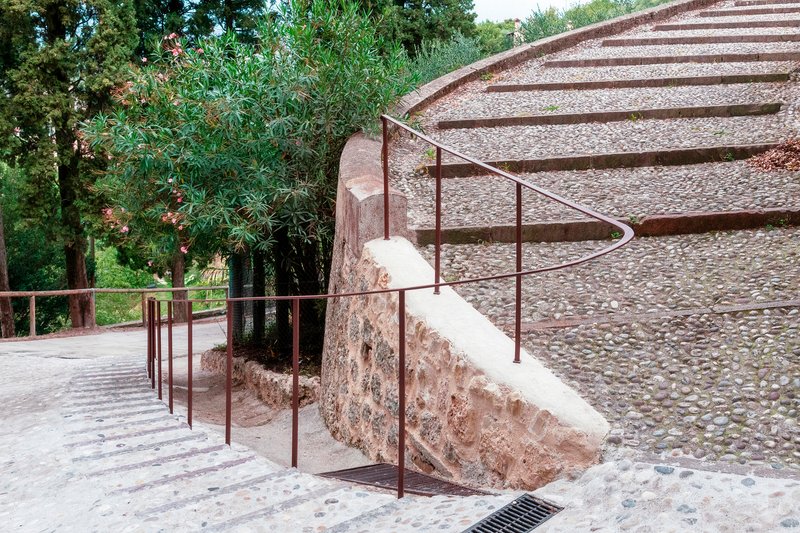
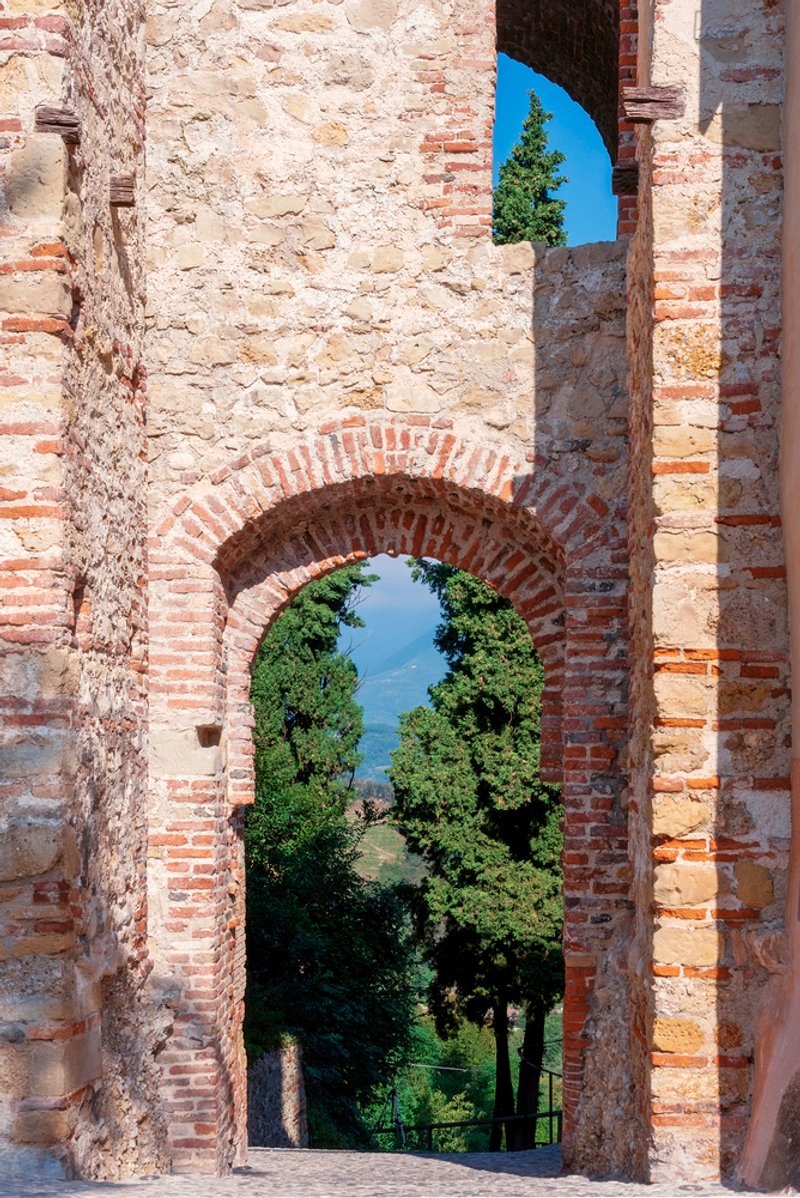
Vegetation removal, consolidation, and reintegration of missing elements were meticulously executed to preserve authenticity. The choice of materials references the local geological identity, enhancing the portal’s cultural and geographical resonance.
Urban Integration and Landscape Design
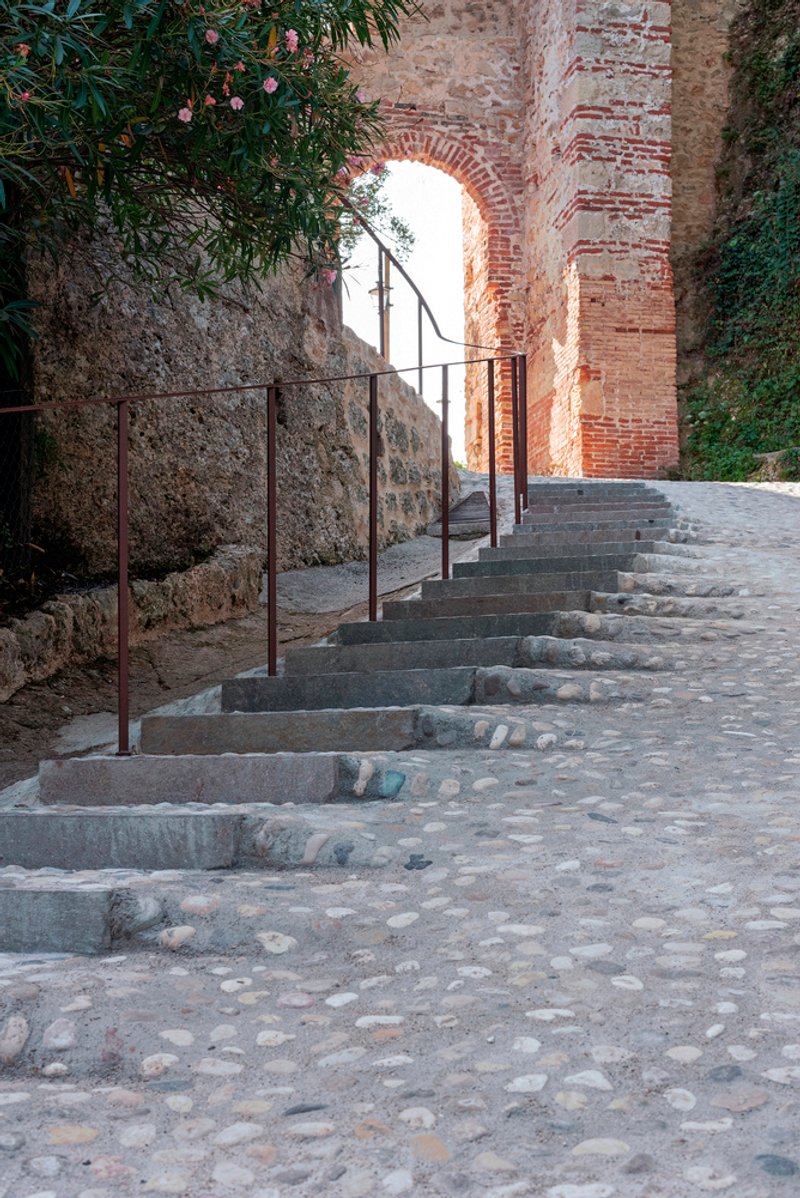
Key upgrades include the redesign of the pebble-stone pavement, installation of parapets along steep pedestrian paths, and the addition of a stairway to improve accessibility. These updates enhance the site’s role as a civic connector, blending heritage conservation with contemporary usability.
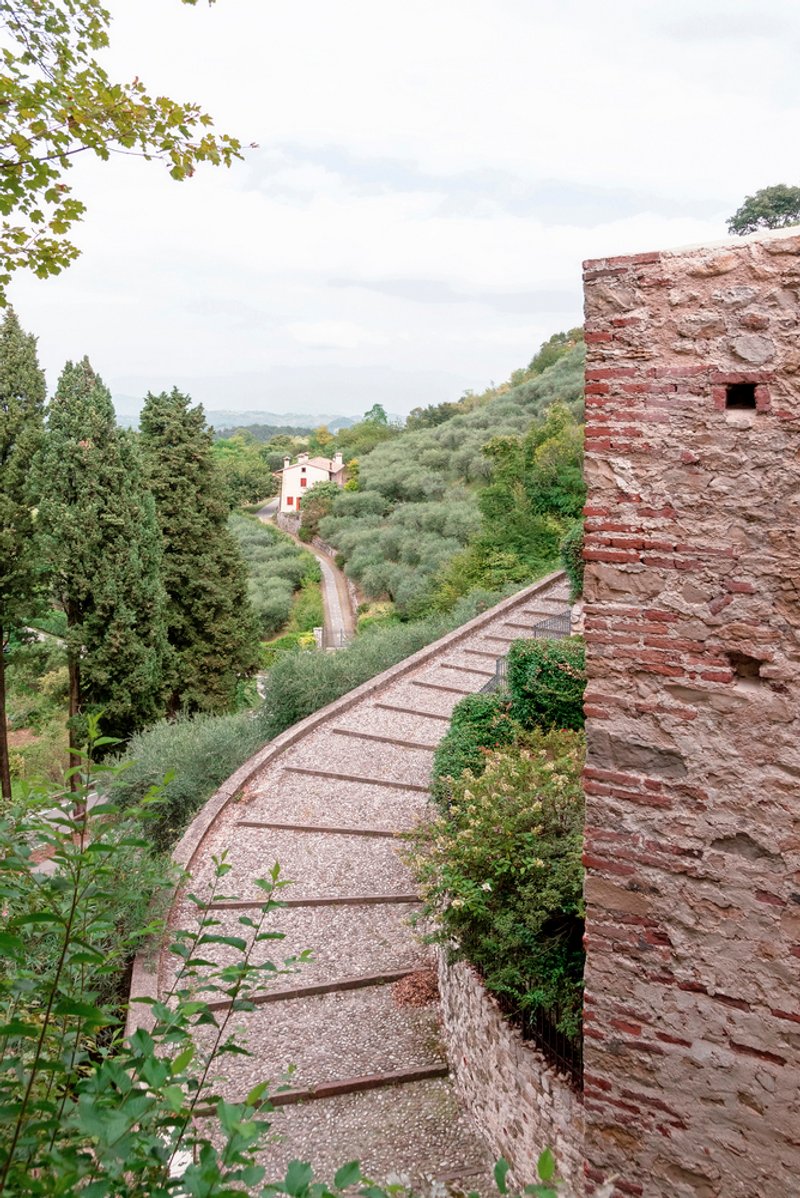
To highlight the portal’s presence within the landscape, a discreet artificial lighting system was installed, enriching nighttime visibility while preserving the serene character of the area.
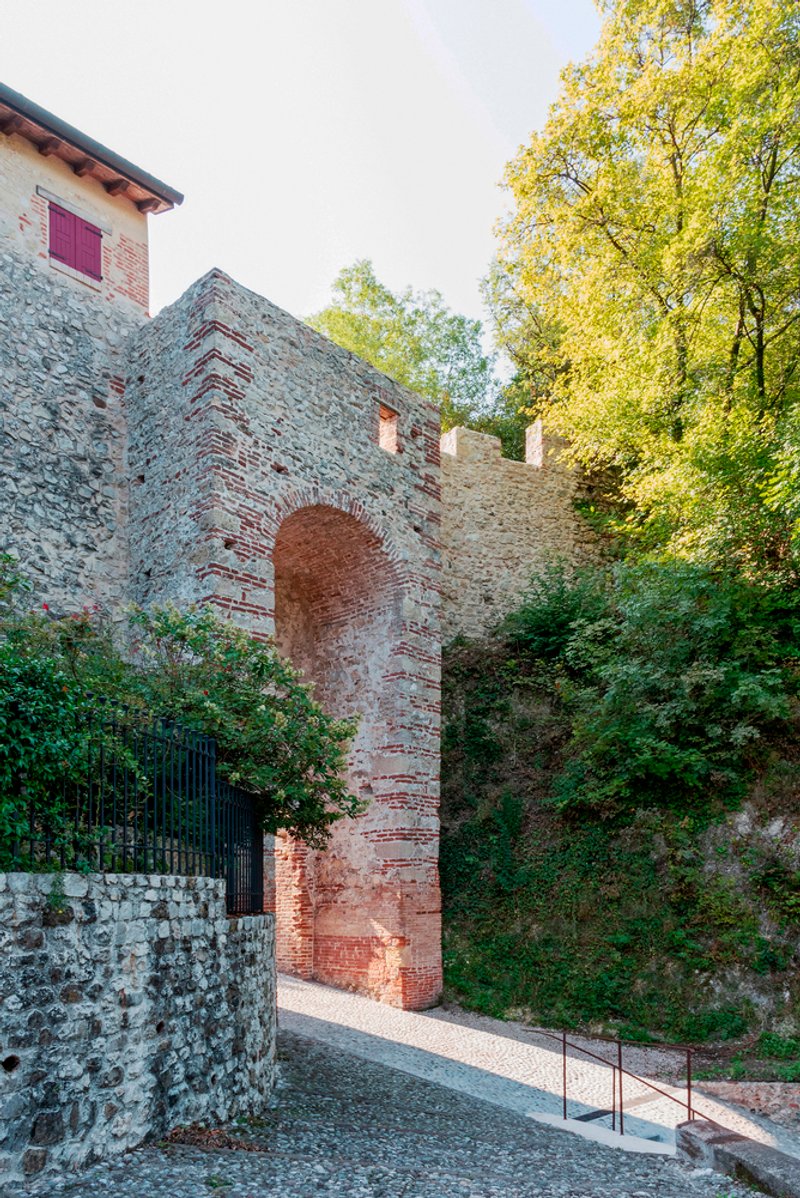
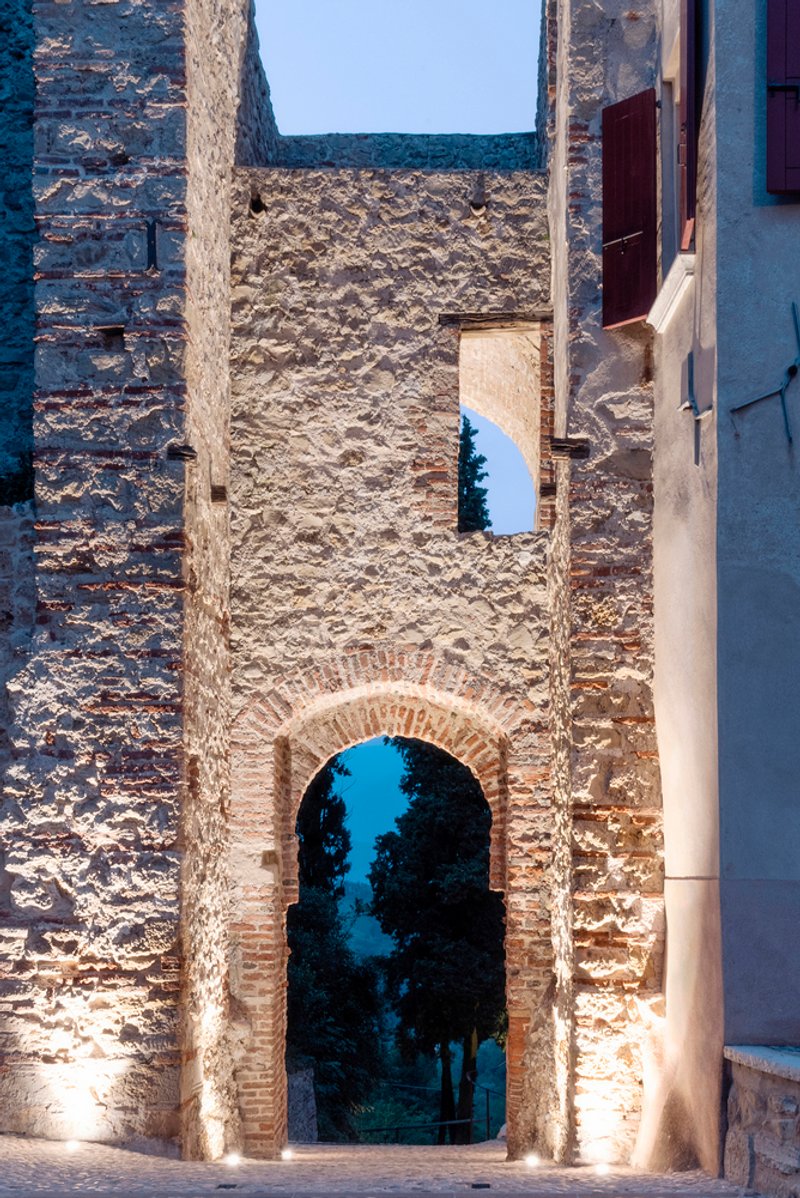
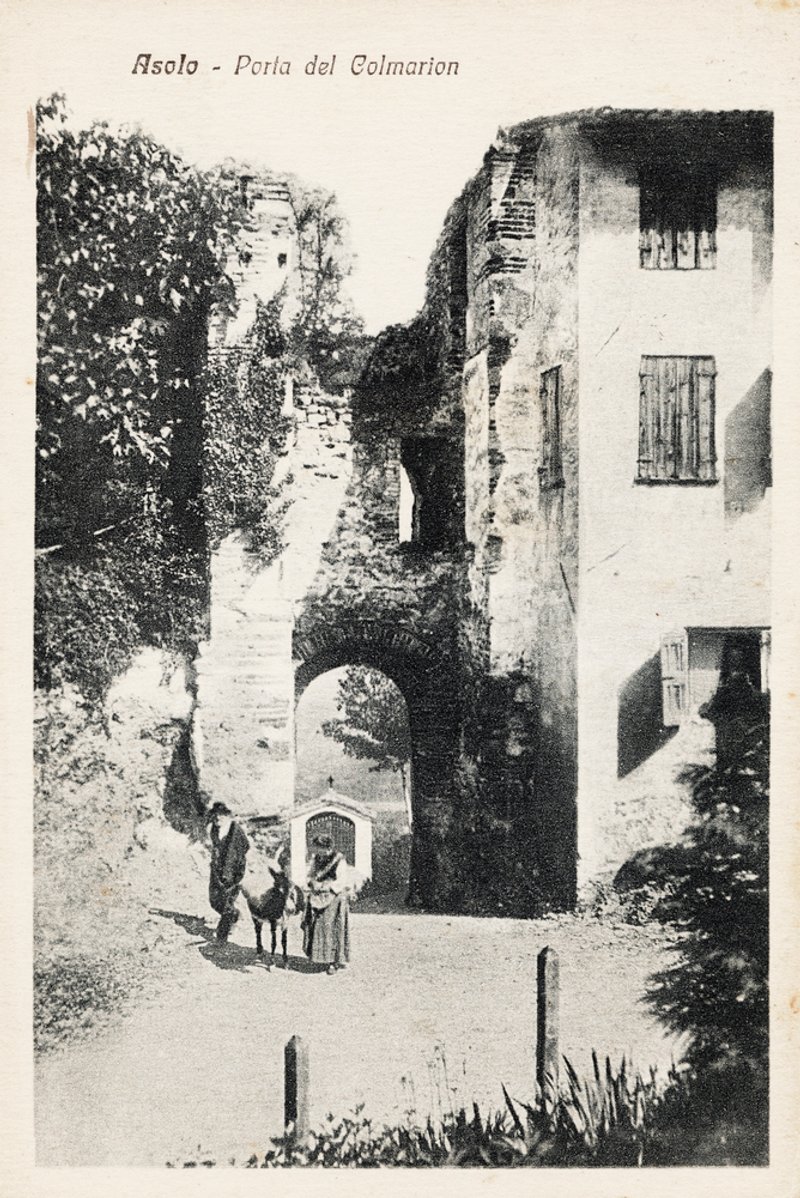
All the photographs are works of Emanuele Bressan



Popular Articles
Popular articles from the community


The Ken Roberts Memorial Delineation Competition (Krob)
As the most senior architectural drawing competition currently in operation anywhere in the world, it draws hundreds of entries each year, awarding the very best submissions in a series of medium-based categories.

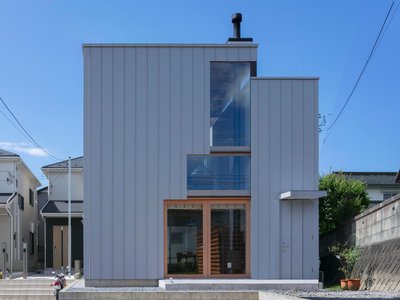
Split House: A Compact Urban Home Blending Privacy, Light, and Flexible Living in Japan
Compact Japanese home featuring DOMA space, flexible café potential, passive lighting, privacy zoning, and sustainable urban living design.

Free Architecture Competitions You Can Enter Right Now
No entry fees, real prizes. Here are the best free architecture competitions open for submissions in 2026.
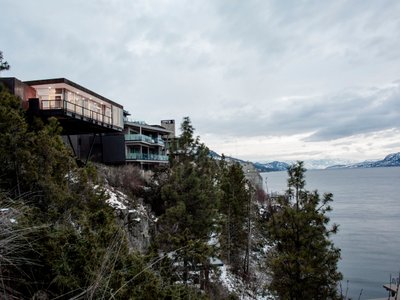
Alton Cliff House: A Harmonious Retreat by f2a Architecture in Lake Country, Canada
Alton Cliff House blends corten steel, prefabrication, and sustainable design, creating a luxurious, energy-efficient retreat perched on Canadian cliffs.


Similar Reads
You might also enjoy these articles
The Ken Roberts Memorial Delineation Competition (Krob)
As the most senior architectural drawing competition currently in operation anywhere in the world, it draws hundreds of entries each year, awarding the very best submissions in a series of medium-based categories.
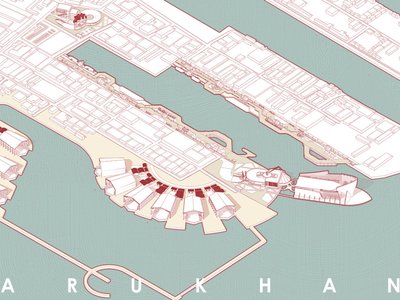
Waterfront Redevelopment and Urban Revitalization in Mumbai: Forging a New Dawn for Darukhana
A transformative waterfront redevelopment project reimagining Darukhana’s shipbreaking heritage into an inclusive urban future.
OUT-OF-MAP: A Call for Postcards on Feminist Narratives of Public Space
Rhizoma Design and Research Lab invites artists, designers, architects, researchers, and students to reflect on how feminist perspectives can reshape public space. Selected works will be exhibited in Barcelona, October 2026. Submissions open until 15 April 2026.

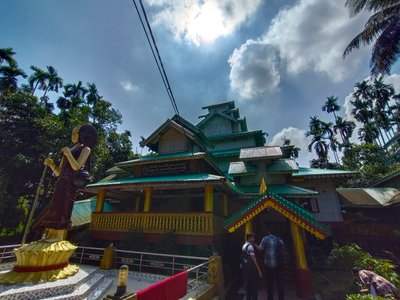
Documentation Work on Buddhist Wooden Temple
Architectural syncretism and cultural hybridity: A comparative study of the Buddhist temples in Chattogram Hill tracks

Explore Architecture Competitions
Discover active competitions in this discipline




The International Standard for Design Portfolios


The Global Benchmark for Architecture Dissertation Awards


The Global Benchmark for Graduation Excellence


Challenge to reimagine the Iron Throne
Comments (0)
Please login or sign up to add comments
No comments yet. Be the first to comment!