
Power Station Leipzig by atelier st
A hydrogen-powered landmark blending ceramic façades and industrial heritage, redefining sustainable infrastructure architecture within Leipzig’s historic power station complex.


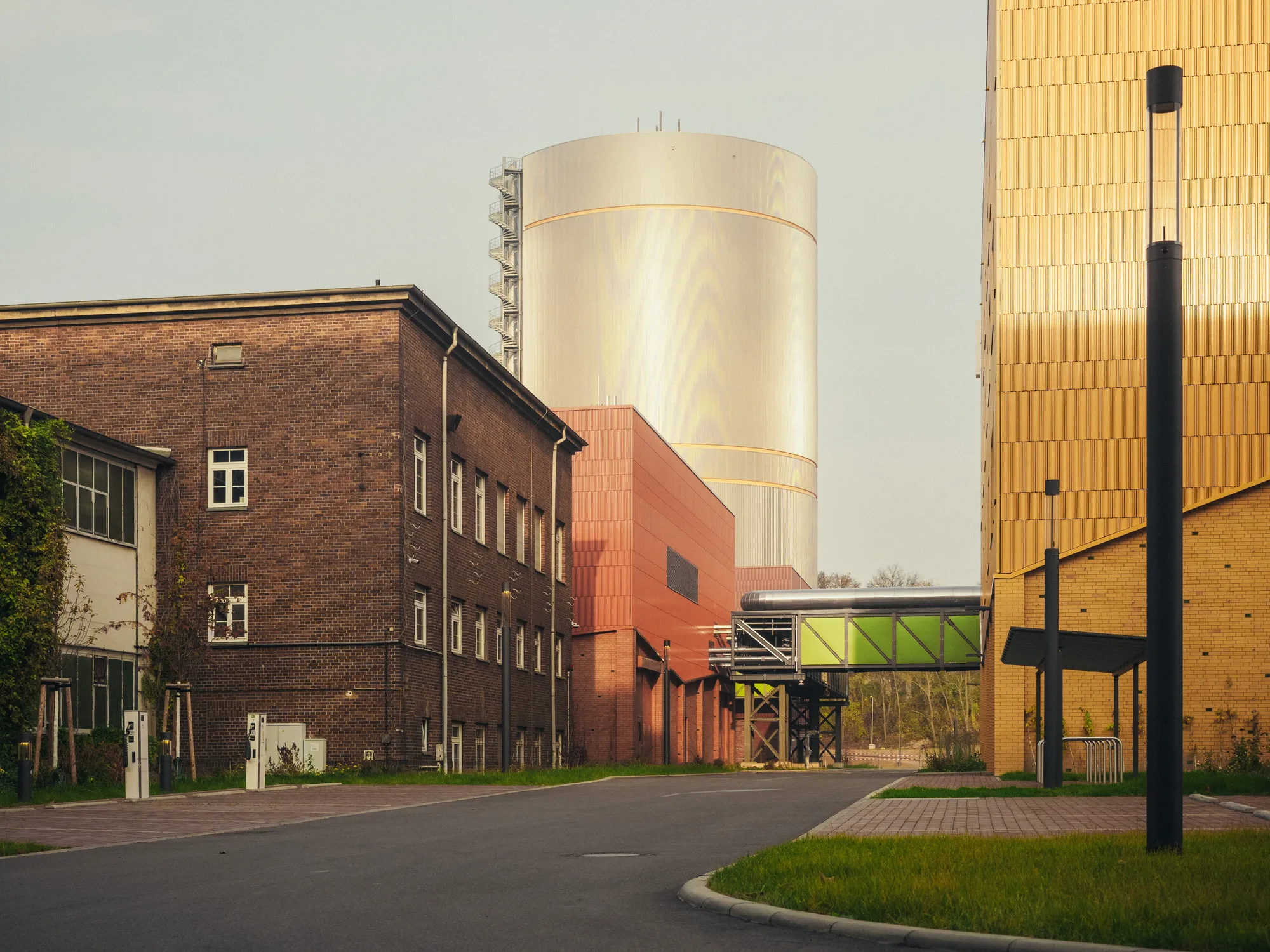
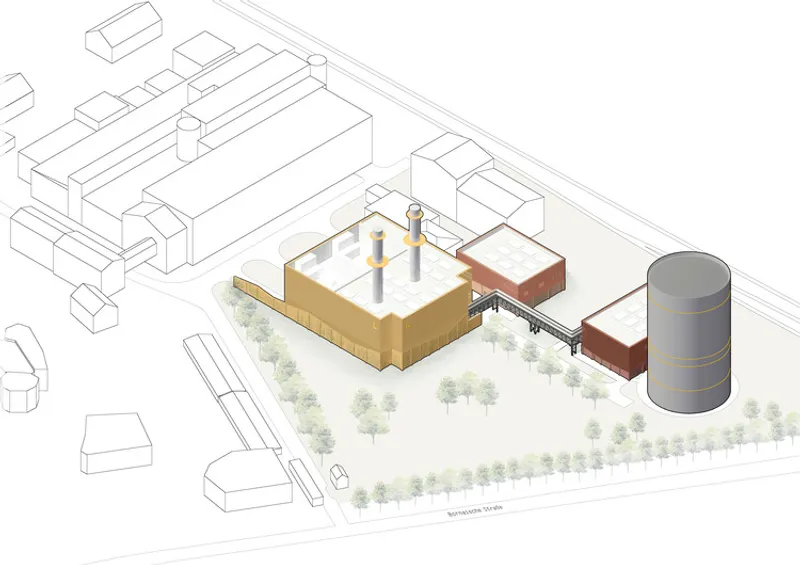
The transformation of the historic Leipzig power station site marks a pivotal moment in the evolution of industrial architecture, where energy transition, heritage conservation, and contemporary design converge. Designed by atelier st, the new Southern Combined Heat and Power Plant (Südwerk) extends the legacy of a former brown-coal power station into a future defined by hydrogen-based energy production.
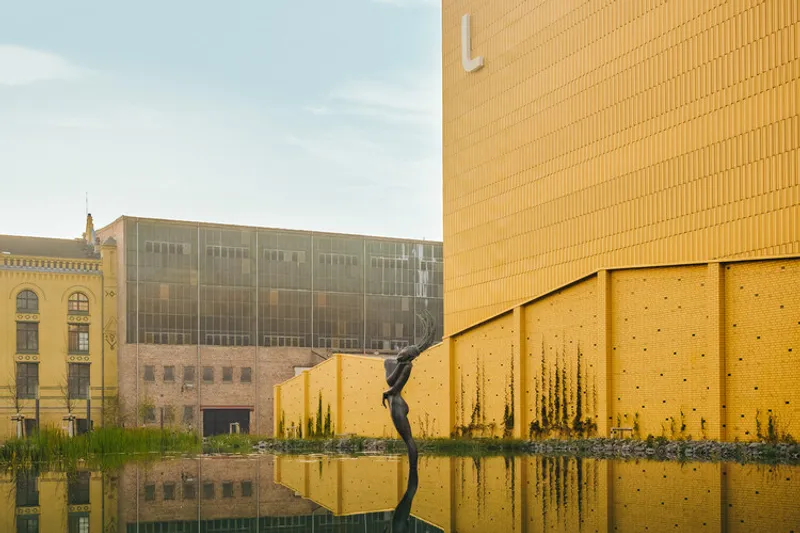
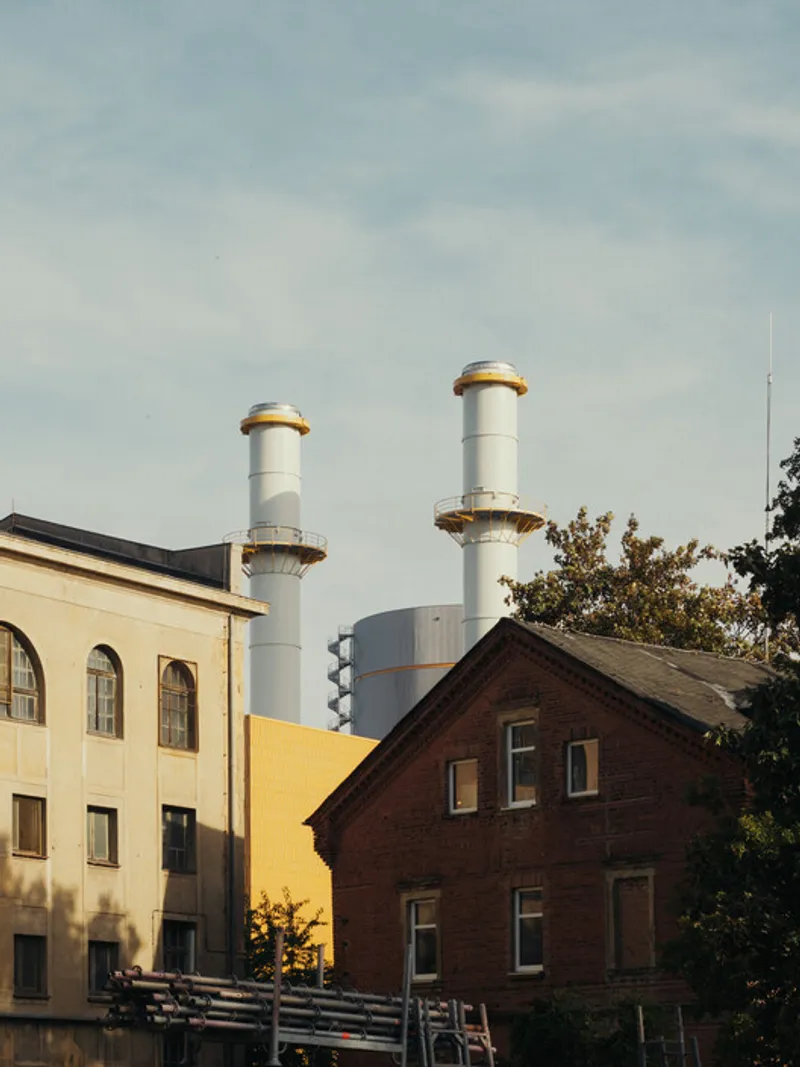
Originally constructed between 1908 and 1910, the Südwerk formed part of Leipzig’s early industrial infrastructure, characterized by monumental brick architecture typical of early 20th-century power generation facilities. Although decommissioned in 1996, the rapid urban growth of Leipzig necessitated the continued use of the site as a key energy supplier. The shift from fossil fuels to natural gas and future-ready hydrogen technology demanded a new architectural response—one that would respect the site’s listed industrial heritage while addressing contemporary technical requirements.
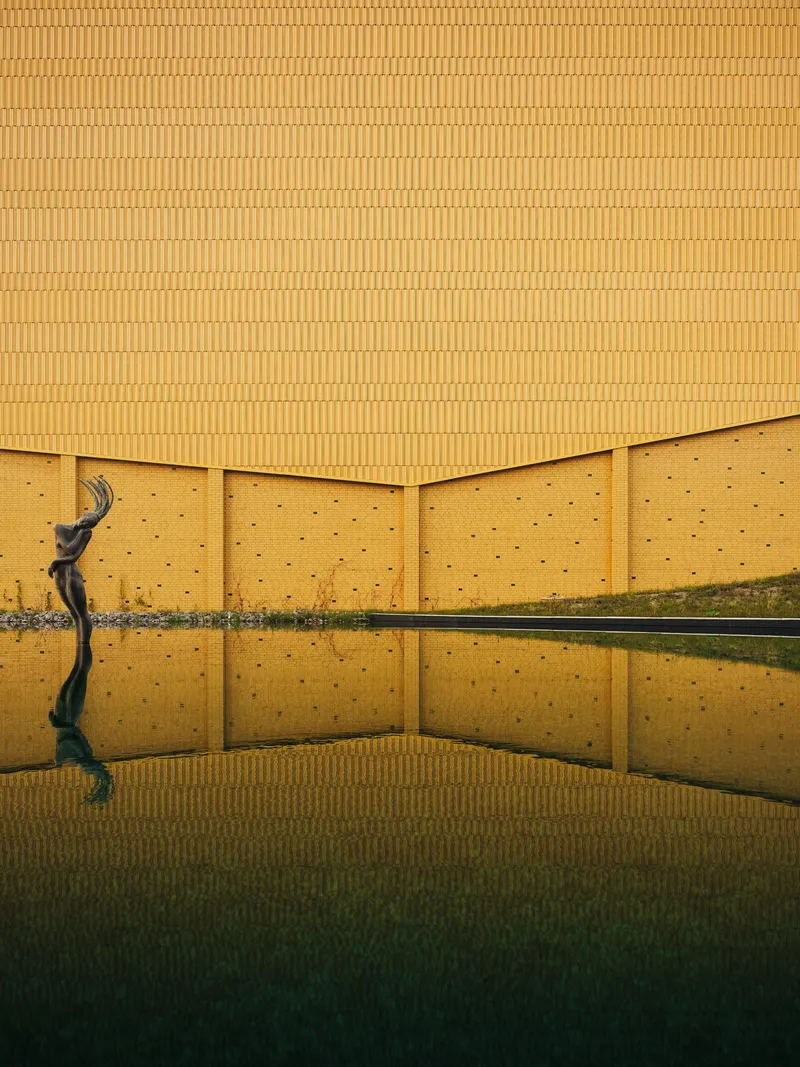
Architecture as Urban Mediator
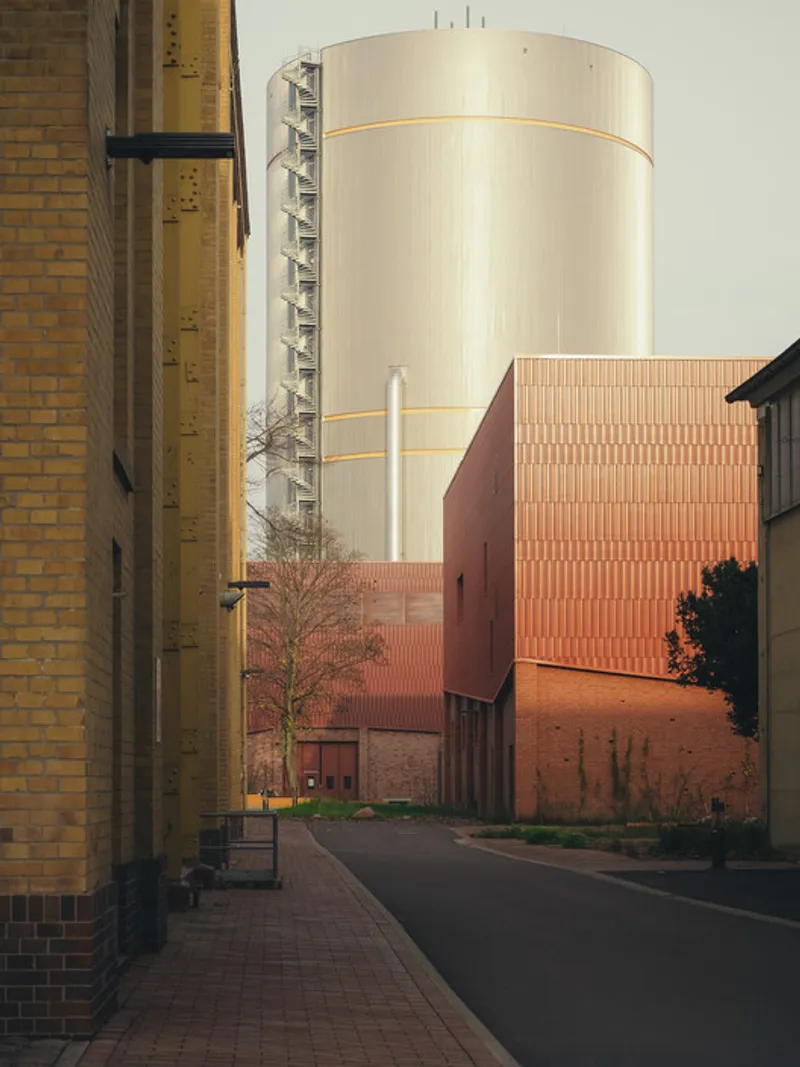
Located directly behind railway tracks and Bornaische Strasse, and adjacent to residential neighborhoods, the new power station complex required exceptional urban sensitivity. The project introduces three new buildings—a power station building, a gas plant building, and a pump house—each conceived as a highly technical structure with fixed dimensions and spatial constraints dictated by machinery and infrastructure.
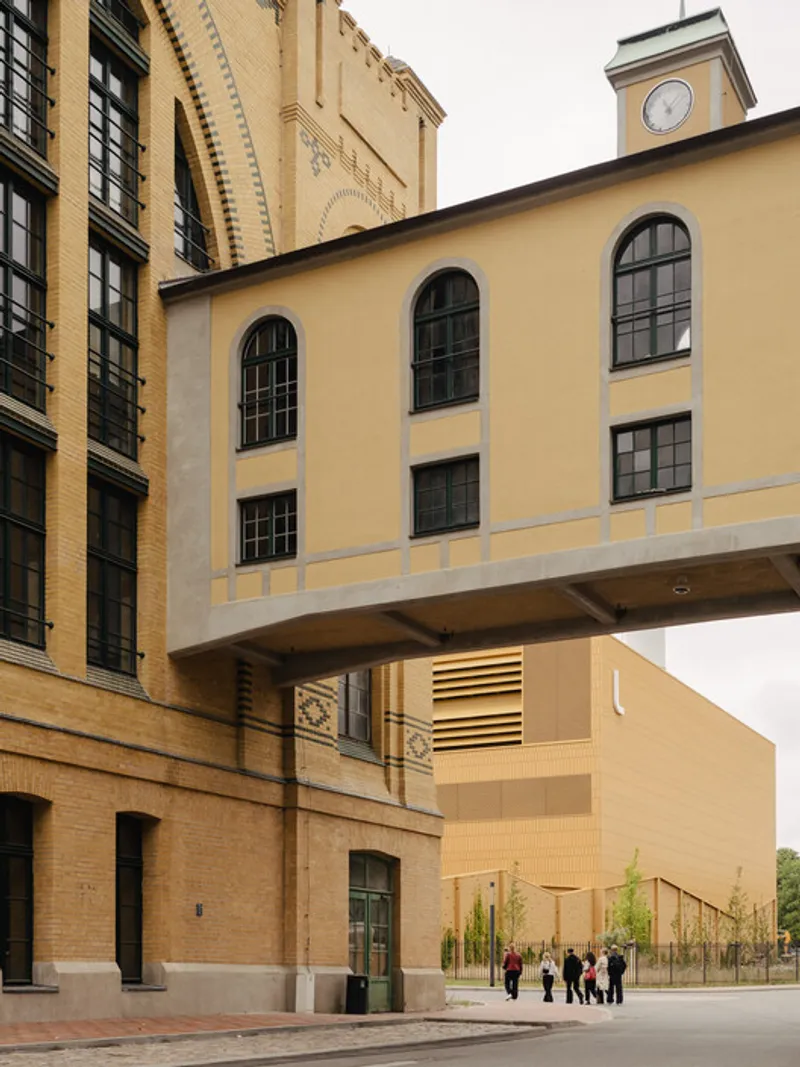
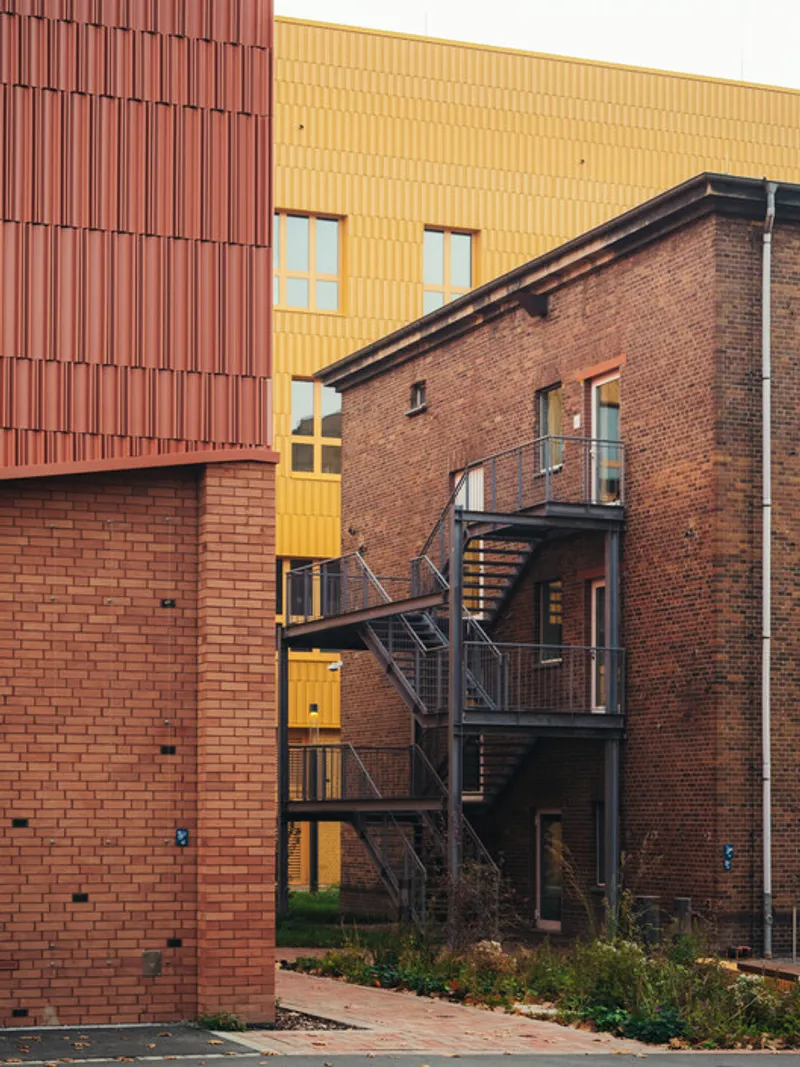
Rather than focusing on form-making, atelier st concentrated on the building envelope, treating the façade as the primary architectural interface between industry and city. In an unusual move for an infrastructure project, Stadtwerke Leipzig organized a national architectural competition, from which atelier st’s concept of a “ceramic continuation” emerged as the winning proposal.
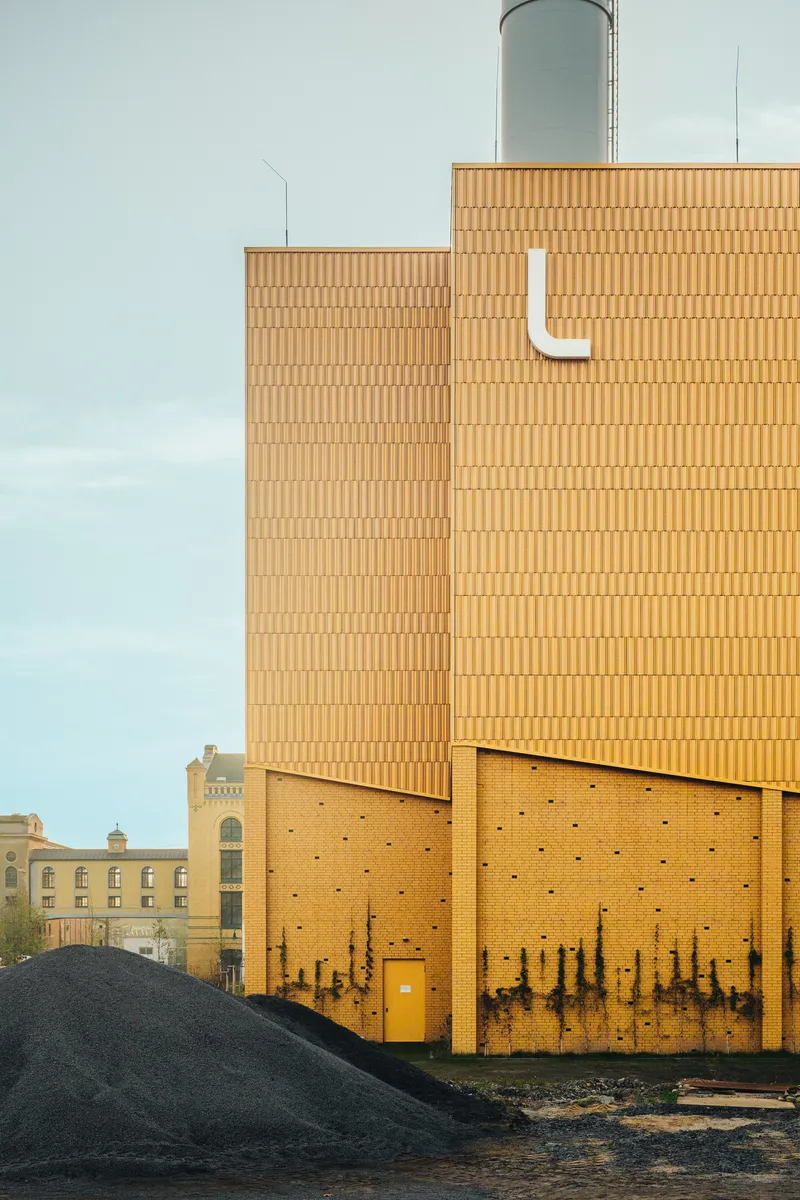
Ceramic Continuity and Material Innovation
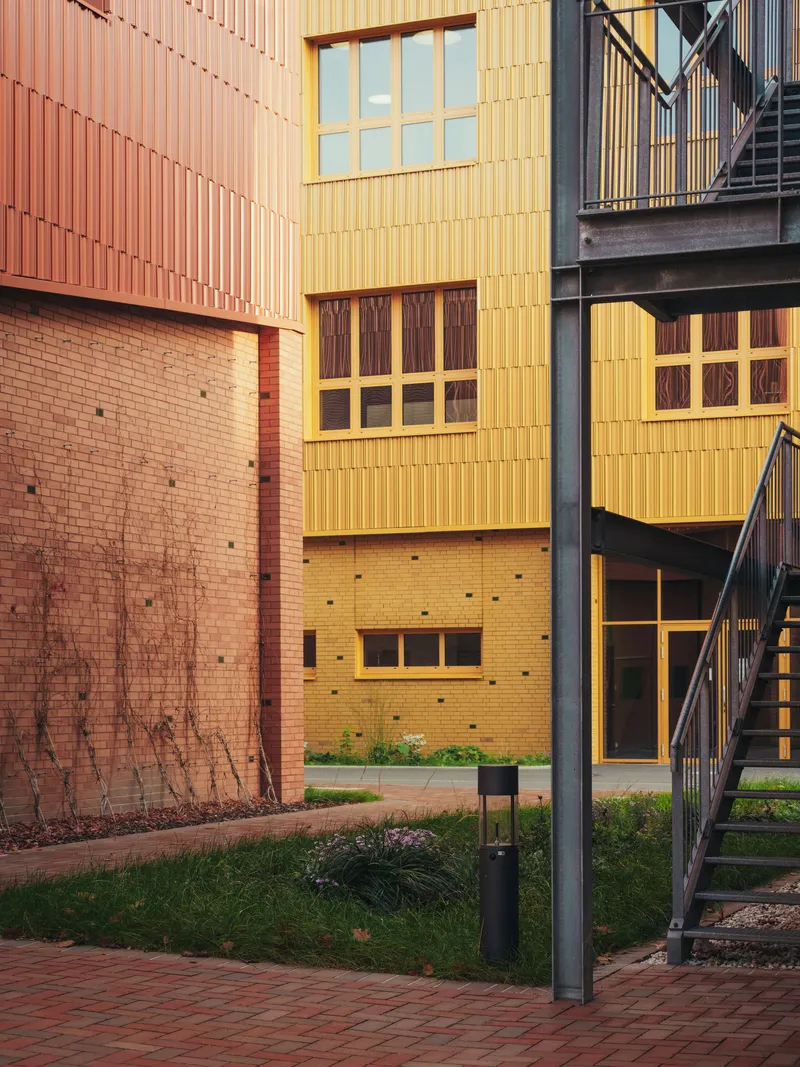
The design draws directly from the material language of the historic power station buildings, which feature yellow, brown, and reddish clinker bricks. These tones are reinterpreted and transferred to the new structures using fired clay façade panels, establishing a visual continuity across generations of industrial architecture.
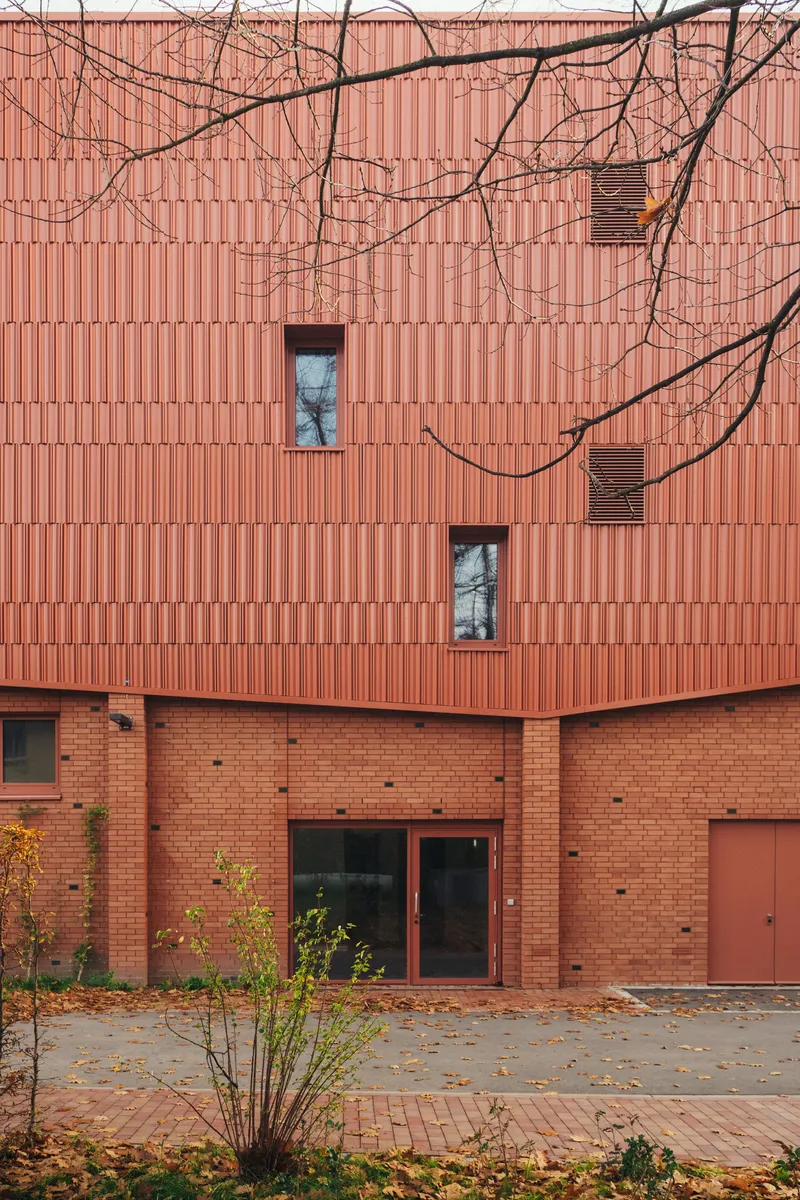
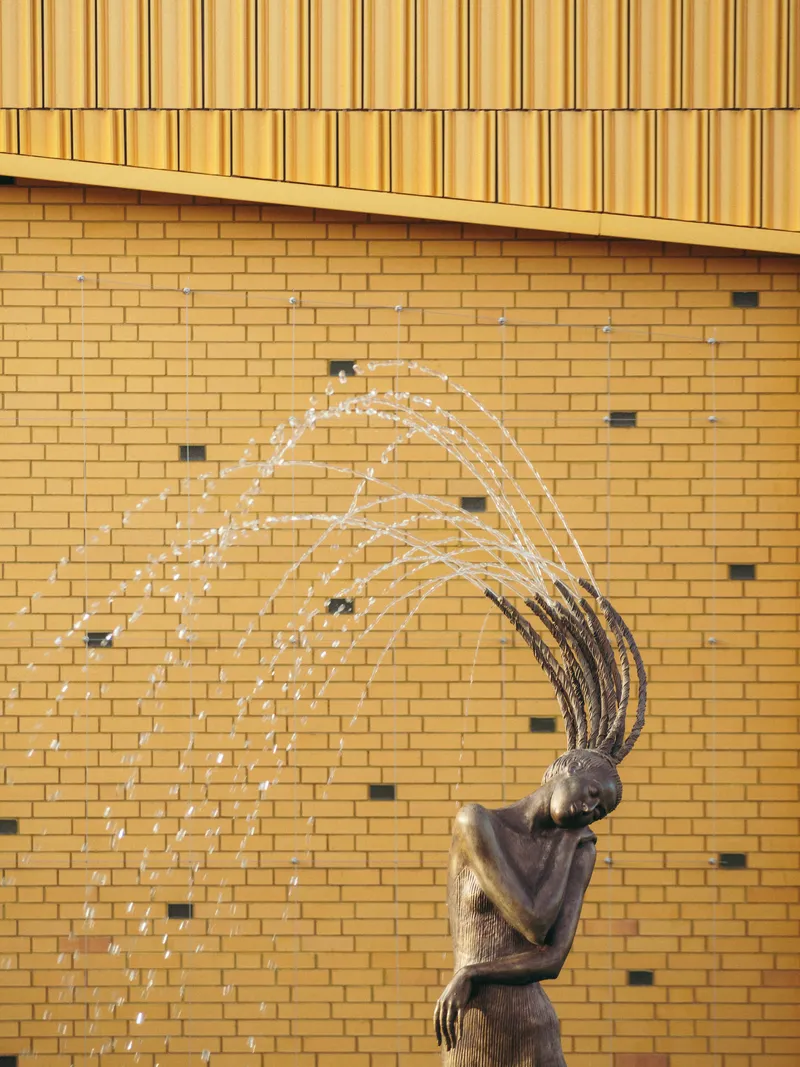
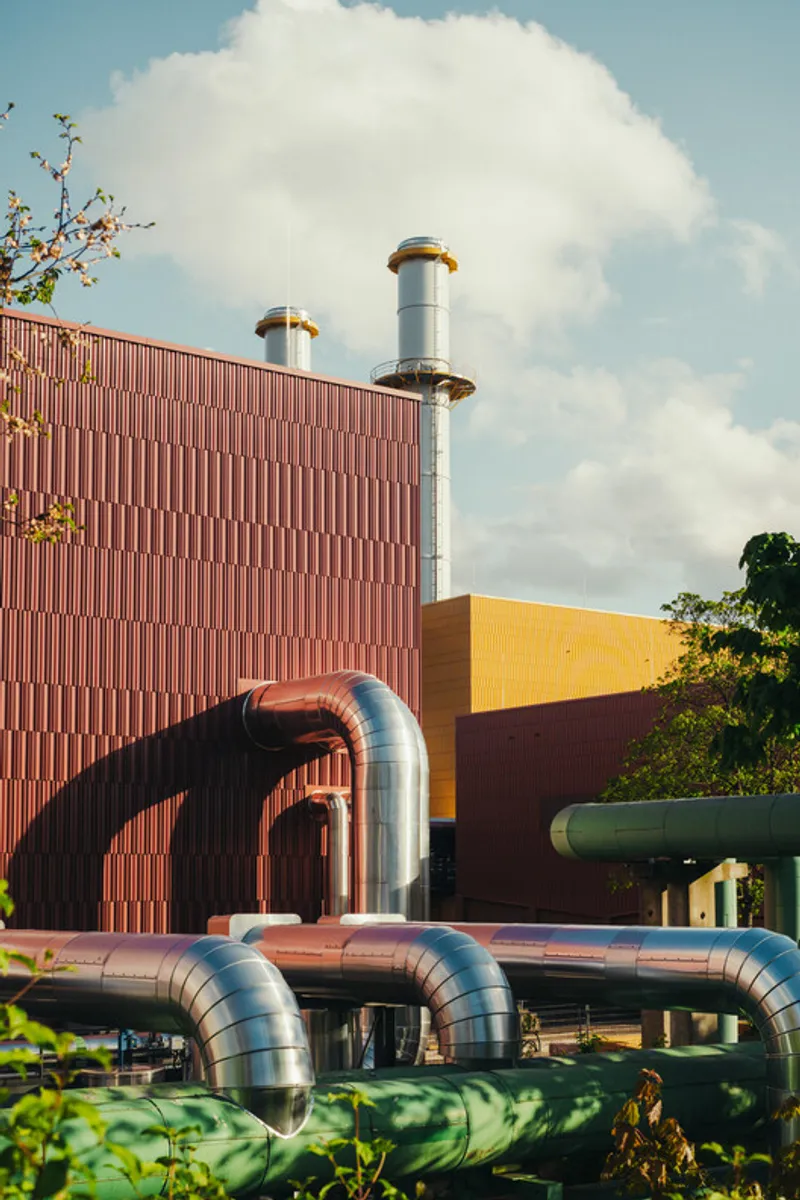
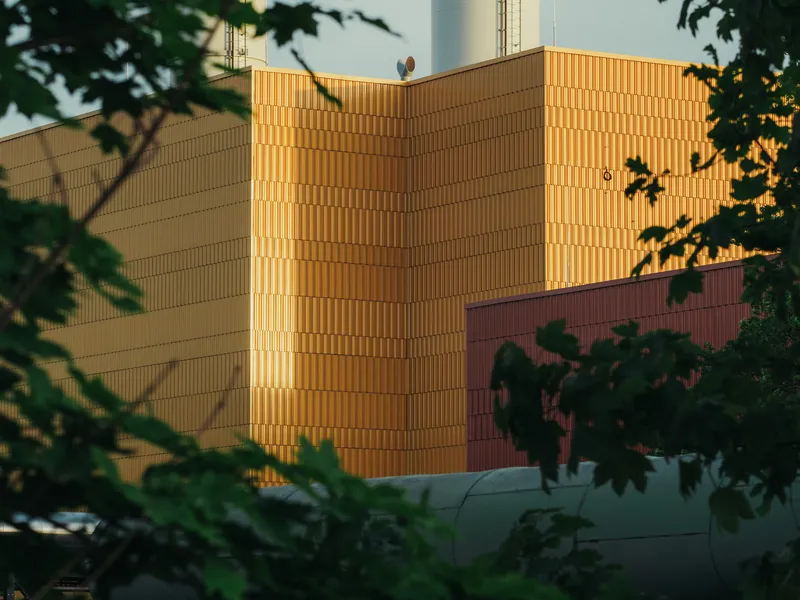
Given the massive scale of the new buildings, the façades are articulated with a finer vertical subdivision than the historic masonry structures. Glazed ceramic panels with a subtle, irregular linear texture introduce depth, variation, and a dynamic interplay of light and shadow. This ceramic curtain wall system—developed as a project-specific façade solution—softens the monumental volumes while maintaining their industrial clarity.
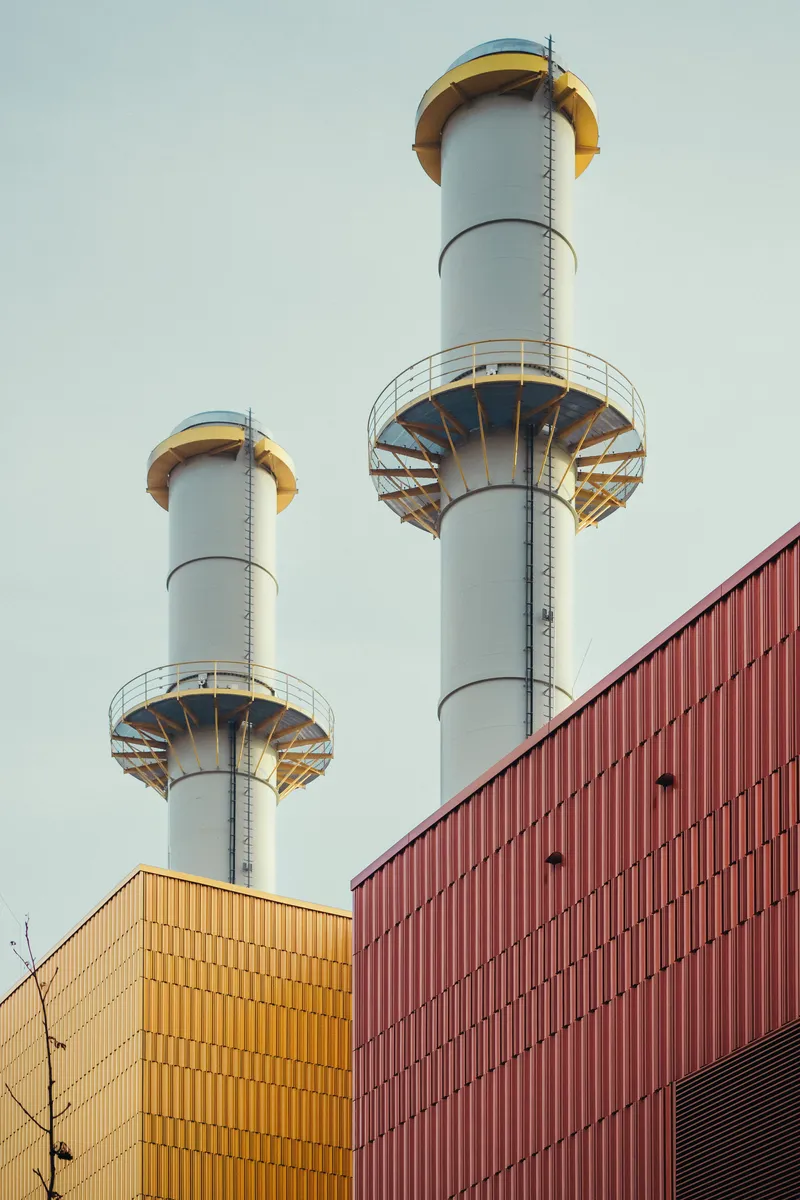
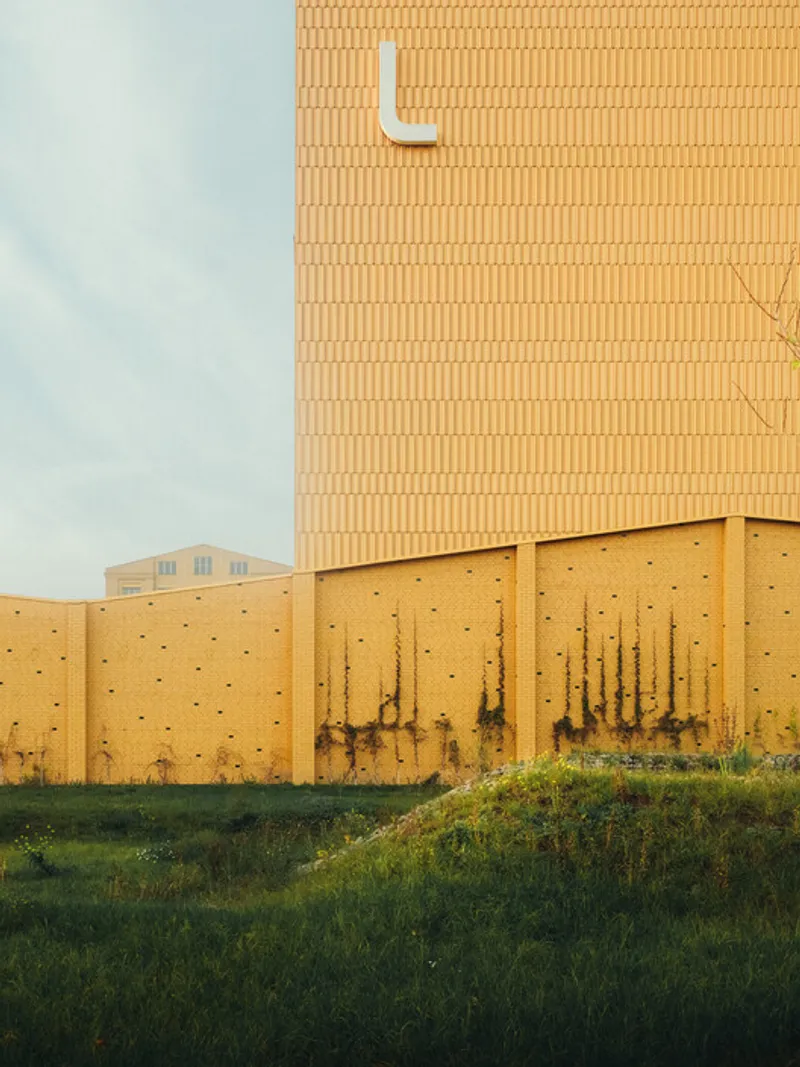
At the base of the buildings, traditional clinker brickwork is retained, grounding the new structures within the historic context. Green-glazed formwork bricks appear intermittently within the masonry, subtly disrupting the otherwise strict order of projecting lisenas and adding tactile richness.
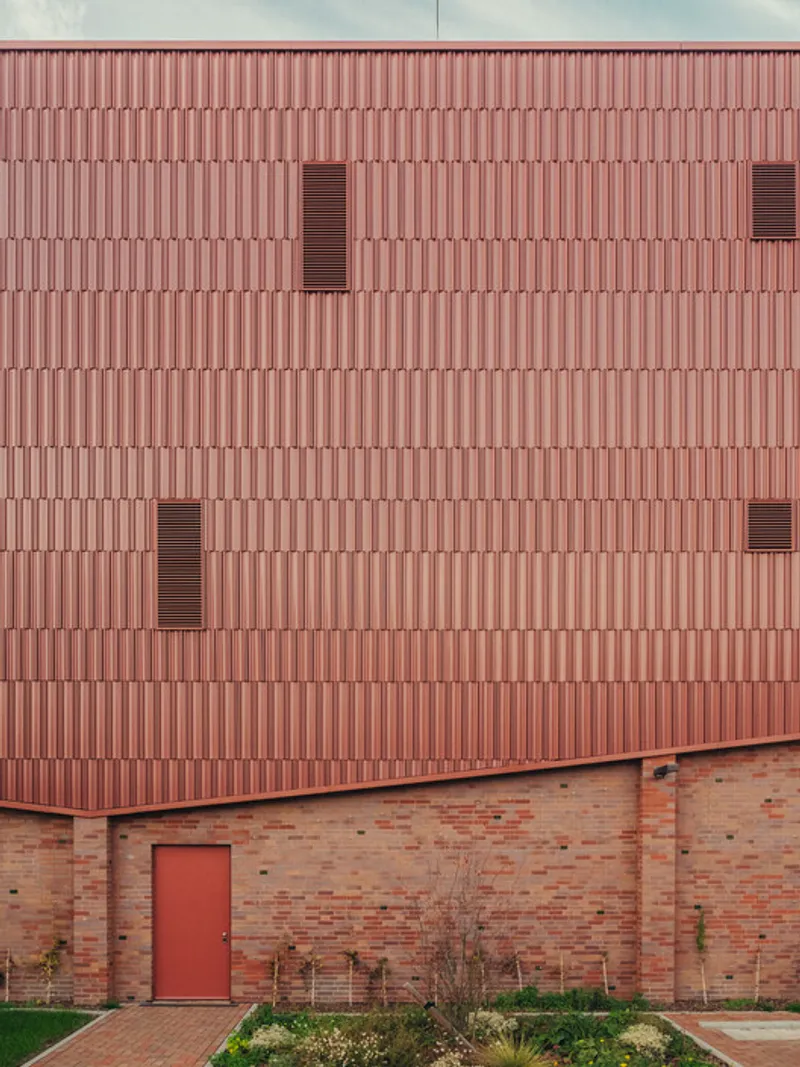
Contextual Integration and Sustainability
The partly slanted ends of the plinth floors echo the silhouettes of neighboring buildings, reinforcing a dialogue with the surrounding urban fabric. All technical elements—doors, gates, and service cladding—are carefully color-coordinated with the façade, ensuring visual cohesion despite the plant’s complex operational requirements.
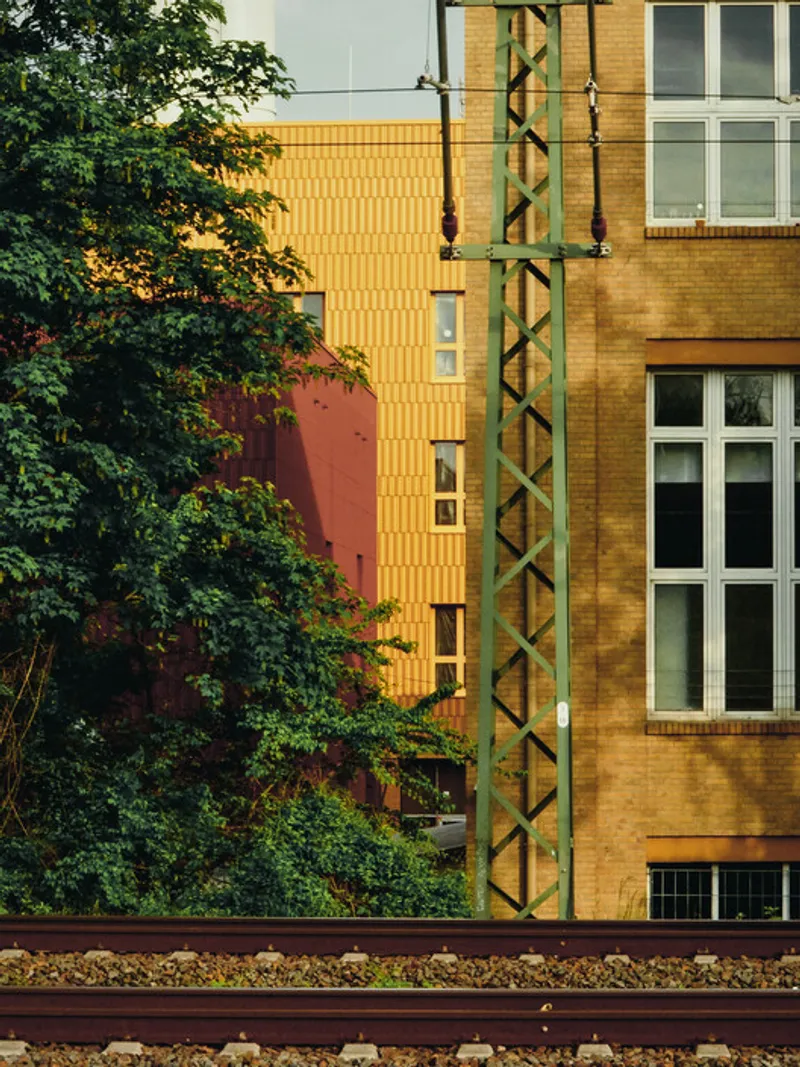
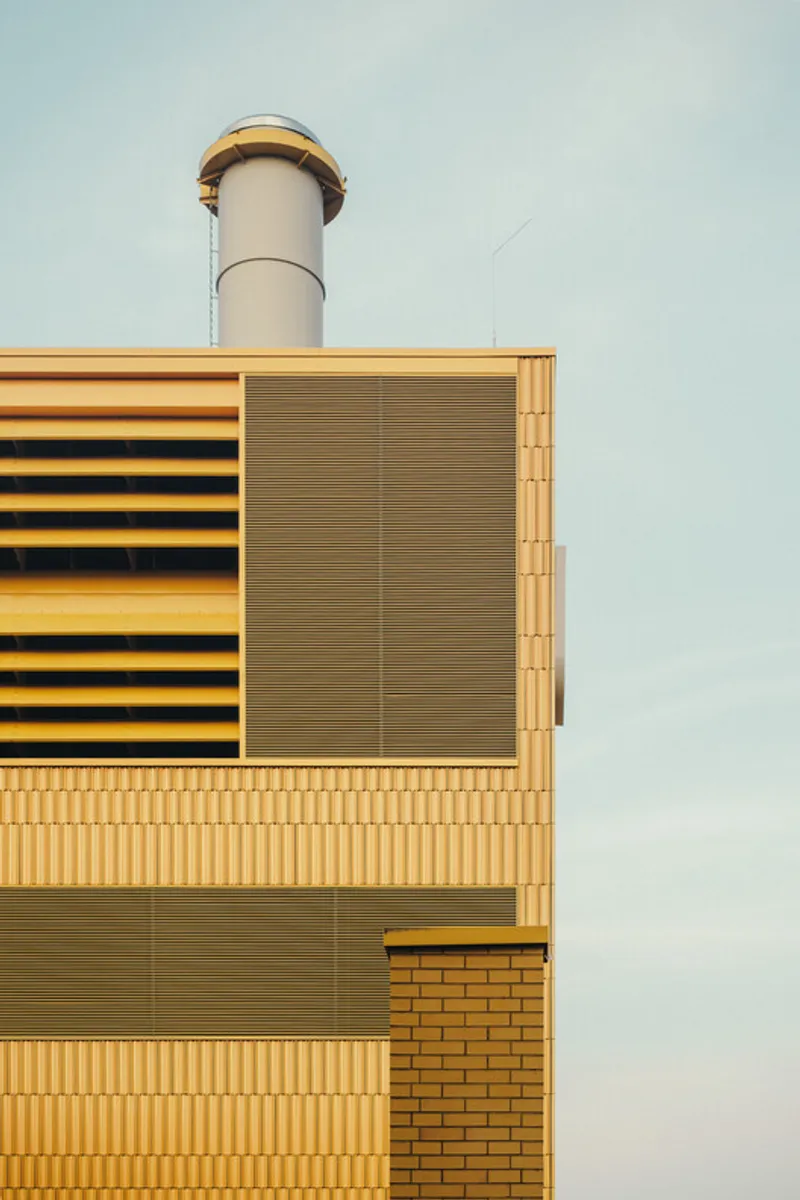
A façade greening system, suspended on wire ropes at the base of the buildings, further integrates the abstract industrial forms into the surrounding landscape. This green layer acts as a soft transitional zone between infrastructure and public space, reinforcing the project’s role as both an energy facility and an architectural landmark.
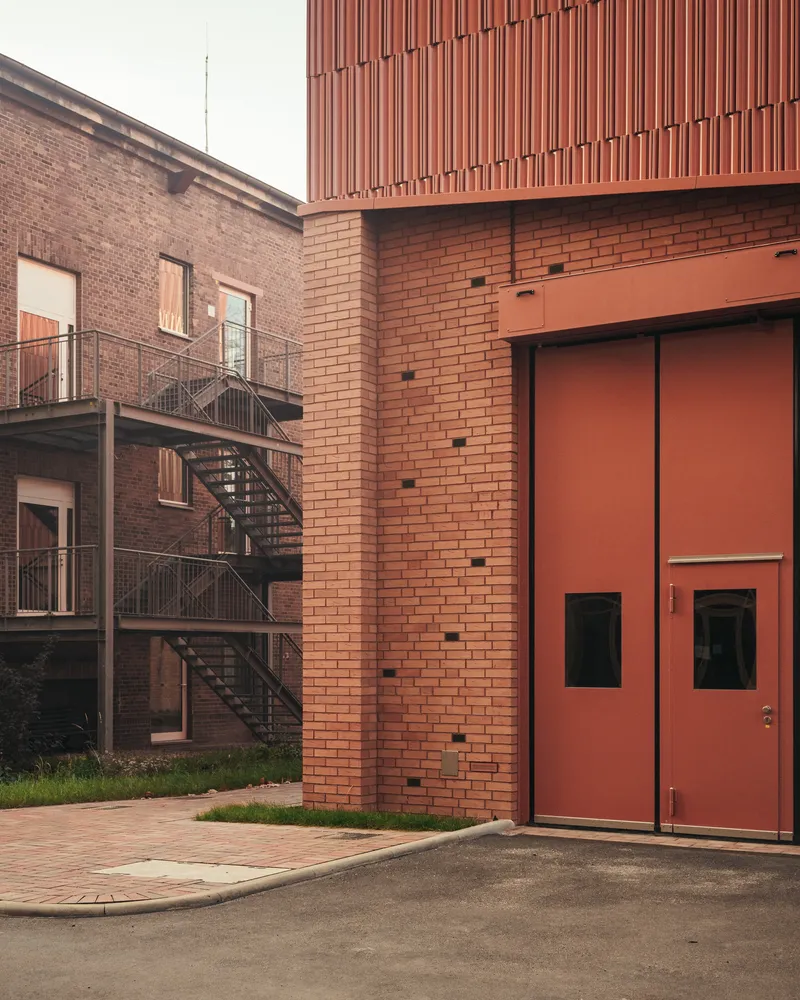
A New Model for Industrial Architecture
As the first gas turbine power plant designed to operate on 100% hydrogen, the Power Station Leipzig represents a technological milestone. Architecturally, it stands as a compelling example of how infrastructure projects can transcend pure functionality to become urban mediators, preserving industrial identity while embracing innovation, sustainability, and design excellence.
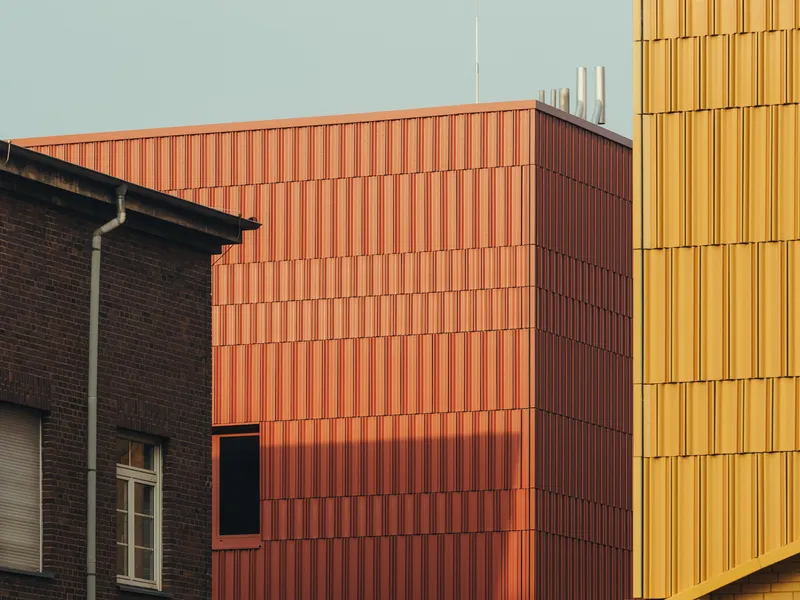
All the Photographs are works of Atelier ST / Viet duc Nguyen




Popular Articles
Popular articles from the community


Co-life: Sustainable Architecture for Age-Friendly Community Living
Co-life reimagines sustainable architecture for seniors through courtyards, rammed earth, shared gardens, and spaces designed for belonging.

Conexión: Biophilic Design Reimagines High-Rise Living in Hong Kong
Conexión reimagines high-rise living in Hong Kong through biophilic design, green facades, shared spaces, daylight, water and nature within.

Riyadh For All: Intergenerational Urban Design for Active Aging in Rabat
Riyadh For All reimagines urban design in Rabat with intergenerational co-living, adaptive courtyards, and Moroccan cultural exchange today.

Co-Life: Senior Housing Design That Reconnects Older Adults With the City
Co-Life reimagines senior housing design through healing gardens, shared streets, workshops, and a sustainable community across generations.

Similar Reads
You might also enjoy these articles


Hodi-Mandai Geram
Project Function: Preservation and revitalization of the Intangible heritage and socio-spatial identity of the Hodi by Housing, Cultural Memory Center, Sacred Grove, landscape, local tourism economy


Olio Towers: A Mid-Rise for Performers That Fuses Housing, Rehearsal, and Stage
Located blocks from Houston's Theater District, this modular tower stacks living units around a central performance atrium.

Oasis: Modular Green Housing Carved into Dhaka's Urban Fabric
A shortlisted Plugin Housing entry reclaims unauthorized settlements in Dhaka with stepped concrete volumes, green roofs, and ventilation-driven design.

Black Hole: A Floating Megastructure for the Post-Physical Era
Emiliano Mazzarotto envisions a spherical, self-scaling arena where e-sports, digital hotels, and holographic stadiums replace traditional public space.

Explore Power Station Competitions
Discover active competitions in this discipline



Challenge to reimagine the Iron Throne


Photograph architecture without architects


Illustrate the lost glory of Angkor Wat - Render Challenge


Design challenge to reuse E-waste
Comments (0)
Please login or sign up to add comments
No comments yet. Be the first to comment!