

Rammed Earth Architecture: The Dining Room Installation by i/thee
An innovative rammed earth pavilion blending art, sustainability, and public interaction in Bondurant, Iowa, part of a visionary master plan.


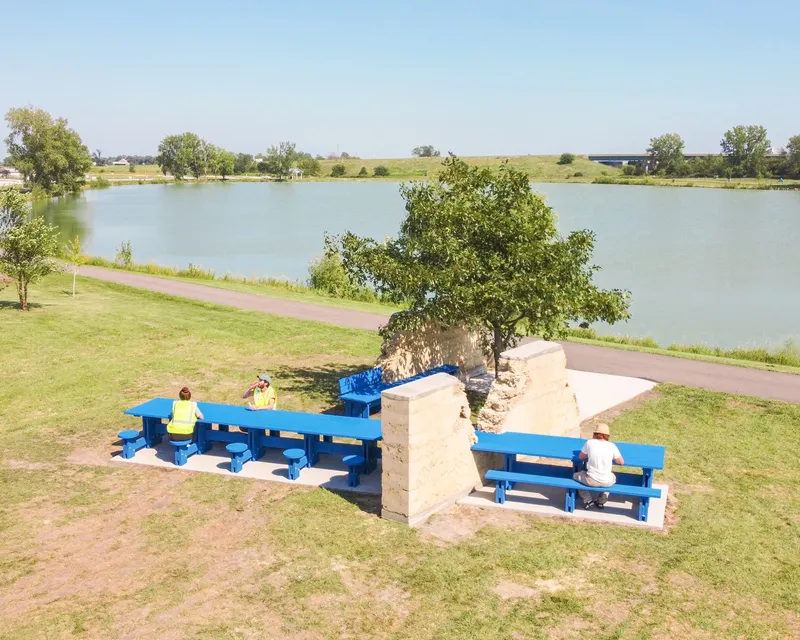
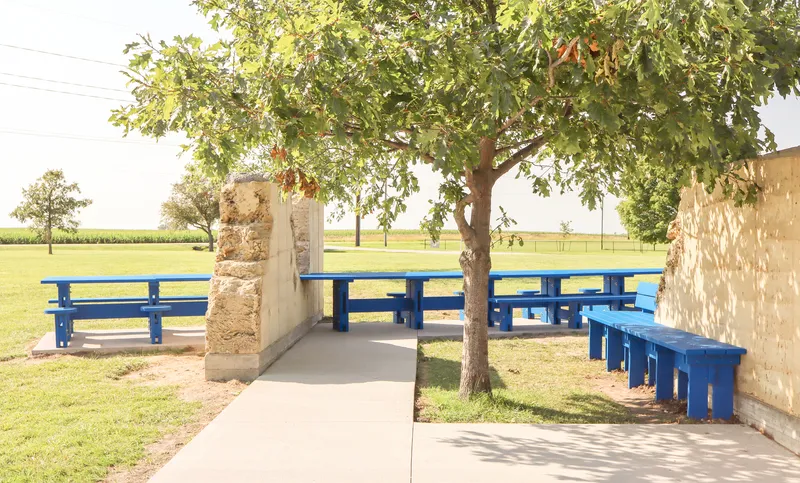
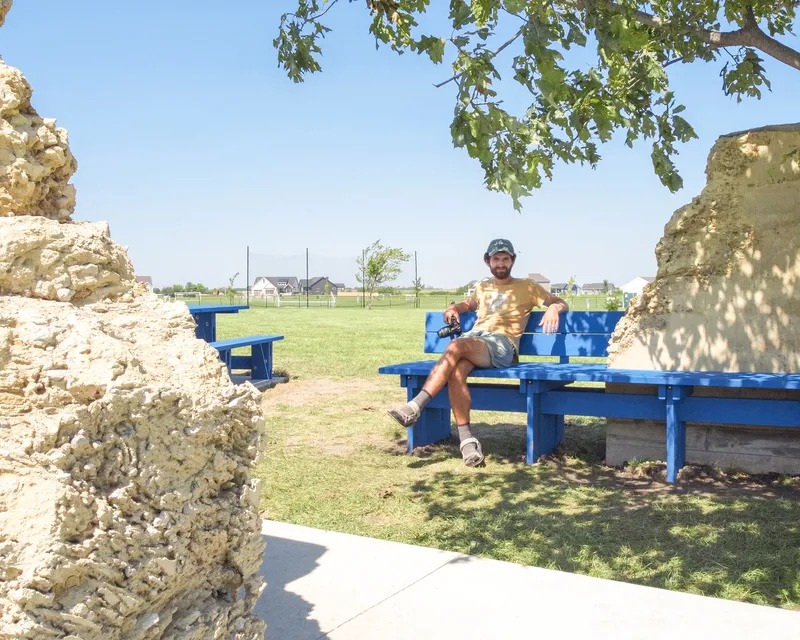
The Dining Room Installation, designed by i/thee, is a groundbreaking example of rammed earth architecture in public spaces. Located at Lake Petocka in Bondurant, Iowa, the pavilion is the first of a series of public "rooms" envisioned along the ARTocka Trail Loop. This experimental earthen pavilion reimagines communal spaces, blending sustainability, art, and architecture in a unique dining and picnic area that interacts dynamically with its natural surroundings.


A Vision for Communal Spaces
The Dining Room marks the beginning of a larger master plan designed by i/thee for Bondurant, Iowa. This initiative aims to create a series of public installations inspired by the functions of household spaces, scaled to foster community interaction within a park setting. Each installation in the master plan is designed to adapt to its environment, shaping and being shaped by the natural elements.
As the inaugural project, The Dining Room serves as the conceptual and physical heart of the ARTocka Trail Loop. Its design draws on the simplicity of household dining spaces while elevating them to sculptural and communal art forms. With future installations planned, this project sets a precedent for innovative public architecture in the region.


Innovative Use of Rammed Earth Construction
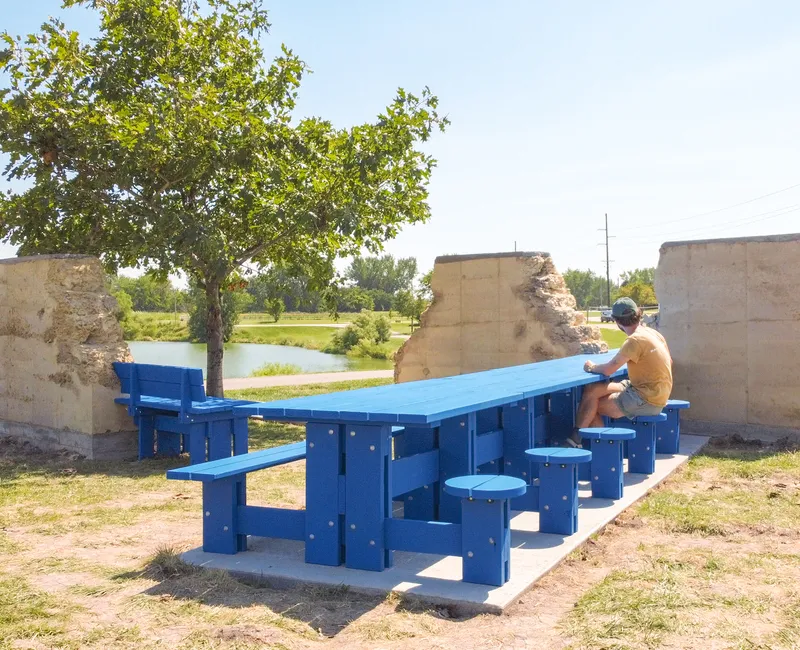
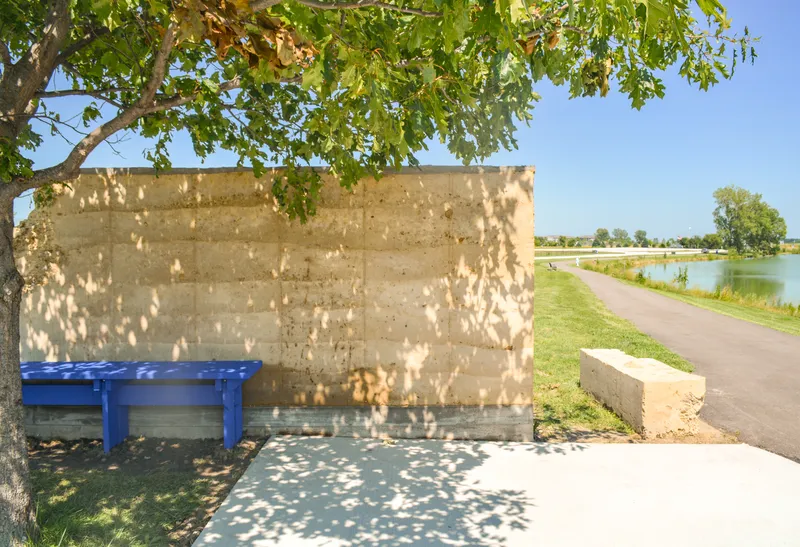
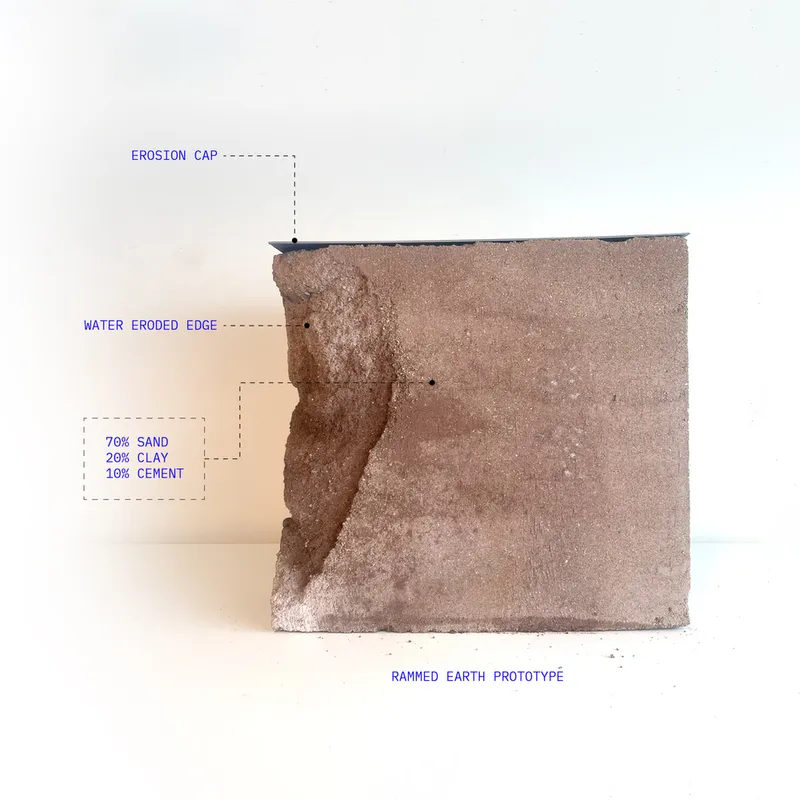
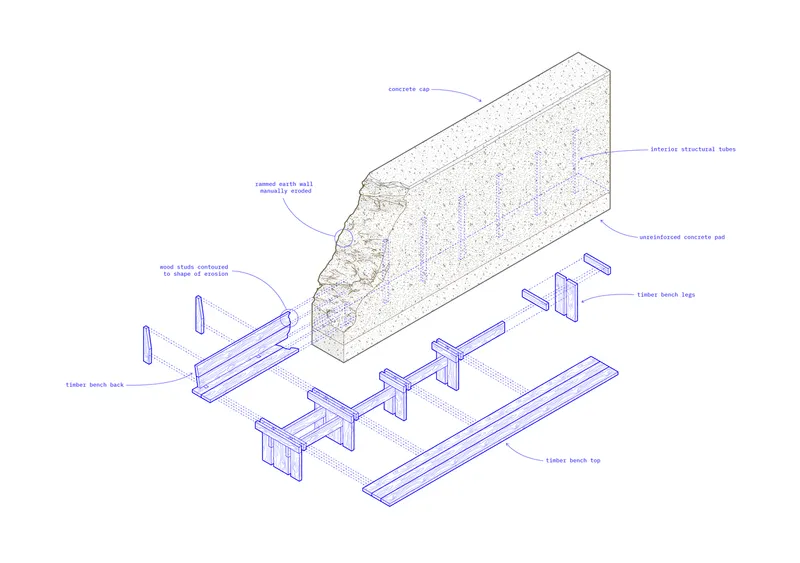
The Dining Room highlights the versatility and sustainability of rammed earth construction in a humid continental climate. Composed of locally sourced sand, clay, and gravel, the pavilion’s two rammed earth walls were created using an on-site mixing and compacting process. The unreinforced walls stand as monolithic structures, showcasing the material’s structural capabilities and natural beauty.
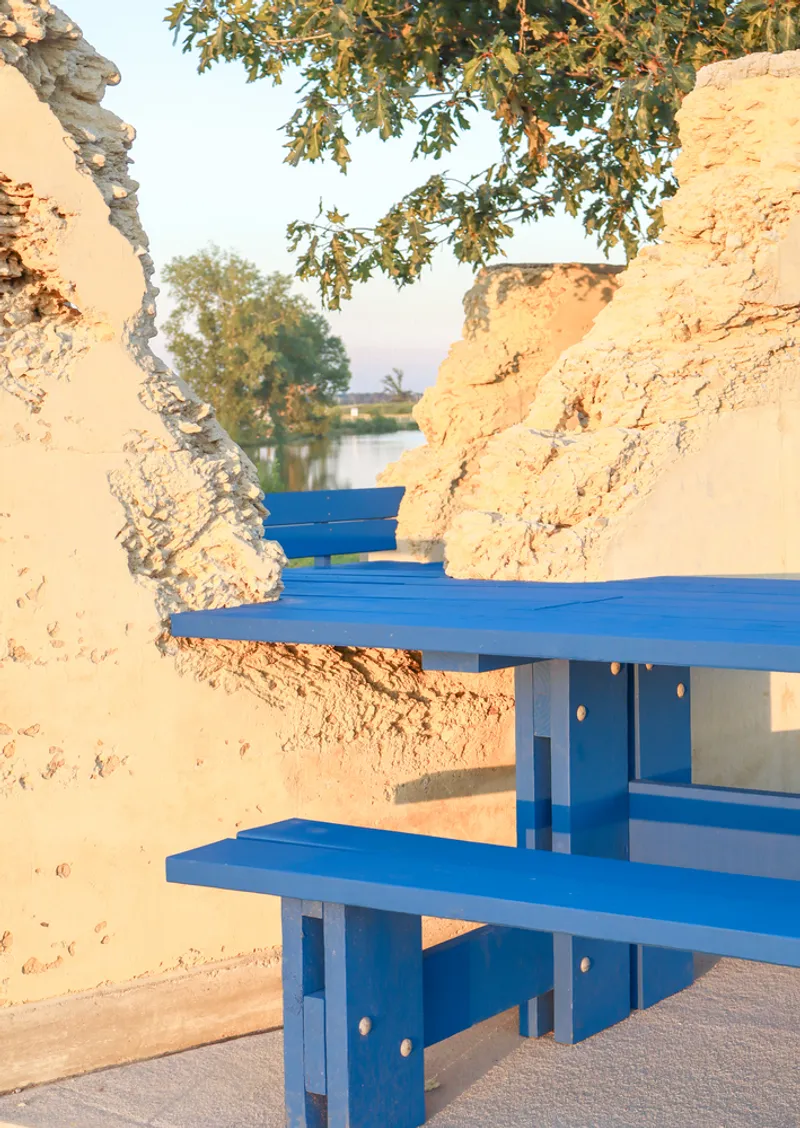
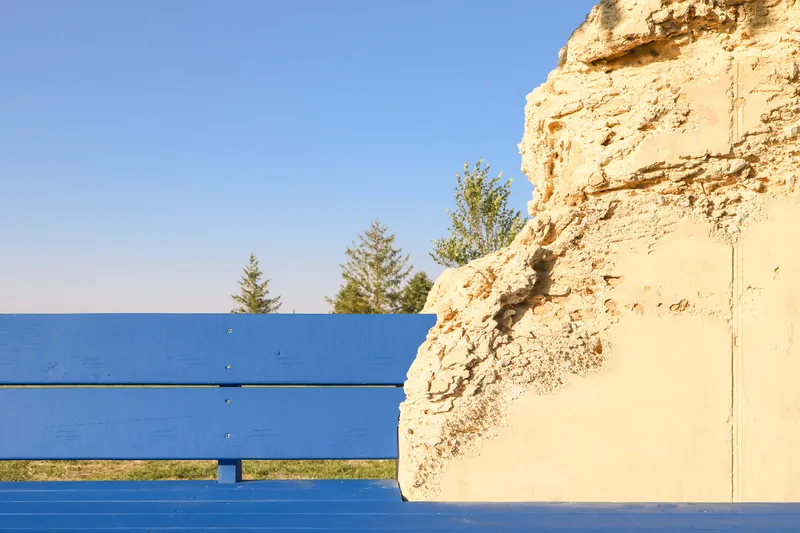
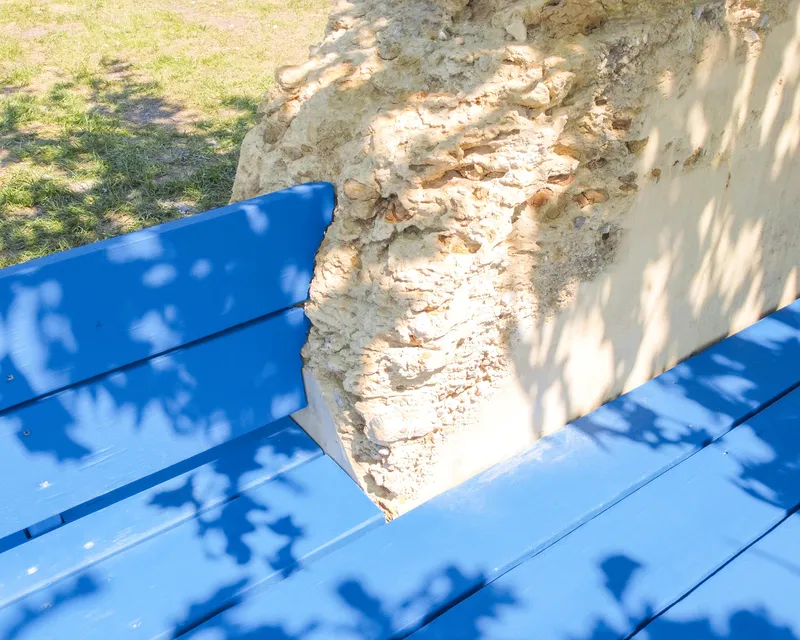
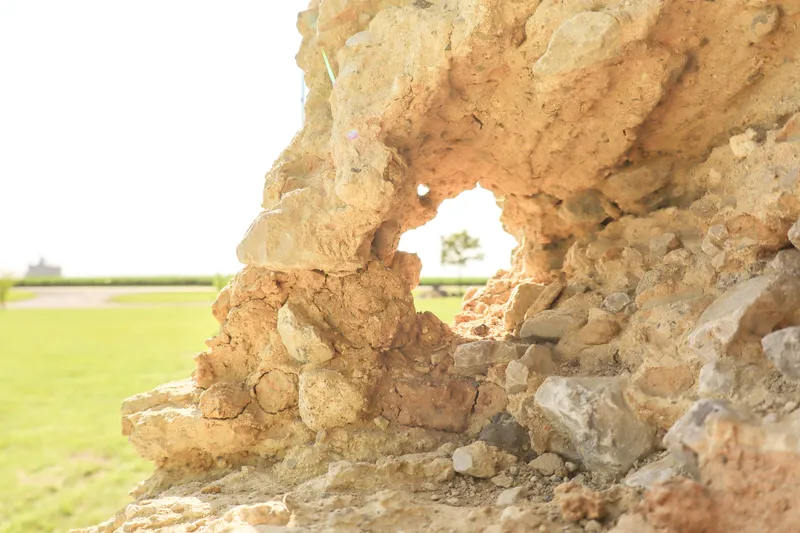
After the walls were erected, the design team employed high-pressure water sprays to erode the surfaces intentionally. This process mimics natural forces, creating intricate textures and morphologies that appear as if shaped by centuries of wind and water. These geo-mimetic features exemplify the installation’s dynamic interplay between natural and human-made elements.




Design Evolution Through Digital and Traditional Techniques
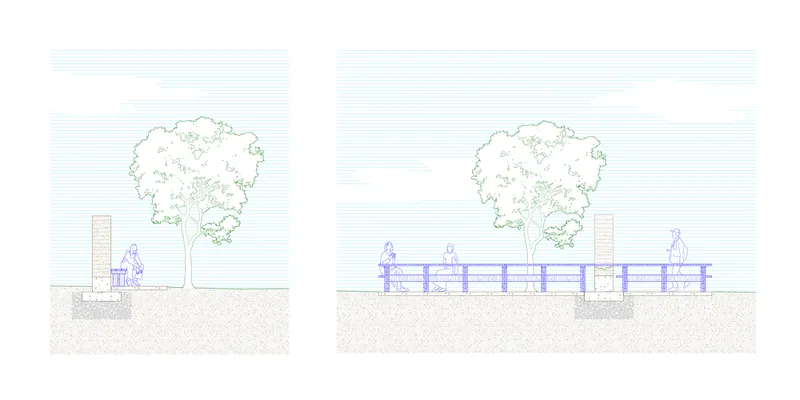
The Dining Room Installation is a testament to the harmony between advanced digital tools and traditional craftsmanship. Technologies like 3D scanning were combined with techniques such as timber scribing to integrate exaggerated picnic tables and benches directly into the eroded walls. These additions appear as though they were unearthed alongside the walls, emphasizing the pavilion’s connection to time and nature.
The design is intentionally non-static, incorporating strategic erosion breaks that allow the walls to evolve over time. As the elements continue to shape the pavilion, the installation invites the environment to become a co-creator in its ongoing transformation.



Sustainability and Community Impact
As one of Iowa’s first public rammed earth projects, The Dining Room Installation demonstrates the ecological and aesthetic benefits of earthen construction. The use of local materials reduces the project’s carbon footprint while supporting the local economy. The evolving design encourages visitors to engage with the structure and surrounding environment in meaningful ways, creating a sense of shared ownership and community pride.



A Model for Future Installations
The Dining Room Installation by i/thee is a pioneering exploration of rammed earth architecture and its potential in public art. By harmonizing natural processes with human ingenuity, the pavilion serves as a dynamic communal space and a model for sustainable design. As the ARTocka Trail Loop expands, this project will inspire future installations to embrace environmental interaction and communal connection.


All Photographs are work of Neal Lucas Hitch


Popular Articles
Popular articles from the community


LT2A and OPEN Architectes Thread a Brick and Glass High School Through a Wooded Belgian Campus
In Braine-l'Alleud, a 3,000 m² wing for Collège Cardinal Mercier pairs pale brick with a glazed colonnade, deferring to a small chapel and a dense wood.

Jaramillo Van Sluys Arquitectura and Urbanismo Turn a Demolished Registry Lot in Quito into an Orchard Plaza
In Quito's Centro Histórico, a 2,800 m² plaza exposes the San Agustín convent wall and redraws its lost Augustinian orchard in volcanic stone.

David Macias Steps a Doorless Stone and Plaster House Down a Tropical Colombian Hillside
In the humid hills of Colombia, Threshold House replaces the front door with an open void and terraces its 850 m² down the slope instead of fighting it.

GROUP A Strips a 1969 Rotterdam Harbor Headquarters to Its Frame and Wraps It in Timber Louvers
In Rotterdam's M4H harbor district, Ferro Offices reuses a 1969 frame, adds one timber storey and reaches BREEAM-NL Outstanding.

Similar Reads
You might also enjoy these articles

Gil Mello Arquitetura Tilts a Single Roof Toward the Waterfalls on a Plateau Above Aiuruoca, Brazil
In Aiuruoca, Minas Gerais, a 200 m² house of local labor and reclaimed poles pairs a low valley veranda with a tall mountain one.

U.GA Architects Wraps an Oval Rooftop Pool in Curved Board-Formed Concrete on Busan's Jeollidan-gil
In Busan's Jeonpo-dong, a 454 m² mixed-use block stacks a neighborhood facility, guest rooms and an oval rooftop pool inside spiraling concrete walls.

Felipe Hess Arquitetos Turns a Blind Stone Wall to the Street and Opens a Brazilian House onto a Courtyard and Canal
A canal-front house in Brazil hides behind painted stone and planting, then opens to an olive-tree courtyard, a reed-ceilinged porch and a curving pool.
David Macias Steps a Doorless Stone and Plaster House Down a Tropical Colombian Hillside
In the humid hills of Colombia, Threshold House replaces the front door with an open void and terraces its 850 m² down the slope instead of fighting it.

Explore Rammed Earth Competitions
Discover active competitions in this discipline

Challenge to reimagine the Iron Throne

Photograph architecture without architects

Illustrate the lost glory of Angkor Wat - Render Challenge

Design challenge to reuse E-waste
Comments (0)
Please login or sign up to add comments
No comments yet. Be the first to comment!