
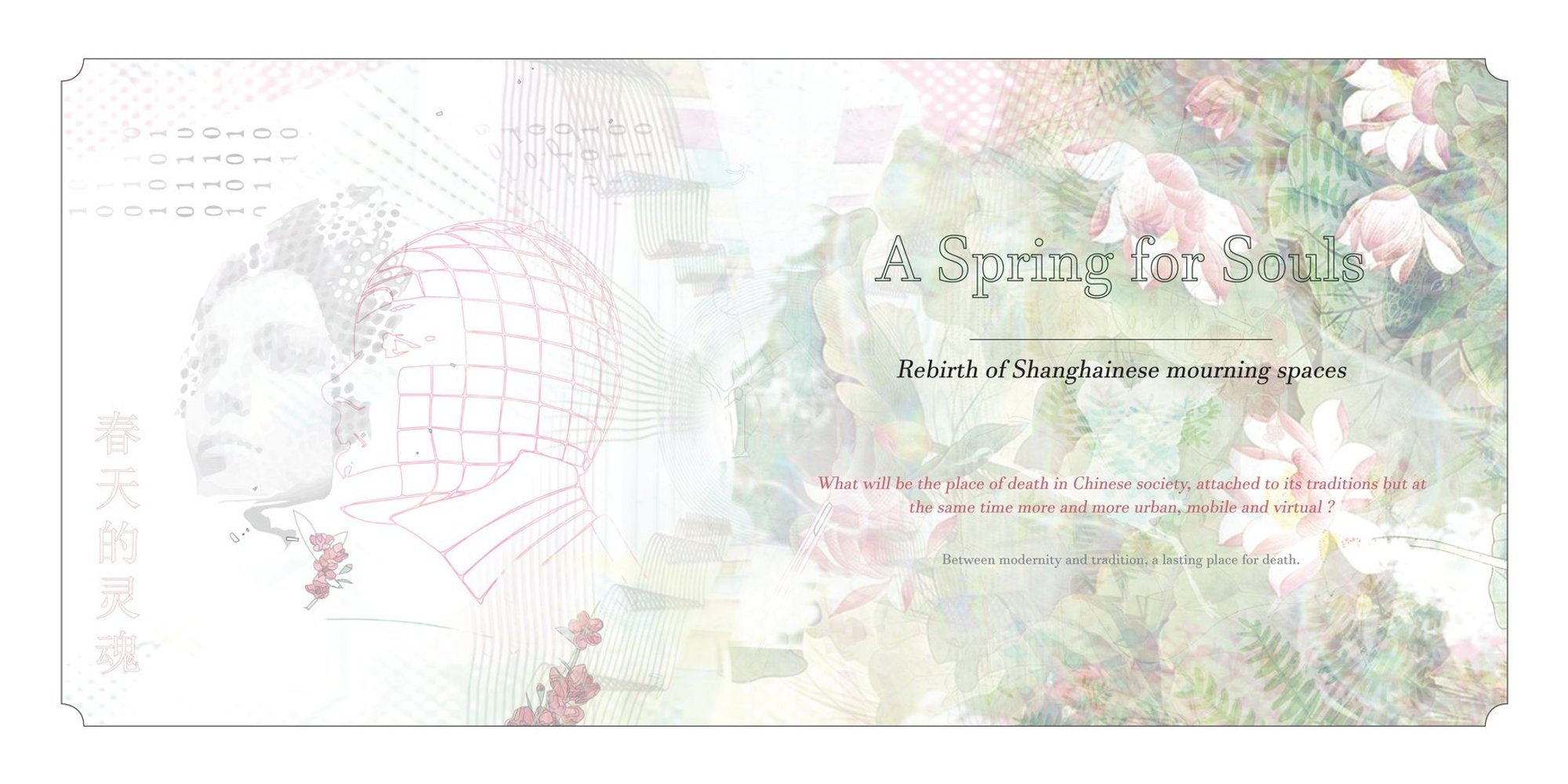
Rebirth of Shanghainese Mourning Spaces: Between Modernity and Tradition, a Lasting Place for Death
Blending remembrance, ecology, and urban life—redefining funerary spaces for a sustainable and harmonious future.

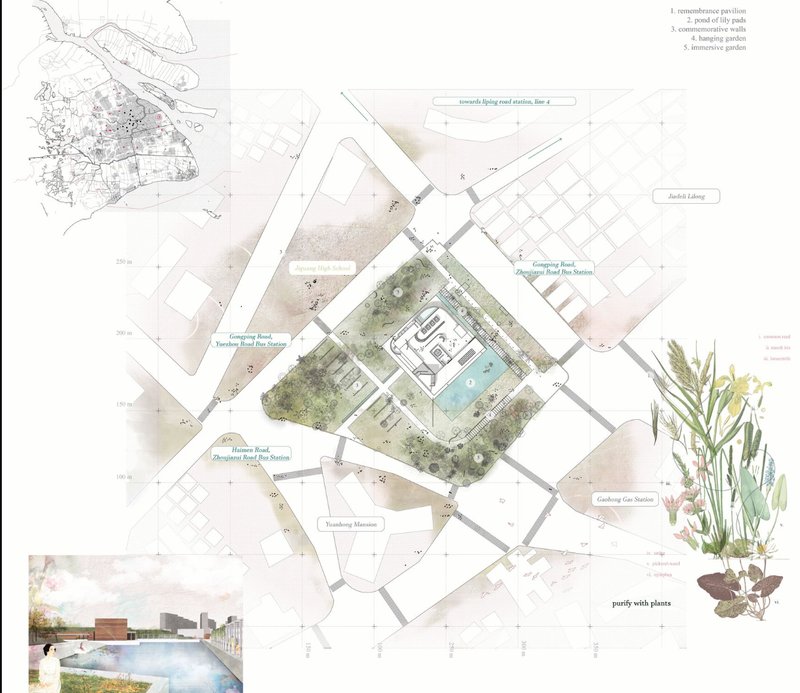
In the rapidly urbanizing landscape of Shanghai, the integration of sustainable architecture with funerary practices is reshaping the way cities honor the deceased. This project "A Spring by souls' by Marie Fruiquière envisions a harmonious coexistence between remembrance and ecological consciousness, fostering a new architectural paradigm that preserves heritage while addressing the spatial constraints of a growing metropolis.
Revitalizing the Funerary Landscape
Shanghai’s cemeteries have long faced challenges of overpopulation and spatial limitation. Historically, burial sites were established within defined perimeters, evolving from colonial cemeteries to those shaped by the communist funeral policies of the 1950s. Today, these spaces are reaching their limits, necessitating a transformation of burial practices that aligns with both cultural traditions and modern sustainability principles.
The Shanghai 2035 Master Plan integrates the funerary landscape into the ecological matrix of the city. By prioritizing green spaces, promoting the decentralization of burial sites, and embracing eco-conscious designs, the city aims to create a seamless blend between urban development and the commemoration of the deceased.
Eco-Funerary Architecture: A Sustainable Approach
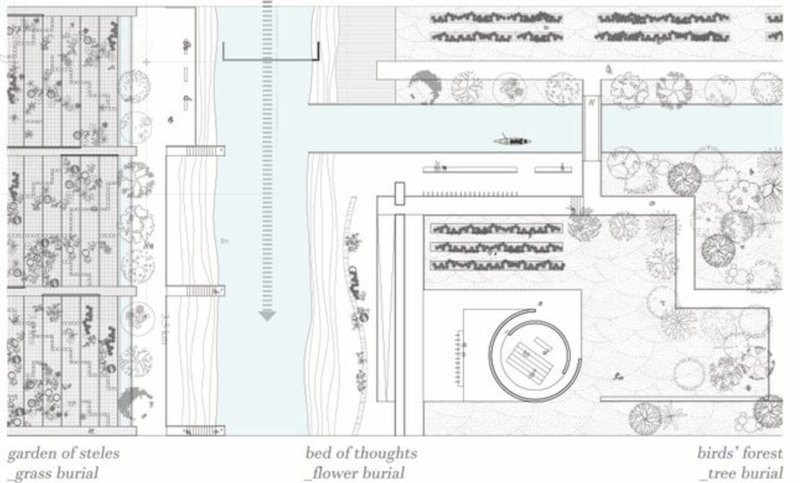
One of the most innovative aspects of this vision is the shift towards ecological burial methods. Instead of conventional cemeteries, new burial practices encourage the use of biodegradable urns and coffins, natural burial forests, and the dispersal of ashes in protected ecological zones. This approach reduces the environmental footprint of cemeteries while reinforcing the connection between life, death, and nature.
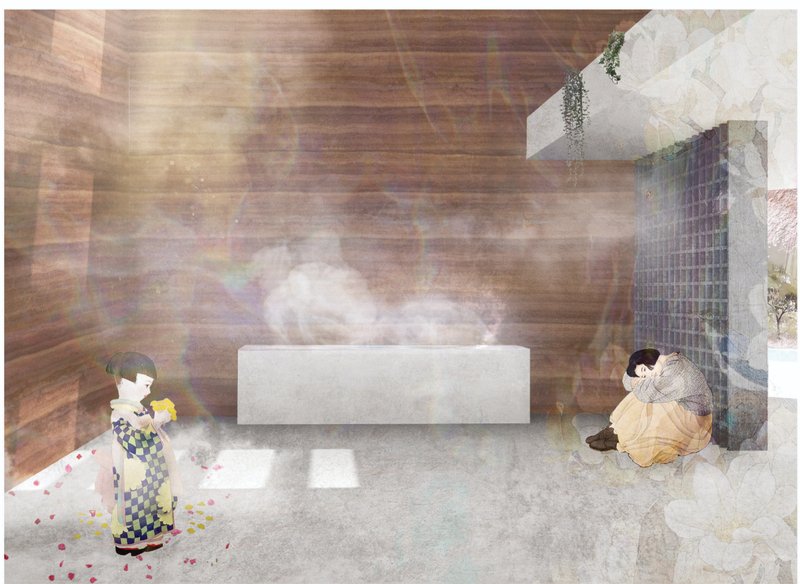
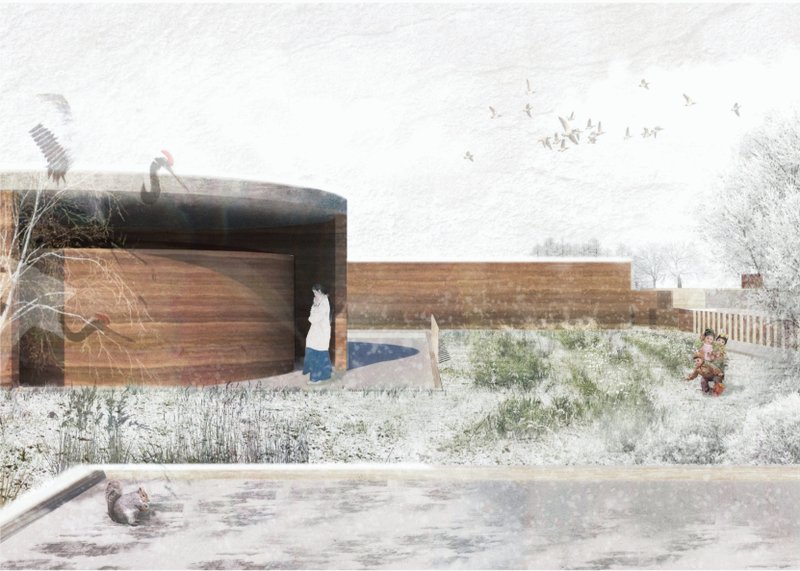
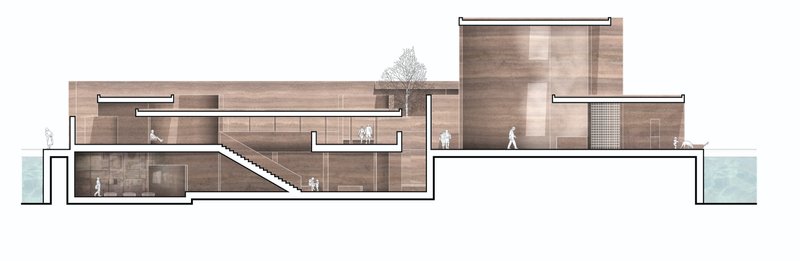
Architectural interventions such as the Funerary Park and the Remembrance Pavilion exemplify this new typology. The Funerary Park, a biodiversity sanctuary, serves as both a memorial landscape and a public green space, fostering a more inclusive approach to mourning. The Remembrance Pavilion, rooted in ancestral temple traditions, offers a meditative retreat within the urban grid, providing a dedicated space for digital memorials and communal remembrance practices.
Spatializing Memory: A New Urban Order
In contrast to the rigid organization of traditional cemeteries, the project envisions fluid, adaptable spaces that integrate mourning into the daily lives of urban residents. Through carefully designed landscapes, water features, and commemorative gardens, the architecture encourages emotional connection while preserving cultural heritage.
Transcending the Physical: Virtual Remembrance and Feng Shui Principles
Modernity has introduced virtual memorials, allowing families to honor their loved ones through digital platforms while maintaining traditional practices. This project also pays homage to Feng Shui principles, aligning burial sites with natural elements to create a balance between spirituality and the built environment.
A Future-Forward Approach to Death and Memory
By merging architecture with sustainable funeral practices, this project envisions a city where remembrance, ecology, and urban life coexist harmoniously. In the evolving narrative of Shanghai’s urban fabric, death is no longer a distant reality—it becomes an integrated, contemplative experience within the ecological and social framework of the metropolis.
This transformation is not just about burial spaces; it is about redefining the relationship between memory and the city, ensuring that urban landscapes honor the past while embracing the future.




Popular Articles
Popular articles from the community


Solar Steam: A Climate-Responsive Architecture That Redefines the Monument
A climate-responsive memorial architecture that transforms heat, decay, and time into a living system reflecting humanity’s ecological impact.
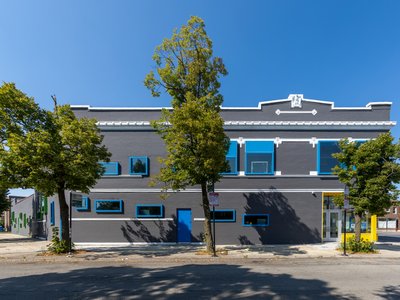
Gads Hill Early Learning Center by JGMA: Adaptive Reuse Shaping Community-Focused Educational Architecture
Adaptive reuse transforms fragmented structure into vibrant early learning center with playful façade, natural light, and community-focused sustainable design.
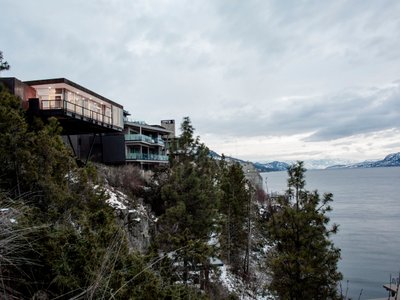
Alton Cliff House: A Harmonious Retreat by f2a Architecture in Lake Country, Canada
Alton Cliff House blends corten steel, prefabrication, and sustainable design, creating a luxurious, energy-efficient retreat perched on Canadian cliffs.
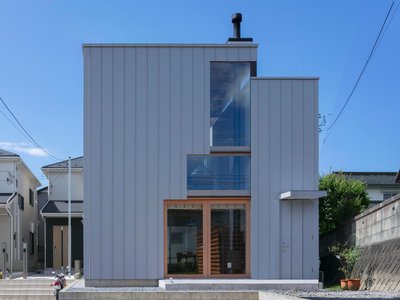
Split House: A Compact Urban Home Blending Privacy, Light, and Flexible Living in Japan
Compact Japanese home featuring DOMA space, flexible café potential, passive lighting, privacy zoning, and sustainable urban living design.


Similar Reads
You might also enjoy these articles


The Ken Roberts Memorial Delineation Competition (Krob)
As the most senior architectural drawing competition currently in operation anywhere in the world, it draws hundreds of entries each year, awarding the very best submissions in a series of medium-based categories.

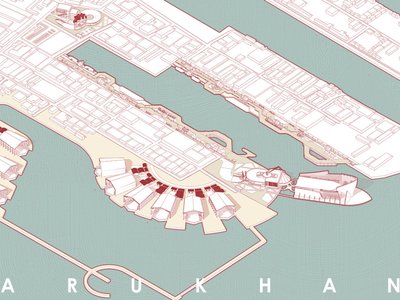
Waterfront Redevelopment and Urban Revitalization in Mumbai: Forging a New Dawn for Darukhana
A transformative waterfront redevelopment project reimagining Darukhana’s shipbreaking heritage into an inclusive urban future.

OUT-OF-MAP: A Call for Postcards on Feminist Narratives of Public Space
Rhizoma Design and Research Lab invites artists, designers, architects, researchers, and students to reflect on how feminist perspectives can reshape public space. Selected works will be exhibited in Barcelona, October 2026. Submissions open until 15 April 2026.


Documentation Work on Buddhist Wooden Temple
Architectural syncretism and cultural hybridity: A comparative study of the Buddhist temples in Chattogram Hill tracks






Comments (0)
Please login or sign up to add comments
No comments yet. Be the first to comment!