
Reception on Three Terraces Hostel – Continuation Studio’s Innovative Seaside Design in Zhoushan
Seaside hostel reception blends terraces, butterfly roof, and open spaces, merging interior and exterior while embracing natural mountain and forest views.

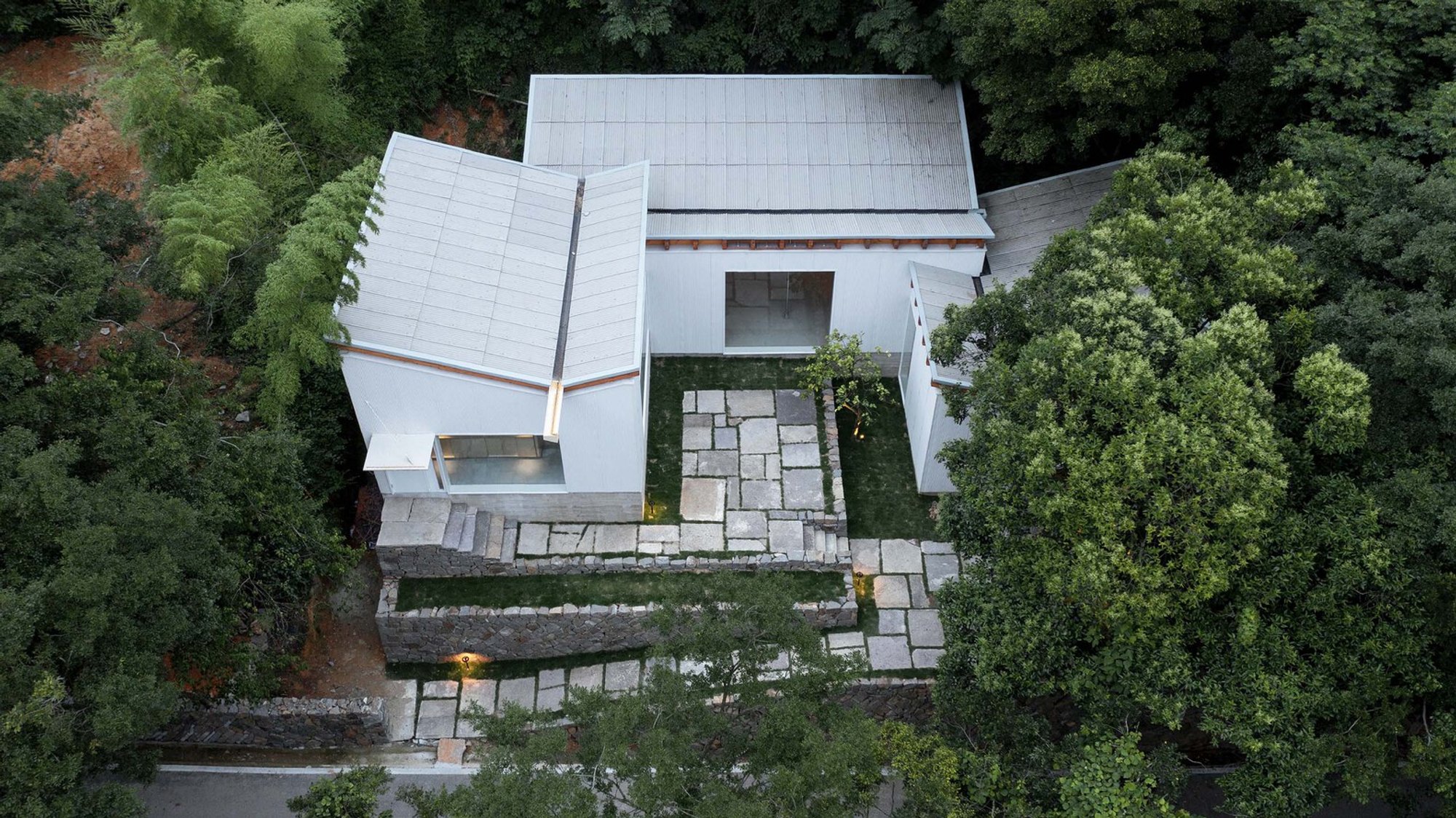
The Reception on Three Terraces Hostel, designed by Continuation Studio, is a striking example of thoughtful architectural integration with its mountain village setting in Dinghai, Zhoushan. Completed in 2020, this 208 m² reception center serves as a multifunctional space for hotel check-ins, breakfast and afternoon tea events, and a temporary exhibition showroom for visitors. Set atop a plateau with dramatic elevation differences, the design carefully responds to the surrounding landscape, village scale, and natural topography.
Site and Context
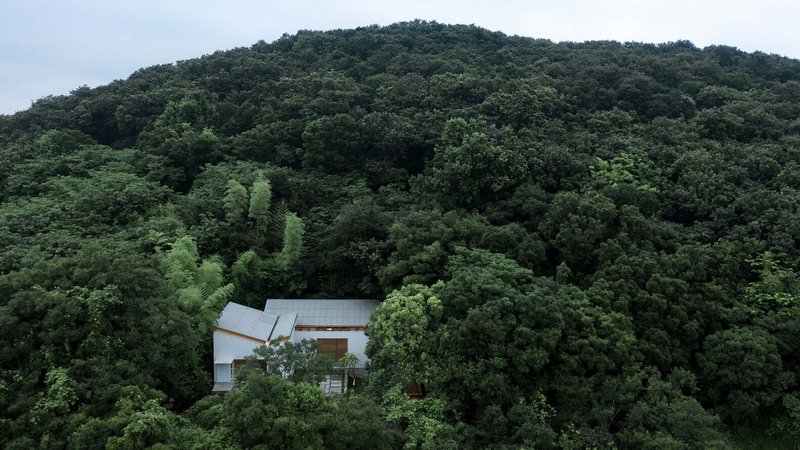
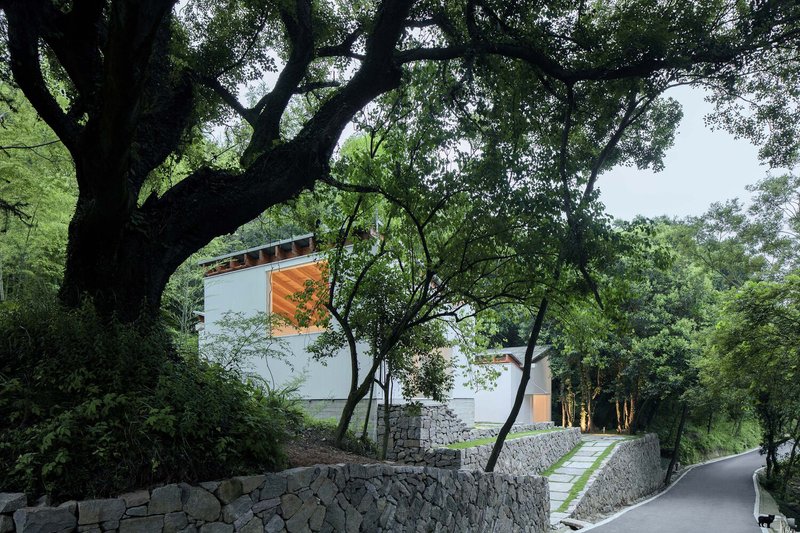
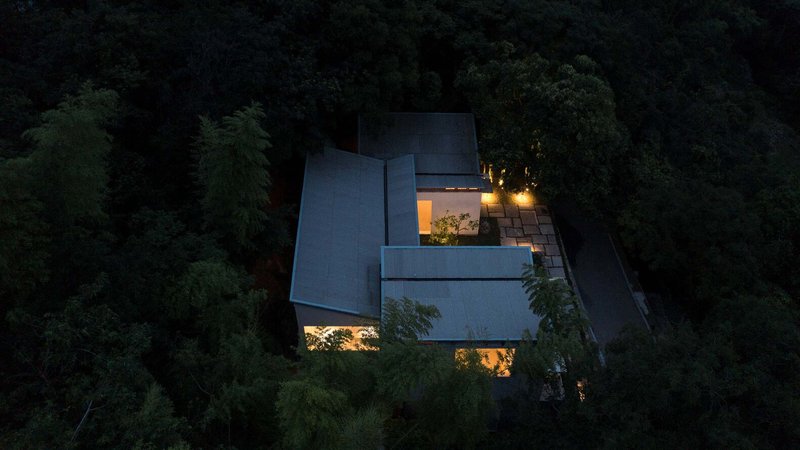
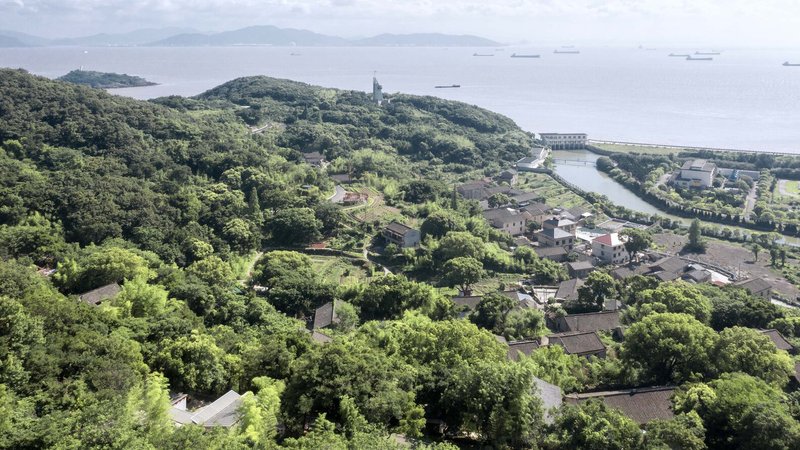
Situated at the highest point of the village, the project site slopes from northeast to southwest, forming a plateau that required careful planning. The site is framed by rolling hills, dense tree canopies, and two-story village houses, which partially obscure distant seascapes, creating a naturally enclosed courtyard. The architectural challenge was to create a building that harmonizes with the village while providing a memorable spatial experience for visitors.
The site's orientation emphasizes a strong visual connection to the road to the west, while also respecting the mountain forest’s stratified terrain. The design highlights the "stratigraphic sense" of the plateau, where horizontal slices of the mountain become a guiding principle in the architectural composition.
Architectural Strategy
Continuation Studio approached the design by breaking the program into three distinct terraces, avoiding an overpowering volume compared to surrounding village houses. Bathrooms and kitchens were strategically placed in lower, sunken areas to reduce the building's visual footprint. This freed the upper terraces for public functions such as reception, dining, and exhibition spaces, allowing more fluid spatial arrangements and flexible circulation.
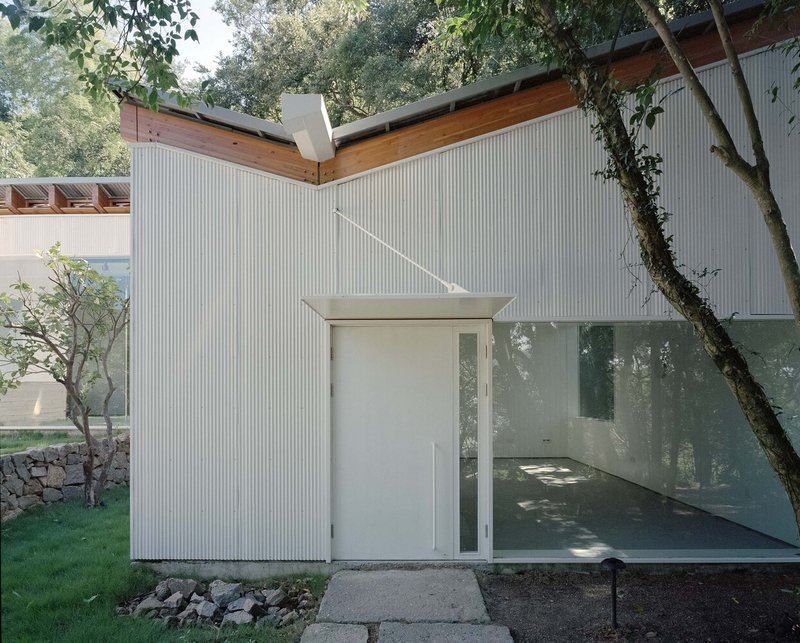
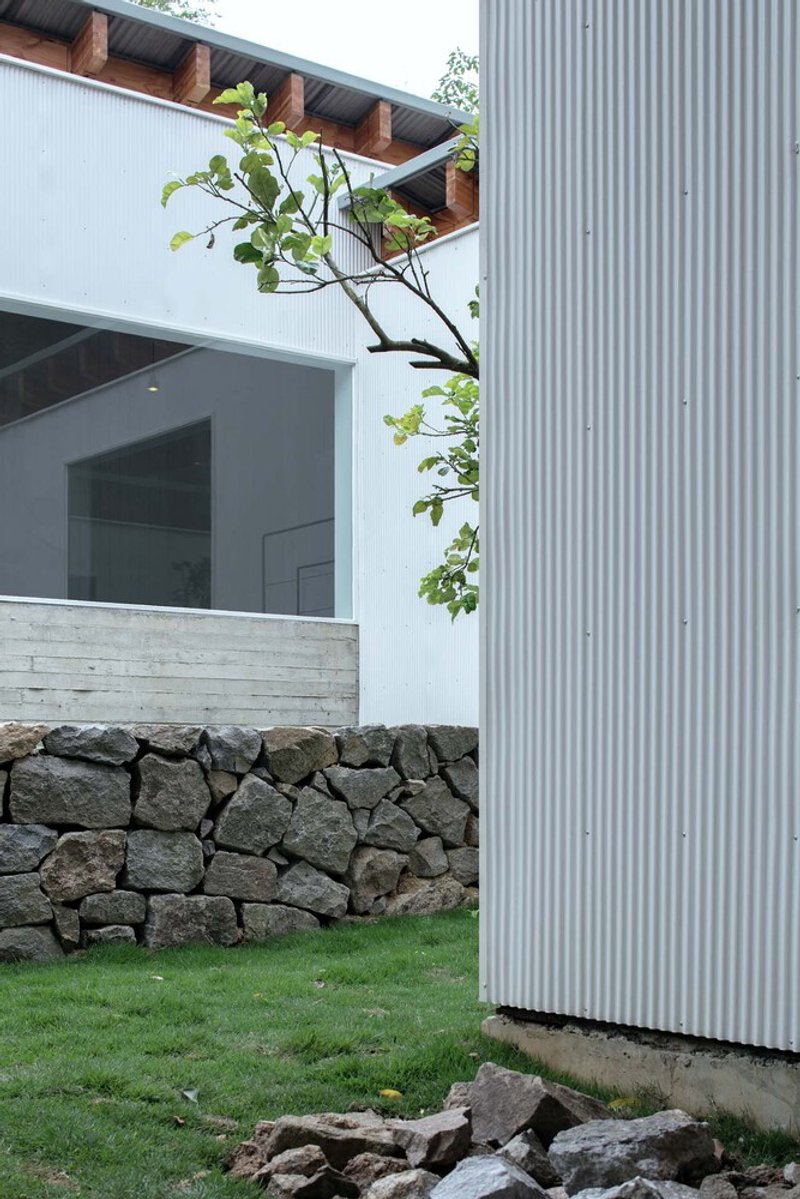
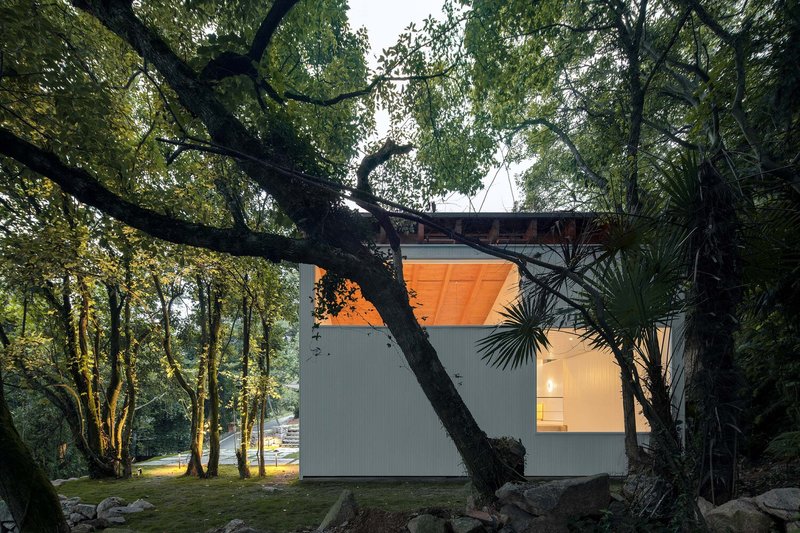
Each terrace is organized as a small rectangular volume, subtly stepped in the north-south direction, and wrapped in vertical corrugated metal panels. Inspired by nearby light industrial buildings, the material treatment produces an abstract and layered aesthetic, blending modernity with village scale. The volumes recede toward the southwest, framing an "empty courtyard" and emphasizing the primary orientation toward distant seascapes.
Terraces and Spatial Organization
The three terraces rise progressively, like complementary hills, providing a continuous connection between interior and exterior. Concrete and timber formwork patterns reinforce the mountainous character, while steps along the terraces create a natural "mountain path" linking levels. The design cleverly mitigates the site's steep topography while optimizing light and views for upper volumes.
Butterfly Roof
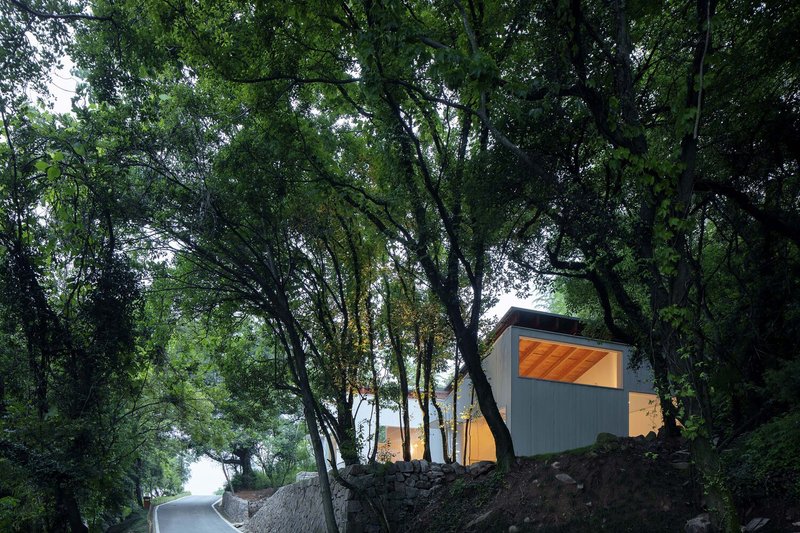
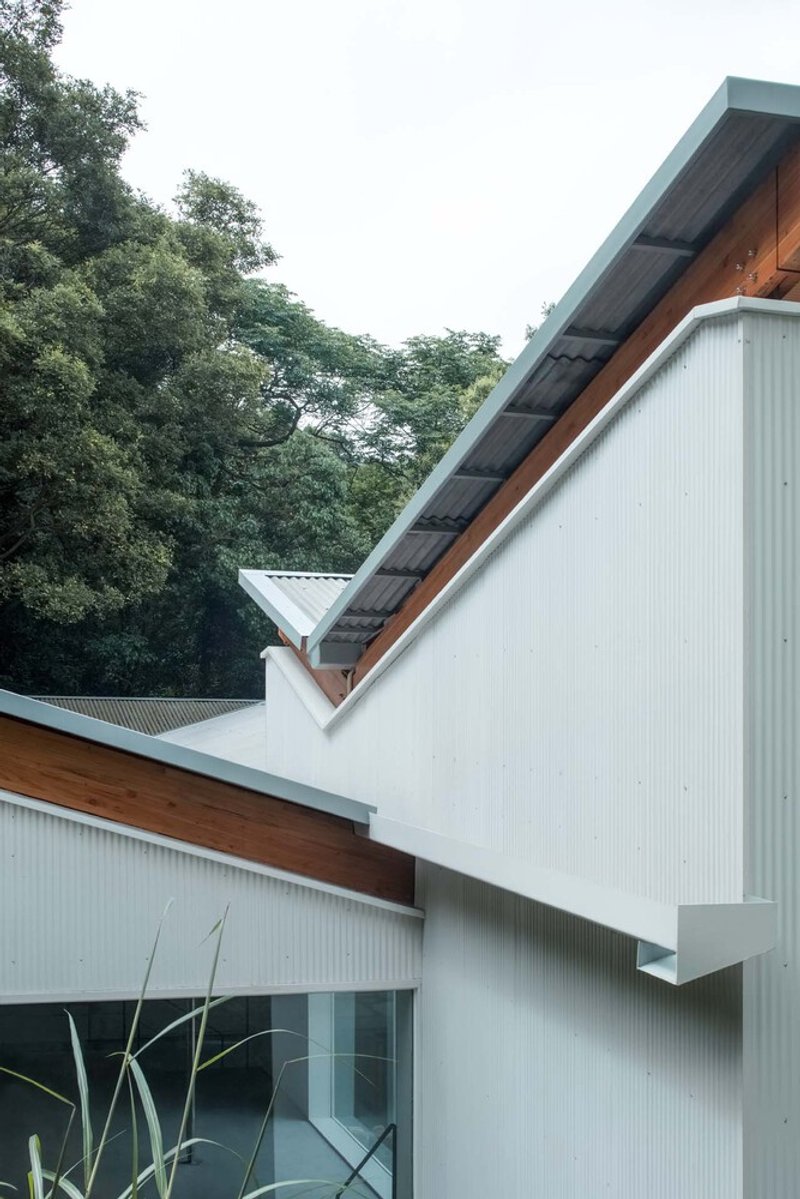
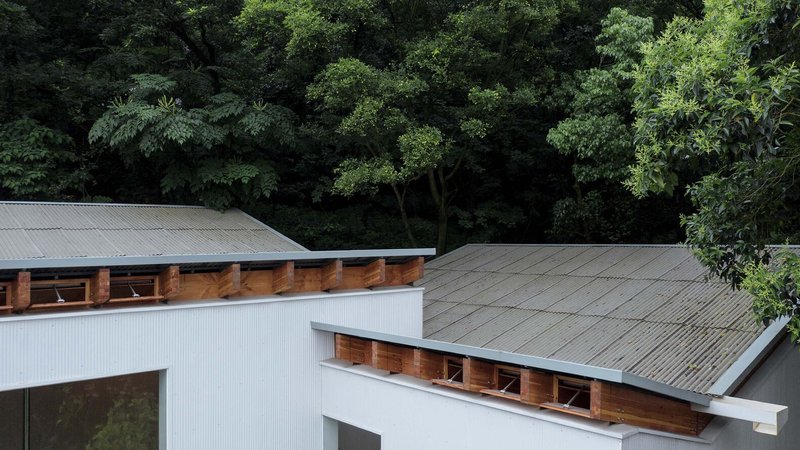
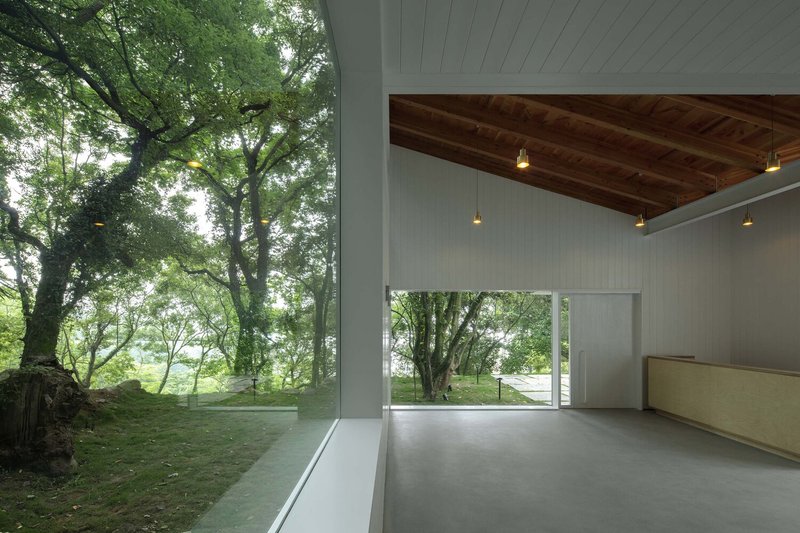
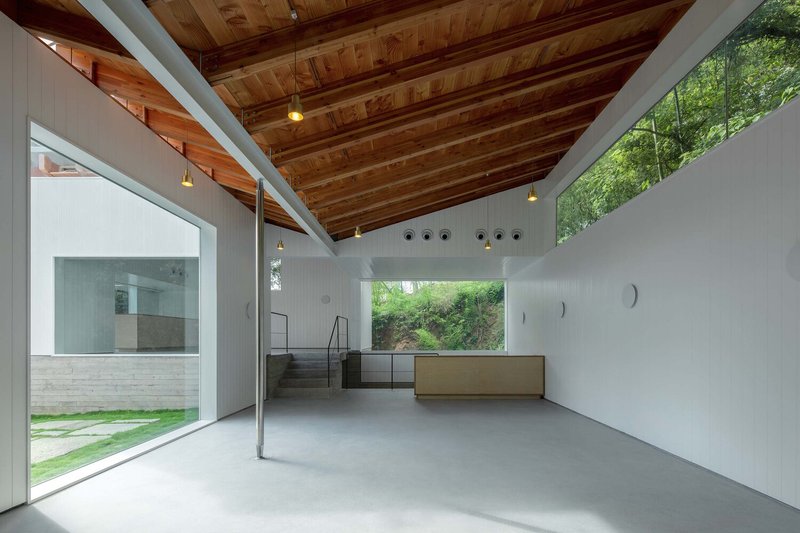
A standout feature is the butterfly roof, composed of reverse double slopes, which enhances both the building’s exterior recognition and its interior spatial quality. Diagonal glulam rafters converge along the ridge, forming an eye-catching structural and visual element that integrates the interior with the surrounding landscape. The roof design reverses the traditional inward convergence of pitched roofs, instead creating an outwardly expanding spatial experience that merges the courtyard with the distant mountains.
Fenestration and Views
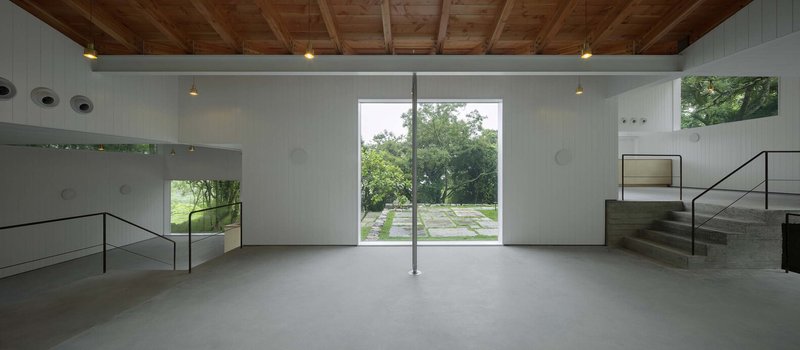
Windows and doors were precisely positioned to optimize visual connections, interior lighting, and spatial continuity. Vertical and horizontal modules aligned with terraces and interior furnishings establish a hidden order, guiding visitor perception across multiple levels. The fenestration strategy creates a seamless dialogue between interior and exterior while maintaining clarity and richness in spatial experience. Glass surfaces were refined to minimize material presence, enhancing transparency and connecting indoor spaces with natural surroundings.
Structural Expression
The hostel relies on a steel frame structure, where beams are partially exposed to define interior volumes while others are hidden within walls, creating a sense of floating space. This selective exposure highlights structural hierarchy, while abstracting and reinterpreting functional elements into a cohesive aesthetic language. Primary and secondary beams interplay to elongate and enhance room scale, integrating both form and structure into the visitor’s experience.
Materiality and Texture
The combination of vertical metal panels, concrete, timber formwork, and refined glass surfaces delivers a tactile, visually rich environment. Interiors are predominantly light and white, emphasizing the subtle layering of terraces, beams, and facades. The design maintains a balance between transparency and enclosure, enhancing the perception of depth and continuity across indoor and outdoor spaces.
Integration with Village and Landscape
Respecting the scale of existing village houses was a core design principle. By using stepped terraces and careful volumetric modulation, the reception blends harmoniously with its surroundings while providing elevated viewpoints and intimate courtyards. The architecture celebrates mountain forest textures, distant seascapes, and village intimacy, achieving a sense of serenity and connection to nature.
The Reception on Three Terraces Hostel is a masterful example of context-driven architecture that merges functional hospitality requirements with innovative design strategies. By exploring terraces, butterfly roofs, strategic fenestration, and volumetric play, Continuation Studio creates an immersive experience where visitors engage simultaneously with interior spaces, the surrounding mountains, and distant seascapes.
This project exemplifies contemporary Chinese hostel design, emphasizing sustainability, cultural integration, and thoughtful spatial storytelling.
All photographs are works of Zhi Xia, Haiting Sun




Popular Articles
Popular articles from the community

Atelier Macri Concept Store Interior Design by CASE-REAL
Atelier Macri store features a "ko" counter, walnut wood details, cork displays, blending retail, gallery, and seamless customer experiences.
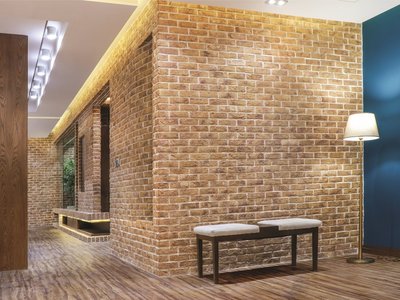
A Contemporary Take on Iranian Residential Architecture
A modern interior design in Mashhad that reinterprets brick, light, and spatial flow to create a warm, contemporary residential architecture.
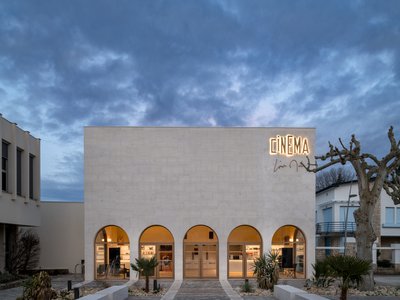
Louis Malle Cinema: A Limestone Cultural Landmark Revitalizing Community Life in Prayssac
Limestone cinema extension with public forecourt, blending heritage and modern design to create flexible cultural spaces and strengthen community interaction.
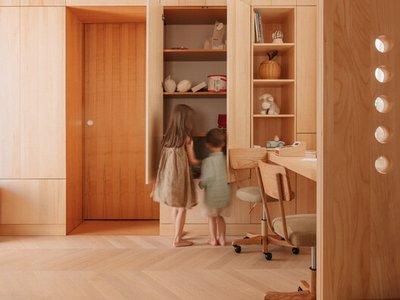
Treehouse Apartment: A Warm Timber Interior Blending Craft, Play, and Contemporary Living
Warm timber apartment with integrated treehouse, combining natural materials, craftsmanship, and playful design to create a flexible, family-oriented living environment.

Similar Reads
You might also enjoy these articles

Top 15 Architecture Competitions to Enter in 2026
From student-friendly idea competitions to prestigious international awards, here are the best architecture competitions open for entries in 2026. Updated regularly.

DIY & Engineering in Computational Design : Enter the BeeGraphy Design Awards
Showcase Your Creativity with Computational Design and Open Source Projects
Innovative Design Solutions: Award-Winning Projects from Recent Architecture Competitions
Exploring award-winning architectural projects shaping the future of design, sustainability, and community.


Explore Architecture Competitions
Discover active competitions in this discipline




The International Standard for Design Portfolios


The Global Benchmark for Architecture Dissertation Awards


The Global Benchmark for Graduation Excellence


Challenge to reimagine the Iron Throne
Comments (0)
Please login or sign up to add comments
No comments yet. Be the first to comment!