

Redefining Mixed-Use Architecture in Berlin
Exploring Coe48, a modern mixed-use building by Tchoban Voss Architekten, blending Berlin's architectural heritage with contemporary design.


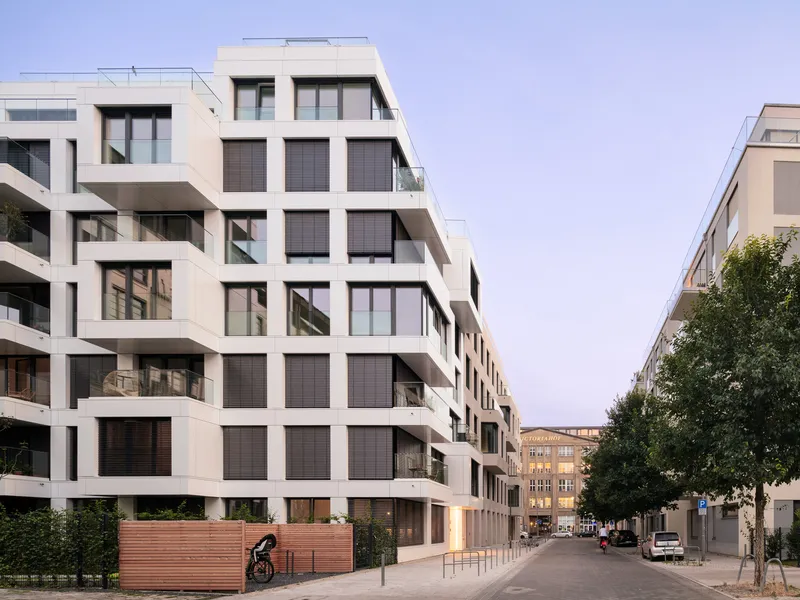
In the heart of Berlin, where architectural history weaves through the vibrant districts of Mitte and Kreuzberg, the Coe48 Office and Apartment Building stands as a modern landmark. Designed by Tchoban Voss Architekten, this seven-story structure harmonizes contemporary aesthetics with the eclectic architectural tapestry of Koepenicker Strasse. Completed in 2024, it offers a dynamic blend of living and working spaces, catering to the evolving needs of urban life.
Architectural Context: A Meeting of Eras
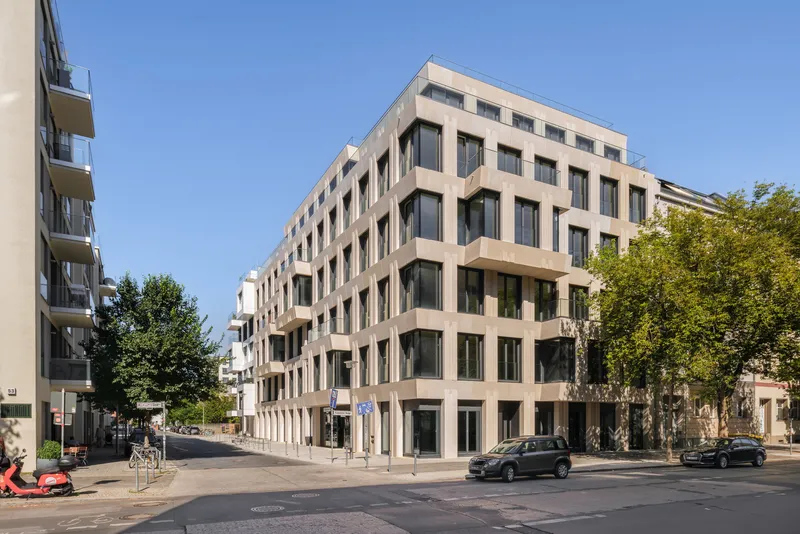
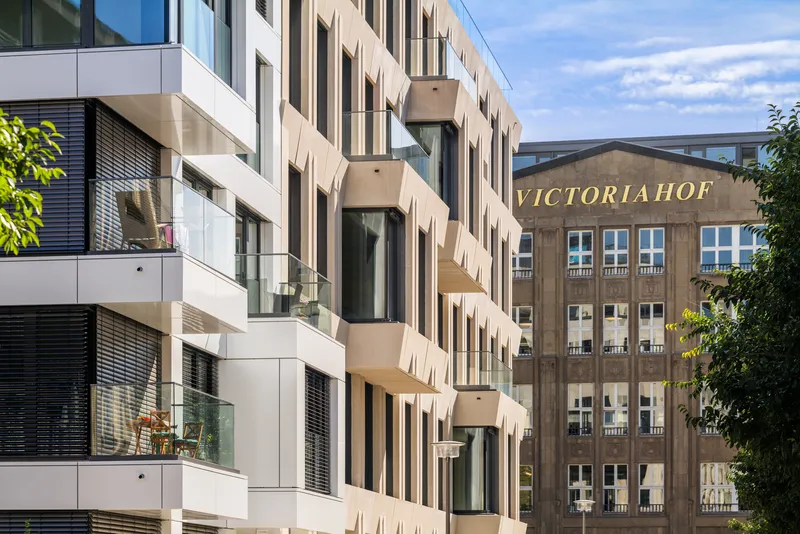
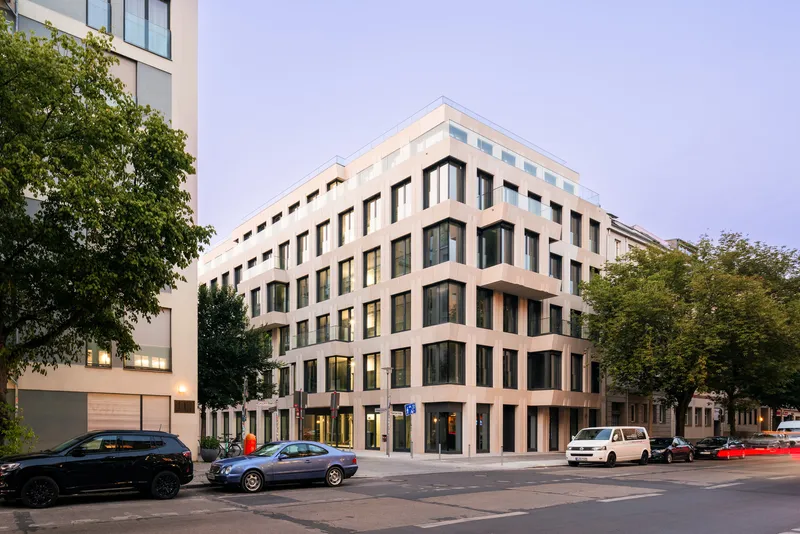
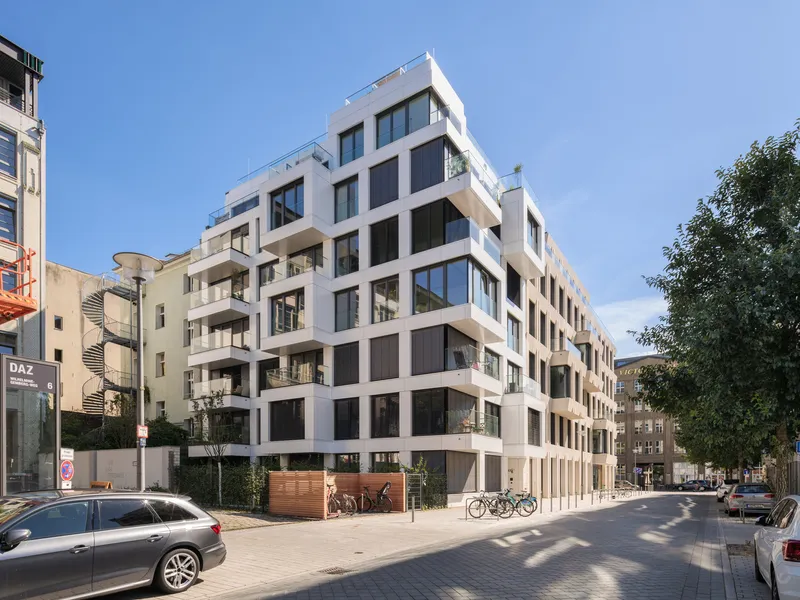
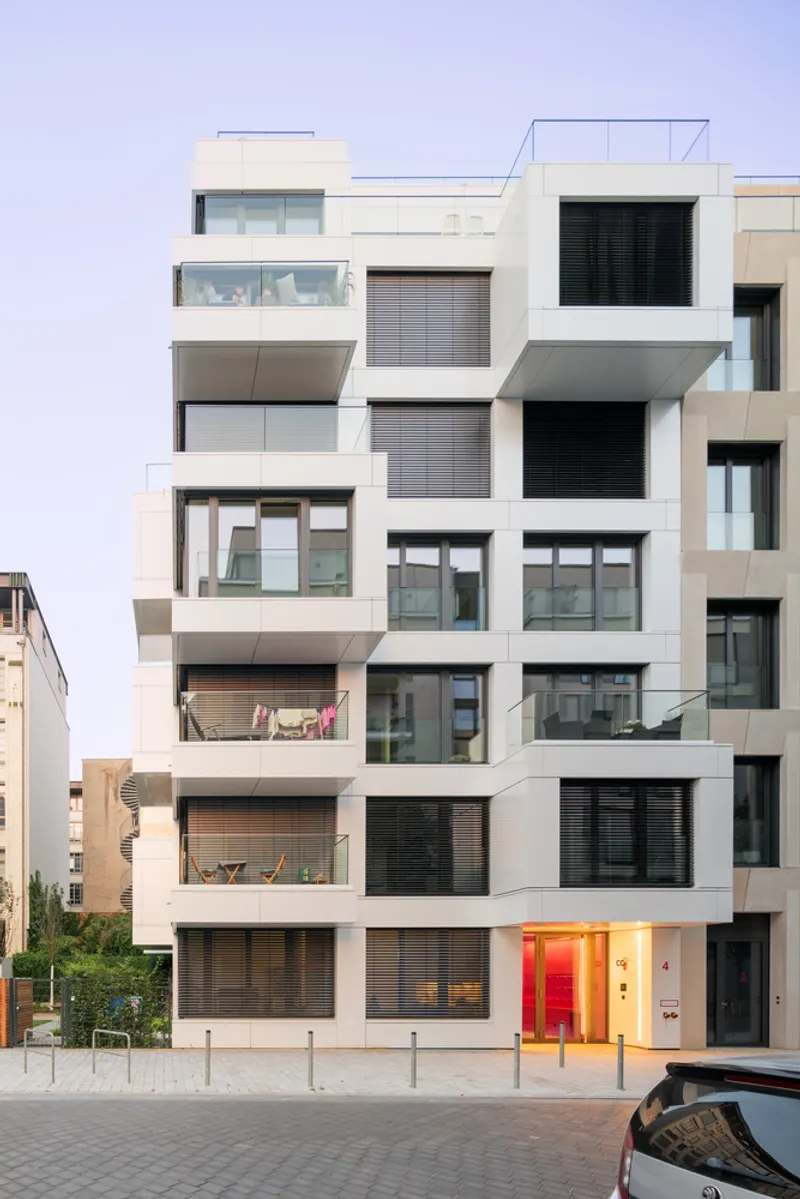
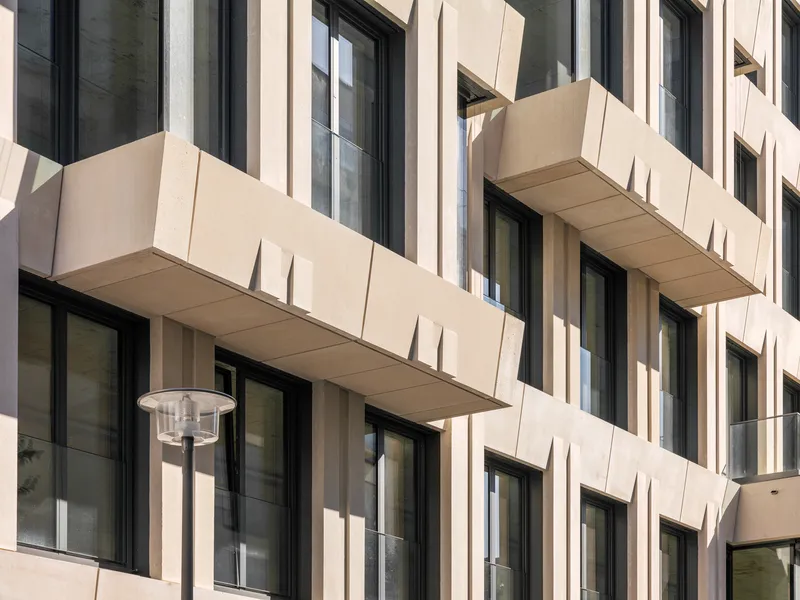
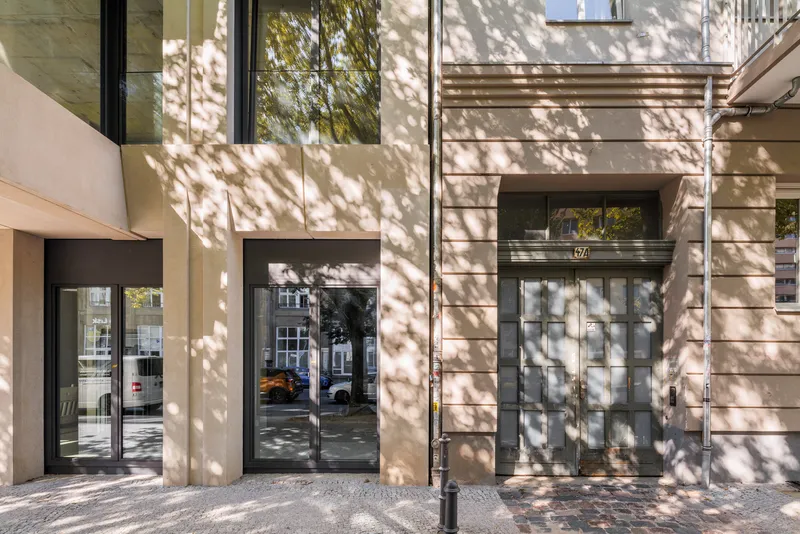
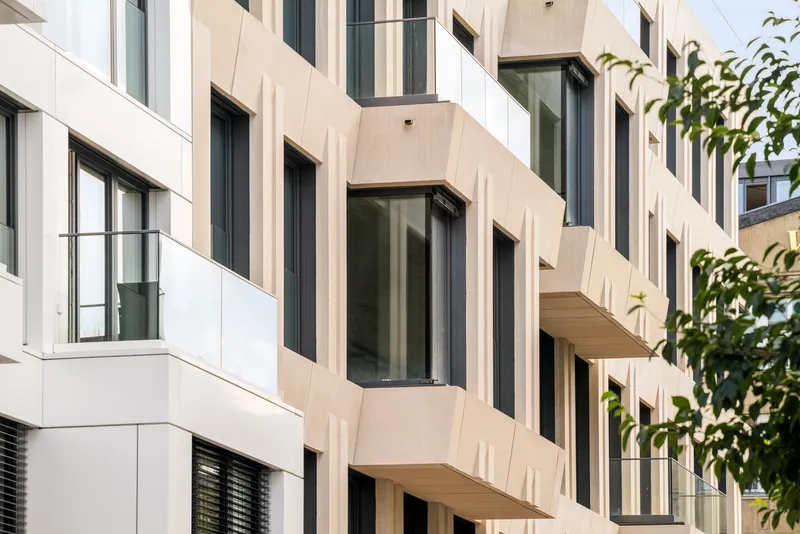
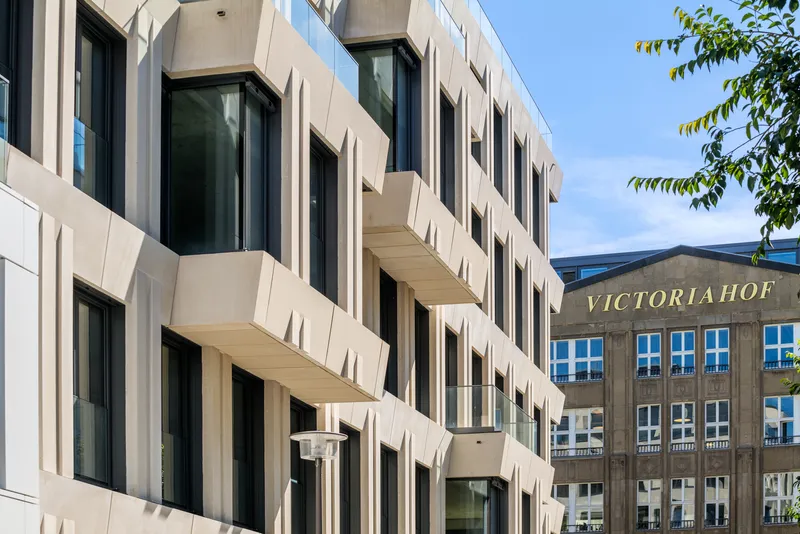
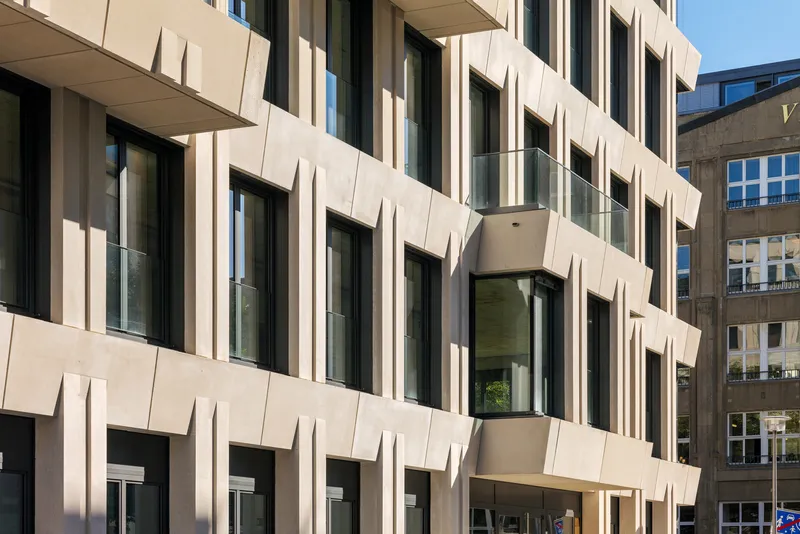
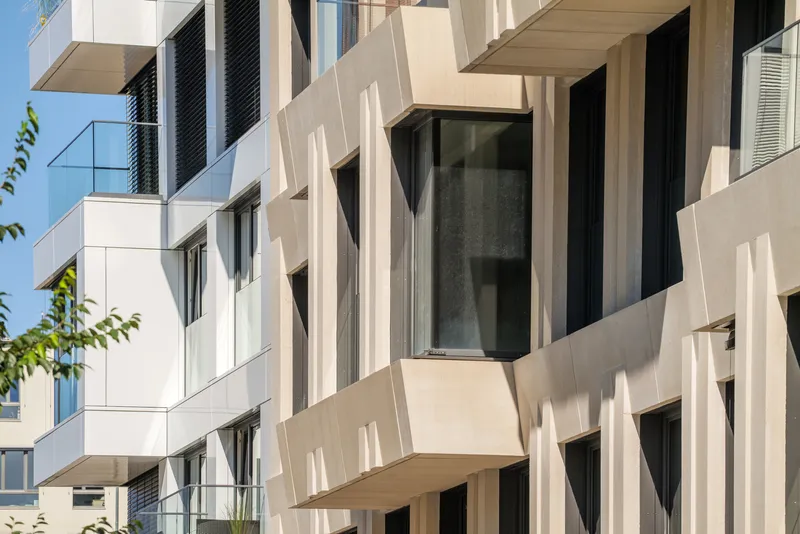
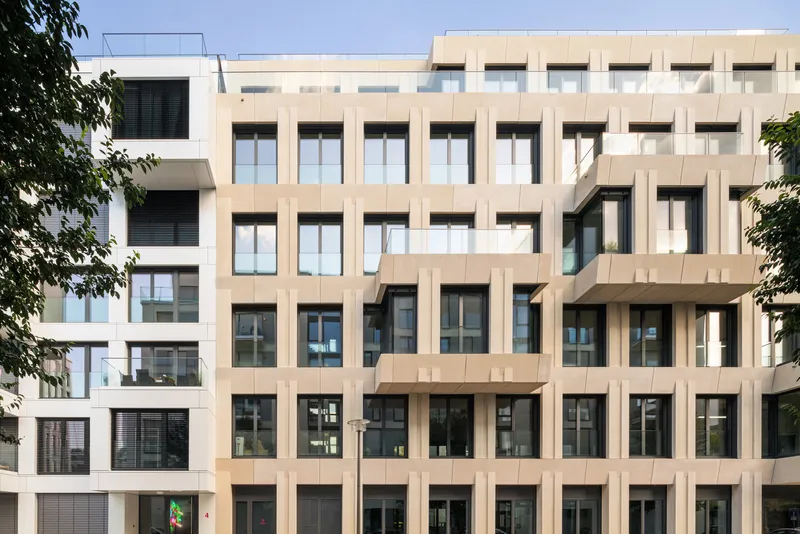
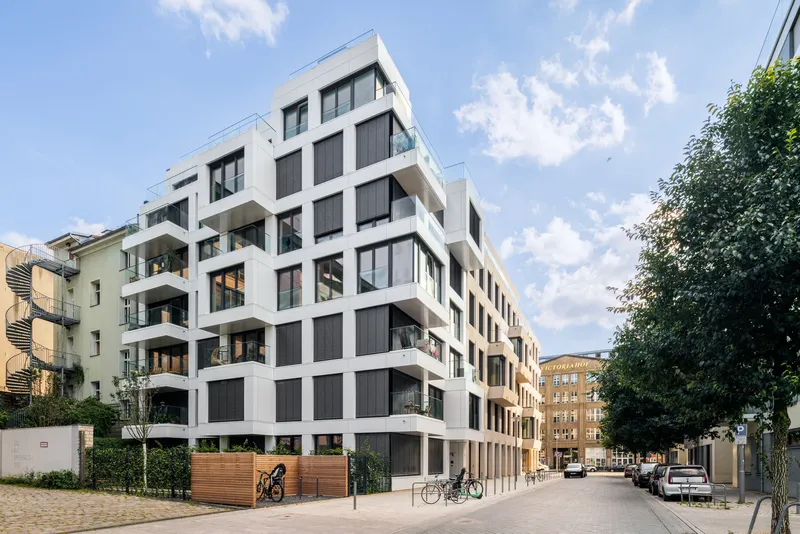
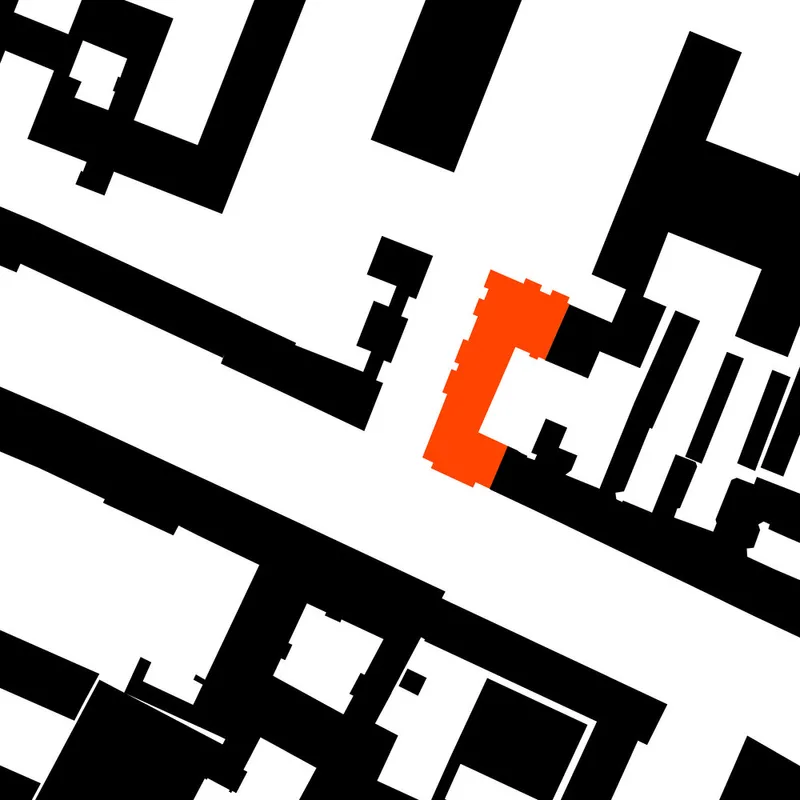
Koepenicker Strasse has long been a corridor of architectural contrasts, featuring turn-of-the-century industrial buildings alongside post-war utilitarian structures. The Coe48 project pays homage to this history while asserting its modern identity. Situated at the corner of Koepenicker Strasse and Wilhelmine-Gemberg-Weg, the building embraces its historical surroundings with a façade that juxtaposes sculptural bay windows, green terraces, and expansive window openings. The result is a visually engaging structure that continues the street's architectural dialogue.

Conceptual Design: Flexible Living and Working Spaces
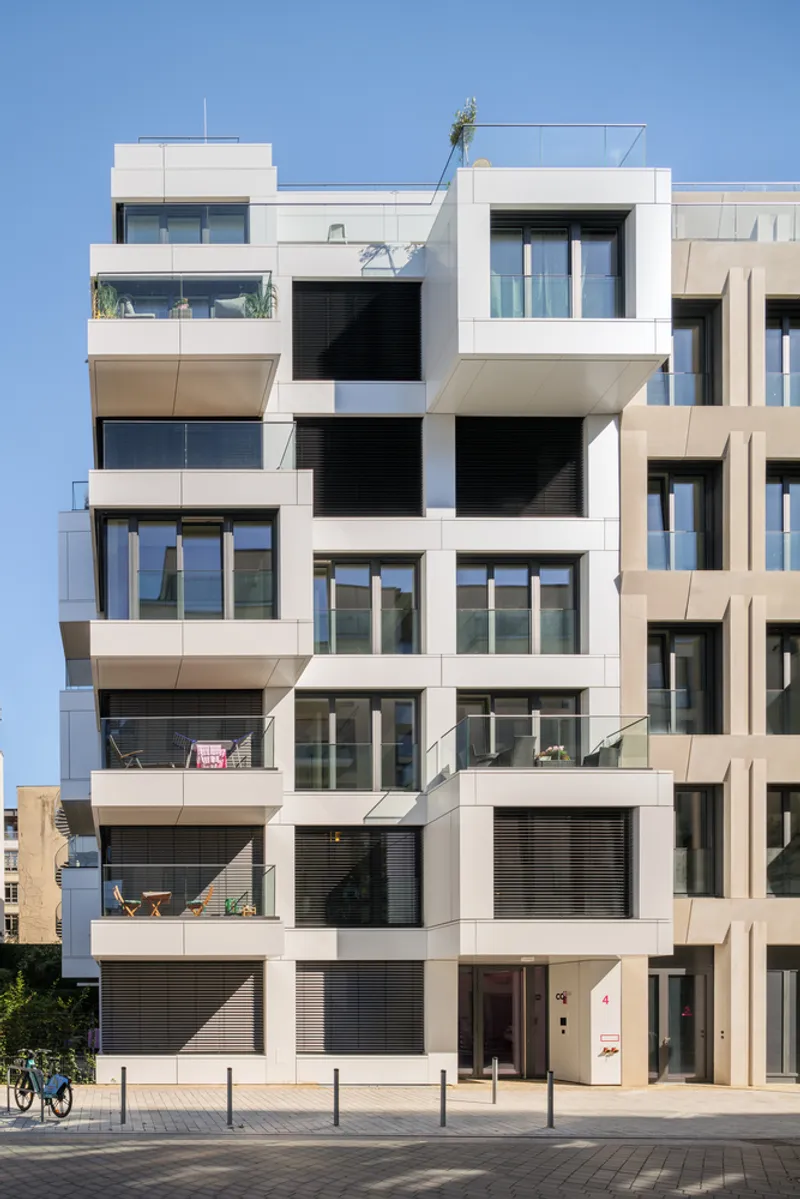
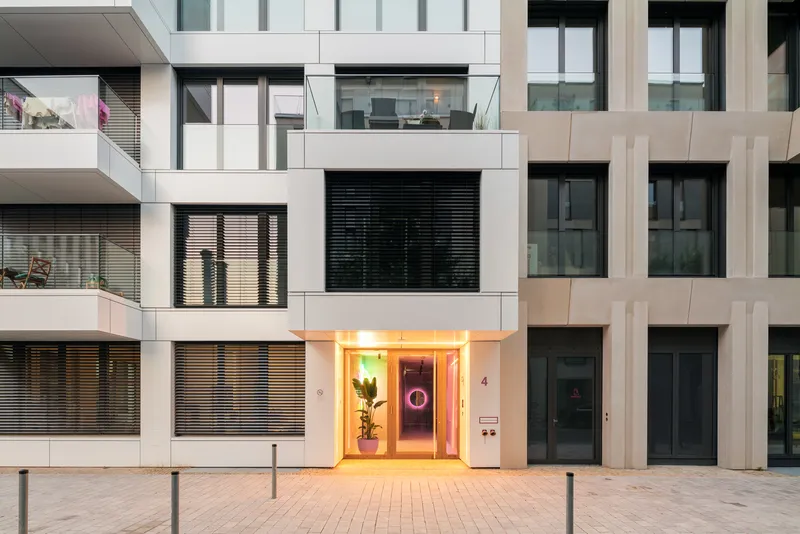
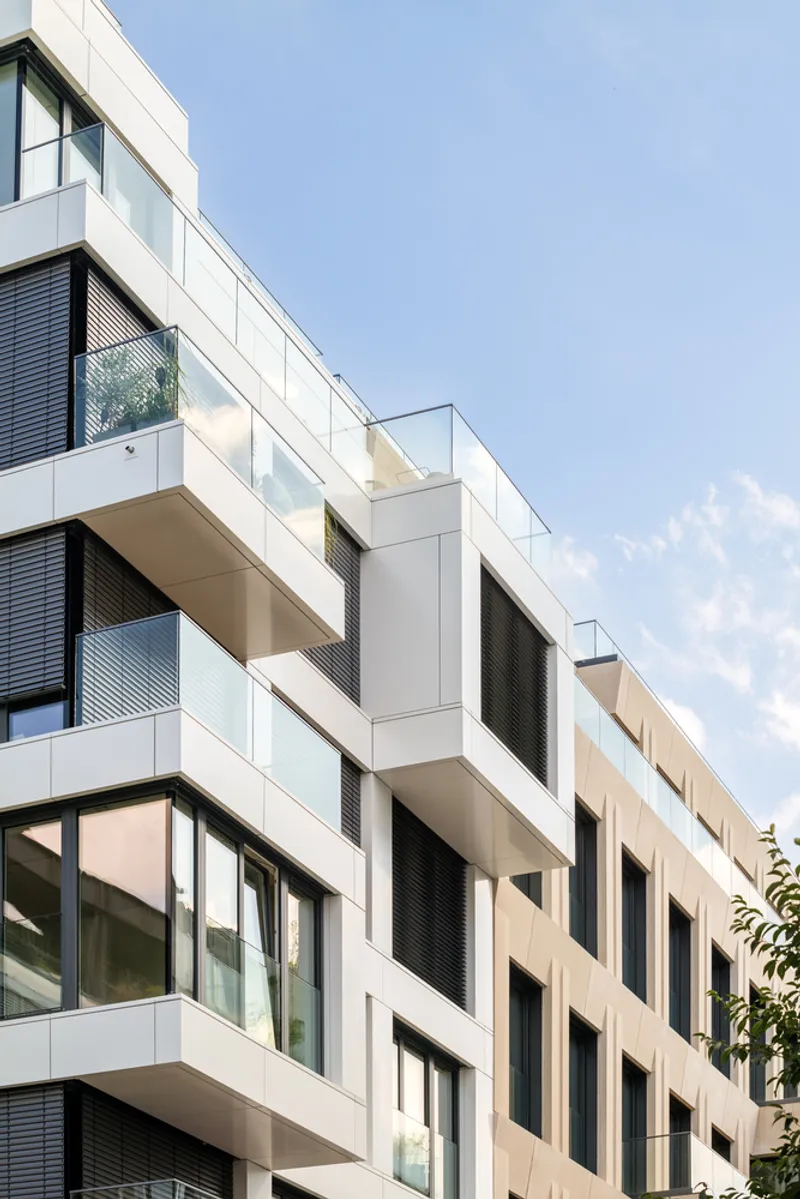
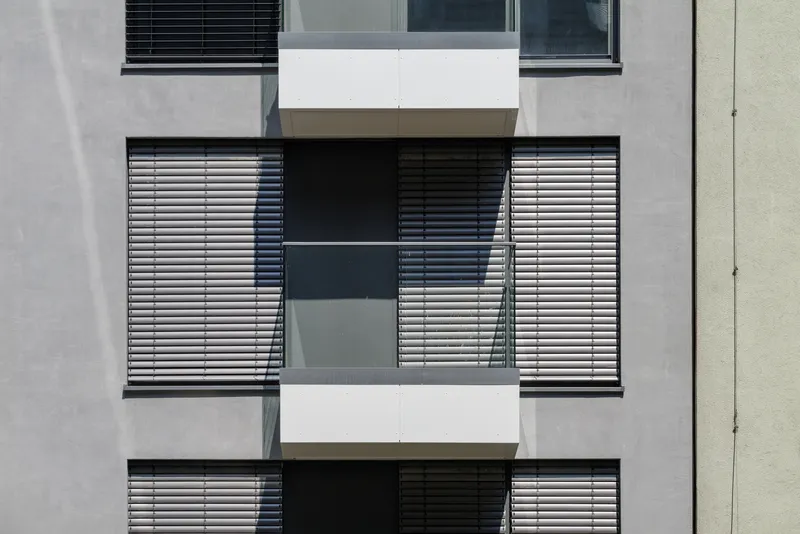
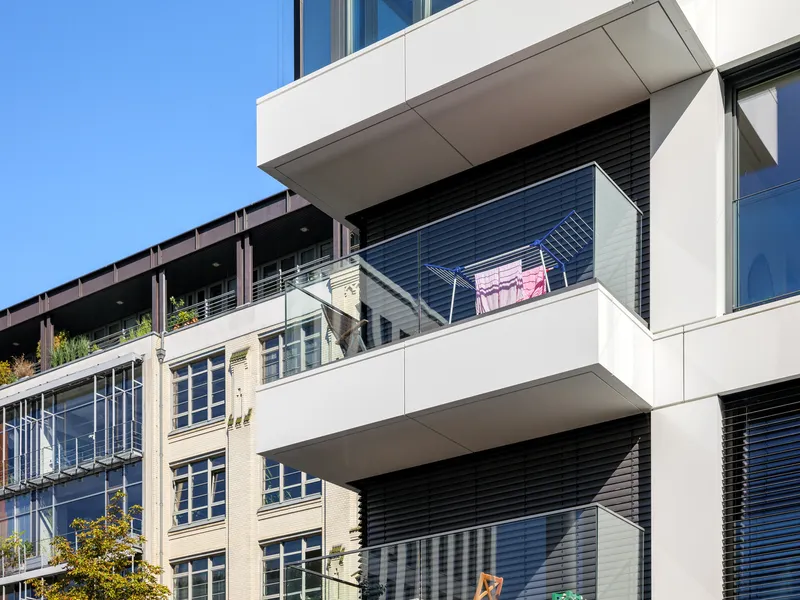
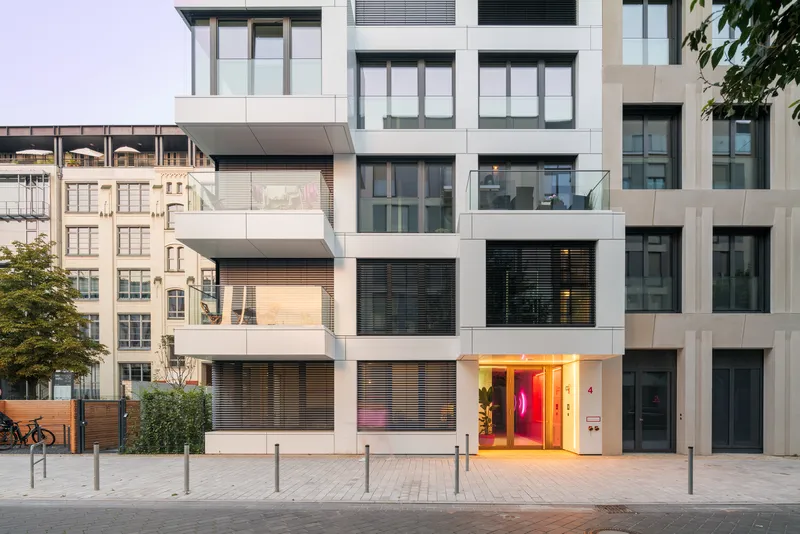
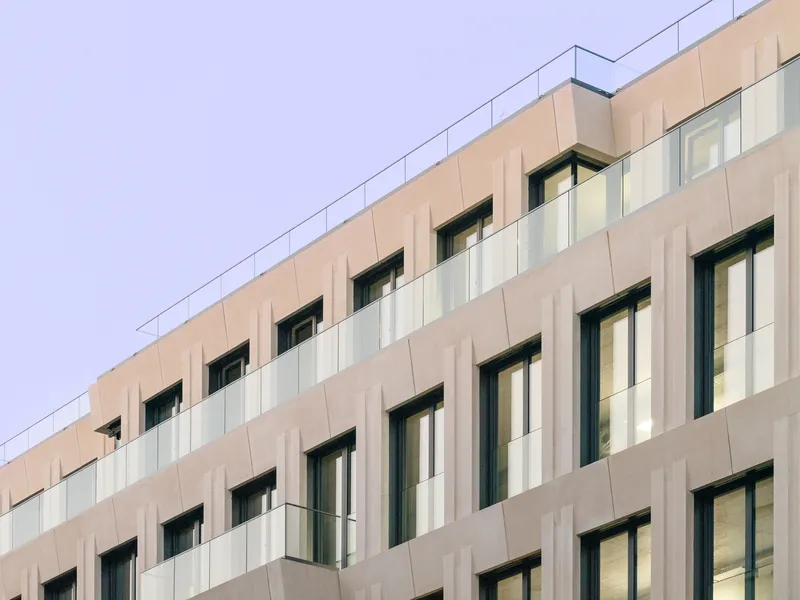
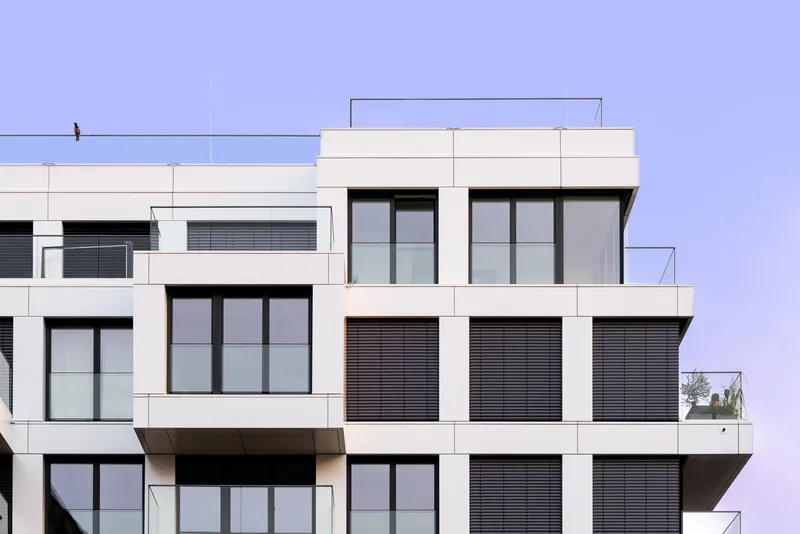
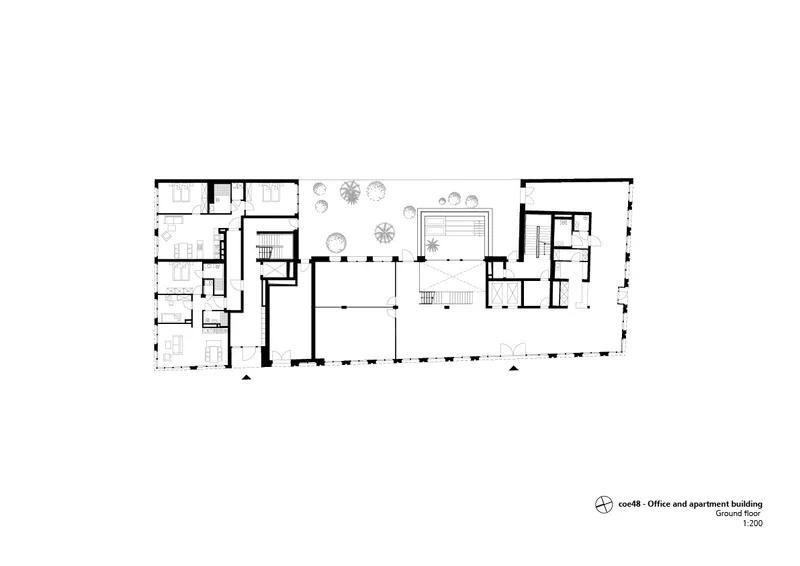
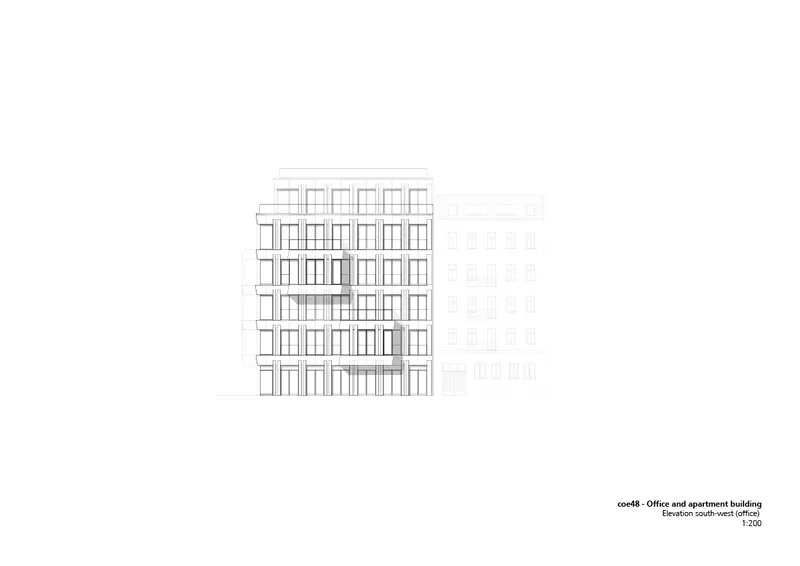
The Coe48 building is divided into two distinct sections—office spaces and residential apartments. Each has its own dedicated entrance and core, ensuring functionality and privacy. The office portion is characterized by a sand-colored architectural concrete façade, enriched by vertical supports that animate the exterior with light and shadow. The residential section, lighter in tone, features a sleek Alucobond façade with cubic geometry, creating a harmonious yet distinct visual interplay between the two sections.
Interior Highlights: Modern Art Meets Functionality
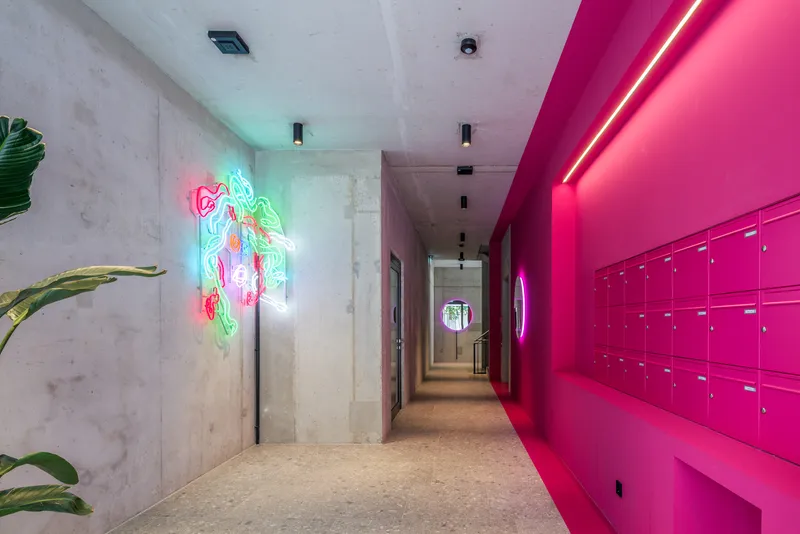
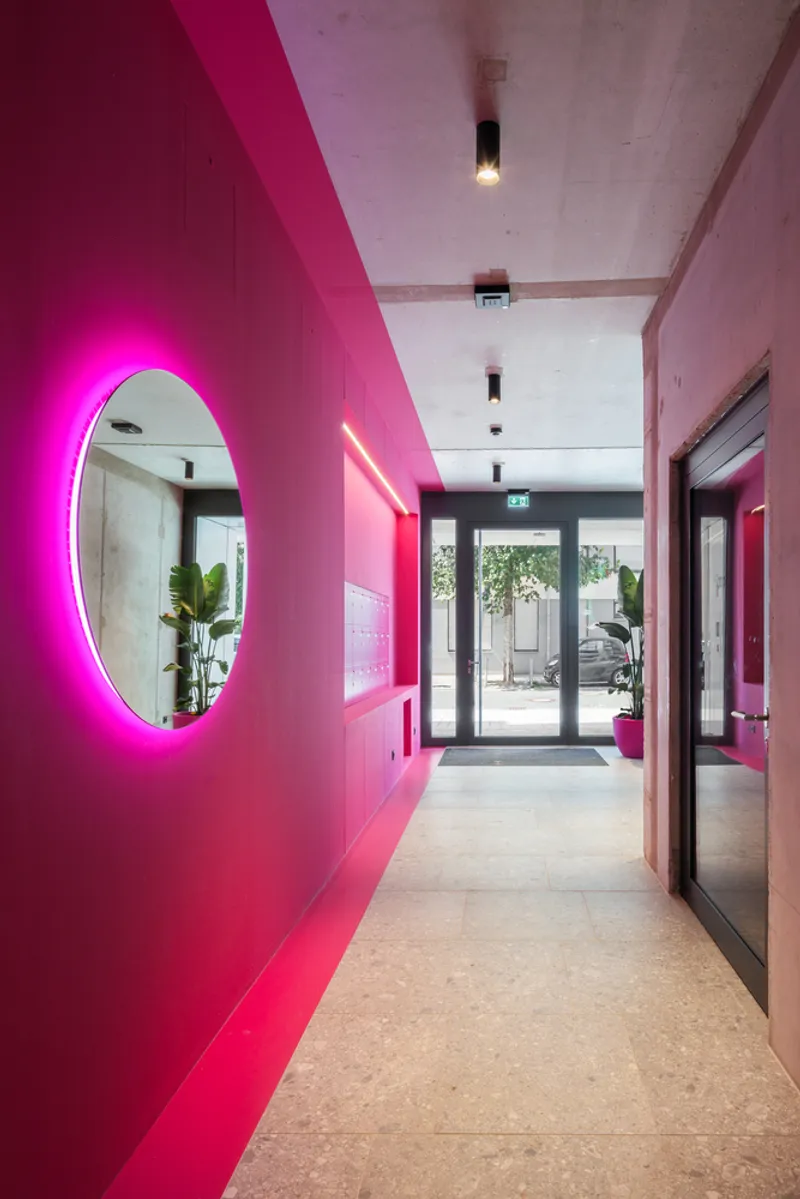
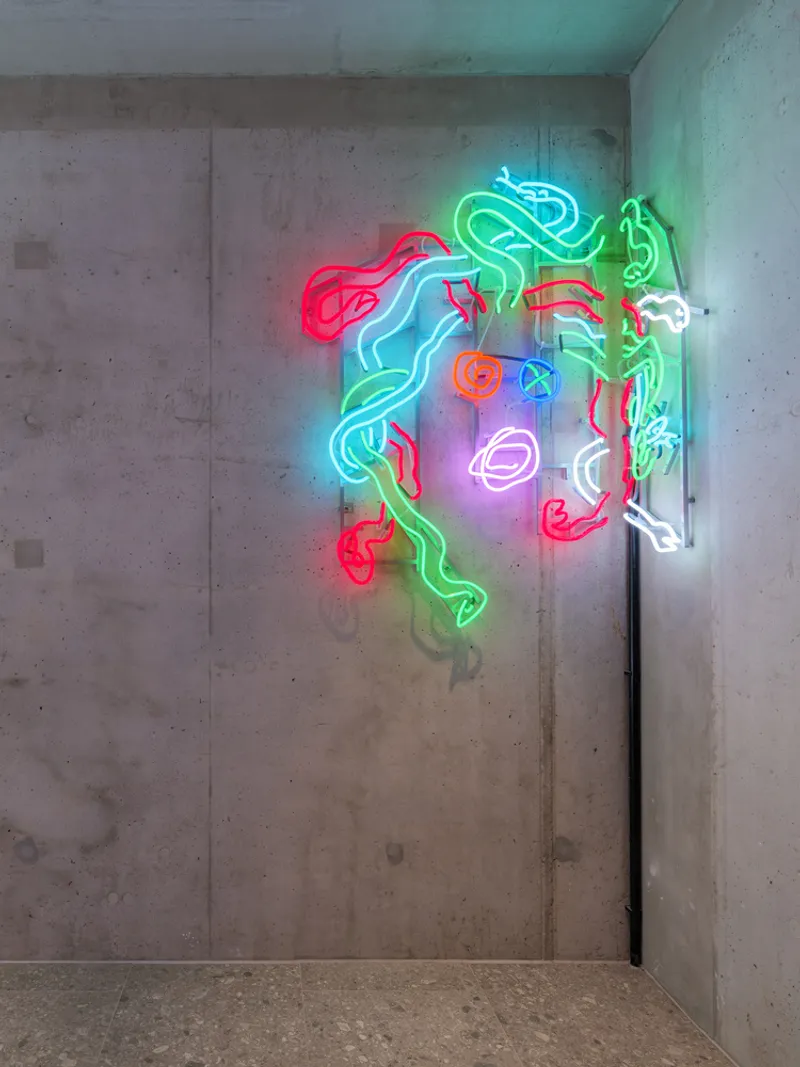
The residential entrance is a striking contrast of materials, featuring exposed concrete alongside a vibrant pink wall housing letterboxes. This space is elevated by a neon light installation by Berlin artist Anna Nezhnaya, adding a contemporary artistic flair. Inside, the apartments and office spaces are designed for flexibility and openness. With ceilings reaching up to 3.80 meters and floor-to-ceiling windows, the interiors emphasize light and space, offering a versatile environment for both living and working.
Green Spaces: A Breath of Fresh Air
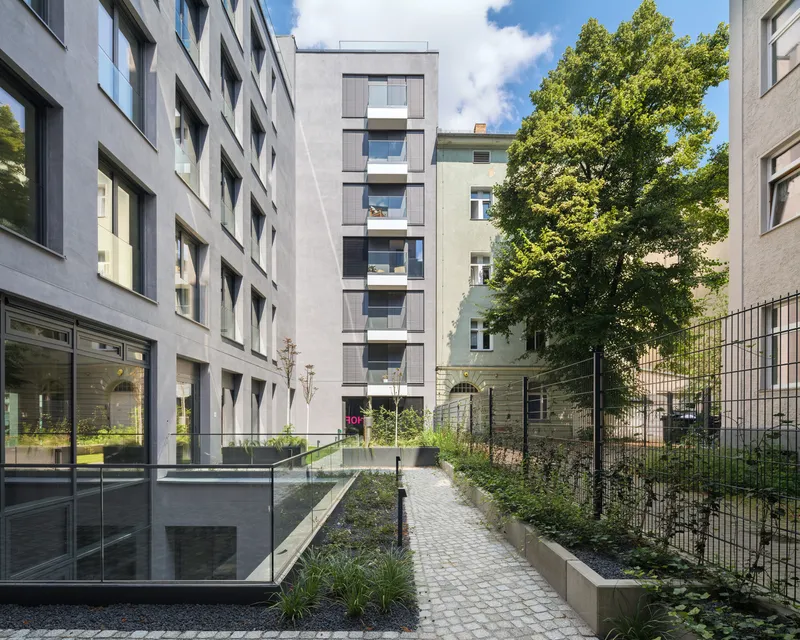
Greenery plays a crucial role in the design, with landscaped roofs and private terraces offering moments of tranquility amidst the urban setting. The inner courtyard, accessible to residents, creates a peaceful sanctuary while fostering community within the bustling city. These green elements not only enhance the aesthetic appeal but also contribute to the building's sustainability.
Mixed-Use Functionality: A Modern Urban Ecosystem
The ground floor houses a 137-square-meter gastronomy unit with a separate café, energizing the neighborhood with a social hub. The office spaces, occupying the southwestern portion of the building, offer layouts adaptable to various needs. Interestingly, these areas can be converted into additional living spaces, reflecting a forward-thinking approach to urban development. The residential section comprises 19 rental flats, each featuring large windows and private terraces, ensuring a blend of comfort and modernity.
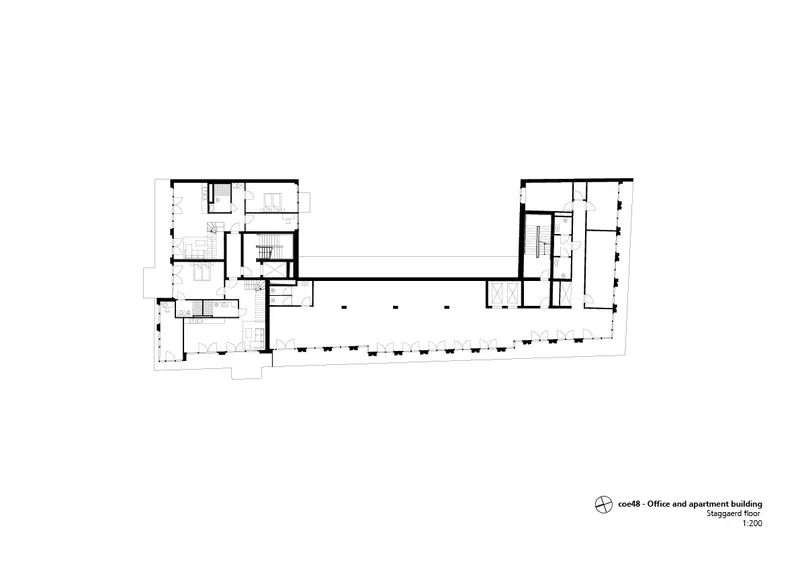
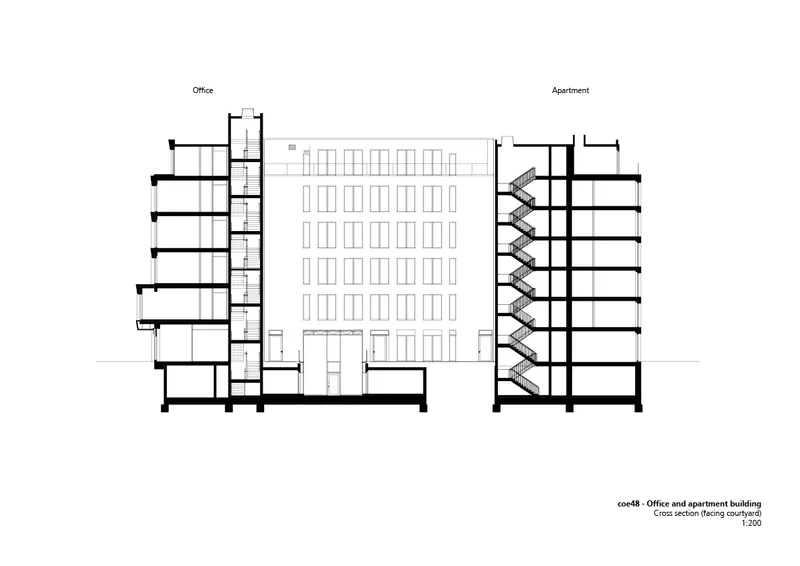
Coe48 by Tchoban Voss Architekten exemplifies the future of mixed-use architecture in urban settings. It bridges the past and present, blending flexibility, sustainability, and aesthetics to create a vibrant community hub. By balancing distinct functions and celebrating Berlin's rich architectural heritage, Coe48 emerges as a model for modern urban living and working.
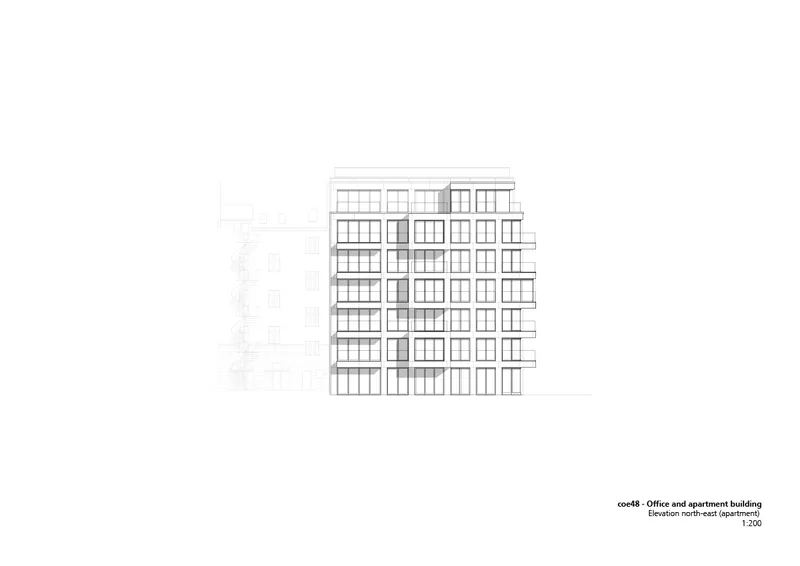
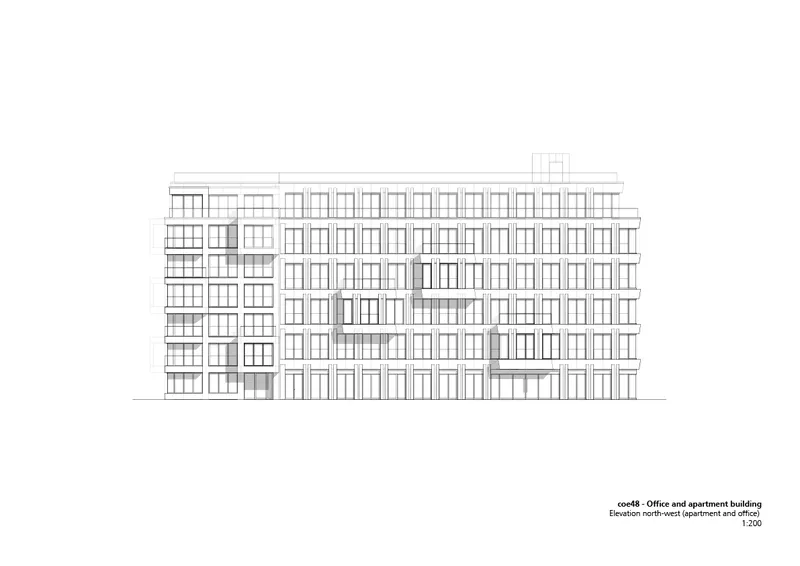
All Photographs are work of Klemens Renner


Popular Articles
Popular articles from the community


Opera on the Sea: Driftwood Logic Shapes a Timber Opera House on Estonia's Coast
Trevor Orgill's opera house translates the entangled drift of floating timber into a civic building where wood, water, and music converge.

Singing Woman: Contemporary Architecture Inspired by Estonia’s Voice and the Sea
Singing Woman turns Estonia’s song culture into flowing opera house architecture, blending public life, landscape, sea, and national memory.

Tsunami Convergenics: Turning Catastrophic Ocean Forces into Underwater Housing Infrastructure
A speculative underwater settlement off the coast of Onagawa, Japan, treats tsunamis and typhoons as energy sources rather than threats.

Cloaked Colonization: A Mobile Underwater Habitat That Moves Like a Fish
Micah Abaya's shortlisted EHC Pacific entry reimagines ocean settlement as a dispersed network of self-sustaining architectural organisms.

Similar Reads
You might also enjoy these articles


Hodi-Mandai Geram
Project Function: Preservation and revitalization of the Intangible heritage and socio-spatial identity of the Hodi by Housing, Cultural Memory Center, Sacred Grove, landscape, local tourism economy


Olio Towers: A Mid-Rise for Performers That Fuses Housing, Rehearsal, and Stage
Located blocks from Houston's Theater District, this modular tower stacks living units around a central performance atrium.

Oasis: Modular Green Housing Carved into Dhaka's Urban Fabric
A shortlisted Plugin Housing entry reclaims unauthorized settlements in Dhaka with stepped concrete volumes, green roofs, and ventilation-driven design.

Black Hole: A Floating Megastructure for the Post-Physical Era
Emiliano Mazzarotto envisions a spherical, self-scaling arena where e-sports, digital hotels, and holographic stadiums replace traditional public space.

Explore Mixed-Use Competitions
Discover active competitions in this discipline

Challenge to design mud housing for contemporary communities

Challenge to reimagine the Iron Throne

Photograph architecture without architects

Illustrate the lost glory of Angkor Wat - Render Challenge
Comments (0)
Please login or sign up to add comments
No comments yet. Be the first to comment!