

Renovation of BANCANG by Benzhe Design: A Harmonious Blend of Historical Preservation and Modern Functionality
The BANCANG renovation blends historical preservation with modern design, creating dynamic, sustainable spaces for commercial, cultural, and communal use.


The Renovation of BANCANG, located in the EKA-Tianwu Park of Jinqiao District, Pudong New Area, Shanghai, offers an innovative approach to transforming an industrial space into a dynamic and functional commercial hub. Originally built as Warehouse 445 for CSSC Marine Instrument Co., Ltd. in the 1960s, the structure underwent significant renovations under the guidance of Benzhe Design, culminating in a project that merges history, sustainability, and modern design principles. The renovation was carried out to accommodate commercial functions, exhibition spaces, and create a forward-looking environment in the context of the evolving park.

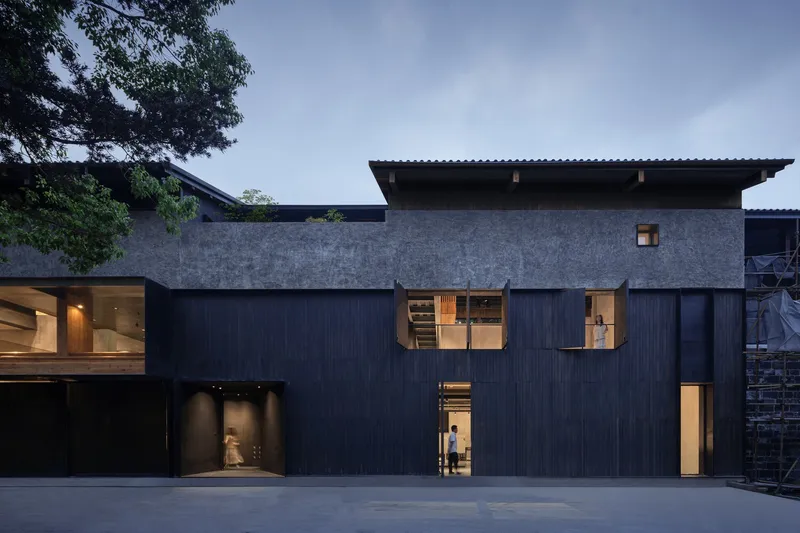
Preserving the Past, Shaping the Future
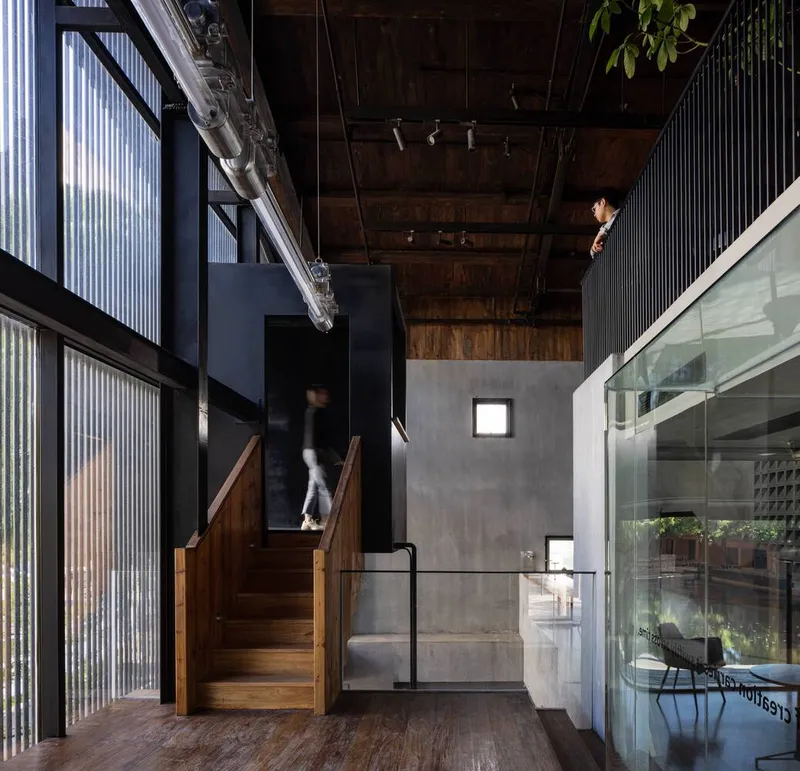
The architectural team embraced the historical significance of the warehouse, ensuring that the renovation process maintained a balance between honoring its past while integrating contemporary architectural strategies. The building's original form was retained, with its external appearance simplified to provide a clean, open aesthetic. One of the most notable changes is the south-facing wall, which was removed and replaced with a glass-metal grille, transforming the interior space into an airy, light-filled environment that fosters openness and connection.
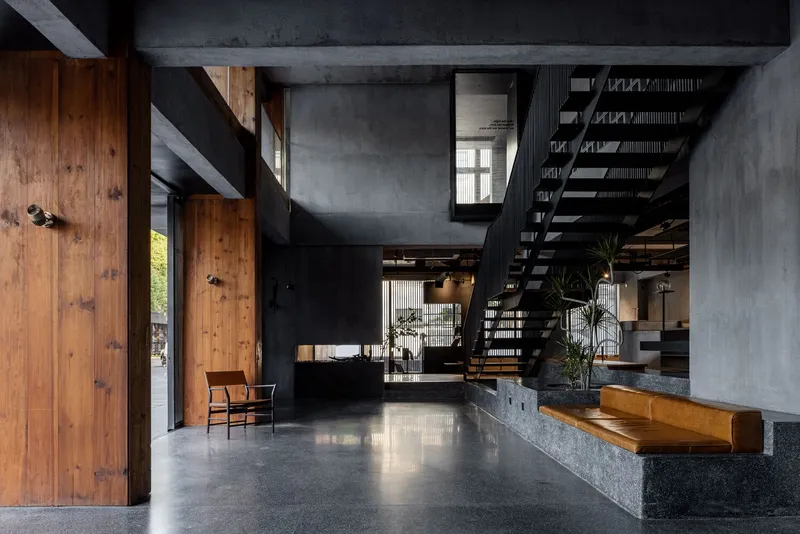

Innovative Facade Design and Sustainable Features
The renovation strategically introduced several key design elements, enhancing the building's interaction with its surroundings. The main façade, facing the open landscape pool, features a striking sixteen-meter-long dormer window cantilevered from the second floor. This architectural move adds a dynamic visual contrast to the building's rigid form, highlighting its modernist transformation.
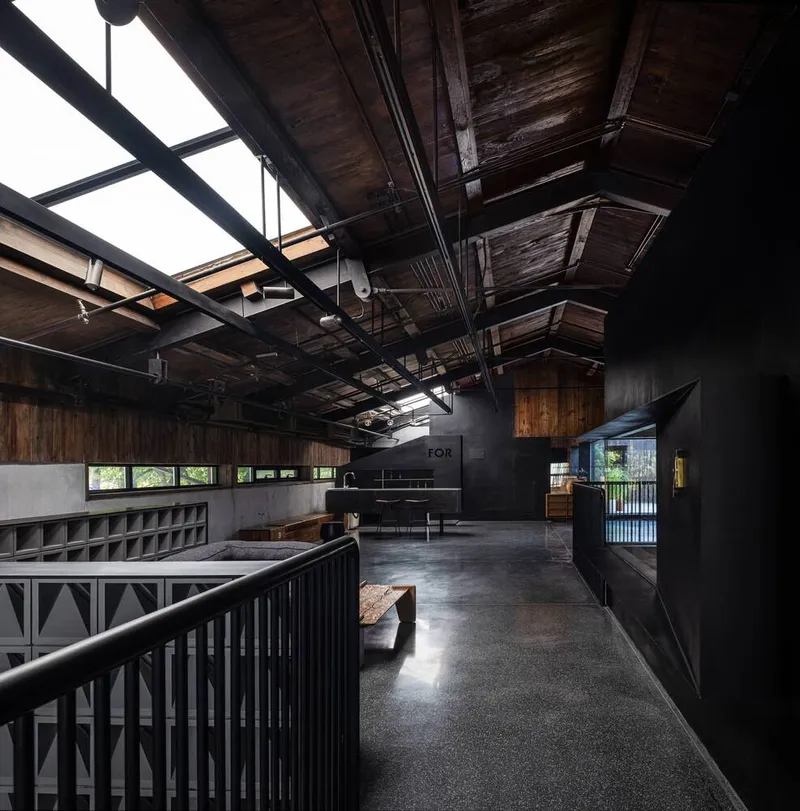
The design also utilizes sustainable materials, including carbonized wood and washed stones, forming the main texture of the exterior. These elements honor the historical architecture of Shanghai while infusing a sense of tranquility and a minimalist aesthetic inspired by traditional Oriental design. The fusion of old and new is evident throughout the exterior and interior spaces, providing a timeless, yet innovative atmosphere.


Interior Spaces Designed for Function and Flow
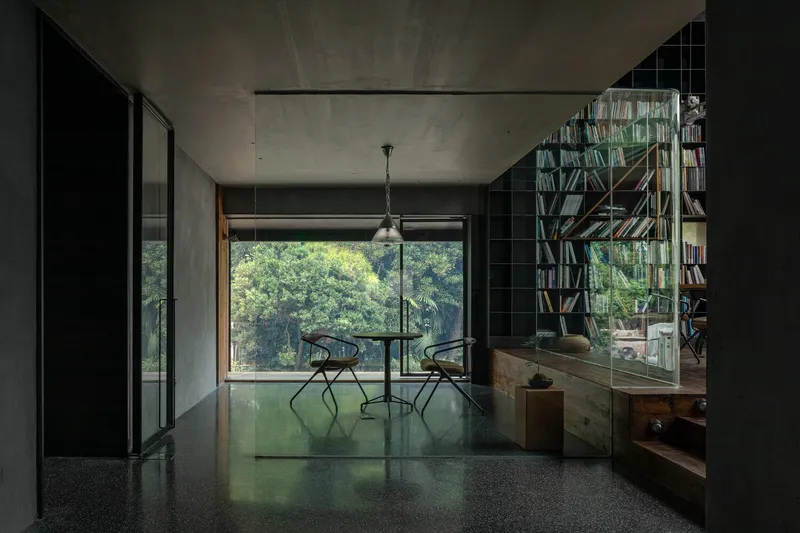
Inside, the BANCANG renovation focuses on enhancing the experience of the space through thoughtful design and careful planning. The floors, originally separated by closed walls, were redesigned to create a fluid connection between levels. The removal of certain walls and the introduction of staggered floor designs offer a variety of perspectives and spatial experiences. This design approach fosters interaction and exploration within the space, creating an environment where people can reflect, communicate, and enjoy the surroundings.
The ground floor features a café, VIP reception area, and a sunken business space, all designed to promote movement, engagement, and dialogue. In contrast, the second floor emphasizes calm and contemplation, with areas dedicated to reading, meditation, and a sand table display. The combination of dynamic and quiet spaces throughout the building creates a balanced atmosphere that caters to a range of activities.
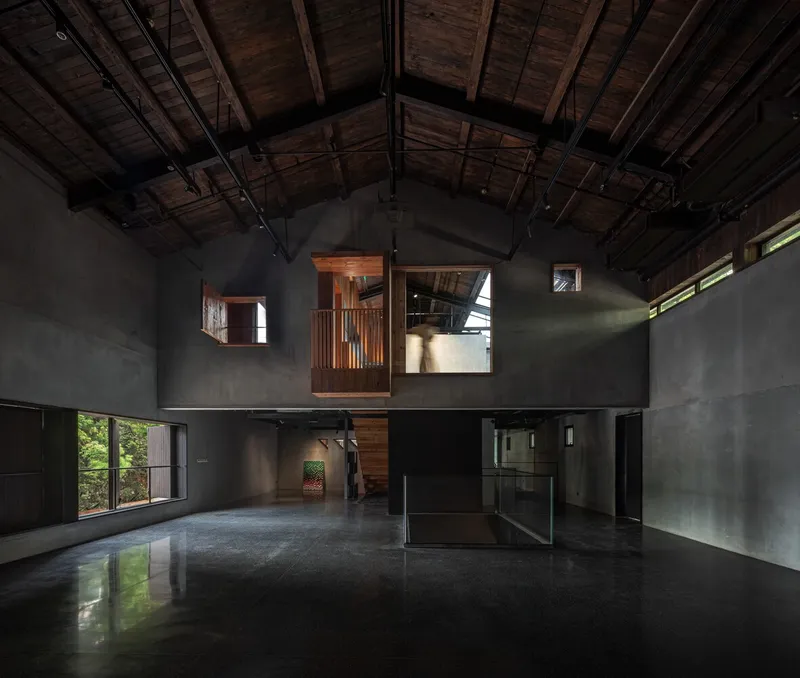
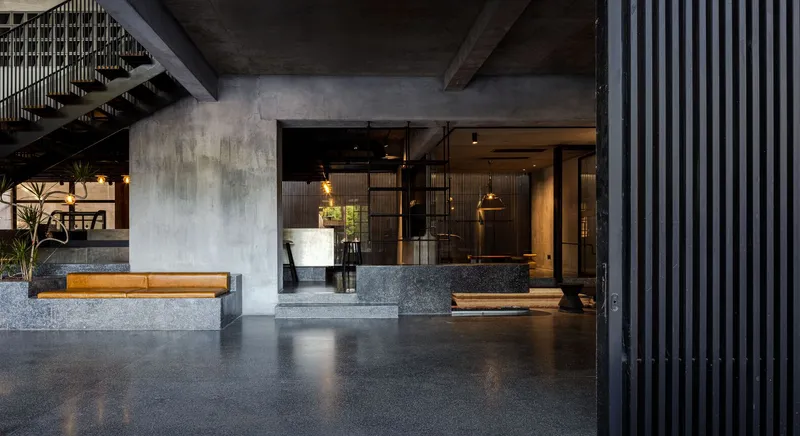
A Deconstructed Industrial Aesthetic
Despite the extensive transformation, the renovation design includes a small space dedicated to cultural preservation. This area serves as a modest art gallery, showcasing artifacts and paying homage to the building's history. The reorganization of this space allows for a subtle and respectful integration of cultural heritage, preserving the past while offering a modern perspective.
A Sustainable Future with a Respectful Eye on the Past
The renovation of BANCANG by Benzhe Design exemplifies how adaptive reuse can create a sustainable, functional space while respecting historical context. The project not only reimagines an industrial building for contemporary needs but also enhances its role in the community by blending commercial functions with cultural preservation. Through the integration of innovative design, sustainable materials, and a focus on human interaction, the BANCANG renovation stands as a model of modern architecture that values both history and progress.

All Photographs are works of Shengliang Su




Popular Articles
Popular articles from the community


Conexión: Biophilic Design Reimagines High-Rise Living in Hong Kong
Conexión reimagines high-rise living in Hong Kong through biophilic design, green facades, shared spaces, daylight, water and nature within.
EW PARK: Sustainable Architecture Reimagines the Future of Urban Parking
EW PARK reimagines city parking as a modular wooden tower combining automation, solar energy, electric mobility, and adaptable urban design.

Co-Life: Senior Housing Design That Reconnects Older Adults With the City
Co-Life reimagines senior housing design through healing gardens, shared streets, workshops, and a sustainable community across generations.

The Ocean Hive: Sustainable Architecture for a Self-Sufficient Civilization at Sea
The Ocean Hive imagines sustainable architecture at sea, where modular habitats, algae, wave power and ocean waste sustain a growing colony.


Similar Reads
You might also enjoy these articles


Hodi-Mandai Geram
Project Function: Preservation and revitalization of the Intangible heritage and socio-spatial identity of the Hodi by Housing, Cultural Memory Center, Sacred Grove, landscape, local tourism economy


Olio Towers: A Mid-Rise for Performers That Fuses Housing, Rehearsal, and Stage
Located blocks from Houston's Theater District, this modular tower stacks living units around a central performance atrium.

Oasis: Modular Green Housing Carved into Dhaka's Urban Fabric
A shortlisted Plugin Housing entry reclaims unauthorized settlements in Dhaka with stepped concrete volumes, green roofs, and ventilation-driven design.

Black Hole: A Floating Megastructure for the Post-Physical Era
Emiliano Mazzarotto envisions a spherical, self-scaling arena where e-sports, digital hotels, and holographic stadiums replace traditional public space.


Explore Renovation Competitions
Discover active competitions in this discipline



Challenge to reimagine the Iron Throne


Photograph architecture without architects


Illustrate the lost glory of Angkor Wat - Render Challenge


Design challenge to reuse E-waste
Comments (0)
Please login or sign up to add comments
No comments yet. Be the first to comment!