
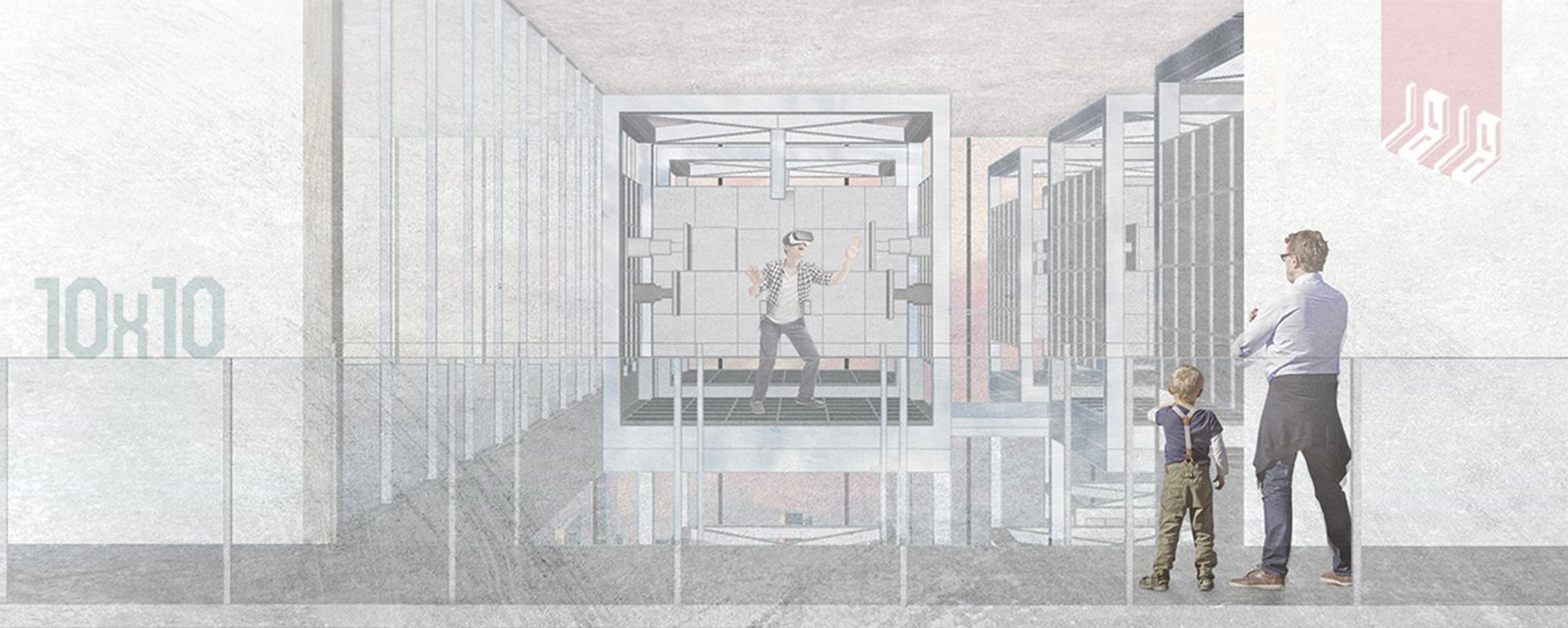
Rethinking Work and Living in Skyscraper Architecture – The 10x10 Future Factory Micro Living Space
Rethinking skyscraper architecture: The 10x10 Future Factory transforms workplaces into micro-living spaces, blending productivity with adaptability.

By 2040, urban skylines will be dominated by towers that redefine the way we live and work. The 10x10 Future Factory – Micro Living Space Building envisions a future where skyscraper architecture adapts to the shifting dynamics of work and housing. No longer confined to offices, these vertical structures blend working environments with adaptable micro-living units, offering new solutions for density, sustainability, and human comfort.
Designed by Özde Gürbüz, Klaudia K, Zosia Jaśniewicz, and Katarzyna Pieprzyk, the project earned an Honorable Mention in the Breaking Work competition. It explores how architecture can evolve in response to changing professional and social needs, while also addressing environmental and spatial challenges of future cities.
Architecture and Concept
The 10x10 Future Factory responds to a core idea: workplaces are no longer separate from daily life. Instead, architecture must accommodate hybrid functions, merging residential, commercial, and productive activities in a single vertical structure. Its modular system allows spaces to transform, expand, or contract based on user needs.
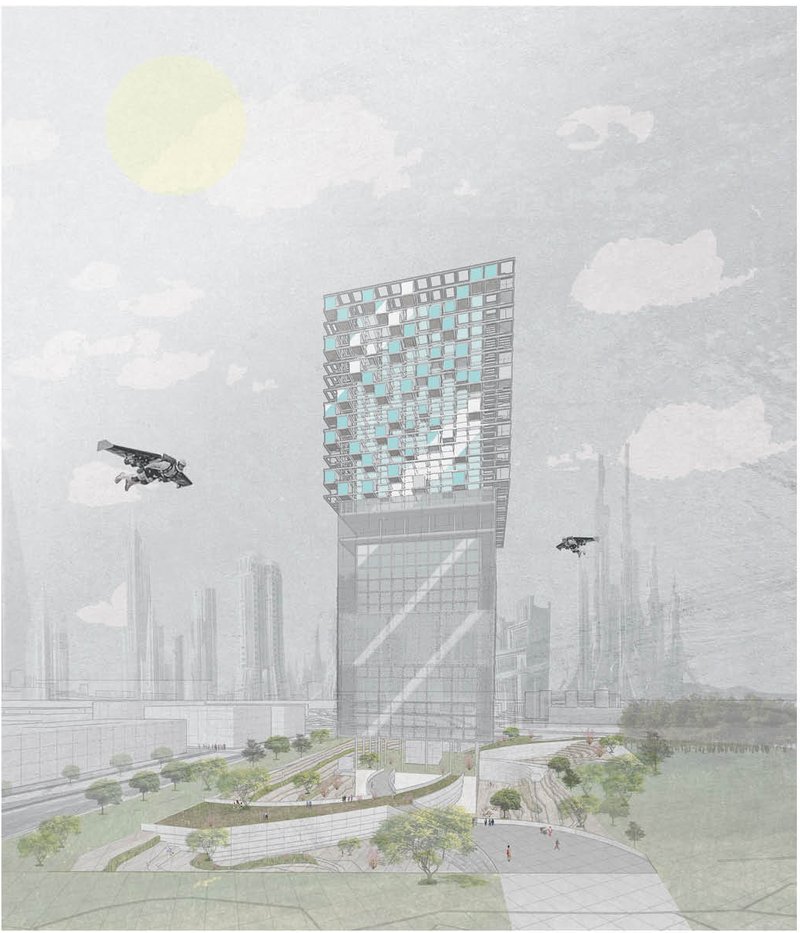
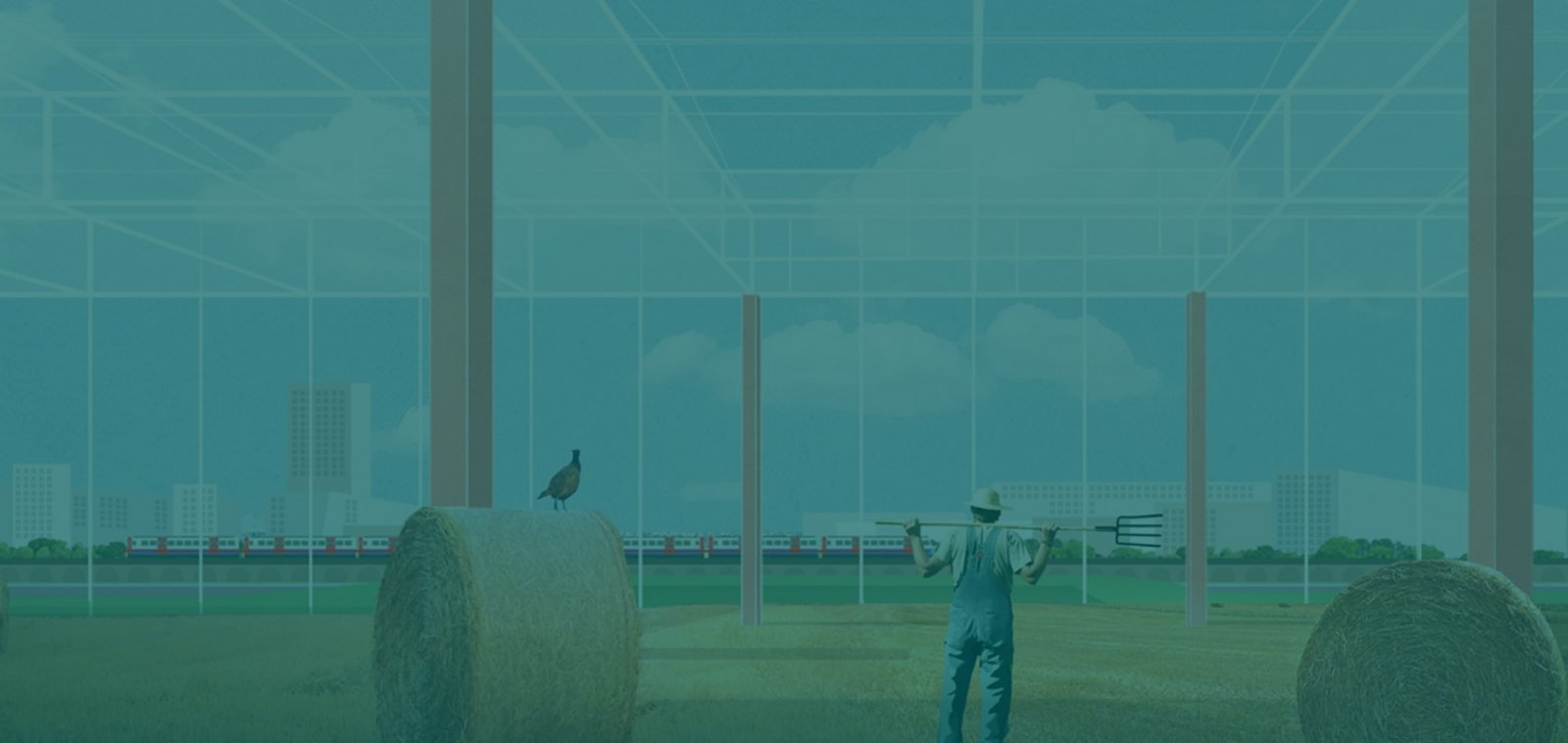
The building sits within a green yet raw canyon landscape, intentionally contrasting manicured urban centers. This setting enhances sensory stimulation and emphasizes detachment from overwhelming city noise. The project reimagines skyscraper architecture not just as a symbol of progress, but as a responsive environment that nurtures productivity and well-being.
Design Strategy
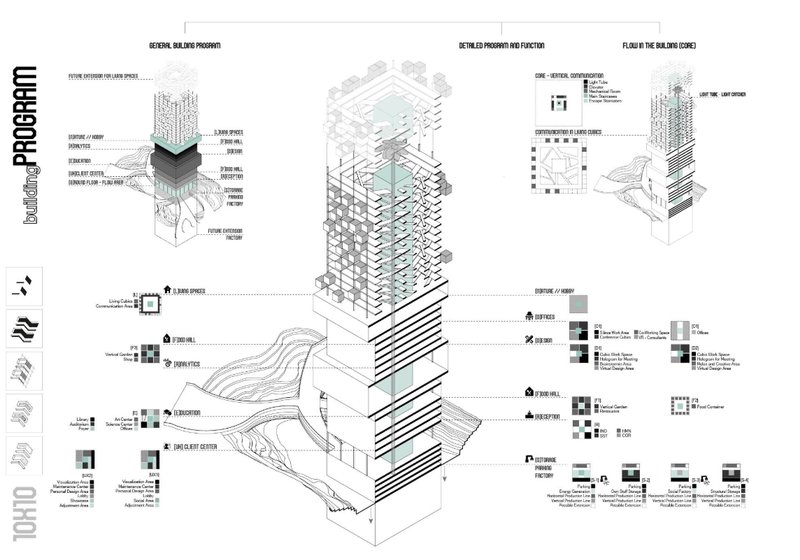
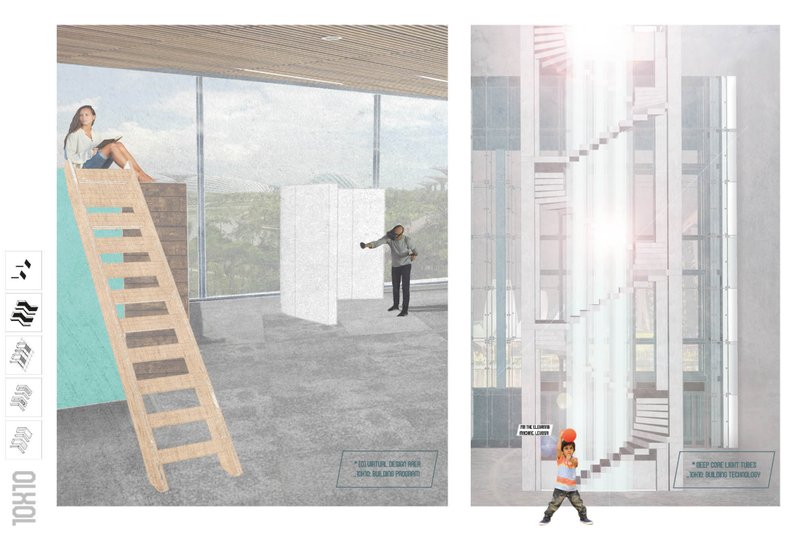
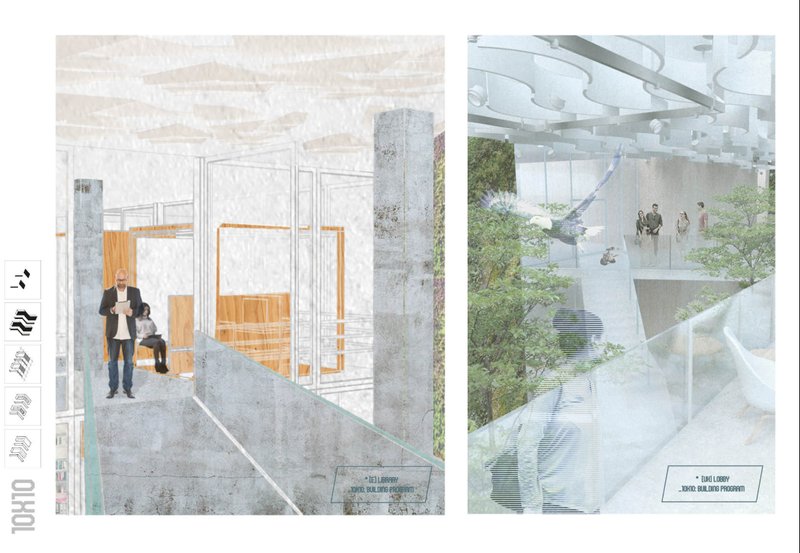
- Flexible Programs: Spaces are categorized into living units, offices, education hubs, food halls, logistics, and cultural centers. Each level adapts to evolving urban needs.
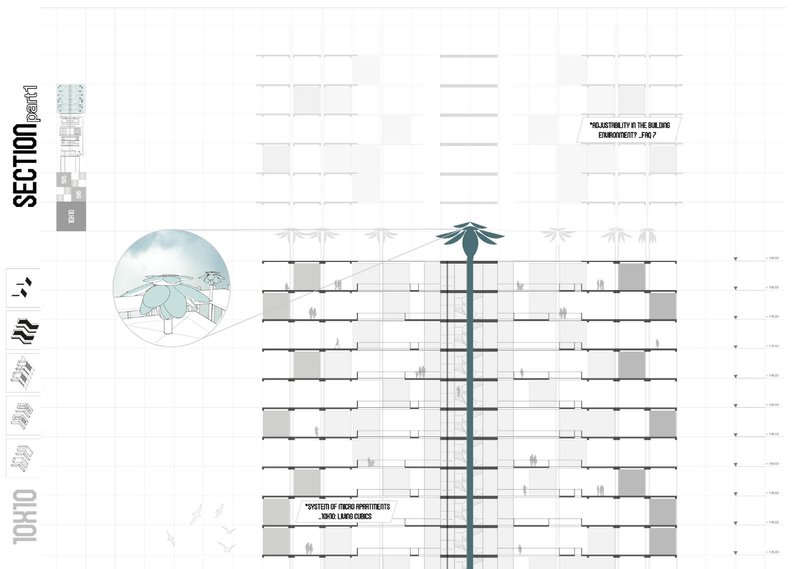
- Living Cubics: Micro-living pods form the residential element, providing modular comfort while maximizing efficiency.
- Factory Logistics: The tower integrates downward-growing production systems, merging manufacturing with vertical living.
- Sustainability: Light tubes, vertical gardens, and adaptable cores optimize natural resources and energy use.
The project emphasizes architecture for resilience, focusing on adaptability in times of shifting demographics, economic transitions, and environmental concerns.
Skyscraper Architecture as a Social Catalyst
The Future Factory challenges the idea of skyscrapers as static business icons. Instead, it repositions them as dynamic ecosystems, where people work, live, and interact in a single vertical community. This integration supports sustainability while fostering stronger human connections in dense urban environments.
By embedding manufacturing, housing, and cultural spaces together, the project creates a self-sufficient system. It envisions future cities where skyscraper architecture adapts to collective needs rather than just economic growth.
The 10x10 Future Factory demonstrates how innovative skyscraper architecture can merge living and working environments into one adaptable whole. With its modular design, sustainable systems, and social vision, it paves the way for cities that embrace complexity and resilience. By 2040, such designs may well become the new blueprint for urban high-rise living.



Popular Articles
Popular articles from the community


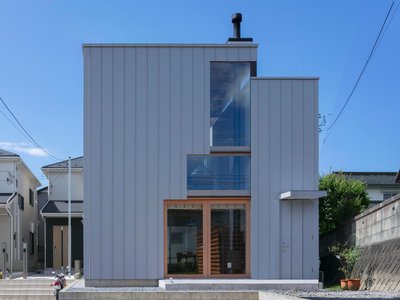
Split House: A Compact Urban Home Blending Privacy, Light, and Flexible Living in Japan
Compact Japanese home featuring DOMA space, flexible café potential, passive lighting, privacy zoning, and sustainable urban living design.
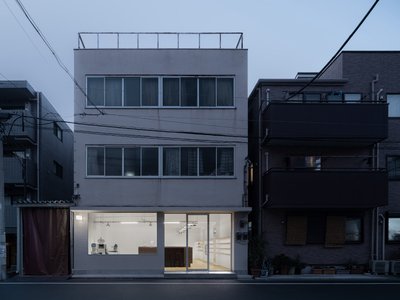
Atelier Macri Concept Store Interior Design by CASE-REAL
Atelier Macri store features a "ko" counter, walnut wood details, cork displays, blending retail, gallery, and seamless customer experiences.
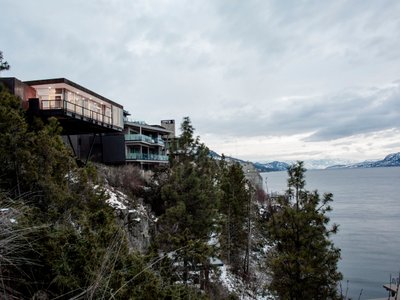
Alton Cliff House: A Harmonious Retreat by f2a Architecture in Lake Country, Canada
Alton Cliff House blends corten steel, prefabrication, and sustainable design, creating a luxurious, energy-efficient retreat perched on Canadian cliffs.

Similar Reads
You might also enjoy these articles

Digital Façade Design for our cities’ urban fronts
Prima Facie - Result Story
Protecting avian biodiversity: Bird observatories to help spread awareness & save rare bird species.
Results for ‘Fly’ - Landscape design competition out now
Connecting with nature: Forest interpretation center in Australia's Wollemi National Park
‘Asatti’ - Landscape design competition - Result story

Explore Architecture Competitions
Discover active competitions in this discipline




The International Standard for Design Portfolios


The Global Benchmark for Architecture Dissertation Awards


The Global Benchmark for Graduation Excellence


Challenge to reimagine the Iron Throne
Comments (0)
Please login or sign up to add comments
No comments yet. Be the first to comment!