

Reviving Al-Nazlah Center, Gallery and Service: Sustainable Cultural Architecture in Egypt
Sustainable cultural center in Egypt using clay pots, reviving pottery heritage through participatory design, passive cooling, and innovative load-bearing architecture.


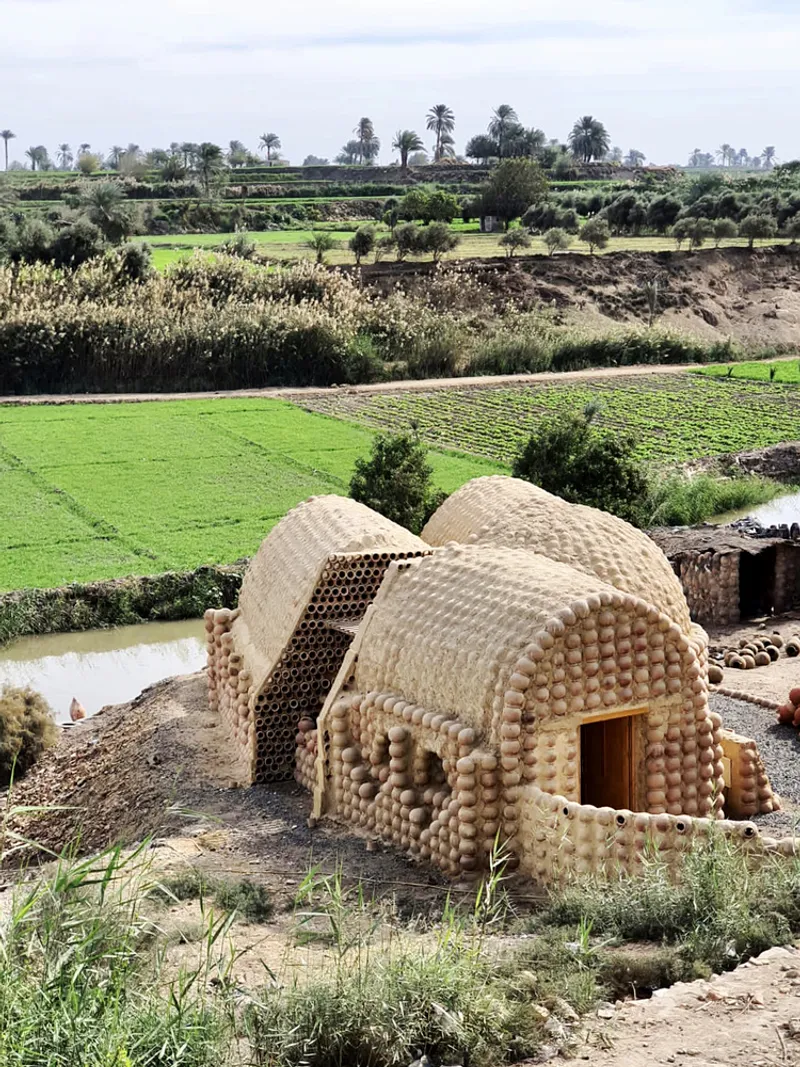
The Reviving Al-Nazlah Center, Gallery and Service by Hamdy El-Setouhy and Oriental Group Architects represents a groundbreaking model of sustainable cultural architecture in Egypt. Located in Fayoum’s historic pottery village, this 800 m² project redefines how vernacular techniques can be revived through contemporary architectural innovation while empowering local communities.
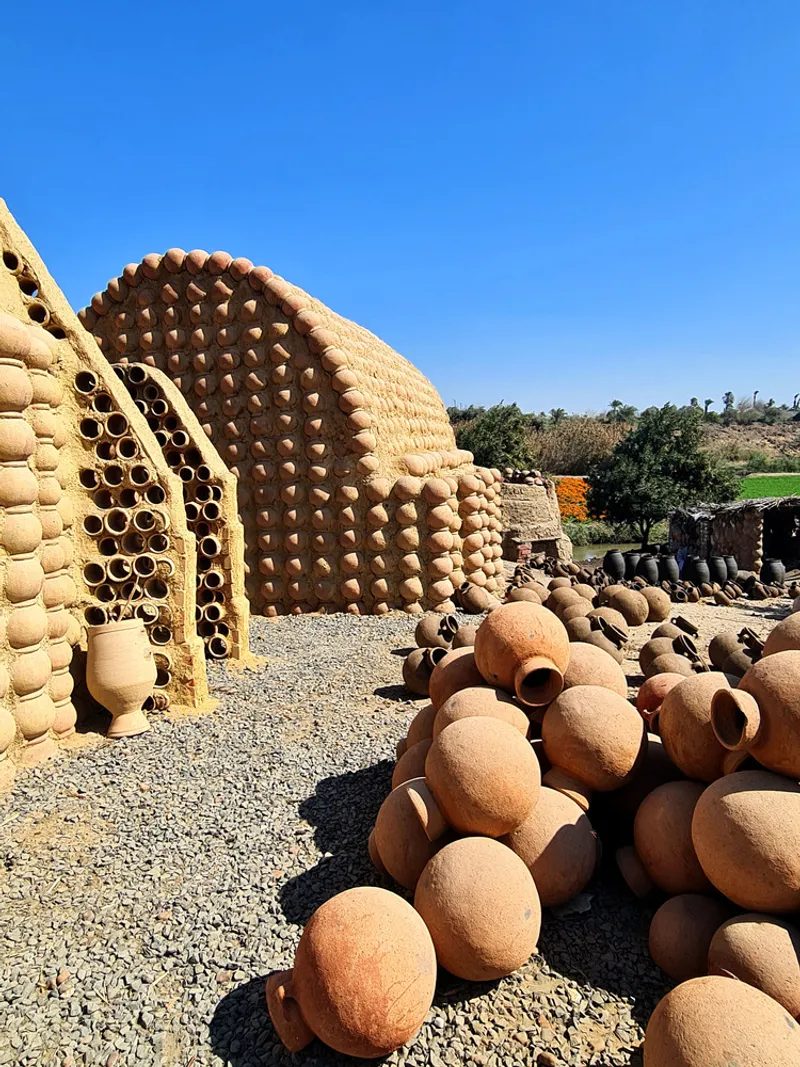
Context: Pottery Heritage and Local Identity
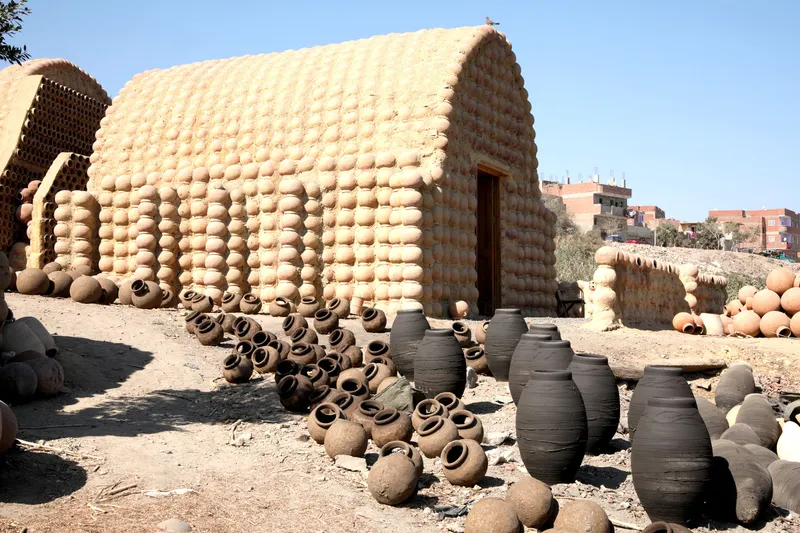
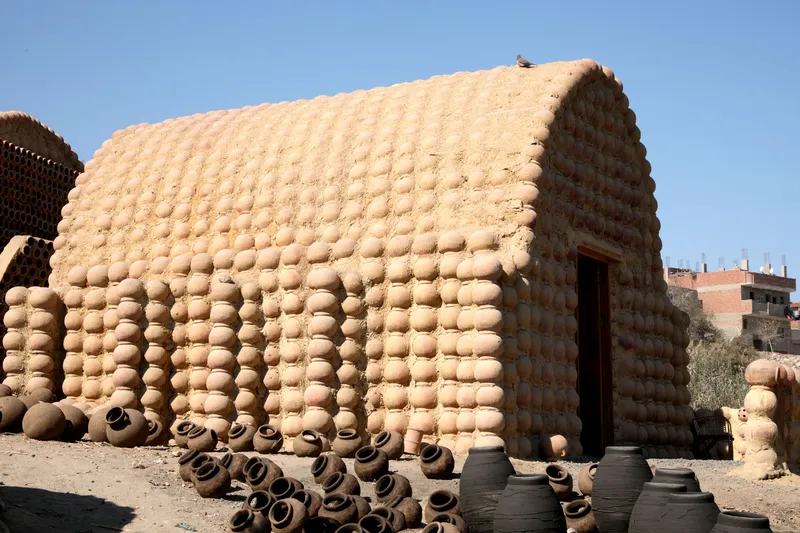
Al-Nazlah is deeply rooted in pottery craftsmanship dating back to ancient Egyptian civilization. The project preserves this identity by integrating traditional clay pots, historically used in construction, into a modern structural system. By enhancing bonding techniques through experimental methods, the architects transformed a fading craft into a viable, scalable architectural solution.
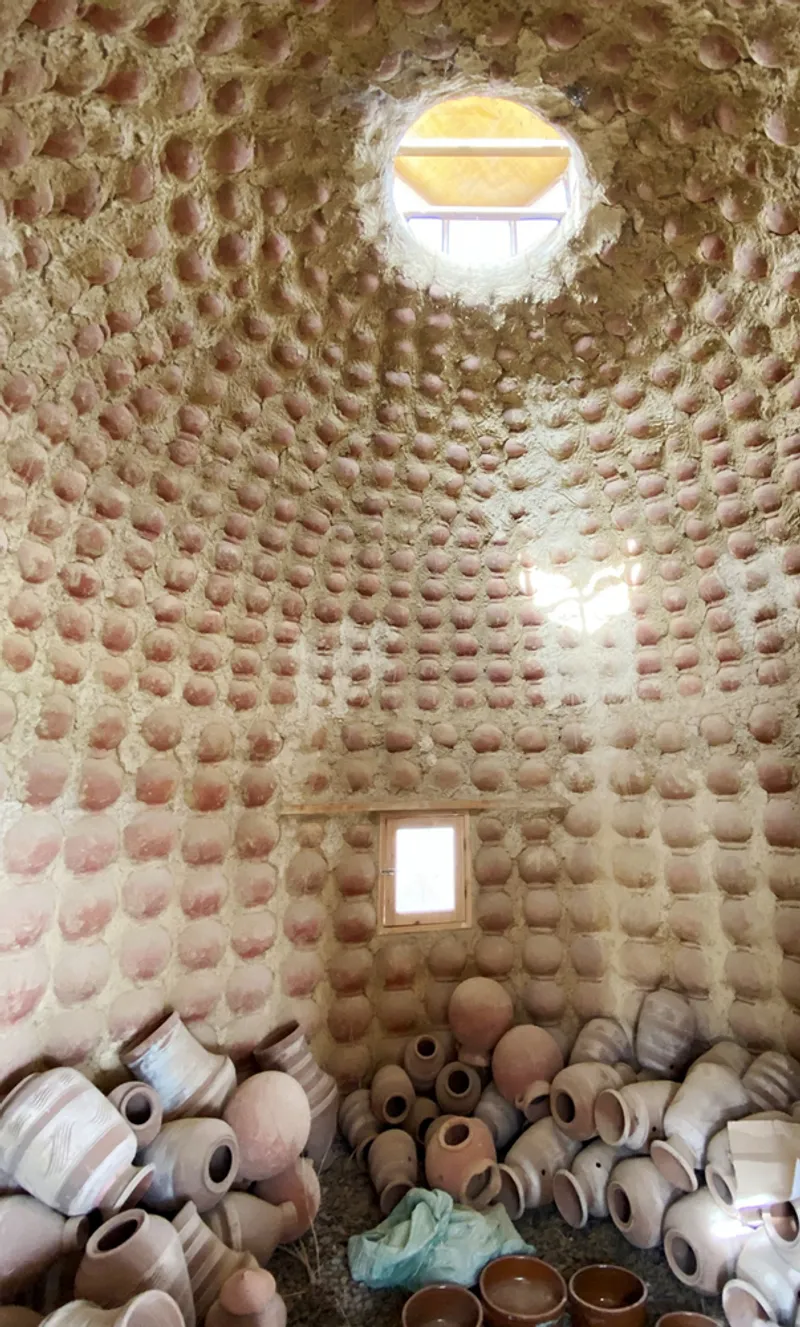

Design Strategy: Pot-Based Structural Innovation
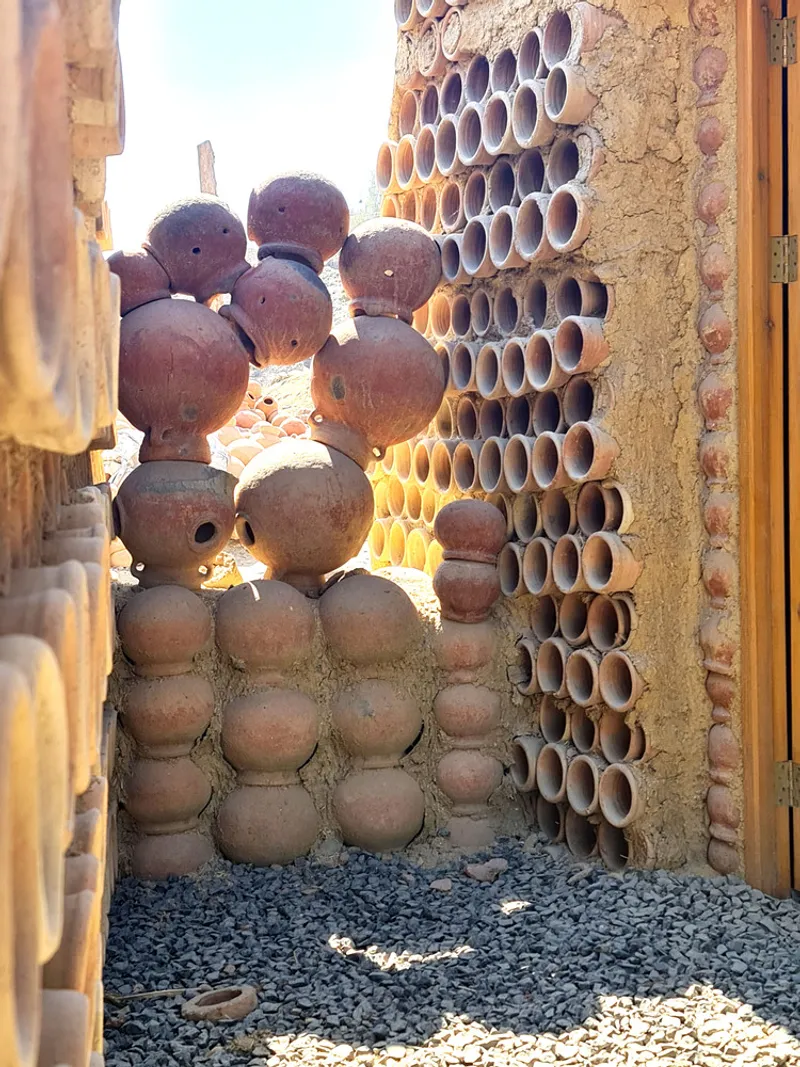
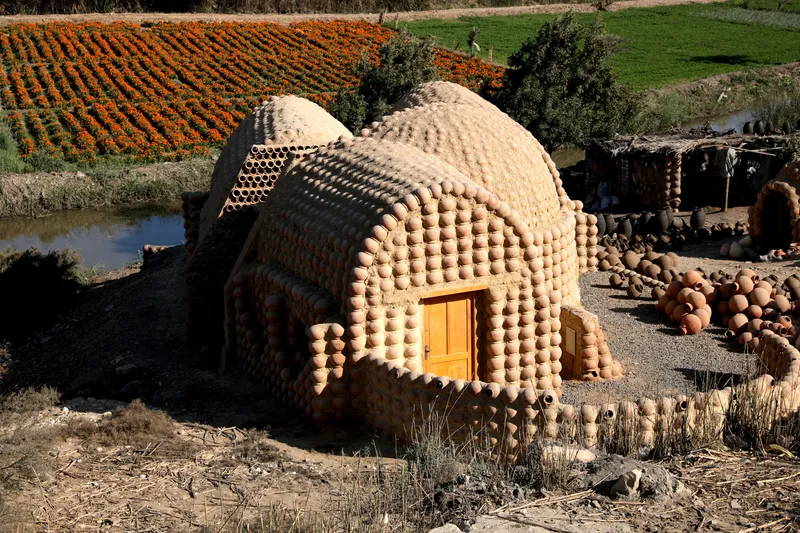
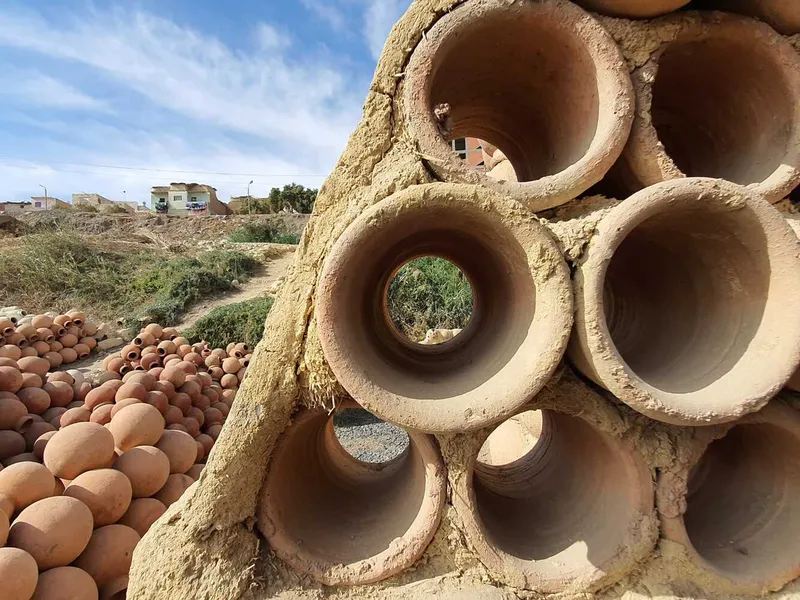
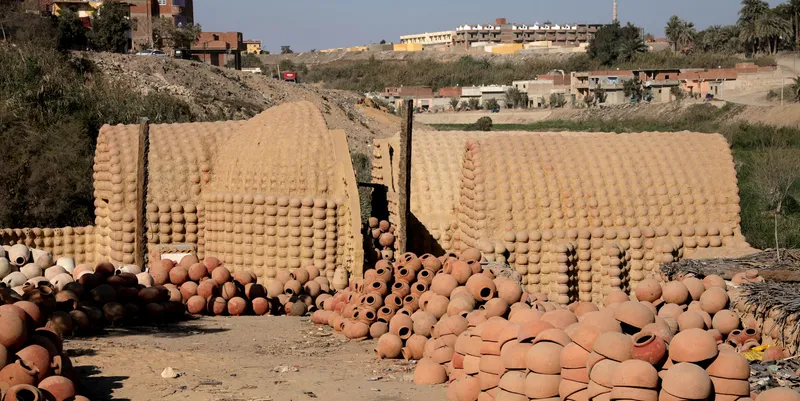
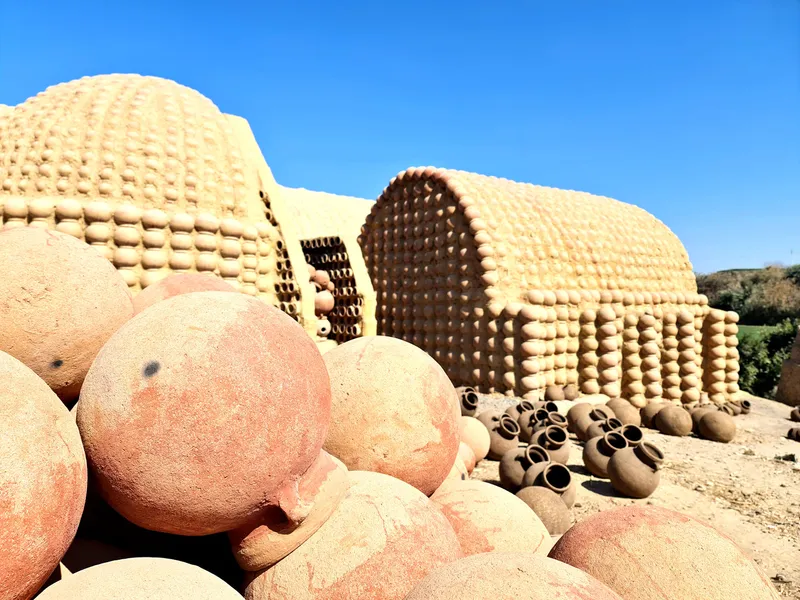
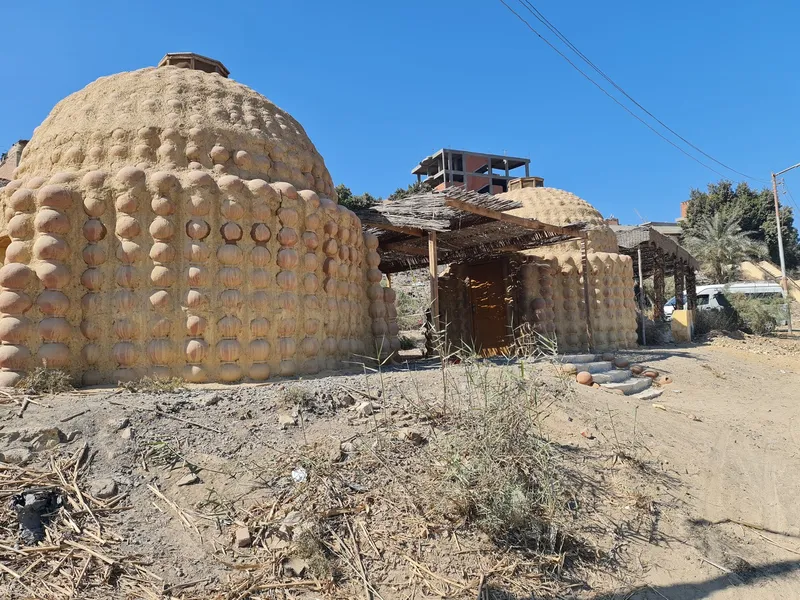
At the core of the design lies the innovative use of hollow clay pots as load-bearing elements. Each pot, precisely dimensioned, interlocks to form continuous arches, domes, and vaults. This modular system allows for flexible spatial configurations while maintaining structural integrity.
The repetition and variation of these elements create dynamic interior volumes and expressive roofscapes. The result is a visually compelling architectural language that merges tradition with experimentation, offering new possibilities for low-cost, sustainable construction.
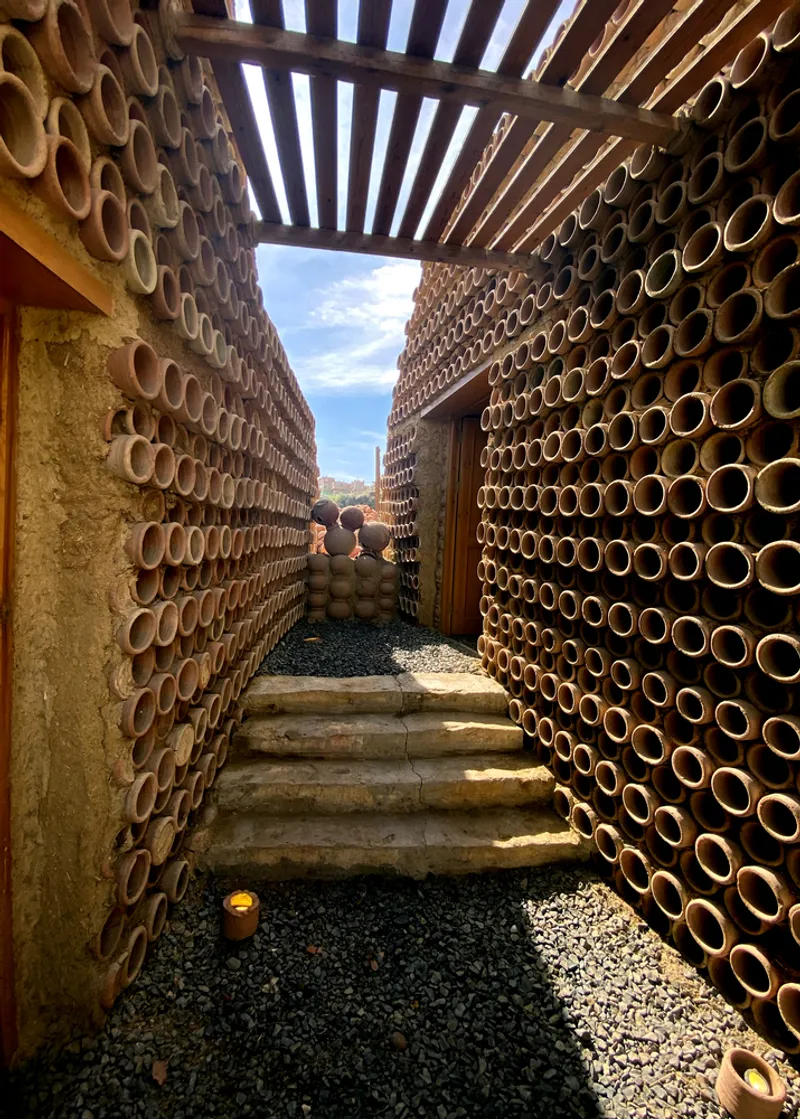
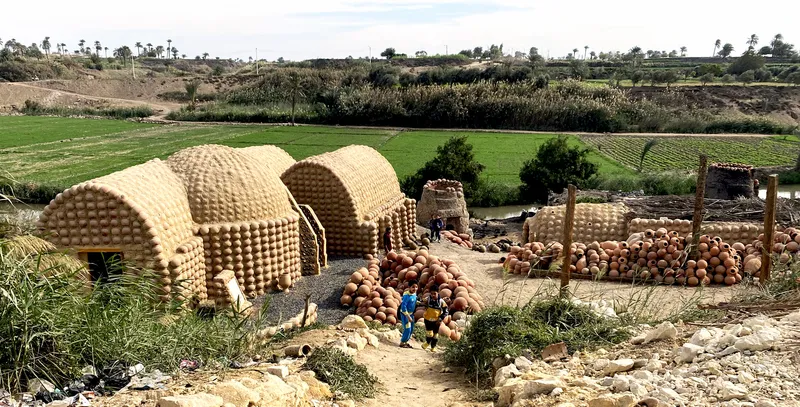
Climate Responsiveness and Environmental Sustainability
A key strength of the project is its passive environmental performance. The hollow cavity within each clay pot acts as natural insulation, reducing heat transfer and maintaining comfortable indoor temperatures.
The geometrically articulated roof allows diffused sunlight to penetrate interiors, minimizing direct solar gain while enhancing daylight quality. This significantly reduces reliance on mechanical cooling systems, making the building environmentally efficient.
Additionally, the zero-waste construction process ensures minimal material loss, reinforcing the project’s commitment to ecological sustainability.
Community Participation and Social Impact
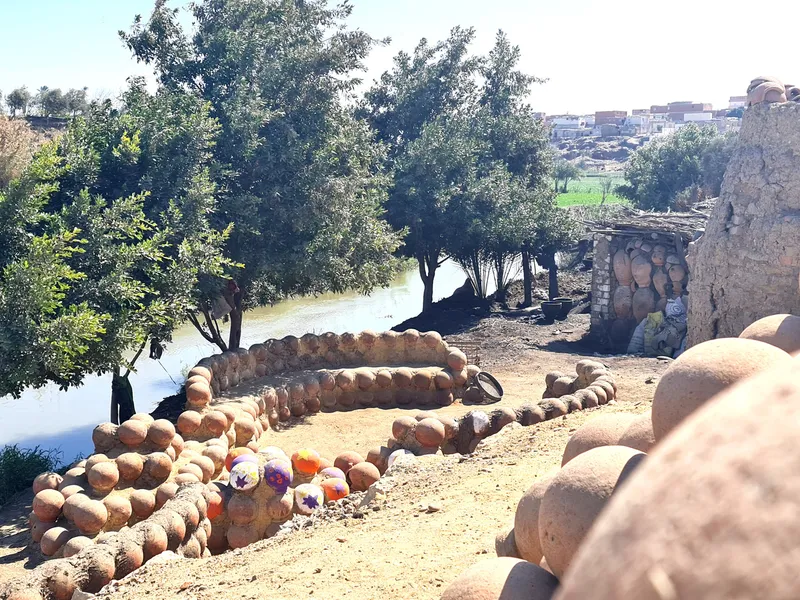
The project adopts a participatory design approach, involving local artisans and residents throughout the construction process. This not only preserves traditional knowledge but also creates economic opportunities and strengthens community ownership.
By enabling locals to produce, manage, and innovate their craft, the project supports the three pillars of sustainability: social, economic, and environmental. It transforms architecture into a tool for empowerment rather than mere physical development.
Recognition and Global Significance
The project received international acclaim, including the second prize at the Baku International Architecture Award 2019 supported by the International Union of Architects. It was also nominated for the prestigious Aga Khan Award for Architecture 2022, highlighting its global relevance in sustainable and community-driven design.

Architectural Experience: Space, Light, and Materiality
Visitors experience a sequence of organically shaped spaces defined by rhythmic arches and textured clay surfaces. The interplay of light and shadow, created by perforated roofing patterns, enhances spatial depth and sensory engagement.
Material authenticity remains central to the design, with exposed clay elements celebrating craftsmanship while reinforcing thermal performance. The architecture becomes both a cultural narrative and a climatic solution.
Conclusion: A Model for Sustainable Rural Development
The Reviving Al-Nazlah Center demonstrates how architecture can bridge heritage and innovation. By reinterpreting traditional materials and involving the community, the project establishes a replicable model for sustainable rural development.
It stands as a powerful example of how local knowledge, when combined with contemporary design thinking, can generate resilient, meaningful, and environmentally responsive architecture.
All photographs are works of
Mohad Elsharkawy, Hamdy El-Setouhy, Mahmoud Kamel Hassan



Popular Articles
Popular articles from the community


The Ocean Hive: Sustainable Architecture for a Self-Sufficient Civilization at Sea
The Ocean Hive imagines sustainable architecture at sea, where modular habitats, algae, wave power and ocean waste sustain a growing colony.

The Earth Pod: 3D Printed Homes for Resilient Refugee Communities
The Earth Pod reimagines refugee housing through 3D printed homes made from clay, combining resilience, self-sufficiency, and rapid shelter.
EW PARK: Sustainable Architecture Reimagines the Future of Urban Parking
EW PARK reimagines city parking as a modular wooden tower combining automation, solar energy, electric mobility, and adaptable urban design.

Riyadh For All: Intergenerational Urban Design for Active Aging in Rabat
Riyadh For All reimagines urban design in Rabat with intergenerational co-living, adaptive courtyards, and Moroccan cultural exchange today.


Similar Reads
You might also enjoy these articles

Bamboo Housing Challenge 2026: Design Affordable, Sustainable Homes Using Bamboo
An international design competition by Bamboo U and IBUKU inviting architects and designers to reimagine affordable housing using bamboo — with the winning design built full-scale in Bali.

Computational Design & Education: Beegraphy Design Awards Introduces 7th Category (Featuring Jiyun's Innovative Approach)
Dive into Beegraphy’s 7th Design Awards category, where computational design meets education to create immersive, interactive learning tools, inspired by Jiyun’s work.

From Parametric Lighting to Urban Furniture: Join the 2nd Workshop in Beegraphy’s Computational Design Series
Dive into Cutting-Edge Design Techniques and Practical Applications with Industry Experts

Last Call: Unleash Your Architectural Genius in SHAK's Kindergarten Design Competition
Urgent call for architects to join SHAK's kindergarten design competition before the looming deadline

Explore Architecture Competitions
Discover active competitions in this discipline



Challenge to reimagine the Iron Throne


Photograph architecture without architects


Illustrate the lost glory of Angkor Wat - Render Challenge


Bring back Drive In's
Comments (0)
Please login or sign up to add comments
No comments yet. Be the first to comment!