
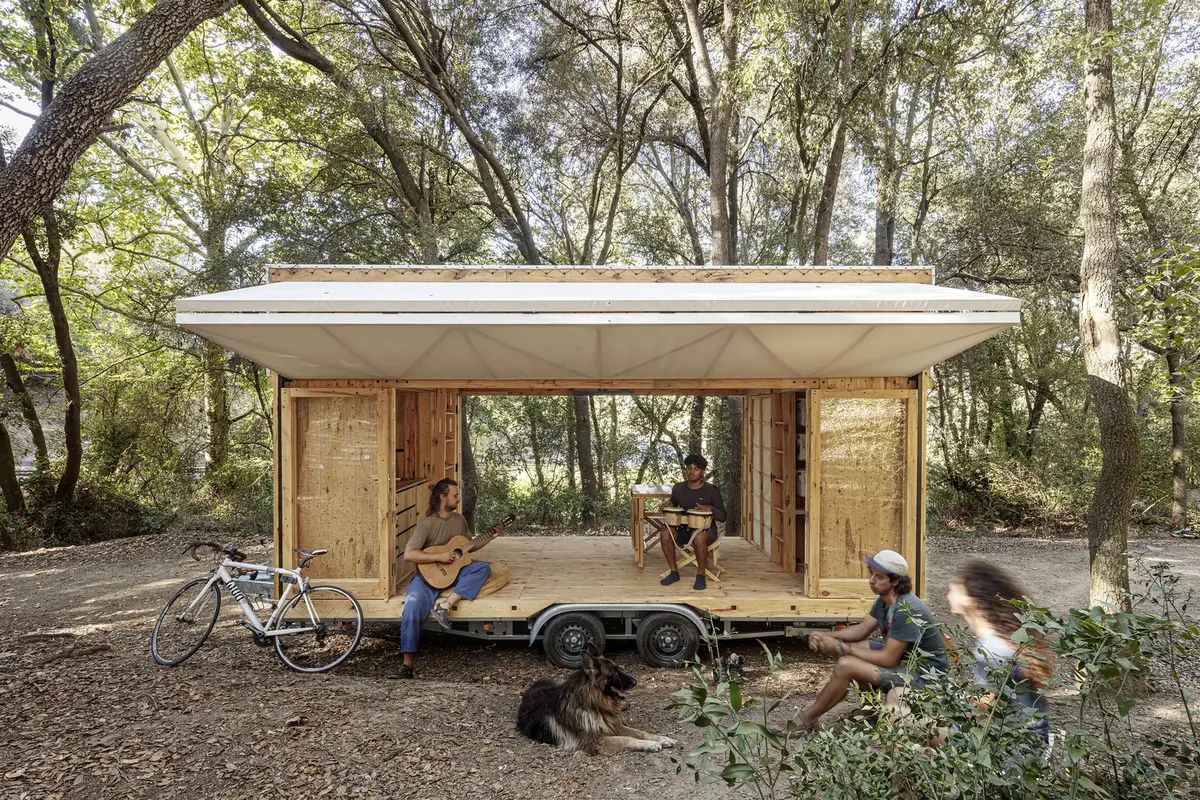
Revolutionizing Tiny Living with Sustainable Mobile Home Design: The MO.CA Mobile House
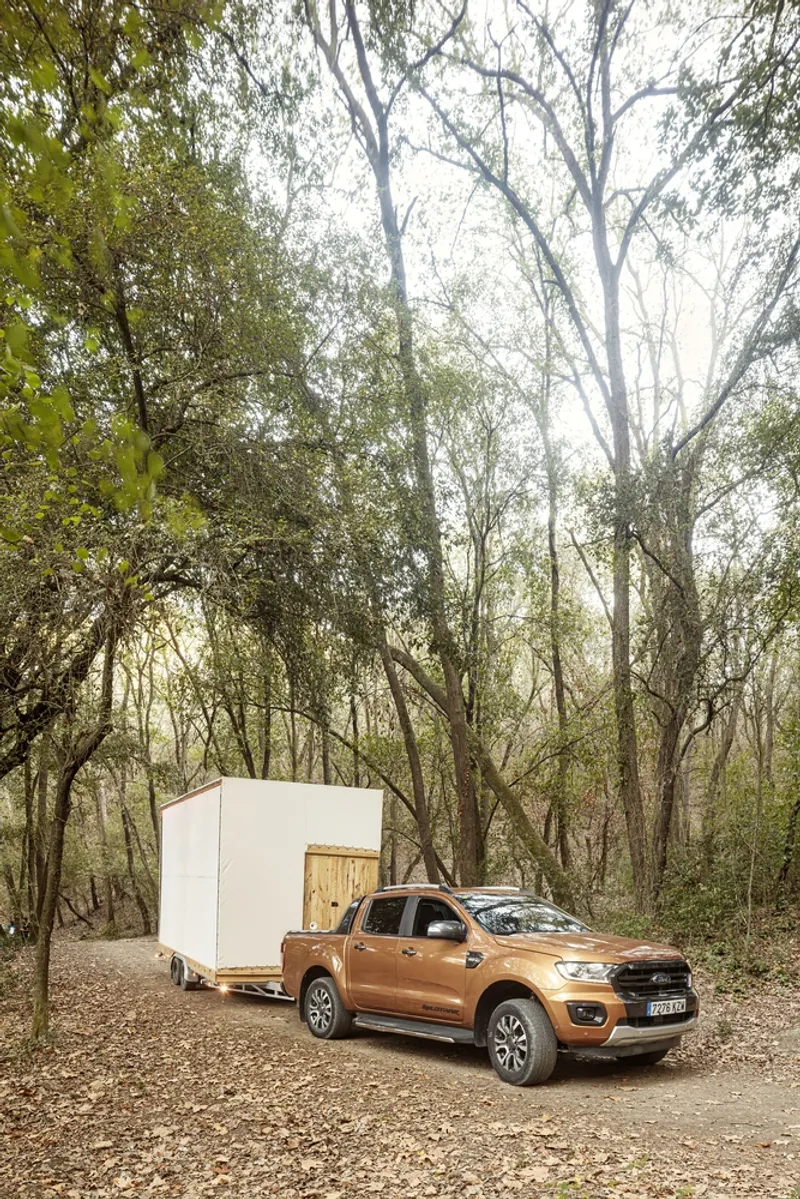
The article showcases the MO.CA Mobile House by IAAC, a sustainable, self-sufficient mobile home designed with zero-kilometer materials in Spain.


In the evolving landscape of architecture and eco-conscious living, the MO.CA Mobile House by the Institute of Advanced Architecture of Catalonia (IAAC) represents a pivotal shift towards Sustainable Mobile Home Design. Nestled in the serene environment of Cerdanyola del Vallès, Spain, this project exemplifies how mobility and sustainability can merge to create a living space that is both functional and environmentally friendly.


The Vision Behind MO.CA Mobile House
A New Era of Mobility and Self-Sufficiency
The concept of the MO.CA Mobile House was born from the desire to explore the boundaries of freedom through self-sufficiency and mobility. This vision aligns with the growing trend towards remote work and the global push for sustainable living solutions that reduce our carbon footprint. The MO.CA Mobile House is designed to cater to these evolving lifestyle demands, offering a blueprint for future living.
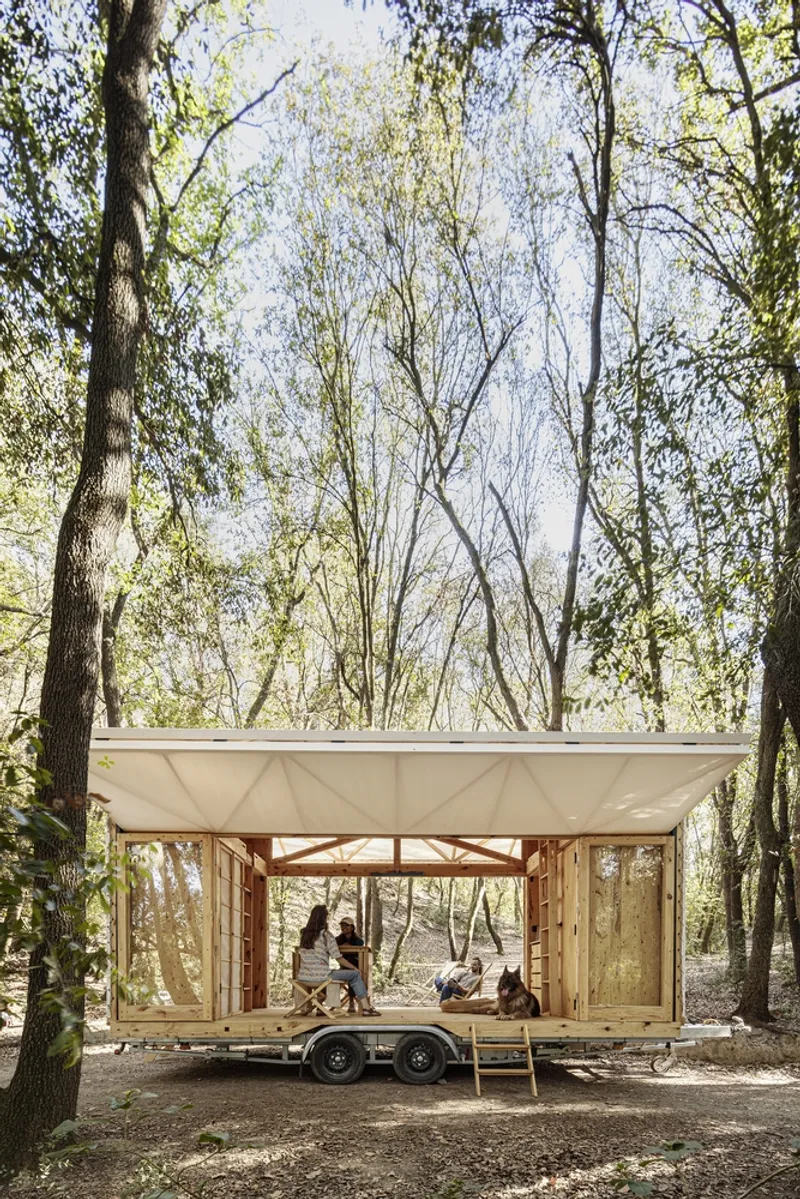
Design and Construction: Embracing Zero-Kilometer Materials
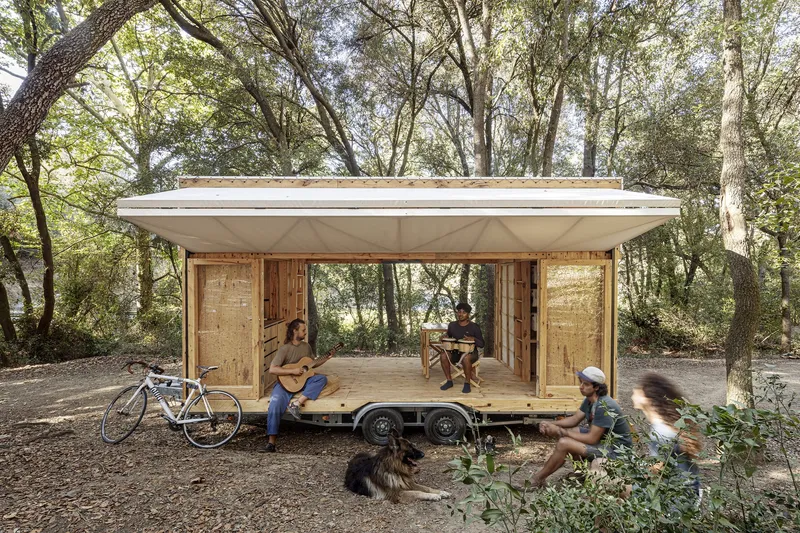
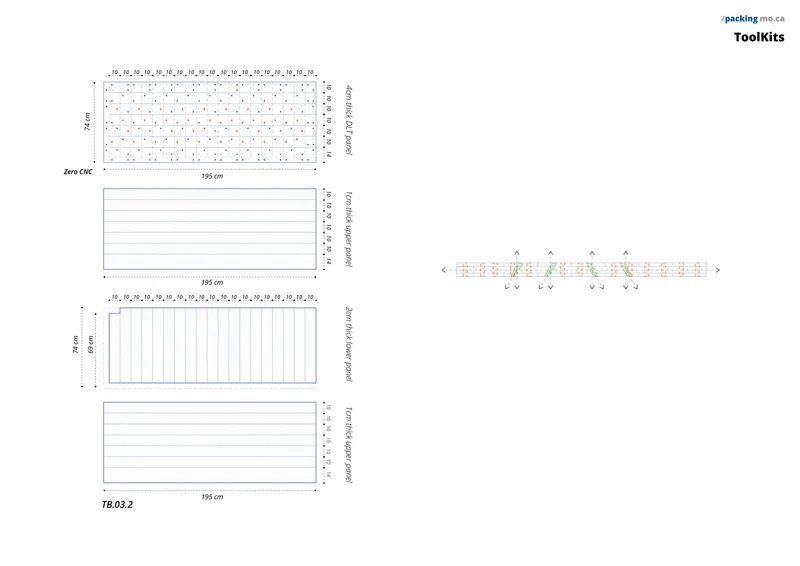
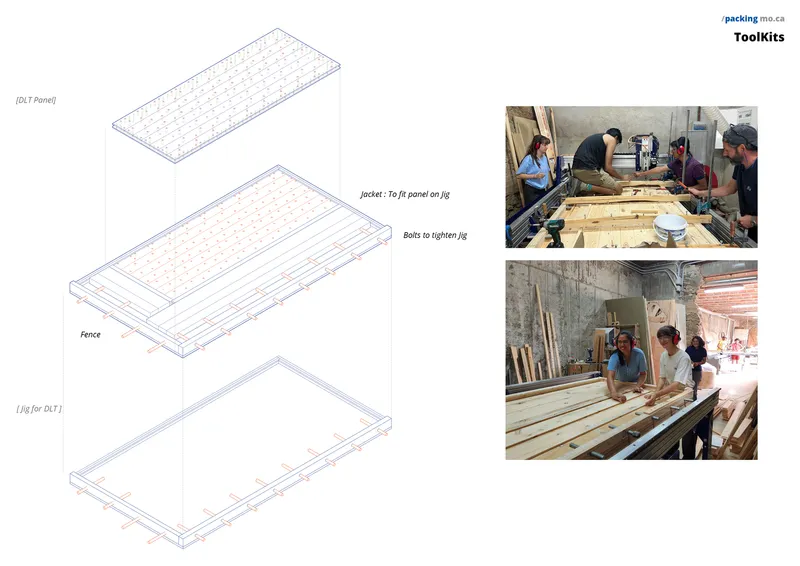
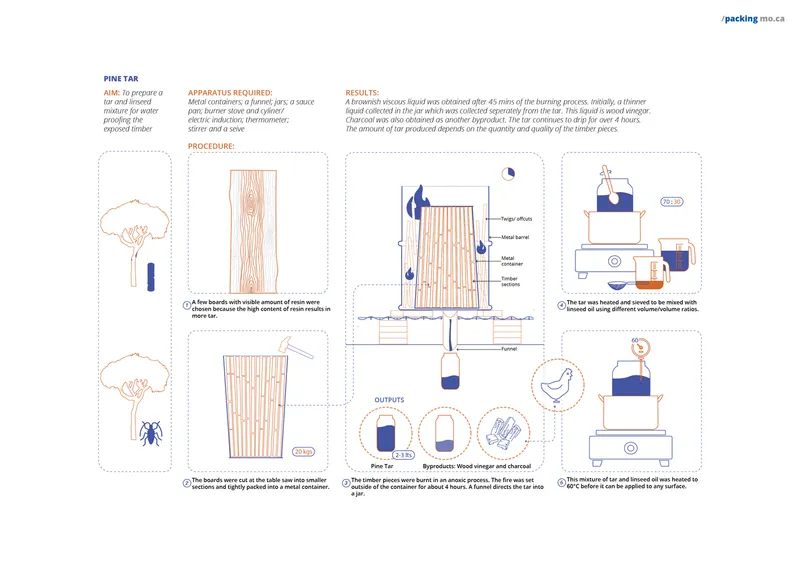
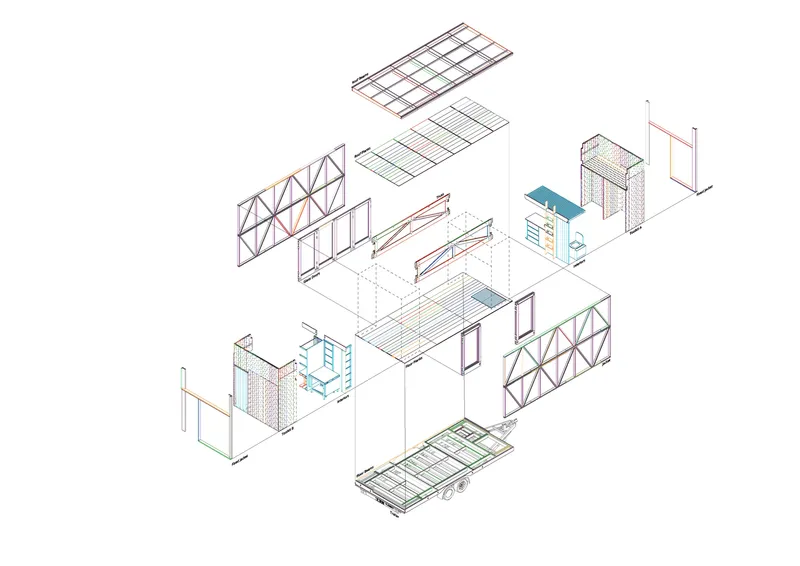
The MO.CA Mobile House is constructed from zero-kilometer cross-laminated timber, sourced and processed on-site at the Valldaura Labs facilities. This approach not only minimizes the environmental impact of transportation but also showcases the potential for local resources to create high-quality, sustainable housing solutions.


Architectural Features and Innovations
Adaptable Spaces for Living and More
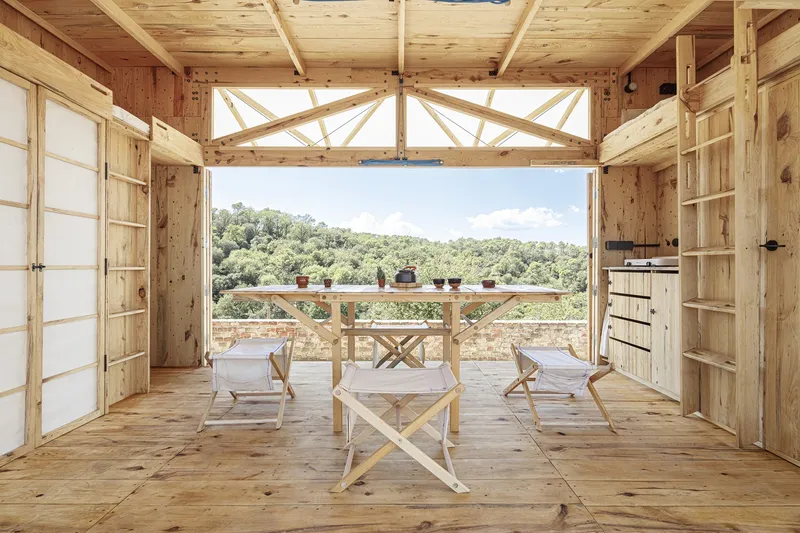
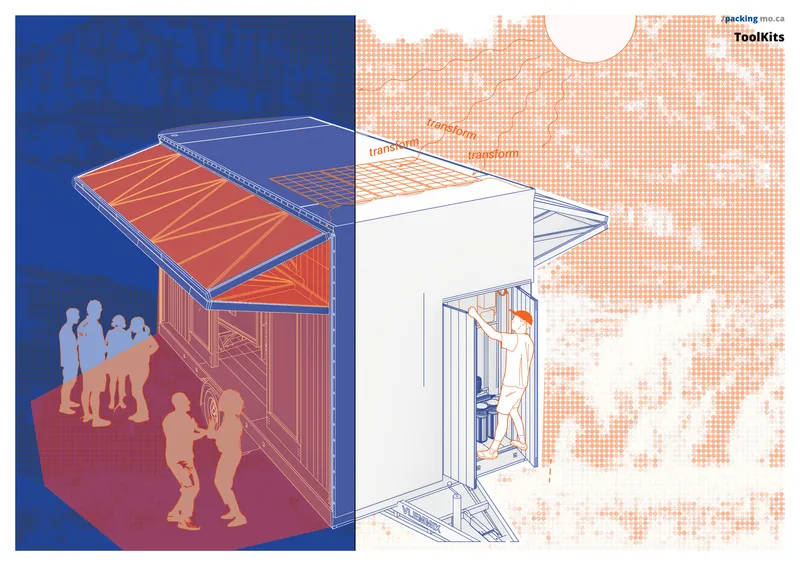
The central space of the MO.CA Mobile House is designed to be multifunctional, capable of transforming into a venue for concerts, events, or a cozy meeting place. This versatility is achieved through an innovative design that incorporates movable furniture and adaptable walls, allowing the space to evolve according to its occupants’ needs.


Energy Efficiency and Sustainability at Its Core
One of the most striking aspects of the MO.CA Mobile House is its self-sufficiency in energy. Equipped with monocrystalline solar panels, a MultiPlus inverter, and a backup battery, the house can operate independently for 24 hours without recharging. This system underscores the project's commitment to Sustainable Mobile Home Design, offering a model for off-grid living.


Interior Design and Functionalities
Maximizing Space with Smart Solutions
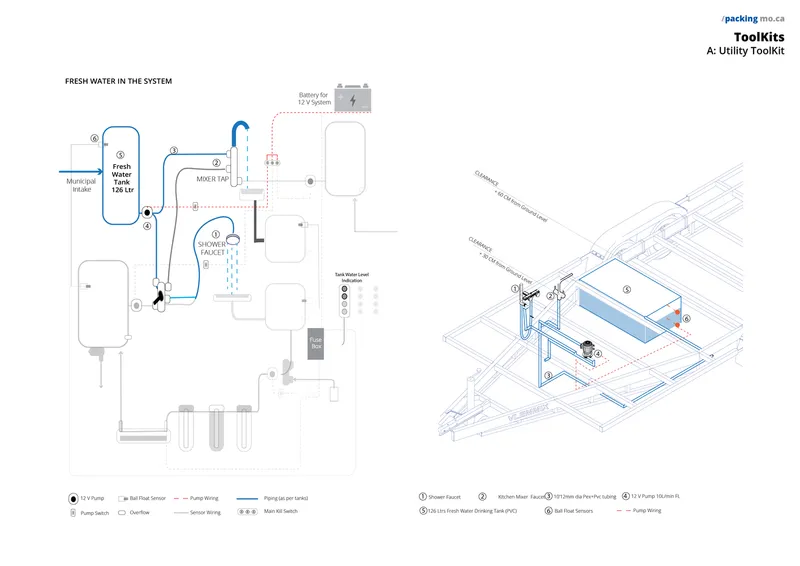
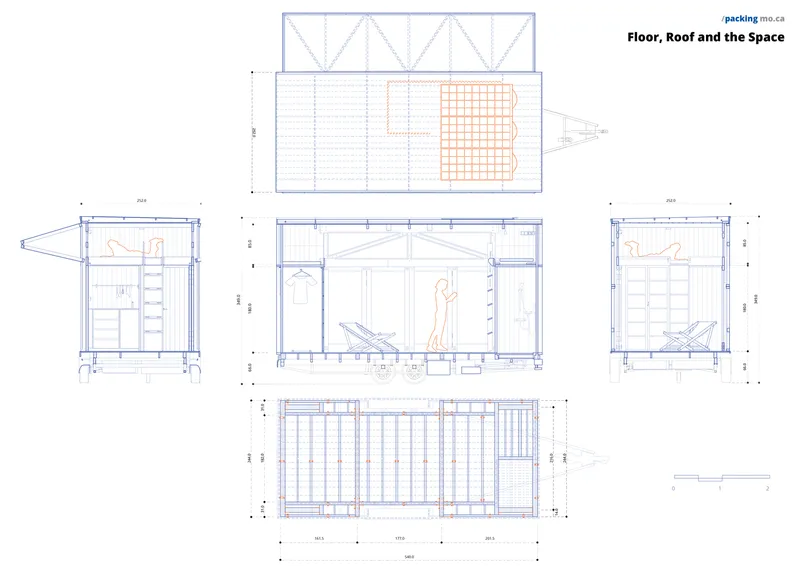
The MO.CA Mobile House optimizes its compact space through clever design choices, including a mezzanine level for sleeping, a fully equipped kitchen, and a waterless composting toilet. These features demonstrate that living in a mobile home does not mean compromising on comfort or functionality.


The Integration of Technology and Nature
By blending advanced ecological building techniques with the natural beauty of its surroundings, the MO.CA Mobile House creates a living experience that is both technologically advanced and deeply connected to the environment. This integration is a key principle of Sustainable Mobile Home Design, where the future of living harmoniously with nature is envisioned.


The MO.CA Mobile House project by IAAC stands as a beacon of innovation in Sustainable Mobile Home Design. It challenges conventional notions of housing by offering a mobile, eco-friendly, and versatile living solution. As we move towards a future where sustainability and mobility become increasingly important, the MO.CA Mobile House offers a glimpse into the possibilities that await in the realm of architectural design and ecological living.

All photographs are work of Adrià Goula


Popular Articles
Popular articles from the community


Singing Woman: Contemporary Architecture Inspired by Estonia’s Voice and the Sea
Singing Woman turns Estonia’s song culture into flowing opera house architecture, blending public life, landscape, sea, and national memory.
Temporary Home for Dogs: A Reversed Zoo Rethinks Animal Shelter Architecture
In Bucharest, a sinuous corridor and freed landscape flip the logic of containment, designing a shelter that works to make itself unnecessary.

Extended Shell: Retrofitting Kolkata's Balconies as Living Urban Thresholds
A modular retrofit system recovers the social and environmental intelligence of Kolkata's historic verandas for contemporary Park Street residents.

Cloaked Colonization: A Mobile Underwater Habitat That Moves Like a Fish
Micah Abaya's shortlisted EHC Pacific entry reimagines ocean settlement as a dispersed network of self-sustaining architectural organisms.

Similar Reads
You might also enjoy these articles


Hodi-Mandai Geram
Project Function: Preservation and revitalization of the Intangible heritage and socio-spatial identity of the Hodi by Housing, Cultural Memory Center, Sacred Grove, landscape, local tourism economy


Olio Towers: A Mid-Rise for Performers That Fuses Housing, Rehearsal, and Stage
Located blocks from Houston's Theater District, this modular tower stacks living units around a central performance atrium.

Oasis: Modular Green Housing Carved into Dhaka's Urban Fabric
A shortlisted Plugin Housing entry reclaims unauthorized settlements in Dhaka with stepped concrete volumes, green roofs, and ventilation-driven design.

Black Hole: A Floating Megastructure for the Post-Physical Era
Emiliano Mazzarotto envisions a spherical, self-scaling arena where e-sports, digital hotels, and holographic stadiums replace traditional public space.

Explore Architecture Competitions
Discover active competitions in this discipline

Challenge to reimagine the Iron Throne

Photograph architecture without architects

Illustrate the lost glory of Angkor Wat - Render Challenge

Design challenge to reuse E-waste
Comments (0)
Please login or sign up to add comments
No comments yet. Be the first to comment!