
Rudolf Steiner University: A Harmonious Fusion of Waldorf Pedagogy and Architecture
U-shaped Rudolf Steiner University in São Paulo preserves a central mango tree, featuring flexible classrooms, wood-inspired design, rooftop terrace, and panoramic elevators.

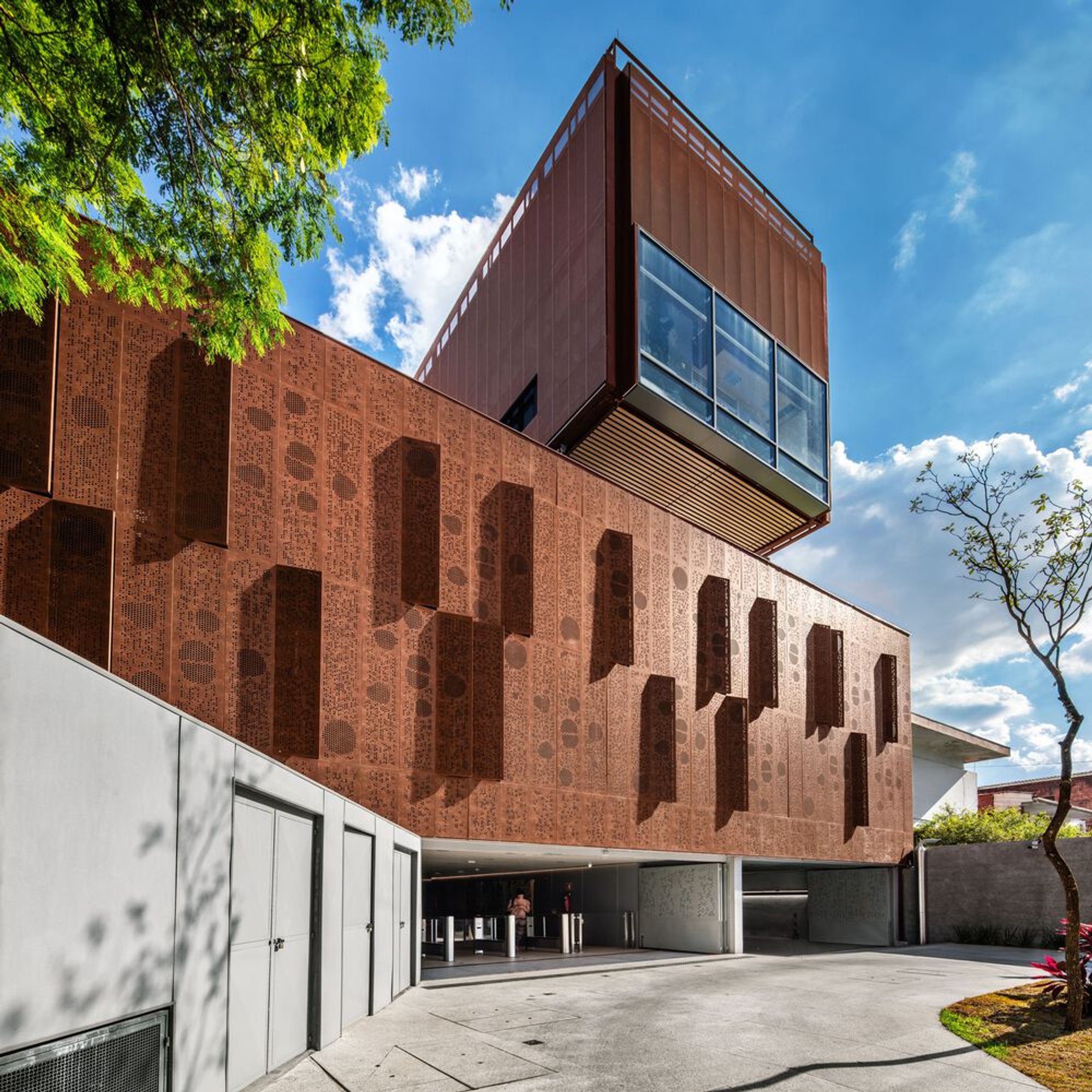
Located in the lush Alto da Boa Vista neighborhood of São Paulo, Brazil, the Rudolf Steiner University headquarters for Pedagogy and Psychology is a striking example of architecture that intertwines education, nature, and holistic design. Developed by Biselli Katchborian Arquitetos, led by partners Mario Biselli and Artur Katchborian, this 3,850 m² campus was selected through a competitive design process organized by the institution itself. The project draws inspiration from the holistic values of Waldorf pedagogy, emphasizing student well-being, human-scale design, and a profound connection to nature.
Nature as the Heart of Design
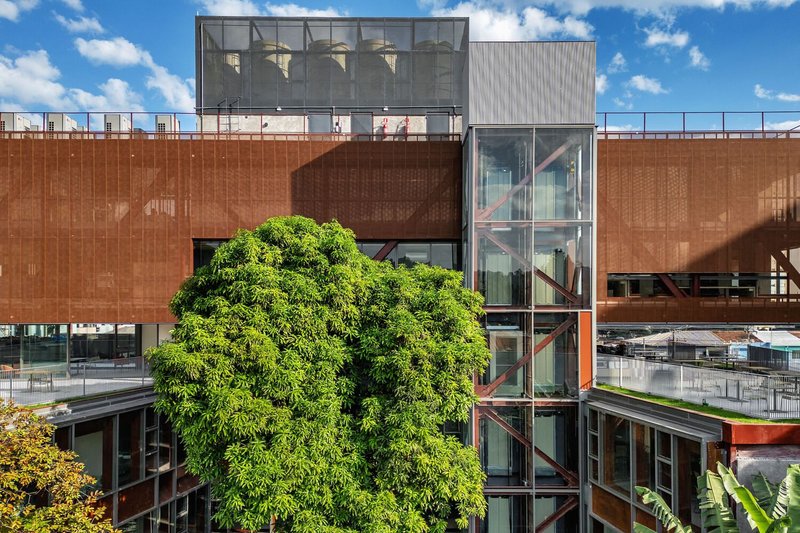
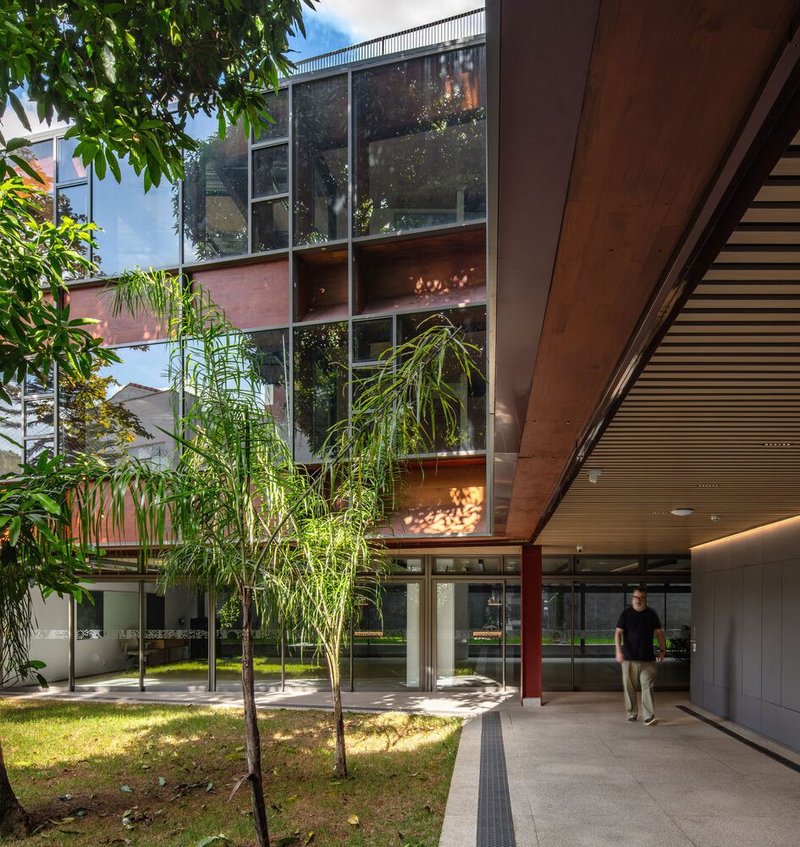
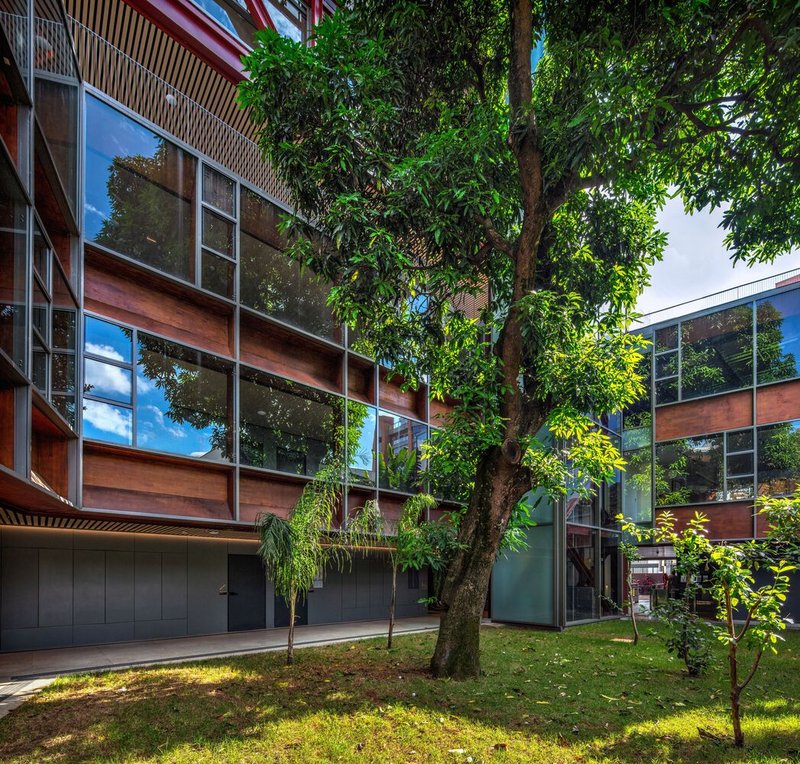
The building is organized in a U-shaped configuration, intentionally designed around a century-old mango tree, preserved at the center of the plot. This tree serves as the campus’ spiritual and visual anchor, influencing every architectural decision. At its base lies a central courtyard, providing students a contemplative space to interact with nature, relax, and engage in outdoor learning activities. This design strategy reflects the Waldorf philosophy, where natural surroundings play a crucial role in fostering creativity, curiosity, and mindfulness.
Materiality and Structural Innovation
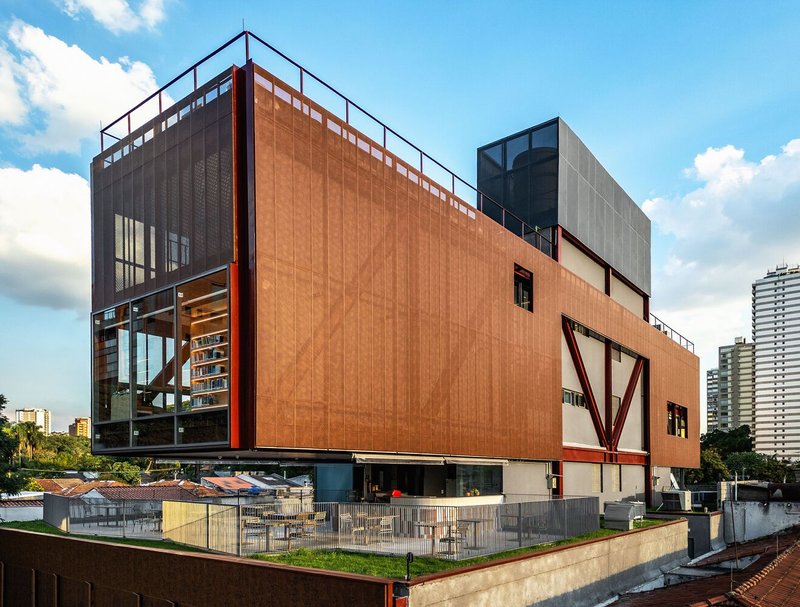
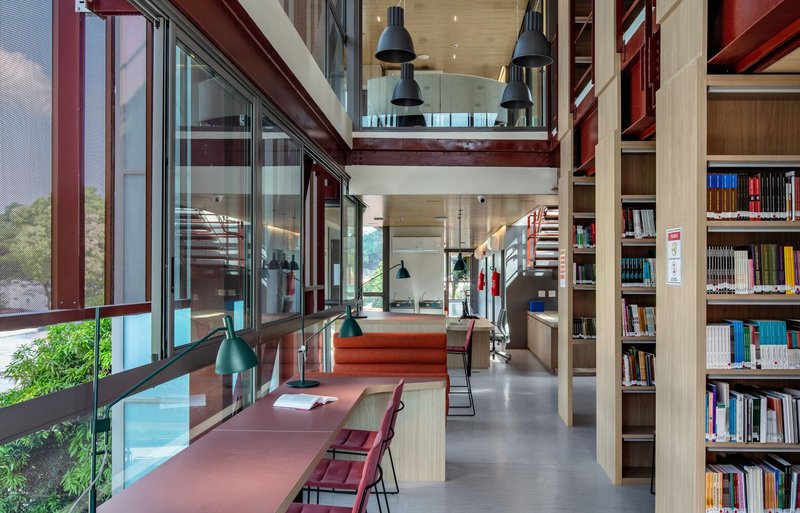
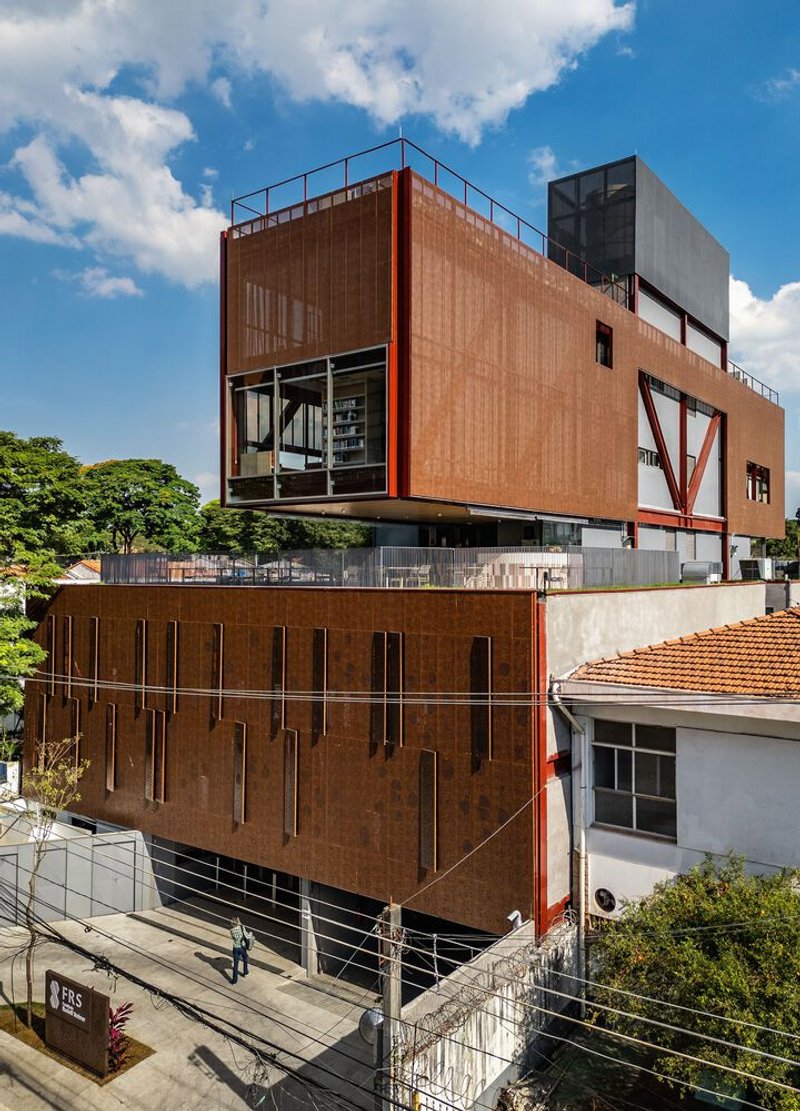
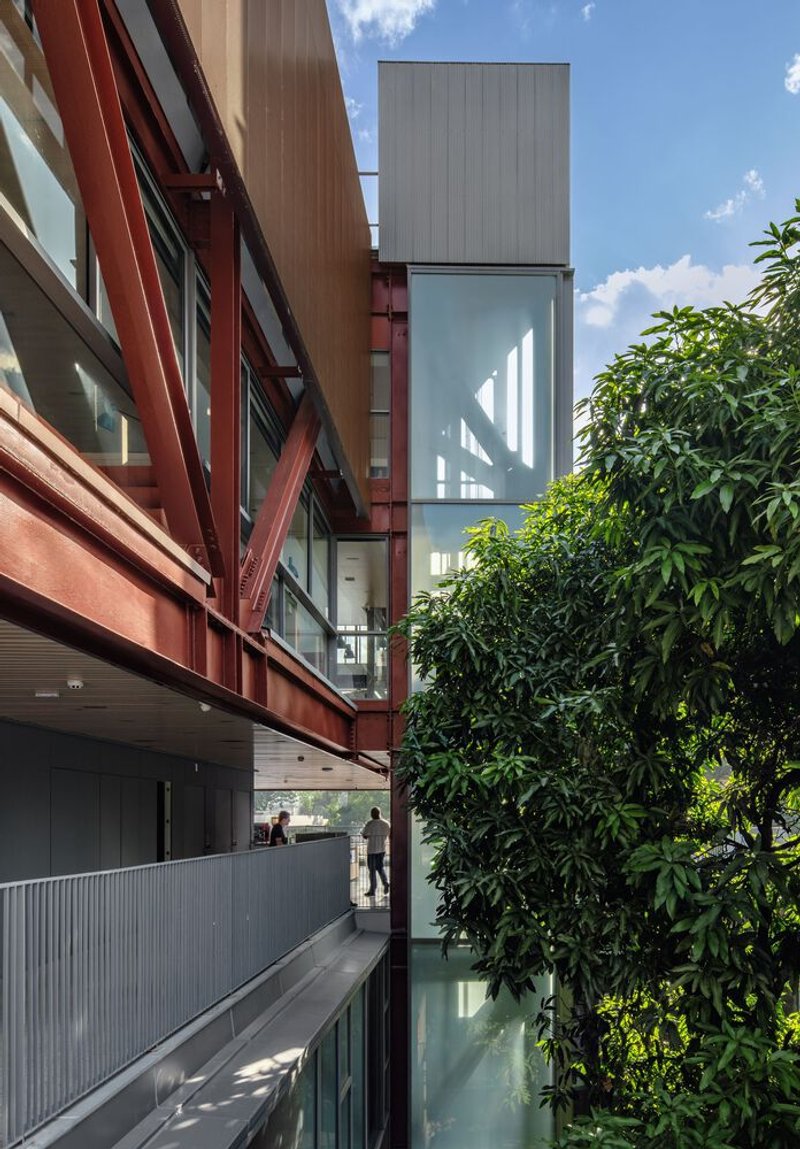
While research into Waldorf institutions suggested a strong preference for wood due to its tactile and aesthetic qualities, site constraints and structural requirements led to the use of steel for the primary structure. Steel allowed for large, uninterrupted spans, minimizing ground-level pillars and creating an open, inviting environment. Wood, however, remains a central feature in two distinctive ways:
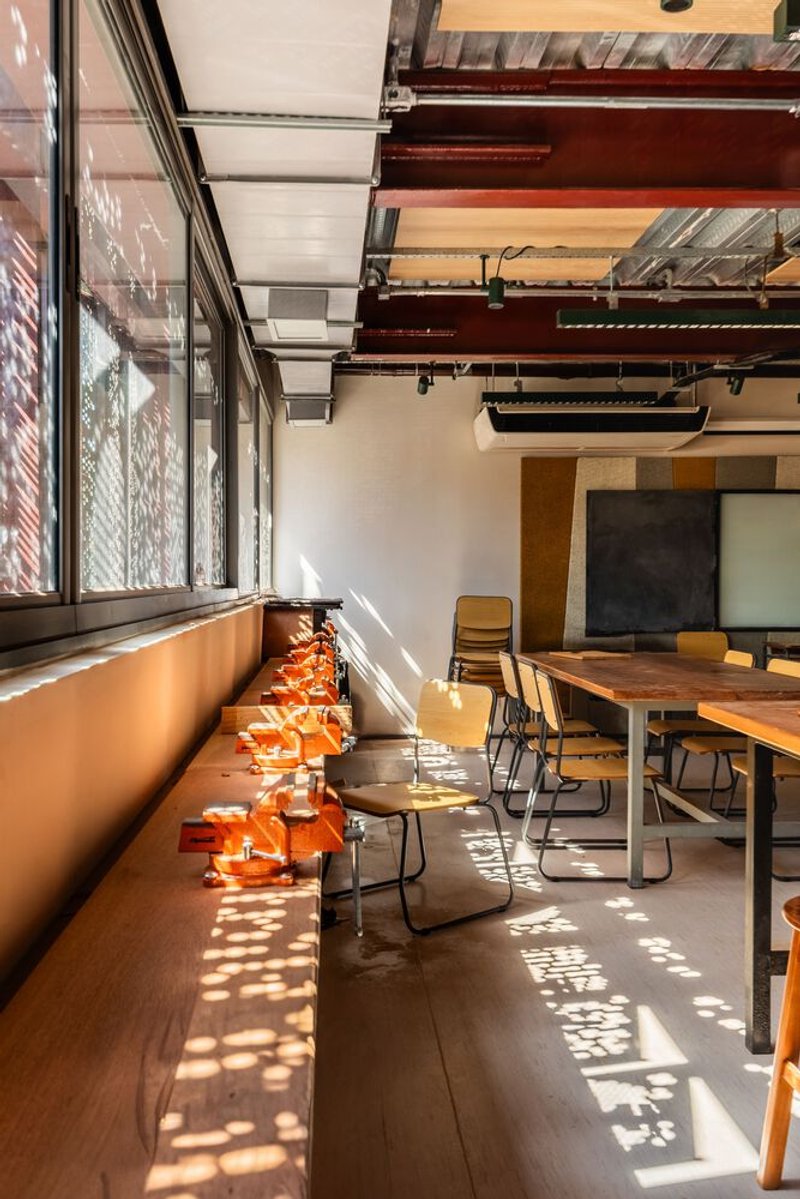
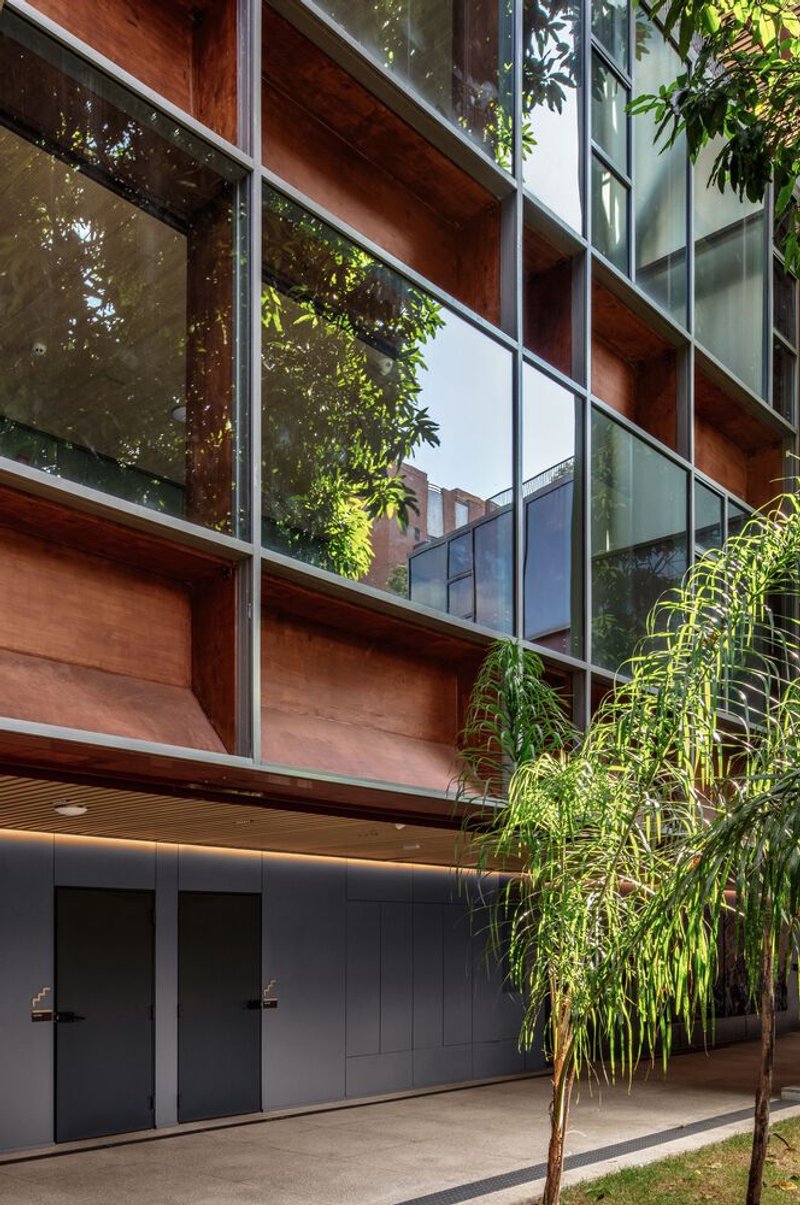
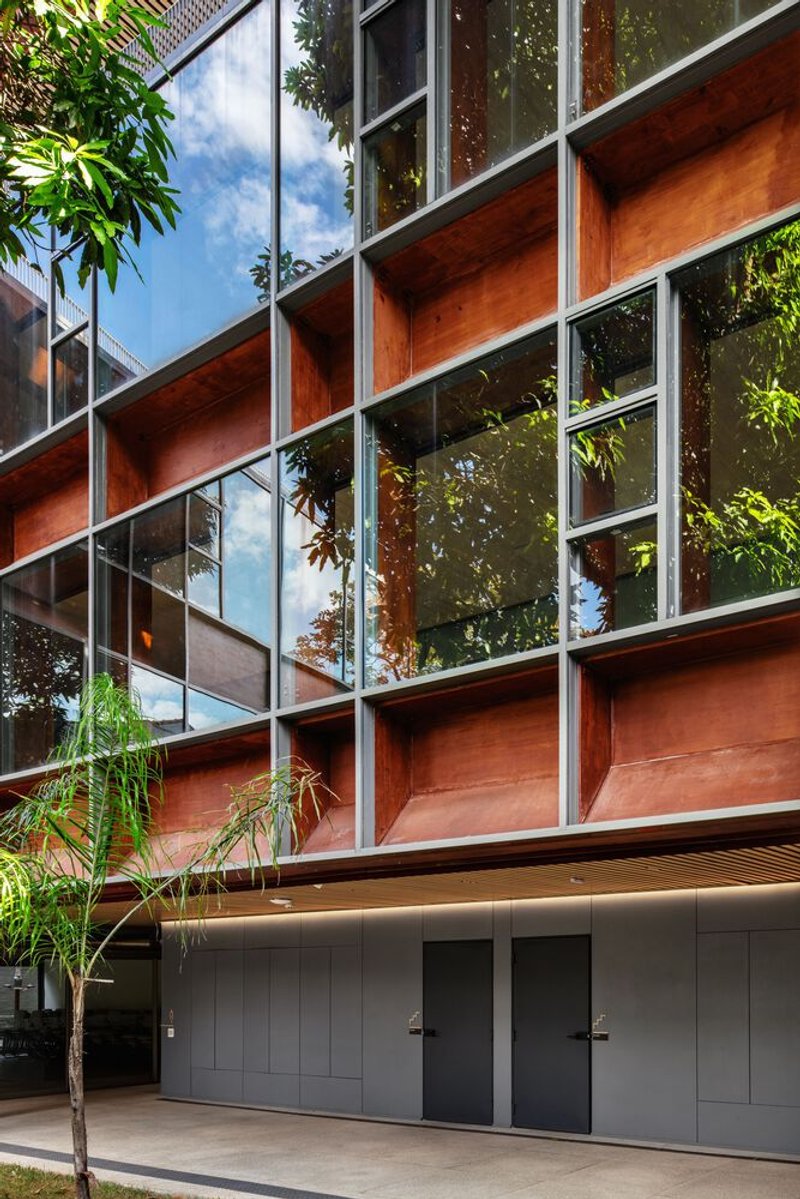
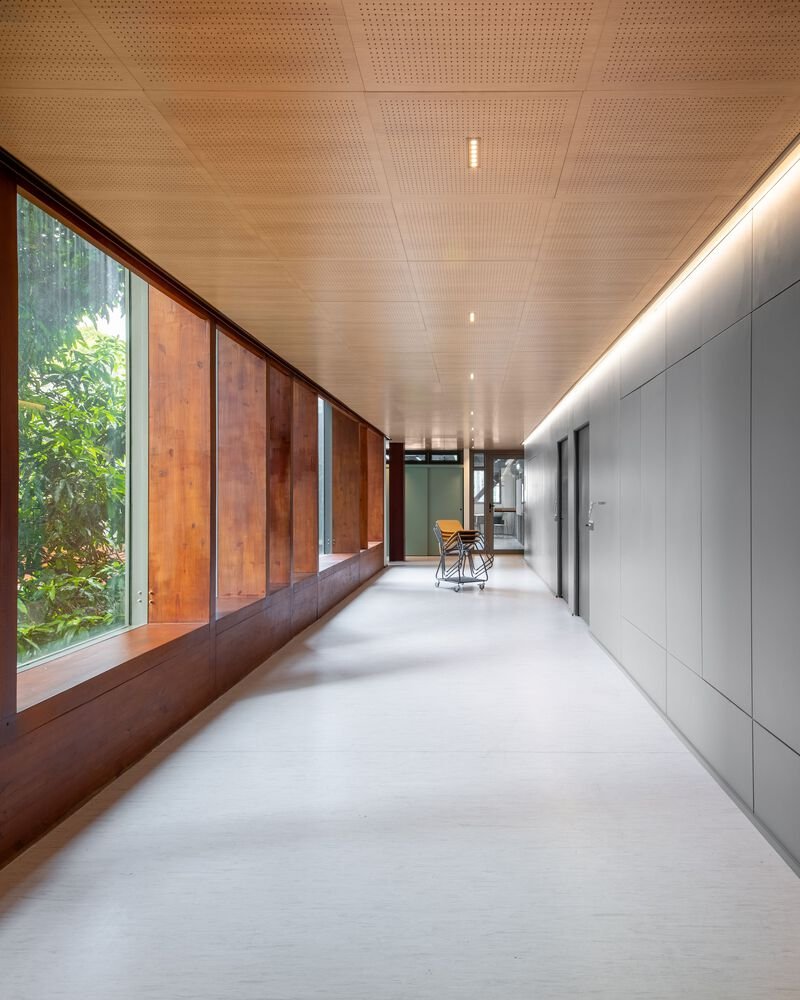
- Literal use: Engineered wood structures were integrated into the slab system, forming support for joinery that faces the courtyard and doubles as functional, fixed furniture inside classrooms.
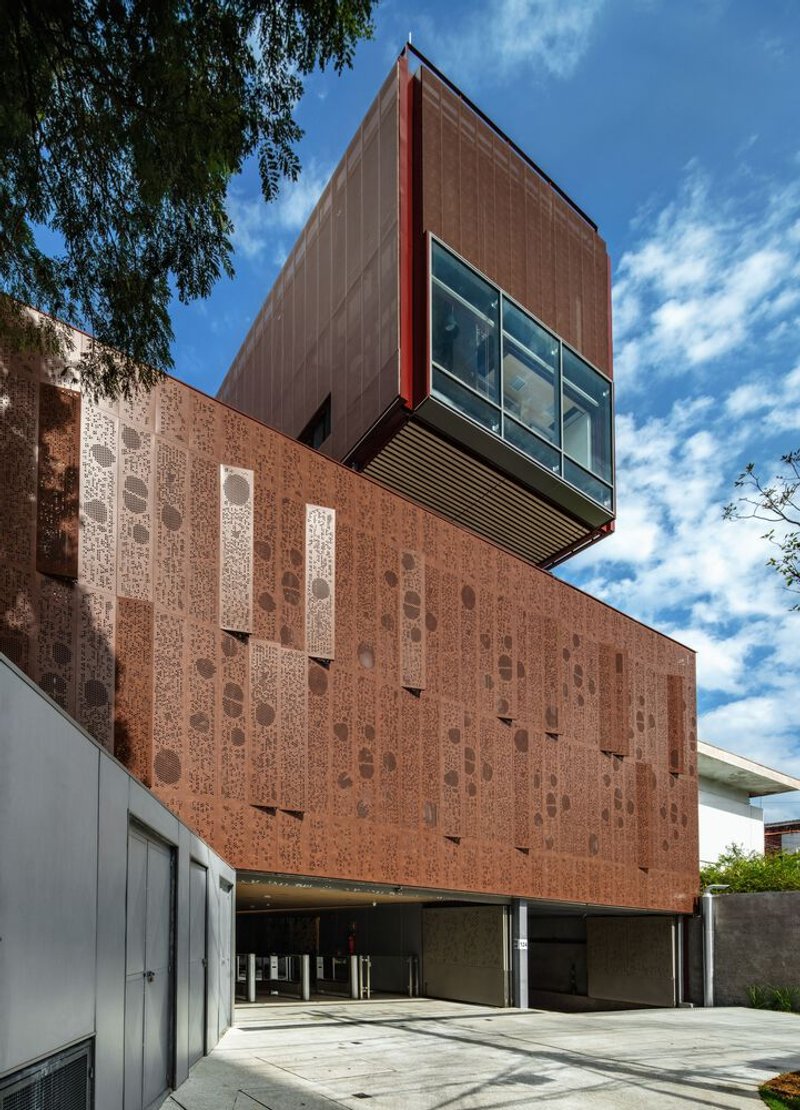
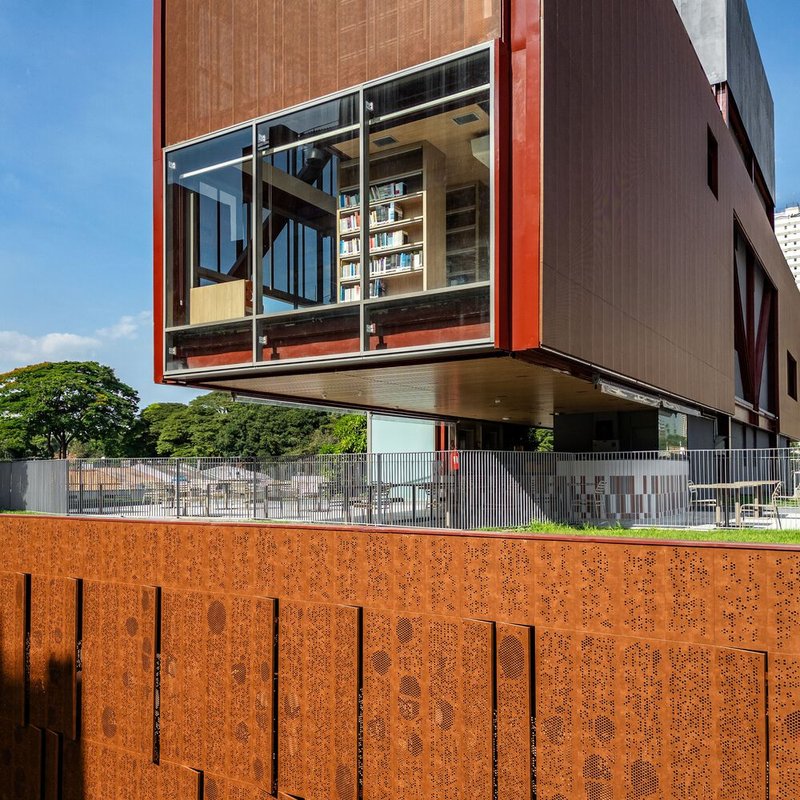
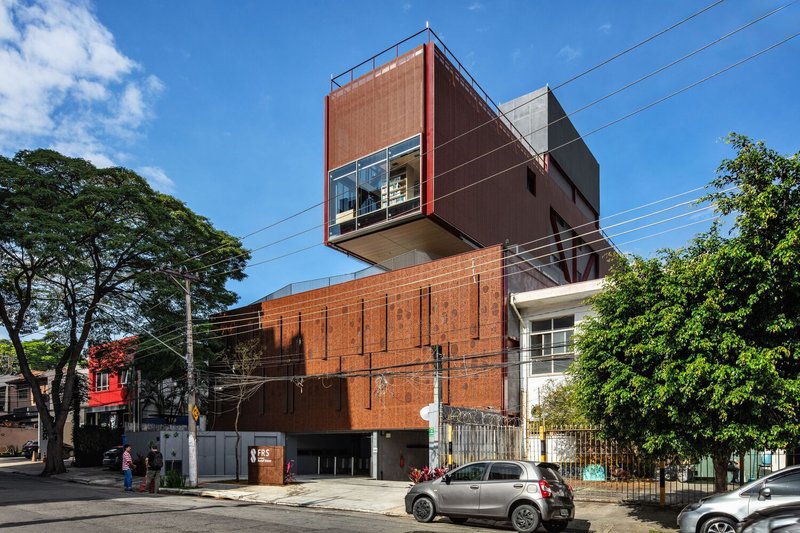
- Symbolic use: Organic wood patterns were applied visually on metallic cladding and shading devices, evoking the warmth and texture of wood without relying on the material itself. As Mario Biselli explains, this approach “references wood without using the material,” maintaining the Waldorf aesthetic while accommodating structural needs.
Flexible Learning Spaces
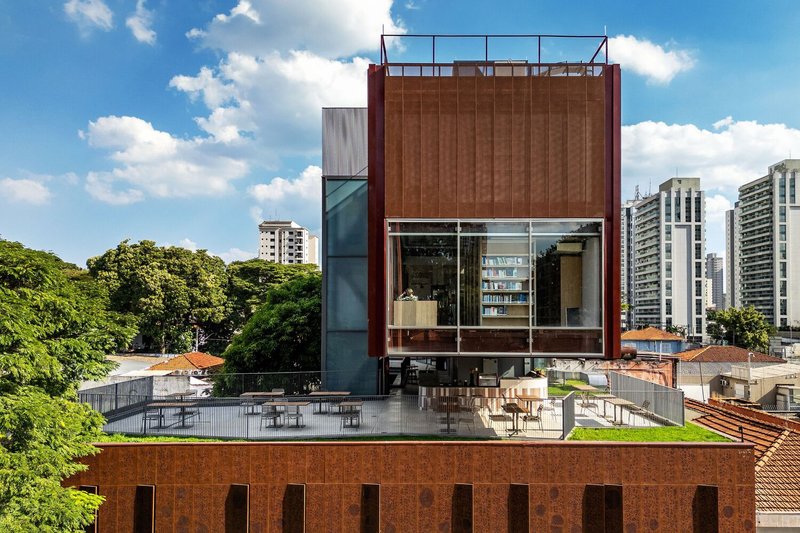
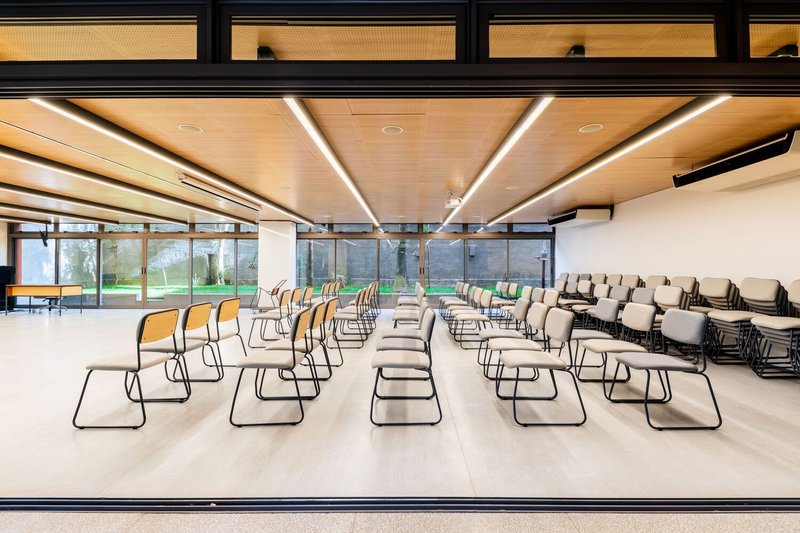
The university’s layout includes a ground floor and two upper levels, each containing six classrooms. Spaces are designed for flexibility, allowing reconfiguration to meet evolving pedagogical needs. Circulation between floors encourages informal meetings and social interaction, reinforcing community among students and faculty. A rooftop terrace on the second floor offers relaxation zones, open views of the surrounding landscape, and outdoor furniture that complements the architectural concept. José Machado from Novidário, responsible for the campus furniture, highlights the integration of the Patio line, semi-open, lightweight, and flexible pieces that interact harmoniously with facade grids, flooring, and metal elements.
Panoramic Elevators and Rooftop Library
A key feature of the headquarters is the two glass-enclosed panoramic elevators in the central courtyard. These elevators provide sweeping views of the mango tree and the surrounding campus, creating a seamless connection between architecture and nature. The rooftop houses administrative offices, while the library occupies the highest point of the building, acting as a symbolic “lighthouse” for knowledge, underscoring the university’s commitment to learning and intellectual exploration.
A Synthesis of Pedagogy, Sustainability, and Aesthetics
The Rudolf Steiner University headquarters demonstrates how architecture can embody educational philosophy. By combining natural elements, flexible spaces, sustainable materials, and modern structural solutions, Biselli Katchborian Arquitetos created an environment that nurtures learning, creativity, and holistic growth. The project is a prime example of how educational architecture can harmonize nature, structure, and human experience.
All photographs are works of
Nelson Kon, Guilherme Pucci
Project Details:




Popular Articles
Popular articles from the community

Gads Hill Early Learning Center by JGMA: Adaptive Reuse Shaping Community-Focused Educational Architecture
Adaptive reuse transforms fragmented structure into vibrant early learning center with playful façade, natural light, and community-focused sustainable design.
Fifth NRE Jazz Club – De Bever Architecten: Eindhoven’s Revitalized Cultural Hub
Historic gas factory transformed into Fifth NRE Jazz Club blending modern sustainability, jazz culture, dining, and heritage architecture seamlessly.
Atelier Macri Concept Store Interior Design by CASE-REAL
Atelier Macri store features a "ko" counter, walnut wood details, cork displays, blending retail, gallery, and seamless customer experiences.

Alton Cliff House: A Harmonious Retreat by f2a Architecture in Lake Country, Canada
Alton Cliff House blends corten steel, prefabrication, and sustainable design, creating a luxurious, energy-efficient retreat perched on Canadian cliffs.


Similar Reads
You might also enjoy these articles



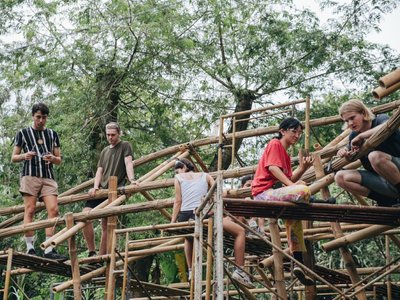
Bamboo Housing Challenge 2026: Design Affordable, Sustainable Homes Using Bamboo
An international design competition by Bamboo U and IBUKU inviting architects and designers to reimagine affordable housing using bamboo — with the winning design built full-scale in Bali.

Computational Design & Education: Beegraphy Design Awards Introduces 7th Category (Featuring Jiyun's Innovative Approach)
Dive into Beegraphy’s 7th Design Awards category, where computational design meets education to create immersive, interactive learning tools, inspired by Jiyun’s work.

From Parametric Lighting to Urban Furniture: Join the 2nd Workshop in Beegraphy’s Computational Design Series
Dive into Cutting-Edge Design Techniques and Practical Applications with Industry Experts


Explore Architecture Competitions
Discover active competitions in this discipline




The International Standard for Design Portfolios


The Global Benchmark for Architecture Dissertation Awards


The Global Benchmark for Graduation Excellence


Challenge to reimagine the Iron Throne
Comments (0)
Please login or sign up to add comments
No comments yet. Be the first to comment!