
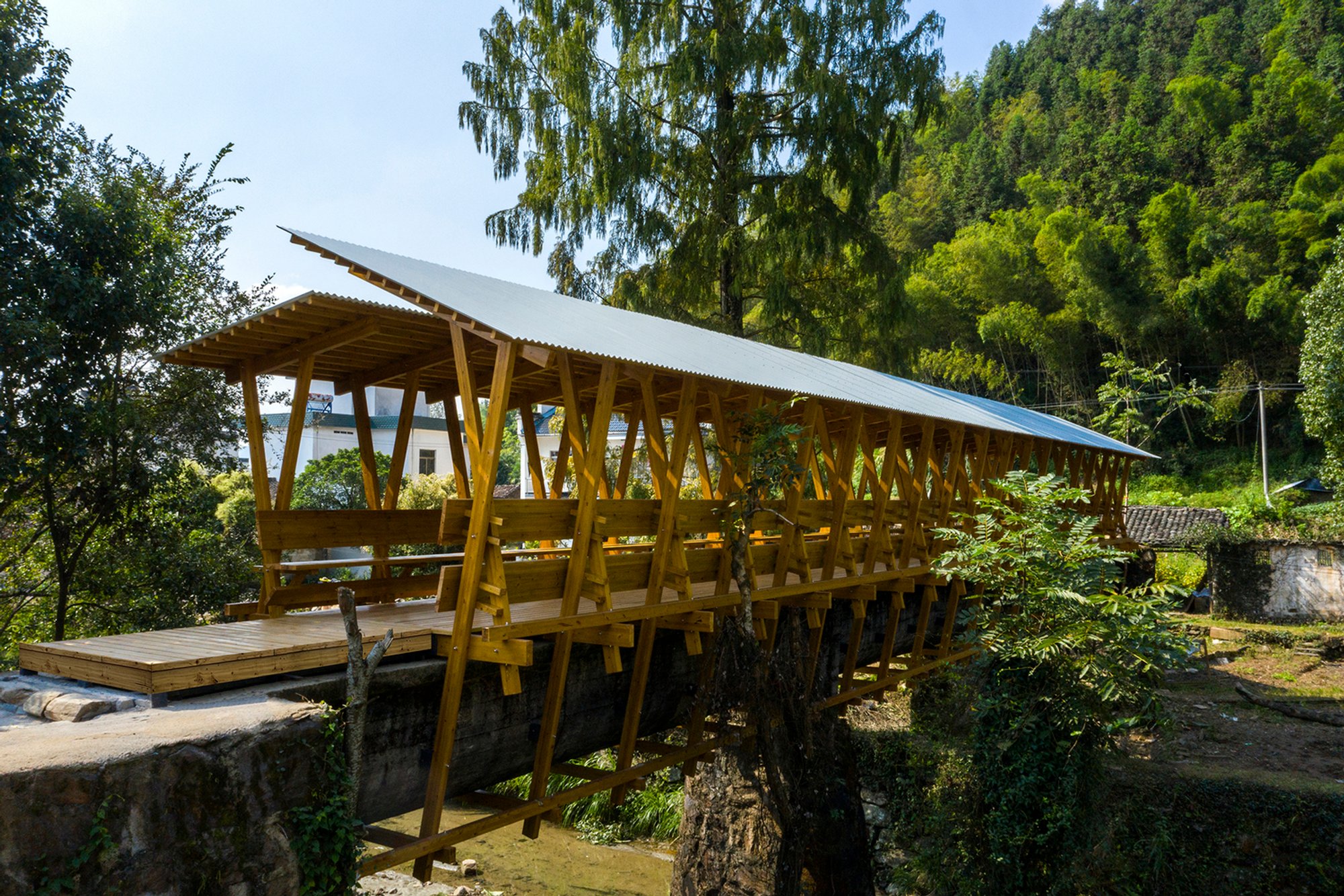
Rural Revitalization Architecture: Breathing New Life into Fengwu Village with the Covered Bridge on Aqueduct
Revitalizing Fengwu Village with a CLT covered bridge, blending community heritage and modern architectural innovation.

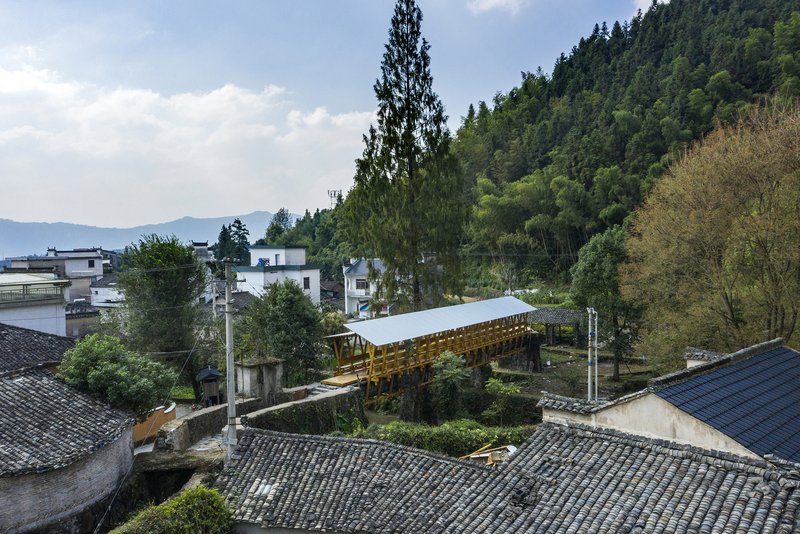
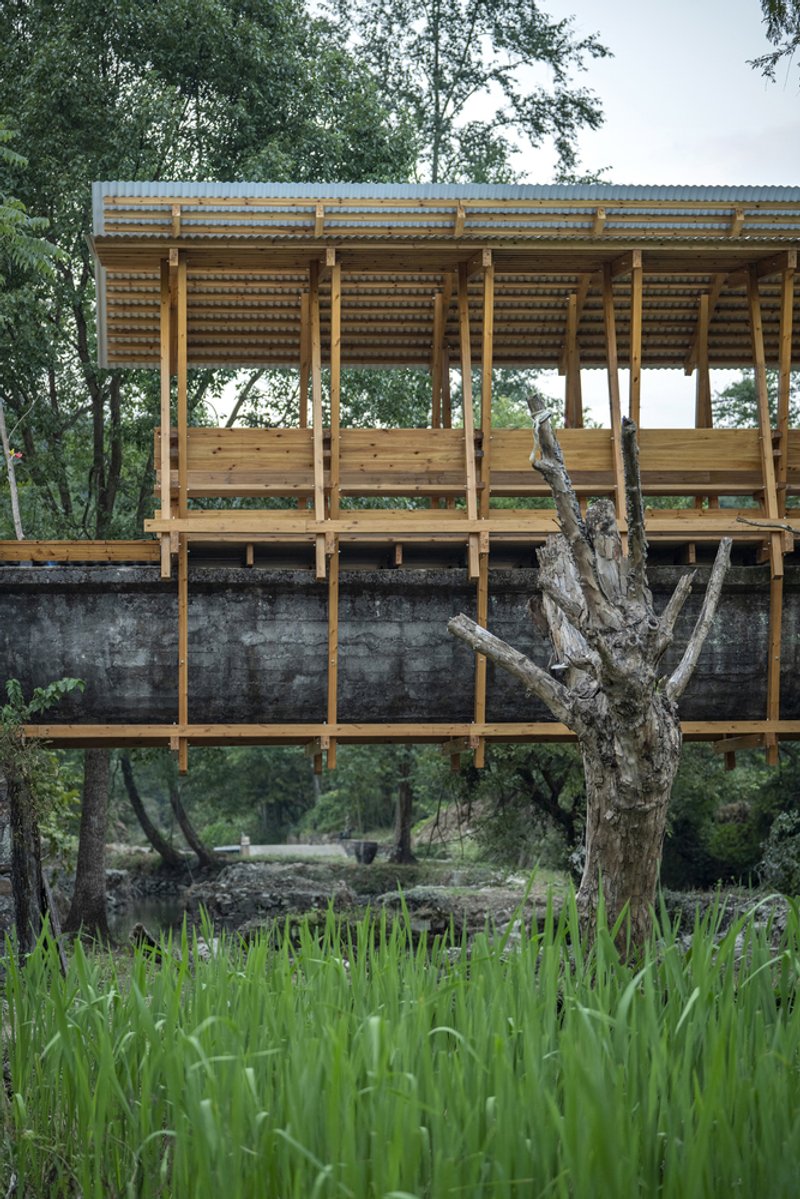
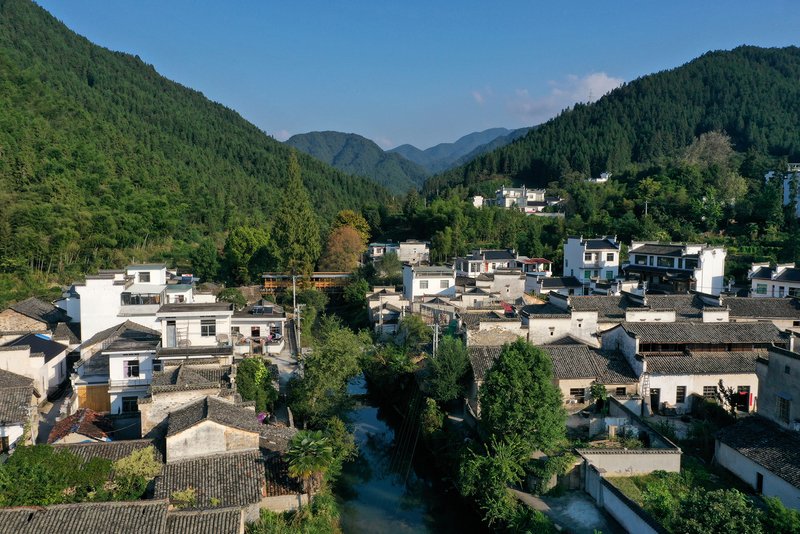
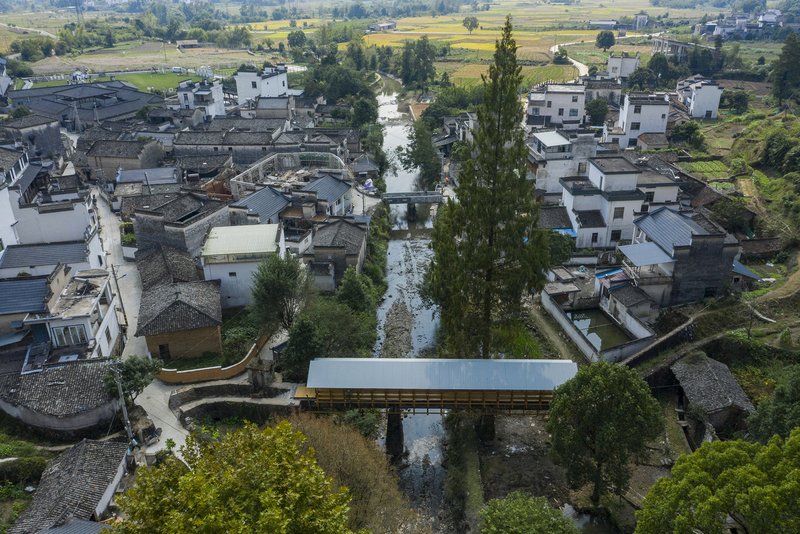
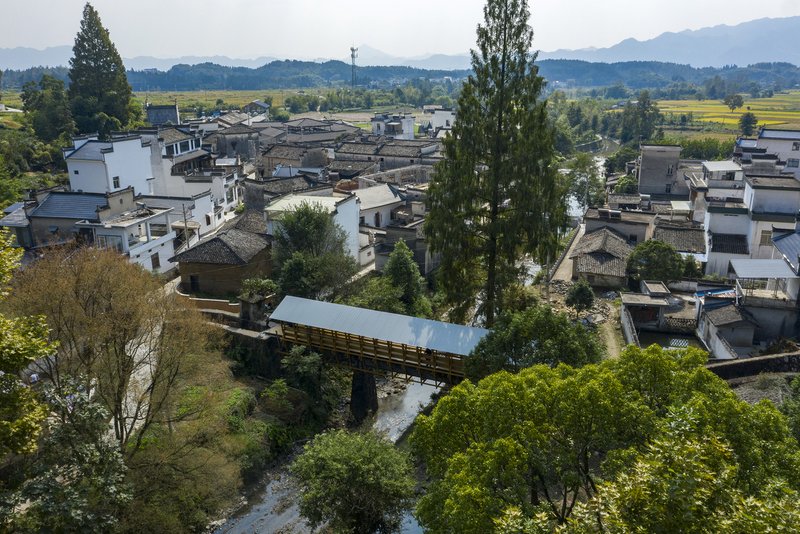
In the picturesque landscape of Huangshan City, China, the FW JI·The Covered Bridge on Aqueduct project by IARA stands as a testament to the transformative power of rural revitalization architecture. Nestled within Fengwu Village, Biyang Town, Yixian County, this initiative not only aims to preserve the rich cultural heritage and natural beauty of the area but also seeks to address contemporary challenges through thoughtful design and community engagement.
The Genesis of the Project
Addressing Rural Challenges
Fengwu Village, like many rural communities, faced the pressing issues of population outflow, an aging demographic, and the dilapidation of ancient buildings. In response, the "Fengwu JI" rural revitalization charity project was launched in 2023, with the Covered Bridge on Aqueduct being a focal sub-project aimed at reinvigorating the village through the power of design and local engagement.
Community Memories and Needs
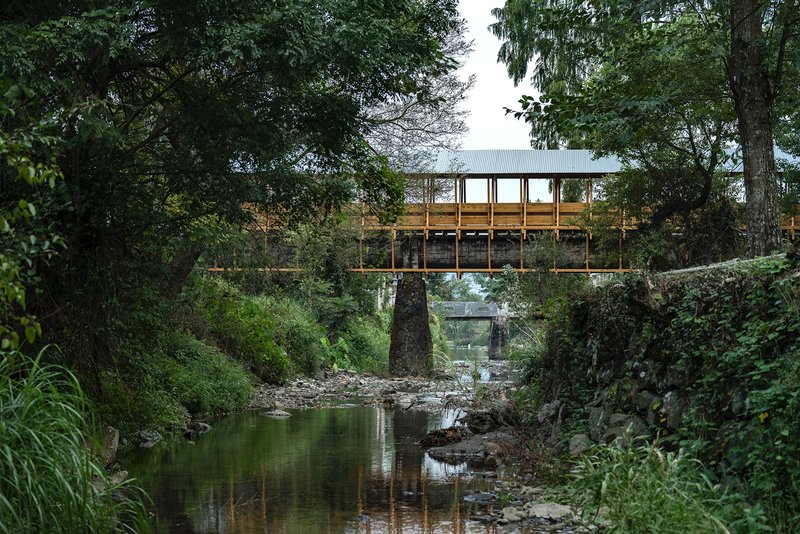
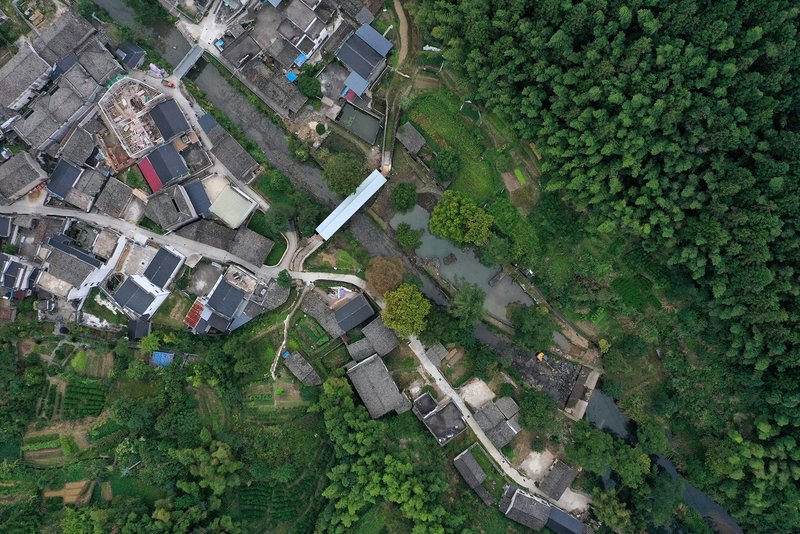
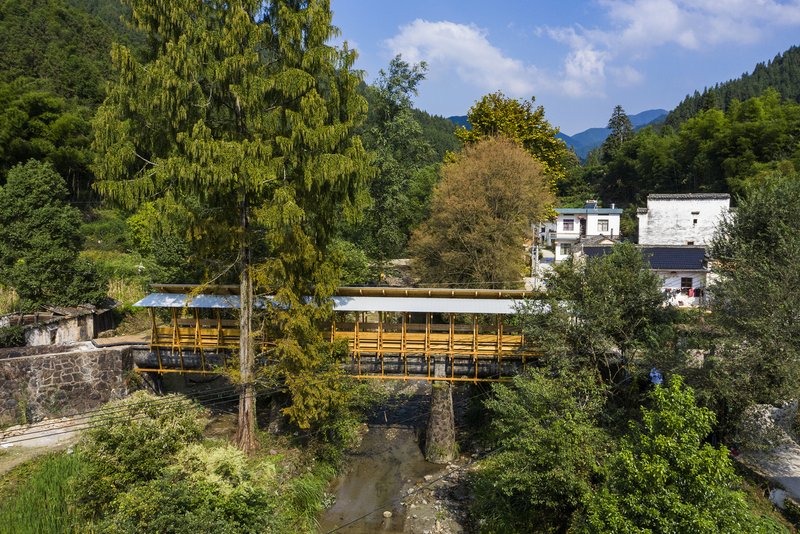
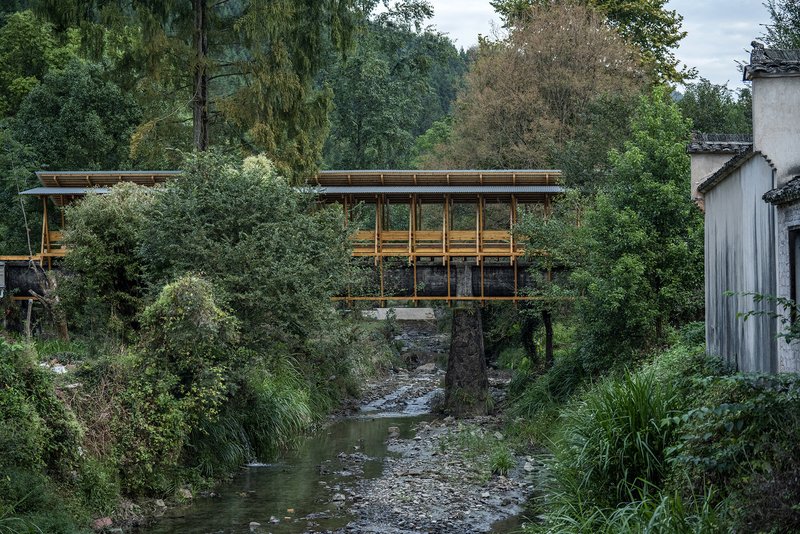
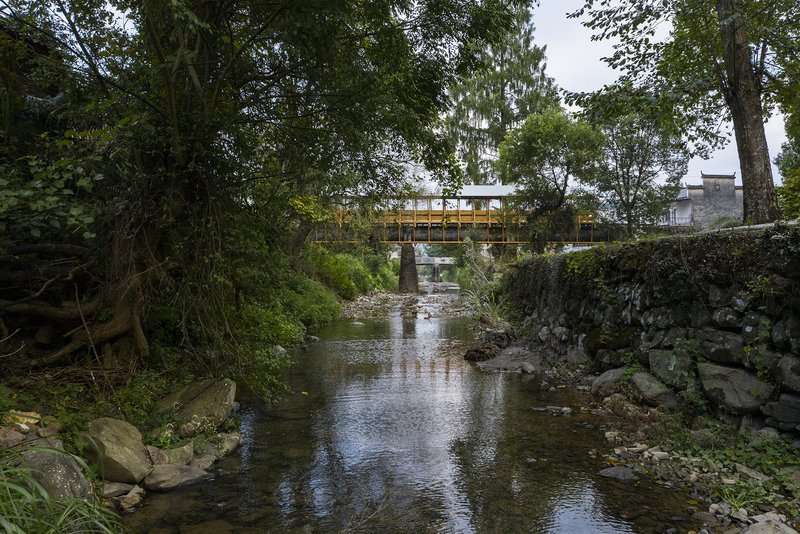
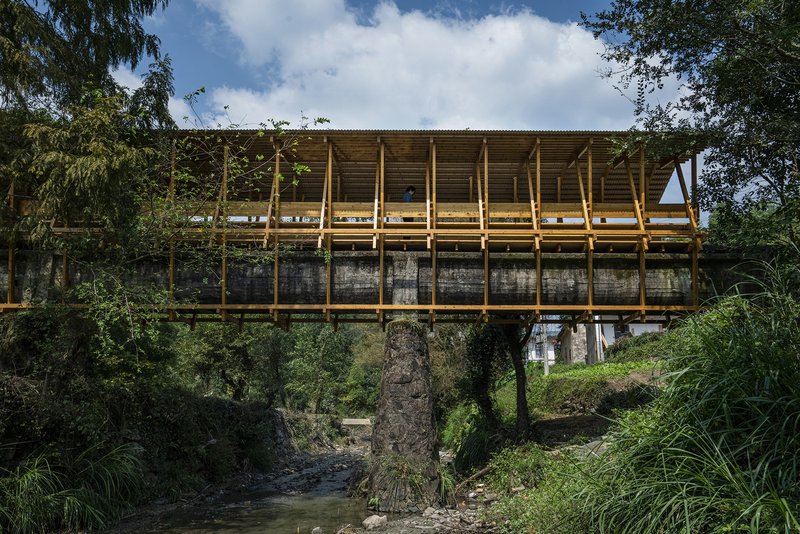
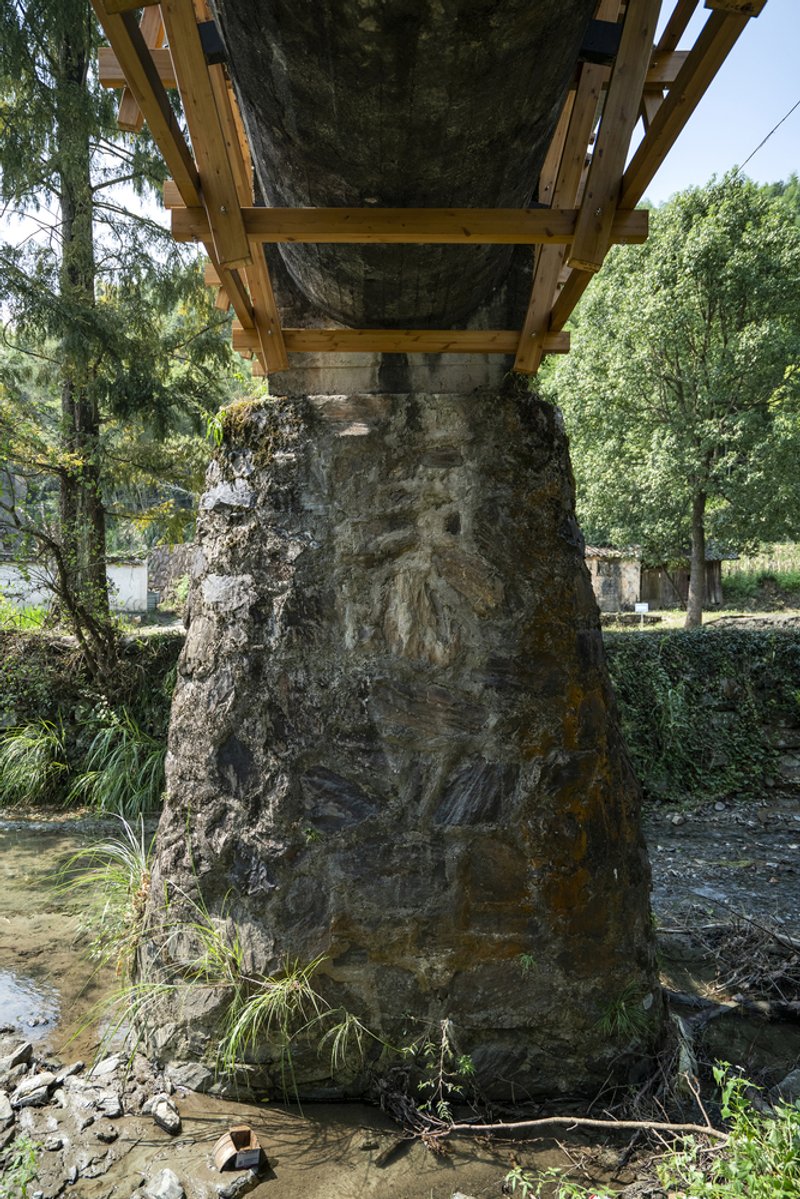
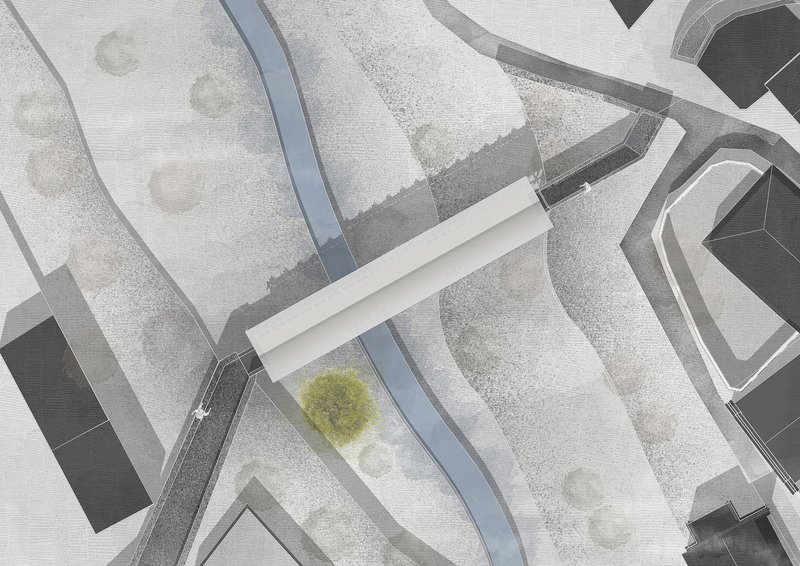
The project's inception was deeply rooted in the collective memory of the villagers, reflecting on their shared experiences and aspirations. The old water channel, a relic from the 1960s, became the foundation for this revitalization effort, transforming an abandoned irrigation aqueduct into a vibrant public space that honors past labors and childhood memories.
Architectural Approach and Design
Preserving and Transforming
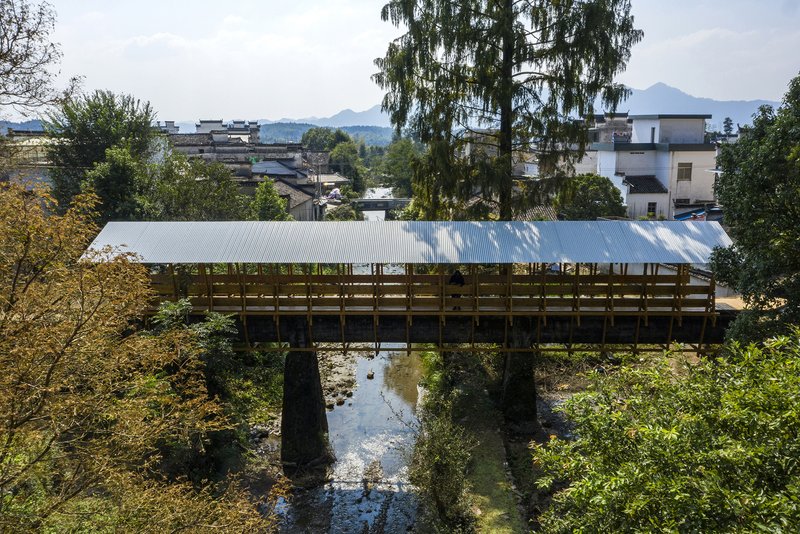
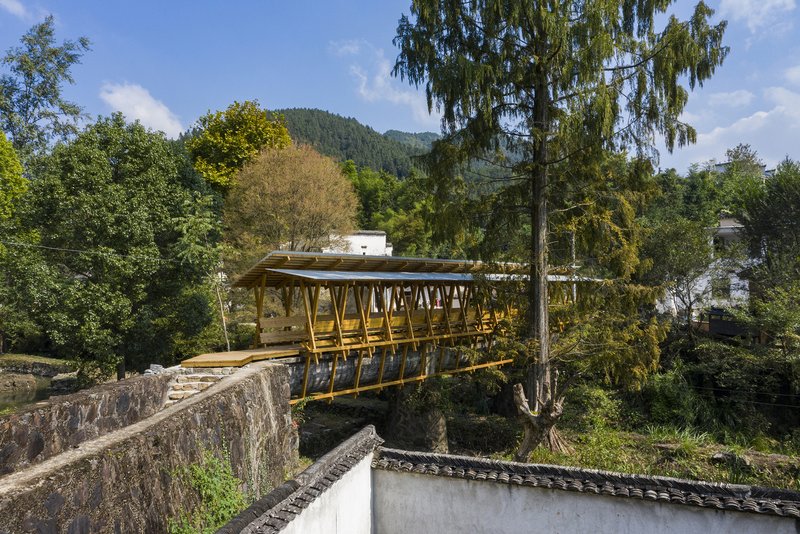
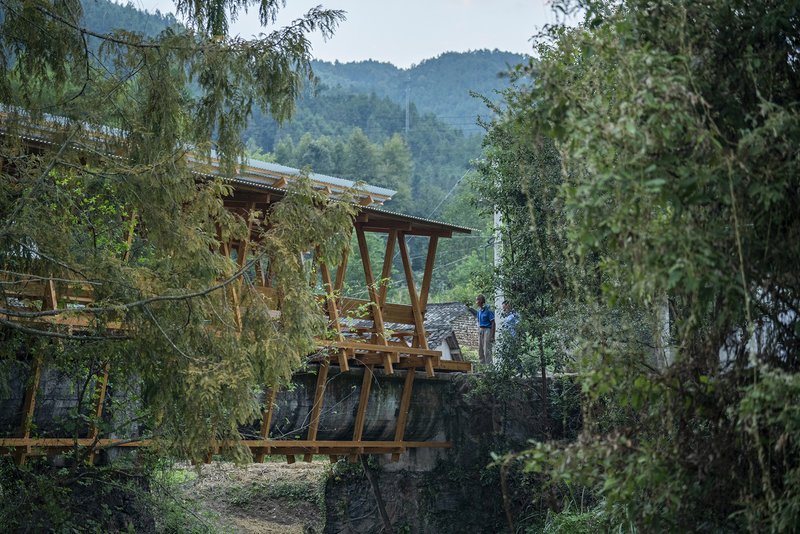
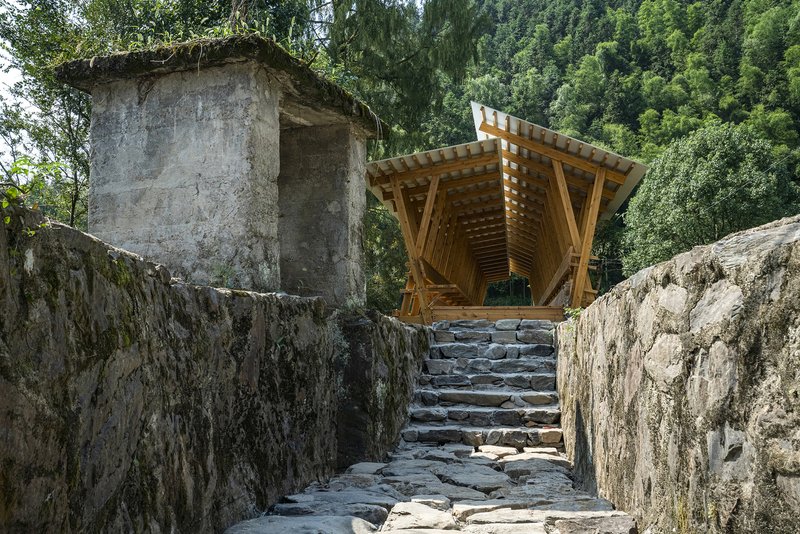
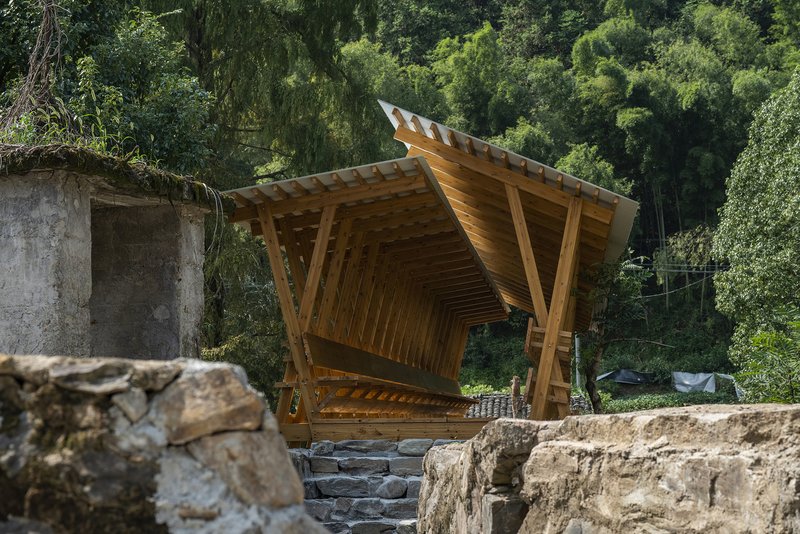
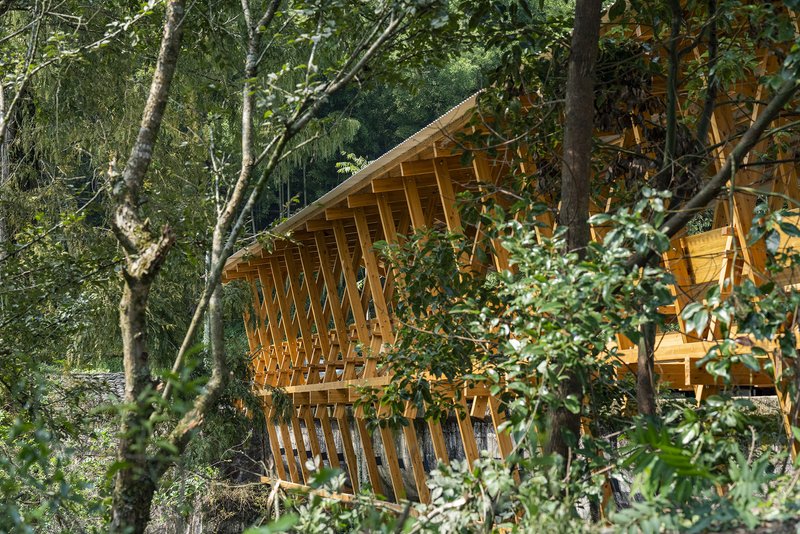
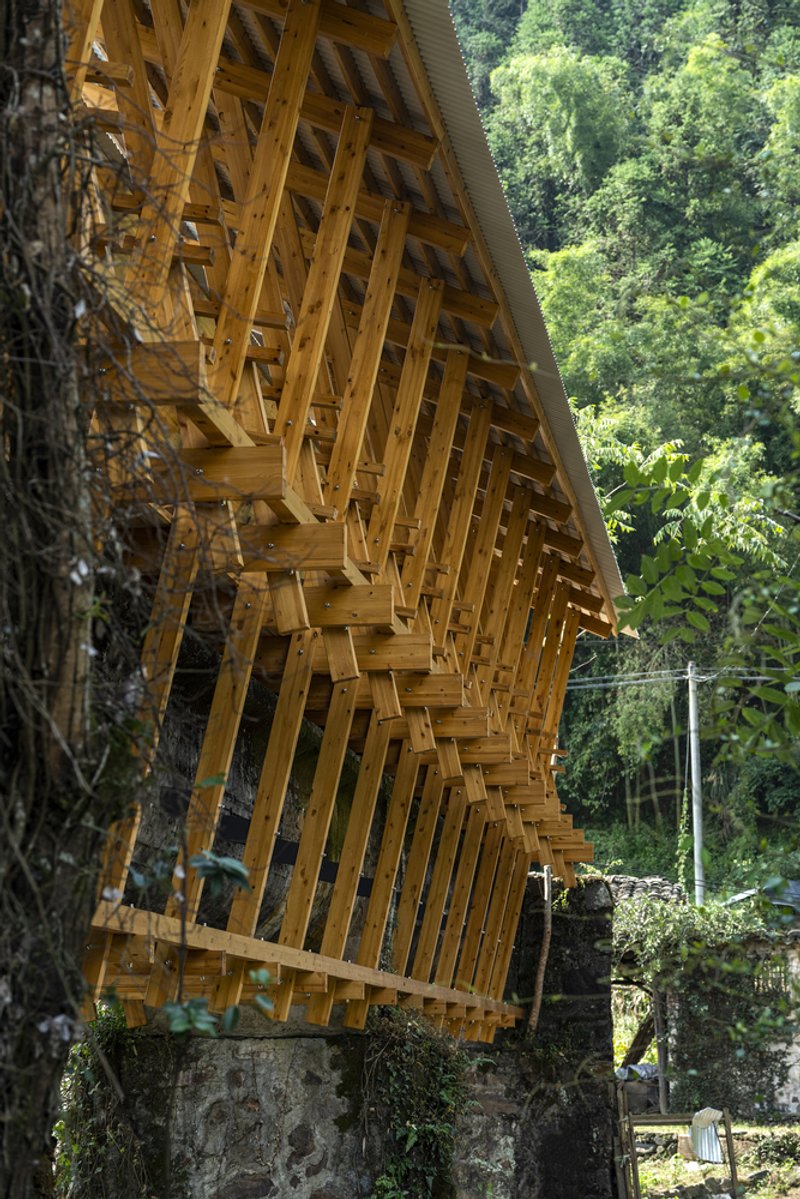
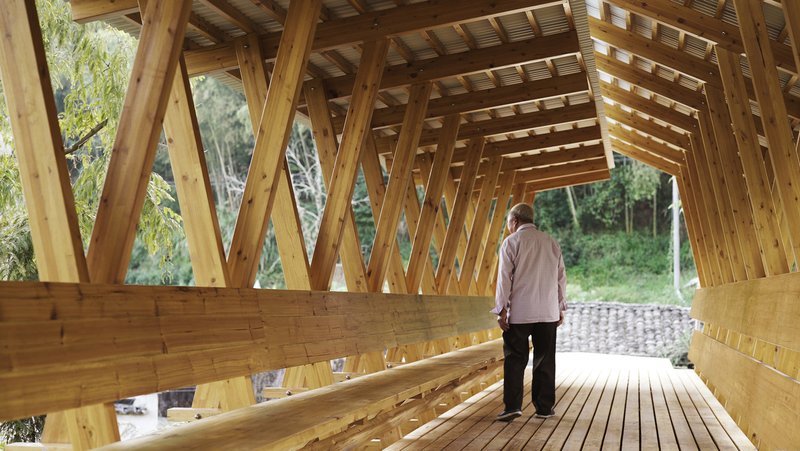
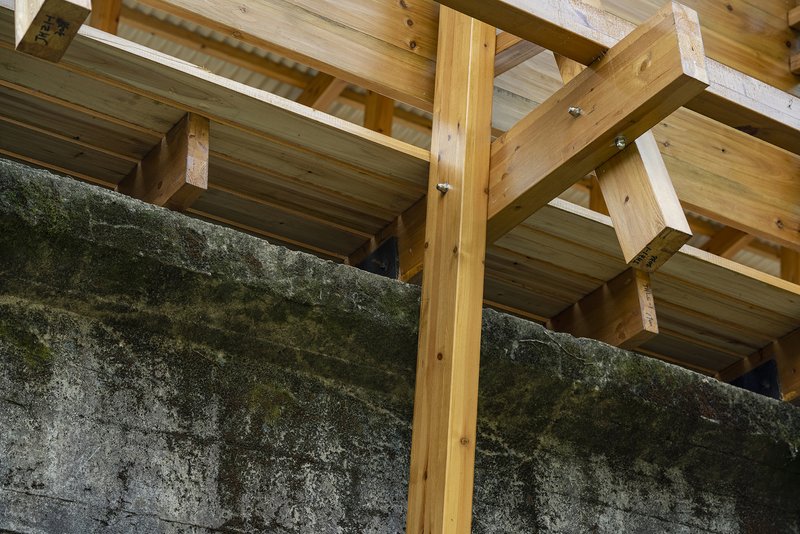
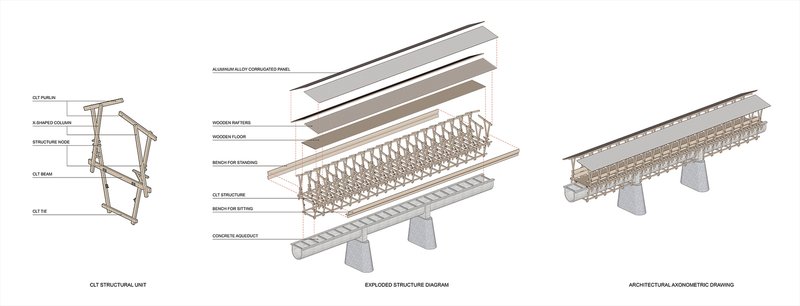
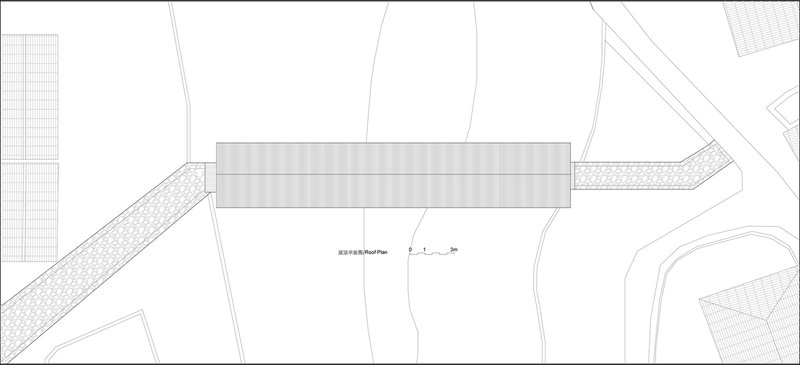
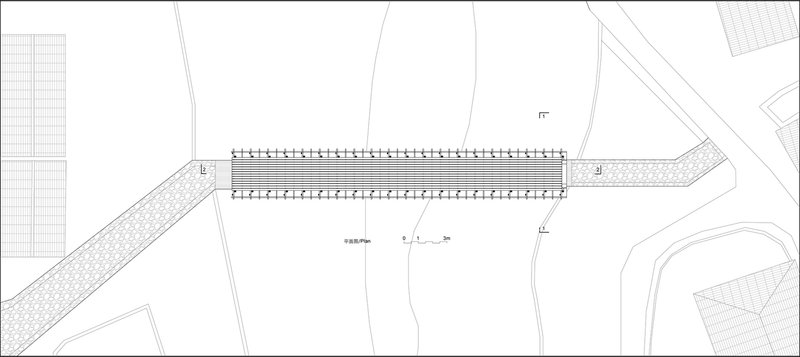
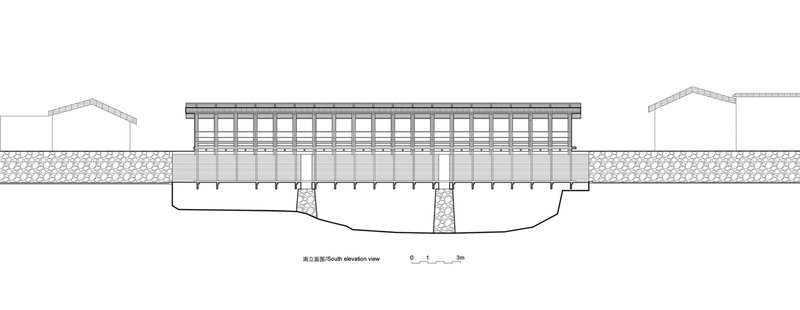
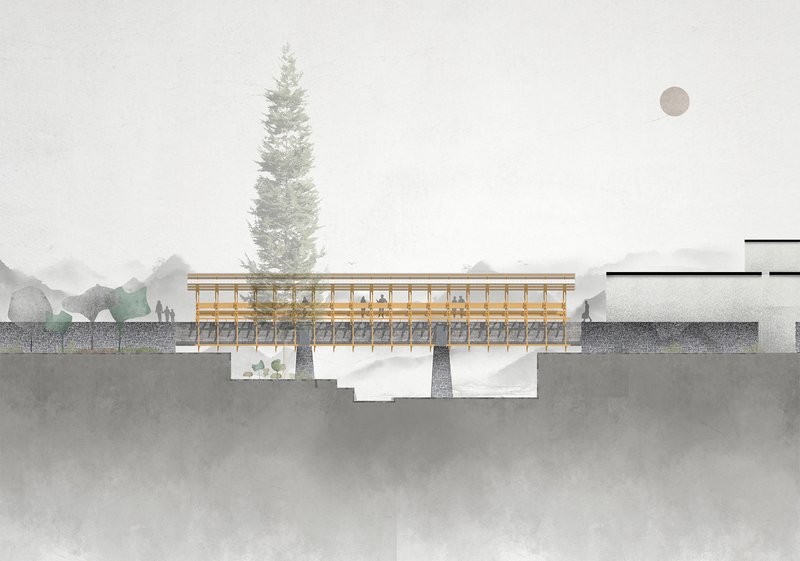
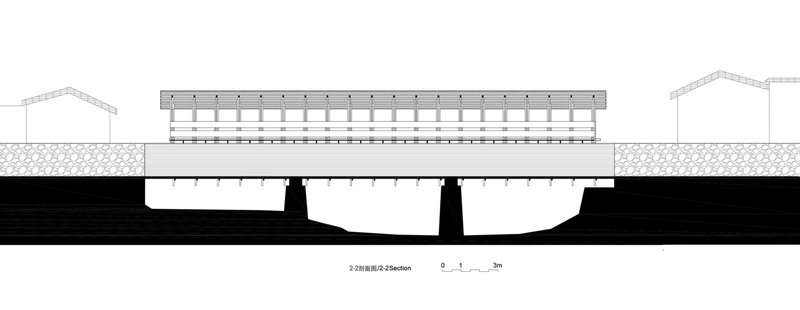
The essence of rural revitalization architecture is captured through the delicate balance of preserving the original aqueduct while introducing a new, lightweight wooden bridge structure. This approach respects the village's collective memory and architectural heritage, utilizing materials and techniques that echo the local Huizhou architectural tradition.
Innovation through Material and Construction
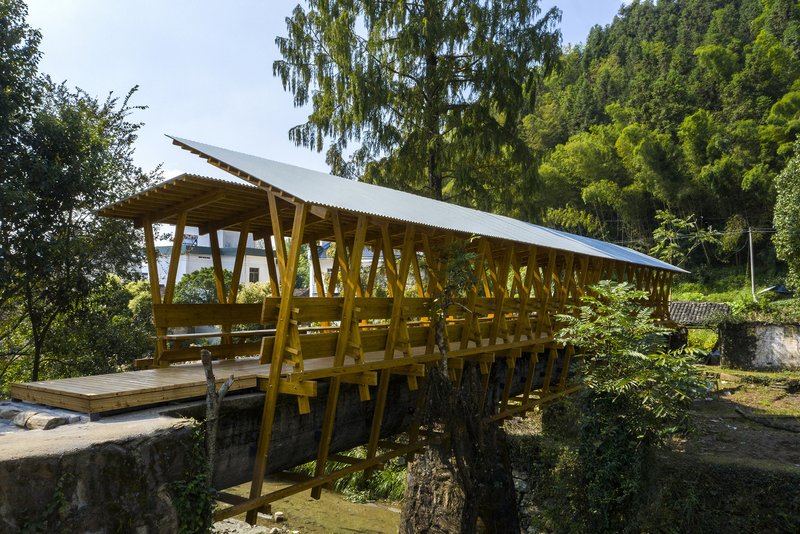
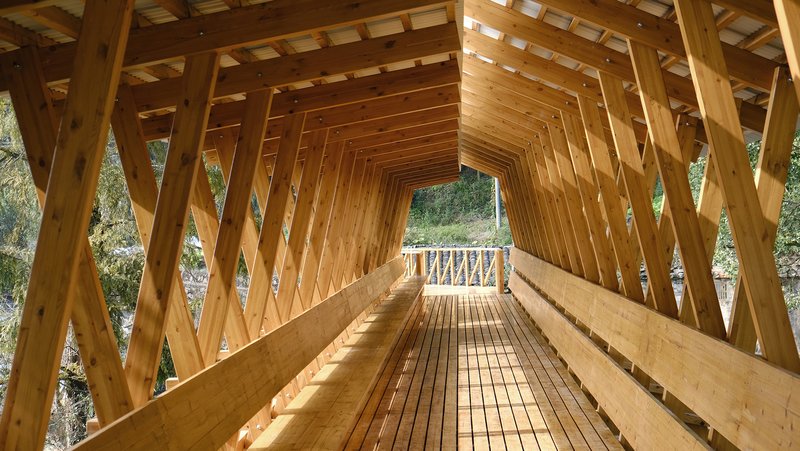
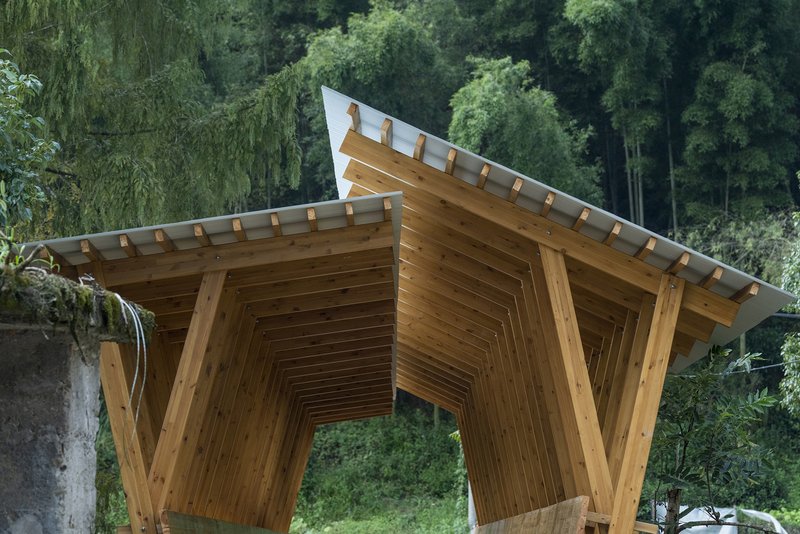
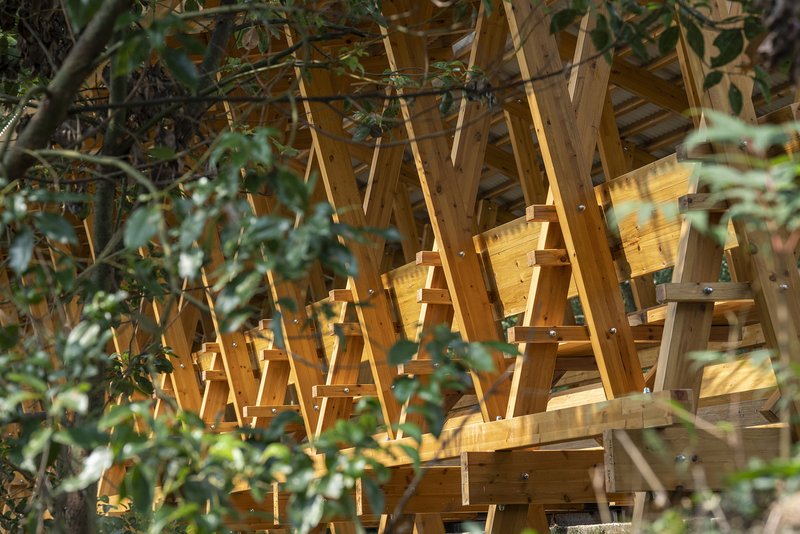
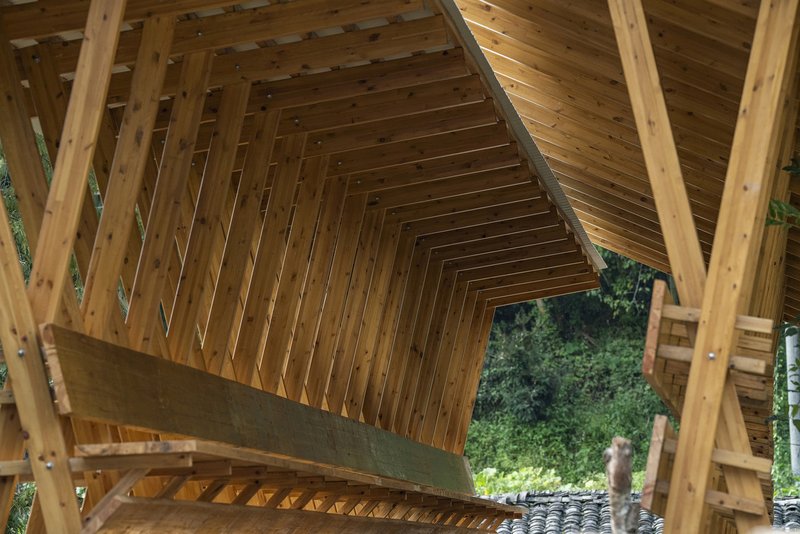
The use of prefabricated cross-laminated timber (CLT) represents a forward-thinking approach to rural architecture, offering environmental benefits and a strong connection to traditional construction methods. The bridge's design, featuring interlocking units and a ribbed system that integrates seamlessly with the aqueduct, showcases the potential of modern engineering to enhance rural landscapes.
Community Impact and Future Prospects
A Space for Gathering and Reflection
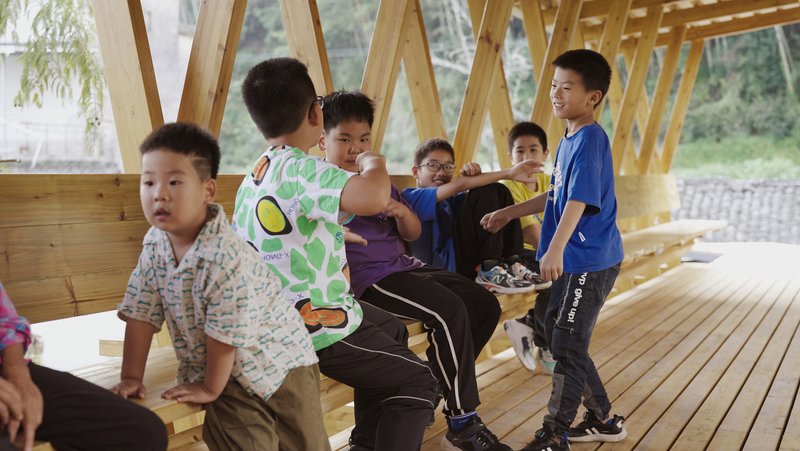
The Covered Bridge on Aqueduct has quickly become a cornerstone of community life in Fengwu Village, offering residents a place to rest, socialize, and enjoy the beauty of their surroundings. Its design, emphasizing accessibility and ease of assembly, ensures that the bridge is not just a physical structure but a catalyst for social interaction and communal pride.
Inspiring Rural Revitalization
As a model of rural revitalization architecture, the project illustrates how thoughtful design can breathe new life into rural communities, preserving their heritage while addressing contemporary needs. It stands as a beacon of hope for other villages facing similar challenges, proving that architecture can be a powerful tool for community transformation and sustainability.
The FW JI·The Covered Bridge on Aqueduct by IARA exemplifies the essence and potential of rural revitalization architecture. Through its innovative design, respect for community heritage, and focus on sustainability, it provides a blueprint for rejuvenating rural areas around the world. As Fengwu Village embarks on a new chapter, the bridge serves as a lasting testament to the power of architecture in fostering community resilience and revitalization.
All Photographs are the work of Huien Song, Xinran Wu



Popular Articles
Popular articles from the community

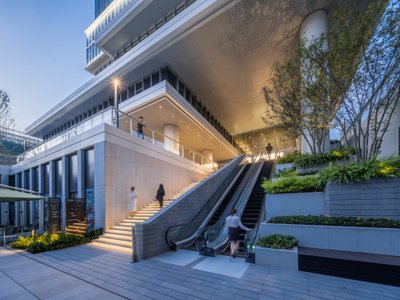
Superimpose Architecture Splits a Hangzhou Transit Hub into Valley and Cloud
A 72,000-square-meter mixed-use TOD complex near Alibaba's campus pairs human-scaled green terraces with serene tower volumes.

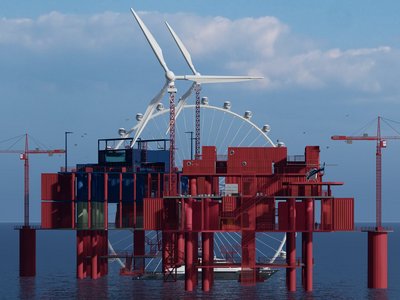
Old Creatures: Adaptive Reuse Architecture Reimagines an Oil Rig as a Sustainable Marine Community
Adaptive reuse architecture transforms an abandoned oil rig into a sustainable marine community for research, living, and culture.
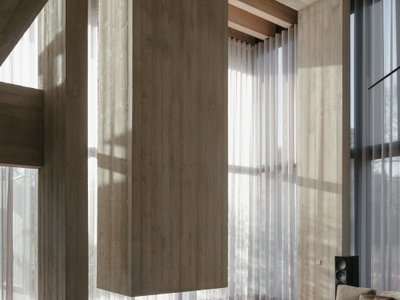
a2o architecten Builds a Concrete and Brick Wunderkammer in the Belgian Countryside
House Be in Flanders treats dwelling as a Romantic act, threading rooms along a central axis that opens gradually toward a restored landscape.
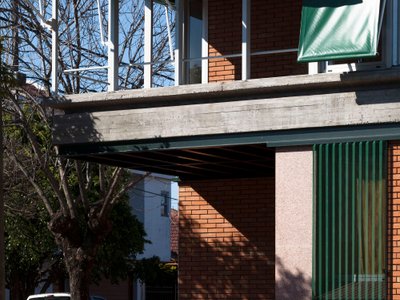
Francisco Cadau Converts a 1970s Corner House in Campana into Four Compact Dwellings
A light steel-and-timber upper volume lands on a brick base, turning a single Argentine home into a tectonic study in railroad vernacular.


Similar Reads
You might also enjoy these articles

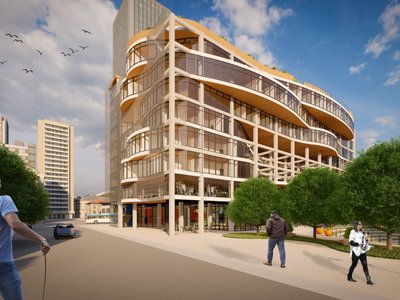
Olio Towers: A Mid-Rise for Performers That Fuses Housing, Rehearsal, and Stage
Located blocks from Houston's Theater District, this modular tower stacks living units around a central performance atrium.
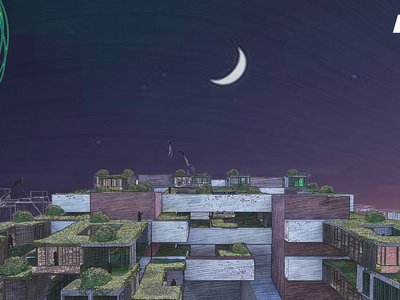
Oasis: Modular Green Housing Carved into Dhaka's Urban Fabric
A shortlisted Plugin Housing entry reclaims unauthorized settlements in Dhaka with stepped concrete volumes, green roofs, and ventilation-driven design.

Black Hole: A Floating Megastructure for the Post-Physical Era
Emiliano Mazzarotto envisions a spherical, self-scaling arena where e-sports, digital hotels, and holographic stadiums replace traditional public space.
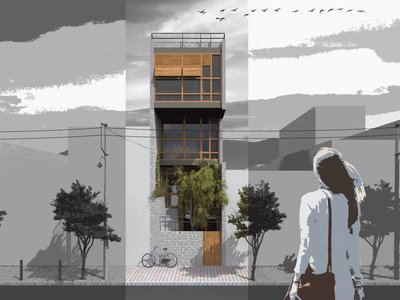
Compact & Sustainable Living in Piraeus: A Four-Level Family Home Built Around Light and Air
A narrow townhouse in one of Greece's densest port cities uses a central atrium and passive strategies to house three generations under one roof.

Explore Architecture Competitions
Discover active competitions in this discipline




The International Standard for Design Portfolios


The Global Benchmark for Architecture Dissertation Awards


The Global Benchmark for Graduation Excellence


Challenge to reimagine the Iron Throne
Comments (0)
Please login or sign up to add comments
No comments yet. Be the first to comment!