

Rural Revitalization Design: Transforming Fengwu Village with the Huizhou Corridor
Revitalizing Fengwu Village, the Huizhou Corridor blends tradition with modern design, enhancing community life and preserving heritage.


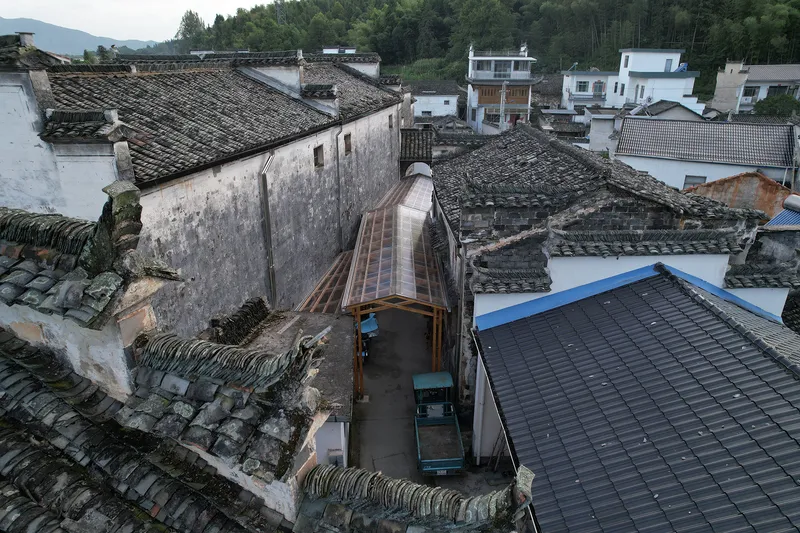
Rural revitalization design focuses on harnessing architecture and urban planning to breathe new life into rural communities, addressing challenges like population outflow, aging demographics, and the preservation of cultural heritage. The FW JI·Huizhou Corridor project in Fengwu Village, Yixian County, by IARA, exemplifies this approach by creating a covered alley that serves both as a practical solution for the villagers and a new focal point for community life.

The Vision Behind the Huizhou Corridor
Addressing Community Needs through Design
Initiated as part of the "Fengwu JI" rural revitalization charity project, the Huizhou Corridor was conceived through interviews with villagers, identifying a need for covered spaces that facilitate outdoor gatherings regardless of weather conditions. This project represents a marriage of local traditions and contemporary architectural solutions, aiming to create a space that not only serves current needs but also becomes an integral part of the village's collective memory.


Blending Tradition with Modernity
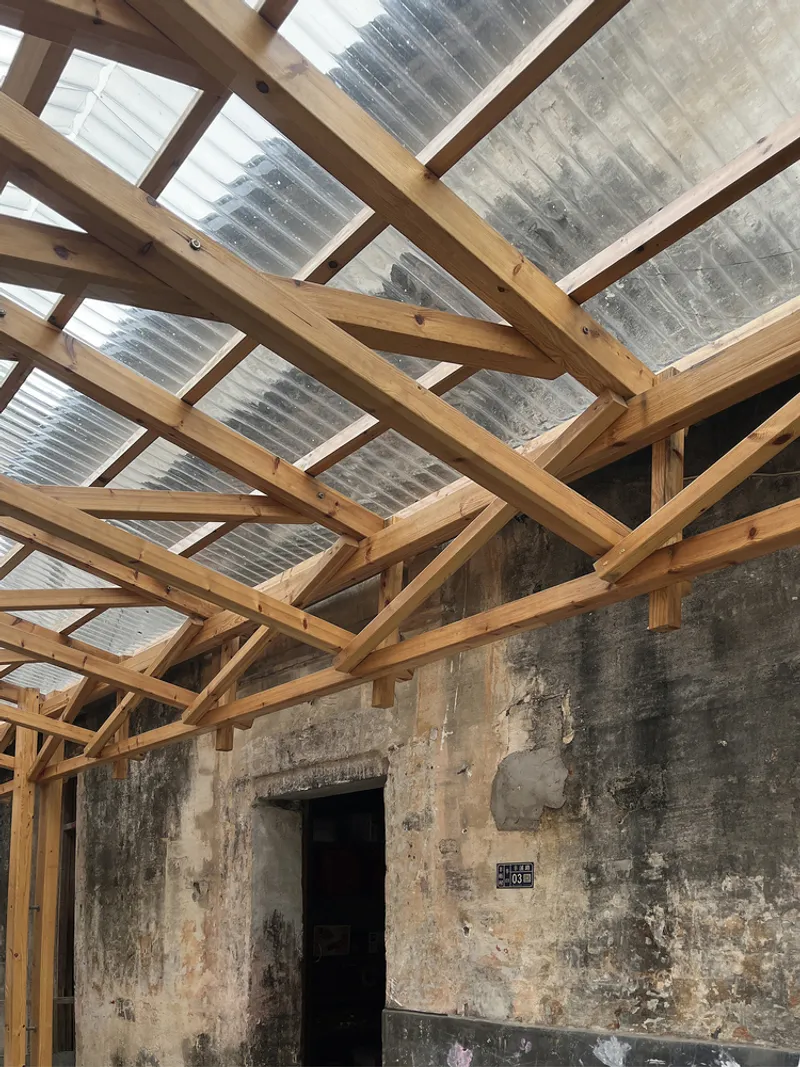
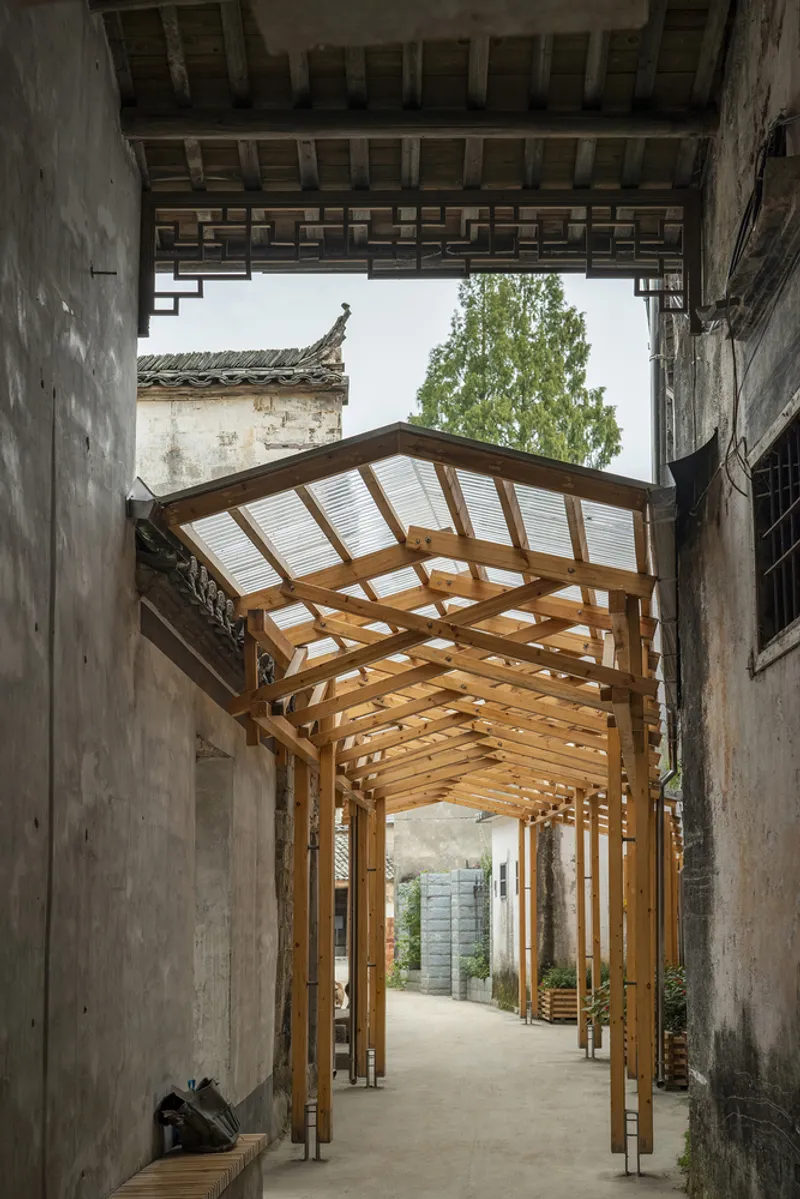
The design of the Huizhou Corridor respects the village's historical context, with the project located in a lane flanked by Qing Dynasty buildings. By introducing a modern structure that echoes the village's traditional architectural language, the project fosters a dialogue between past and present, ensuring the new addition complements its historical surroundings.

Innovative Design Solutions
Utilizing Prefabricated Cross-Laminated Timber
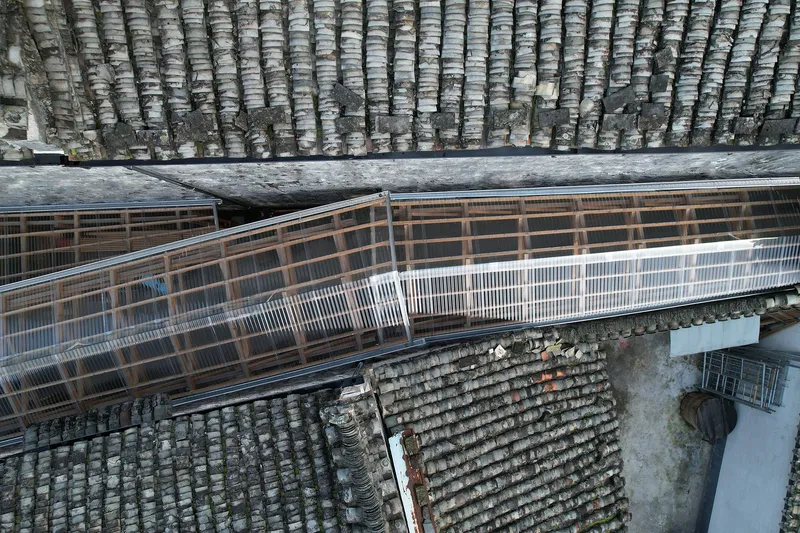
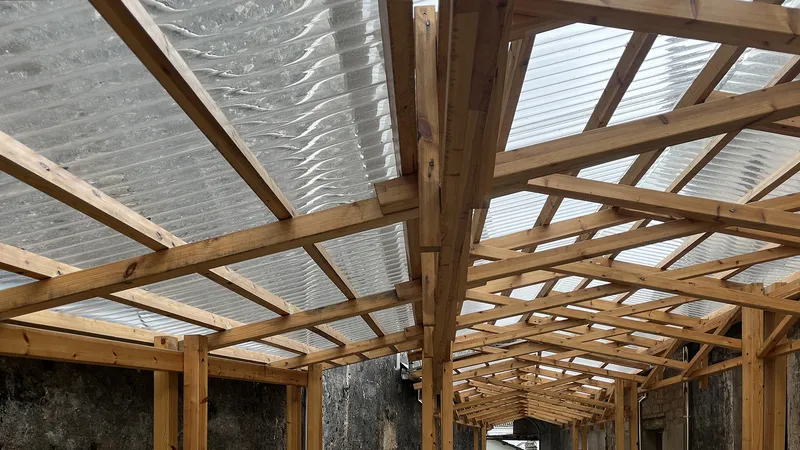
The choice of prefabricated cross-laminated timber (CLT) for the structure demonstrates a commitment to sustainable and environmentally friendly construction methods. CLT offers several advantages, including reduced environmental impact, ease of assembly, and the ability to adapt to the alley's varying widths without disturbing the existing landscape.


Creating a Multifunctional Public Space
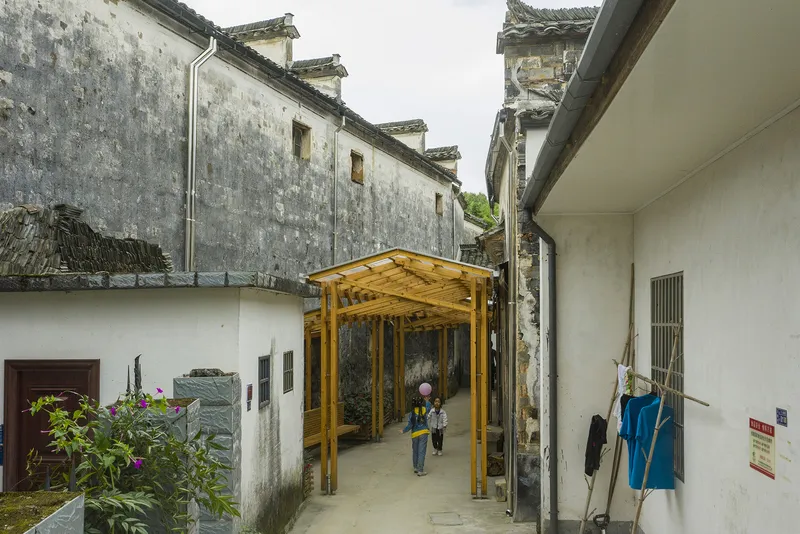
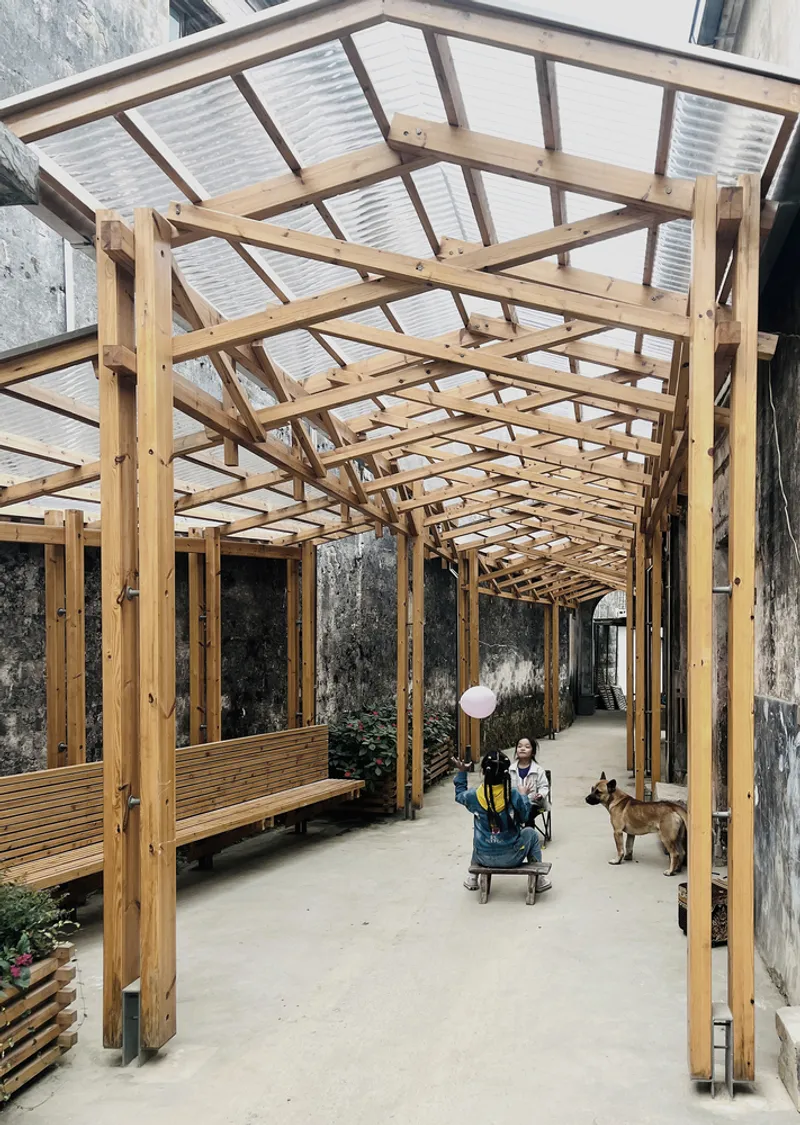
The Huizhou Corridor transforms an underutilized alley into a vibrant public space, featuring landscaped seating areas and a transparent roof that maximizes natural light. This thoughtful integration of design elements ensures the corridor serves as a comfortable and inviting space for villagers to gather, socialize, and participate in communal activities.


Impact on the Community
Fostering Social Interaction and Community Life
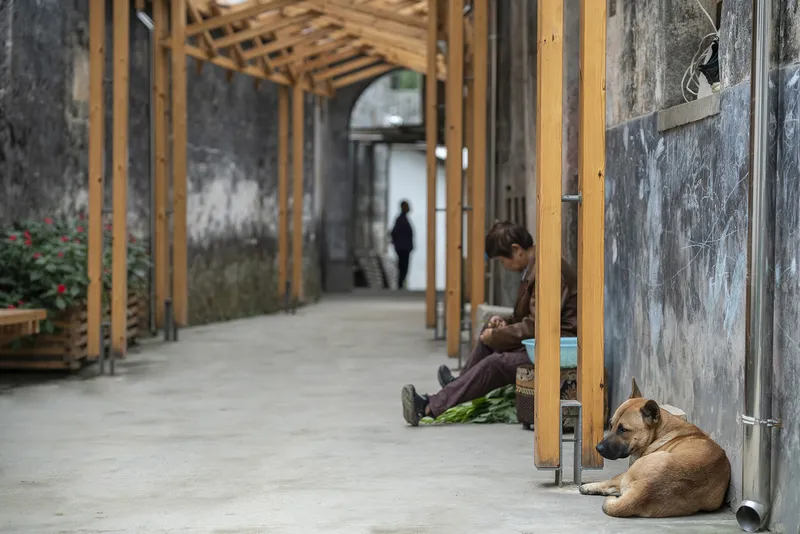
Since its completion, the Huizhou Corridor has become a vital part of Fengwu Village's social fabric, offering residents a protected space to engage in daily interactions and communal events. This project illustrates the power of rural revitalization design to enhance public life and strengthen community bonds.



Preserving Cultural Heritage while Shaping New Memories
The FW JI·Huizhou Corridor project underscores the importance of preserving cultural heritage while accommodating the evolving needs of rural communities. By introducing a contemporary structure that respects the village's historical identity, the project ensures that traditional values are preserved for future generations while fostering new memories and experiences.
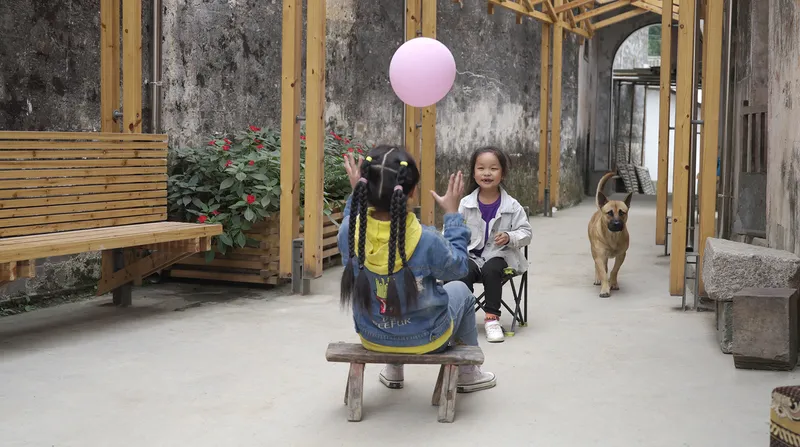

The FW JI·Huizhou Corridor by IARA stands as a testament to the transformative potential of rural revitalization design. Through its innovative use of materials, respect for historical context, and focus on community needs, the project not only enhances the quality of life for the residents of Fengwu Village but also sets a precedent for future rural revitalization efforts worldwide.

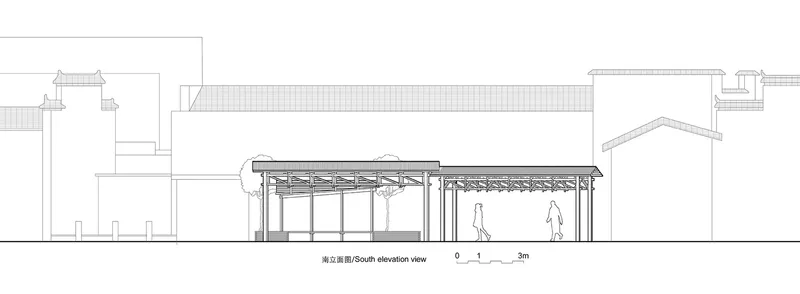

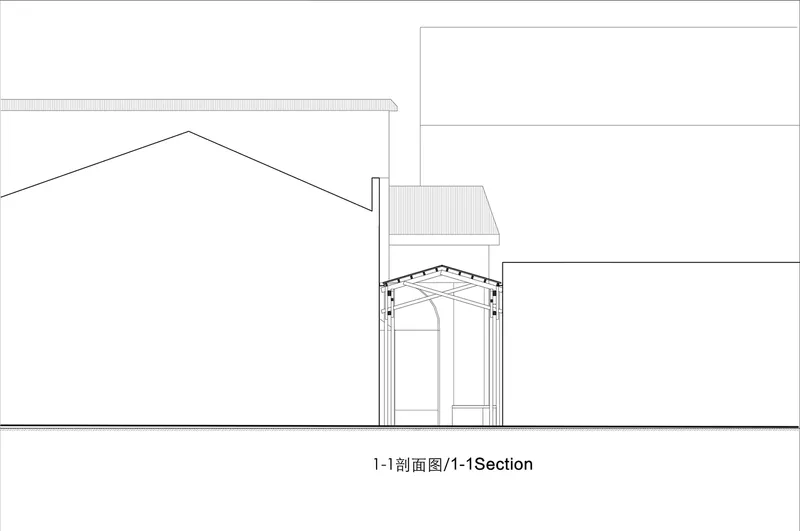

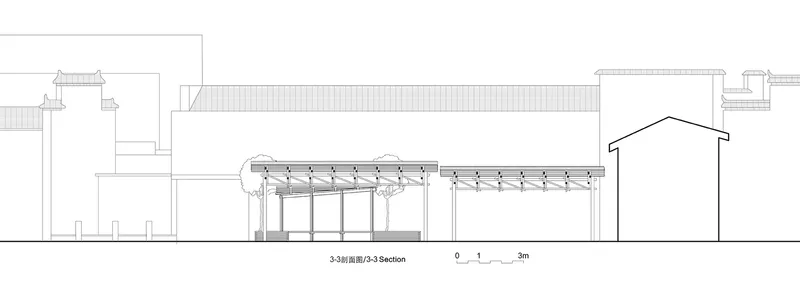
All Photographs are the work of Huien Song


Popular Articles
Popular articles from the community


Manzana Morphosis: Stretching Barcelona's Grid into a Living Landscape for 2050
A radical reworking of the Eixample manzana turns density into a tool for generous public space, vertical ecology, and environmental performance.

Opera on the Sea: Driftwood Logic Shapes a Timber Opera House on Estonia's Coast
Trevor Orgill's opera house translates the entangled drift of floating timber into a civic building where wood, water, and music converge.

Cloaked Colonization: A Mobile Underwater Habitat That Moves Like a Fish
Micah Abaya's shortlisted EHC Pacific entry reimagines ocean settlement as a dispersed network of self-sustaining architectural organisms.

Singing Woman: An Opera House That Performs Before the Curtain Rises
Ovidiu Cristian Pavel's conceptual opera house translates Estonia's choral identity into a sculpted waterfront landmark facing the Baltic Sea.

Similar Reads
You might also enjoy these articles


Hodi-Mandai Geram
Project Function: Preservation and revitalization of the Intangible heritage and socio-spatial identity of the Hodi by Housing, Cultural Memory Center, Sacred Grove, landscape, local tourism economy


Olio Towers: A Mid-Rise for Performers That Fuses Housing, Rehearsal, and Stage
Located blocks from Houston's Theater District, this modular tower stacks living units around a central performance atrium.

Oasis: Modular Green Housing Carved into Dhaka's Urban Fabric
A shortlisted Plugin Housing entry reclaims unauthorized settlements in Dhaka with stepped concrete volumes, green roofs, and ventilation-driven design.

Black Hole: A Floating Megastructure for the Post-Physical Era
Emiliano Mazzarotto envisions a spherical, self-scaling arena where e-sports, digital hotels, and holographic stadiums replace traditional public space.

Explore Architecture Competitions
Discover active competitions in this discipline

Challenge to reimagine the Iron Throne

Photograph architecture without architects

Illustrate the lost glory of Angkor Wat - Render Challenge

Design challenge to reuse E-waste
Comments (0)
Please login or sign up to add comments
No comments yet. Be the first to comment!