
Saudi Pavilion Expo 2025 Architecture by Foster + Partners: A Celebration of Culture and Sustainability
An architectural journey through Saudi culture and sustainability at Expo 2025, blending heritage, innovation, and immersive experiences.

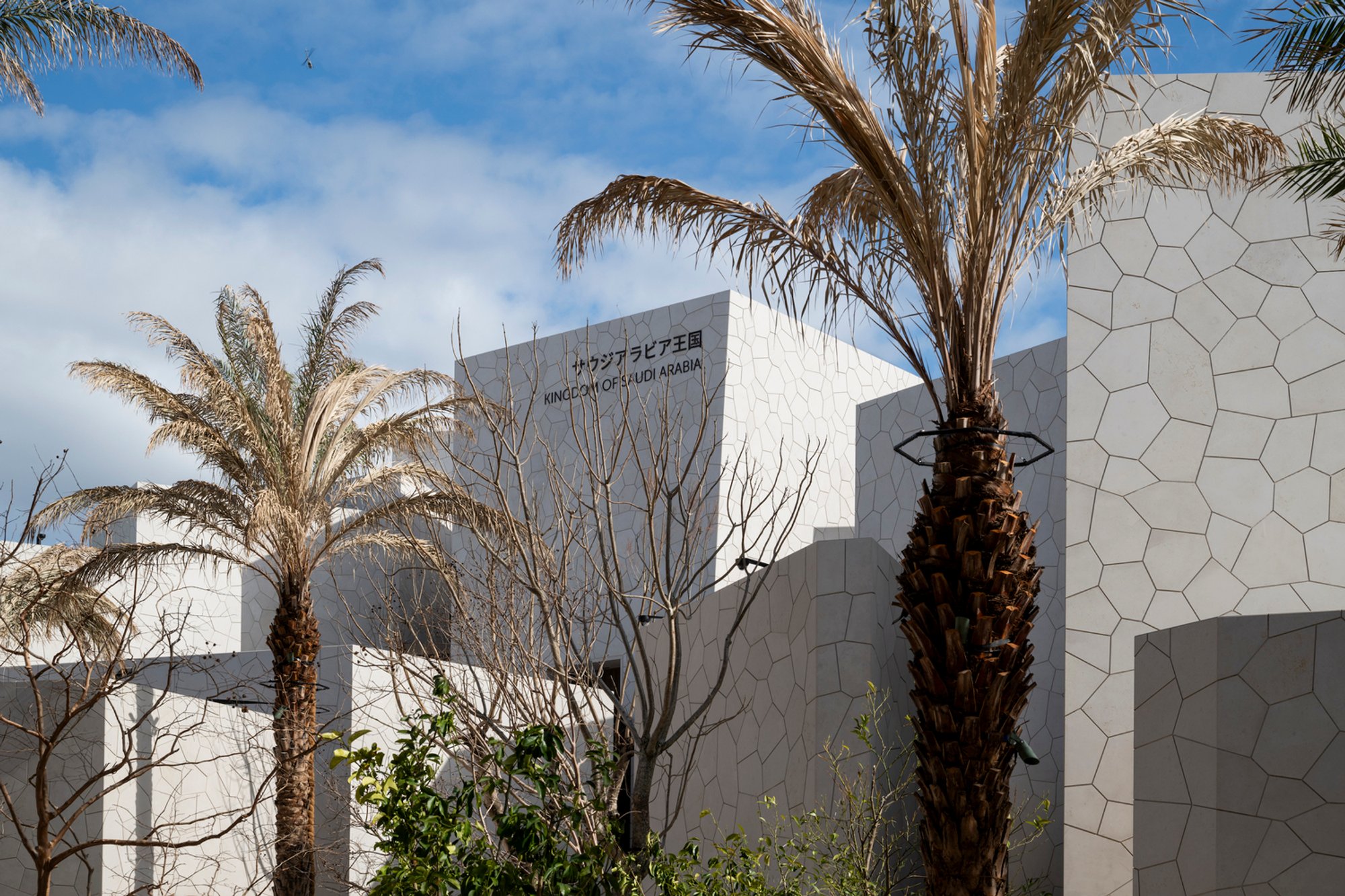
The Saudi Pavilion at Expo 2025 Osaka, designed by Foster + Partners, stands as a remarkable architectural embodiment of Saudi Arabia’s culture, heritage, and sustainable future. Located on the Yumeshima waterfront, the pavilion offers visitors an immersive journey through Saudi Arabian landscapes and urban environments while setting a benchmark in sustainable and inclusive design.
Exploring the Vision of the Saudi Pavilion
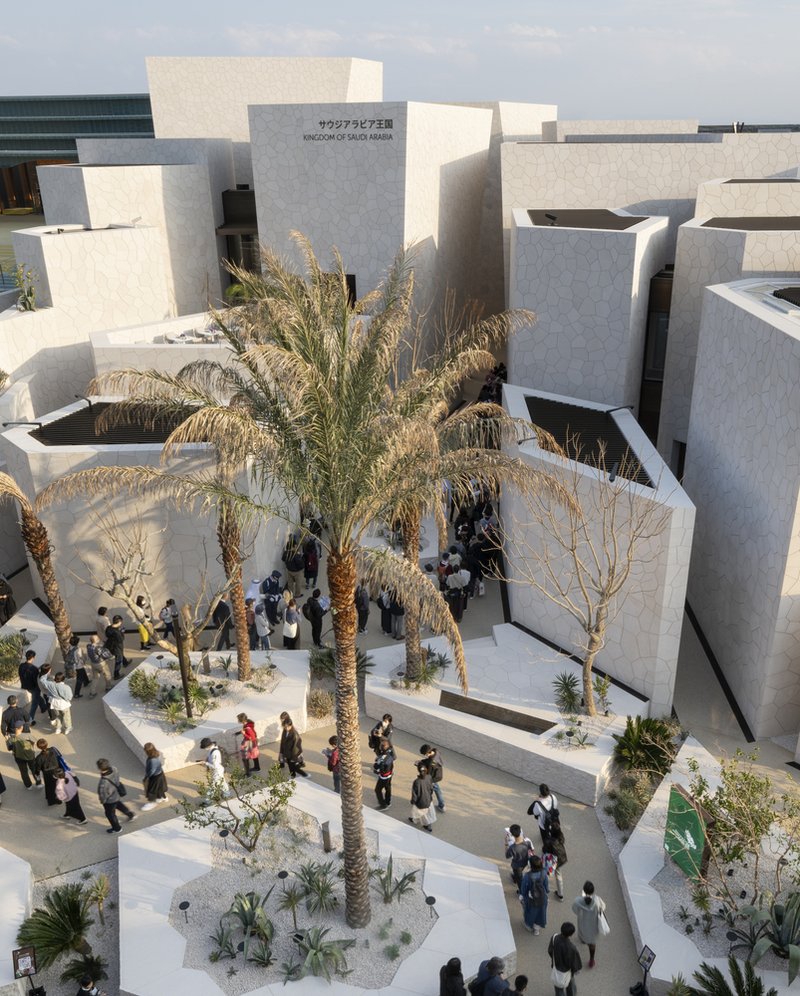
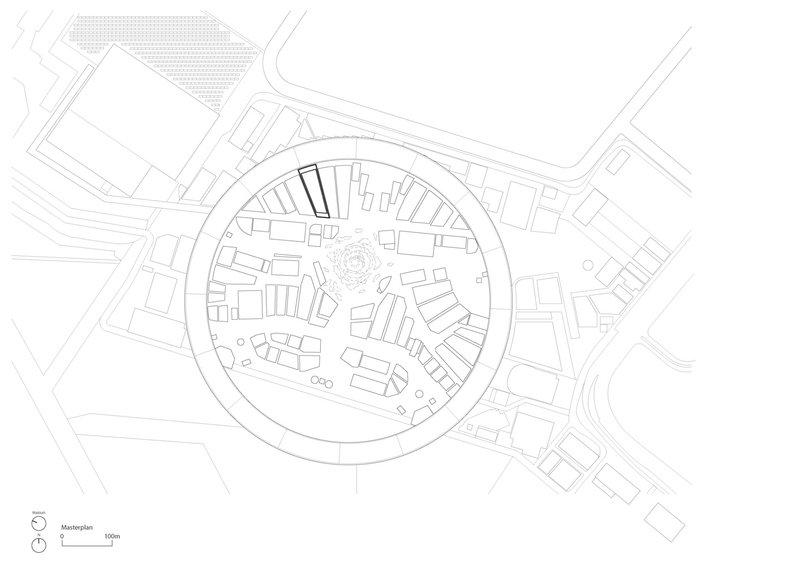
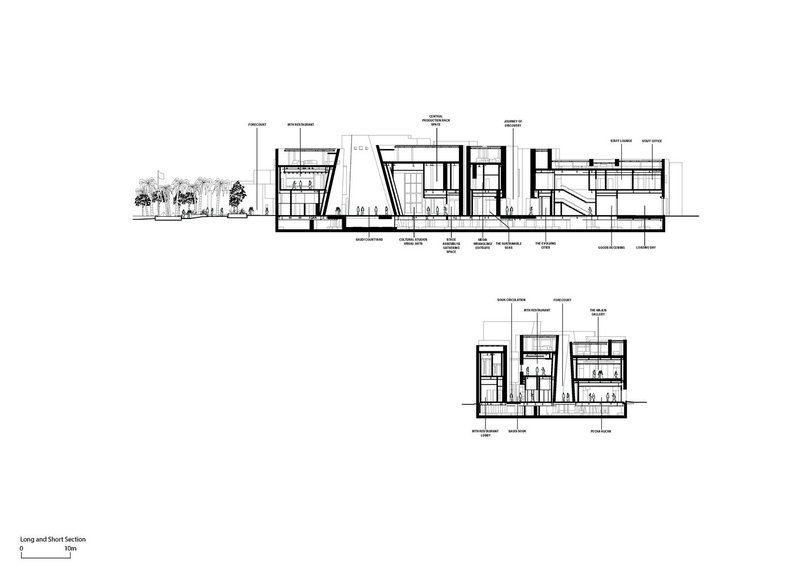
The Saudi Pavilion Expo 2025 architecture draws inspiration from the organic shapes of traditional Saudi villages, blending cultural authenticity with cutting-edge technology. Visitors enter through a landscaped forecourt planted with native Saudi Arabian flora, designed to shield the pavilion from Osaka’s northerly winds. This forecourt leads to a network of narrow streets, creating a ‘village’ of meandering pathways that echo the urban fabric of Saudi towns.
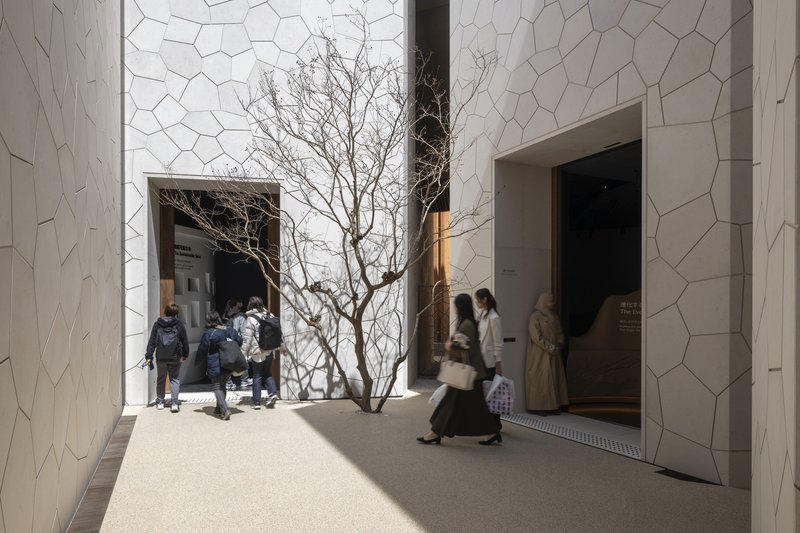
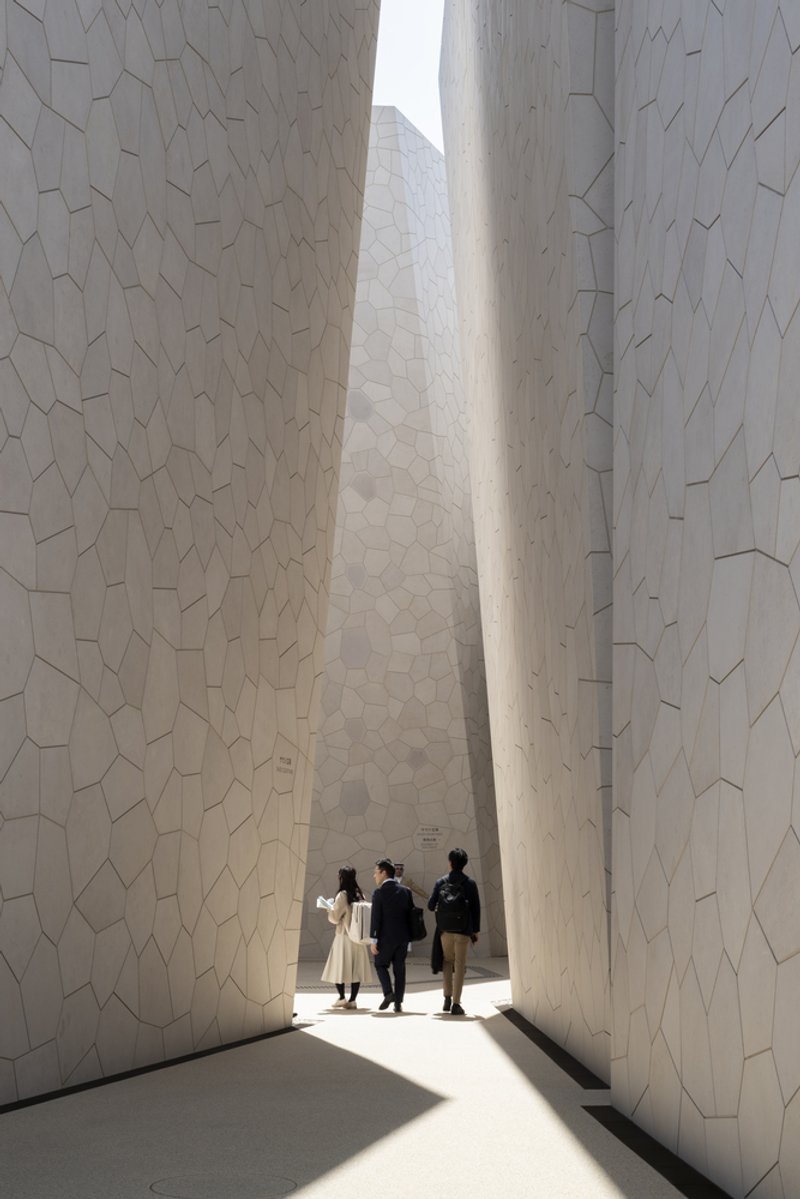
At the heart of the pavilion lies the Saudi Courtyard, a central gathering space for quiet reflection by day and dynamic performances by night. This transformative space showcases the thoughtful layering of architecture and program, offering visitors a glimpse into the daily life and celebrations that characterize Saudi communities.
Immersive Spaces and Artistic Collaboration
Inside, the pavilion unfolds as a series of immersive spaces, designed in close collaboration with Journey (59 Productions and Squint/Opera). Visitors explore a sequence of window-framed rooms and doorways that reveal interactive exhibits, digital installations, and multisensory experiences. This integration of art and architecture creates a narrative journey that bridges the past, present, and future of Saudi Arabia.
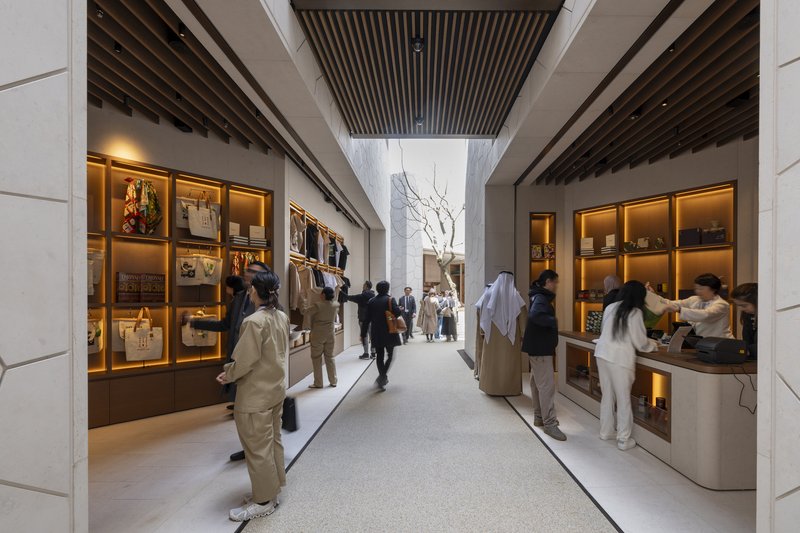
The collaborative design approach ensures that the pavilion is not only a physical structure but a platform to showcase Saudi artists, musicians, and storytellers. As Tony Miki, Partner at Foster + Partners, emphasizes, the pavilion becomes “its own urban microcosm,” blending tradition with modern technologies that reflect Saudi Arabia’s national transformation.
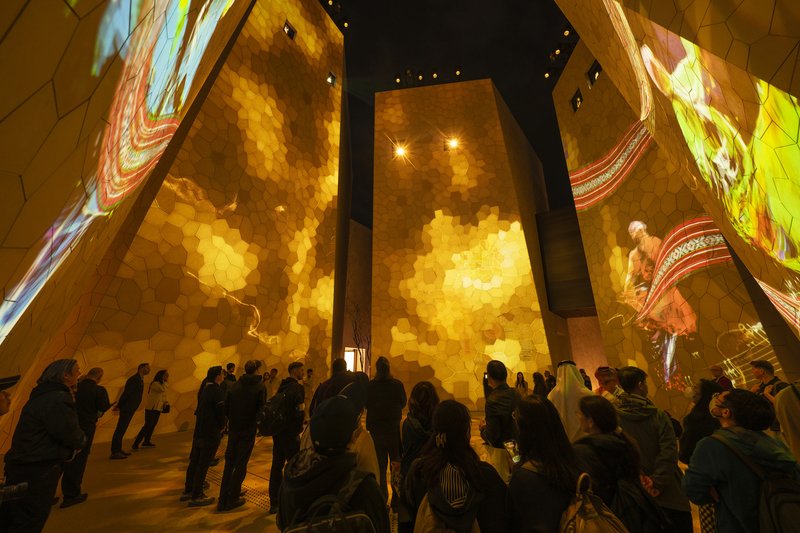
Sustainability and Innovative Construction
The Saudi Pavilion Expo 2025 architecture sets a global precedent for sustainable pavilion design. It is the first temporary structure to receive the WELL Health and Safety Rating (HSR) certification. The design employs low-carbon materials and aligns with the Saudi Green Initiative, integrating energy-saving luminaires and rooftop photovoltaic technologies to achieve net-zero operational carbon.
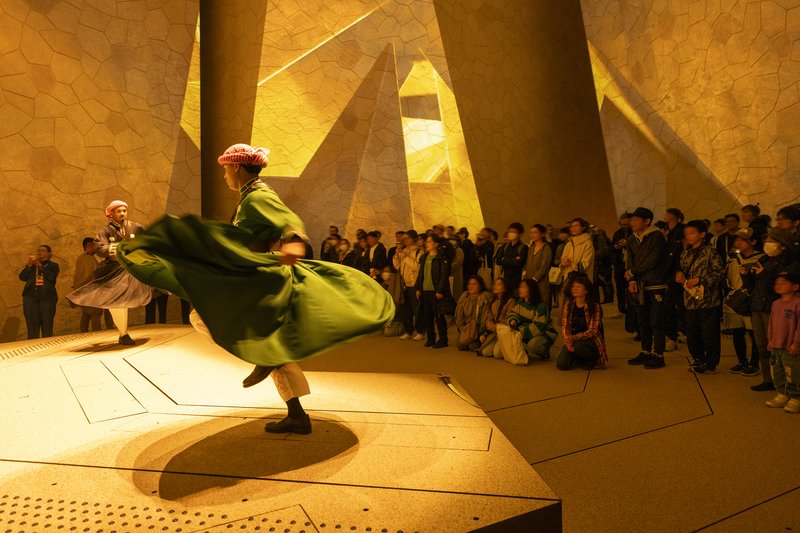
The structural system features an innovative DfMA-based (Design for Manufacturing and Assembly) approach, combining a steel moment frame with precast reinforced concrete slabs on steel beams. This lightweight and jointless system not only allows for rapid construction and superior quality control but also minimizes the need for extensive foundations.
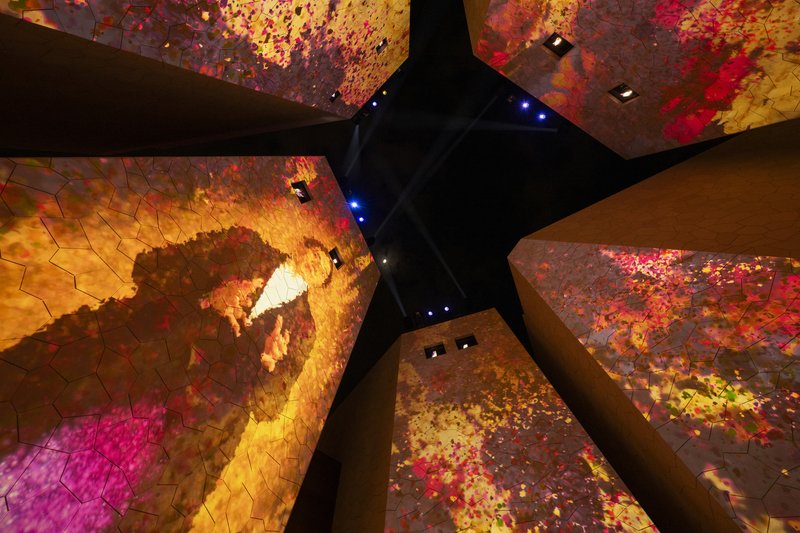
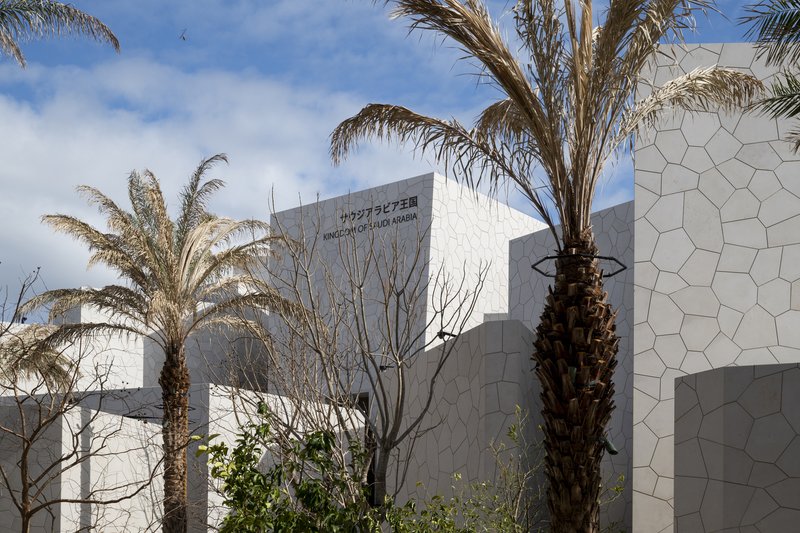
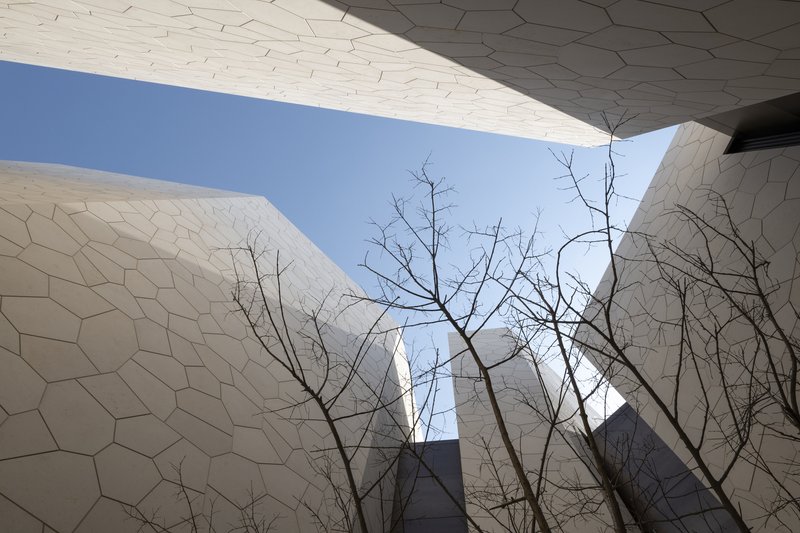
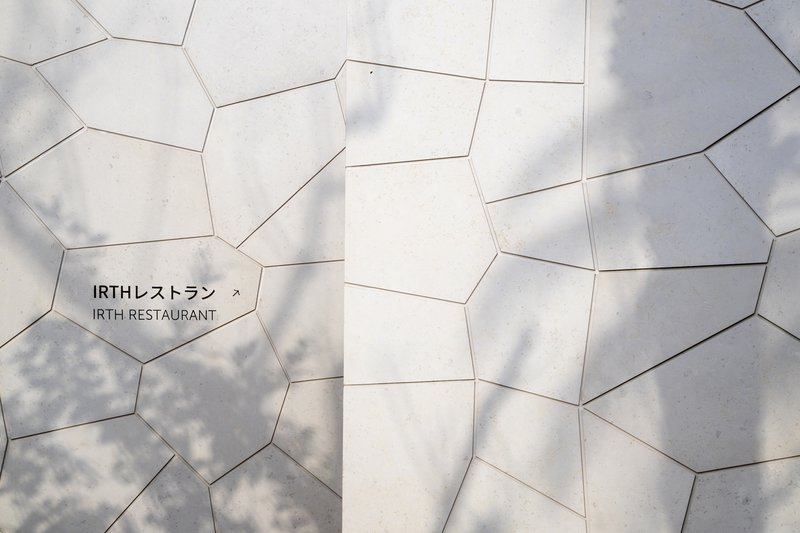
The façade, crafted from a lightweight Saudi stone composite system, is designed to be deconstructed and reassembled or reconfigured for future use. This approach reflects a sustainable mindset, merging temporary architecture with a sense of enduring presence.
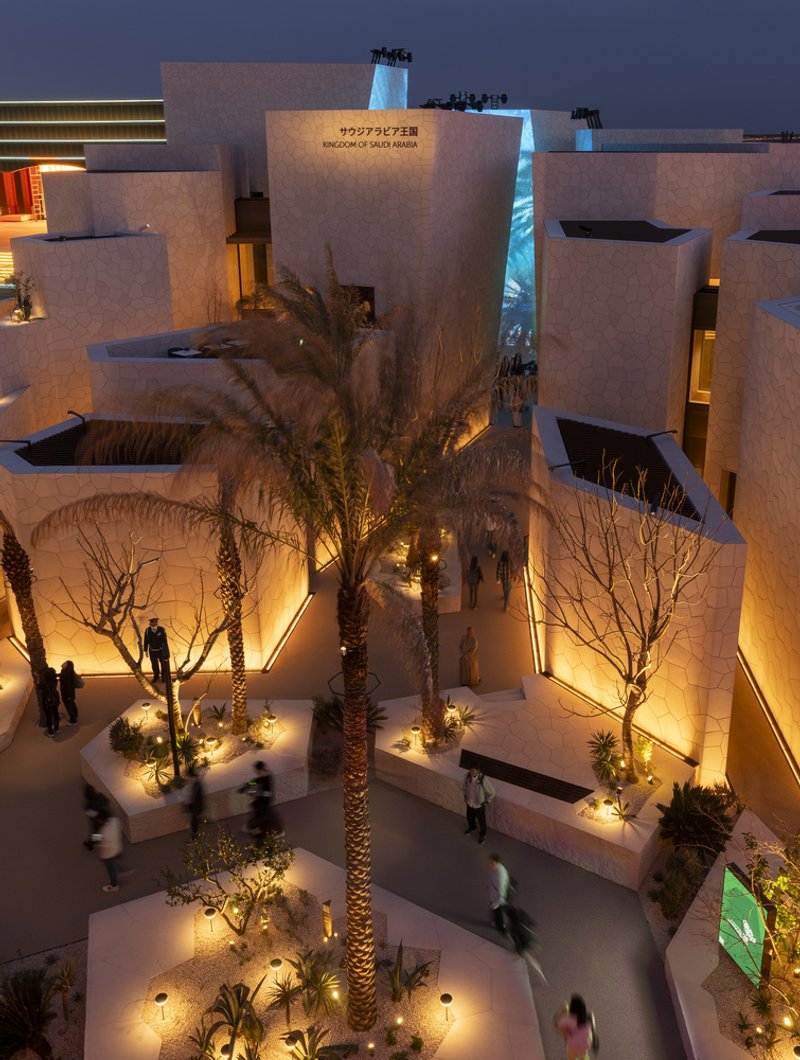
Inclusive Design for All
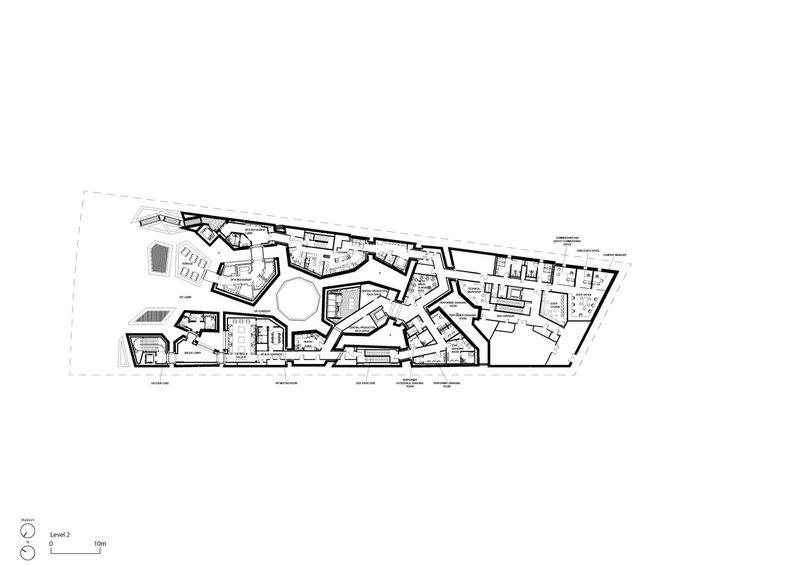
Inclusivity is central to the pavilion’s design philosophy. A ramped entrance addresses site gradients and offers a single, unified entry point. The sunken central stage is fully retractable, ensuring equitable participation for all performers, while wheelchair-accessible spaces are seamlessly integrated into the audience seating areas.
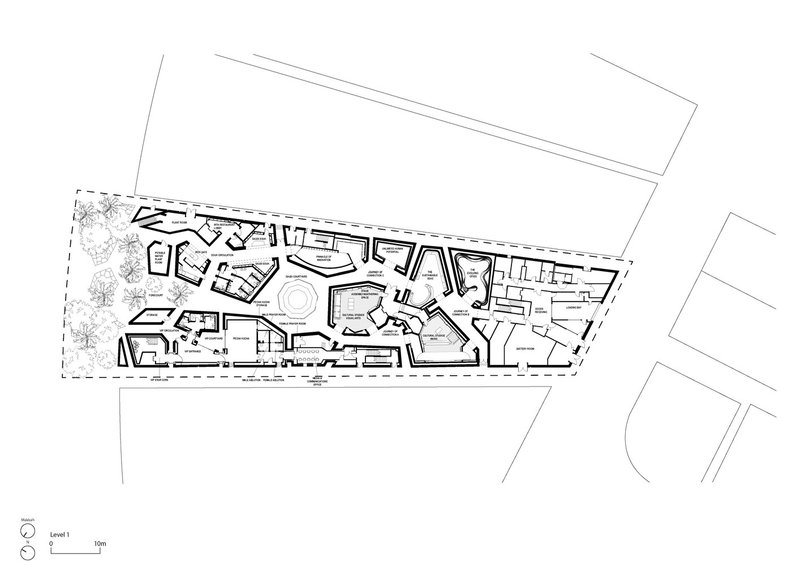
The pavilion’s restaurant provides innovative, multi-level seating arrangements, and its washroom facilities include a ceiling track hoist, one of the first in Japan, offering dignified and independent movement for individuals requiring assistance. A calm room is thoughtfully incorporated to support neuro-inclusion, providing a quiet retreat from sensory stimulation. All signage is provided in Japanese Braille, Japanese, and English, ensuring the space is navigable for a wide range of visitors.
A Lasting Legacy
The Saudi Pavilion Expo 2025 architecture is designed with legacy in mind. By achieving Japan’s highest green building rating (CASBEE S) and incorporating adaptable systems, the pavilion not only meets the needs of Expo 2025 but also anticipates future reuse.
As Luke Fox, Head of Studio at Foster + Partners, summarizes, the Saudi Pavilion is a “celebration of Saudi Arabian culture,” offering an epic journey that balances heritage with innovation. Through its careful integration of architecture, art, sustainability, and inclusivity, the pavilion exemplifies how design can shape national identity and global dialogue.




Popular Articles
Popular articles from the community

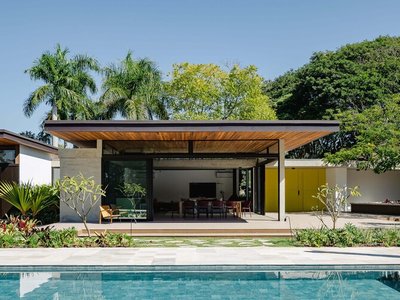
Flamboyant House by Juliana Camargo + Prumo Projetos
Modern Brazilian house integrating existing tree, pool, and volumes with glass, wood, and transitional spaces blending interior, exterior, and landscape seamlessly.
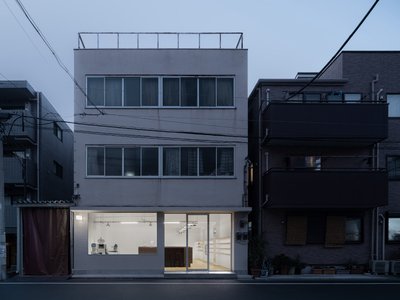
Atelier Macri Concept Store Interior Design by CASE-REAL
Atelier Macri store features a "ko" counter, walnut wood details, cork displays, blending retail, gallery, and seamless customer experiences.
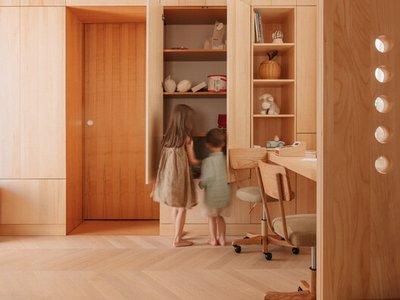
Treehouse Apartment: A Warm Timber Interior Blending Craft, Play, and Contemporary Living
Warm timber apartment with integrated treehouse, combining natural materials, craftsmanship, and playful design to create a flexible, family-oriented living environment.
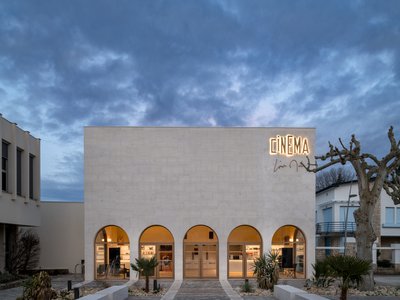
Louis Malle Cinema: A Limestone Cultural Landmark Revitalizing Community Life in Prayssac
Limestone cinema extension with public forecourt, blending heritage and modern design to create flexible cultural spaces and strengthen community interaction.

Similar Reads
You might also enjoy these articles

Bamboo Housing Challenge 2026: Design Affordable, Sustainable Homes Using Bamboo
An international design competition by Bamboo U and IBUKU inviting architects and designers to reimagine affordable housing using bamboo — with the winning design built full-scale in Bali.
Computational Design & Education: Beegraphy Design Awards Introduces 7th Category (Featuring Jiyun's Innovative Approach)
Dive into Beegraphy’s 7th Design Awards category, where computational design meets education to create immersive, interactive learning tools, inspired by Jiyun’s work.
From Parametric Lighting to Urban Furniture: Join the 2nd Workshop in Beegraphy’s Computational Design Series
Dive into Cutting-Edge Design Techniques and Practical Applications with Industry Experts
Introducing Sphere by UNI: Pioneering a New Era in AEC Industry
Unlocking Global Potential with BIM and Agile Management


Explore Architecture Competitions
Discover active competitions in this discipline




The International Standard for Design Portfolios


The Global Benchmark for Architecture Dissertation Awards


The Global Benchmark for Graduation Excellence


Challenge to reimagine the Iron Throne
Comments (0)
Please login or sign up to add comments
No comments yet. Be the first to comment!