
Savannah House and Savannen Pavilion by Ateljé Ö – Raw Concrete Architecture on the Swedish Coast
Concrete house and lightweight pavilion blend industrial materials, raw textures, and coastal landscape, creating a minimalist, experimental retreat on Sweden’s Gotland island.


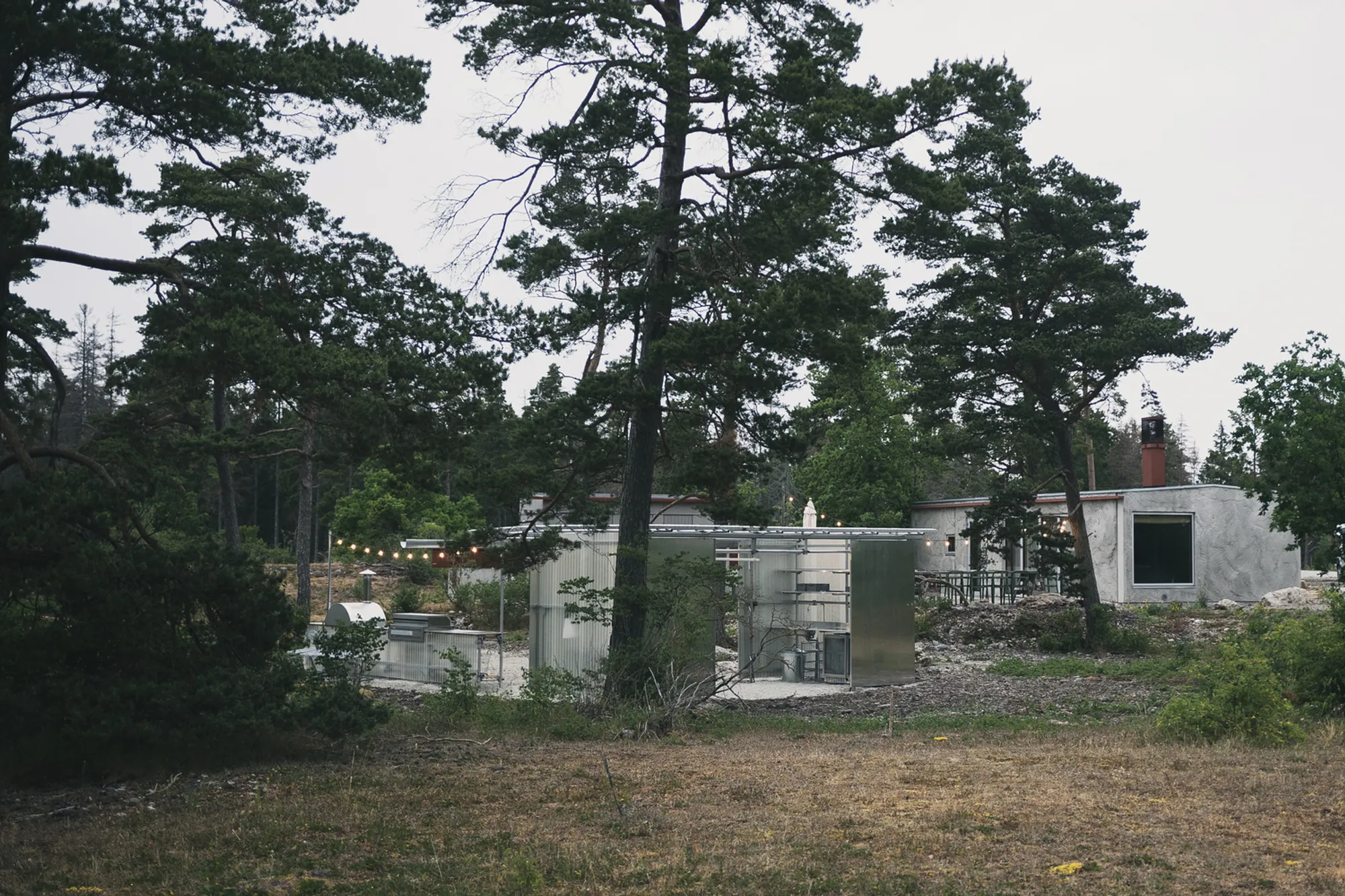
Located in the rugged landscape of Bungenäs on the island of Gotland, the Savannah House and Savannen Pavilion by Ateljé Ö reinterpret industrial architecture with a poetic, site-specific sensitivity. Completed in 2022, the 100 m² residence and its accompanying summer pavilion explore the tension between raw materials, coastal wilderness, and experimental construction techniques.
A House Inspired by Industry and Shaped by Landscape
Savannah House—also known as Savannah 8—derives its name from the architect’s nickname for the small, barren field beside the site. Tall grasses, lone bushes, and crooked junipers create a miniature Scandinavian savannah, forming a dramatic backdrop between the open coastal horizon and traces of past military activity.
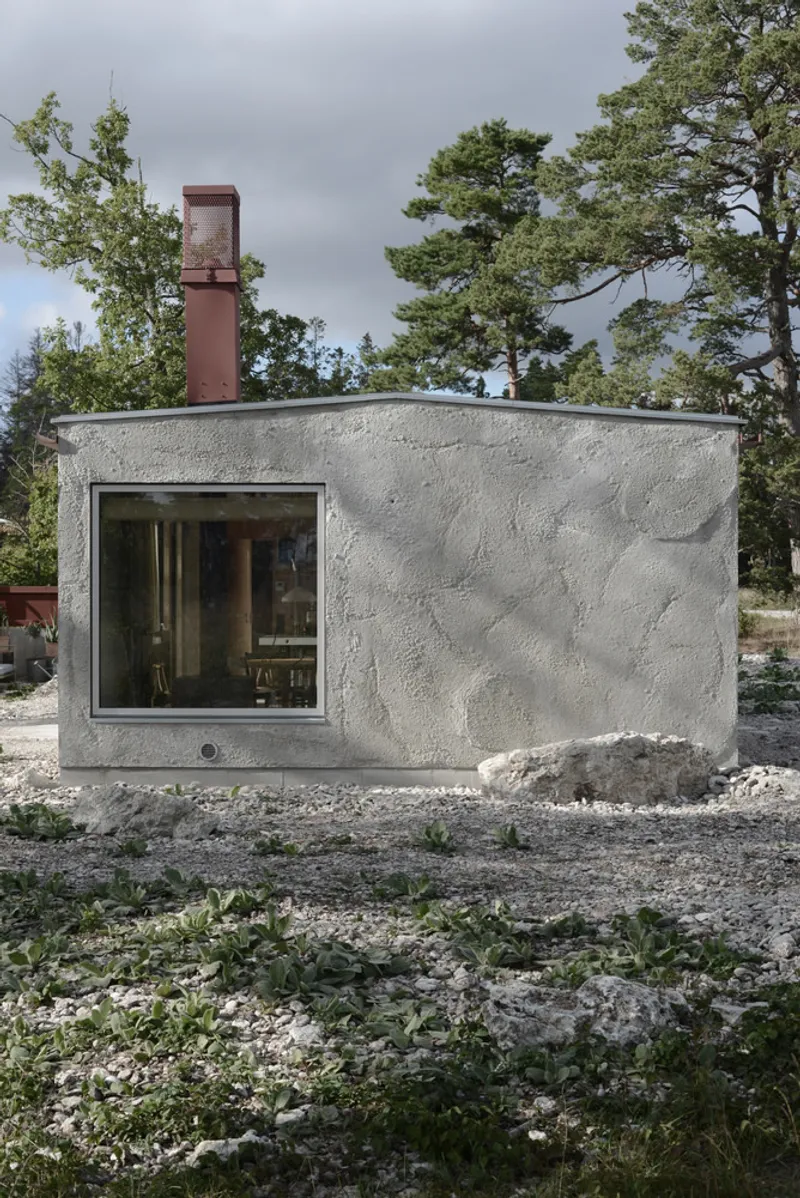
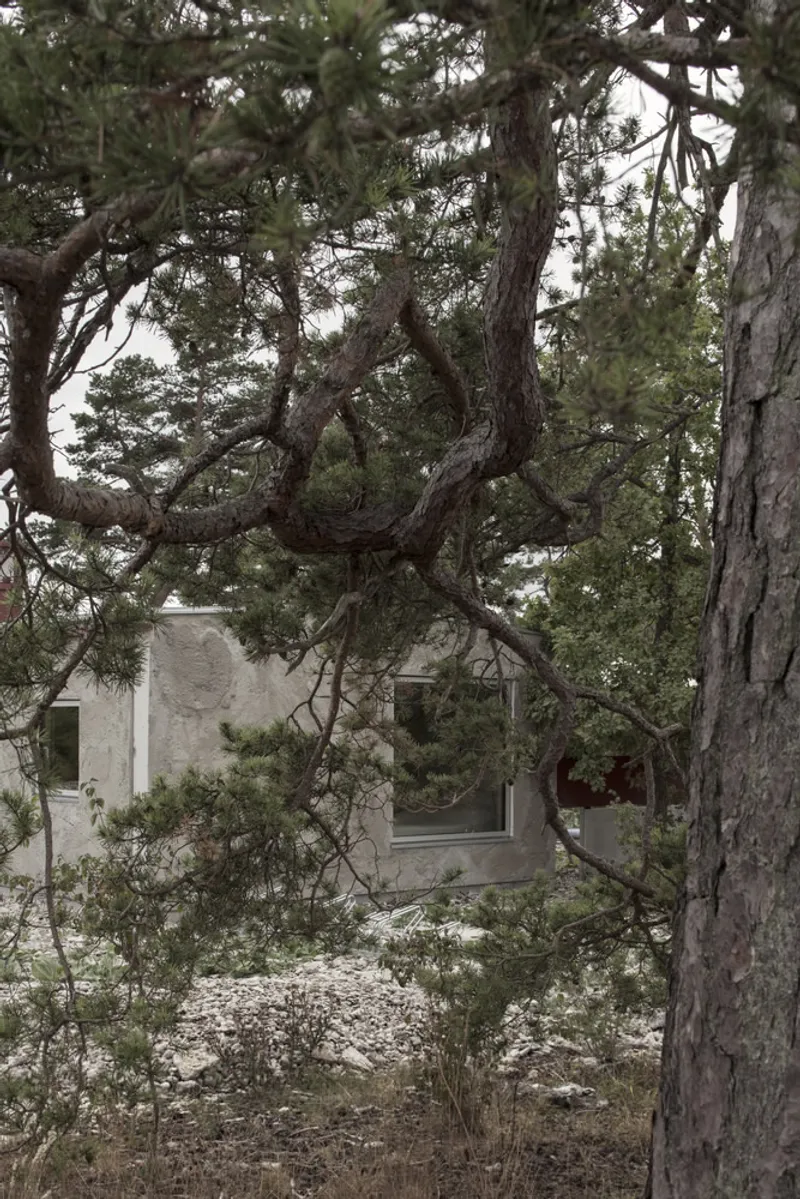
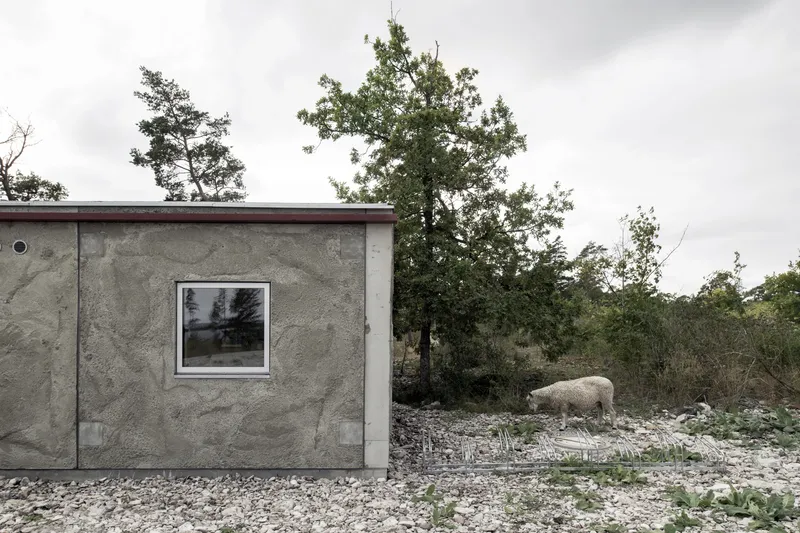
Interestingly, the house does not take its inspiration from nature but from industrial infrastructure. A simple transformer substation kiosk became the conceptual starting point, influencing the compact, rectangular form and robust material palette. The discovery of several onsite concrete blocks further shaped the design, anchoring the structure in the area’s history.
With a restricted budget yet complete artistic freedom, the architects embraced constraints as a creative force. Every material and detail was chosen for durability, honesty, and expressive potential.
Prefabricated Concrete and an Industrial Aesthetic
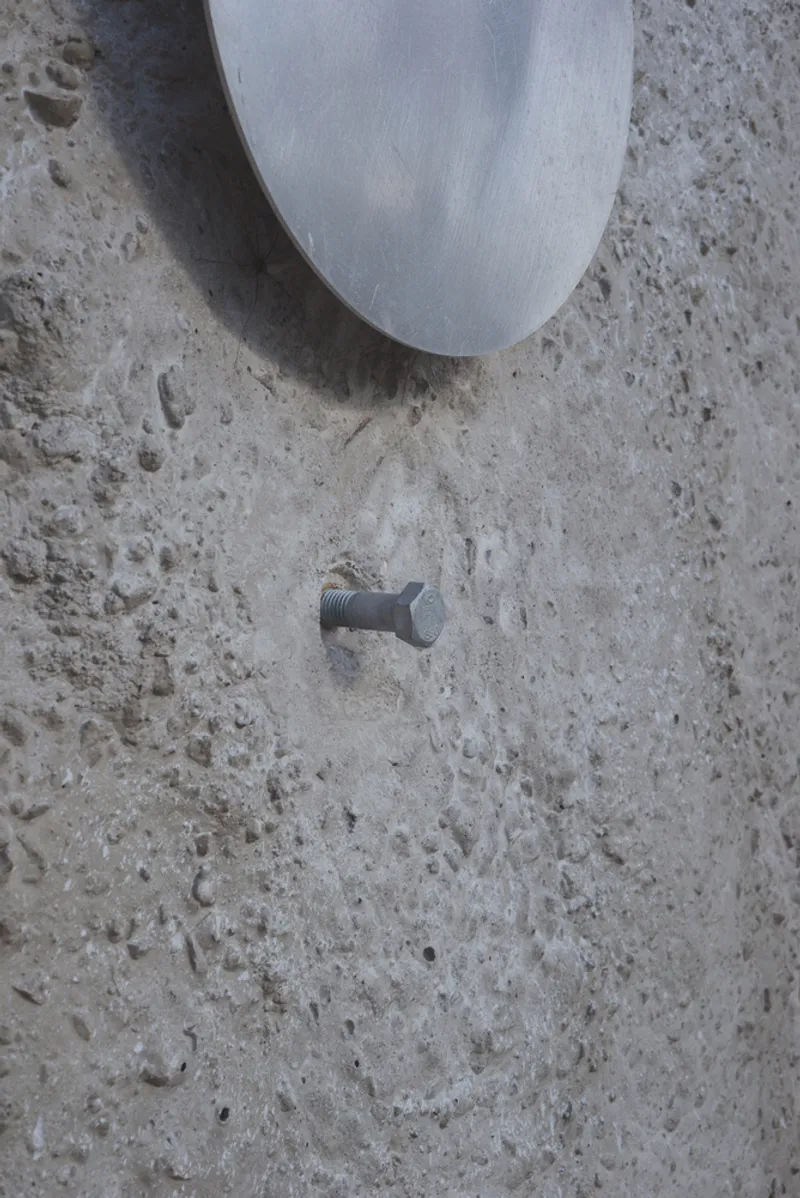
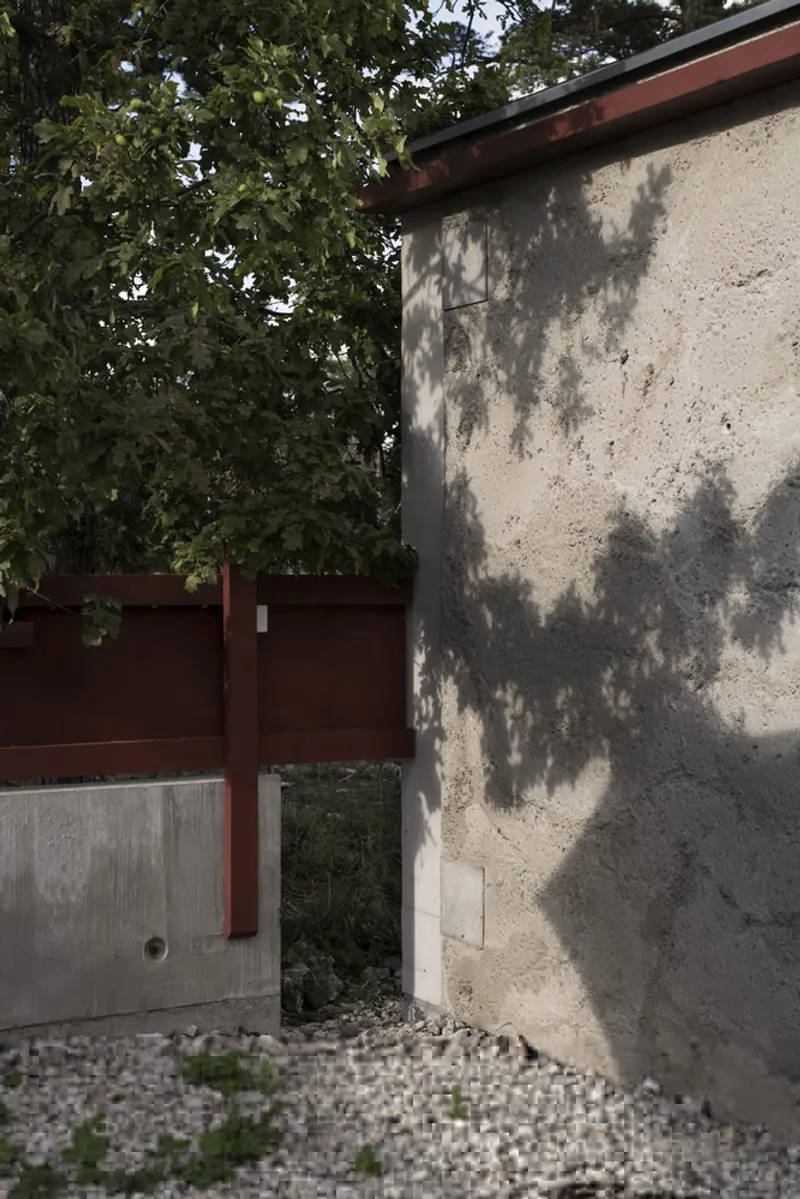
Constructed entirely from prefabricated concrete walls, the house was produced in collaboration with a local concrete factory. Together, they developed a technique that achieved a distinct roughness and textured façade, creating a building that feels both timeless and unapologetically contemporary.
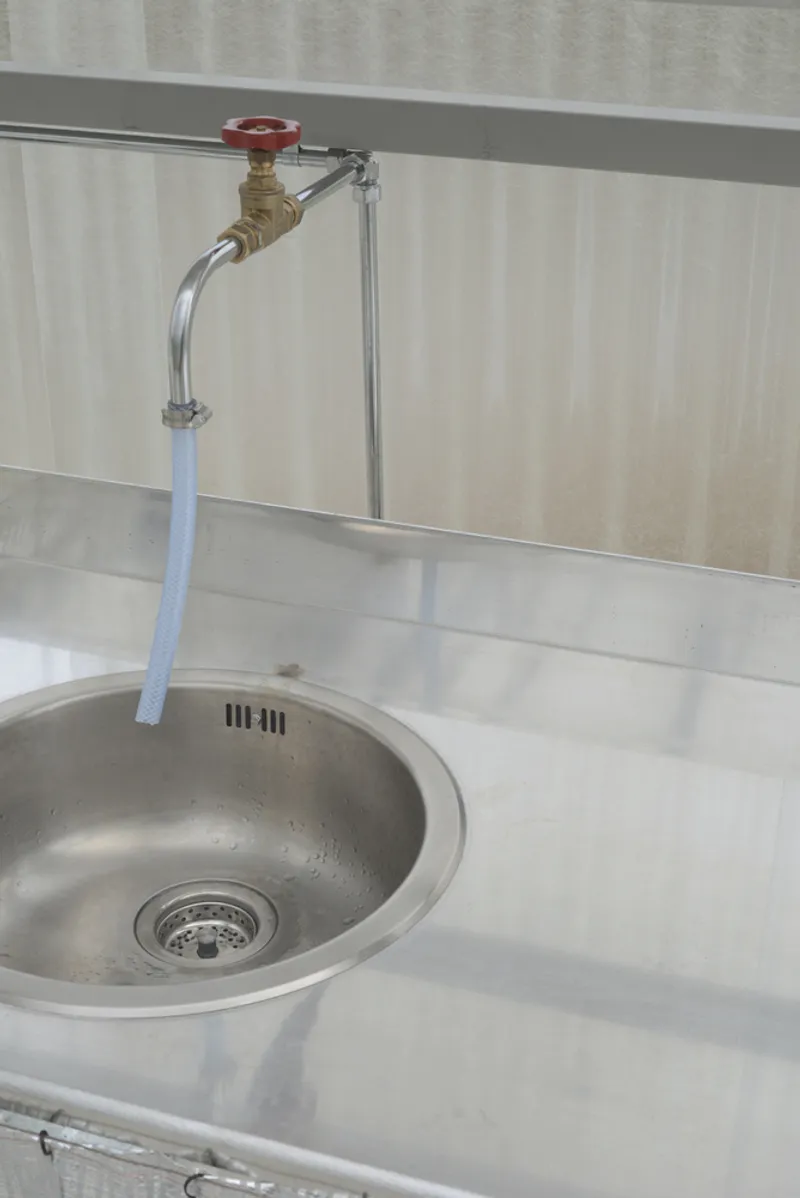
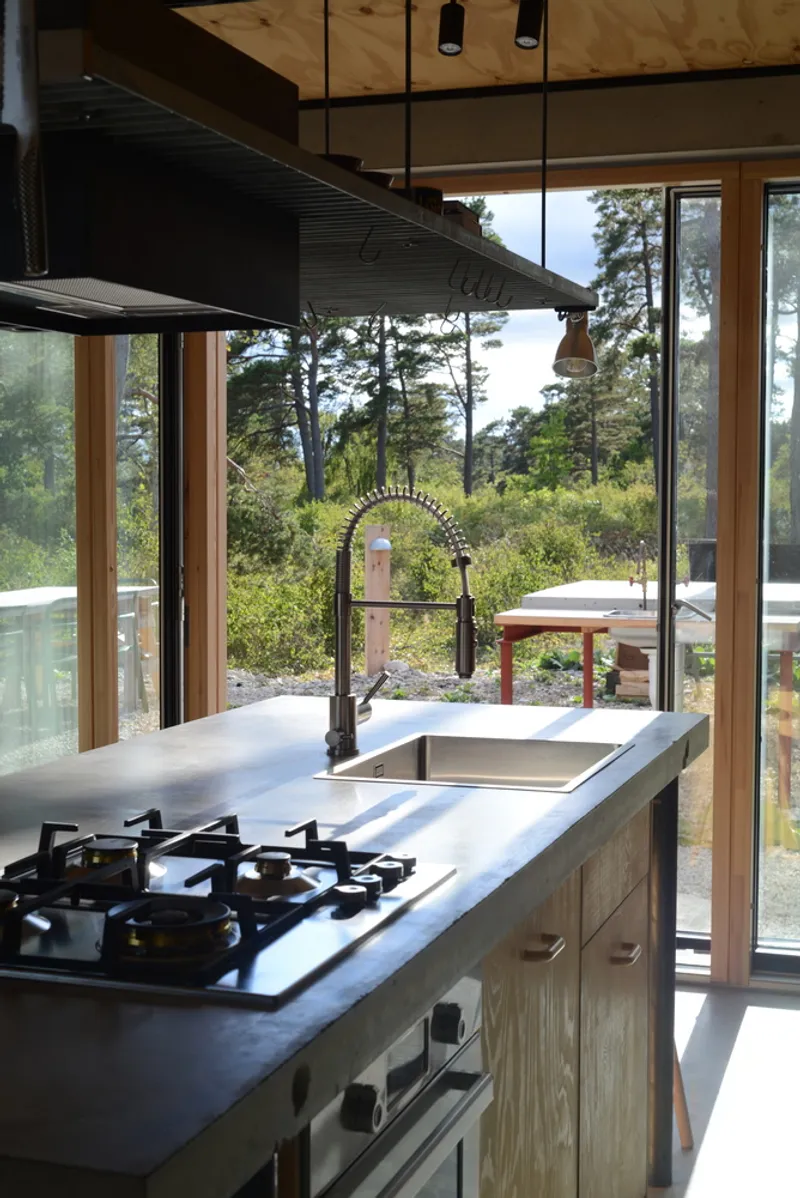
Unlike many custom-crafted Ateljé Ö projects, Savannah House is composed entirely of industrially produced components. Even the kitchen fan, fabricated from a galvanized steel foot grate, celebrates the beauty of repurposed materials.
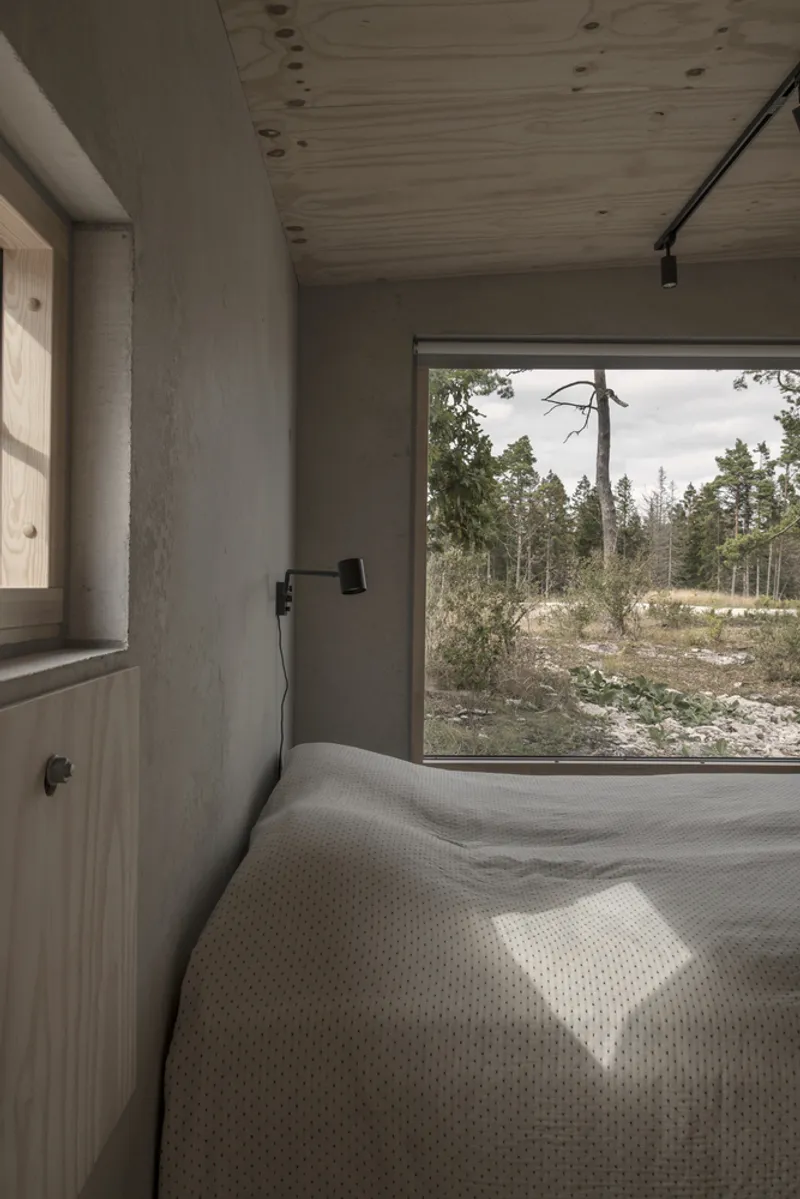
Inside, the palette remains minimal: raw concrete surfaces, exposed plywood, oversized technical installations, and visible structural systems emphasize the building’s industrial identity. However, small acts of ornamentation soften the stark expression—such as tiles pressed upside-down into the concrete during casting, adding subtle craft within a prefabricated framework.
Savannen Pavilion – A Lightweight Experiment in Summer Living
Adjacent to the main house, the Savannen Pavilion demonstrates Ateljé Ö’s experimental spirit and resourceful approach. Built on a modest budget, the pavilion relies on industrial construction systems to achieve openness, playfulness, and minimal material waste.
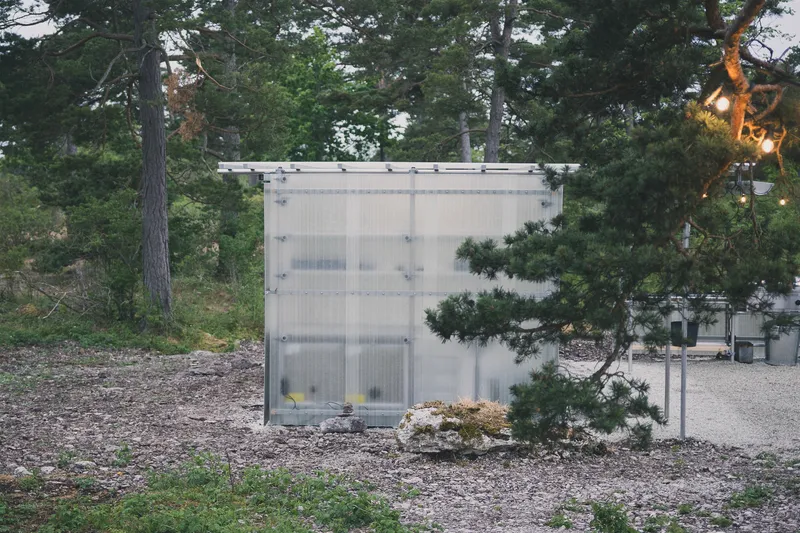
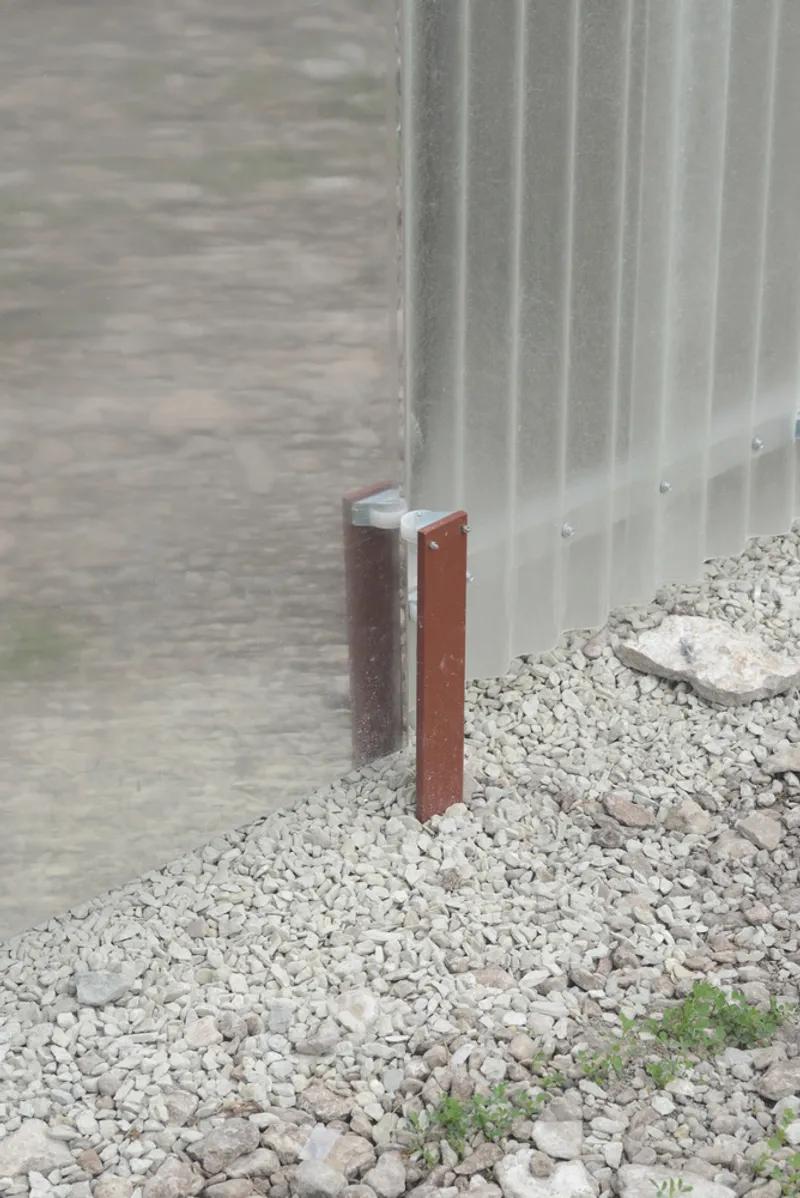
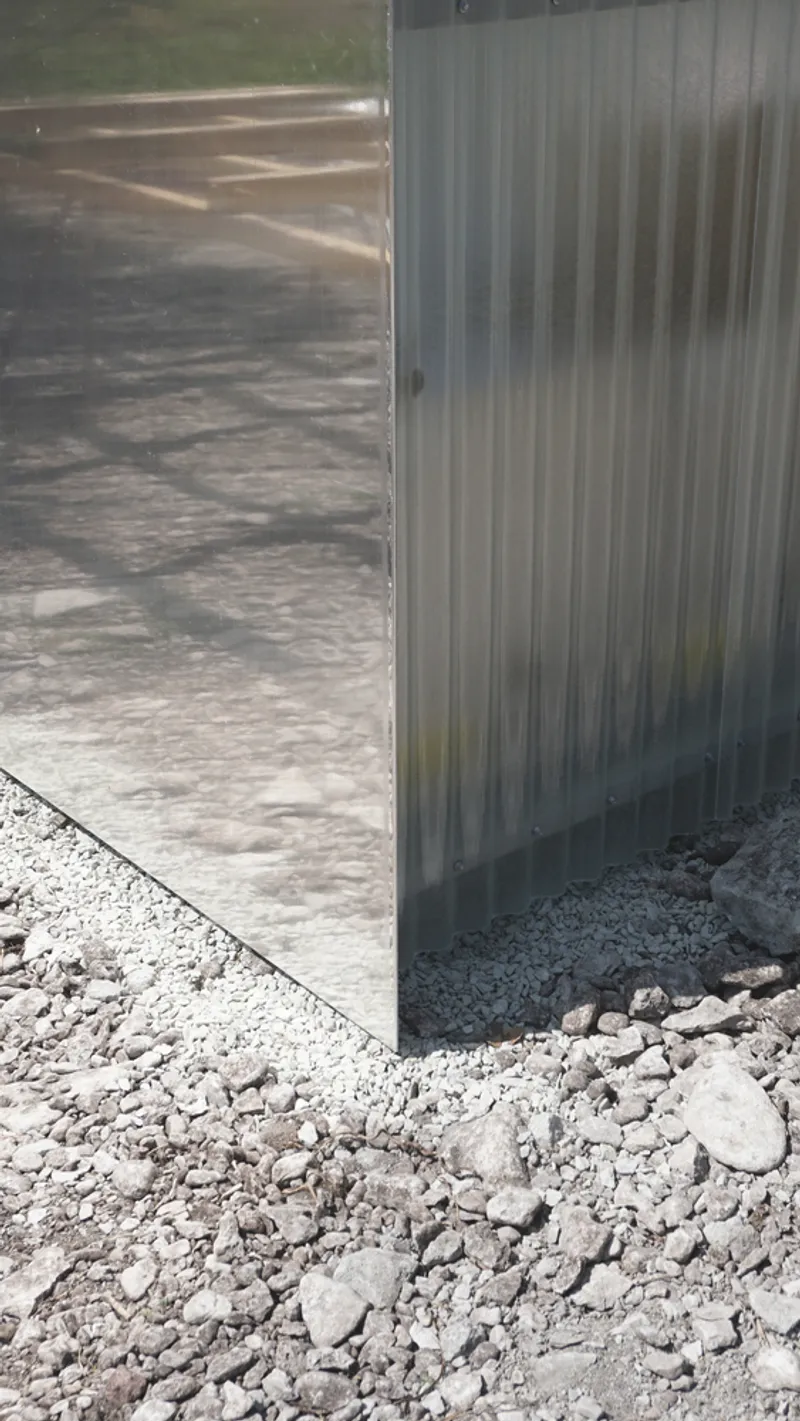
A lightweight aluminum skeleton made from scaffolding pipes forms the structure, wrapped in translucent corrugated plastic that glows with natural light. Large sliding aluminum doors on two sides create fluid boundaries between indoor and outdoor spaces—perfect for the coastal Swedish summer.
Prioritizing sustainability and material efficiency, the architects designed an outdoor kitchen and bicycle rack from leftover construction materials, proving that sustainable design can be both inventive and elegant.
A Dialogue Between Brutalism, Coastal Nature, and Experimental Craft
Together, Savannah House and Savannen Pavilion reflect a philosophy rooted in honesty, restraint, and experimentation. The architecture embraces roughness and imperfection, allowing the structures to age naturally alongside the windswept Gotland coast. Industrial materials become expressive, tactile, and unexpectedly warm, demonstrating the power of constraint in architectural creativity.
All photographs are works of Andy Liffner




Popular Articles
Popular articles from the community


Play: Fragments of Their World
Familiar architecture becomes modular playground design, creating safe spaces where displaced children can learn, connect, imagine and play.

The Earth Pod: 3D Printed Homes for Resilient Refugee Communities
The Earth Pod reimagines refugee housing through 3D printed homes made from clay, combining resilience, self-sufficiency, and rapid shelter.

Hill & Cross Opera: Sculptural Opera House Architecture Shaped by Tallinn’s Landscape and Identity
Hill & Cross Opera reimagines opera house architecture in Tallinn through its sculptural hill, civic plaza, glass wave and a luminous cross.

The Ocean Hive: Sustainable Architecture for a Self-Sufficient Civilization at Sea
The Ocean Hive imagines sustainable architecture at sea, where modular habitats, algae, wave power and ocean waste sustain a growing colony.


Similar Reads
You might also enjoy these articles


Hodi-Mandai Geram
Project Function: Preservation and revitalization of the Intangible heritage and socio-spatial identity of the Hodi by Housing, Cultural Memory Center, Sacred Grove, landscape, local tourism economy


Olio Towers: A Mid-Rise for Performers That Fuses Housing, Rehearsal, and Stage
Located blocks from Houston's Theater District, this modular tower stacks living units around a central performance atrium.

Oasis: Modular Green Housing Carved into Dhaka's Urban Fabric
A shortlisted Plugin Housing entry reclaims unauthorized settlements in Dhaka with stepped concrete volumes, green roofs, and ventilation-driven design.

Black Hole: A Floating Megastructure for the Post-Physical Era
Emiliano Mazzarotto envisions a spherical, self-scaling arena where e-sports, digital hotels, and holographic stadiums replace traditional public space.


Explore Seaside Architecture Competitions
Discover active competitions in this discipline



Challenge to reimagine the Iron Throne


Photograph architecture without architects


Illustrate the lost glory of Angkor Wat - Render Challenge


Design challenge to reuse E-waste
Comments (0)
Please login or sign up to add comments
No comments yet. Be the first to comment!