
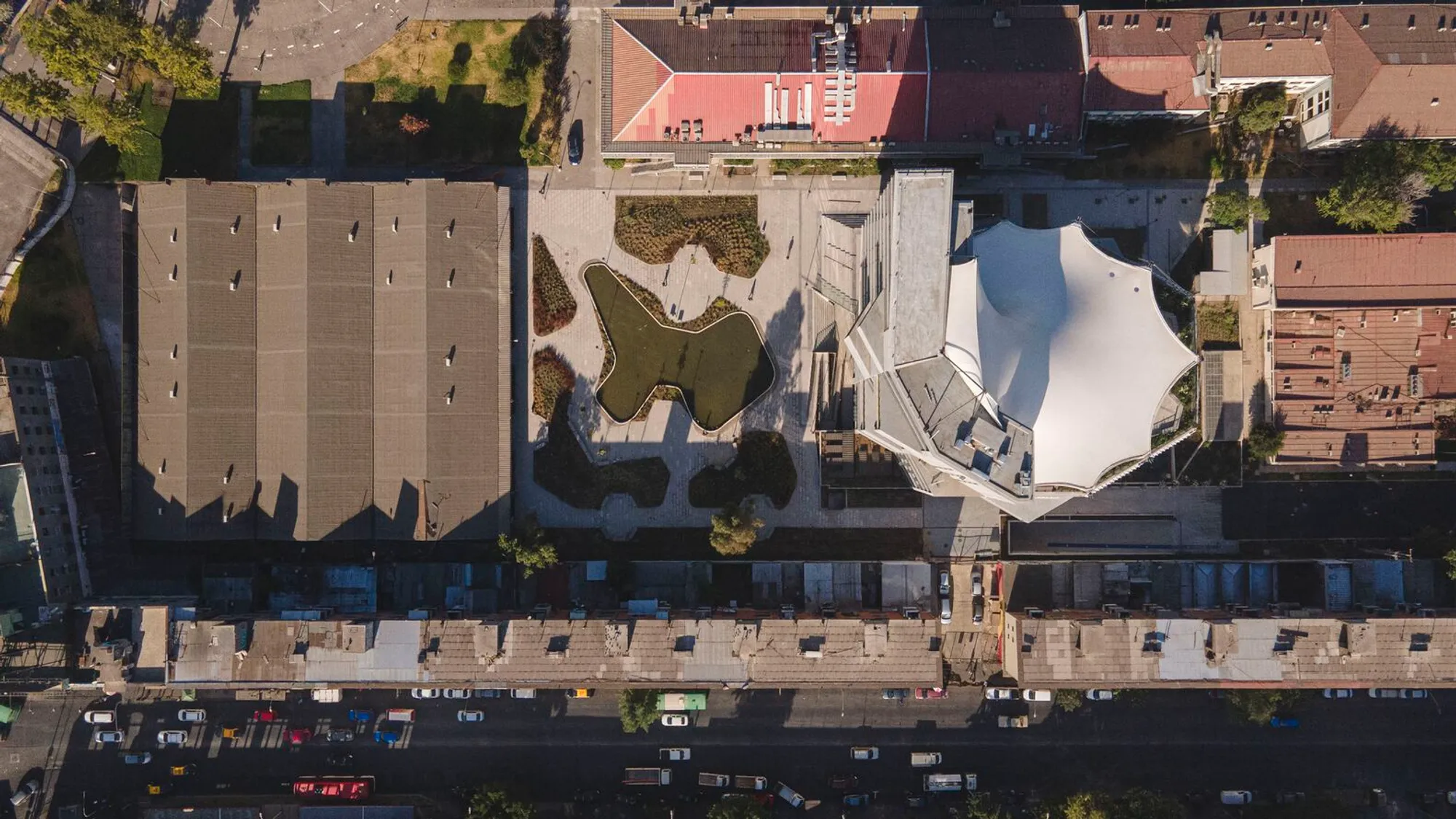
School of Business and Economics FAE Building – University of Santiago de Chile
Dynamic educational building in Santiago promoting peripatetic learning through ramps, terraces, and social spaces, blending architecture with civic engagement.


Marsino Arquitectura Redefines Academic Space Through Peripatetic Architecture
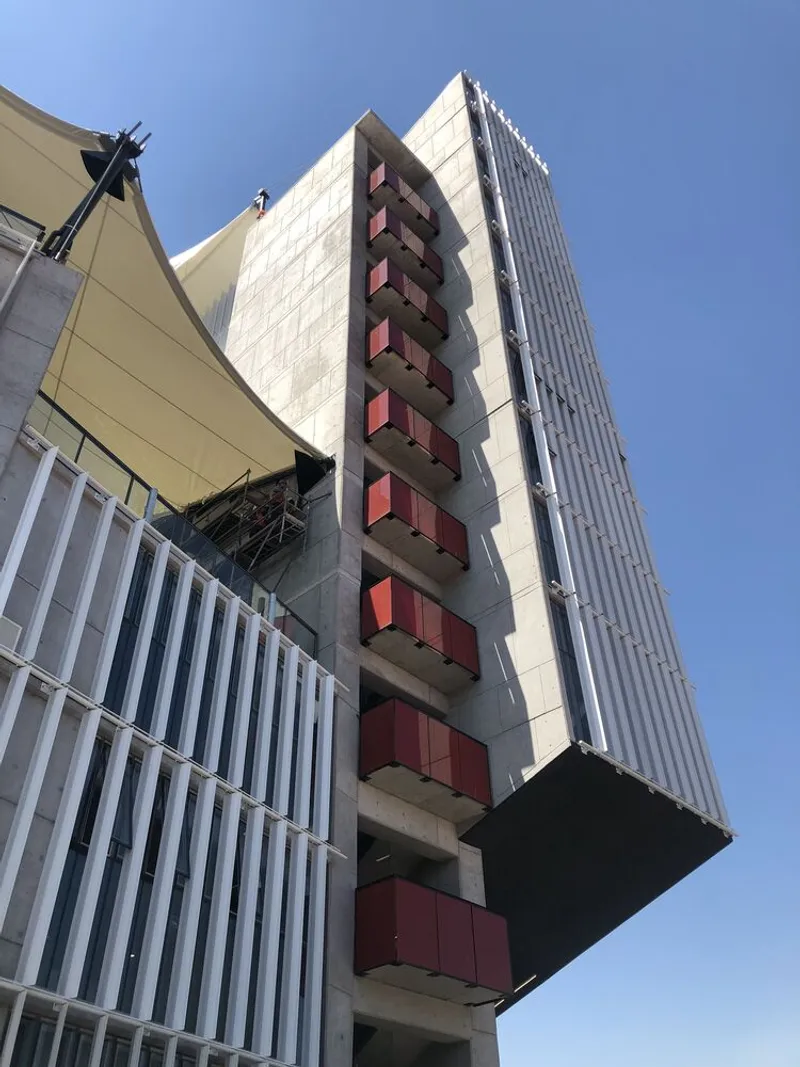
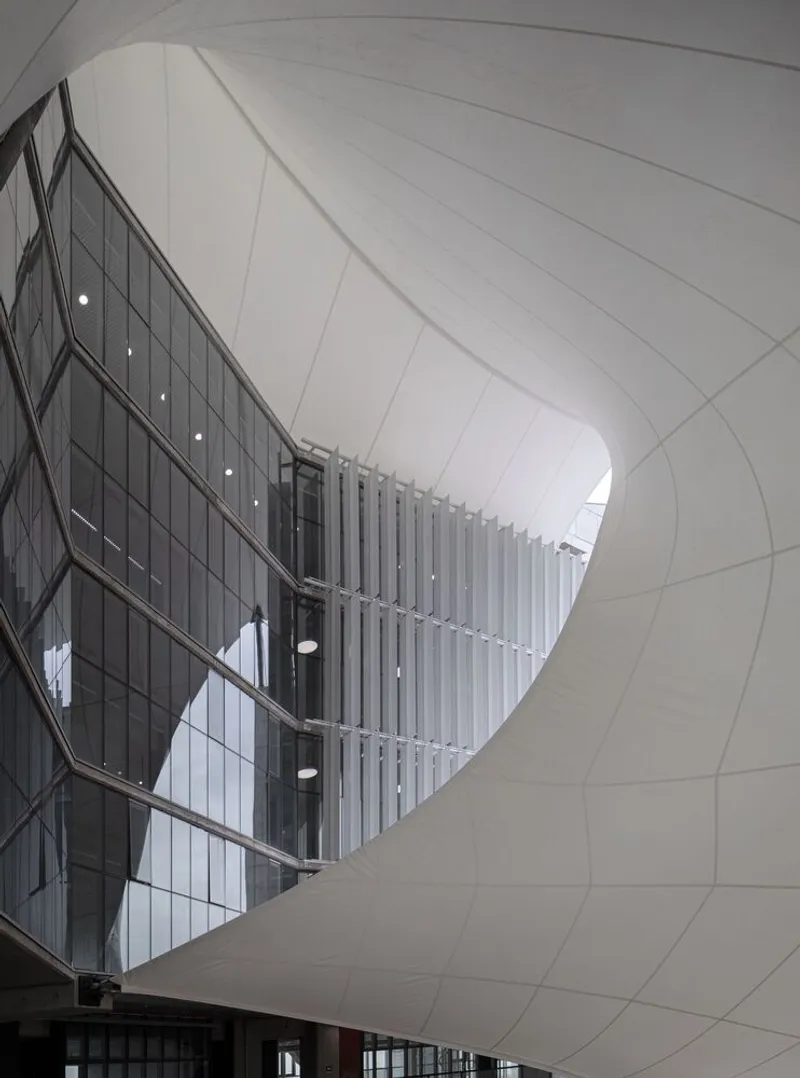
Designed by Marsino Arquitectura, the new School of Business and Economics (FAE) Building at the University of Santiago de Chile is a bold architectural statement that reimagines the role of educational environments. Completed in 2021, this 13,150-square-meter academic facility embraces a spatial philosophy centered on movement, interaction, and the formation of civic-minded individuals.
A Pedagogical Space Inspired by Peripatetic Philosophy
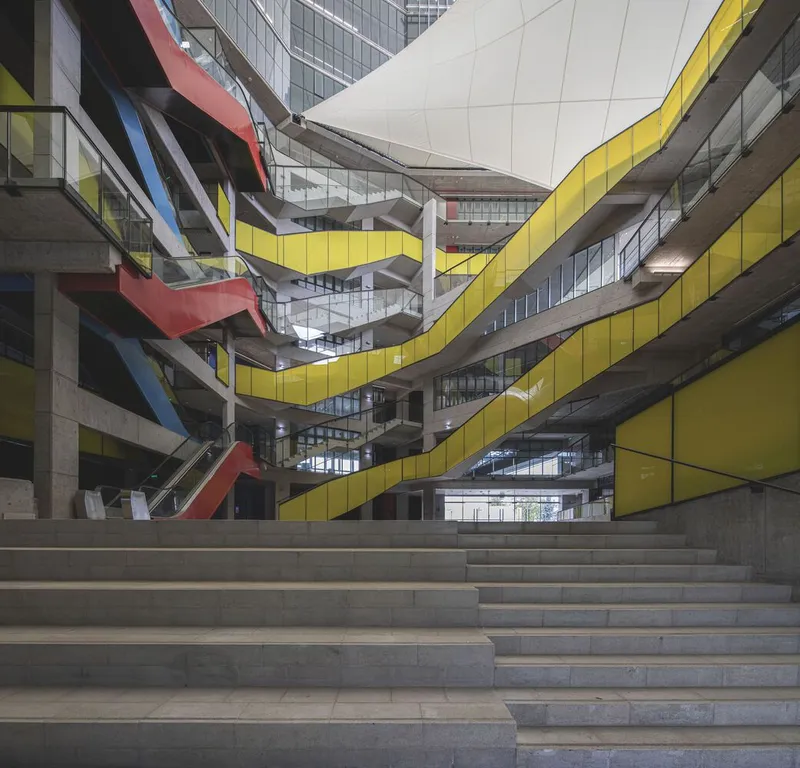
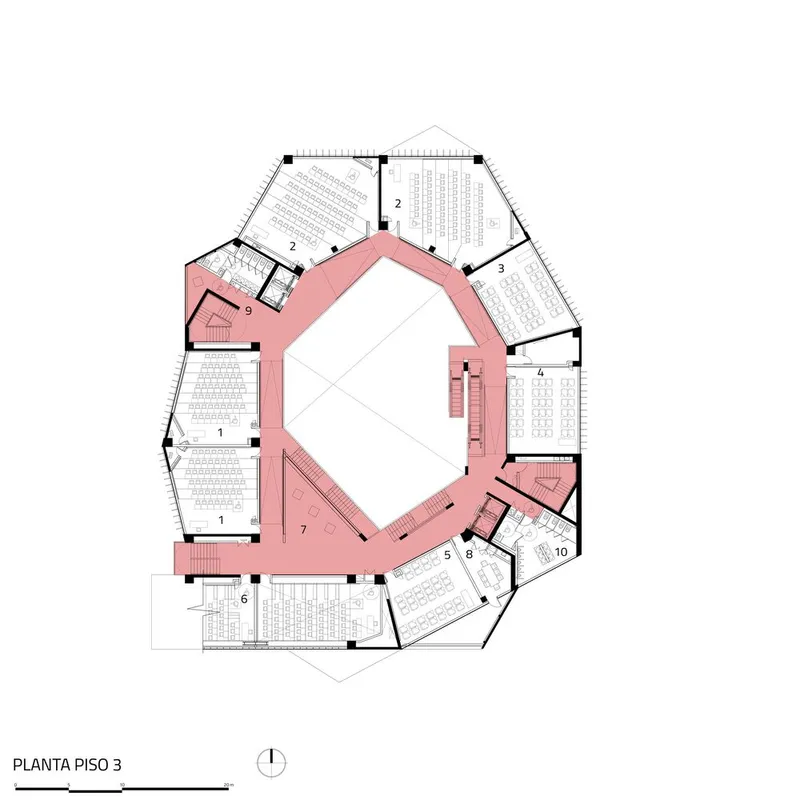
Marsino Arquitectura draws upon the Aristotelian concept of peripatetic learning, where education is intrinsically linked to movement. Instead of traditional corridors and classrooms, the FAE Building invites students and faculty to engage in continuous circulation. The design promotes what the architects describe as a "community walk"—a deliberate, circular promenade through a sequence of spaces that blend academic functions with social interaction.
The building’s ramped corridors serve as architectural arteries, connecting plazas, terraces, patios, and balconies. These pathways culminate at the landscaped roof terrace, where users are offered panoramic views over the university campus, Santiago’s urban fabric, and the broader Chilean landscape.
The Oblique as an Architectural Strategy
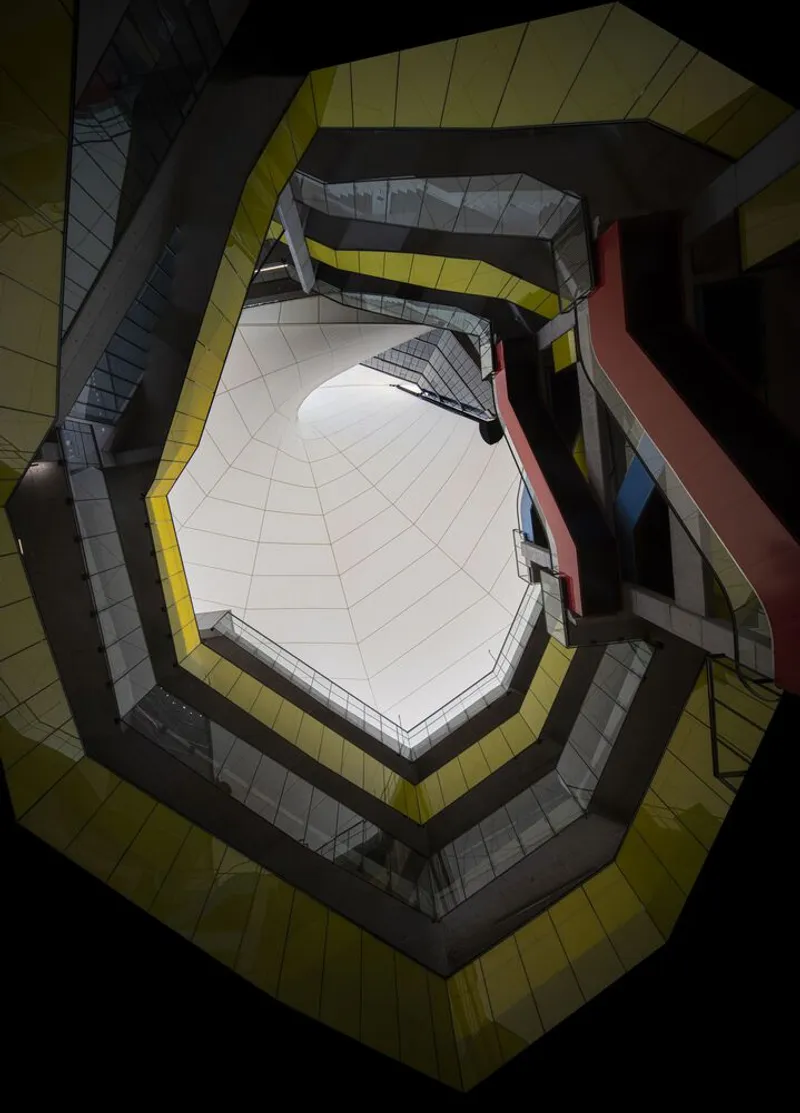
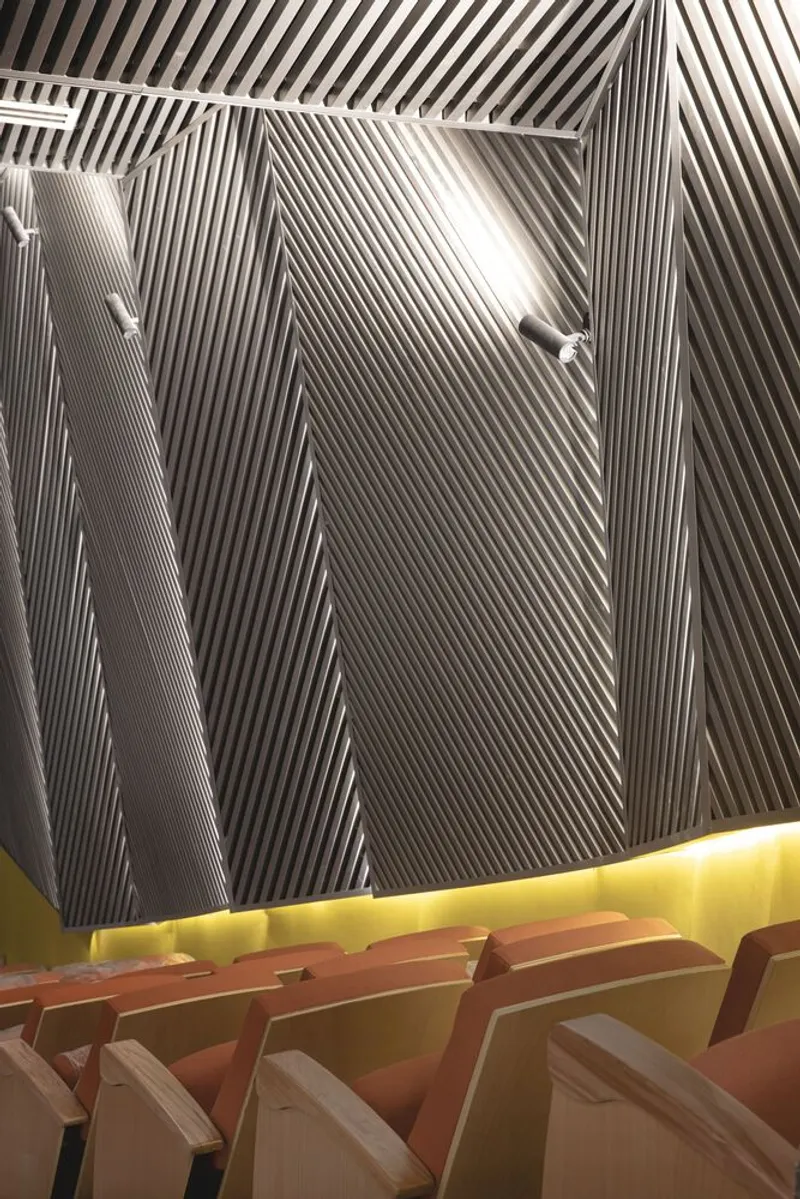
Influenced by Claude Parent and Paul Virilio's "oblique function," the project embraces non-Cartesian geometries, encouraging users to inhabit the diagonal. This architectural gesture enhances bodily awareness and active engagement with space. The ramps and sloped surfaces create a playful, non-hierarchical environment that challenges conventional academic structures and facilitates spontaneous interaction.
This approach aligns with Marsino Arquitectura’s evolving design philosophy, which emphasizes transformational and inclusive educational spaces. Ramps have become more than just accessibility tools—they are dynamic, performative features that promote participation and creativity.
From Object to Subject: Architecture as a Catalyst for Human Development
The FAE Building signals a shift in design thinking—from architecture as an autonomous object to architecture as a subject shaped by its users. This human-centric design strategy encourages a co-creative relationship between space and inhabitant, allowing for fluidity, adaptability, and serendipity.
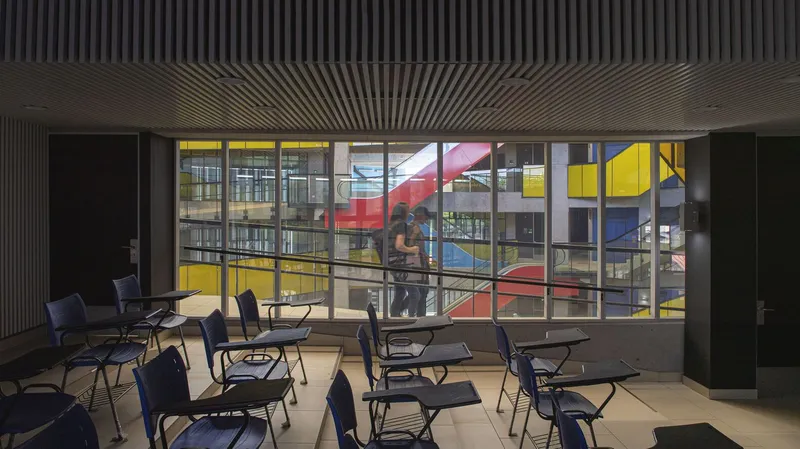
The building’s colorful palette, inspired by the work of Chilean muralist Mono González, activates the circulation paths, imbuing them with cultural significance and visual energy. Elevators and escalators, paired with expansive ramps, are treated as performative elements—components of an interactive scenography where even bicycles may traverse academic zones.
A Hybrid Urban Identity
Architecturally, the FAE Building establishes a dialogue with Santiago’s diverse urban context. It integrates familiar elements from Chilean popular culture—the spiral-shaped “caracol” shopping center, pedestrian bridges, and the circus tent—into its design language. This results in a hybrid and non-finite form, reflecting both mestizo cultural identity and an openness to future transformations and extensions.
This adaptive architecture demonstrates a commitment to evolution and inclusivity, making space not only for academic growth but also for social, cultural, and environmental change.
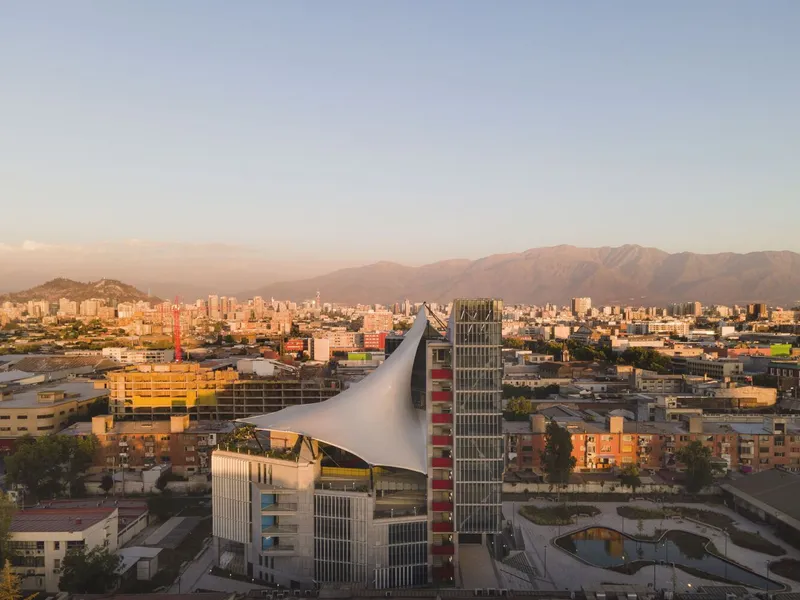
All Photographs are works of Pablo Casals-Aguirre




Popular Articles
Popular articles from the community


The Earth Pod: 3D Printed Homes for Resilient Refugee Communities
The Earth Pod reimagines refugee housing through 3D printed homes made from clay, combining resilience, self-sufficiency, and rapid shelter.

The Ocean Hive: Sustainable Architecture for a Self-Sufficient Civilization at Sea
The Ocean Hive imagines sustainable architecture at sea, where modular habitats, algae, wave power and ocean waste sustain a growing colony.

Riyadh For All: Intergenerational Urban Design for Active Aging in Rabat
Riyadh For All reimagines urban design in Rabat with intergenerational co-living, adaptive courtyards, and Moroccan cultural exchange today.

Co-Life: Senior Housing Design That Reconnects Older Adults With the City
Co-Life reimagines senior housing design through healing gardens, shared streets, workshops, and a sustainable community across generations.

Similar Reads
You might also enjoy these articles


Hodi-Mandai Geram
Project Function: Preservation and revitalization of the Intangible heritage and socio-spatial identity of the Hodi by Housing, Cultural Memory Center, Sacred Grove, landscape, local tourism economy


Olio Towers: A Mid-Rise for Performers That Fuses Housing, Rehearsal, and Stage
Located blocks from Houston's Theater District, this modular tower stacks living units around a central performance atrium.

Oasis: Modular Green Housing Carved into Dhaka's Urban Fabric
A shortlisted Plugin Housing entry reclaims unauthorized settlements in Dhaka with stepped concrete volumes, green roofs, and ventilation-driven design.

Black Hole: A Floating Megastructure for the Post-Physical Era
Emiliano Mazzarotto envisions a spherical, self-scaling arena where e-sports, digital hotels, and holographic stadiums replace traditional public space.


Explore Academic Building Competitions
Discover active competitions in this discipline



Challenge to design public laboratory


Challenge to reimagine the Iron Throne


Photograph architecture without architects


Illustrate the lost glory of Angkor Wat - Render Challenge
Comments (0)
Please login or sign up to add comments
No comments yet. Be the first to comment!