
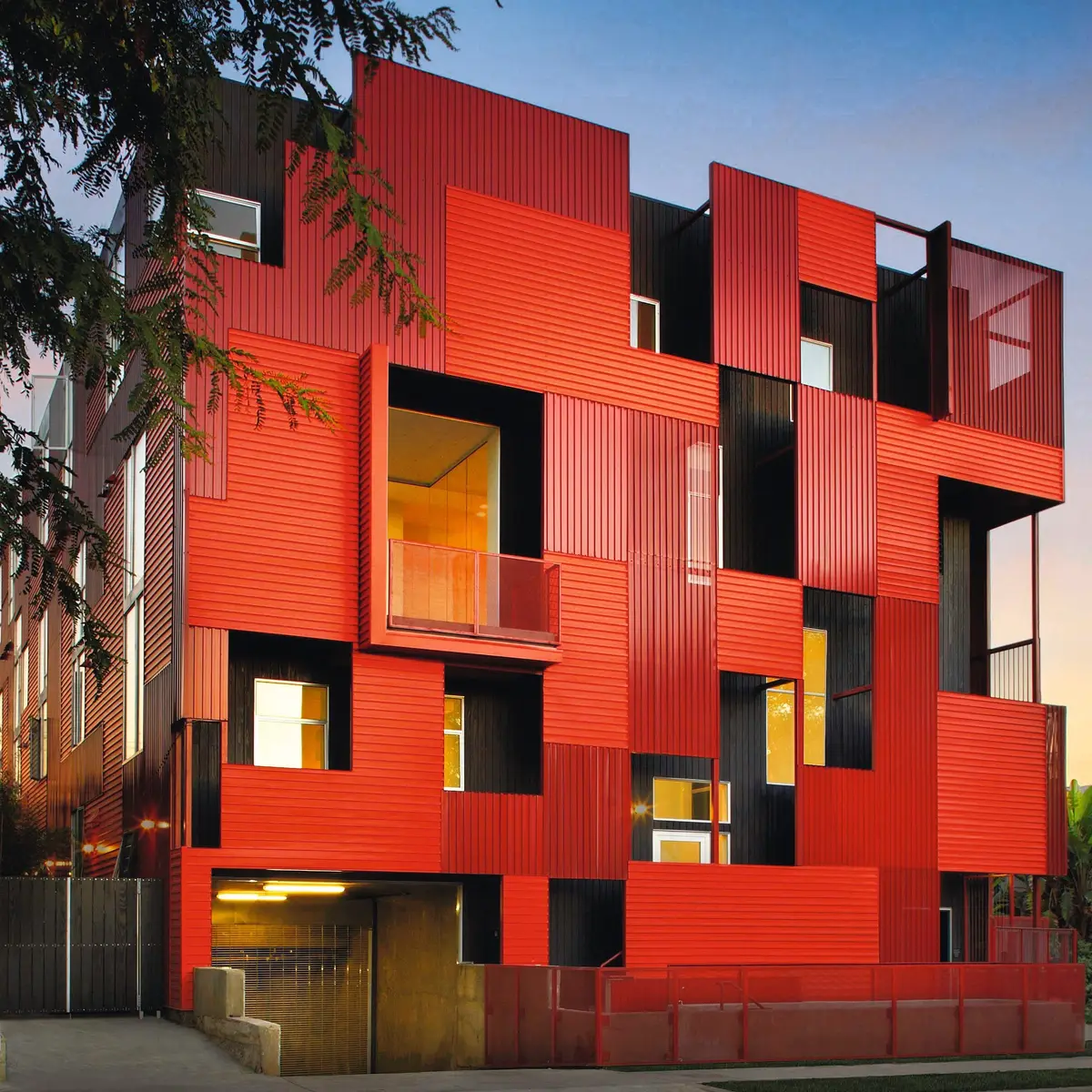
SHADOW GAME
Experiential

Based on the Waldorf philosophy of 'brain, heart and hands', the aim is forthe child to learn on his/her own by establishing a relationship with these factors. In addition to standard education, a more functional form of education is aimed by creating the educational factors by the child himself/herself. It is advocated that education should go beyond the standard and be everywhere and at any time. The shadow allows the child to create space for himself/herself. Instead of forcing and dragging the child, the child creates an educational space for himself by giving his own function to the shadows formed.
The school project, which aims for primary school education, has a capacity of 60 students. There are 5 student groups divided into different age groups. In the sections allocated to the courtyards, there is a kitchen, workshops, qualified classrooms, a demonstration area and an agricultural area that children will use personally. The courtyards, which are formed with the shadows of the woods created by nature, are located on sloping land at different elevations. The shadow elements created in different courtyards take a rhythm according to the function of that courtyard. This shade element, which provides shade vertically and horizontally, is used by the child by attributing a unique function to it. For example, he can hang and dry vegetables on the boards lined horizontally.

Popular Articles
Popular articles from the community


David Ortega Stacks a Two-Story Mexico City Penthouse Around a Steel Stair and a Pergola-Shaded Roof Terrace
In Colonia Roma, a 300 m² penthouse uses oak joinery, a planted steel stair and a slatted roof pergola to make a new-build apartment feel like a house.

FCC Arquitectura Expands a Portuguese Granite House with a Board-Marked Concrete Wing
In Portugal, JV House pairs a cleaned-up whitewashed and granite dwelling with a timber-shuttered concrete extension, courtyards and a garden pool.


The Amber Palace Opera: A Geological Fiction Surfaces on Tallinn's Baltic Waterfront
Pierre Brillard reimagines a Baltic legend as a public landscape, opera house, and waterfront promenade rooted in Tallinn's coastal identity.

Juan García Correa, John González and Claudia Rueda Sink a Circular Amphitheater into a Manizales Engineering Building
On the La Nubia campus in Manizales, Colombia, the S1 Building folds labs and offices into a hillside of ramped lawns that double as a campus route.

Similar Reads
You might also enjoy these articles

The Rhythm of Seasons
A Farmers' Market Connecting Nature and the City


More Than a Building-Designing a Living System
More Than a Building-Designing a Living System
Base Beyond
DESERT COMPOUND ARID: TOURISM OF ABSENCE AND ABUNDANCE

Explore Educational Play Competitions
Discover active competitions in this discipline


Challenge to reimagine the Iron Throne

Photograph architecture without architects

Illustrate the lost glory of Angkor Wat - Render Challenge

Design challenge to reuse E-waste
Comments (0)
Please login or sign up to add comments
No comments yet. Be the first to comment!