

Solum Installation by Atelier Faber – A Landmark Environmental Art & Landscape Architecture Project in Luxembourg
House in Anglesea blends timber, light, and coastal design to create a warm, modern retreat seamlessly connected to its natural surroundings.


Solum by Atelier Faber is a groundbreaking landscape installation in Luxembourg City that highlights the critical role of soil permeability, ecological restoration, and sustainable water management. Designed on the historic site of an old well, the installation functions as both an architectural intervention and a living environmental exhibit, revealing how the natural reclamation of soil contributes to combating drought, flooding, and climate instability.
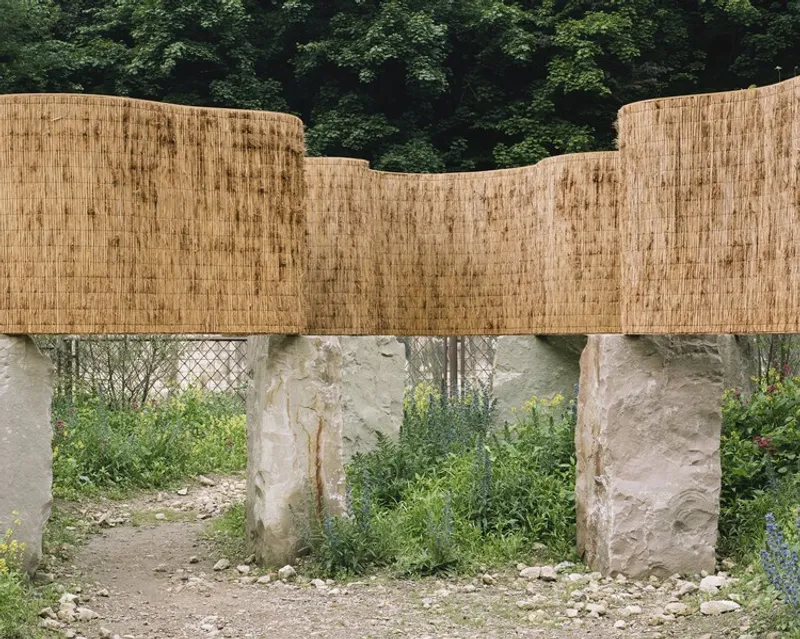

A Landscape Installation Rooted in Ecology and Soil Regeneration
Atelier Faber approaches the project with a deep focus on environmental architecture. Solum draws attention to the natural process through which inert, compacted soil gradually becomes porous again through the activity of microorganisms, roots, and organic matter. This return of porosity is essential for:
- Rainwater absorption
- Groundwater replenishment
- Reducing surface runoff
- Enhancing climate resilience
By positioning the installation at a culturally significant former well, the architects reconnect the site to its elemental history of water, geology, and soil.

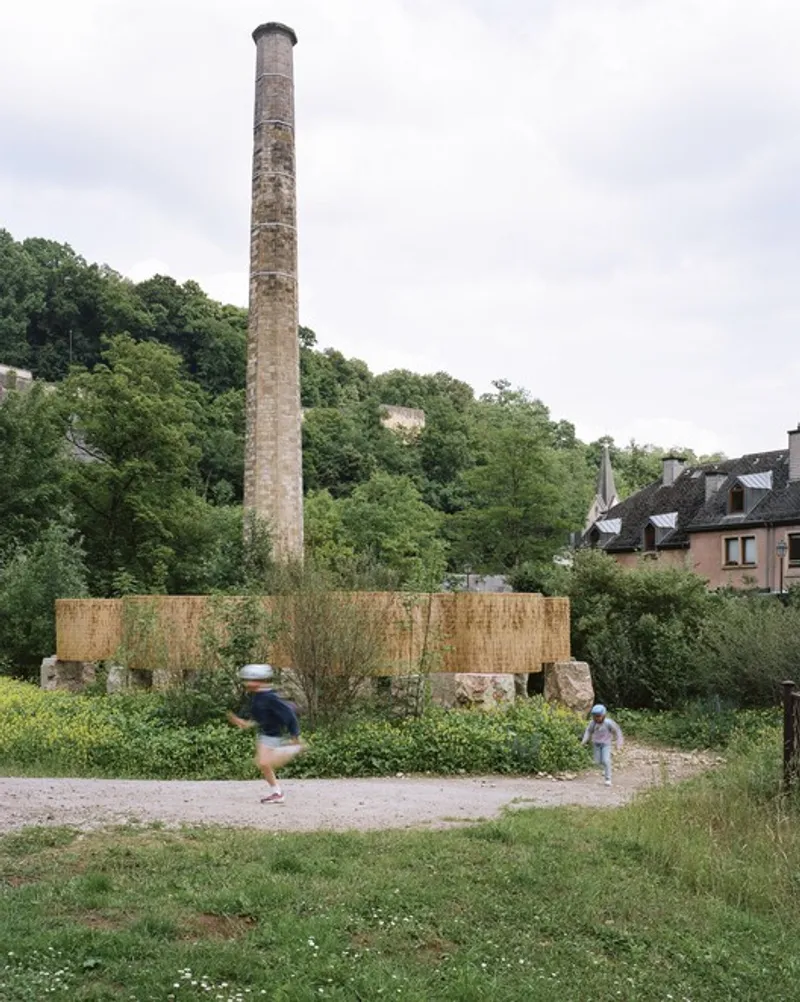

A Primitive yet Contemporary Architectural Language
Solum stands out for its raw, elemental aesthetic. The installation features:
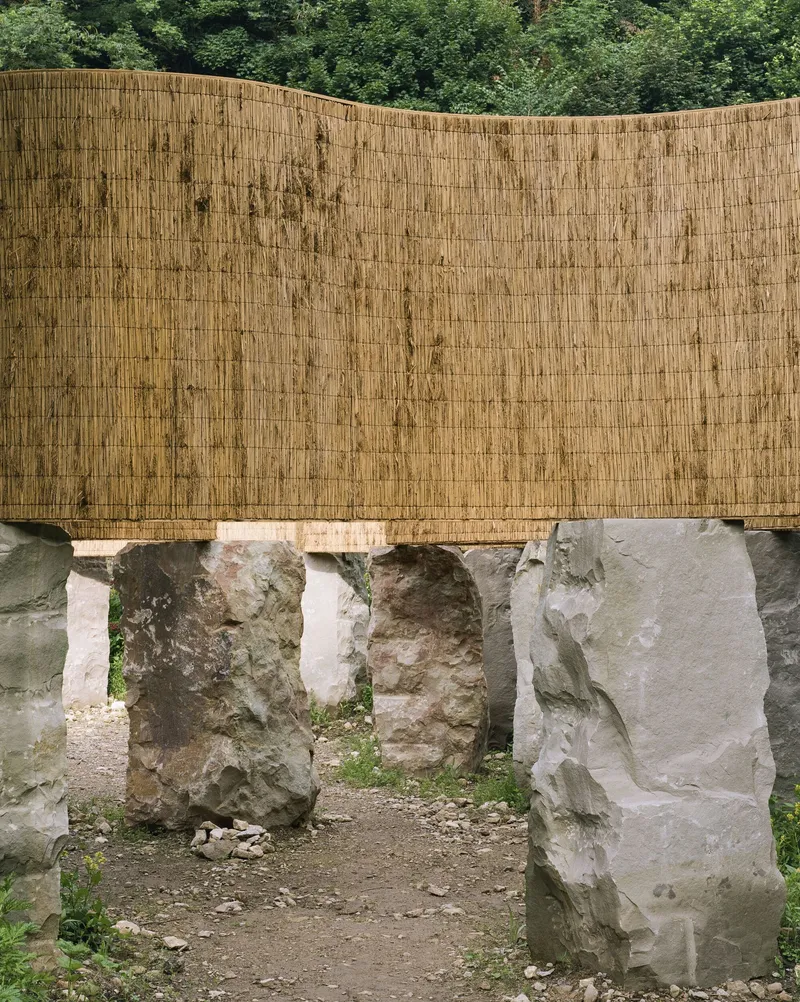
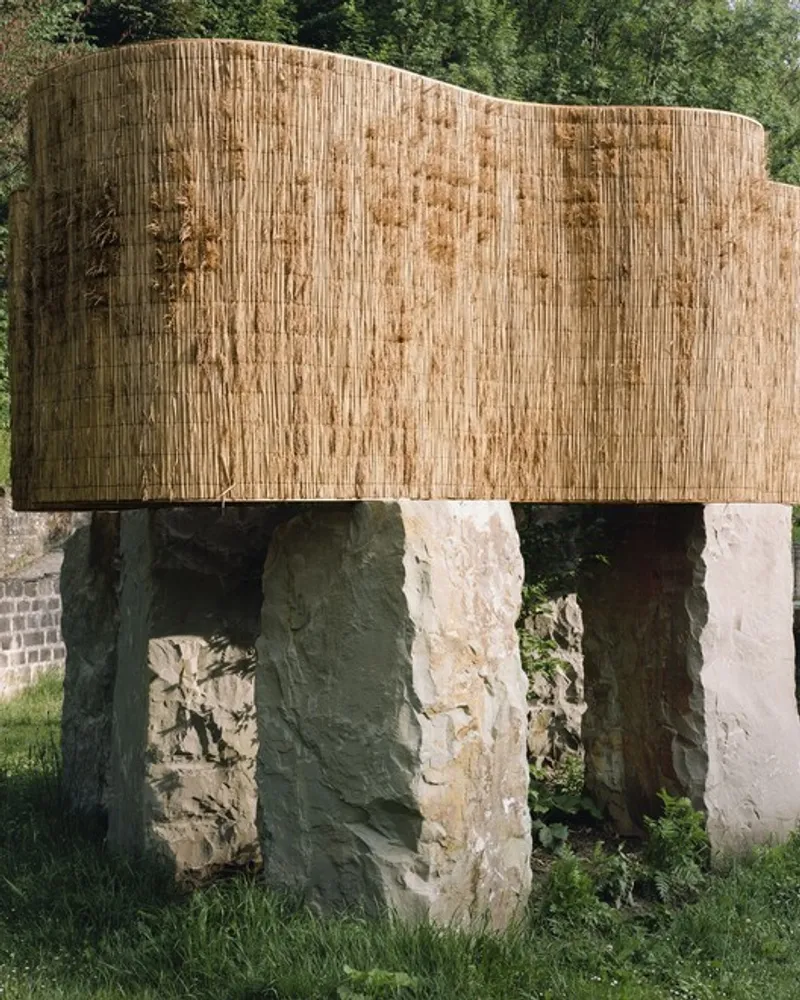
- Luxembourg sandstone pillars, symbolizing the geological foundation that helped form the country’s largest aquifer.
- A band of reeds, representing wetlands and the natural ecosystems responsible for maintaining soil permeability.
The layered composition merges stone and plant life to create a landscape that feels ancient yet timely—an architectural narrative about nature’s power to reclaim and heal.
Celebrating Spontaneous Flora and Ecological Succession
One of the most unique aspects of Solum is its integration with the existing spontaneous vegetation that had emerged naturally on the site. Without human intervention—no watering, fertilizing, or maintenance—the surrounding plants represent the species most resilient and best adapted to the local soil and climate.
The landscape design strengthens this ecosystem by:
- Enhancing the density of the shrub layer
- Encouraging ruderal species in nitrogen-rich soils
- Supporting grasses and hardy annuals in dry zones
This approach emphasizes biodiversity, soil health, and long-term ecological balance, aligning landscape architecture with natural processes rather than controlling them.
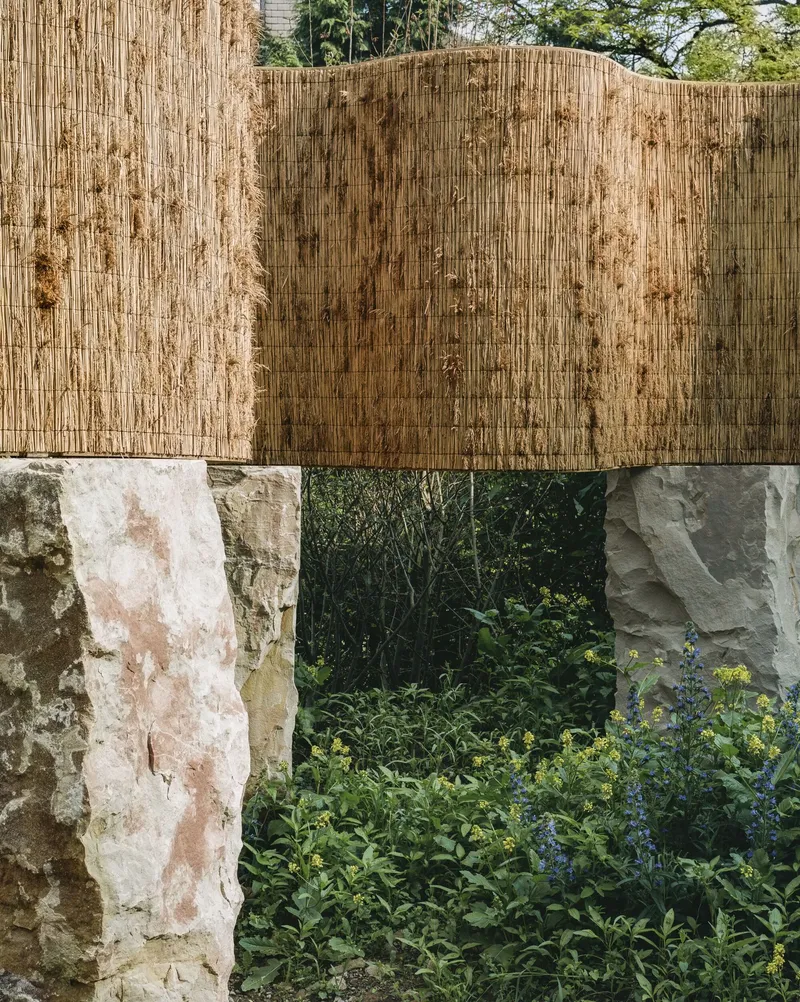
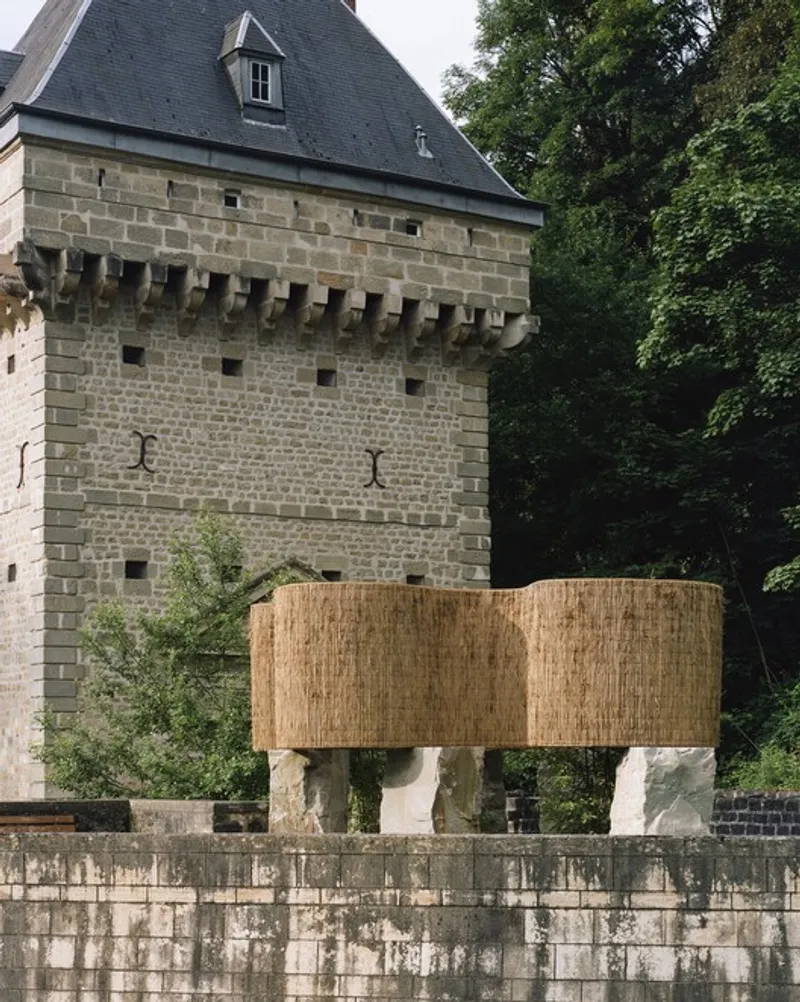
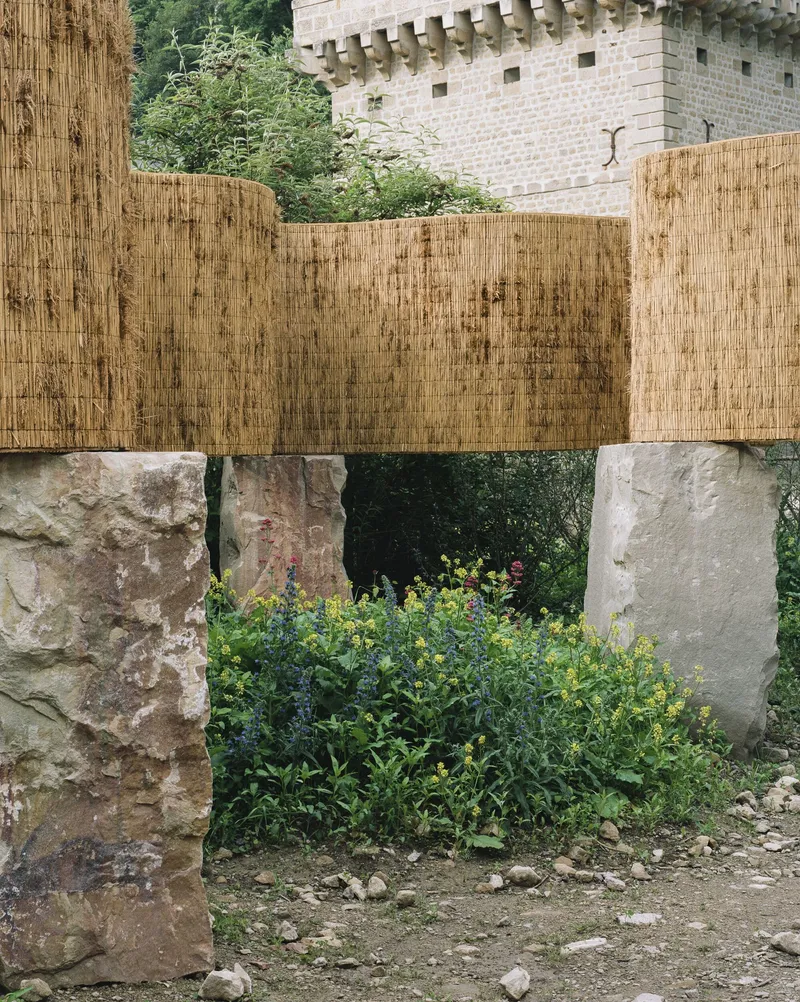

Materials that Connect Heritage and Environment
Solum uses only two primary materials, each loaded with meaning:
- Reeds – lightweight, flexible, and symbolic of wetland ecosystems
- Luxembourg sandstone – representing the region’s geological memory and water-bearing formations
Together, they create a structure that is both sculptural and ecological, enhancing the visual identity of the site while educating visitors on the importance of soil and water cycles.

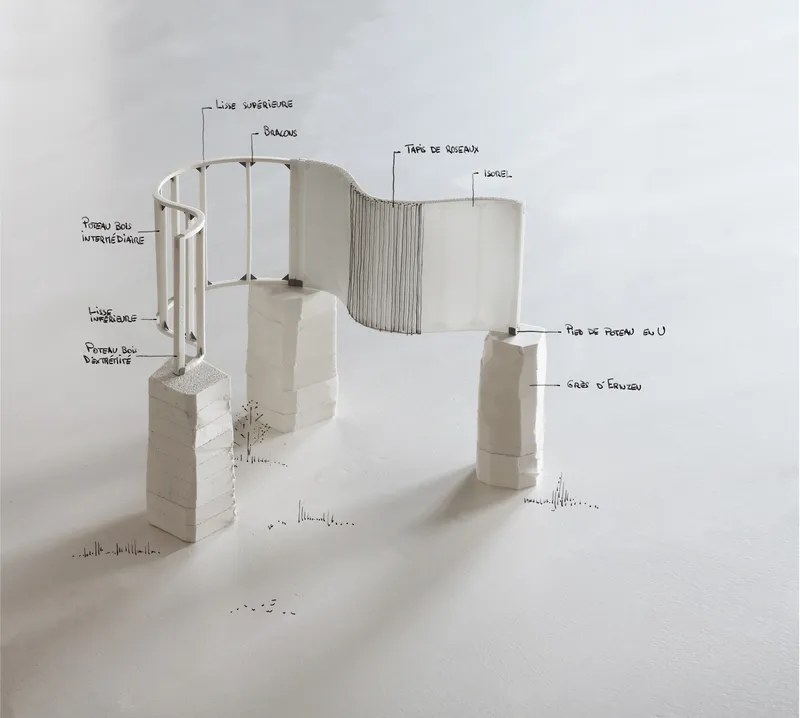
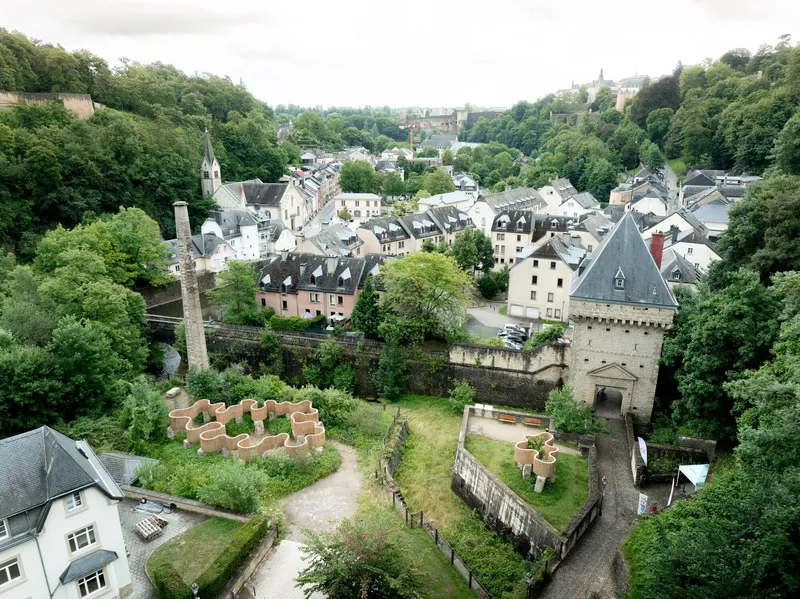
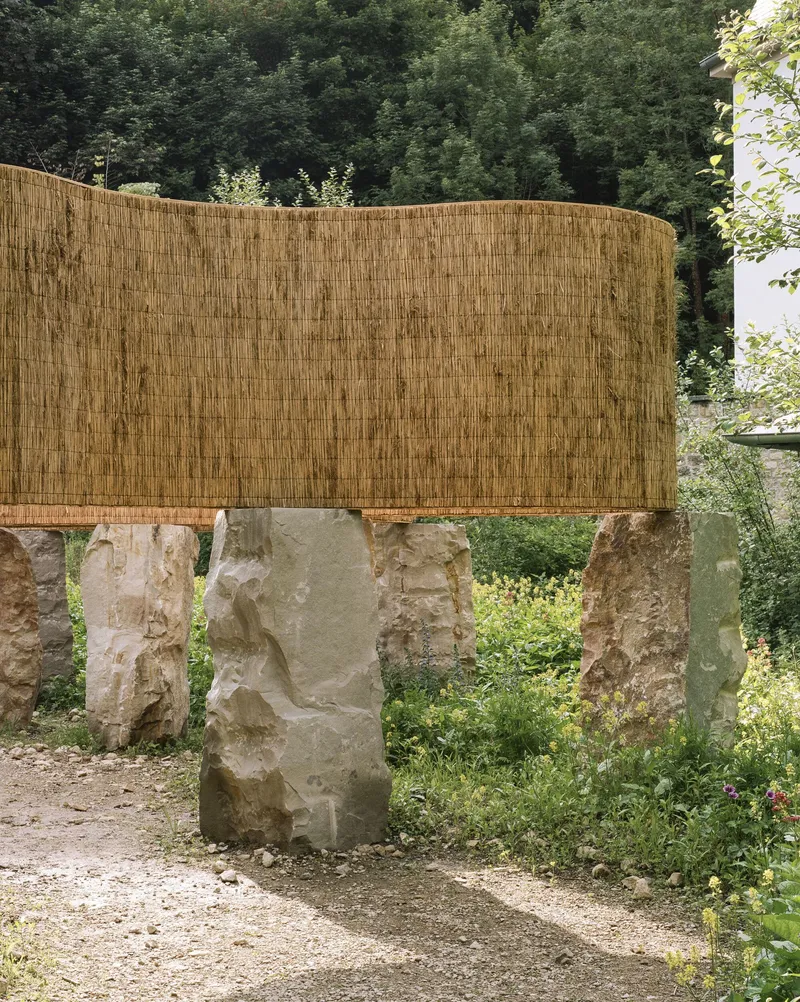
All the photographs are works of Giaime Meloni, LUGA


Popular Articles
Popular articles from the community


Singing Woman: An Opera House That Performs Before the Curtain Rises
Ovidiu Cristian Pavel's conceptual opera house translates Estonia's choral identity into a sculpted waterfront landmark facing the Baltic Sea.
Cloaked Colonization: A Mobile Underwater Habitat That Moves Like a Fish
Micah Abaya's shortlisted EHC Pacific entry reimagines ocean settlement as a dispersed network of self-sustaining architectural organisms.

The Amber Palace Opera: A Geological Fiction Surfaces on Tallinn's Baltic Waterfront
Pierre Brillard reimagines a Baltic legend as a public landscape, opera house, and waterfront promenade rooted in Tallinn's coastal identity.

Faces of the Soviet Avant-Garde: Turning Moscow's Street Names into an Open-Air Museum
A network of sculptural installations across a Moscow residential district transforms forgotten architect names into spatial encounters with cultural memor

Similar Reads
You might also enjoy these articles


Hodi-Mandai Geram
Project Function: Preservation and revitalization of the Intangible heritage and socio-spatial identity of the Hodi by Housing, Cultural Memory Center, Sacred Grove, landscape, local tourism economy


Olio Towers: A Mid-Rise for Performers That Fuses Housing, Rehearsal, and Stage
Located blocks from Houston's Theater District, this modular tower stacks living units around a central performance atrium.

Oasis: Modular Green Housing Carved into Dhaka's Urban Fabric
A shortlisted Plugin Housing entry reclaims unauthorized settlements in Dhaka with stepped concrete volumes, green roofs, and ventilation-driven design.

Black Hole: A Floating Megastructure for the Post-Physical Era
Emiliano Mazzarotto envisions a spherical, self-scaling arena where e-sports, digital hotels, and holographic stadiums replace traditional public space.

Explore Soil Architecture Competitions
Discover active competitions in this discipline

Challenge to design a portable theatre

Challenge to design a portable music platform

Challenge to design an open learning module for the elderly

Challenge to reimagine the Iron Throne
Comments (0)
Please login or sign up to add comments
No comments yet. Be the first to comment!