

Spaarndammerhart Housing: A Contemporary Urban Housing Solution in Amsterdam
Spaarndammerhart Housing blends modern design with historical references, offering sustainable, community-focused living spaces in Amsterdam's Spaarndammer neighborhood.


Spaarndammerhart Housing Project
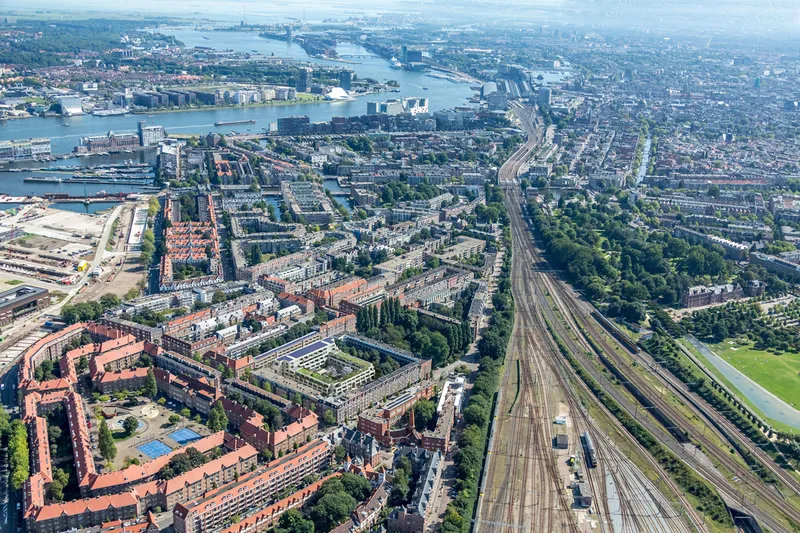
Spaarndammerhart Housing, designed by Marcel Lok_Architect and Korth Tielens Architects, is a standout social housing project in the heart of Amsterdam, the Netherlands. Completed in 2021, this ambitious urban development revitalizes the Spaarndammer neighborhood, reintroducing a key lost street and restoring its historic urban fabric. The project not only addresses the need for diverse housing options but also integrates sustainability and community engagement into the design, offering a model for modern social living in a historical context.
Revitalizing the Spaarndammer Neighborhood
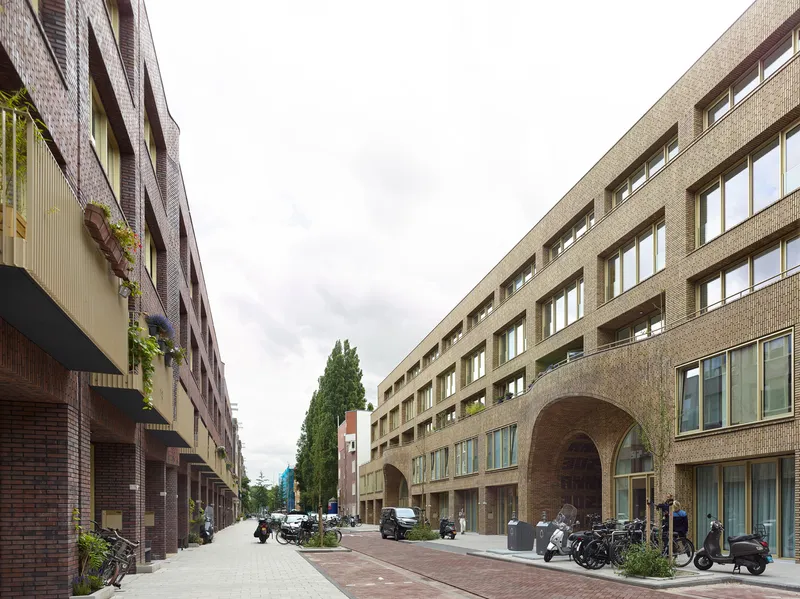
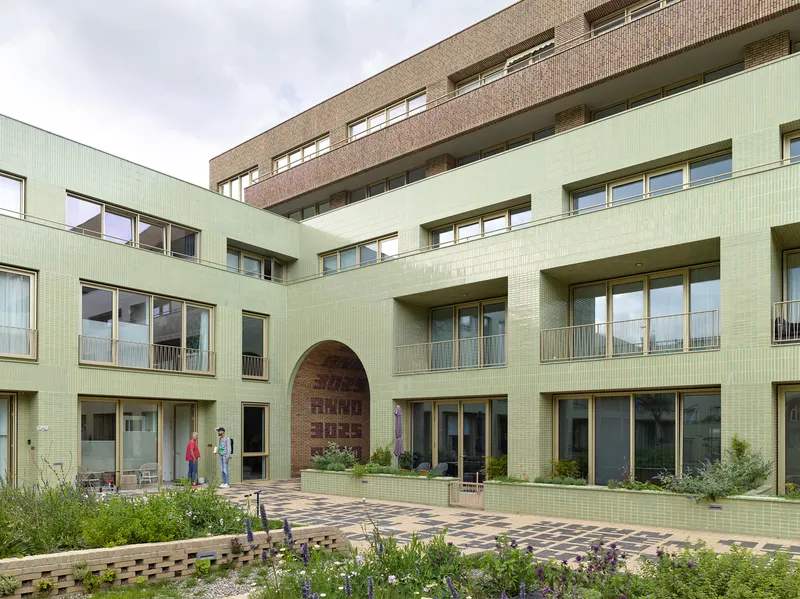
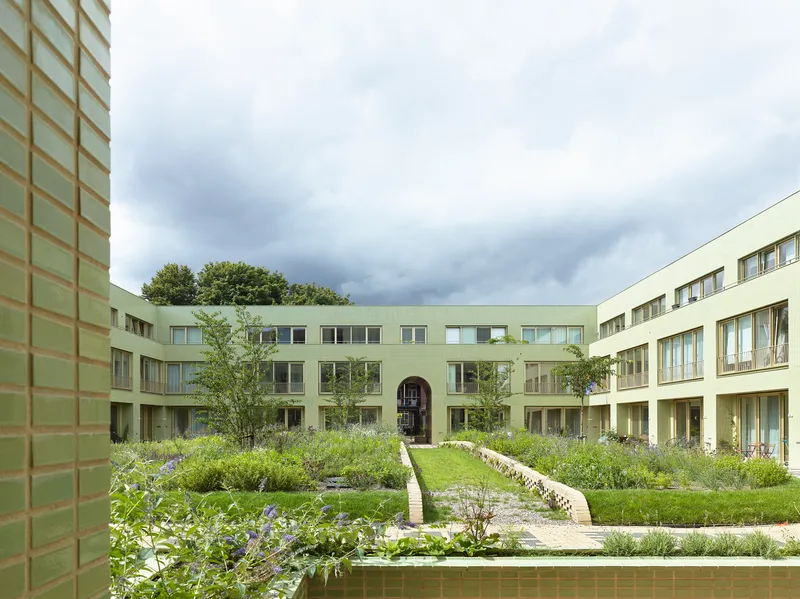
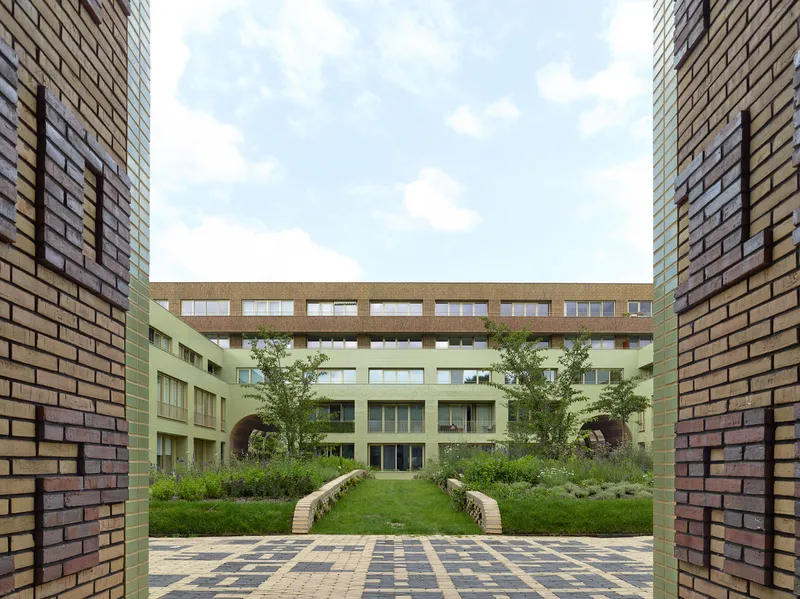
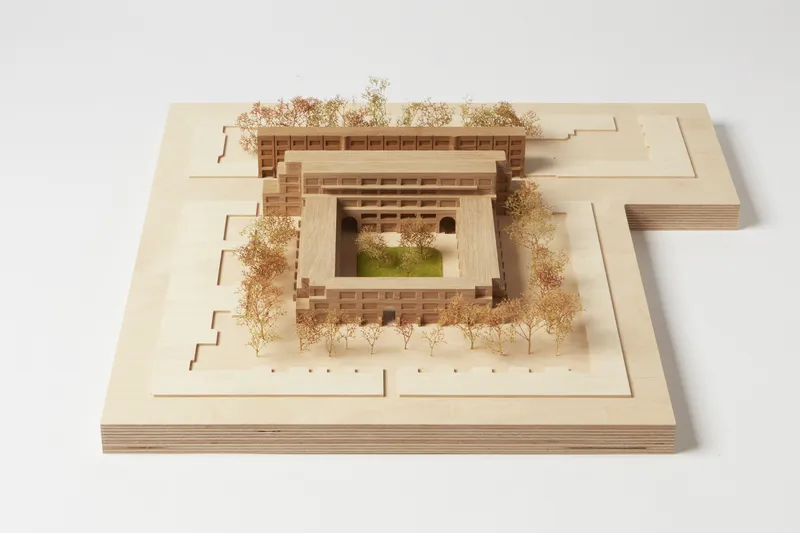
The Spaarndammerhart Housing project restores a street that disappeared in the 1970s for the construction of the Spaarndammerschool. This critical project reconnects the neighborhood’s urban fabric, establishing two new street walls and a public courtyard that links to De Klerk's iconic Het Schip. The design honors Amsterdam's historic context while embracing contemporary architecture. With references to several world-famous buildings by the Amsterdam School, the development blends tradition with modernity, ensuring that the area's cultural heritage is respected.
Diverse Housing Options for a Mixed Community
Social Housing and Affordable Rentals
Spaarndammerhart Housing offers a mix of housing types, including social rental housing for starters, seniors, and larger families, making it an inclusive development that caters to various community needs. Additionally, the project includes private rental apartments and owner-occupied homes, ensuring a diverse mix of residents. A total of 80 homes are featured in the project, including 26 social housing units, 18 private sector rentals, and 36 homes for private ownership.

Sustainable and Communal Design
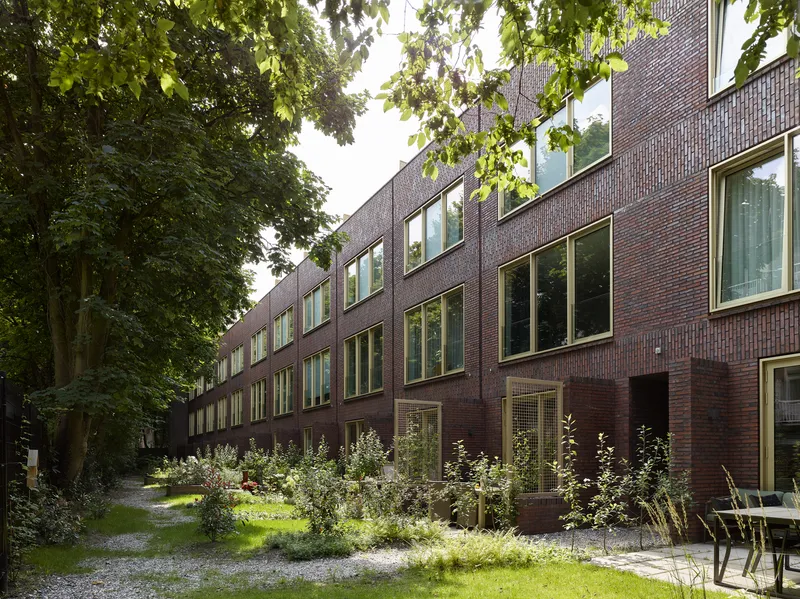
One of the standout features of Spaarndammerhart is its emphasis on sustainability and collectivity. The design incorporates green spaces, such as a communal garden and a 'green cushion' in the courtyard, designed by DS Landscape Architects. These areas provide much-needed green relief in an urban environment, fostering a sense of community and encouraging outdoor living.
Architecture: Contemporary Design with Historic References
Rich Brickwork and Modern Facades
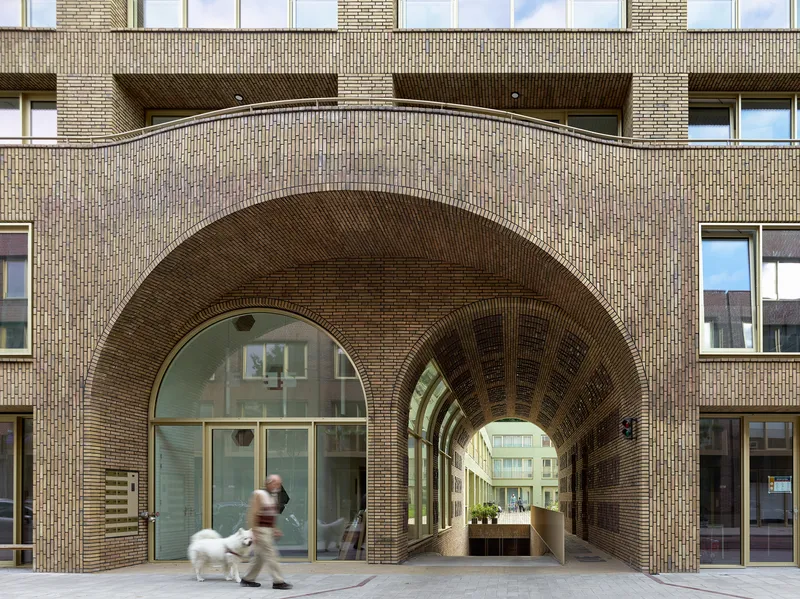
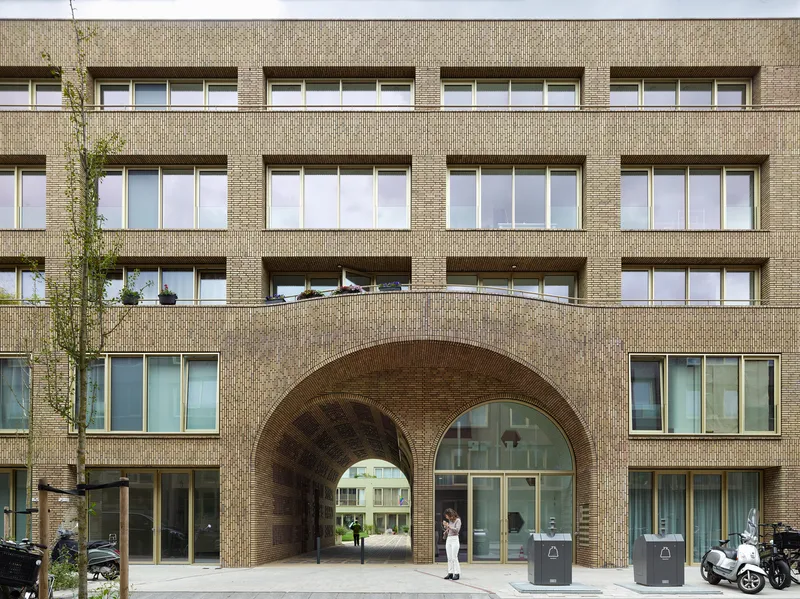
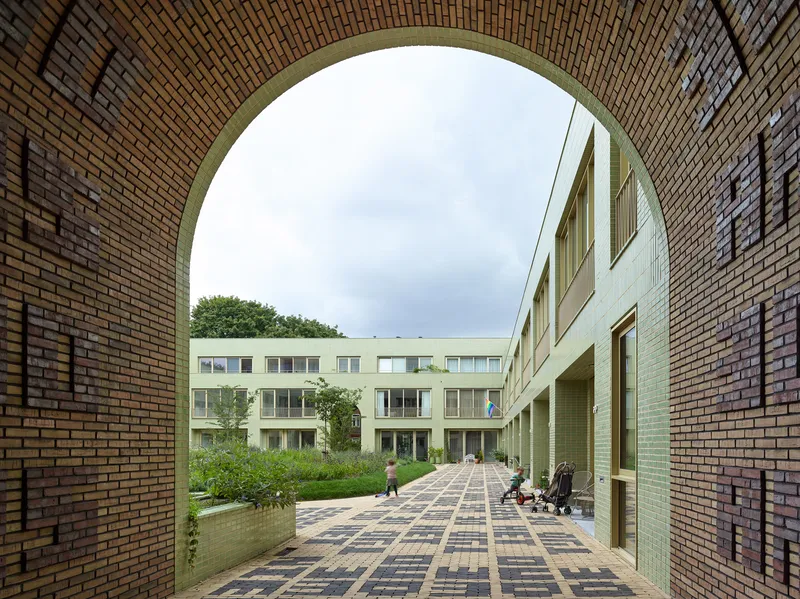
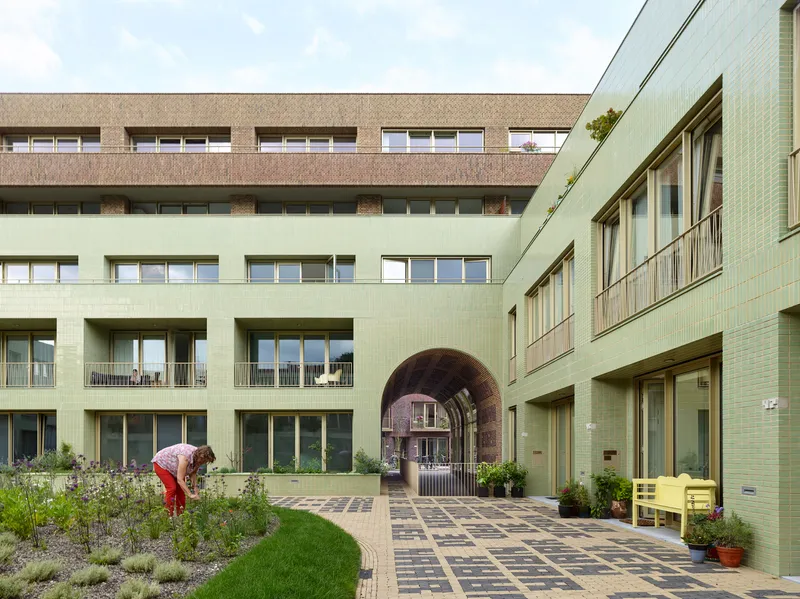
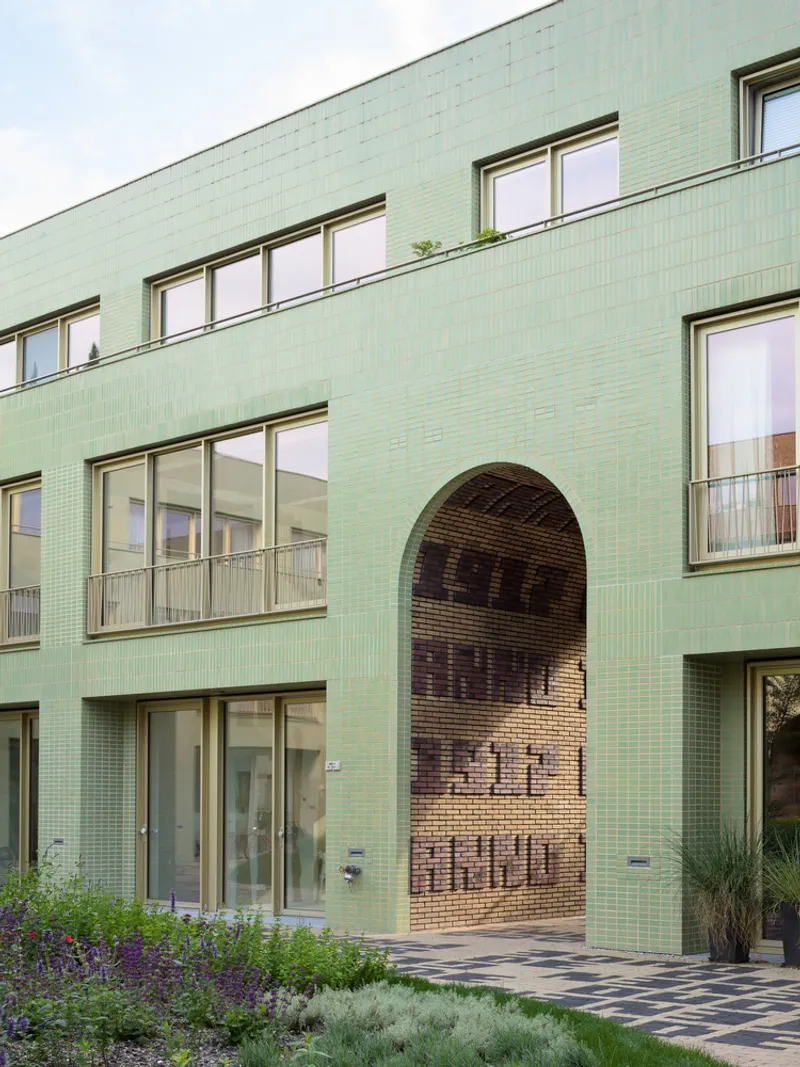
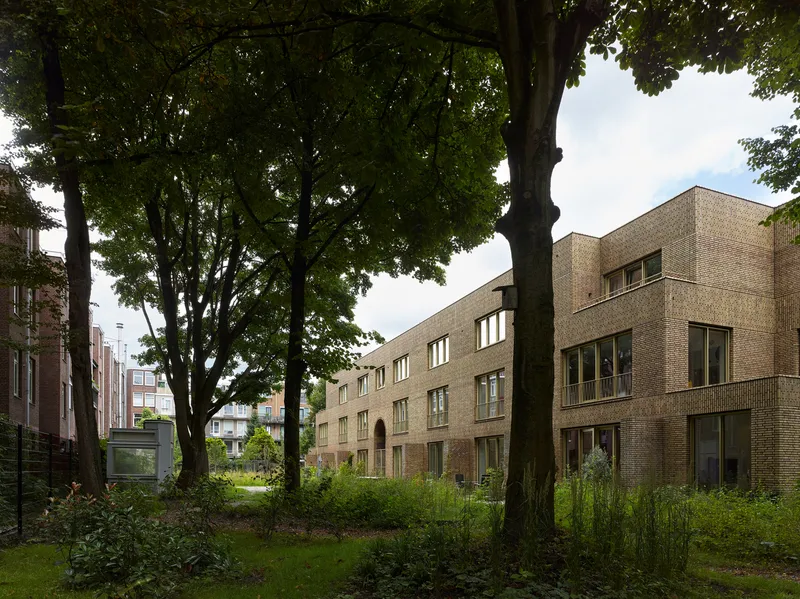
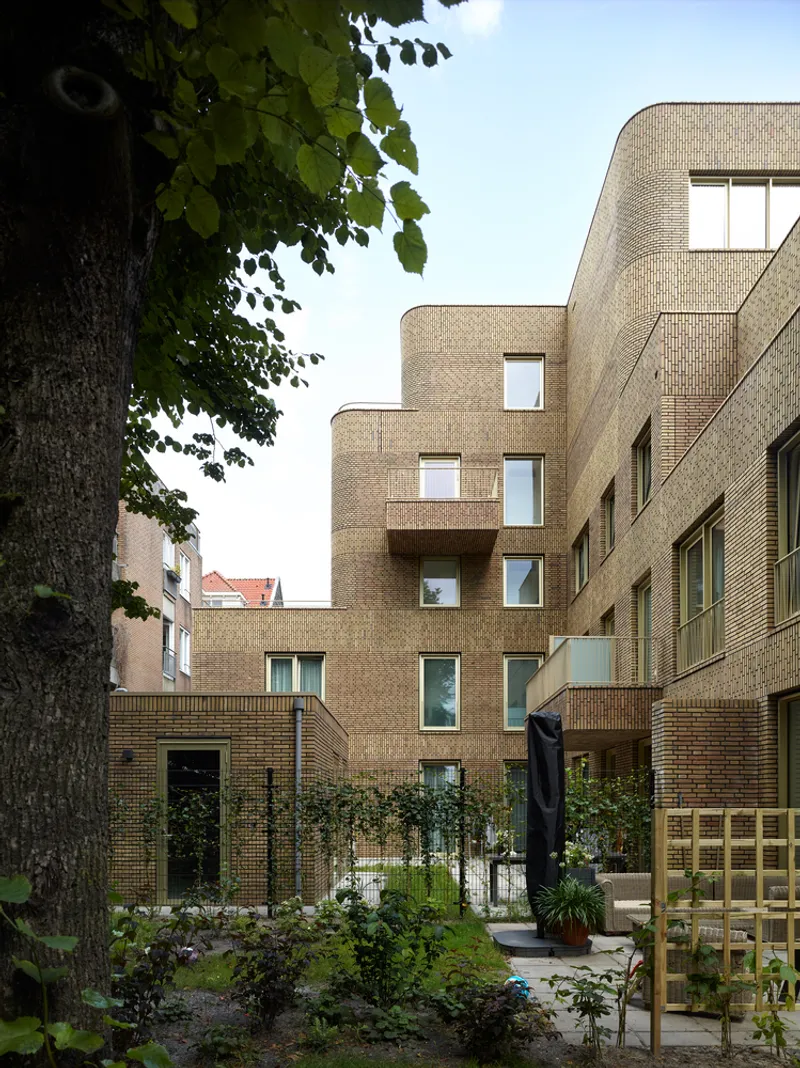
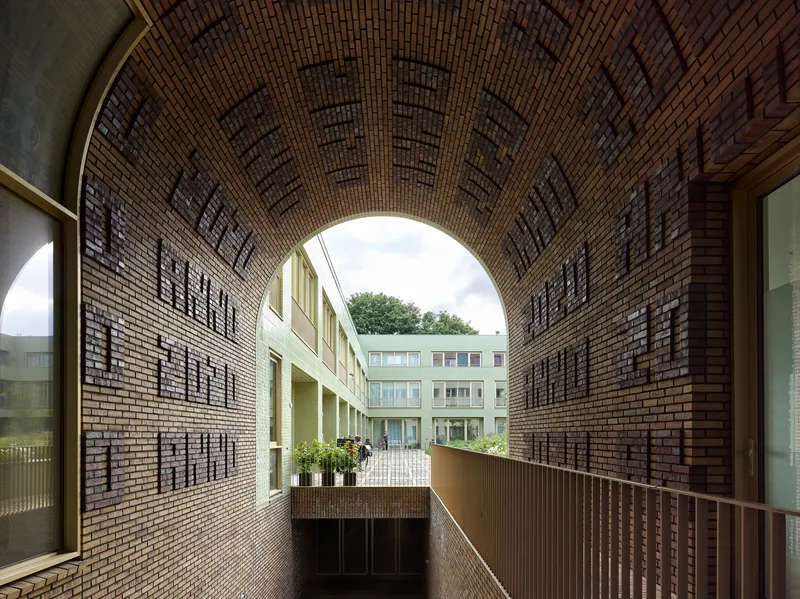
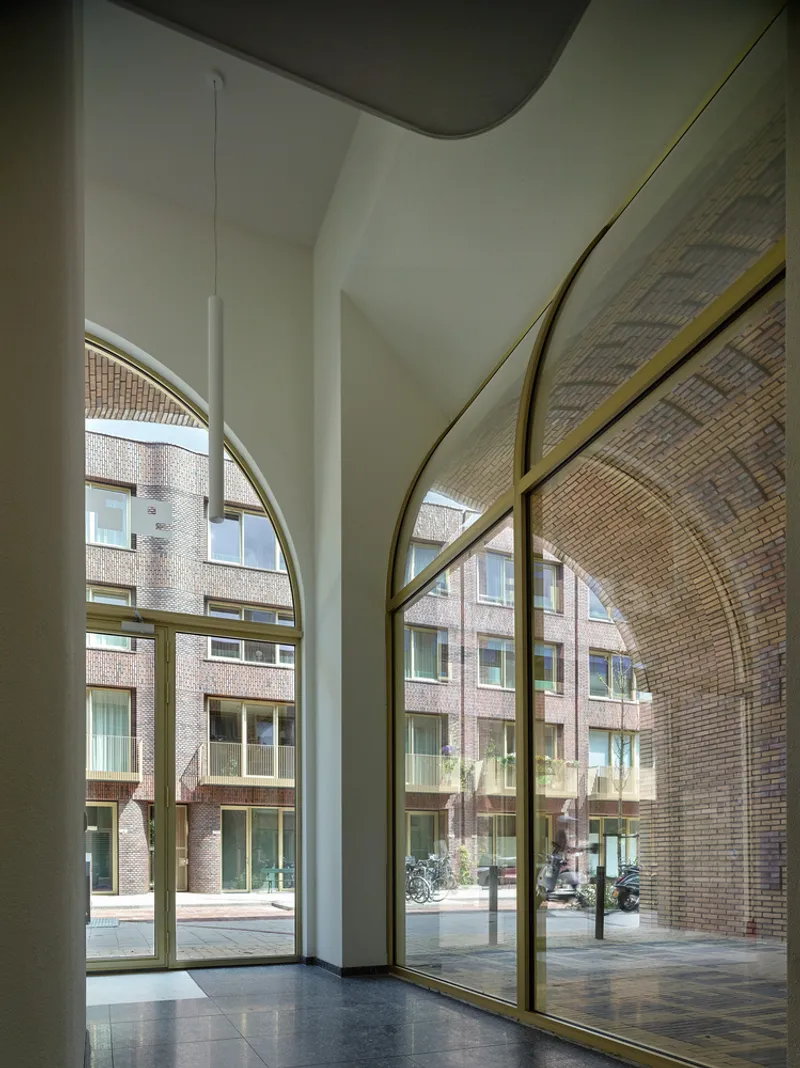
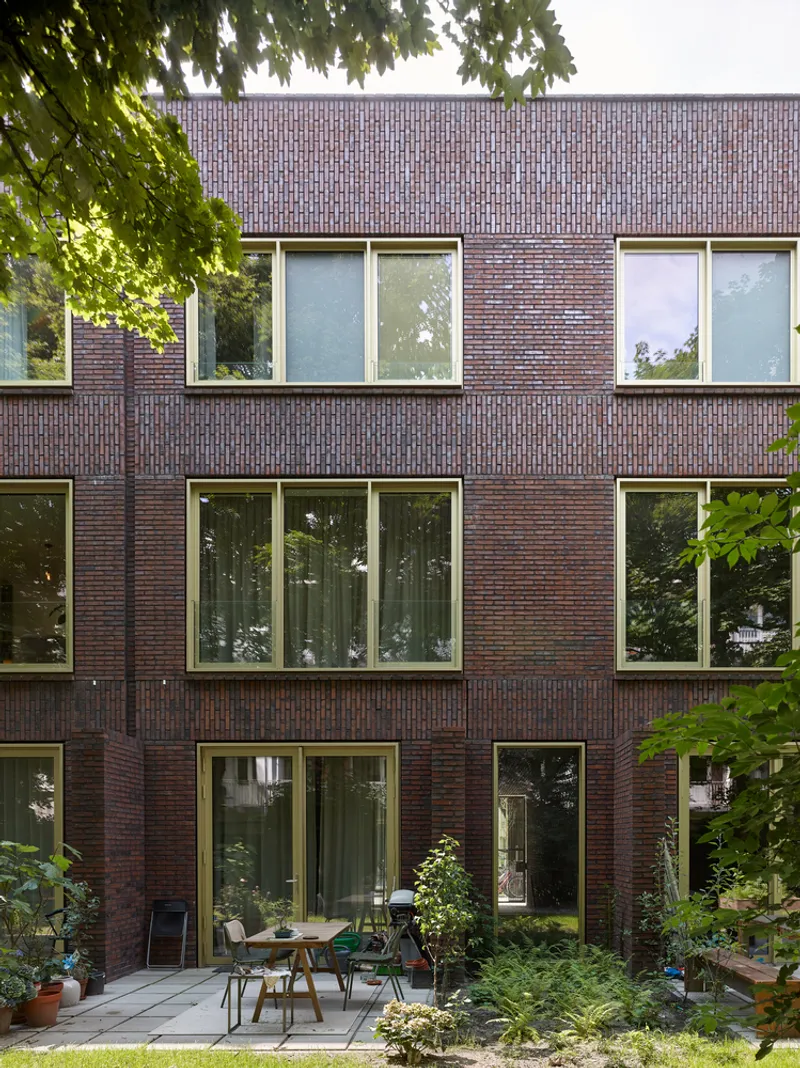
While the architecture of Spaarndammerhart Housing is undeniably contemporary, it draws inspiration from the Amsterdam School style, known for its use of rich masonry and bold forms. The building features red and yellow brickwork, glazed bricks for the courtyard facades, and slender profile frames that create a nuanced, dynamic facade. These materials and design choices ensure that the project remains in harmony with its historical surroundings while maintaining a modern aesthetic.
Art Integration: Connecting Past and Present
The architects also incorporated visual art by Martijn Sandberg into the project, which serves as a symbolic connection to the neighborhood’s past. The art installations, located within the gates, reflect the idea of 'connections in time', linking the new development to the history of the Spaarndammer neighborhood. This integration of art and architecture creates a more engaging, thoughtful environment for residents.

Community-Oriented Features
Public Courtyards and Social Spaces
The Spaarndammerhart project places a strong emphasis on community living. The development features two social spaces and a communal room for residents, which encourage social interaction and create opportunities for neighborhood functions. The design promotes a sense of belonging by providing spaces for both private and communal activities, ensuring that residents can connect with one another and build a vibrant community.
Collective Gardens and Sustainable Living
To further enhance its eco-friendly design, the development includes a collective garden located between the new and existing buildings. This garden is accessible to the surrounding houses, promoting a shared green space that benefits the entire neighborhood. The design also features 'encroachment zones', transition areas between the public and private spaces, designed to foster interaction and engage residents with the surrounding streets.
Environmental Sustainability
Spaarndammerhart Housing goes beyond traditional architecture by incorporating sustainable features aimed at reducing its environmental footprint. In addition to the green spaces and communal gardens, the project includes facilities for wildlife, such as over 100 provisions for insects, bats, and birds. These efforts help maintain biodiversity in an urban setting and contribute to the overall sustainability of the development.
A Model for Future Urban Housing
Spaarndammerhart Housing is a perfect example of how modern social housing can integrate sustainability, community, and design while respecting historical context. The project successfully blends contemporary design with the Amsterdam School's architectural principles, creating a development that is not only functional but also enriching for its residents. With its focus on sustainability, community engagement, and architectural excellence, Spaarndammerhart Housing sets a new standard for future urban housing projects in Amsterdam and beyond.
Key Features of Spaarndammerhart Housing:
- Mixed-use Housing Development with 80 homes, including social, private rental, and owner-occupied units.
- Green Courtyards and Gardens designed by DS Landscape Architects.
- Contemporary Architecture inspired by the Amsterdam School with rich brick facades and glazed bricks.
- Art Integration by Martijn Sandberg reflecting the neighborhood’s historical context.
- Community-Oriented Design with shared social spaces and communal areas.
- Sustainability measures including green spaces and facilities for local wildlife.


Popular Articles
Popular articles from the community


U.GA Architects Wraps an Oval Rooftop Pool in Curved Board-Formed Concrete on Busan's Jeollidan-gil
In Busan's Jeonpo-dong, a 454 m² mixed-use block stacks a neighborhood facility, guest rooms and an oval rooftop pool inside spiraling concrete walls.

Juan García Correa, John González and Claudia Rueda Sink a Circular Amphitheater into a Manizales Engineering Building
On the La Nubia campus in Manizales, Colombia, the S1 Building folds labs and offices into a hillside of ramped lawns that double as a campus route.

Cube Design Draws an Ecological Corridor Between Two Shenzhen Hills with the Nankai Building
Beside Shenzhen's container docks, the Nankai Building pairs stacked balconies with a climbing green screen to connect two hillsides across its height.

Architekt Andreas Gruber Scatters 23 Dark Timber Chalets Across a South Tyrolean Forest Edge
In Molini di Tures, Amonti Chalets breaks a resort into a hamlet of gabled timber houses, with parking, storage and services pushed into the slope.

Similar Reads
You might also enjoy these articles


Hodi-Mandai Geram
Project Function: Preservation and revitalization of the Intangible heritage and socio-spatial identity of the Hodi by Housing, Cultural Memory Center, Sacred Grove, landscape, local tourism economy


Olio Towers: A Mid-Rise for Performers That Fuses Housing, Rehearsal, and Stage
Located blocks from Houston's Theater District, this modular tower stacks living units around a central performance atrium.

Oasis: Modular Green Housing Carved into Dhaka's Urban Fabric
A shortlisted Plugin Housing entry reclaims unauthorized settlements in Dhaka with stepped concrete volumes, green roofs, and ventilation-driven design.

Black Hole: A Floating Megastructure for the Post-Physical Era
Emiliano Mazzarotto envisions a spherical, self-scaling arena where e-sports, digital hotels, and holographic stadiums replace traditional public space.

Explore Amsterdam Competitions
Discover active competitions in this discipline

Challenge to reimagine the Iron Throne

Photograph architecture without architects

Illustrate the lost glory of Angkor Wat - Render Challenge

Design challenge to reuse E-waste
Comments (0)
Please login or sign up to add comments
No comments yet. Be the first to comment!