
Straw Stack Space: A Vision of Contemporary Cultural Architecture in China
This article explores Straw Stack Space as a poetic example of contemporary cultural architecture redefining community space in urban China.


Reimagining Rural Archetypes in the Urban Heart of Changsha
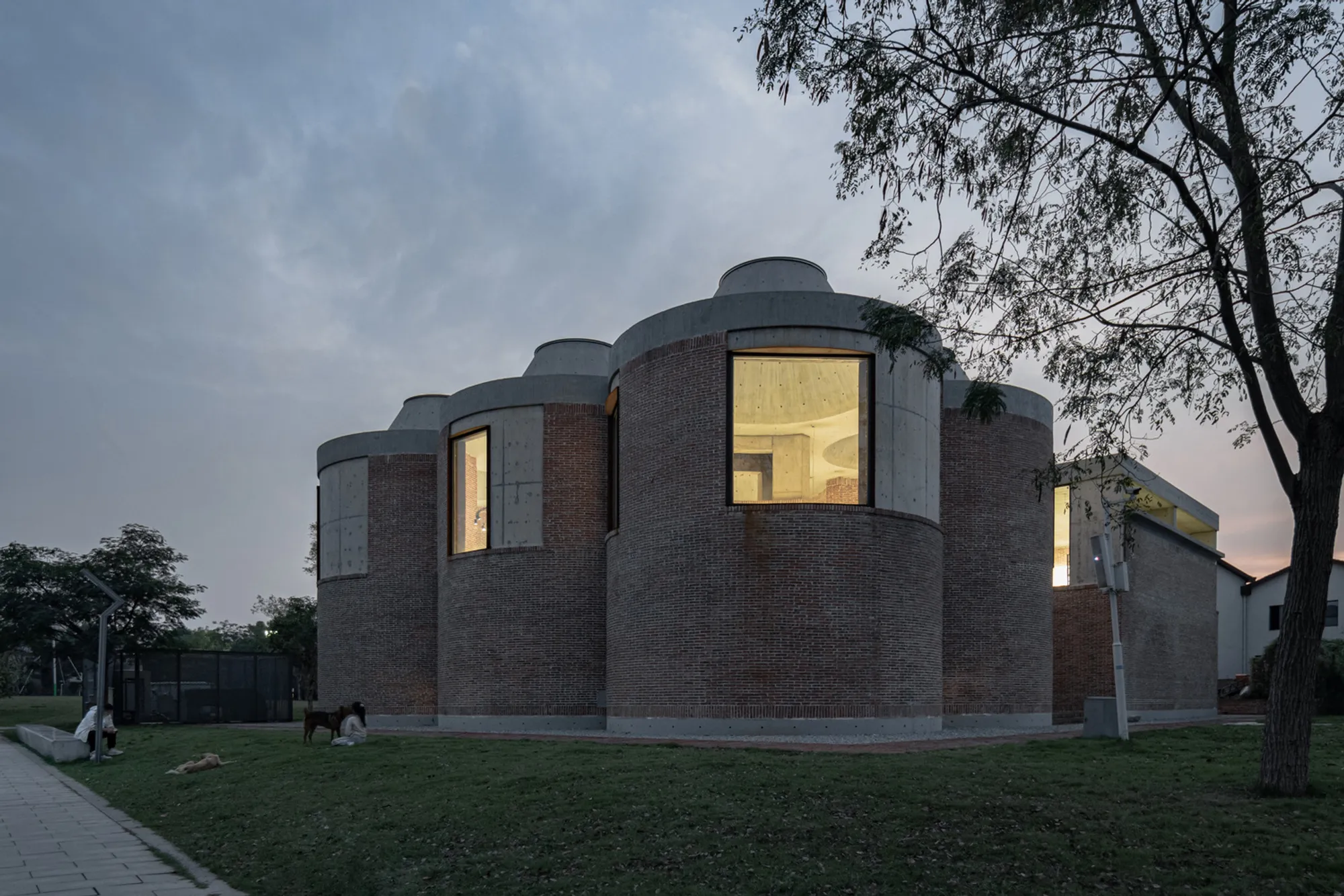
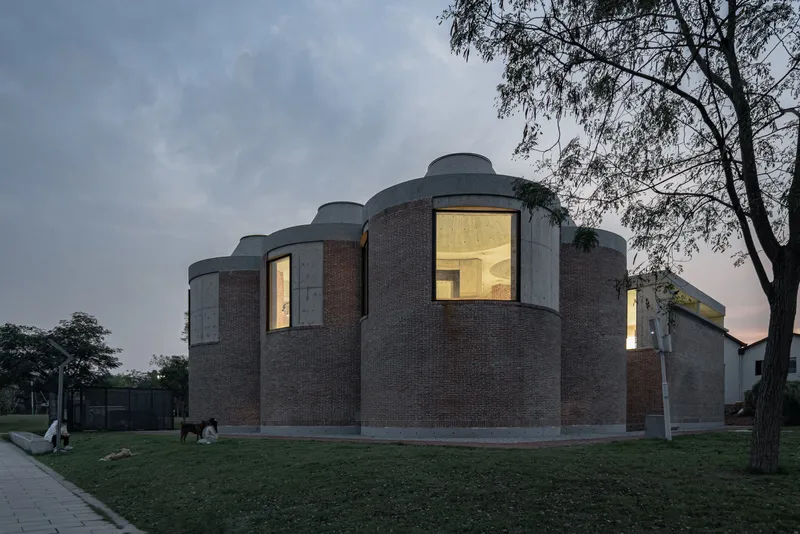
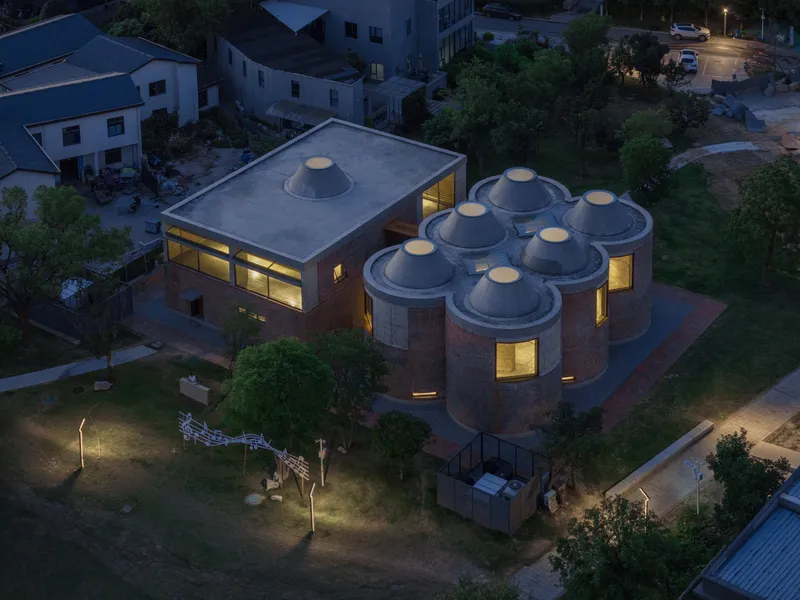
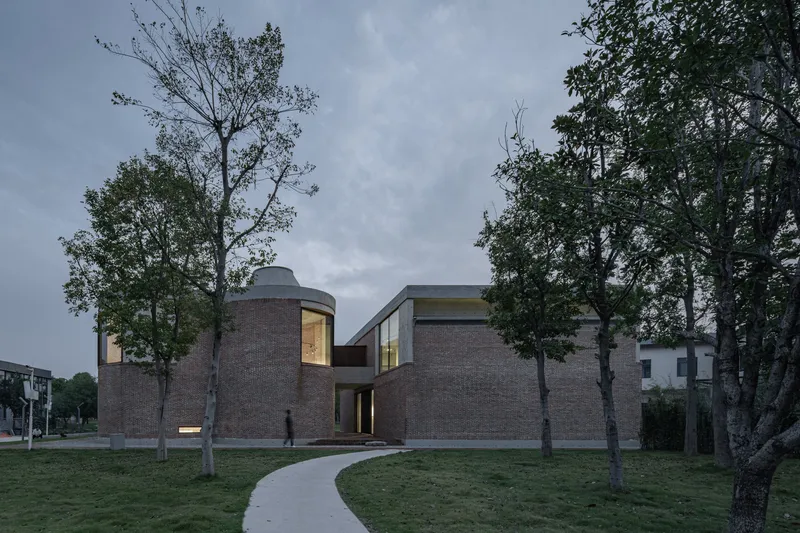
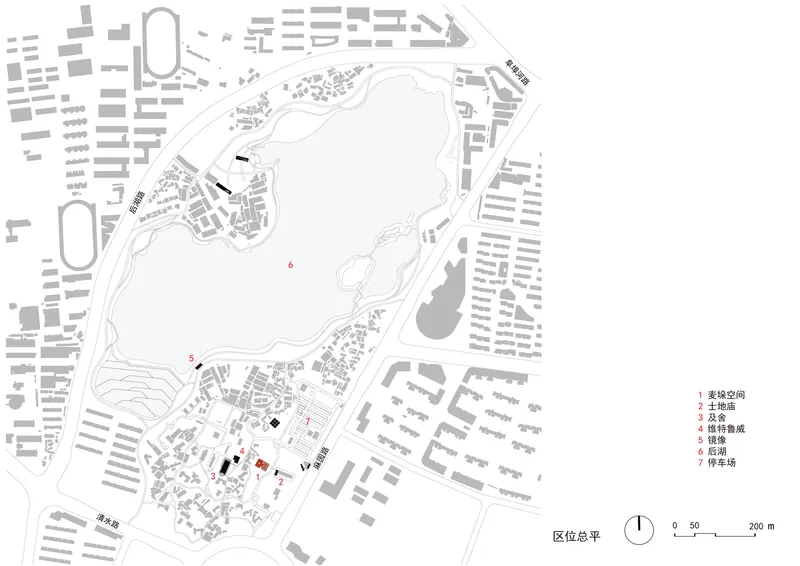
Straw Stack Space, designed by WCY Regional Studio, is a compelling embodiment of contemporary cultural architecture in China. Located in Houhu Art Park—a "village in the city" nestled at the foot of Yuelu Mountain in Changsha—this 748-square-meter community cultural complex emerges as a poetic spatial response to urban transformation and rural memory. The project revitalizes an organically grown urban fabric steeped in decades of artistic and agricultural legacy, including fisheries, artist residencies, and exhibition spaces dating back to the 1950s.
Architectural Language Rooted in Geometry and Memory
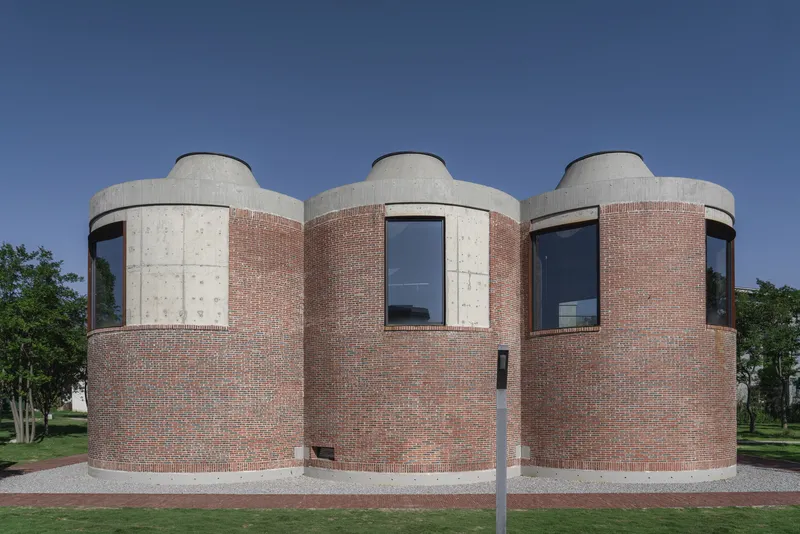
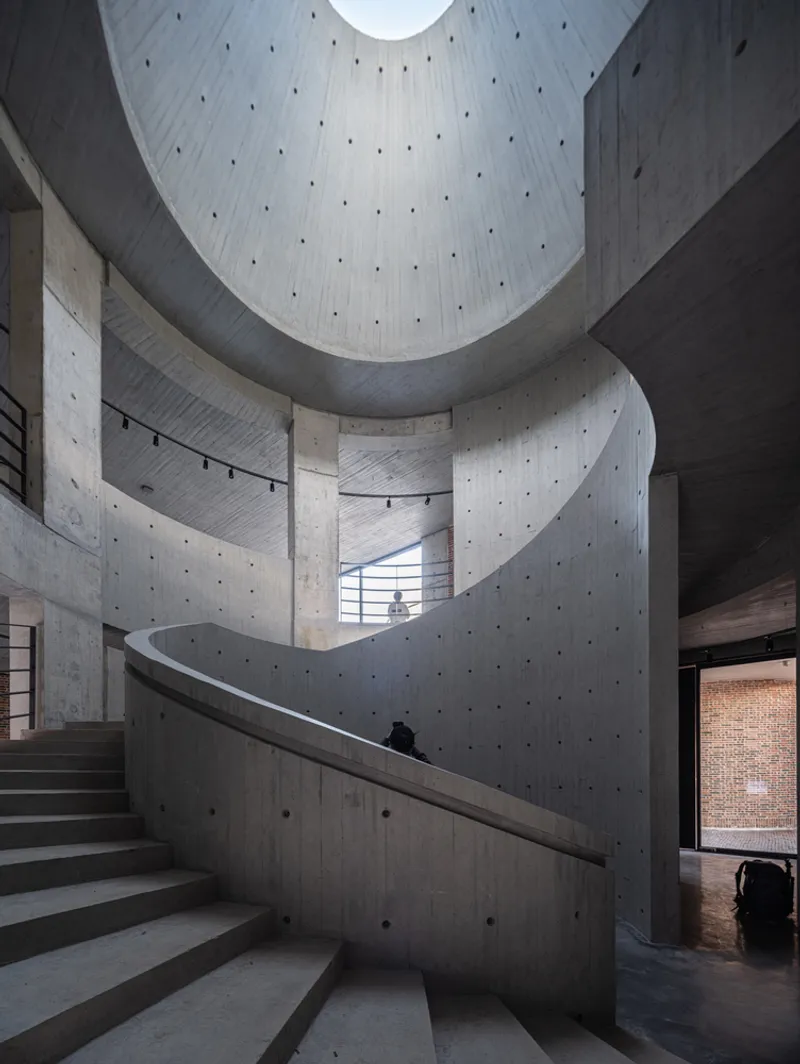
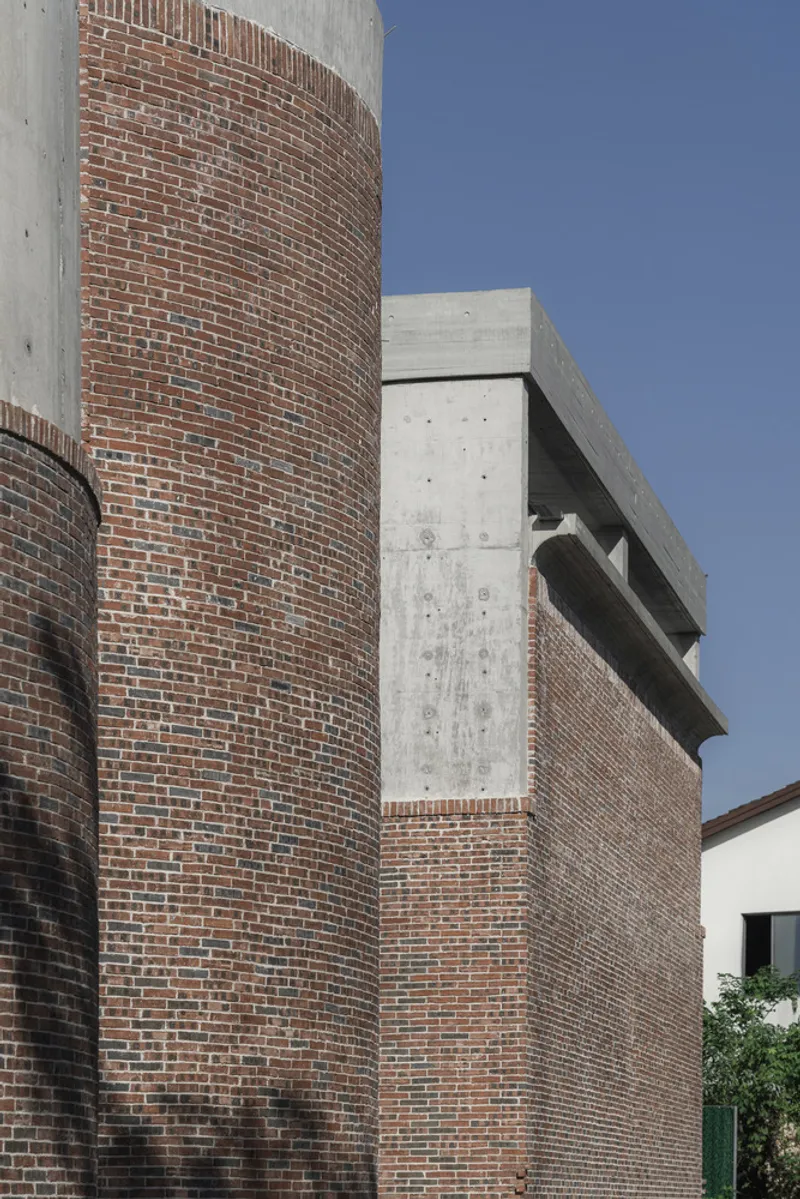
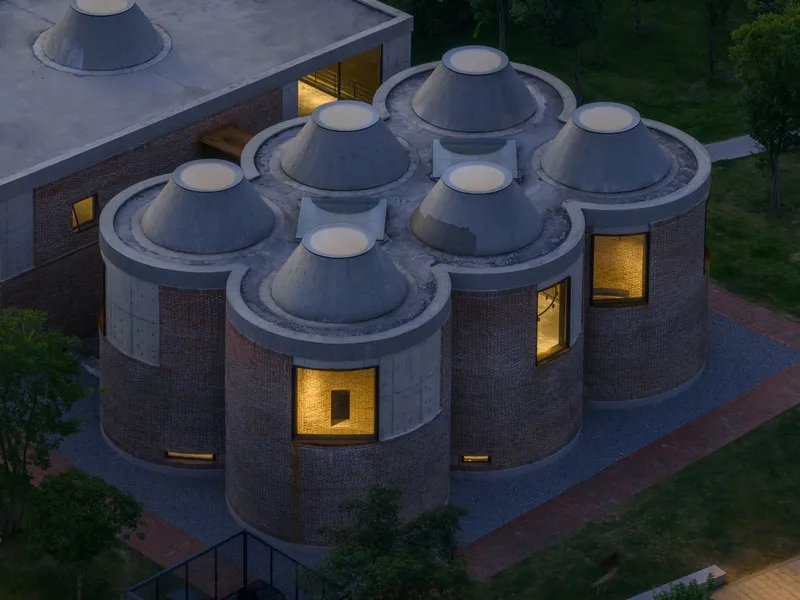
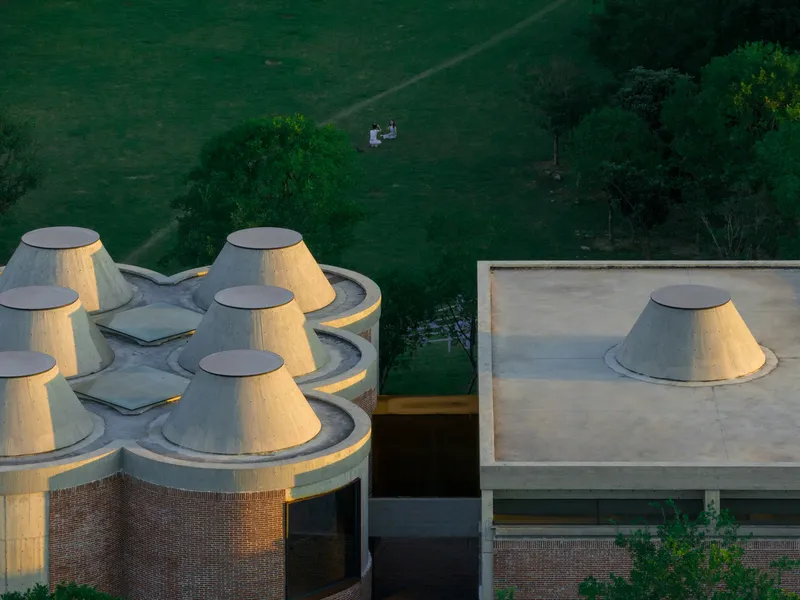
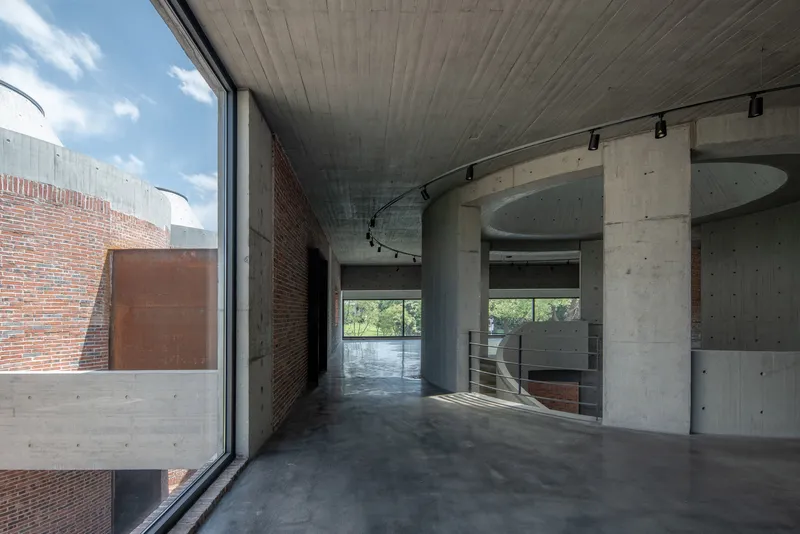
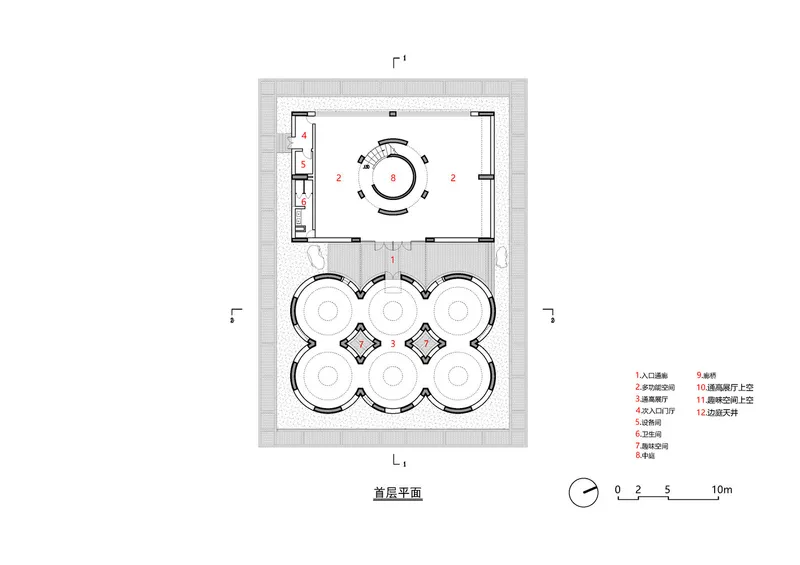
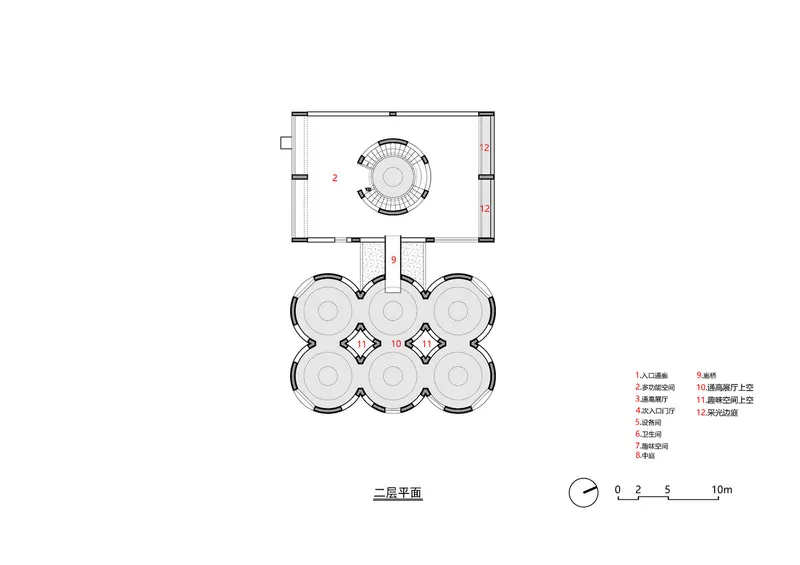
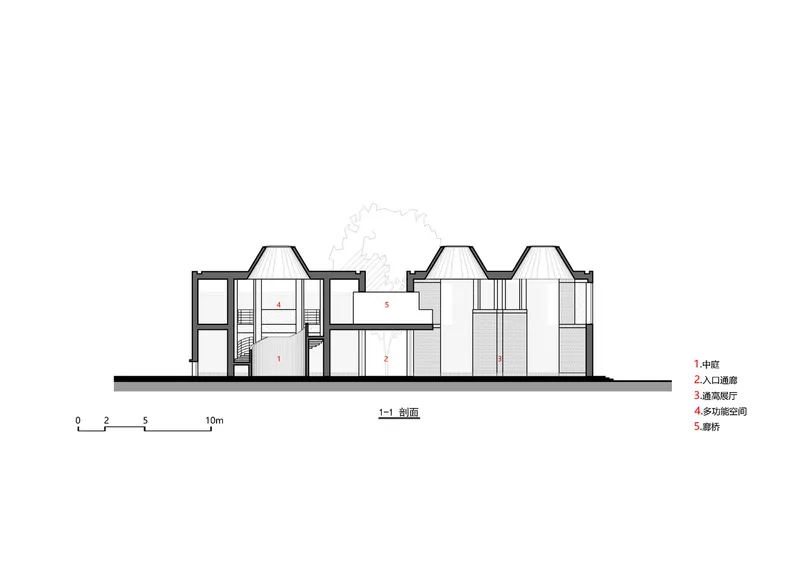
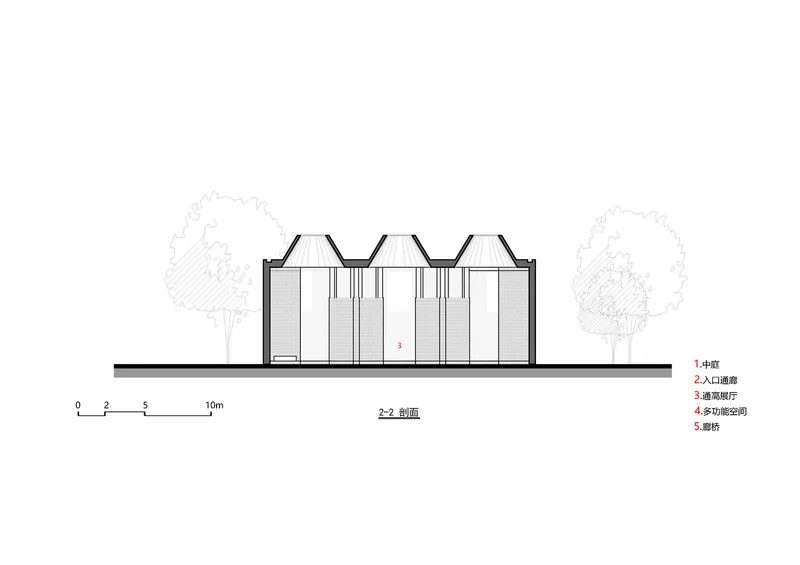
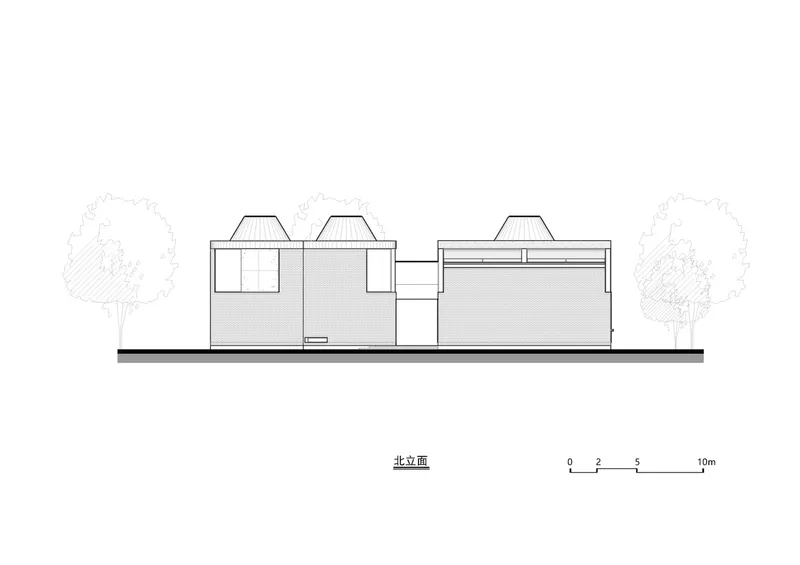
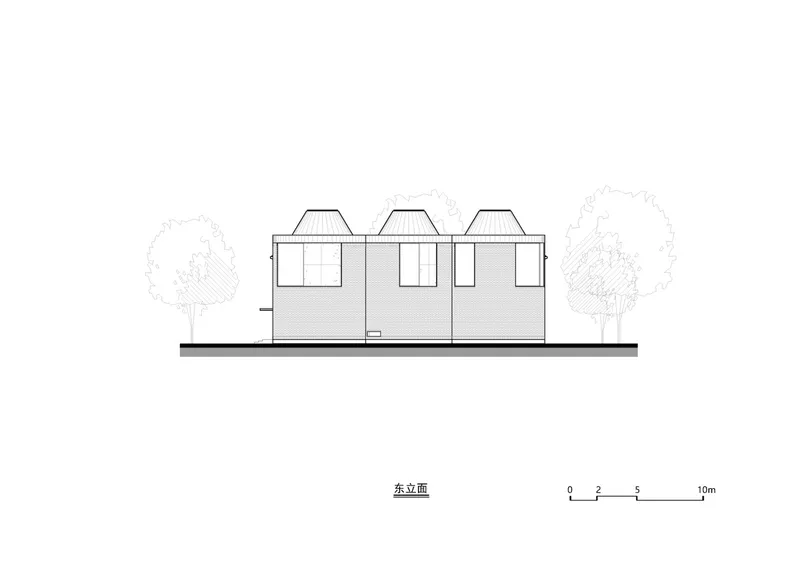
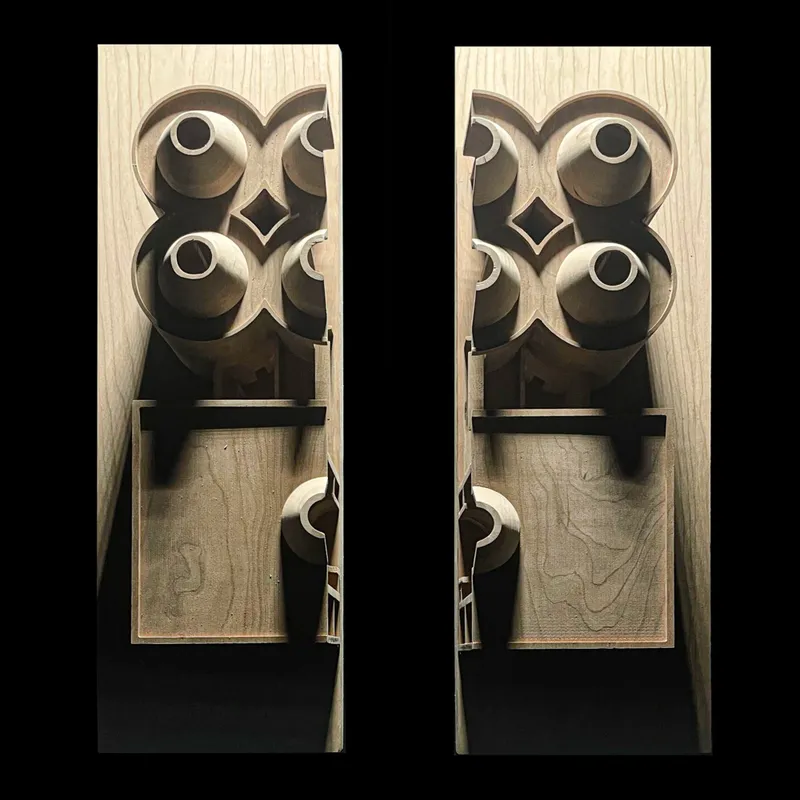
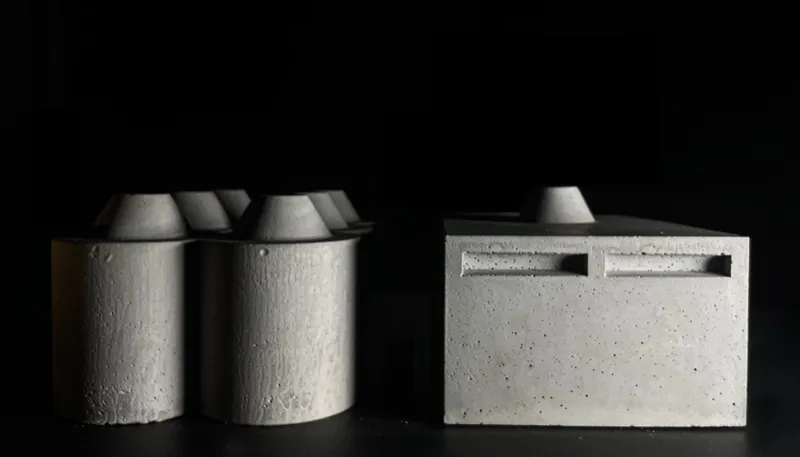
The architecture draws from pure Euclidean forms—primarily squares and circles—to evoke metaphors of rice haystacks, round barns, and sunbathing yards once typical of the Chinese countryside. This abstract reinterpretation allows the building to transcend conventional typologies. Instead, it creates a ritualistic and symbolic spatial experience that reconnects urban dwellers with agrarian roots. The project's conceptual duality lies in its site composition: one building juxtaposes six cylindrical forms with a traditional residential structure, while the other embeds a solitary cylinder within a square framework, creating a dynamic visual dialogue between archetypal geometries.

Space as a Vessel for Cultural Autonomy and Artistic Happenstance
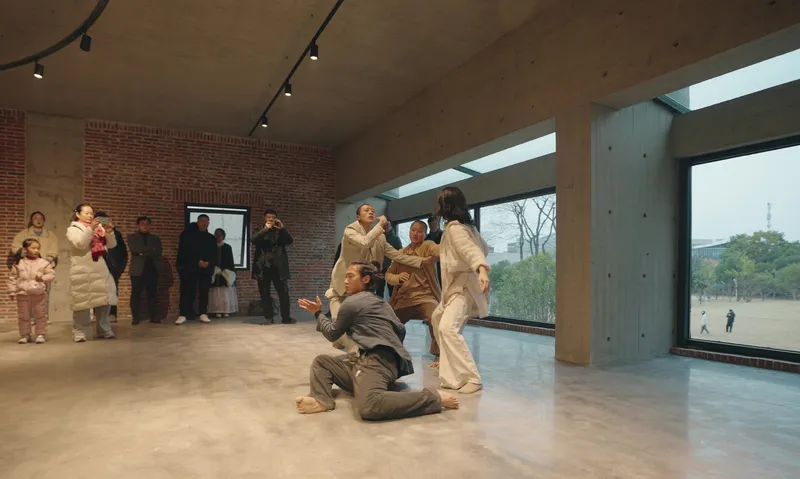
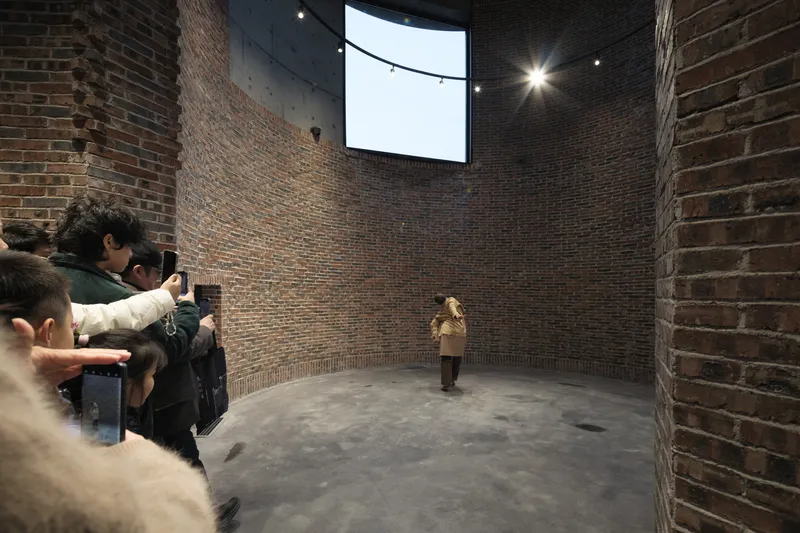
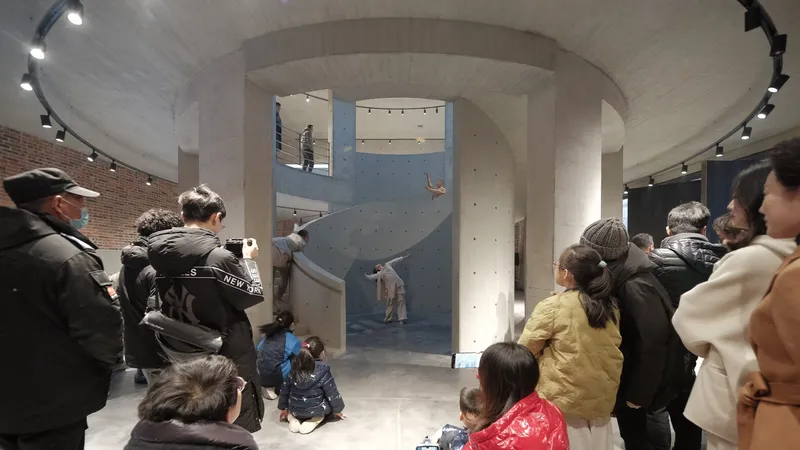
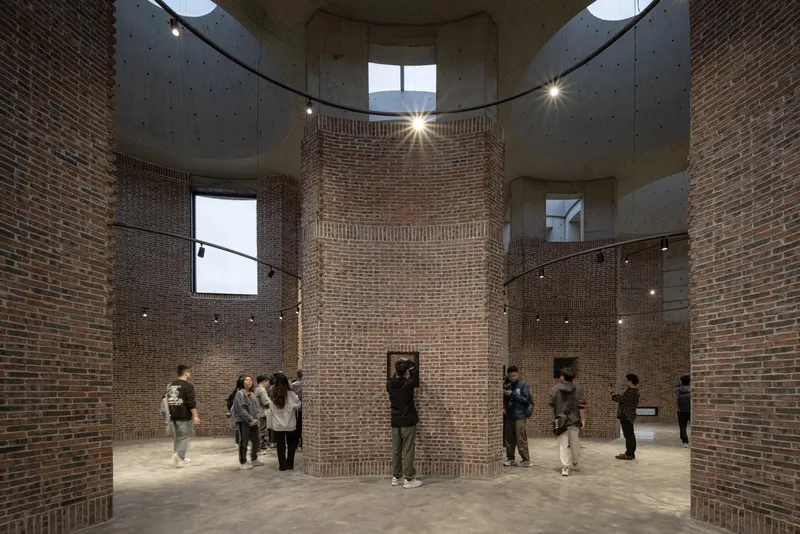
Straw Stack Space defies rigid programmatic definition. It fluidly hosts a variety of cultural activities—contemporary art exhibitions, university design showcases, music parties, dance performances, and small-scale festivals. This spontaneous cultural flexibility allows the architecture to evolve with its users, transcending its original brief to become a canvas for public expression and community engagement. The project does not impose fixed meanings but invites interpretation, offering a democratic platform for interaction between architecture, art, and audience.
Light, Geometry, and the Ritual of Space
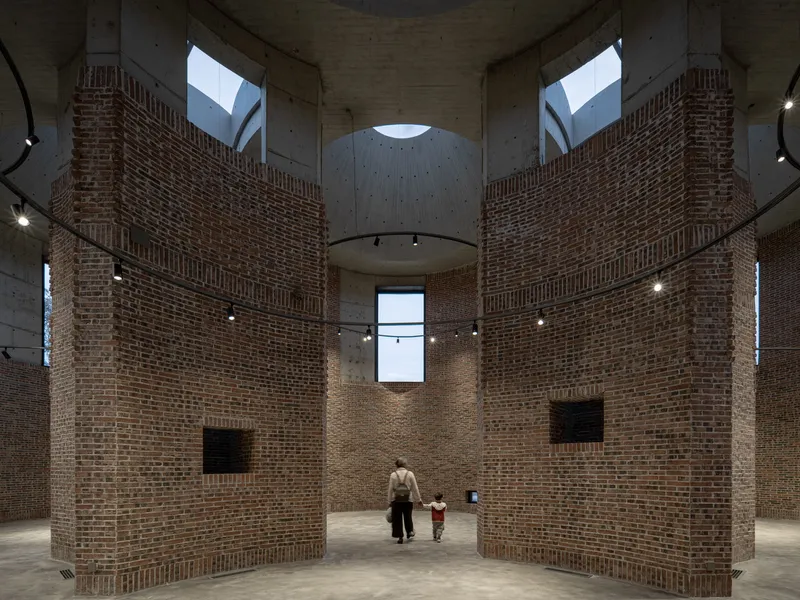
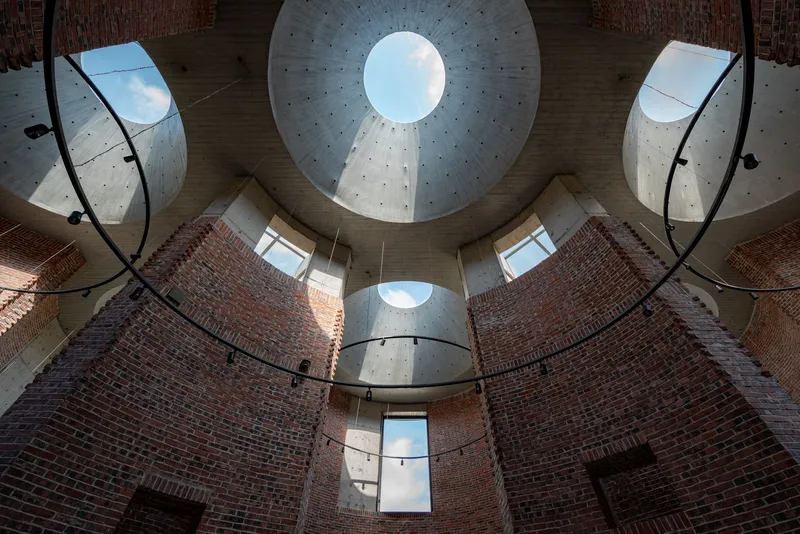
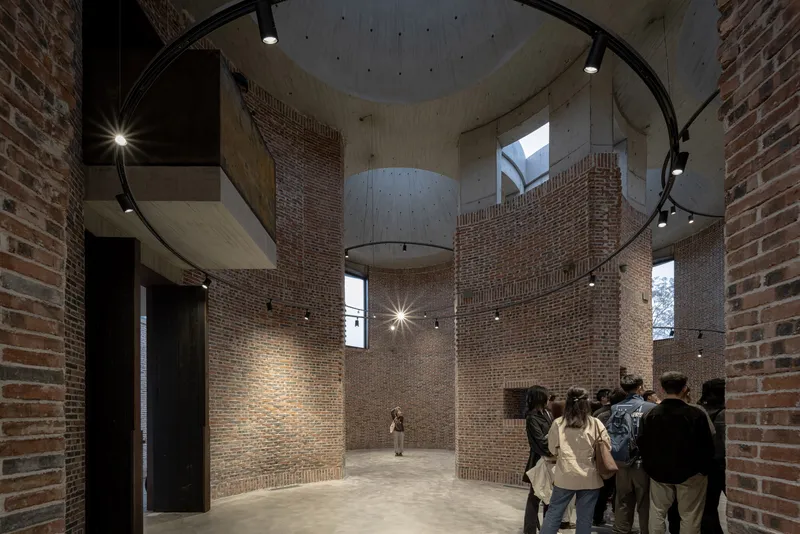
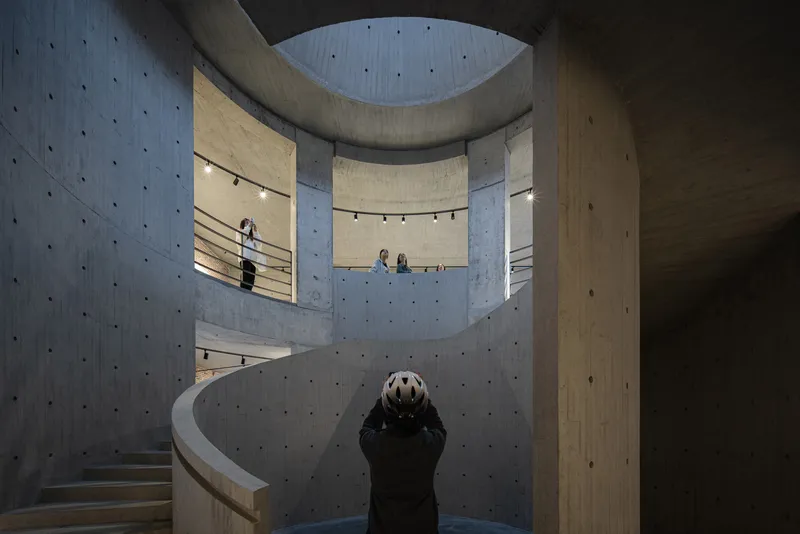
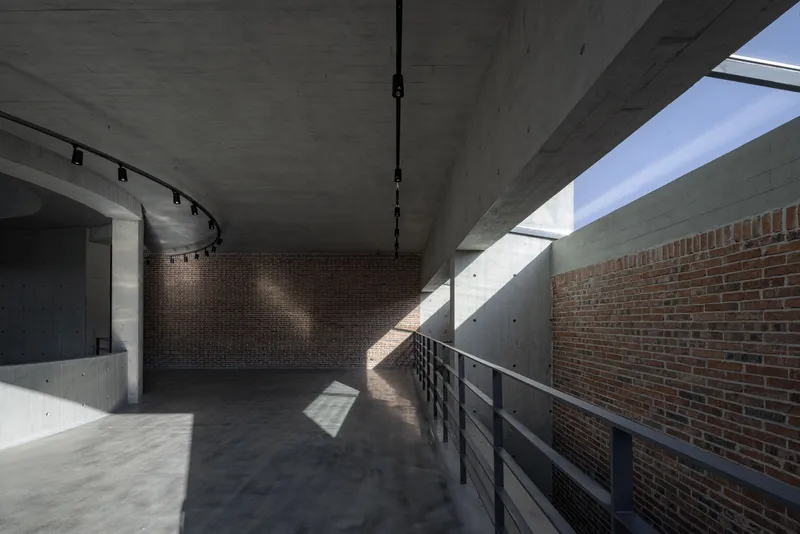
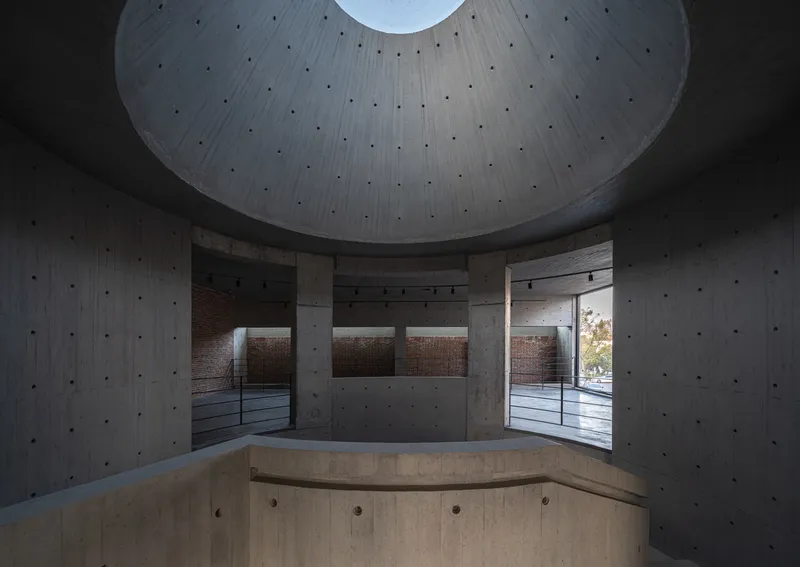
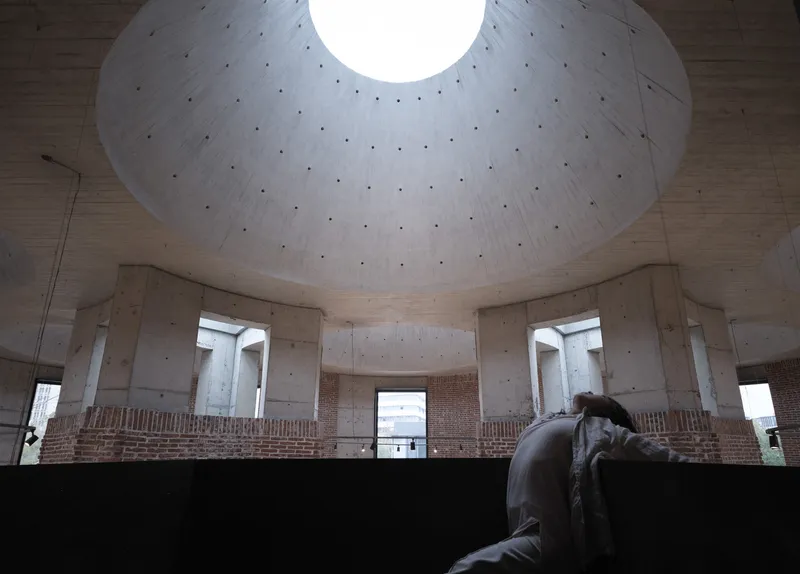
Natural light is choreographed as a primary design element. Openings are oriented to heighten spatial perception, particularly through the verticality of the cylindrical volumes. Light pours from above, drawing the visitor’s gaze skyward and inviting contemplation. This intentional use of top lighting establishes a subtle yet powerful connection between body, space, and cosmos, fostering a deeply immersive and meditative atmosphere. The resulting experience feels both ancient and modern—ritualistic yet grounded in contemporary architectural discourse.
A New Sense of Place for an Evolving Community
The power of the Straw Stack Space lies in its ability to stir memory and imagination across diverse audiences. Local villagers, urban residents, students, and tourists alike discover a resonance within the structure. Whether triggering nostalgia or unfamiliar wonder, the project instills a collective sense of place—a spatial archetype that reflects the evolving identity of Houhu Art Park. In its synthesis of cultural memory, adaptive functionality, and formal clarity, the project serves as a defining example of contemporary cultural architecture in China.
Cultural Resonance through Architectural Precision
WCY Regional Studio’s Straw Stack Space challenges what cultural buildings can be in rapidly changing urban contexts. Through abstraction, memory, and geometric clarity, it creates a new typology—one rooted in local history but expressive of future possibilities. It is not only a place for culture but a space where culture is made, remade, and rediscovered.
All Photographs are works of Jinquan Kong, Haohao Xu


Popular Articles
Popular articles from the community


Lunar Spiral: Space Architecture Shaped by the Mathematics of the Universe
Lunar Spiral reimagines space architecture through Fibonacci geometry, lunar regolith, levitating habitats, and self-sustaining Moon living.

Hill & Cross Opera: Sculptural Opera House Architecture Shaped by Tallinn’s Landscape and Identity
Hill & Cross Opera reimagines opera house architecture in Tallinn through its sculptural hill, civic plaza, glass wave and a luminous cross.

The Earth Pod: 3D Printed Homes for Resilient Refugee Communities
The Earth Pod reimagines refugee housing through 3D printed homes made from clay, combining resilience, self-sufficiency, and rapid shelter.

Co-life: Sustainable Architecture for Age-Friendly Community Living
Co-life reimagines sustainable architecture for seniors through courtyards, rammed earth, shared gardens, and spaces designed for belonging.


Similar Reads
You might also enjoy these articles

Bamboo Housing Challenge 2026: Design Affordable, Sustainable Homes Using Bamboo
An international design competition by Bamboo U and IBUKU inviting architects and designers to reimagine affordable housing using bamboo — with the winning design built full-scale in Bali.
Computational Design & Education: Beegraphy Design Awards Introduces 7th Category (Featuring Jiyun's Innovative Approach)
Dive into Beegraphy’s 7th Design Awards category, where computational design meets education to create immersive, interactive learning tools, inspired by Jiyun’s work.
From Parametric Lighting to Urban Furniture: Join the 2nd Workshop in Beegraphy’s Computational Design Series
Dive into Cutting-Edge Design Techniques and Practical Applications with Industry Experts

Last Call: Unleash Your Architectural Genius in SHAK's Kindergarten Design Competition
Urgent call for architects to join SHAK's kindergarten design competition before the looming deadline


Explore Architecture Competitions
Discover active competitions in this discipline



Challenge to reimagine the Iron Throne


Photograph architecture without architects


Illustrate the lost glory of Angkor Wat - Render Challenge


Design challenge to reuse E-waste
Comments (0)
Please login or sign up to add comments
No comments yet. Be the first to comment!