

Sustainable Architecture for Child Welfare: The De Sibbe Shelter House Project
Exploring the De Sibbe Shelter House in Mechelen, Belgium: a sustainable, child-centric architectural project by Atelier M Architects + Planners.


In the quaint town of Mechelen, Belgium, an exemplary model of sustainable architecture dedicated to child welfare emerges through the De Sibbe Shelter House for Children, conceptualized and brought to life by Atelier M Architects + Planners. This project not only addresses the pressing need for supportive environments for vulnerable children but also sets a benchmark in integrating sustainable practices within the architectural design. The narrative of the De Sibbe Shelter House unfolds across 1050 m², embodying a profound commitment to creating a nurturing, secure, and environmentally conscious space.
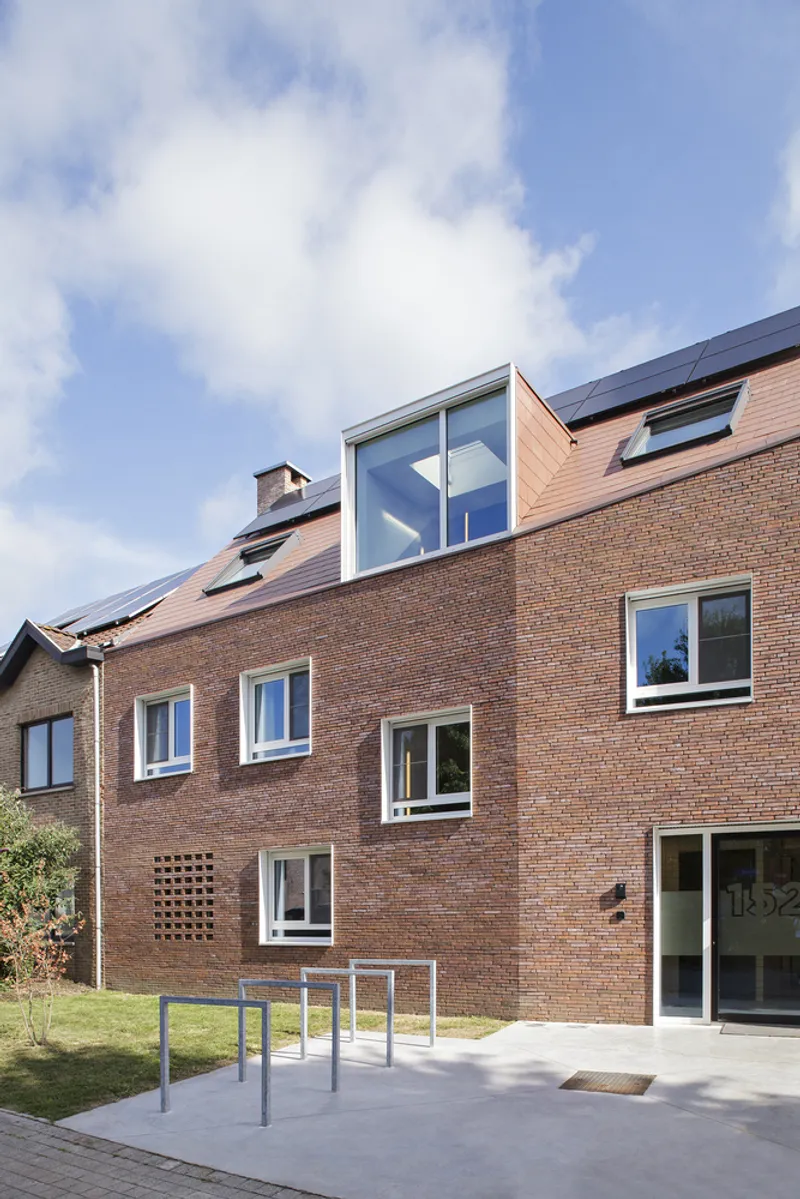
The Genesis of De Sibbe Shelter House
The inception of the De Sibbe Shelter House was driven by the dire circumstances of children escaping physical or mental abuse, or coming from backgrounds marred by drug and alcohol addiction. Initially housed in a structure lacking both spatial adequacy and functional suitability, the project's ambition was to craft a new edifice that would not only fulfill these critical needs but do so in a manner that allowed the existing shelter to operate uninterrupted.
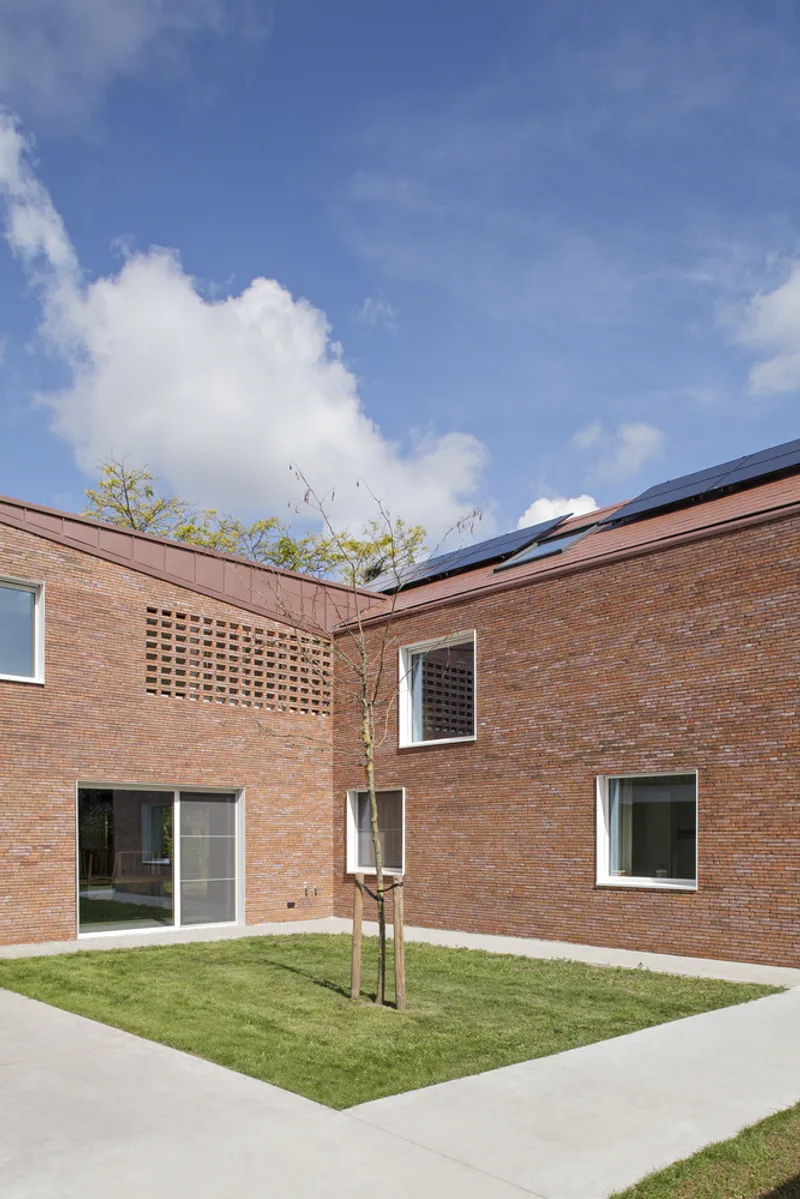

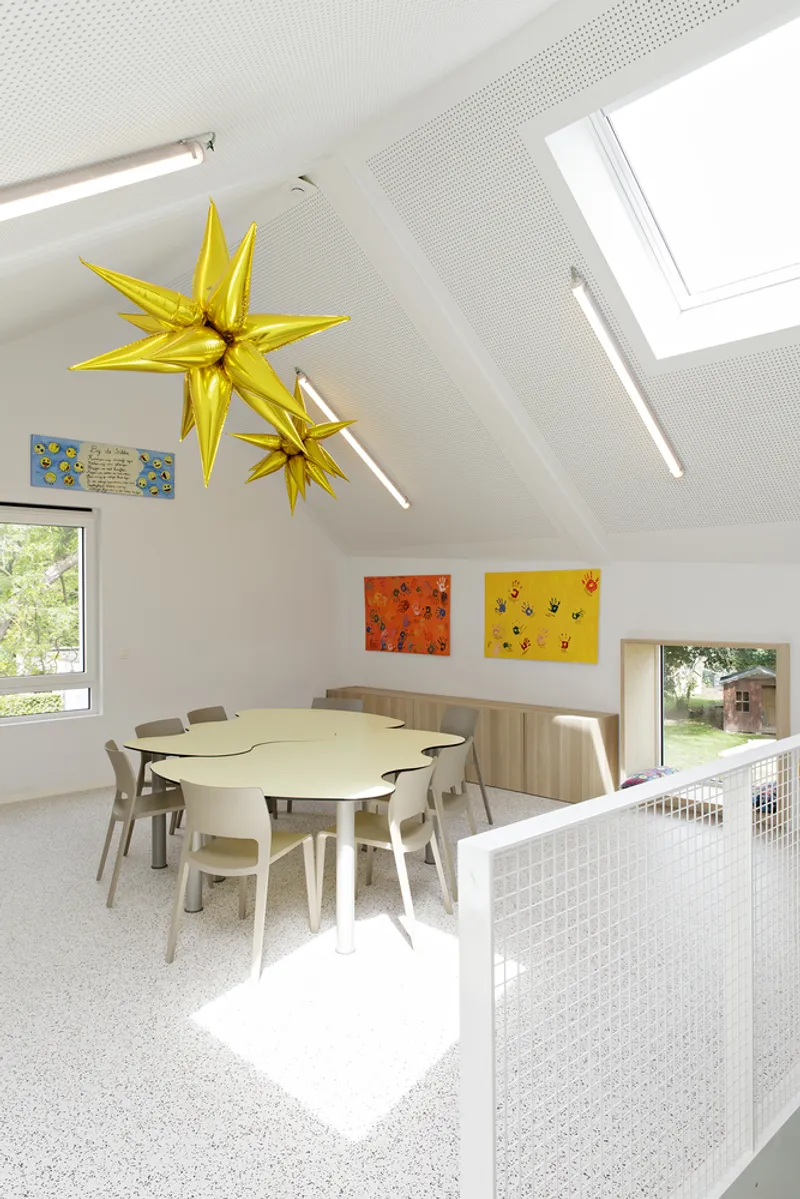
Architectural Philosophy and Design Approach
Atelier M Architects + Planners approached the project with a philosophy centered on sustainable and phased architecture. The design intricately weaves the shelter into its neighborhood, drawing inspiration from the traditional courtyard farmstead typology, thus ensuring harmony with its surroundings. The project was executed in phases, beginning with the main structure that aligns with adjacent residences, followed by two additional volumes. This phased approach not only facilitated a smooth transition for the shelter's operations but also emphasized a sustainable development methodology.

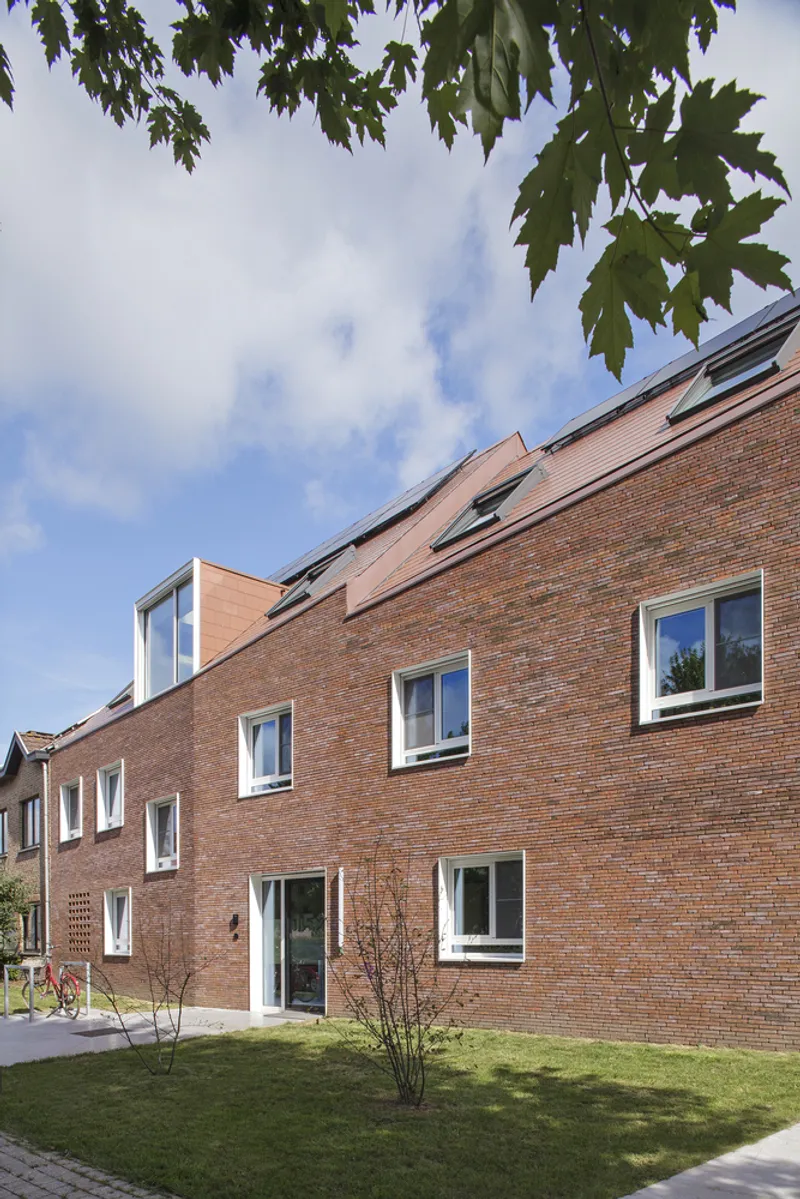
Creating a Homely Sanctuary
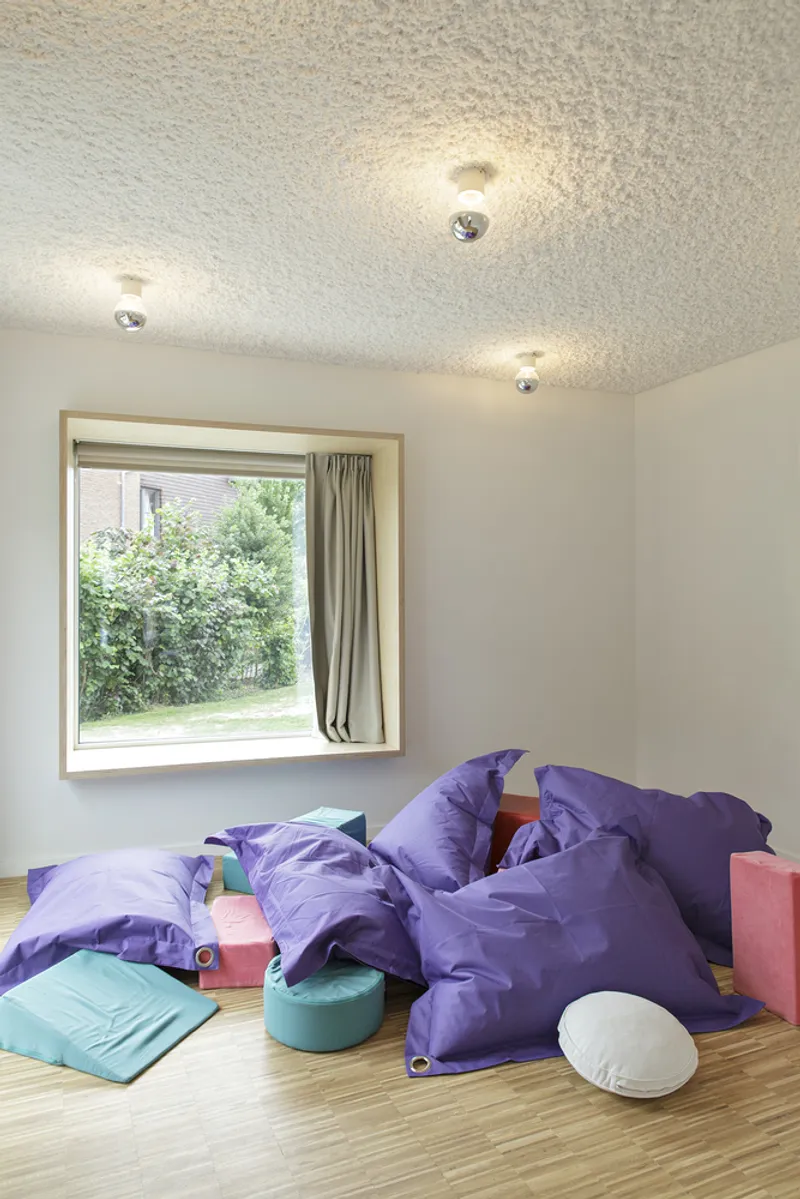
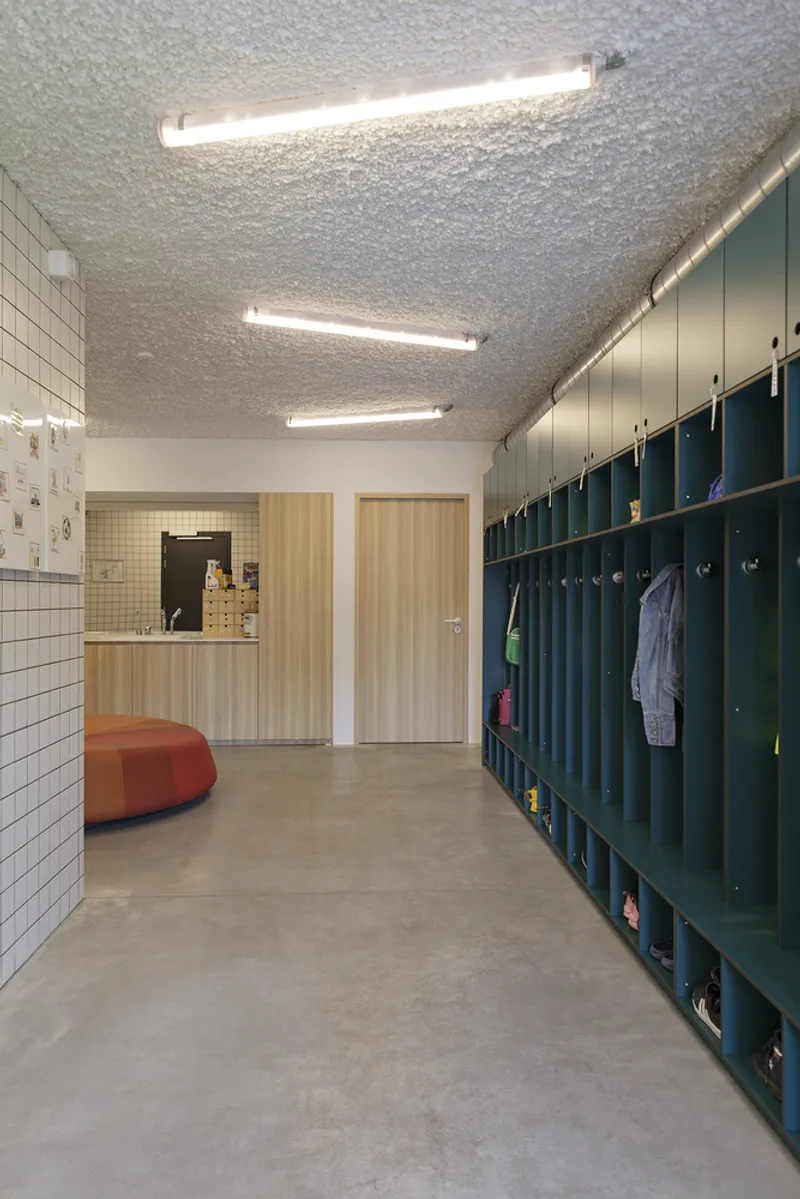
Central to the De Sibbe Shelter House is its mission to provide a homely, secure environment conducive to the development and well-being of its young residents. The architectural layout fosters communal living and play spaces, ranging from a recreational basement annexed to a garden forum and an activity attic. Special attention was given to creating spaces that allow for both group interaction and individual retreat, featuring alcoves, sensory rooms, and low-stimulation areas designed to cater to the diverse needs of the children.

Sustainable Practices and Material Selection
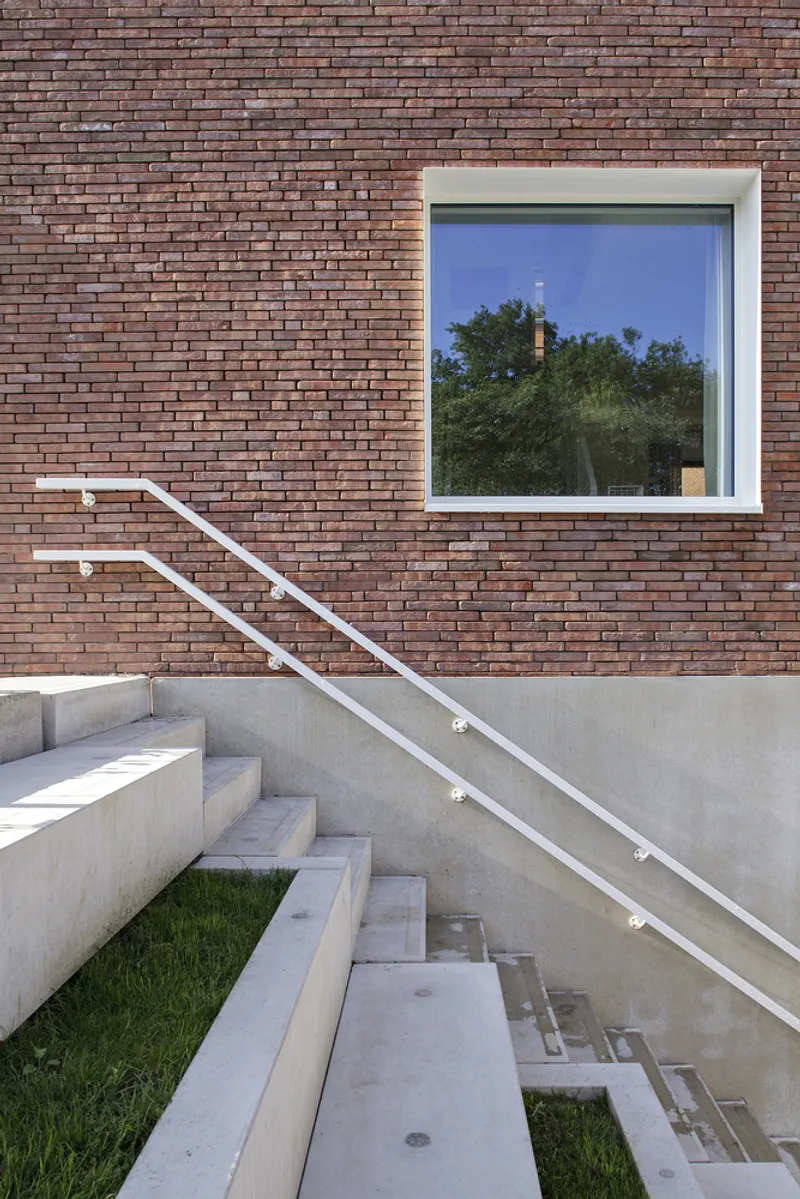
Sustainability is a cornerstone of the De Sibbe Shelter House, reflected in the choice of materials and the integration of green spaces. The project leverages eco-friendly materials and technologies, ranging from energy-efficient windows to sustainable brickwork, ensuring a minimal environmental footprint. The landscape architecture further enriches the living environment, with the garden forum acting as a natural extension of the indoor spaces, promoting outdoor activities and connectivity with nature.

A Model for Future Endeavors
The De Sibbe Shelter House for Children stands as a beacon of how architecture can play a pivotal role in addressing social welfare issues while adhering to sustainable practices. Atelier M Architects + Planners have not only created a safe haven for children in need but have also crafted a project that speaks to the broader architectural community about the possibilities of sustainable architecture in child welfare settings. As we move forward, the De Sibbe Shelter House should serve as a model and inspiration for future projects aiming to combine social responsibility with environmental stewardship.


All the photographs are work of Jolien Fagard


Popular Articles
Popular articles from the community


Cube Design Draws an Ecological Corridor Between Two Shenzhen Hills with the Nankai Building
Beside Shenzhen's container docks, the Nankai Building pairs stacked balconies with a climbing green screen to connect two hillsides across its height.

longwave studio Reorganizes a 112 m² Tainan Apartment Around the Daily Routines of a Family and Two Cats
In Tainan, Taiwan, birch plywood, rust-red furniture and a freestanding plaster wall link arrival, storage, work and family life in one apartment.

Architekt Andreas Gruber Scatters 23 Dark Timber Chalets Across a South Tyrolean Forest Edge
In Molini di Tures, Amonti Chalets breaks a resort into a hamlet of gabled timber houses, with parking, storage and services pushed into the slope.

Juan García Correa, John González and Claudia Rueda Sink a Circular Amphitheater into a Manizales Engineering Building
On the La Nubia campus in Manizales, Colombia, the S1 Building folds labs and offices into a hillside of ramped lawns that double as a campus route.

Similar Reads
You might also enjoy these articles

Gil Mello Arquitetura Tilts a Single Roof Toward the Waterfalls on a Plateau Above Aiuruoca, Brazil
In Aiuruoca, Minas Gerais, a 200 m² house of local labor and reclaimed poles pairs a low valley veranda with a tall mountain one.

U.GA Architects Wraps an Oval Rooftop Pool in Curved Board-Formed Concrete on Busan's Jeollidan-gil
In Busan's Jeonpo-dong, a 454 m² mixed-use block stacks a neighborhood facility, guest rooms and an oval rooftop pool inside spiraling concrete walls.

Felipe Hess Arquitetos Turns a Blind Stone Wall to the Street and Opens a Brazilian House onto a Courtyard and Canal
A canal-front house in Brazil hides behind painted stone and planting, then opens to an olive-tree courtyard, a reed-ceilinged porch and a curving pool.

David Macias Steps a Doorless Stone and Plaster House Down a Tropical Colombian Hillside
In the humid hills of Colombia, Threshold House replaces the front door with an open void and terraces its 850 m² down the slope instead of fighting it.

Explore Emergency Shelter Competitions
Discover active competitions in this discipline

Challenge to reimagine the Iron Throne

Photograph architecture without architects

Illustrate the lost glory of Angkor Wat - Render Challenge

Design challenge to reuse E-waste
Comments (0)
Please login or sign up to add comments
No comments yet. Be the first to comment!