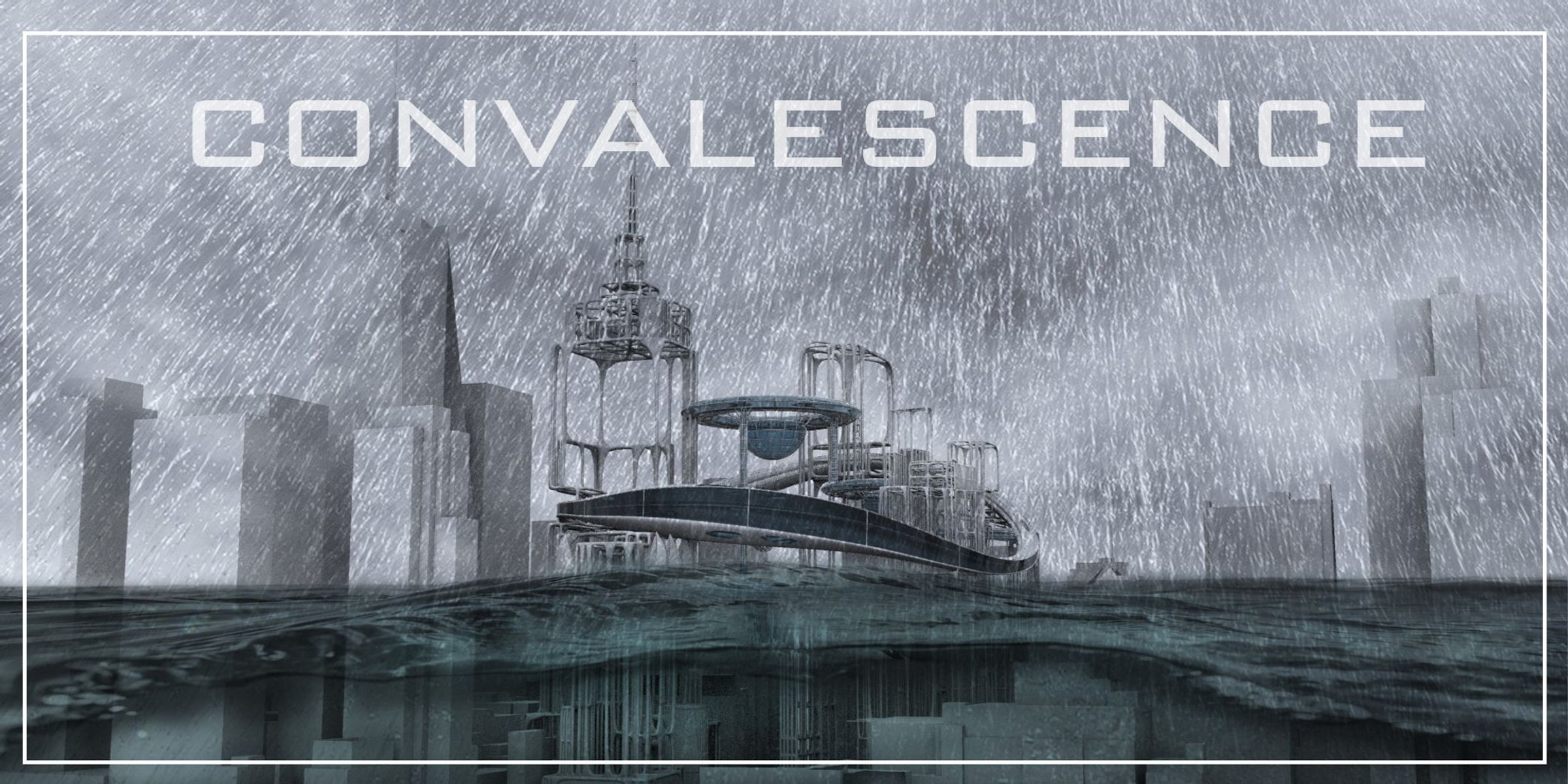
Sustainable Architecture Post-Apocalypse: The Blueprint of Resilience in "Convalescence"
"Convalescence" explores sustainable architecture in a post-apocalyptic, flooded Manhattan.


A New Dawn Over The Drowned Cityscape
In the hauntingly beautiful projections of the future, "Convalescence" emerges as a beacon of hope amidst the desolation. This Editor's Choice entry in "Architecture of the Apocalypse" by Jose Garcia and Fu Li paints a stark image of a world engulfed by water, yet clinging to survival through the ingenuity of sustainable architecture post-apocalypse. With Manhattan's skyline dramatically transformed, this visionary project redefines the bounds of resilience and innovation in the face of climate change's relentless onslaught.
The Architectural Response to Cataclysmic Change
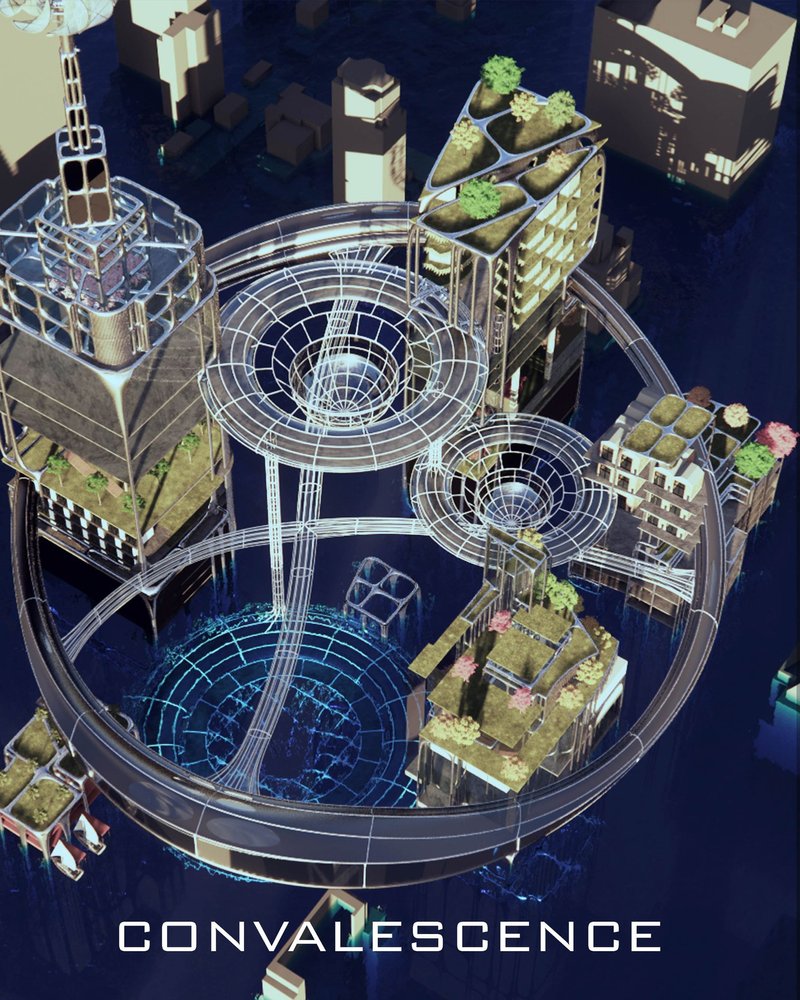
"Convalescence" is more than a mere structural conception; it is a testament to humanity's adaptability. The premise is as straightforward as it is audacious: with the world's ice caps melted and society uprooted, survival hinges on the upper echelons of urban skeletons and the bridges that interlink them. It is a narrative of reclamation, a chronicle of the surviving environmentalists who foresaw the calamity and now lead the charge in ushering a new epoch.
Engineering Afloat: The Community's Lifelines
The Expansion Strategy: Bridging Life Together
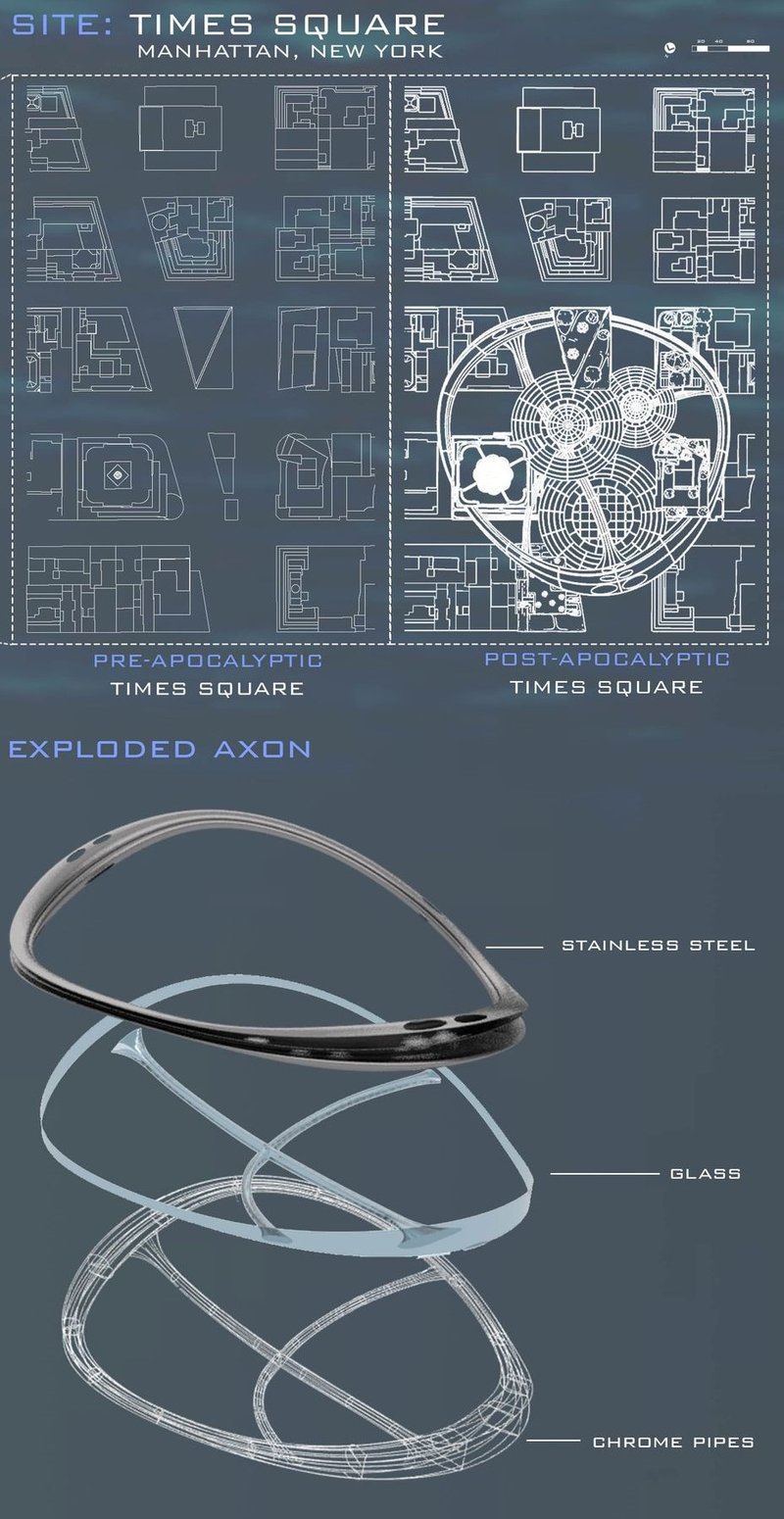
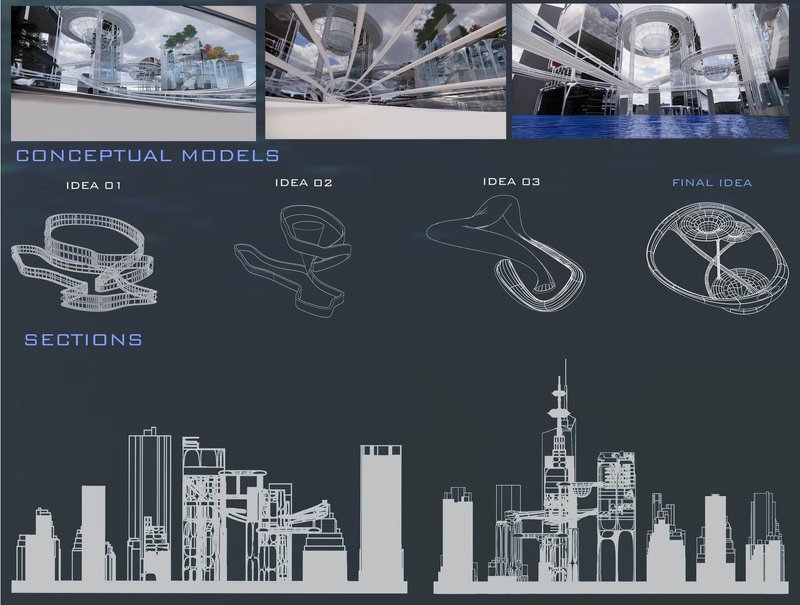
The lifelines of this new world are its bridges—architectural marvels spanning the aqueous abyss to connect the remnants of a submerged New York. These aren't just passageways; they symbolize the interconnectedness of the community's needs, with layers dedicated to rapid transit and leisurely pedestrian use alike.

Water's Ebb and Flow: The Pulse of the New World
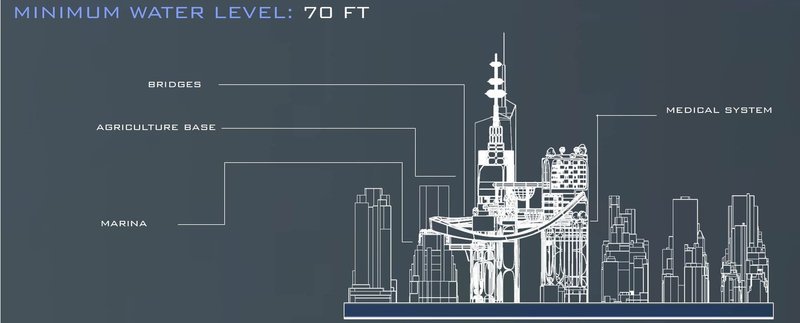
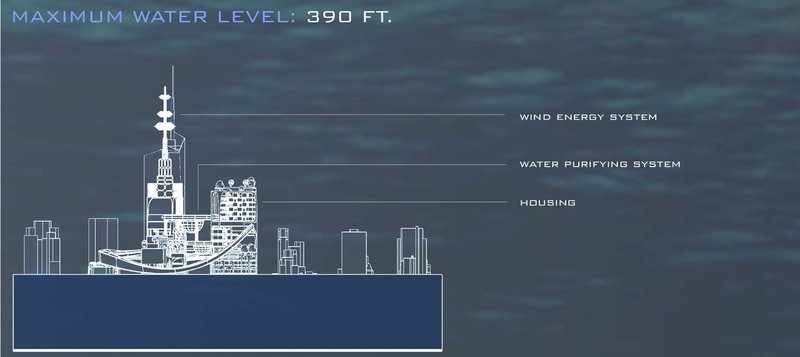
With water levels fluctuating between 70 and 390 feet, "Convalescence" thrives on rhythm. This ebb and flow dictate not just the physical movement but also the socio-economic dynamics of the post-apocalyptic society. The marinas and bridges aren't mere infrastructure; they're the capillaries of a living organism.
Self-Sustaining Systems: The Core of Post-Apocalyptic Architecture
Hydroponics: Cultivating Life Without Soil
In a world where soil is a submerged memory, hydroponics emerges as the green heartbeat of "Convalescence." Here, lush vegetation defies the lifeless inundation below, sustained by intricate networks ensuring a constant supply of fresh water.
Wind Energy: Harnessing the Aerial Torrent
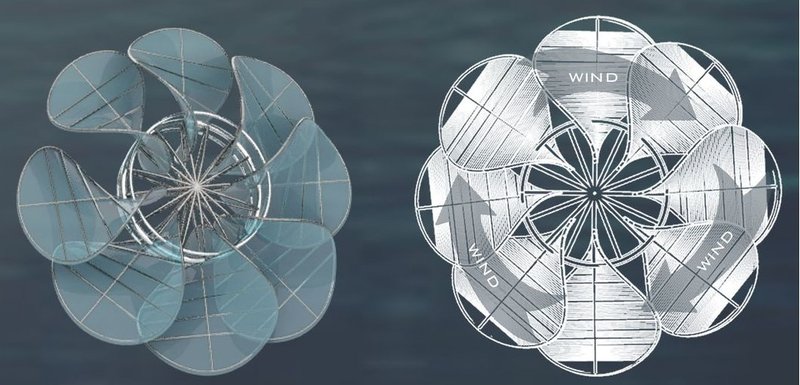
High above the water, wind is a relentless force. "Convalescence" harnesses this energy through turbines, sculpted to capture the chaotic dance of the post-apocalyptic breezes, turning a potential foe into the community's electric lifeblood.
The Cistern: Quenching the Thirst for Freshwater
As saltwater suffuses the world, the Cistern stands as an ingenious bulwark, a multi-tiered purifying system that transforms brine into a precious commodity: freshwater, sustaining life in the vertical sprawl.
Architectural Aesthetics and Functionality: The New Skyline
The Visual Spectacle of Resilience
The aesthetic of "Convalescence" is a blend of the somber reality of a world lost and the undaunted spirit of what remains. It stands as a visual spectacle, a silhouette of resilience against the relentless rise and fall of the new tide.
Interior and Exterior Vistas: Reflecting a Community's Soul
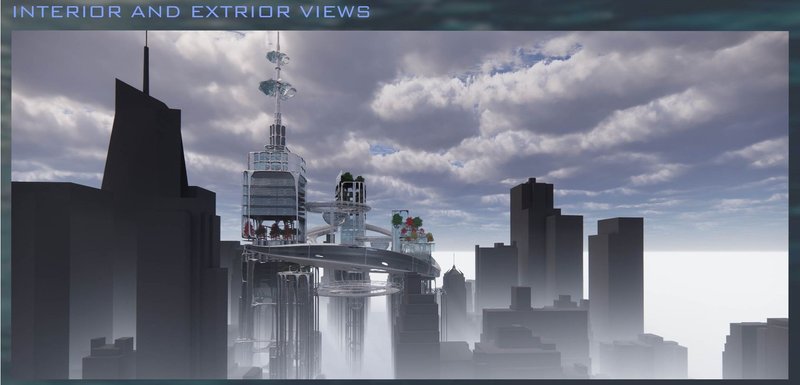
The project's interior and exterior views reflect more than mere survival—they are a canvas of hope, a montage of community, growth, and the undying vibrance of human spirit.
Embracing a New Era: Convalescence's Pledge
As the world welcomes a new era, "Convalescence" is more than an architectural marvel; it is a pledge. A pledge to adapt, to sustain, to grow—to not just survive the apocalypse but to thrive within it, building a testament to human ingenuity and the enduring will to forge a future, no matter the odds.
The story of "Convalescence" is a clarion call—a call to architects, environmentalists, and visionaries around the world to reconceive what sustainable architecture post-apocalypse looks like. It is a narrative of hope, a blueprint of resilience, and a proof of concept that even when nature reclaims what was once hers, humanity can still find a way to call it home.
In this new dawn, the principles of sustainable architecture post-apocalypse are not just design considerations; they are the very tenets of survival. And as the waters rise and fall, so too does the human spirit—adaptable, resilient, and ever-reaching towards the skies.