
Sustainable Arctic Architecture: The Future of Modular Living
Innovative Arctic Architecture: Sustainable, Modular, and Built for Extreme Climates

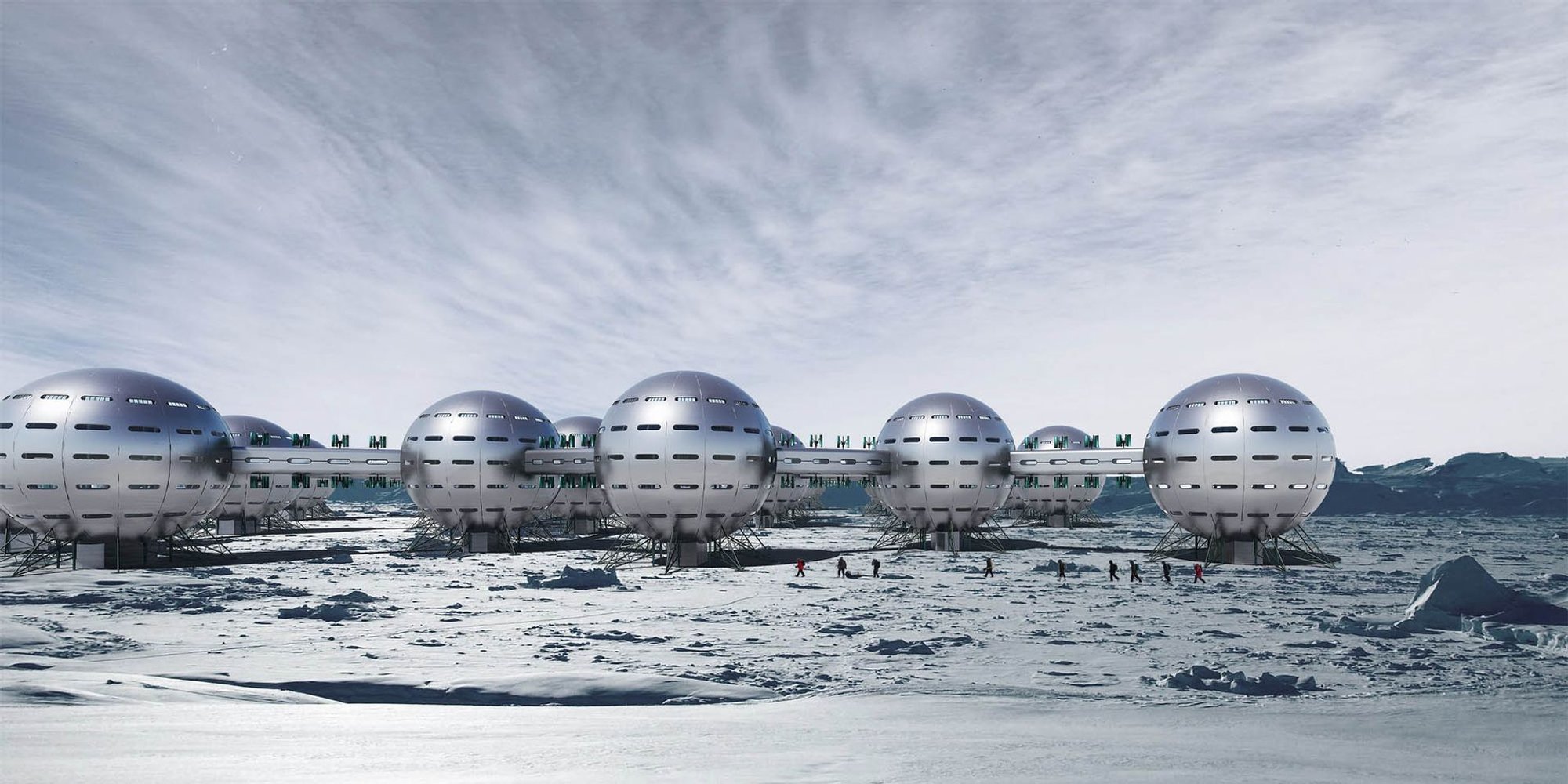
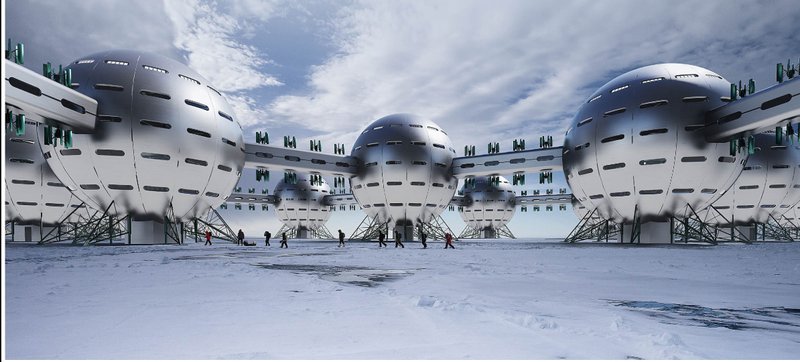
The Arctic station, located on an island in northern Canada, spans an area of 800 x 800 meters and is designed to accommodate 1,000 people. Developed with sustainable architecture in mind, this innovative project "MULTI FUNCTIONAL NORTH HOUSE" integrates renewable energy sources, modular construction, and climate-responsive design to ensure resilience in extreme conditions.
Modular & Sustainable Design
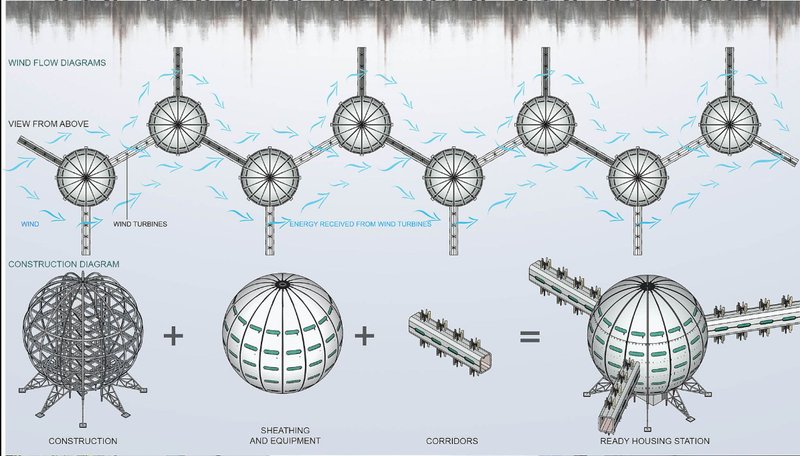
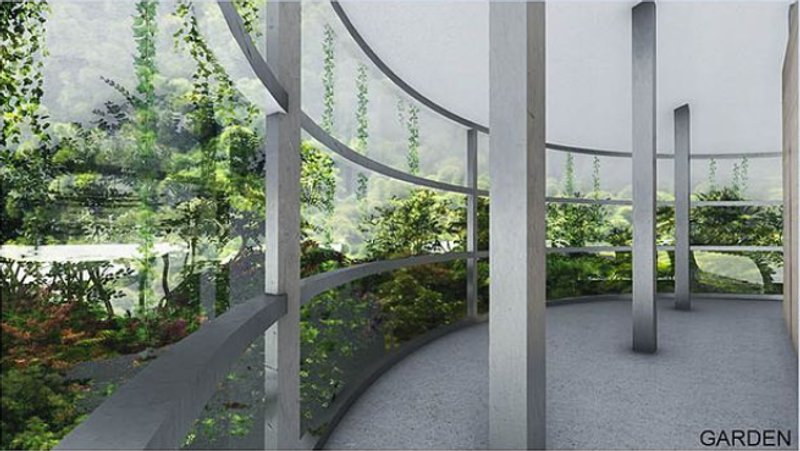
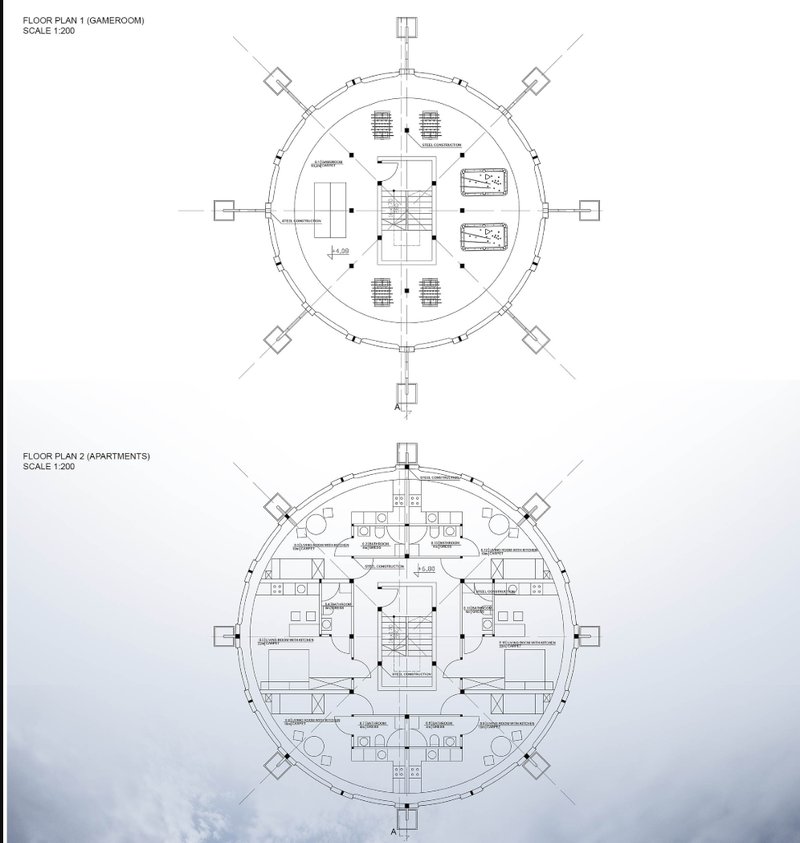
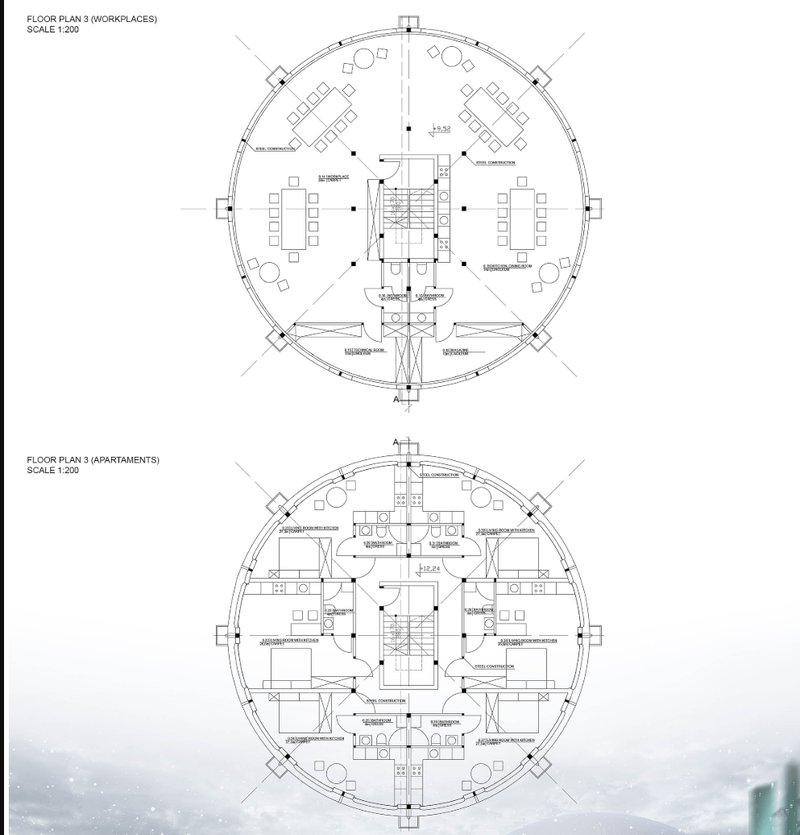
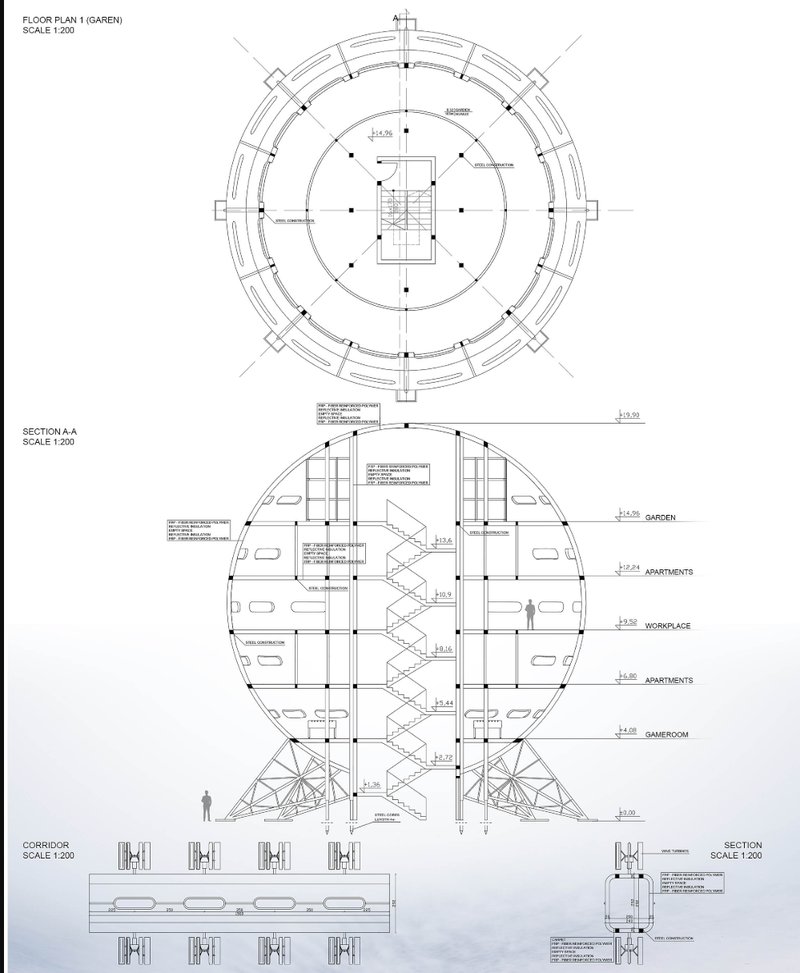
The station's structure is composed of repeating modular units, allowing for efficient transport, assembly, and expansion. These modules include residential units, workspaces, and recreational zones, offering a comprehensive living and working environment for its inhabitants.
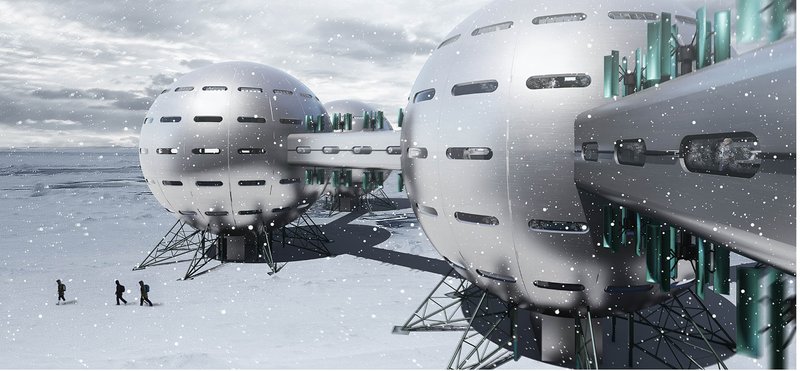
Constructed using fiber-reinforced polymer (FRP), the station’s materials provide superior durability, thermal insulation, and resistance to extreme Arctic conditions. Wind turbines mounted on the corridors generate renewable energy, reinforcing the station’s self-sufficiency.
Climate-Responsive Innovations
Designed with aerodynamic principles, the spherical housing structures minimize wind resistance, reducing snow accumulation and ensuring thermal efficiency. Elevated above the ground, the station mitigates environmental impact while maintaining stability through an adjustable foundation system.
A Vision for Future Arctic Settlements
This pioneering design by Michał Kacprzyk, a shortlisted entry in the EHC - Arctic competition, redefines how architecture can thrive in one of the planet’s harshest environments.
With its emphasis on sustainability, modularity, and resilience, the Arctic station represents a future-forward solution for scientific research, environmental conservation, and off-grid living.


Popular Articles
Popular articles from the community


The Ken Roberts Memorial Delineation Competition (Krob)
As the most senior architectural drawing competition currently in operation anywhere in the world, it draws hundreds of entries each year, awarding the very best submissions in a series of medium-based categories.

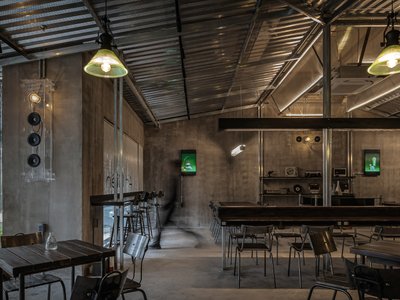
An Miên Lumière Cafe by xưởng xép, Ho Chi Minh City, Vietnam
An industrial-inspired café where layered steel and warm light create a dynamic, immersive environment shaped by reflection, depth, and perception.
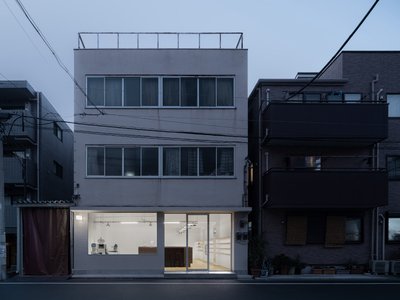
Atelier Macri Concept Store Interior Design by CASE-REAL
Atelier Macri store features a "ko" counter, walnut wood details, cork displays, blending retail, gallery, and seamless customer experiences.
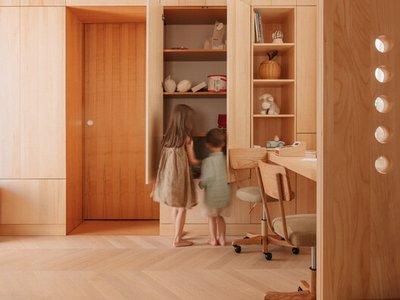
Treehouse Apartment: A Warm Timber Interior Blending Craft, Play, and Contemporary Living
Warm timber apartment with integrated treehouse, combining natural materials, craftsmanship, and playful design to create a flexible, family-oriented living environment.


Similar Reads
You might also enjoy these articles
The Ken Roberts Memorial Delineation Competition (Krob)
As the most senior architectural drawing competition currently in operation anywhere in the world, it draws hundreds of entries each year, awarding the very best submissions in a series of medium-based categories.


Waterfront Redevelopment and Urban Revitalization in Mumbai: Forging a New Dawn for Darukhana
A transformative waterfront redevelopment project reimagining Darukhana’s shipbreaking heritage into an inclusive urban future.

OUT-OF-MAP: A Call for Postcards on Feminist Narratives of Public Space
Rhizoma Design and Research Lab invites artists, designers, architects, researchers, and students to reflect on how feminist perspectives can reshape public space. Selected works will be exhibited in Barcelona, October 2026. Submissions open until 15 April 2026.


Documentation Work on Buddhist Wooden Temple
Architectural syncretism and cultural hybridity: A comparative study of the Buddhist temples in Chattogram Hill tracks




Comments (0)
Please login or sign up to add comments
No comments yet. Be the first to comment!