

Sustainable Exhibition Design: Path to Net Zero for Arts by Üroborus_studioLab
This article explores Üroborus_studioLab’s groundbreaking sustainable exhibition design for a net-zero carbon art show in Taiwan.


Introduction to Sustainable Exhibition Design
Sustainable exhibition design has emerged as a critical approach in the global effort to reduce carbon emissions and waste, particularly in the cultural and artistic sectors. Üroborus_studioLab’s “Path to Net Zero for Arts” in Taiwan stands out as an inspiring example of how innovative design can merge sustainability with creativity. Commissioned by the Ministry of Culture, this project rethinks the typical wasteful practices of temporary exhibitions and reimagines everyday materials into an environmentally responsible exhibition space.
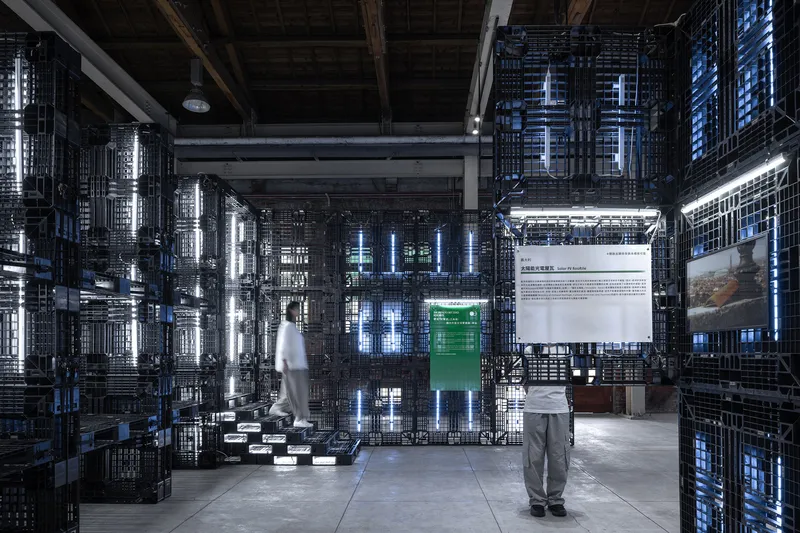
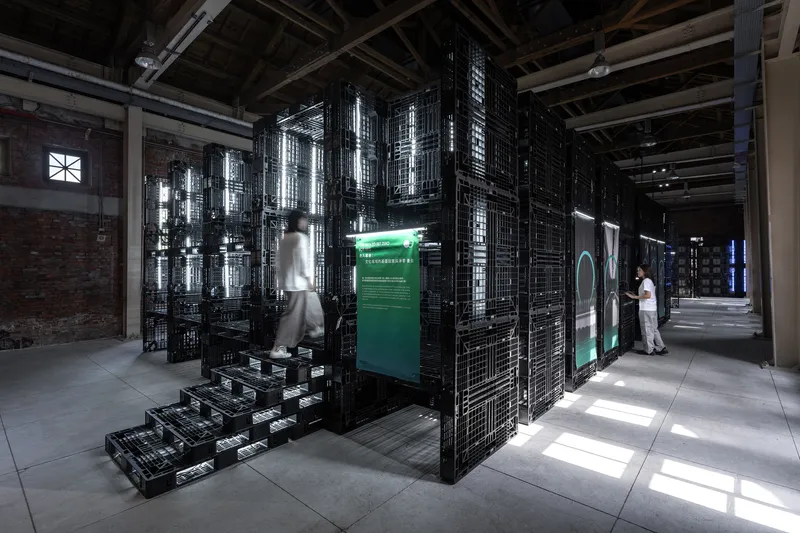

Rethinking Exhibition Materials for Sustainability
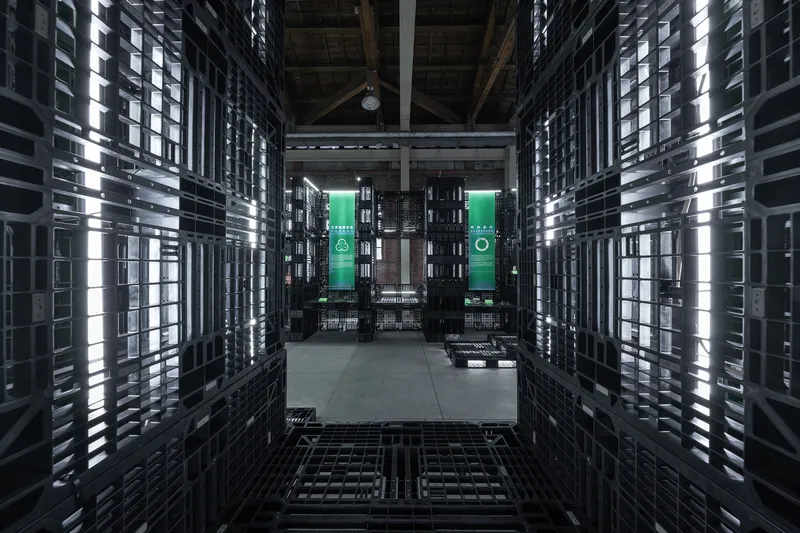
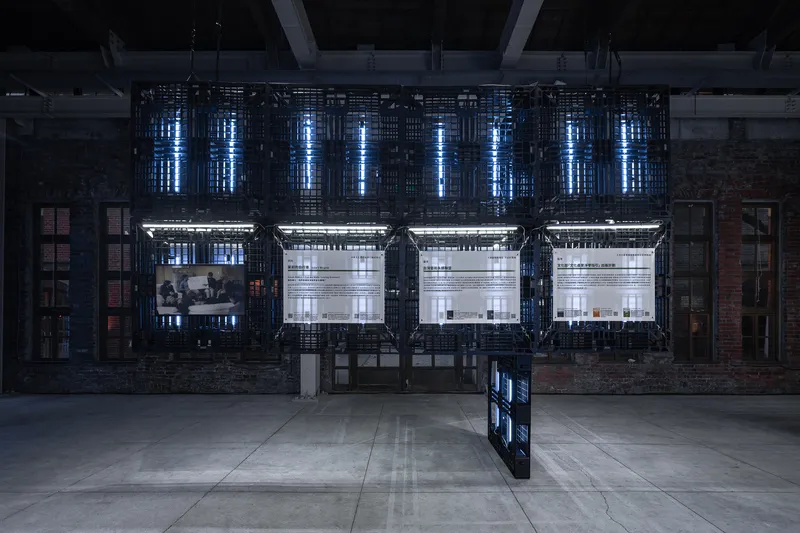
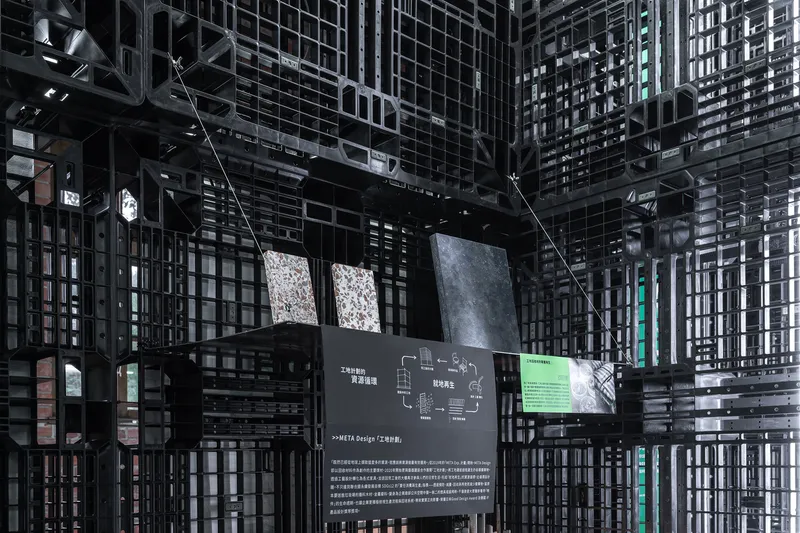
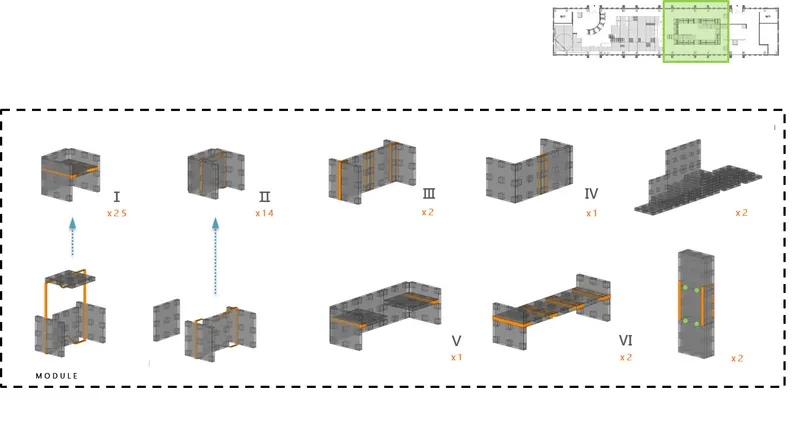
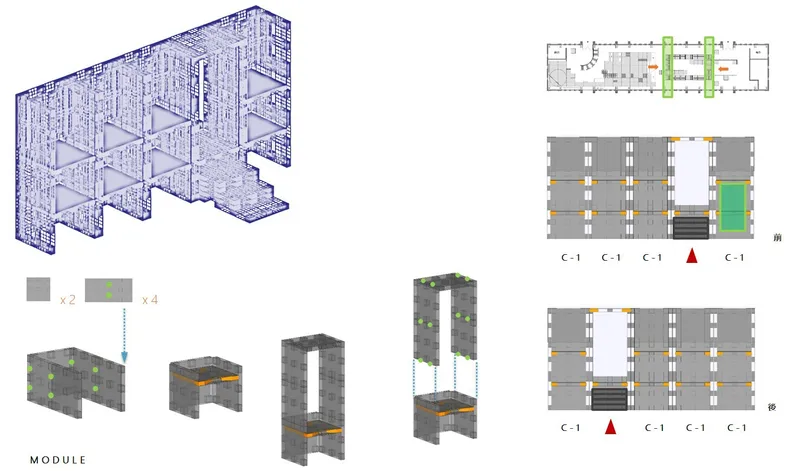
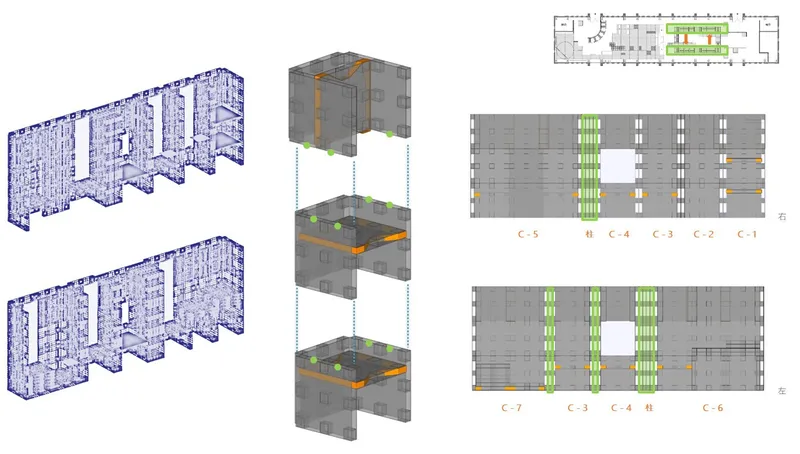
Üroborus_studioLab’s design team focused on transforming commonly used, easily accessible materials—such as rental logistics pallets, standard lighting, reusable ratchet straps, and metal hardware—into the backbone of the exhibition. Instead of relying on new, resource-heavy construction, they re-evaluated the use of these elements, integrating them as walls, floors, and display platforms. This approach not only reduced the environmental footprint but also showcased how sustainability can coexist with artistic expression and visitor experience.
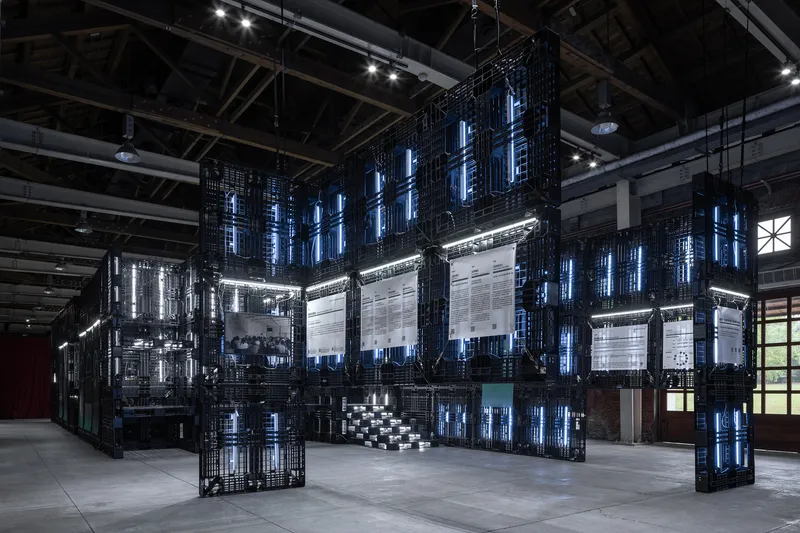
Modular and Reusable Exhibition Systems
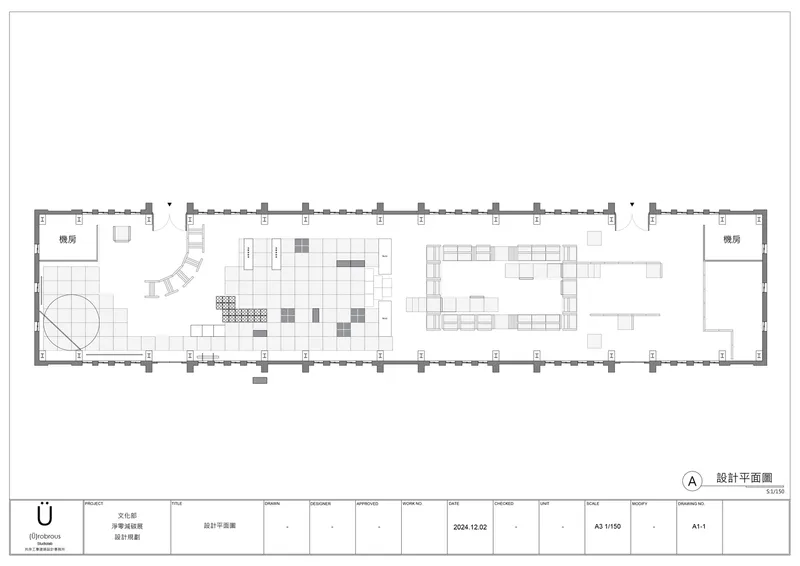
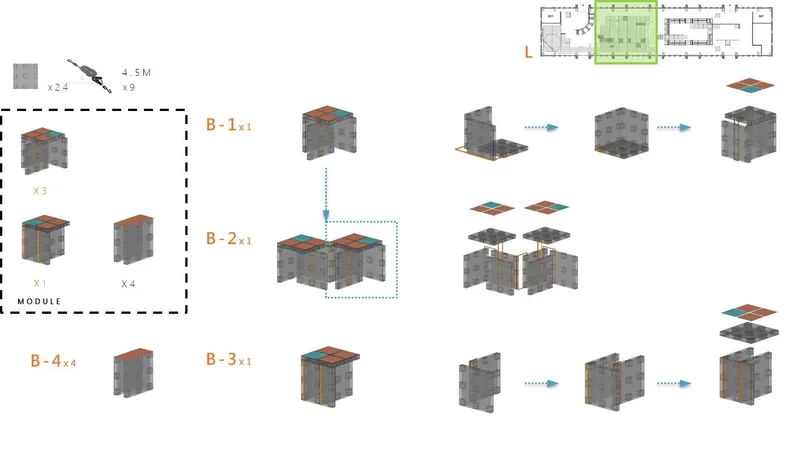
The heart of the sustainable exhibition design was the creation of a modular system. Assemblies were constructed without nails or adhesives, using only ratchet straps to secure the components. This innovative method allowed for rapid assembly, disassembly, and relocation, minimizing both labor and material waste. The result was a flexible, multi-universe exhibition environment where every element could be easily reconfigured or moved, extending the lifecycle of the materials and significantly reducing their carbon impact.

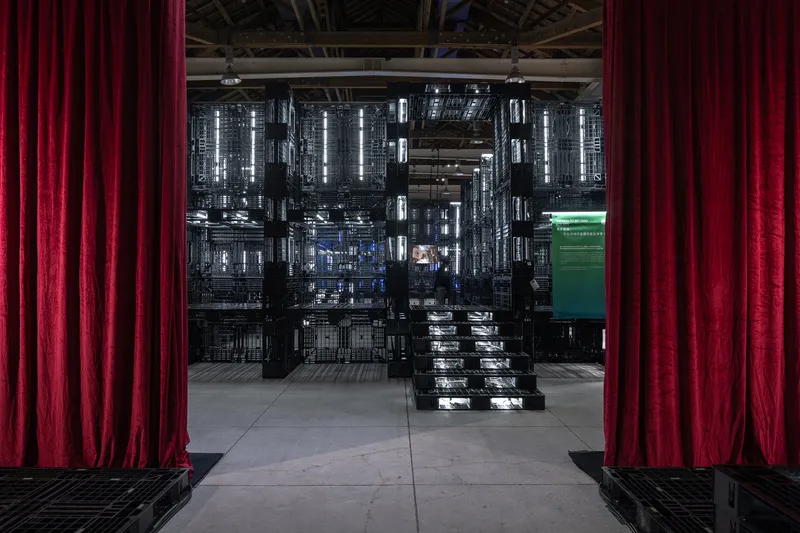

Circular Economy and Zero-Waste Goals
After the exhibition’s conclusion, all the materials were returned to the circular economy system. The pallets and platforms were fully recycled and reintegrated into their original functions, reinforcing the project’s commitment to net-zero carbon reduction. This closed-loop process embodied the essence of sustainable exhibition design by ensuring that no materials were discarded, highlighting how the arts sector can lead by example in reducing environmental impact.
The Future of Sustainable Cultural Spaces
“Path to Net Zero for Arts” is not just an exhibition but a manifesto for the future of cultural events. It challenges museums, galleries, and designers worldwide to rethink how spaces are conceived, built, and dismantled. Sustainable exhibition design is no longer a niche idea—it is a necessary shift in how the arts engage with pressing global challenges. As climate concerns intensify, projects like Üroborus_studioLab’s set a new benchmark for environmental responsibility in cultural architecture.

A Model for Sustainable Innovation
Üroborus_studioLab’s work offers a compelling model of sustainable innovation within exhibition design. By pushing the boundaries of how common materials can be repurposed and reimagined, the team has crafted a space that not only informs audiences about carbon reduction but actively embodies those values. The project’s success underscores the vital role architecture and design play in the transition to a net-zero future, making sustainable exhibition design an essential practice for the cultural sector moving forward.
All the photographs are works of Yi-Hsien Lee and Associates YHLAA


Popular Articles
Popular articles from the community


Singing Woman: An Opera House That Performs Before the Curtain Rises
Ovidiu Cristian Pavel's conceptual opera house translates Estonia's choral identity into a sculpted waterfront landmark facing the Baltic Sea.
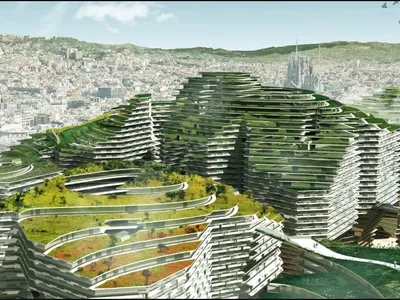
Manzana Morphosis: Stretching Barcelona's Grid into a Living Landscape for 2050
A radical reworking of the Eixample manzana turns density into a tool for generous public space, vertical ecology, and environmental performance.

Temporary Home for Dogs: A Reversed Zoo Rethinks Animal Shelter Architecture
In Bucharest, a sinuous corridor and freed landscape flip the logic of containment, designing a shelter that works to make itself unnecessary.

Faces of the Soviet Avant-Garde: Turning Moscow's Street Names into an Open-Air Museum
A network of sculptural installations across a Moscow residential district transforms forgotten architect names into spatial encounters with cultural memor

Similar Reads
You might also enjoy these articles

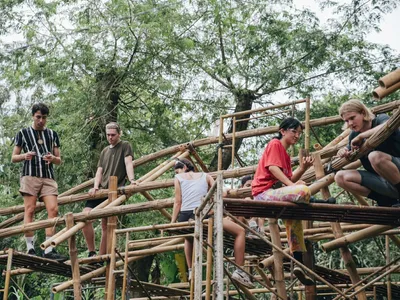
Bamboo Housing Challenge 2026: Design Affordable, Sustainable Homes Using Bamboo
An international design competition by Bamboo U and IBUKU inviting architects and designers to reimagine affordable housing using bamboo — with the winning design built full-scale in Bali.

Computational Design & Education: Beegraphy Design Awards Introduces 7th Category (Featuring Jiyun's Innovative Approach)
Dive into Beegraphy’s 7th Design Awards category, where computational design meets education to create immersive, interactive learning tools, inspired by Jiyun’s work.
From Parametric Lighting to Urban Furniture: Join the 2nd Workshop in Beegraphy’s Computational Design Series
Dive into Cutting-Edge Design Techniques and Practical Applications with Industry Experts

Last Call: Unleash Your Architectural Genius in SHAK's Kindergarten Design Competition
Urgent call for architects to join SHAK's kindergarten design competition before the looming deadline

Explore Environmental art Competitions
Discover active competitions in this discipline

Challenge to reimagine the Iron Throne

Photograph architecture without architects

Illustrate the lost glory of Angkor Wat - Render Challenge

Design challenge to reuse E-waste
Comments (0)
Please login or sign up to add comments
No comments yet. Be the first to comment!