
Sustainable Memorial Architecture: Redefining Spaces for the Living and the Departed
Honoring the past, embracing the present, and designing a sustainable future for remembrance and reflection

Comer & Passerby: Exploring the Meaning of Life
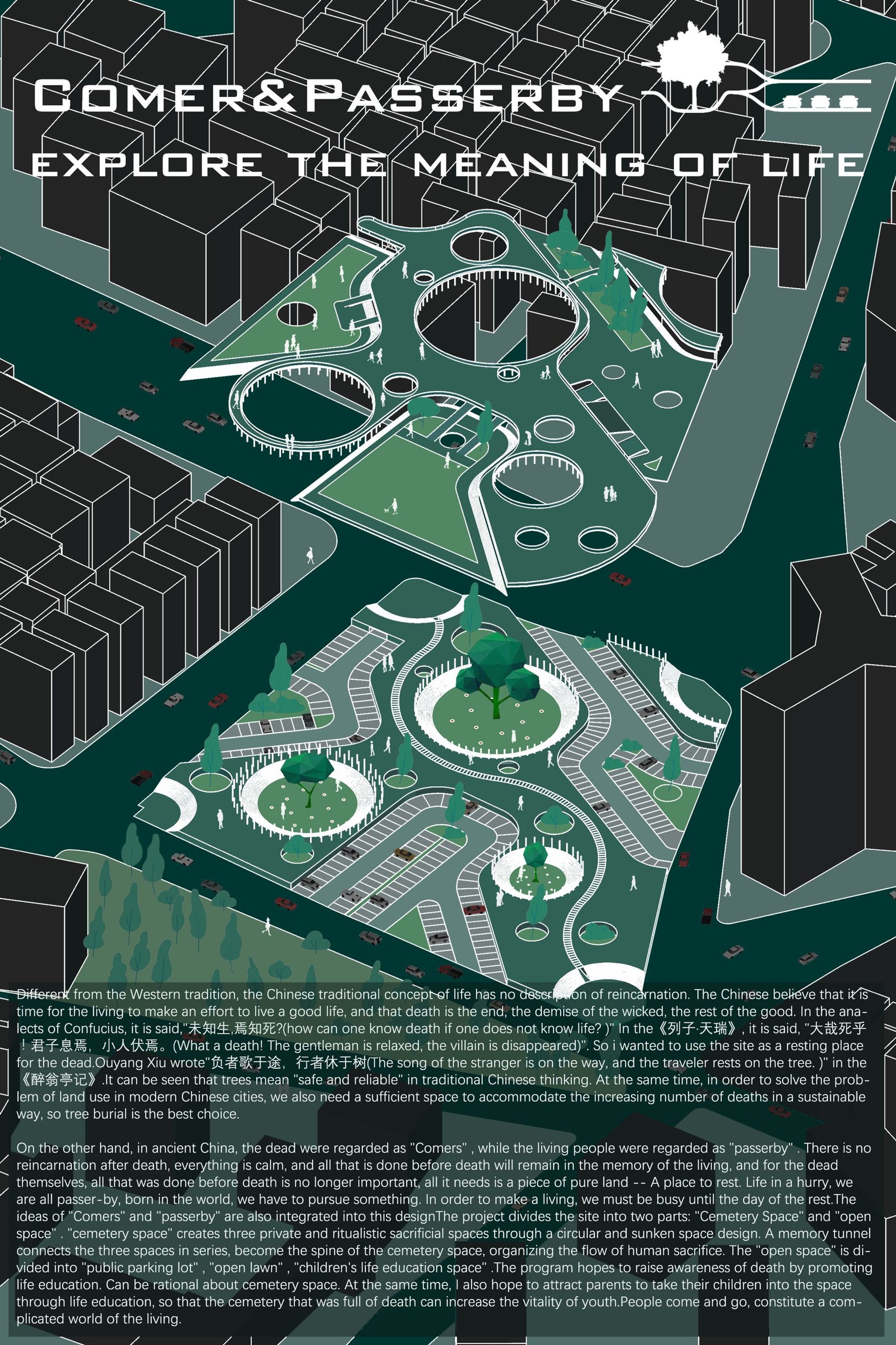
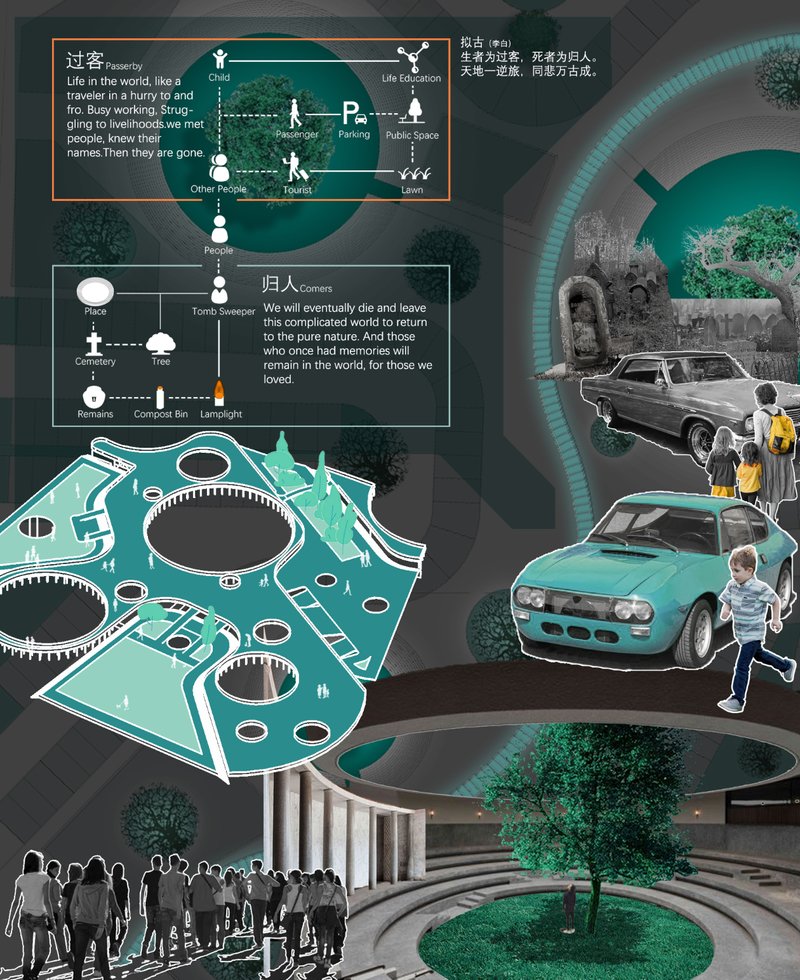
In ancient China, the deceased were referred to as "Comers," while the living were called "Passersby." Comers have completed their journey, while Passersby continue moving forward. This project "Comer & Passerby. Exploring the meaning of life "aims to embody this philosophical concept within a modern architectural framework.
The Current State of Cemetery Architecture
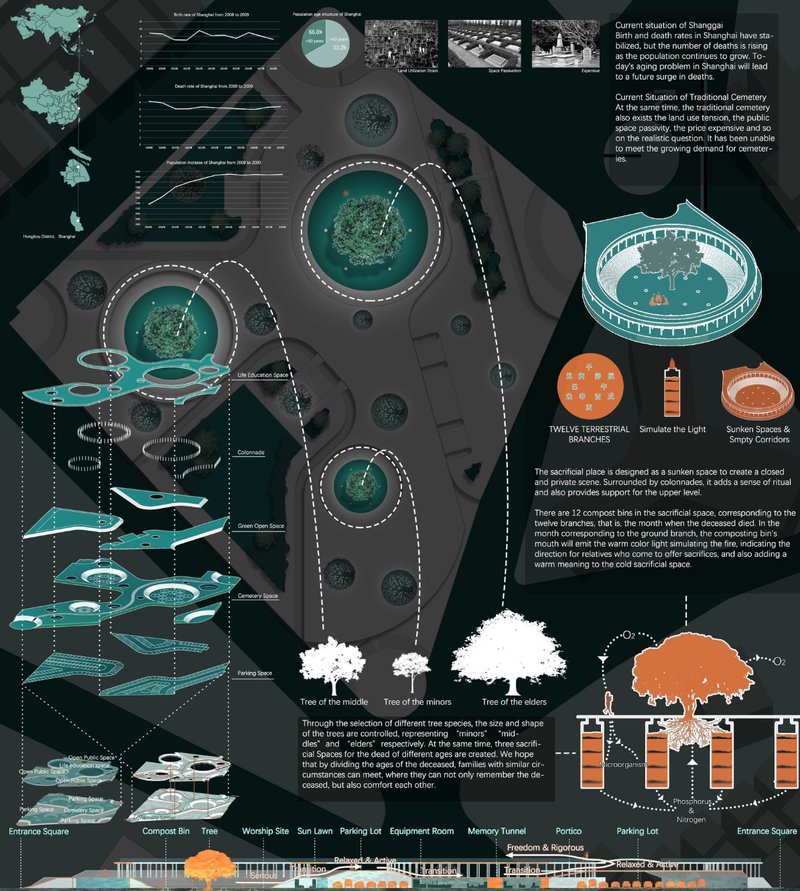
Shanghai’s population growth has led to an increasing demand for burial spaces. Traditional cemeteries are expensive, isolated, and unable to accommodate future needs. There is a pressing need to rethink cemetery design, incorporating sustainable architecture principles to harmonize life and death within urban spaces.
Integrating Nature and Sacred Spaces
The project redefines cemeteries by integrating nature and sustainable architecture. The design features:
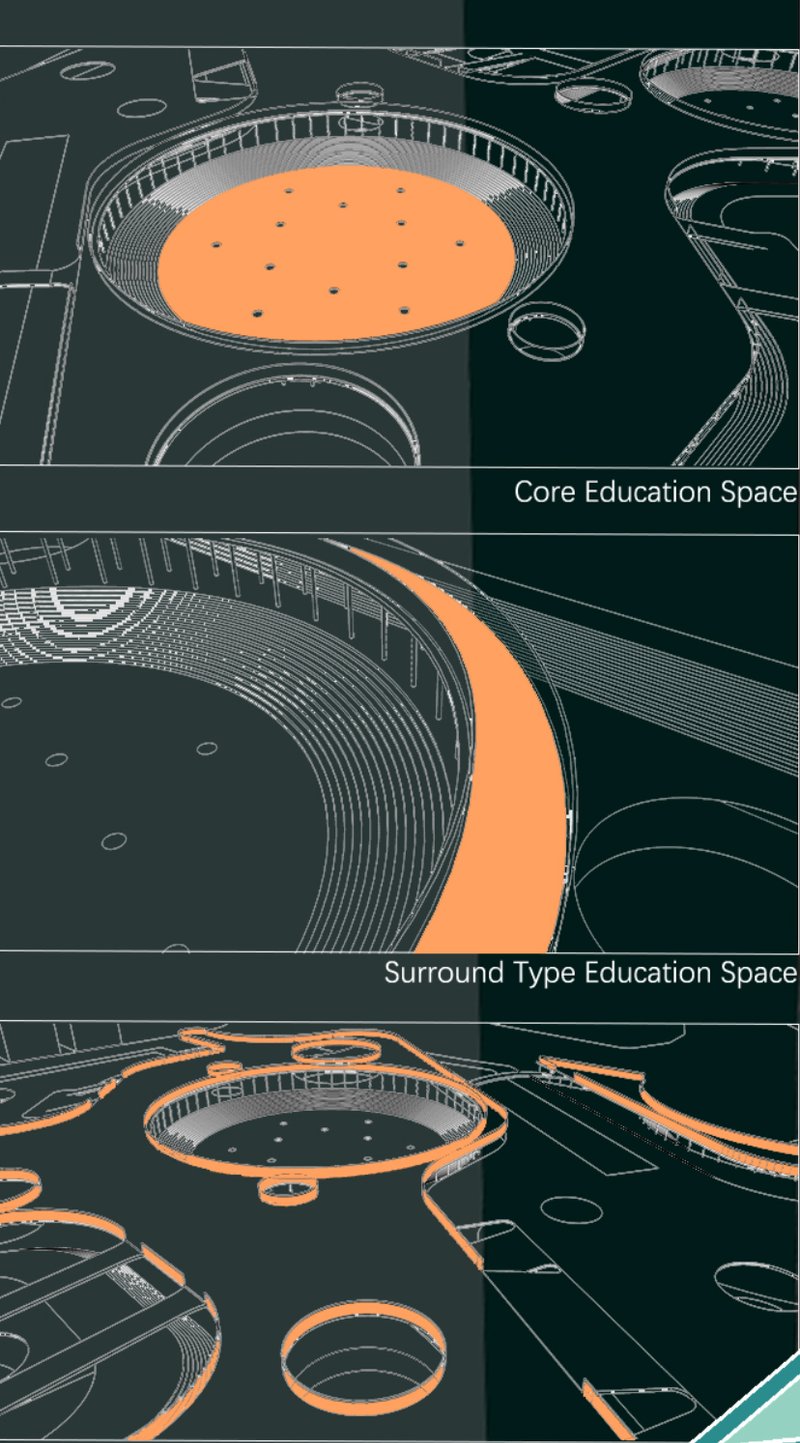
- Life Education Spaces: Interactive environments where visitors, especially children, can learn about life and death through architectural storytelling.
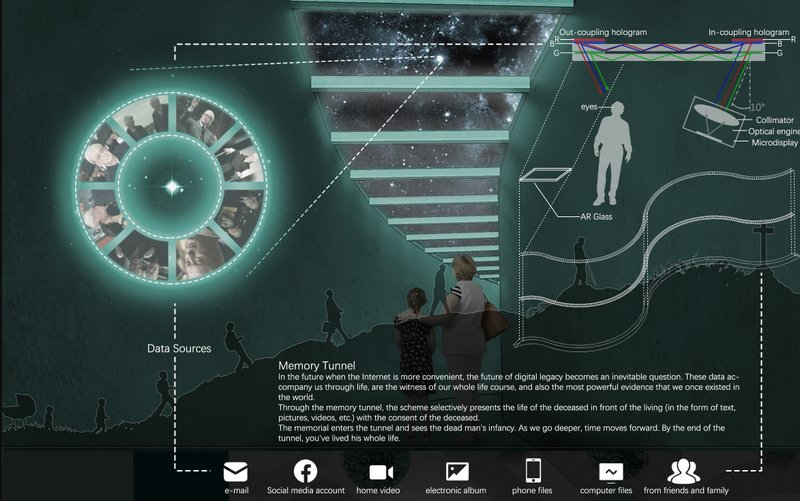
- Memory Tunnel: A digital archive that preserves the deceased's legacy, allowing visitors to walk through memories via augmented reality and holographic projections.
- Green Open Spaces: The landscape is enriched with diverse tree species representing different life stages—minors, middle-aged individuals, and elders.
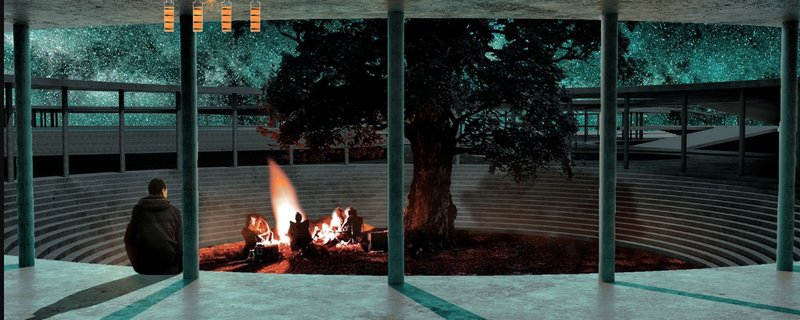
- Sacrificial Spaces: Thoughtfully designed sanctuaries with light simulation and sunken spaces for quiet remembrance.
The Role of Architecture in Remembering the Departed
Sustainable memorial architecture transforms cemeteries into places of reflection, healing, and education. This project by D Happy and 言 蒋 presents an innovative approach where cemeteries are no longer just resting places but spaces for contemplation and life education.
Towards a Future of Sustainable Cemetery Architecture
By blending traditional beliefs with modern design, this project establishes a precedent for future cemeteries. The vision is clear: cemeteries should evolve into green, interactive spaces that honor the past while educating and inspiring future generations.
Architecture is not just about buildings; it is about the lives they touch and the memories they preserve.



Popular Articles
Popular articles from the community

Atelier Macri Concept Store Interior Design by CASE-REAL
Atelier Macri store features a "ko" counter, walnut wood details, cork displays, blending retail, gallery, and seamless customer experiences.
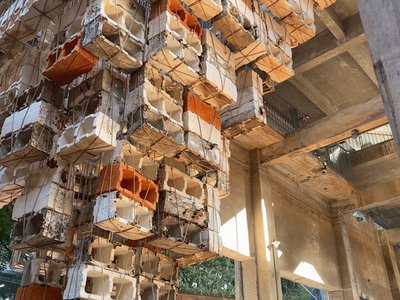
Inverted Architecture Installation by Studio Link-Arc: Exploring the Intersection of Architecture and Living Organisms
Inverted Architecture Installation by Studio Link-Arc blends mycelium, sustainability, inverted design, ecological cycles, and urban adaptive architecture in Shenzhen.
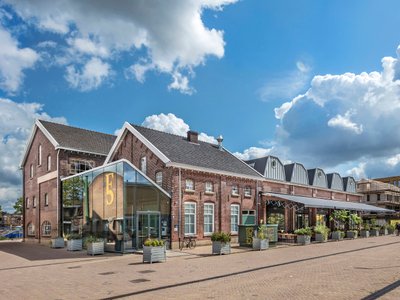
Fifth NRE Jazz Club – De Bever Architecten: Eindhoven’s Revitalized Cultural Hub
Historic gas factory transformed into Fifth NRE Jazz Club blending modern sustainability, jazz culture, dining, and heritage architecture seamlessly.
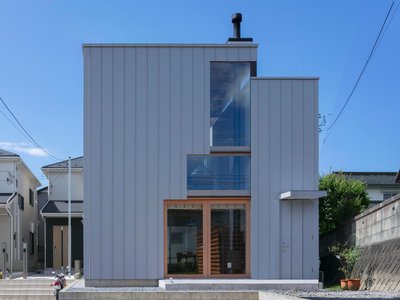
Split House: A Compact Urban Home Blending Privacy, Light, and Flexible Living in Japan
Compact Japanese home featuring DOMA space, flexible café potential, passive lighting, privacy zoning, and sustainable urban living design.
Similar Reads
You might also enjoy these articles


The Ken Roberts Memorial Delineation Competition (Krob)
As the most senior architectural drawing competition currently in operation anywhere in the world, it draws hundreds of entries each year, awarding the very best submissions in a series of medium-based categories.


Waterfront Redevelopment and Urban Revitalization in Mumbai: Forging a New Dawn for Darukhana
A transformative waterfront redevelopment project reimagining Darukhana’s shipbreaking heritage into an inclusive urban future.

OUT-OF-MAP: A Call for Postcards on Feminist Narratives of Public Space
Rhizoma Design and Research Lab invites artists, designers, architects, researchers, and students to reflect on how feminist perspectives can reshape public space. Selected works will be exhibited in Barcelona, October 2026. Submissions open until 15 April 2026.


Documentation Work on Buddhist Wooden Temple
Architectural syncretism and cultural hybridity: A comparative study of the Buddhist temples in Chattogram Hill tracks




Comments (0)
Please login or sign up to add comments
No comments yet. Be the first to comment!