
Sustainable Office Campus Design: Berliner Sparkasse by Tchoban Voss Architekten
The Berliner Sparkasse Office Campus by Tchoban Voss Architekten redefines workspace design with sustainability, flexibility, and nature integration.


A Landmark in Sustainable Architecture
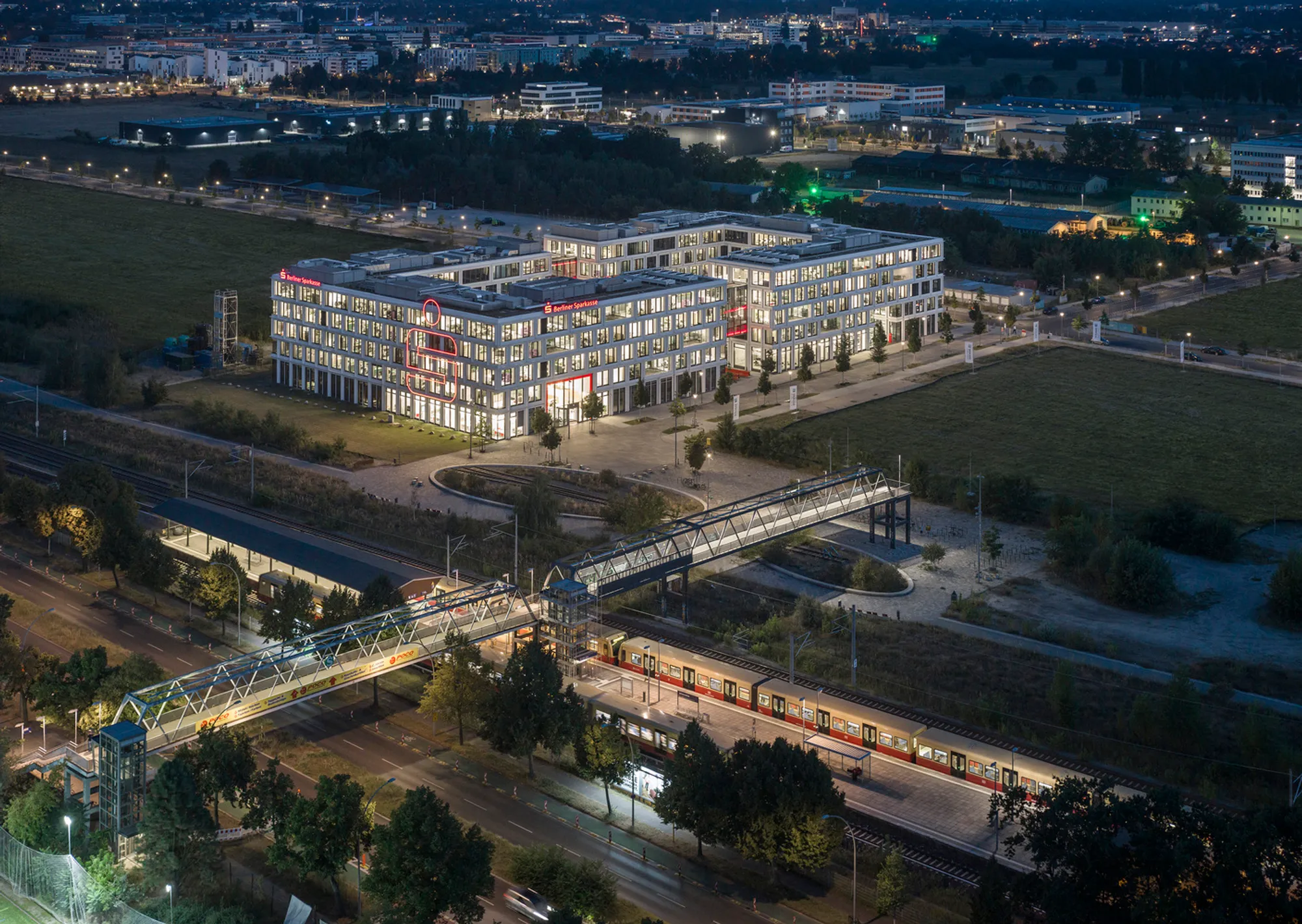
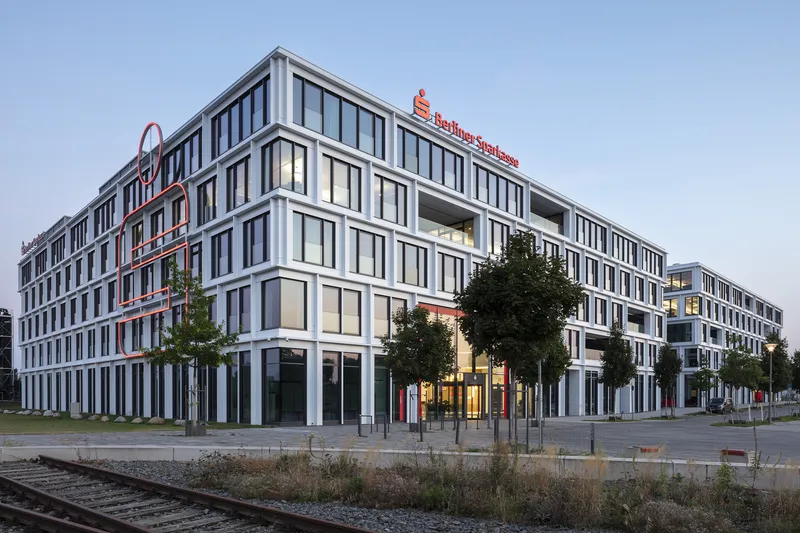
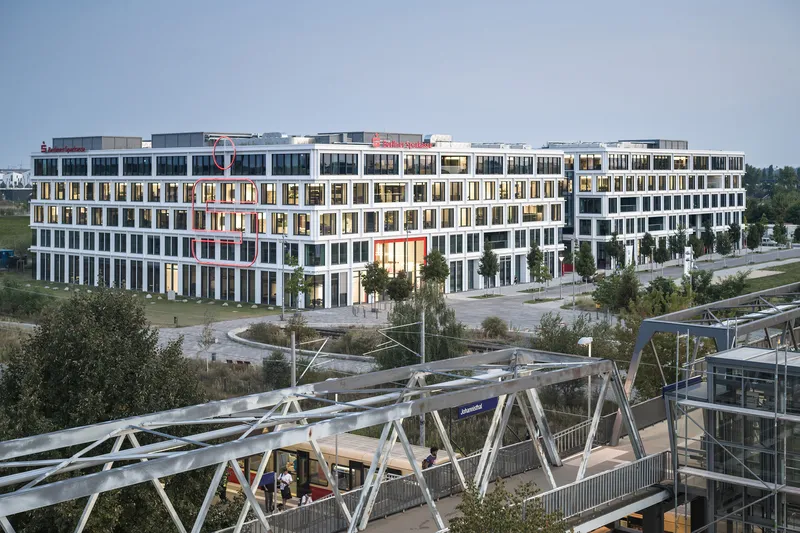
The Berliner Sparkasse Office Campus, designed by Tchoban Voss Architekten, exemplifies innovative sustainable office campus design. Located in Berlin-Johannisthal near Germany's largest technology park, Adlershof, this 30,100 m² project redefines workspace architecture with its eco-conscious approach, flexible spaces, and seamless integration of nature. Awarded Gold Certification by the German Sustainable Building Council (DGNB), this campus sets a benchmark for modern, green office environments.
Site and Context: Berlin's Innovation Hub
Strategic Location
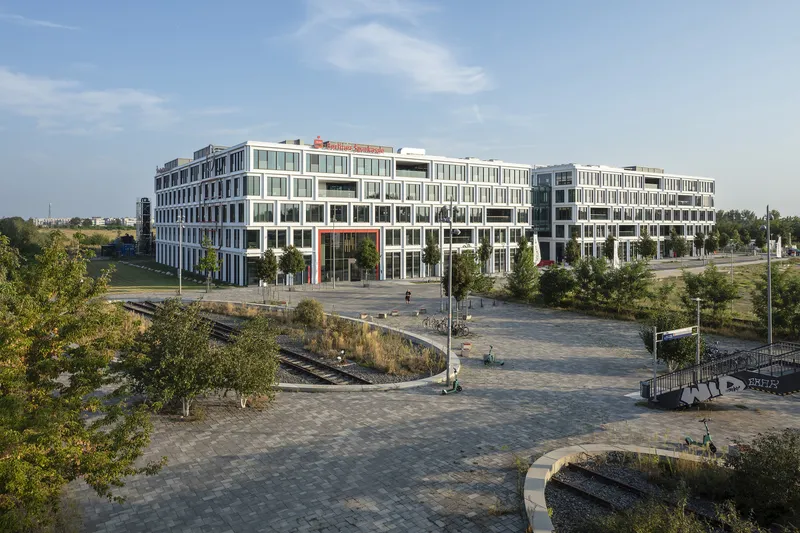
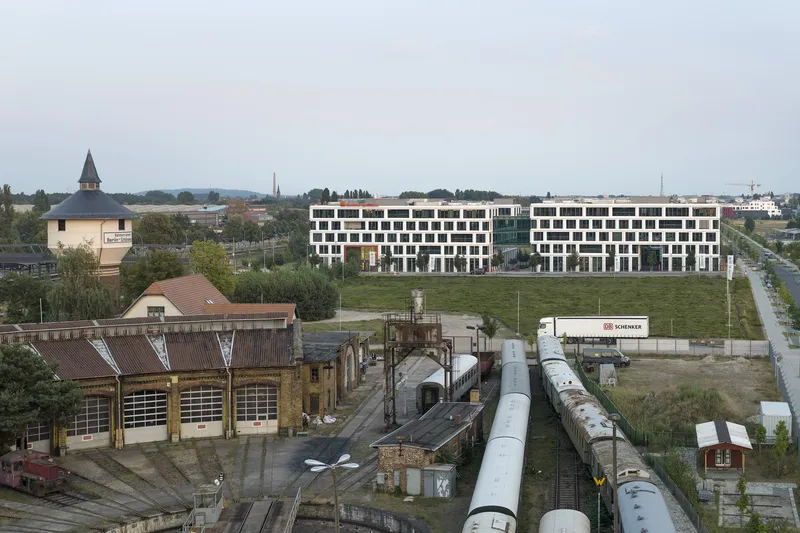
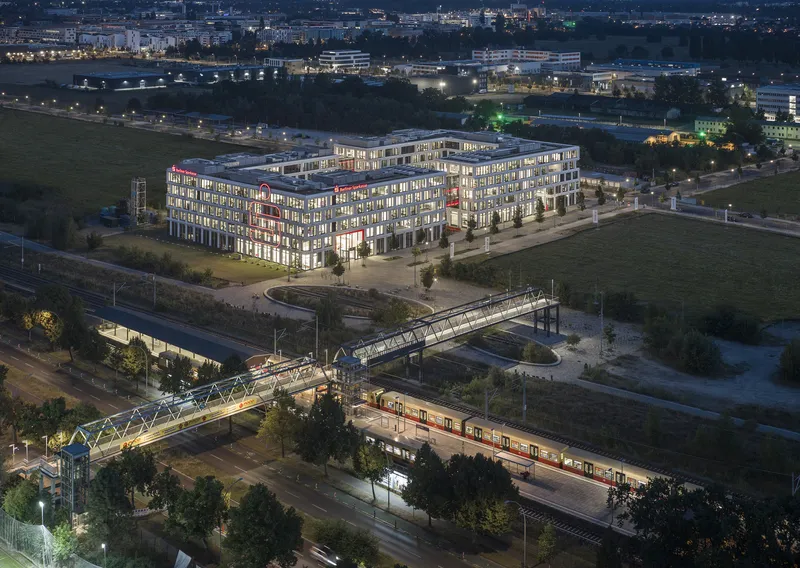
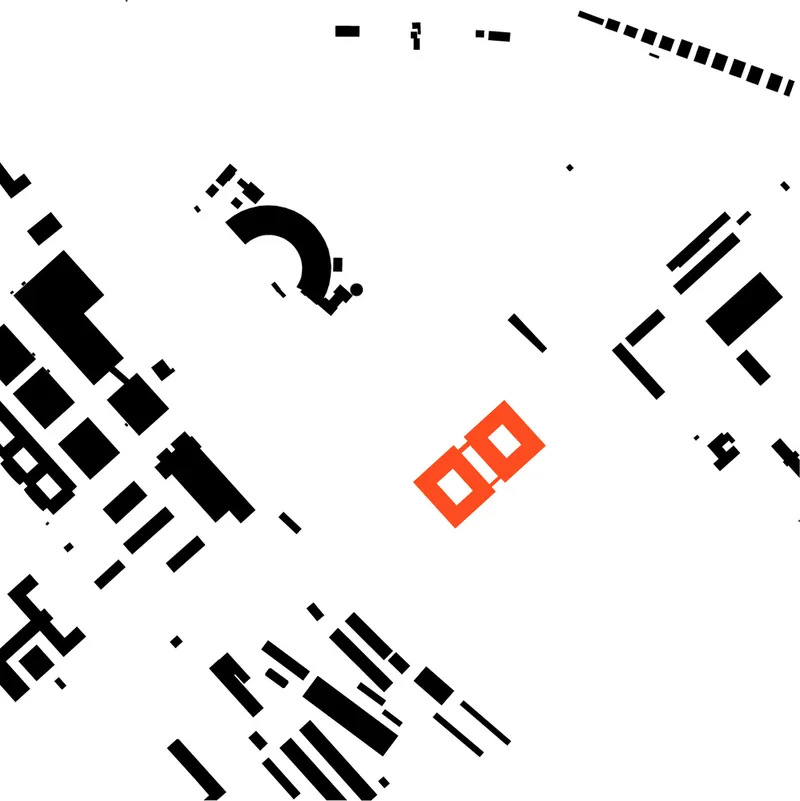
Situated in Berlin-Johannisthal, the campus is close to the historic Schöneweide railway depot and Adlershof, a hub for technology and media. This proximity ensures accessibility and places the campus at the intersection of tradition and innovation.
Integration with the Surroundings
The campus's design acknowledges its urban and historical context, harmonizing modern architectural aesthetics with the area's industrial heritage. The landscaped courtyards and green roofs provide a buffer between the built environment and nature.
Design Concept: Flexibility and Connectivity
1. Modular and Adaptive Layout
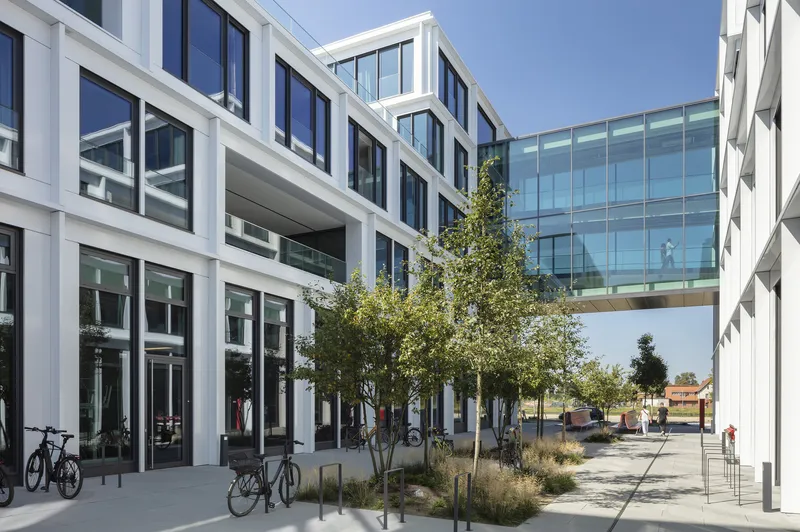
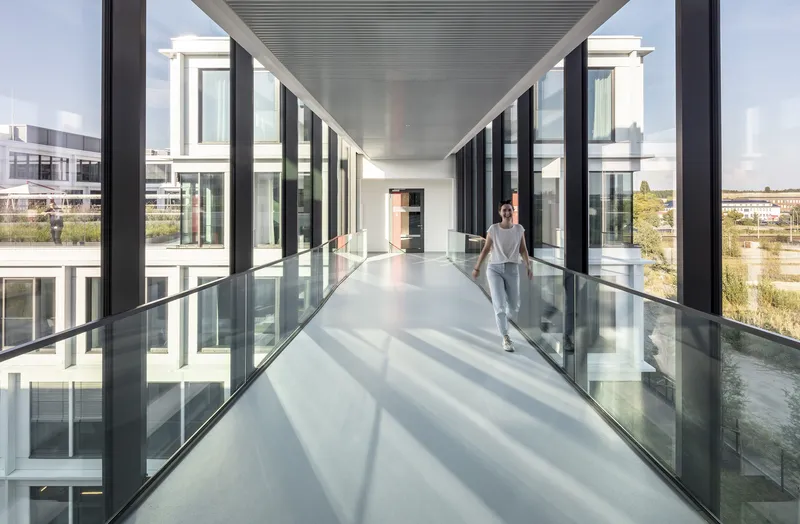
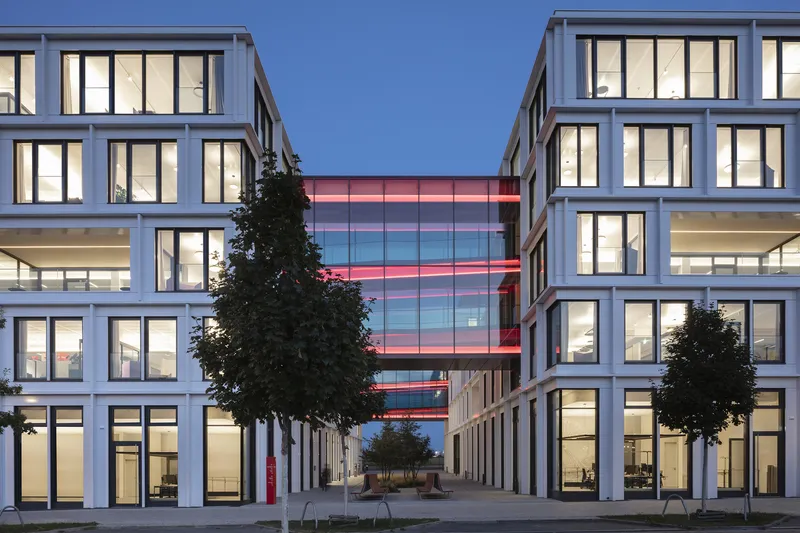
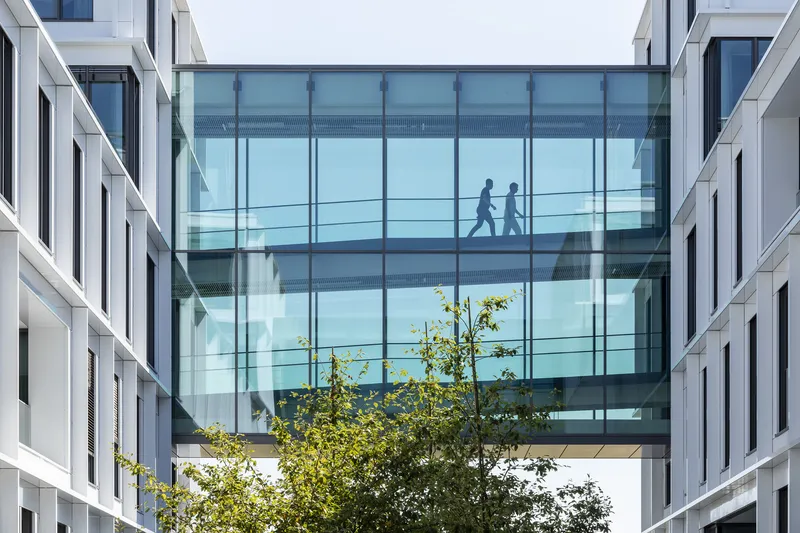
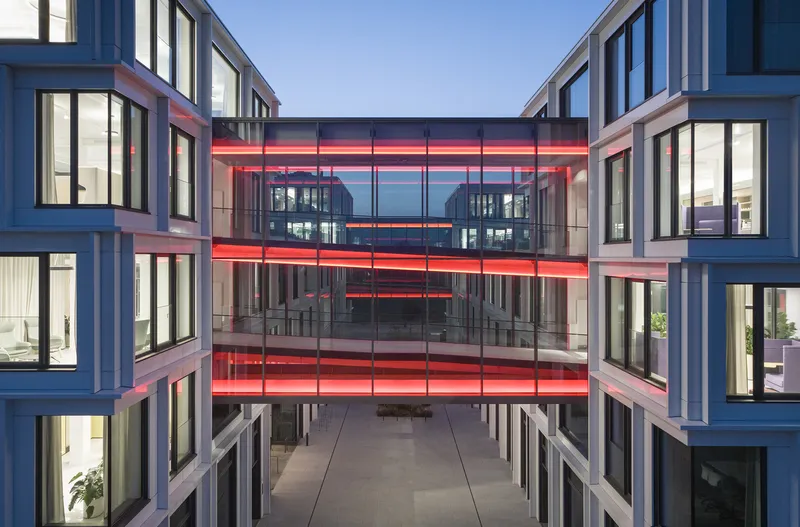
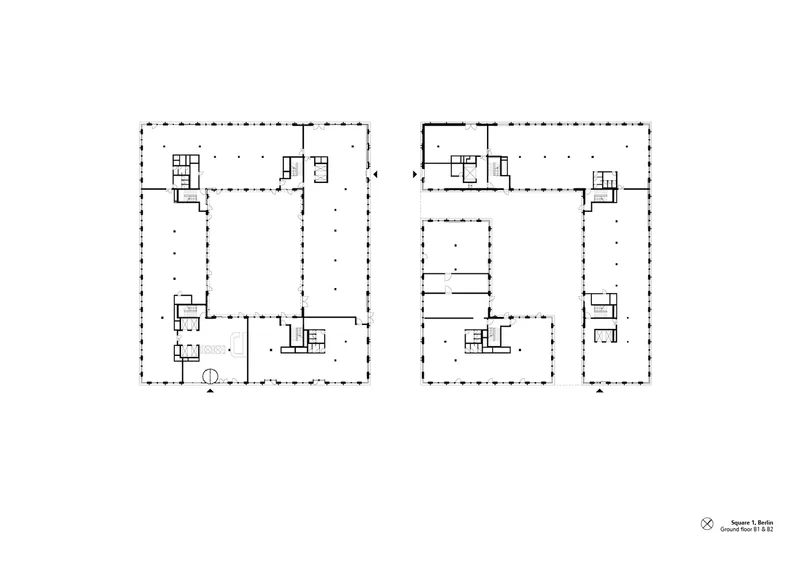
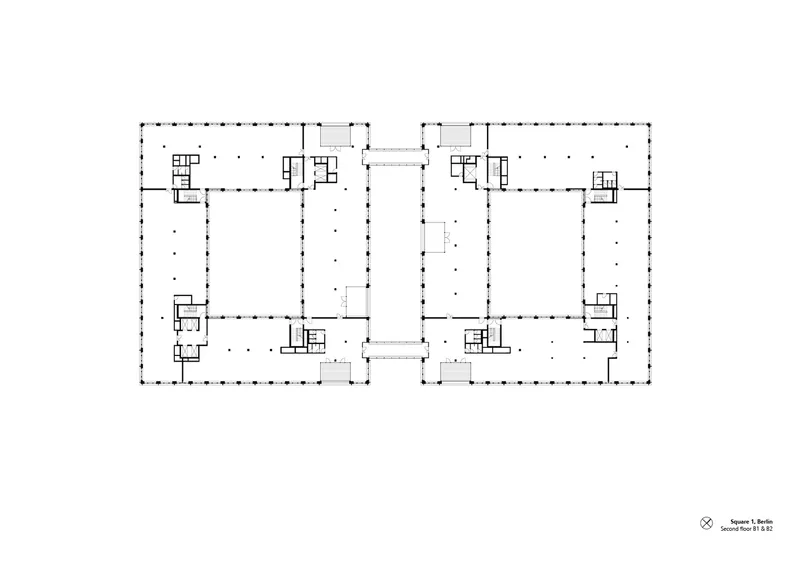
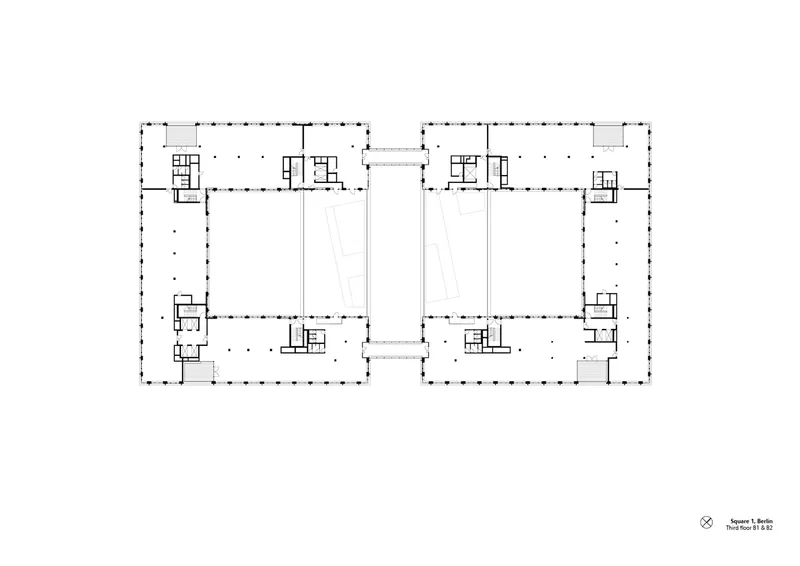
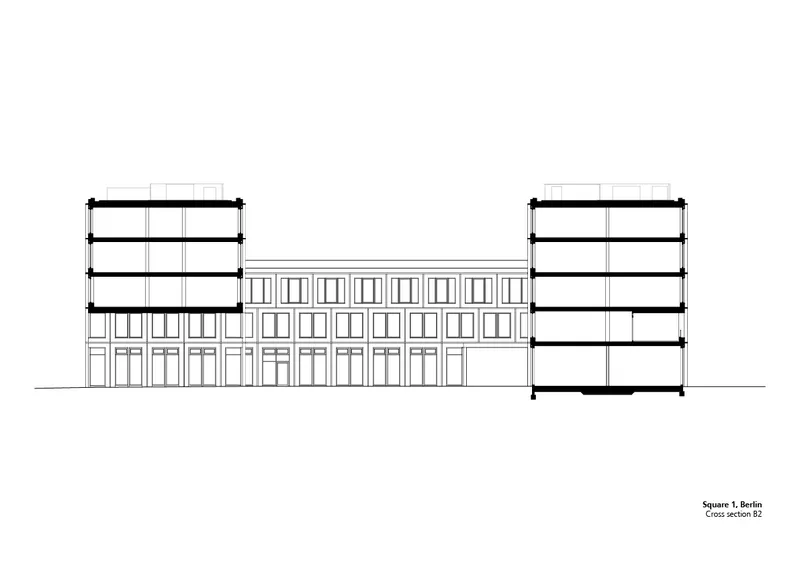
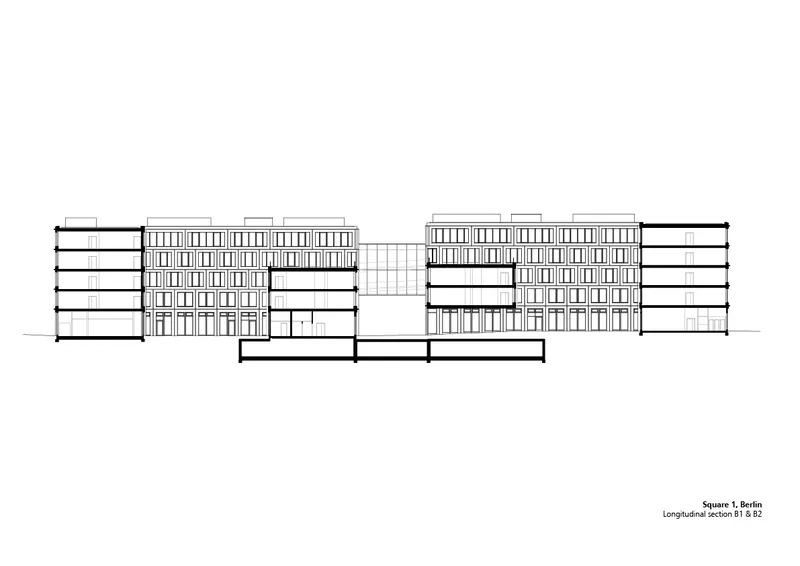
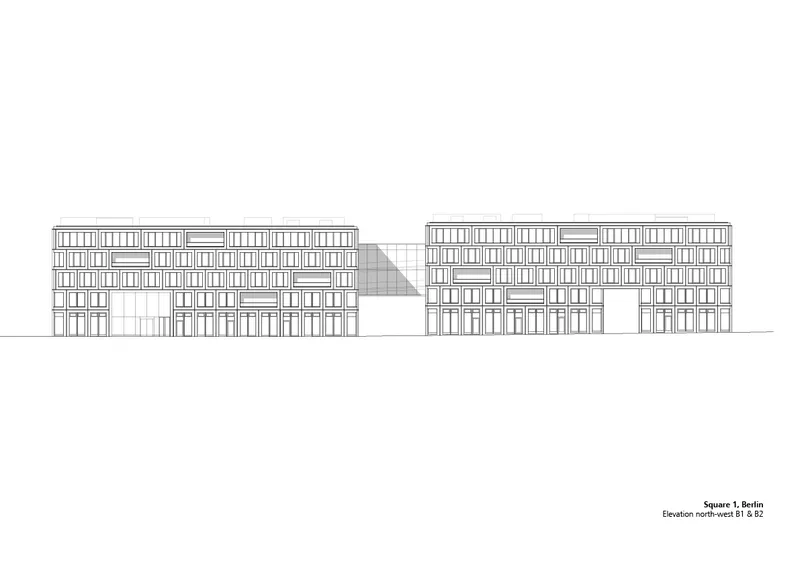
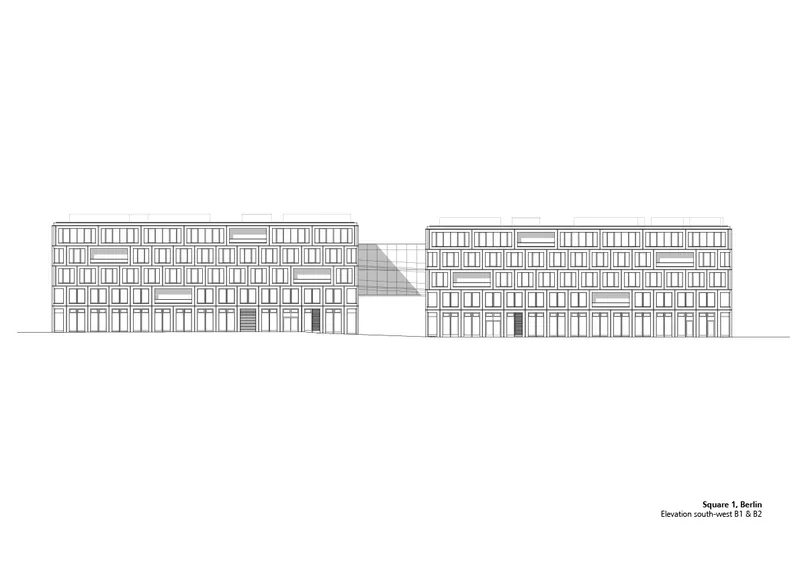
The campus features two interconnected buildings—B1 and B2—linked by glazed, two-story bridges on the second and third floors. These modular structures can function independently or as a unified space, accommodating varying tenant needs.
2. Green Courtyards and Roof Terraces
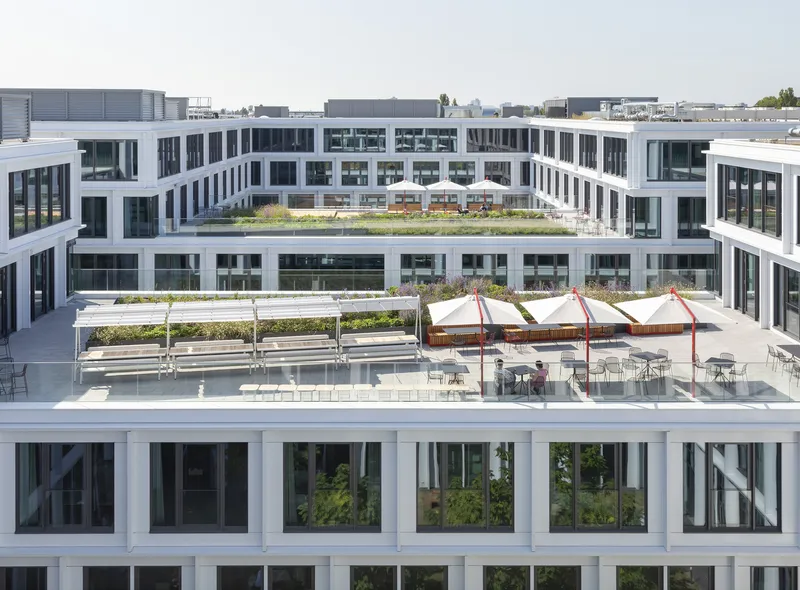
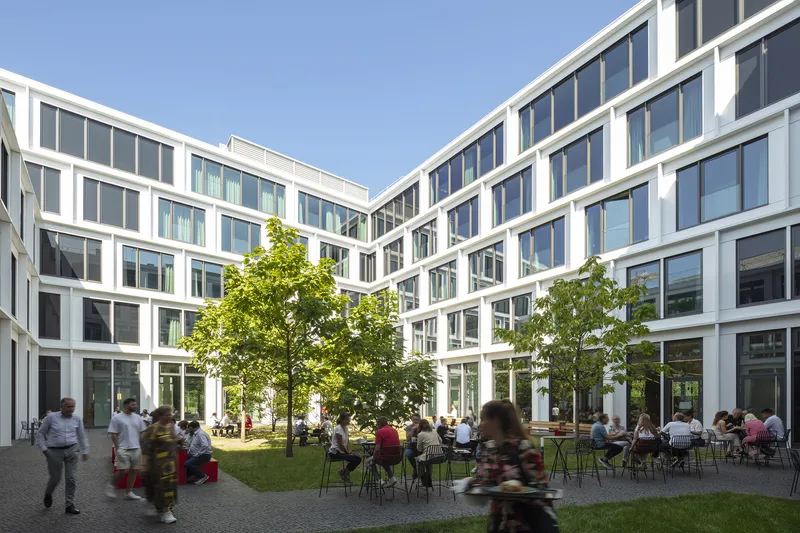
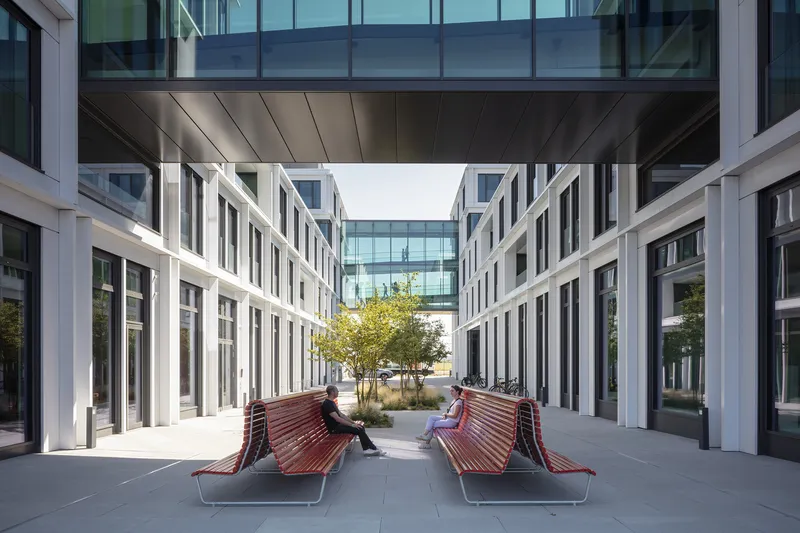
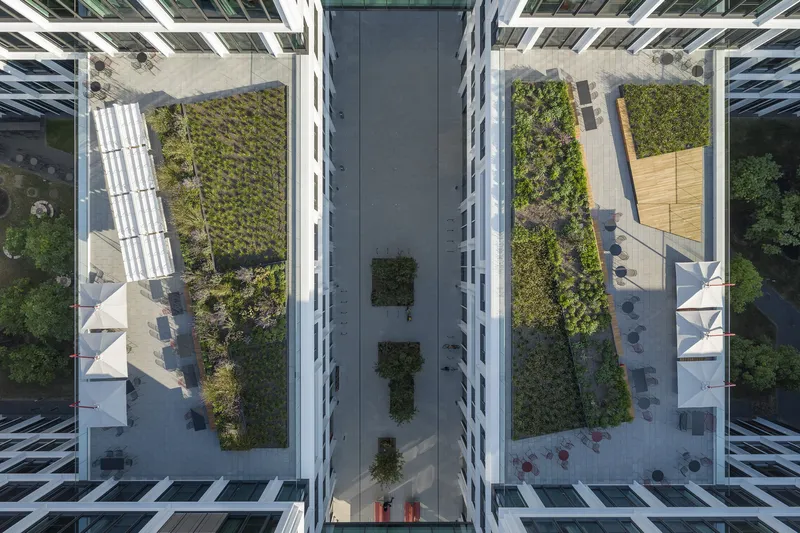
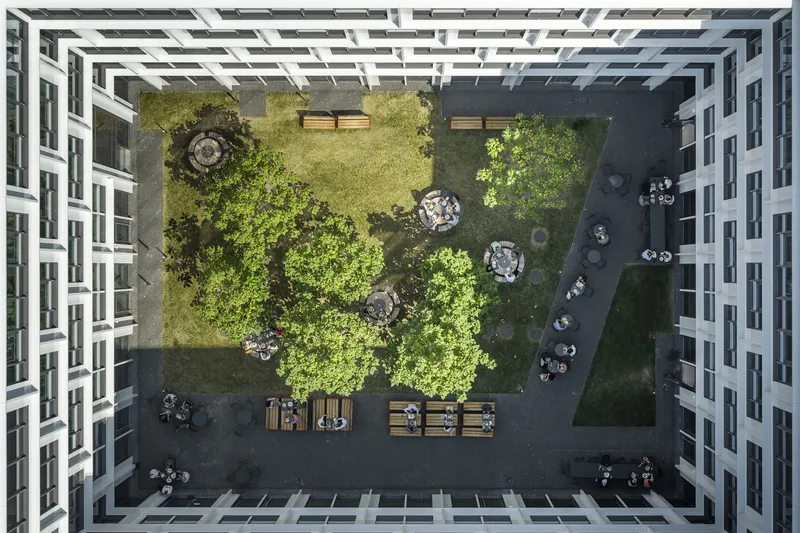
- Inner Courtyards: Landscaped spaces with seating areas foster relaxation and outdoor collaboration.
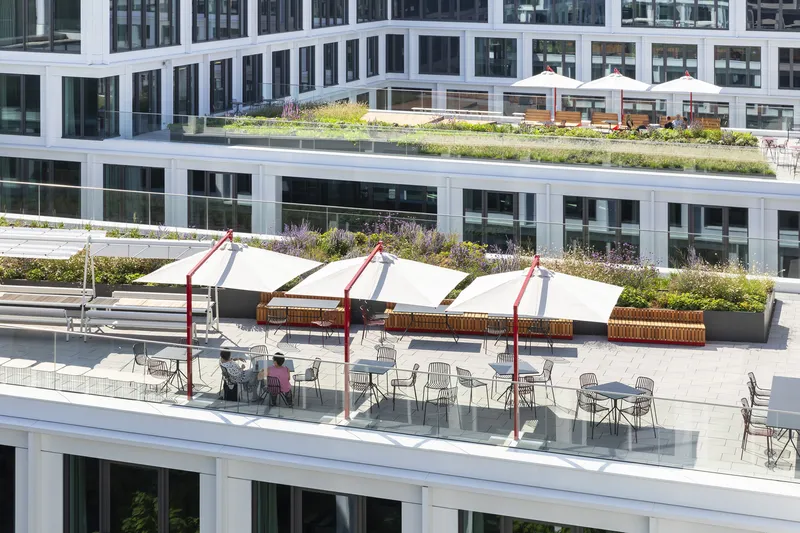
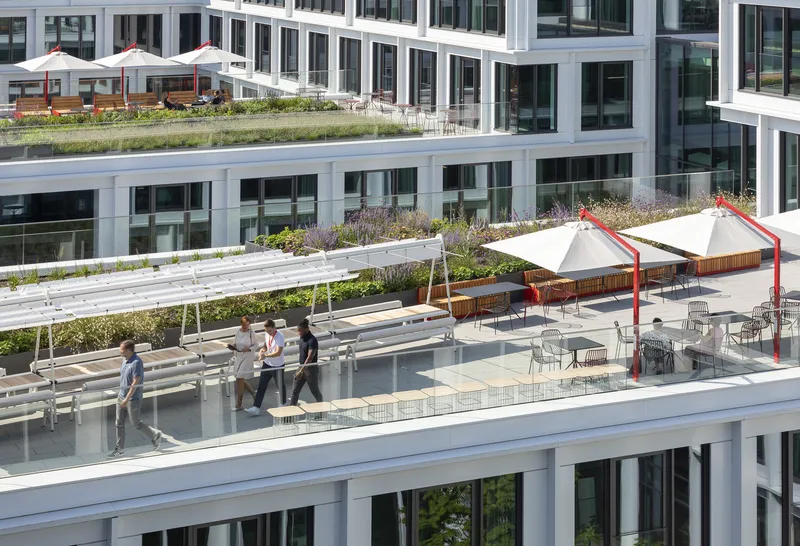
- Roof Terraces: Spanning 265 m² each, these terraces offer greenery and open-air workspaces, enhancing employee well-being.
3. Façade Design
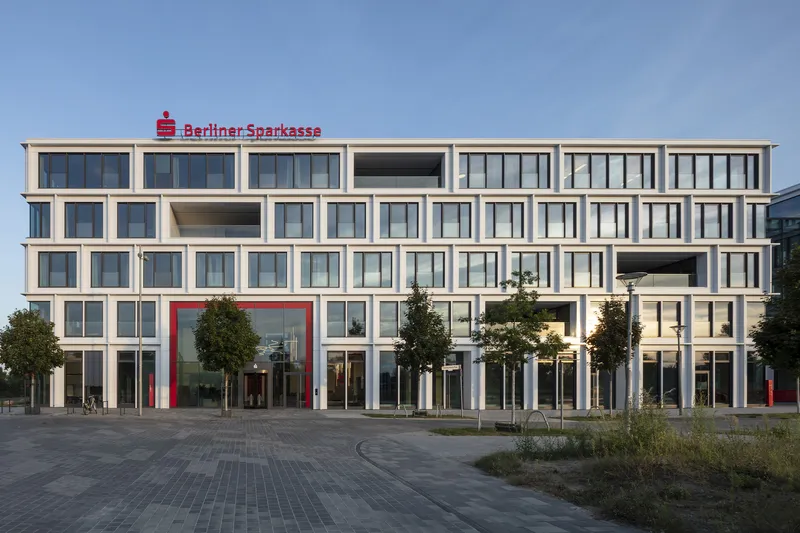
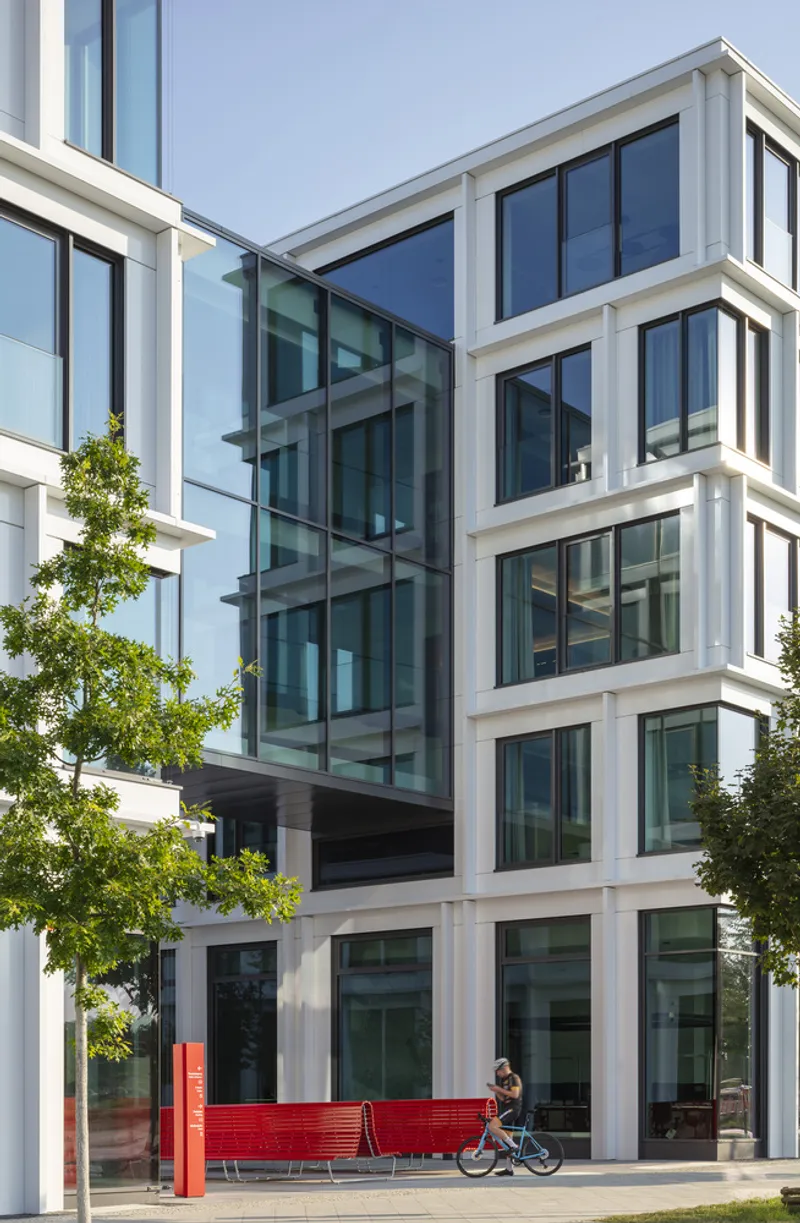
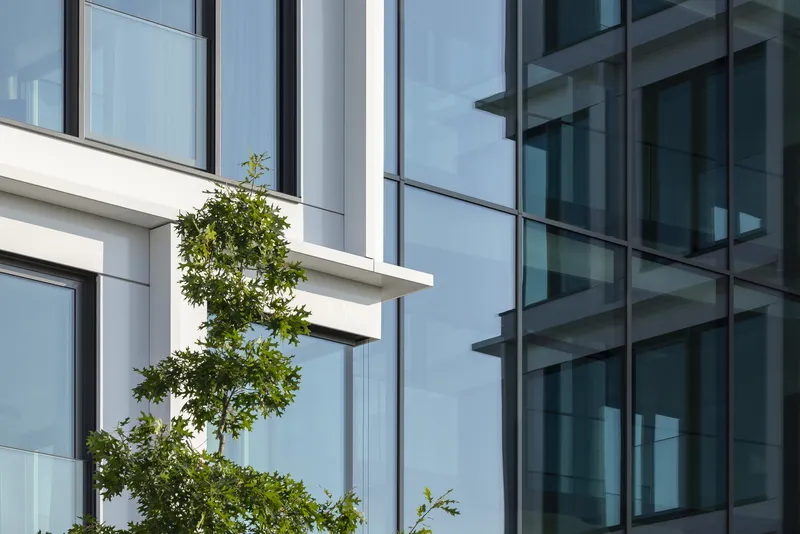
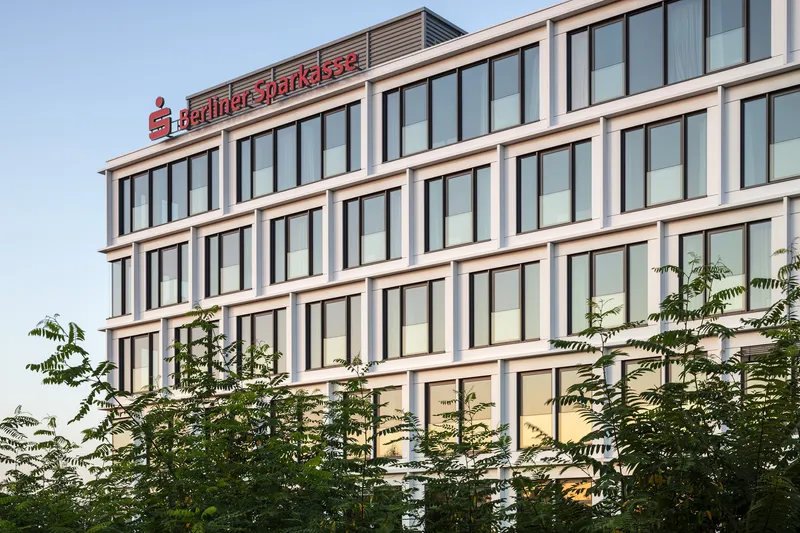
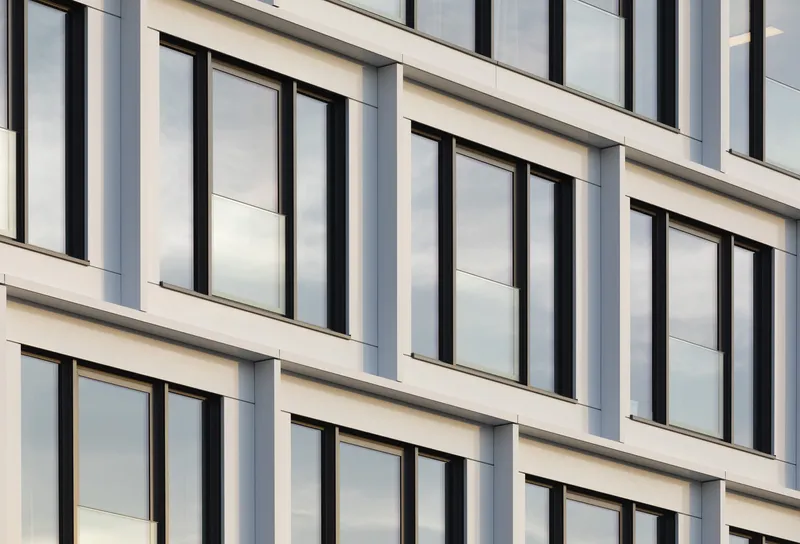
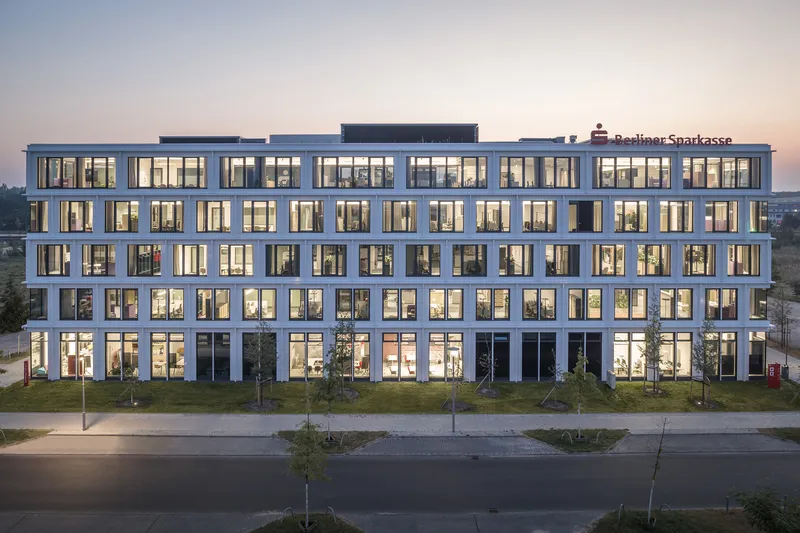
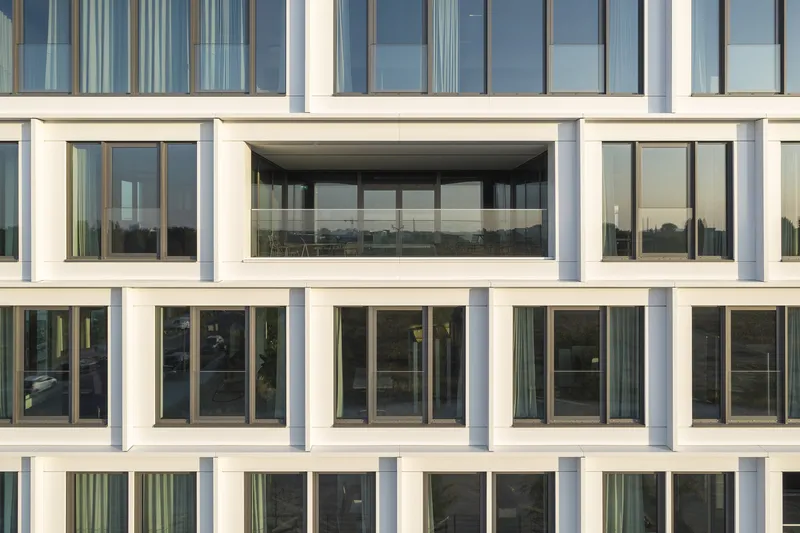
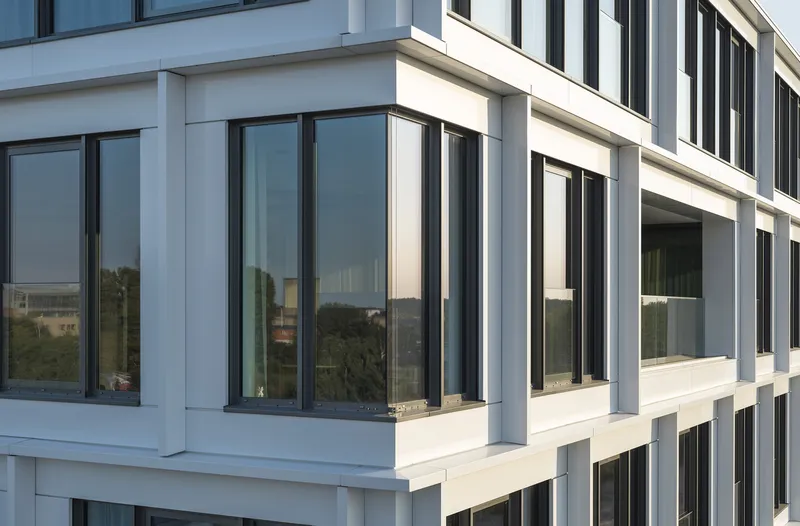
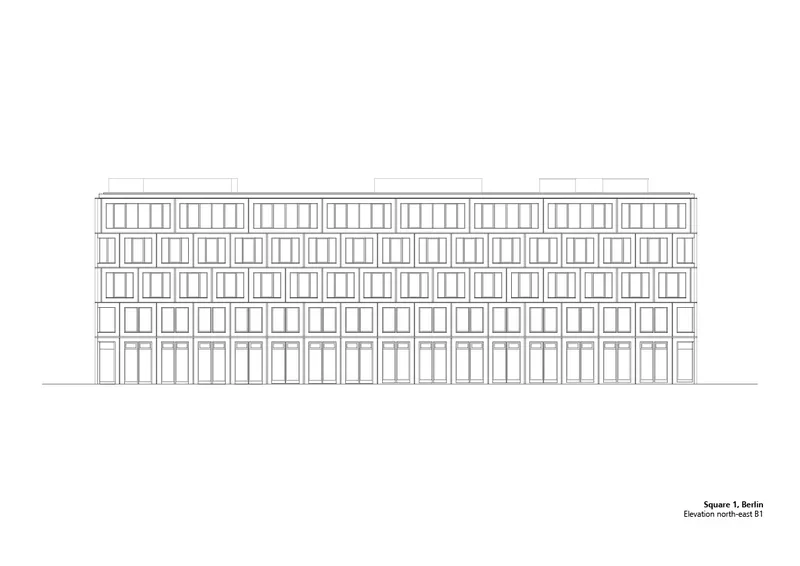
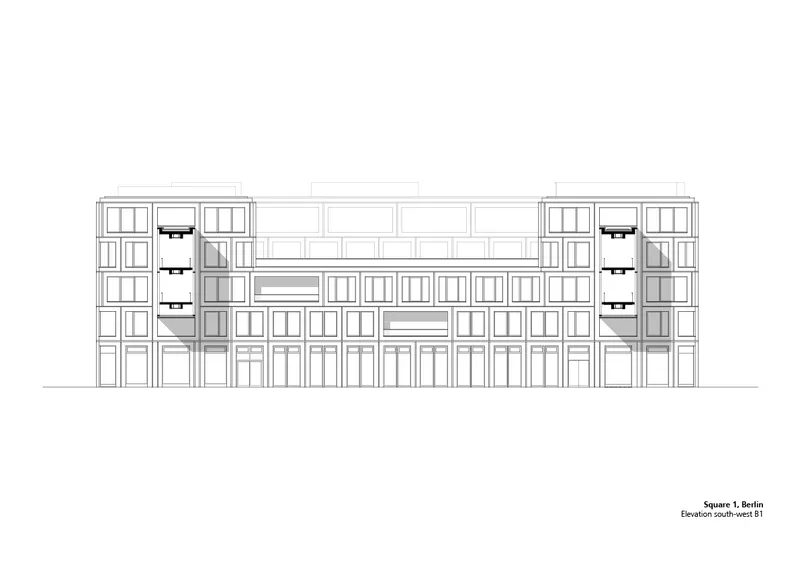
The façade’s custom-made white aluminum panels and expansive panoramic windows ensure an abundance of natural light. A dynamic grid system and glass balustrades create a sleek, modern aesthetic, while the loggias and glass corners emphasize openness and transparency.
Sustainability: Beyond Green Design
1. Energy Efficiency
- Concrete Core Activation: Regulates indoor temperatures by leveraging the thermal mass of the building.
- Heating and Cooling Sails: Minimize energy consumption while maintaining comfort.
- District Heating: Reduces the environmental impact by tapping into Berlin’s efficient energy network.
2. Materials and Certification
Eco-friendly materials and cutting-edge technologies align with the highest ecological standards. These efforts earned the campus a DGNB Gold Certification, reflecting its commitment to sustainability.
Interior Spaces: Functional and Barrier-Free
1. Accessible Design
Every aspect of the campus ensures inclusivity, with barrier-free entrances, passageways, and internal circulation.
2. Dynamic Workspaces
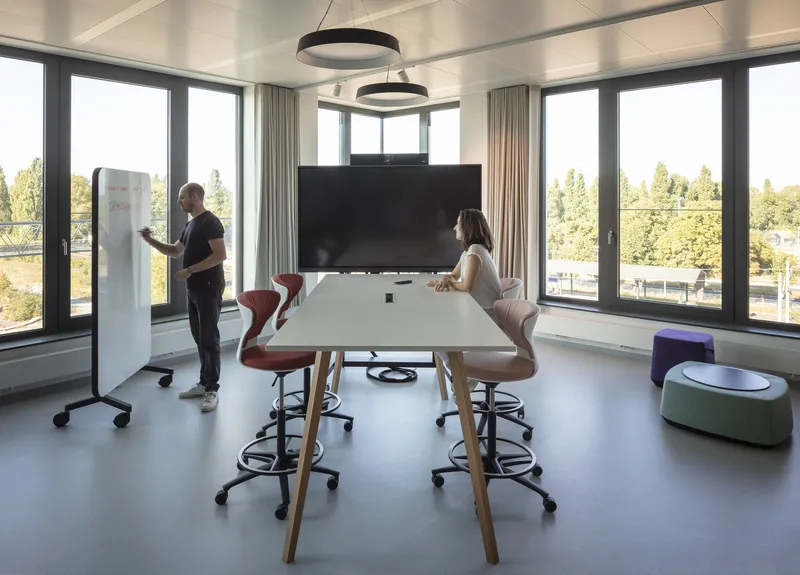
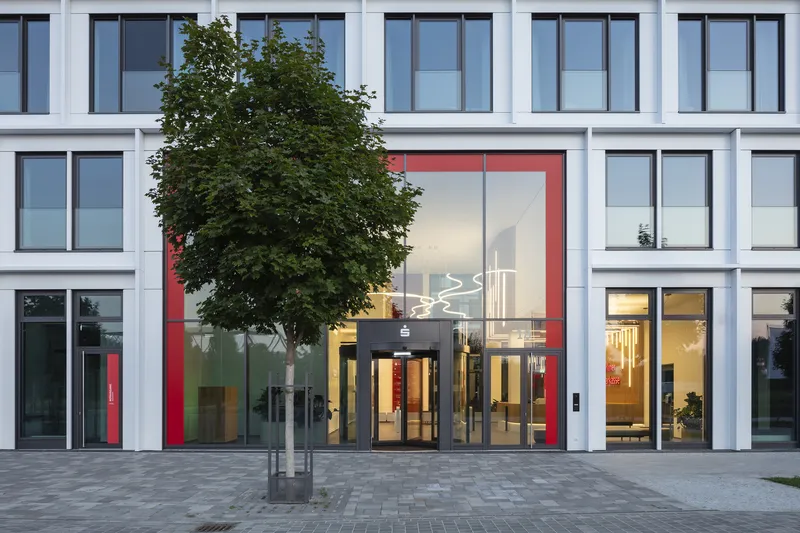
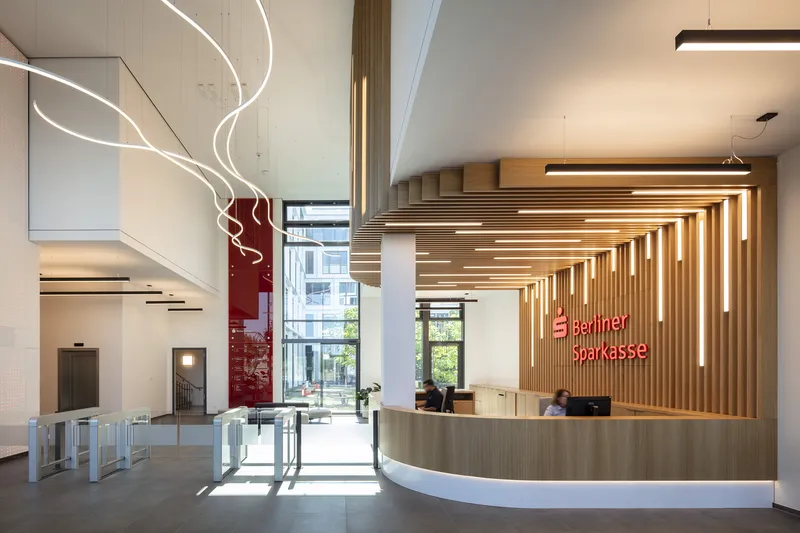
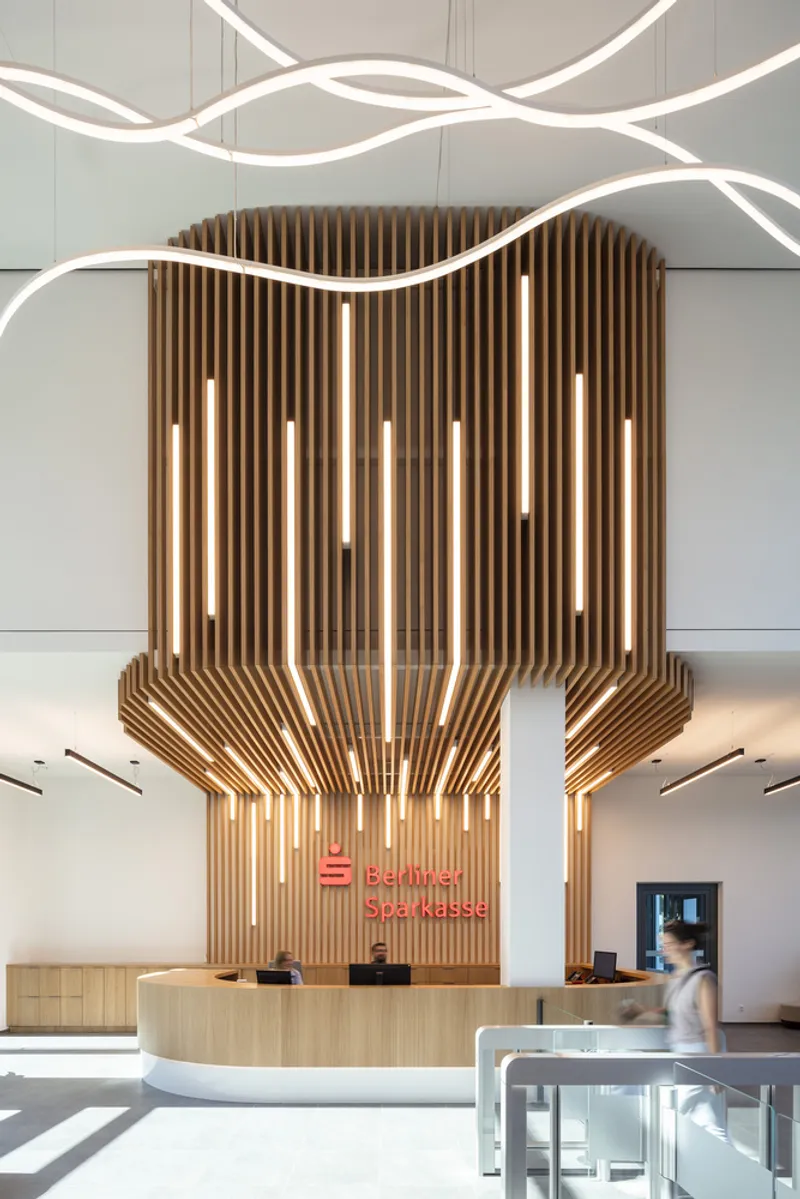
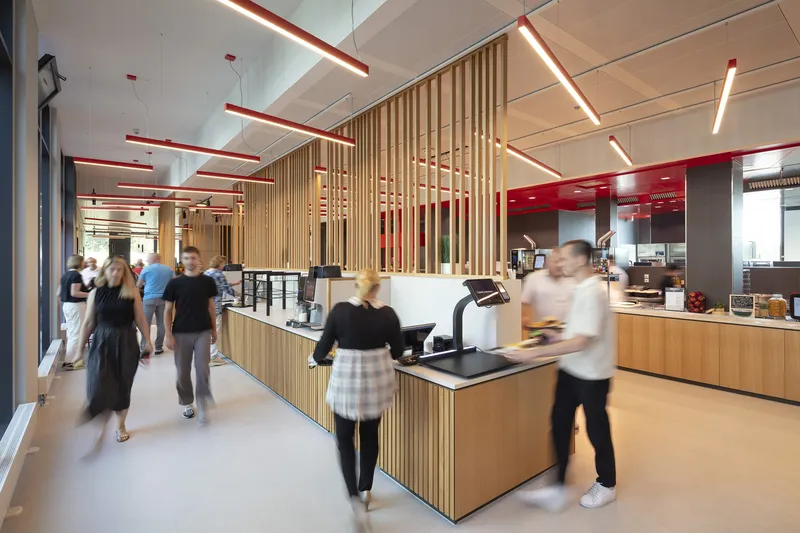
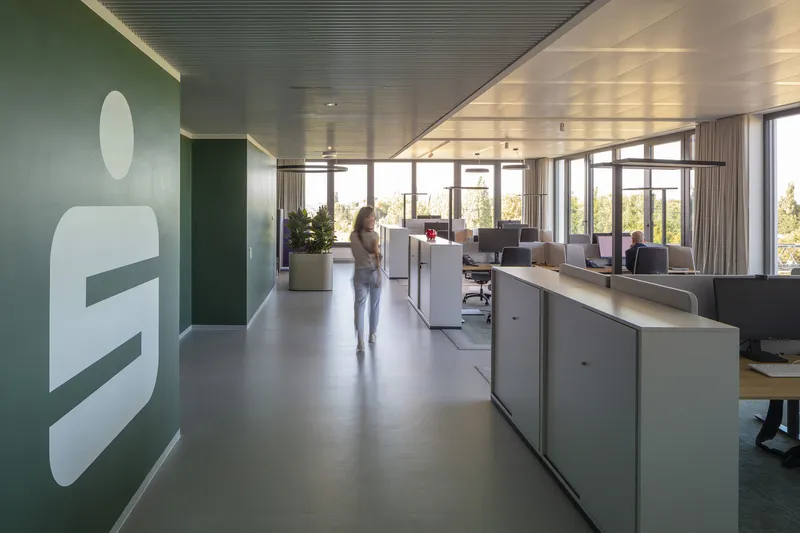
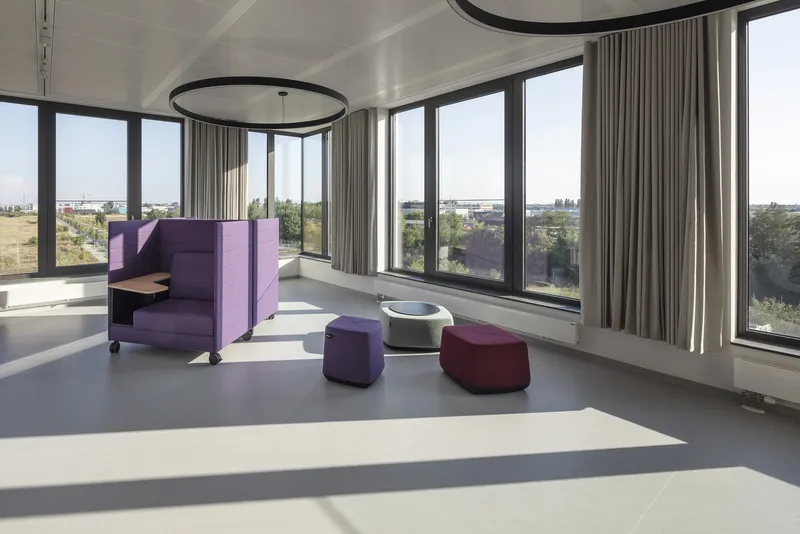
The interiors balance functionality and aesthetics, with spacious conference rooms, training areas, and a central canteen. A two-story entrance in B1 welcomes visitors with an inviting and prestigious ambiance.
3. Natural Light Optimization
Large windows and glazed façades reduce the need for artificial lighting, promoting a healthier and more energy-efficient workspace.
Outdoor Facilities: Merging Architecture and Nature
1. Landscaping and Recreation
The green spaces between buildings are more than aesthetic elements—they serve as functional extensions of the workspace. Employees can relax, collaborate, or work outdoors in harmony with nature.
2. Connection to Nature
The blend of greenery and architectural elements reinforces a sense of tranquility, reducing workplace stress and enhancing productivity.
A Model for Sustainable Office Design
The Berliner Sparkasse Office Campus exemplifies sustainable office campus design, merging energy efficiency, adaptive layouts, and nature integration. With its eco-conscious strategies and flexible spaces, it sets a new standard for the future of workspace architecture, embodying the principles of functionality, sustainability, and modernity.
All photographs are work of HG Esch




Popular Articles
Popular articles from the community


The Ocean Hive: Sustainable Architecture for a Self-Sufficient Civilization at Sea
The Ocean Hive imagines sustainable architecture at sea, where modular habitats, algae, wave power and ocean waste sustain a growing colony.

EW PARK: Sustainable Architecture Reimagines the Future of Urban Parking
EW PARK reimagines city parking as a modular wooden tower combining automation, solar energy, electric mobility, and adaptable urban design.

AL-JANNAH: Sustainable Architecture and Permaculture for Afghan Widows
AL-JANNAH uses sustainable architecture and permaculture to create resilient oasis of housing, learning, work and renewal for Afghan widows.

Co-Life: Senior Housing Design That Reconnects Older Adults With the City
Co-Life reimagines senior housing design through healing gardens, shared streets, workshops, and a sustainable community across generations.

Similar Reads
You might also enjoy these articles


Hodi-Mandai Geram
Project Function: Preservation and revitalization of the Intangible heritage and socio-spatial identity of the Hodi by Housing, Cultural Memory Center, Sacred Grove, landscape, local tourism economy


Olio Towers: A Mid-Rise for Performers That Fuses Housing, Rehearsal, and Stage
Located blocks from Houston's Theater District, this modular tower stacks living units around a central performance atrium.

Oasis: Modular Green Housing Carved into Dhaka's Urban Fabric
A shortlisted Plugin Housing entry reclaims unauthorized settlements in Dhaka with stepped concrete volumes, green roofs, and ventilation-driven design.

Black Hole: A Floating Megastructure for the Post-Physical Era
Emiliano Mazzarotto envisions a spherical, self-scaling arena where e-sports, digital hotels, and holographic stadiums replace traditional public space.
Explore TU Berlin Competitions
Discover active competitions in this discipline



Challenge to reimagine the Iron Throne


Photograph architecture without architects


Illustrate the lost glory of Angkor Wat - Render Challenge


Design challenge to reuse E-waste
Comments (0)
Please login or sign up to add comments
No comments yet. Be the first to comment!