
Sustainable Pavilion Design: The Espina Pavilion by Emiliano Domínguez and Santiago Martínez
The article explores the Espina Pavilion, showcasing its sustainable design, innovative construction, and integration with the natural landscape in Mexico.


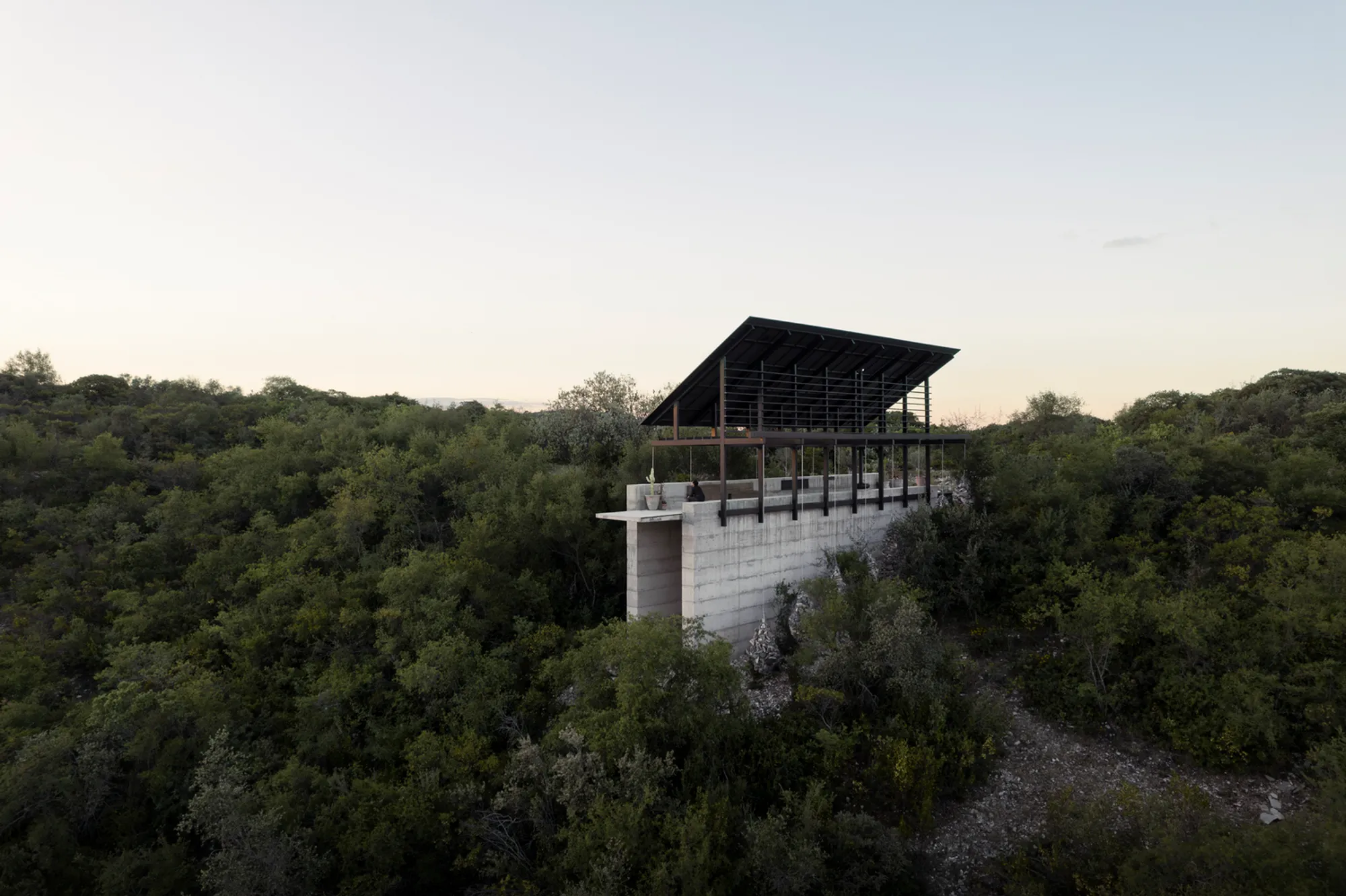
In the heart of Santiago de Querétaro, Mexico, a unique structure emerges as a testament to innovative and sustainable pavilion design. The Espina Pavilion, designed by renowned architects Emiliano Domínguez and Santiago Martínez, stands as a symbol of how contemporary architecture can harmonize with nature while fulfilling aesthetic and functional needs.
The Concept Behind Espina Pavilion
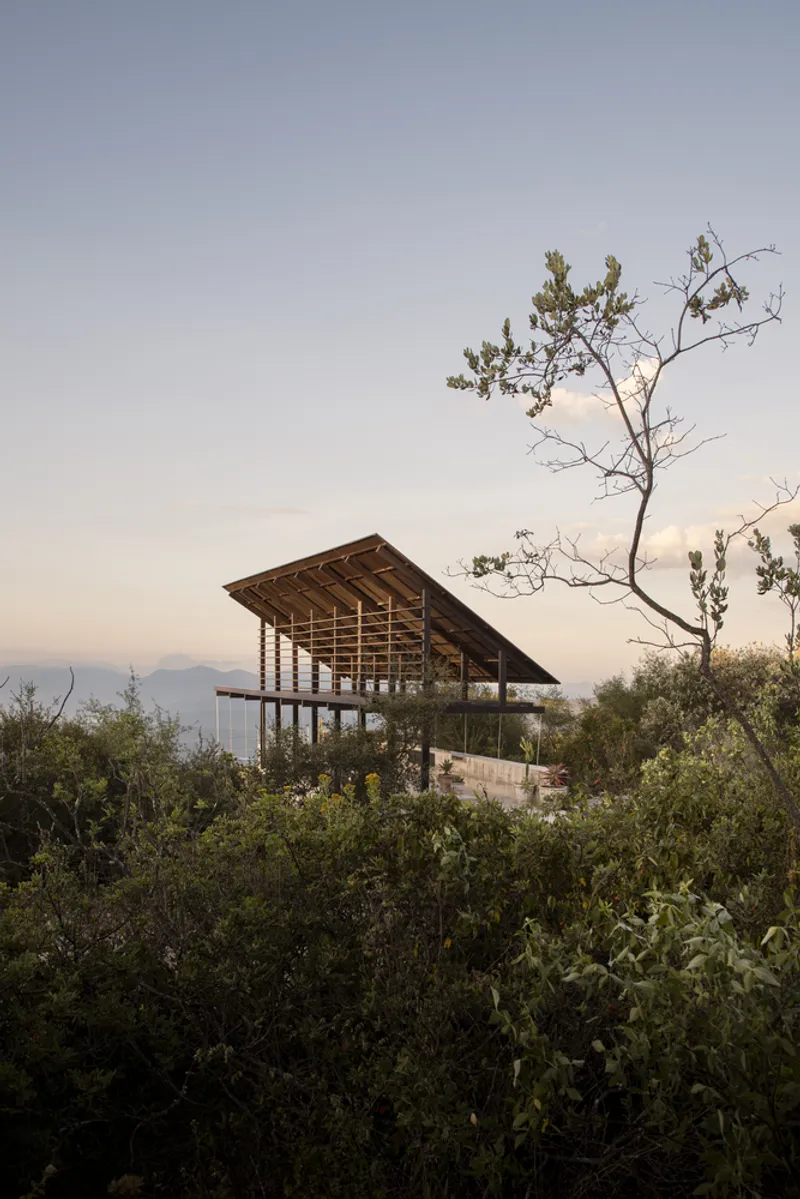
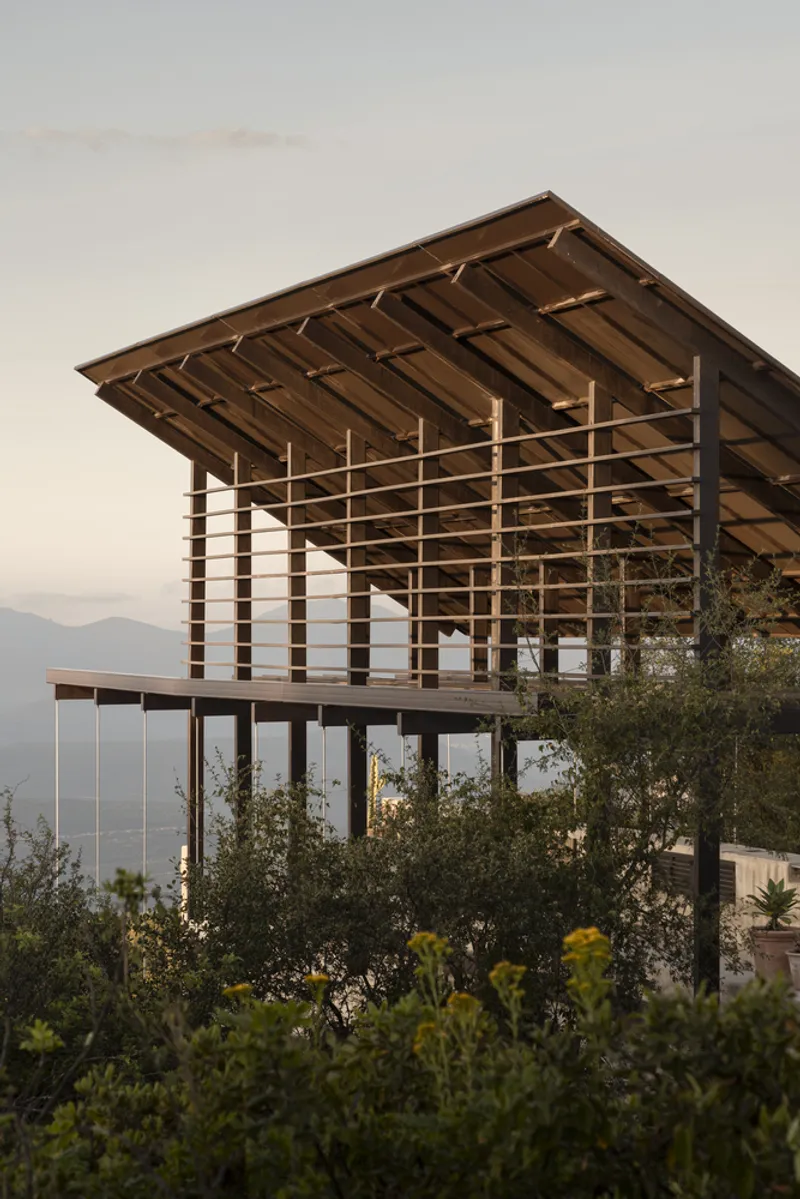
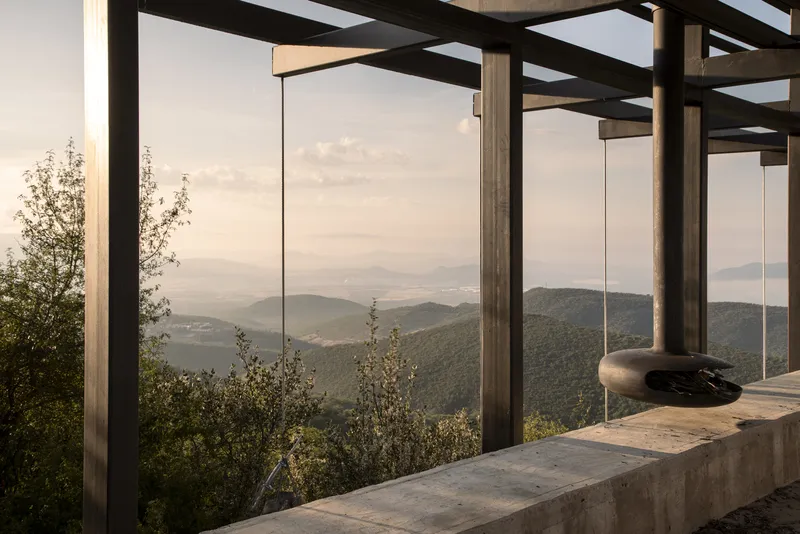
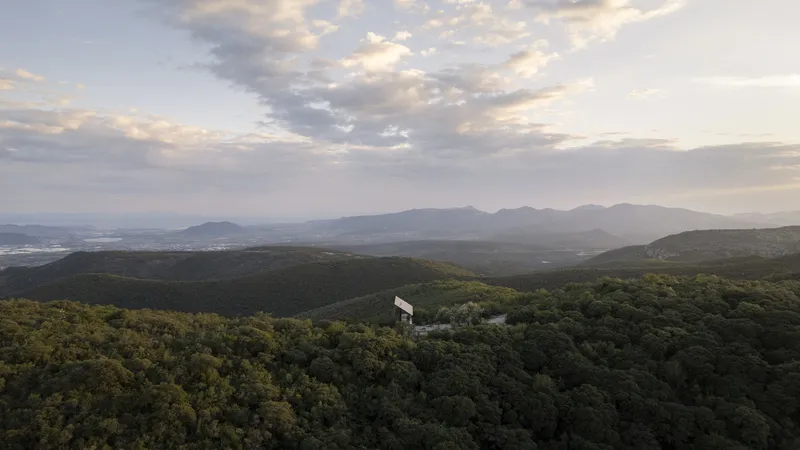
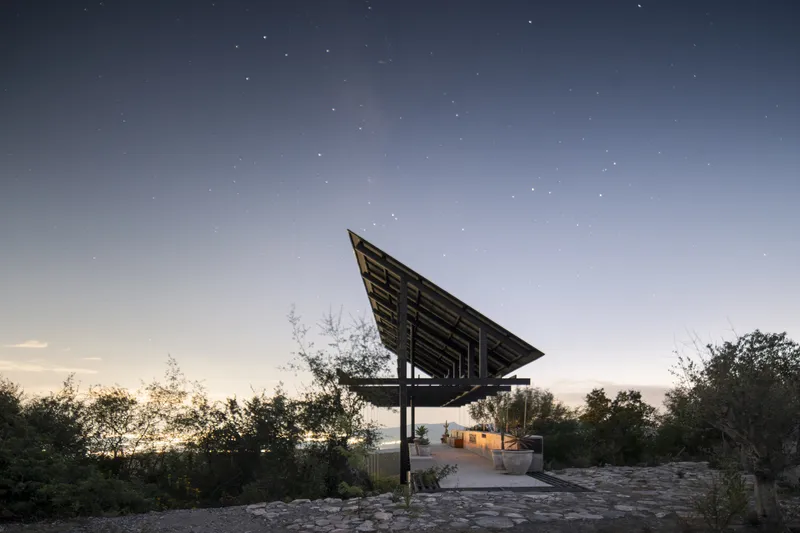
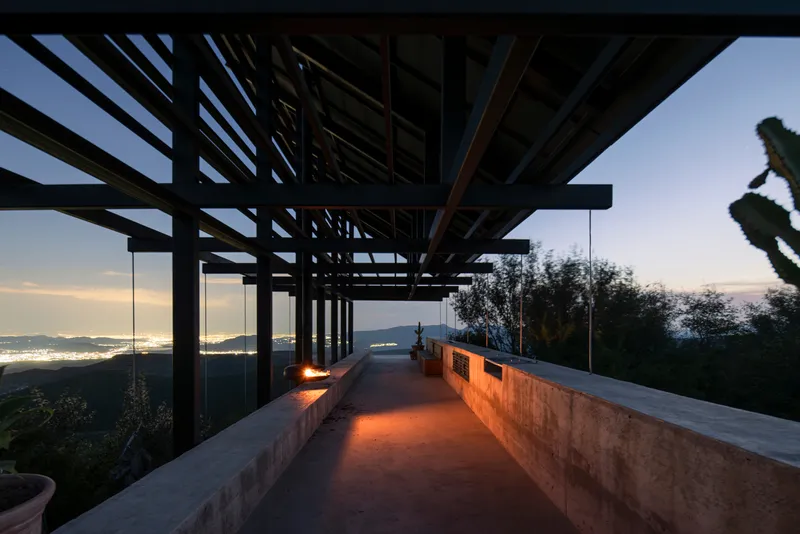
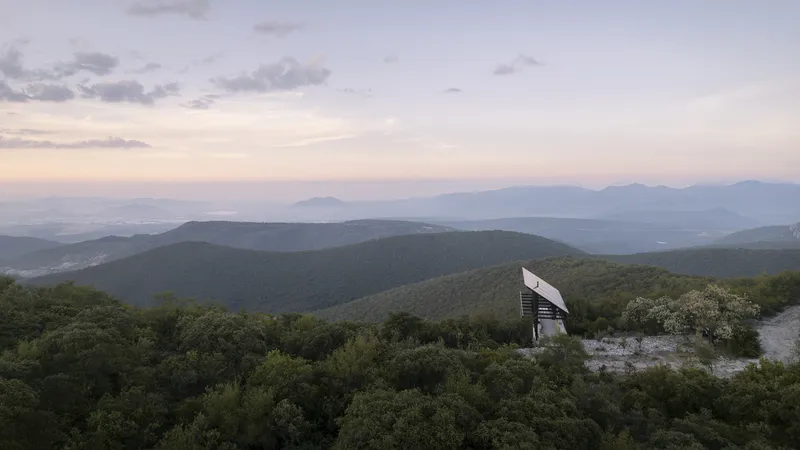
The Espina Pavilion is more than just a structure; it is an experience. Designed without a defined program, its sole purpose is to offer shade and direct views towards the horizon, creating a 360-degree panoramic experience that connects users with the surrounding mountain landscape. This approach reflects a shift towards more sustainable and mindful architectural practices, where the focus is on enhancing the natural environment and user experience.
The Design and Structure of Espina Pavilion
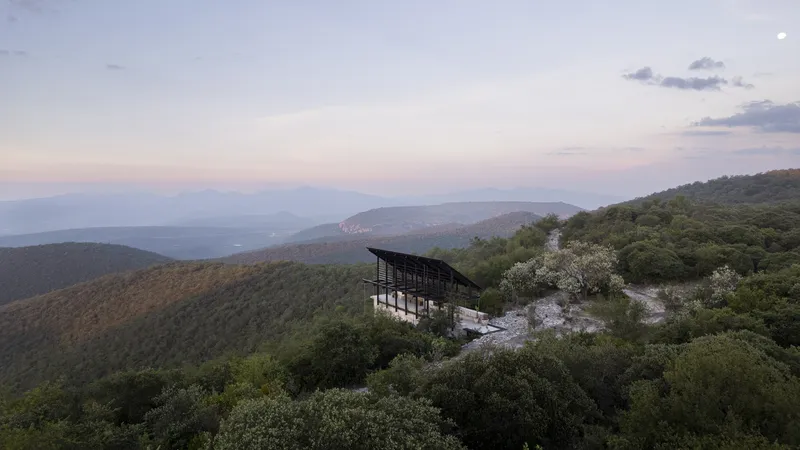
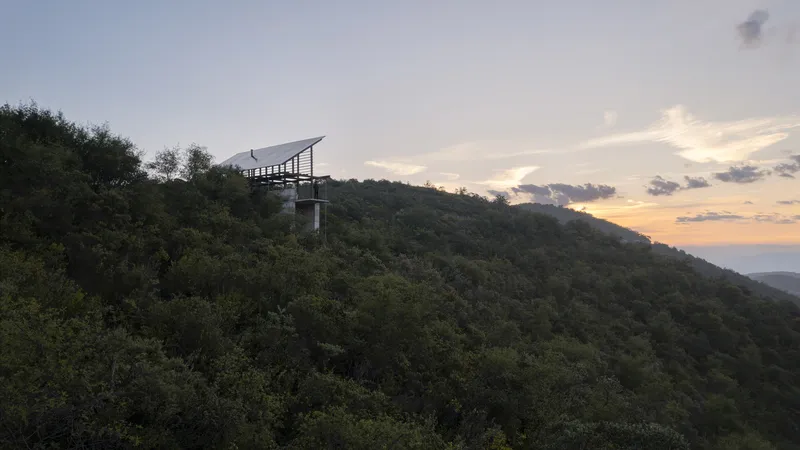
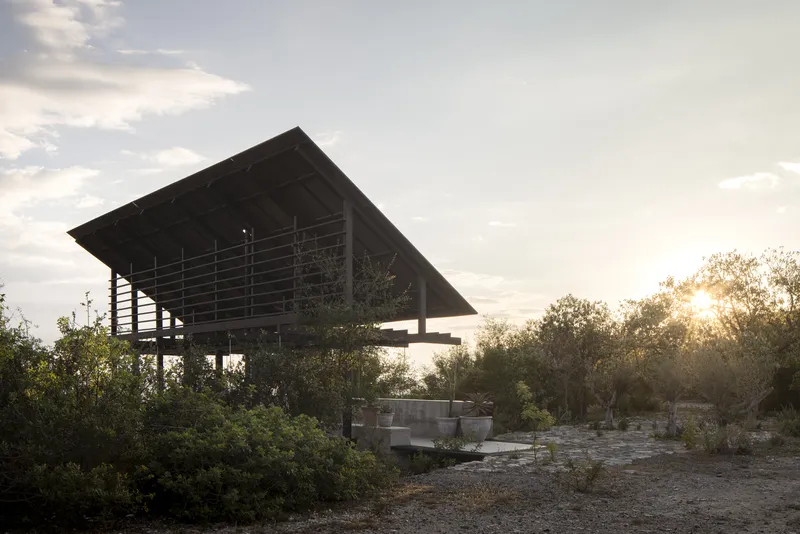
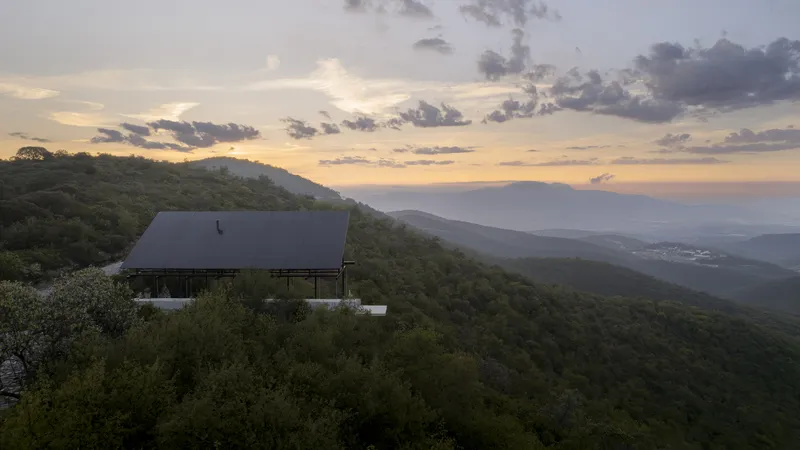
Occupying a modest footprint of just 21 sqm, the Espina Pavilion demonstrates that sustainability does not equate to compromise. The pavilion is strategically perched atop a hill on a cattle ranch, accessible only by horse or a 4x4 vehicle. This challenging location prompted the architects to make innovative choices regarding materials and construction methods.
Material Selection and Construction
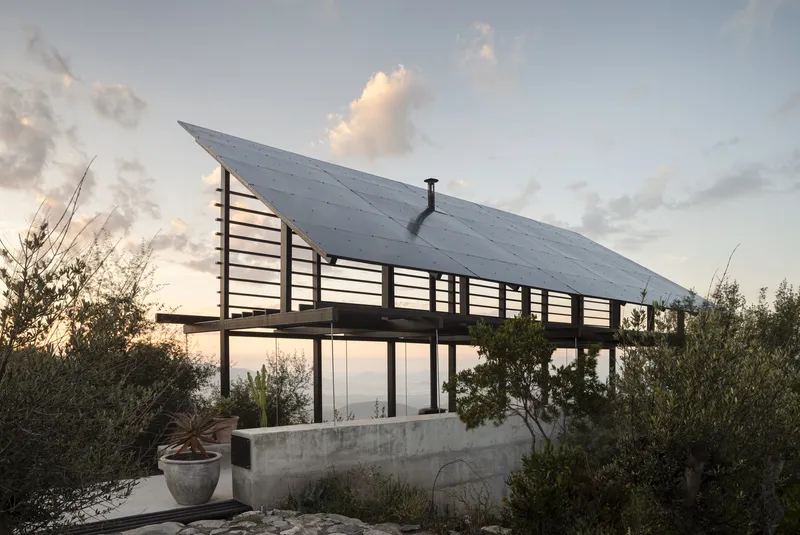
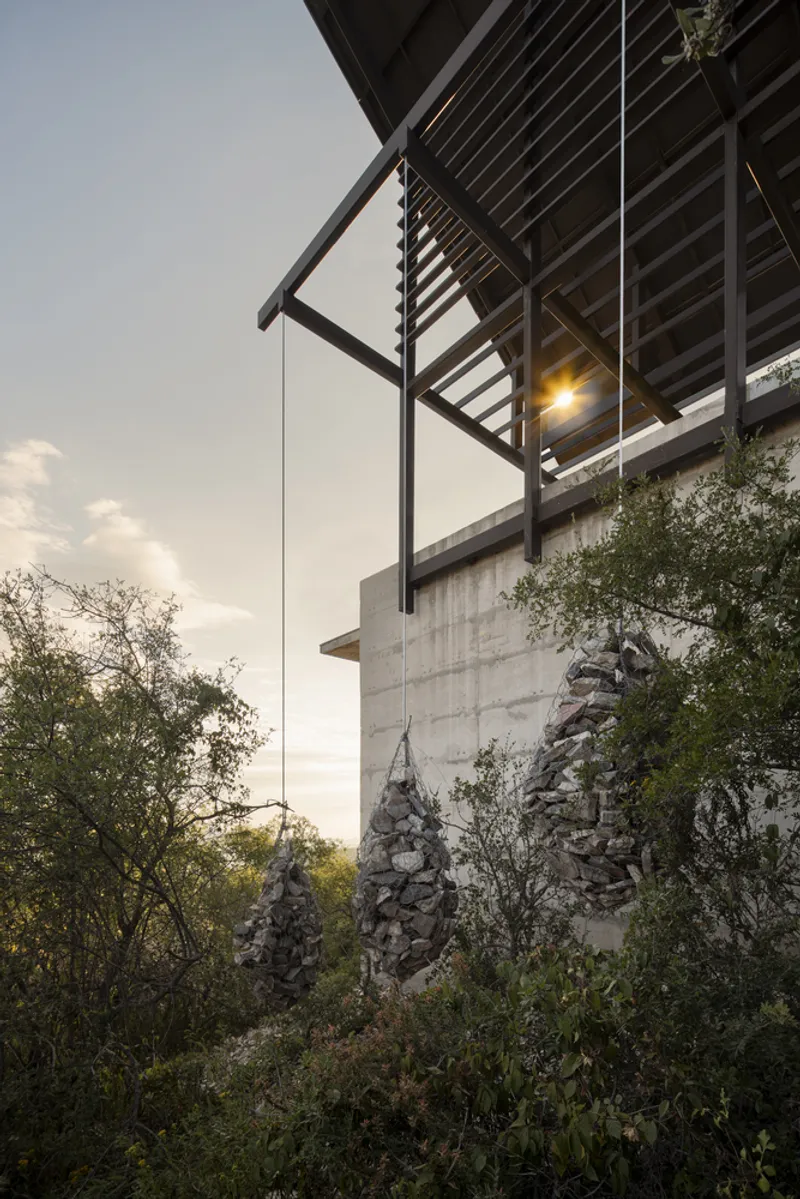
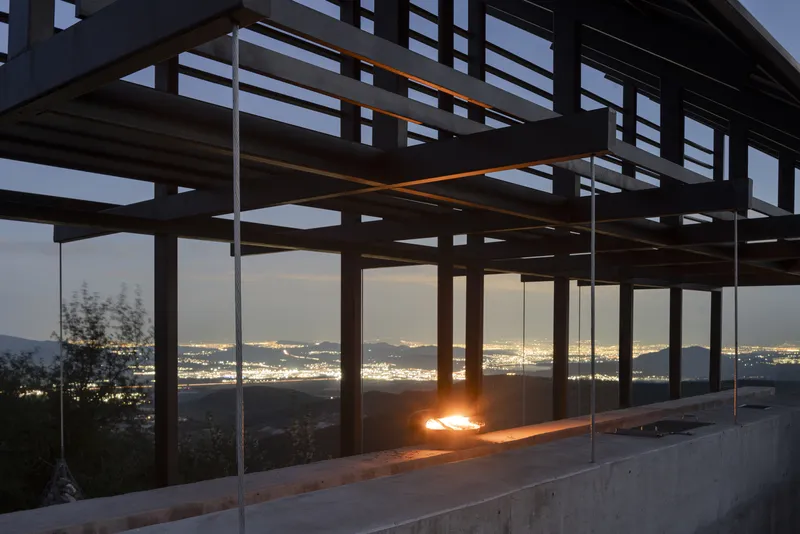
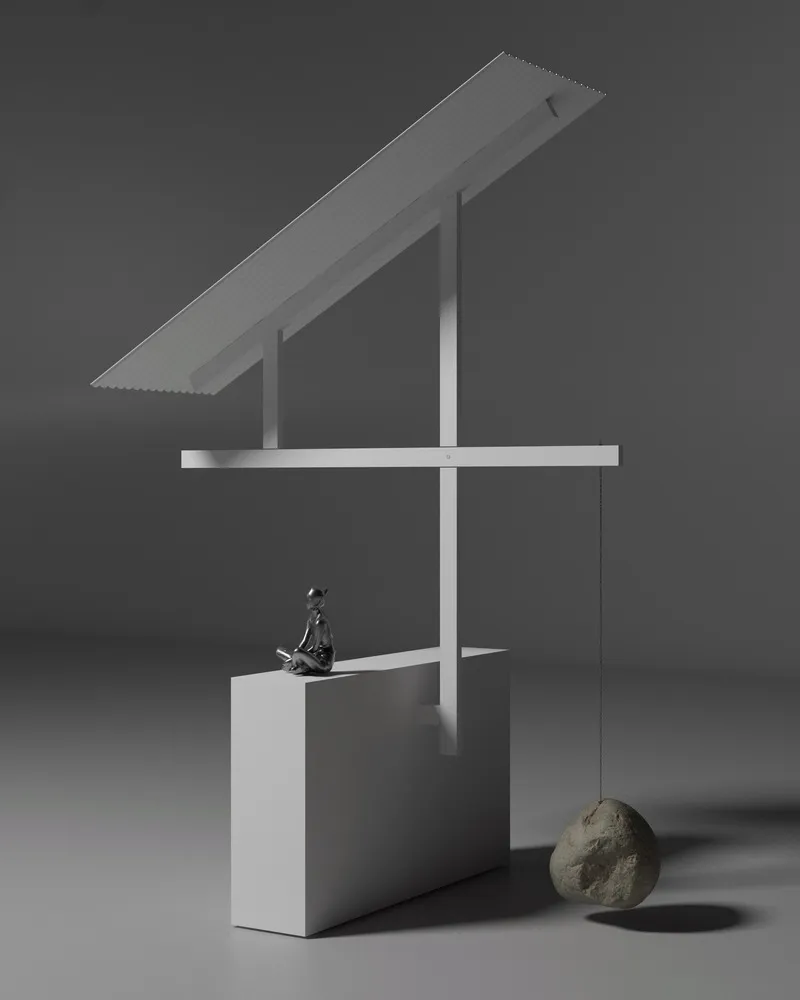
The pavilion's design features a lightweight roof supported by a structure that combines a concrete base with a metal frame. This combination was chosen for its minimal environmental impact and ease of assembly in the challenging terrain. The concrete was cast on-site to reduce transportation emissions, while the steel frame facilitated modular construction.
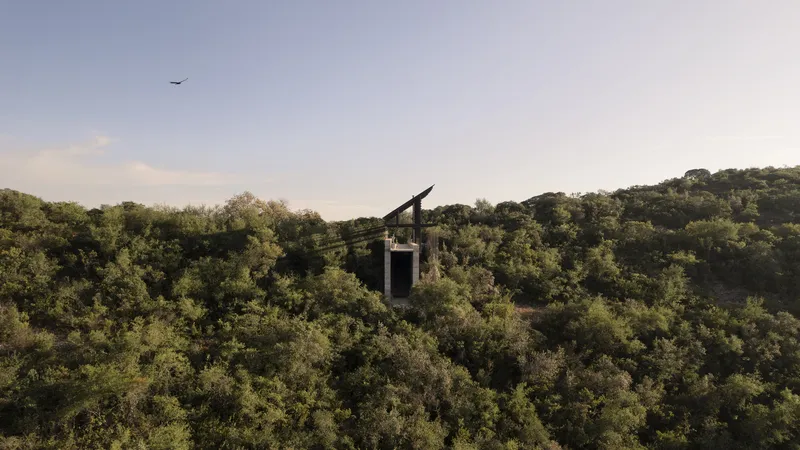
The pavilion's most notable feature is its cantilever, supported by gabion masses filled with local stone, a choice that not only anchors the structure physically but also roots it contextually to its environment. This use of local materials and innovative engineering highlights the pavilion's commitment to sustainability and structural integrity.
Integrating the Pavilion with the Environment
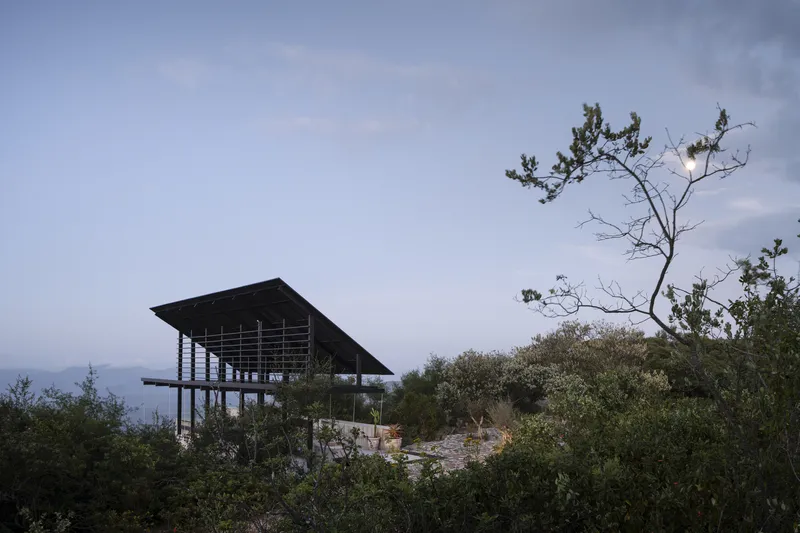
The Espina Pavilion's design is a thoughtful response to its environment. Positioned between two concrete bases, it rises above the vegetation, stretching from north to south to capture the sunrise and sunset. This orientation not only maximizes the views but also considers the solar path, reducing the need for artificial lighting and enhancing the structure's energy efficiency.
The Role of Sustainable Pavilion Design in Modern Architecture
The Espina Pavilion serves as a prime example of how pavilions can transcend their traditional roles and contribute to sustainable architecture. By focusing on local materials, minimal environmental impact, and natural integration, pavilions like Espina can offer insights into the future of eco-friendly design.
The Future of Pavilion Design
The Espina Pavilion by Emiliano Domínguez and Santiago Martínez redefines what a pavilion can be. It stands as a testament to the possibilities of sustainable pavilion design, where innovation meets responsibility, and architecture harmonizes with nature. As we move forward, the principles demonstrated by the Espina Pavilion will undoubtedly influence future generations of architects and designers to think sustainably and innovatively.
All photographs are work of César Belio




Popular Articles
Popular articles from the community


Play: Fragments of Their World
Familiar architecture becomes modular playground design, creating safe spaces where displaced children can learn, connect, imagine and play.

Riyadh For All: Intergenerational Urban Design for Active Aging in Rabat
Riyadh For All reimagines urban design in Rabat with intergenerational co-living, adaptive courtyards, and Moroccan cultural exchange today.

The Earth Pod: 3D Printed Homes for Resilient Refugee Communities
The Earth Pod reimagines refugee housing through 3D printed homes made from clay, combining resilience, self-sufficiency, and rapid shelter.

Hill & Cross Opera: Sculptural Opera House Architecture Shaped by Tallinn’s Landscape and Identity
Hill & Cross Opera reimagines opera house architecture in Tallinn through its sculptural hill, civic plaza, glass wave and a luminous cross.


Similar Reads
You might also enjoy these articles


Hodi-Mandai Geram
Project Function: Preservation and revitalization of the Intangible heritage and socio-spatial identity of the Hodi by Housing, Cultural Memory Center, Sacred Grove, landscape, local tourism economy


Olio Towers: A Mid-Rise for Performers That Fuses Housing, Rehearsal, and Stage
Located blocks from Houston's Theater District, this modular tower stacks living units around a central performance atrium.

Oasis: Modular Green Housing Carved into Dhaka's Urban Fabric
A shortlisted Plugin Housing entry reclaims unauthorized settlements in Dhaka with stepped concrete volumes, green roofs, and ventilation-driven design.

Black Hole: A Floating Megastructure for the Post-Physical Era
Emiliano Mazzarotto envisions a spherical, self-scaling arena where e-sports, digital hotels, and holographic stadiums replace traditional public space.

Explore Architecture Competitions
Discover active competitions in this discipline


Challenge to design a portable theatre


Challenge to design a portable music platform


Challenge to design an open learning module for the elderly


Challenge to reimagine the Iron Throne
Comments (0)
Please login or sign up to add comments
No comments yet. Be the first to comment!