
Sustainable Urban Development: Cityplot Buiksloterham by Studioninedots and DELVA Landscape Architecture
Cityplot Buiksloterham is a pioneering sustainable urban development, transforming an industrial site into a circular, mixed-use district in Amsterdam.


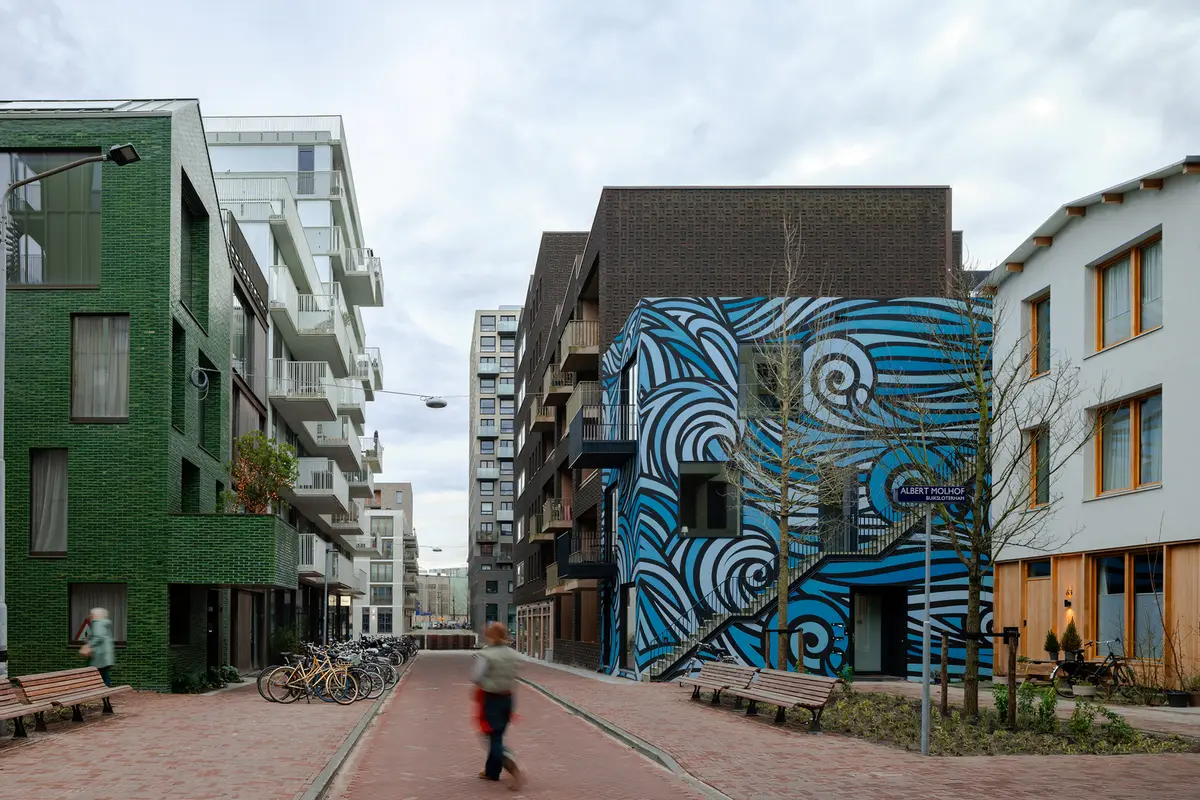
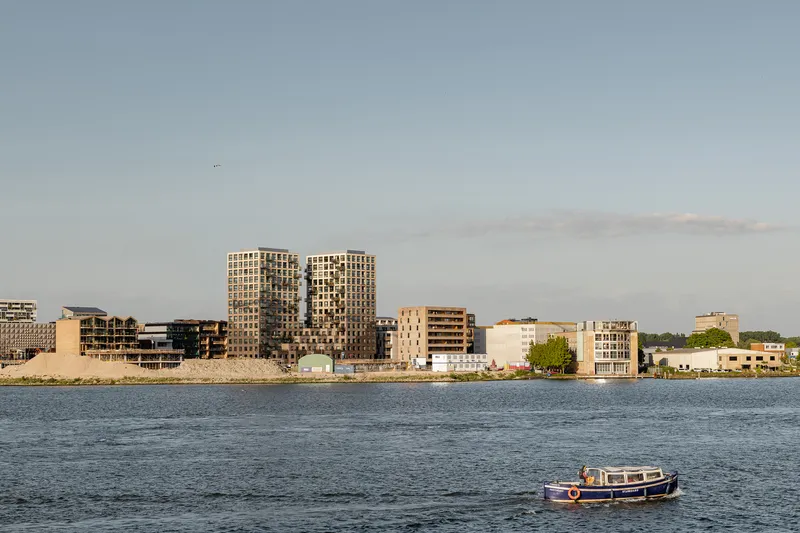
The Cityplot Buiksloterham project in Amsterdam, designed by Studioninedots and DELVA Landscape Architecture, is a groundbreaking example of sustainable urban development. This transformative project reimagines a former industrial harbor as a dynamic, mixed-use district with a focus on circularity, flexibility, and collaboration. Instead of adhering to rigid, top-down urban planning, Cityplot Buiksloterham introduces a modular, adaptable approach that evolves with the needs of its residents and businesses.
A Vision for Circular and Adaptive Urban Planning
Cityplot Buiksloterham emerged as a response to contemporary urban challenges, prioritizing sustainability and social engagement. The project began as an experimental initiative during the last global crisis, aimed at reshaping urban environments through circular economy principles. Unlike traditional large-scale developments, this project embraces smaller, flexible plots that allow for a diverse mix of functions, fostering resilience and adaptability over time.
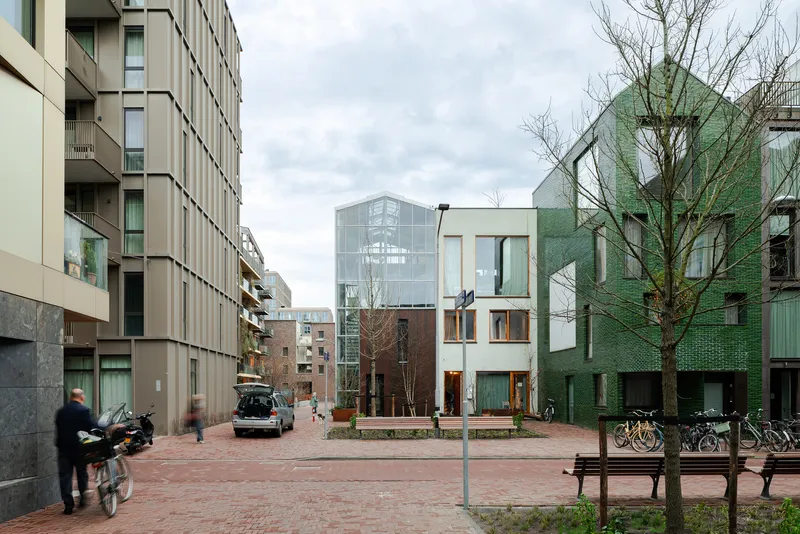
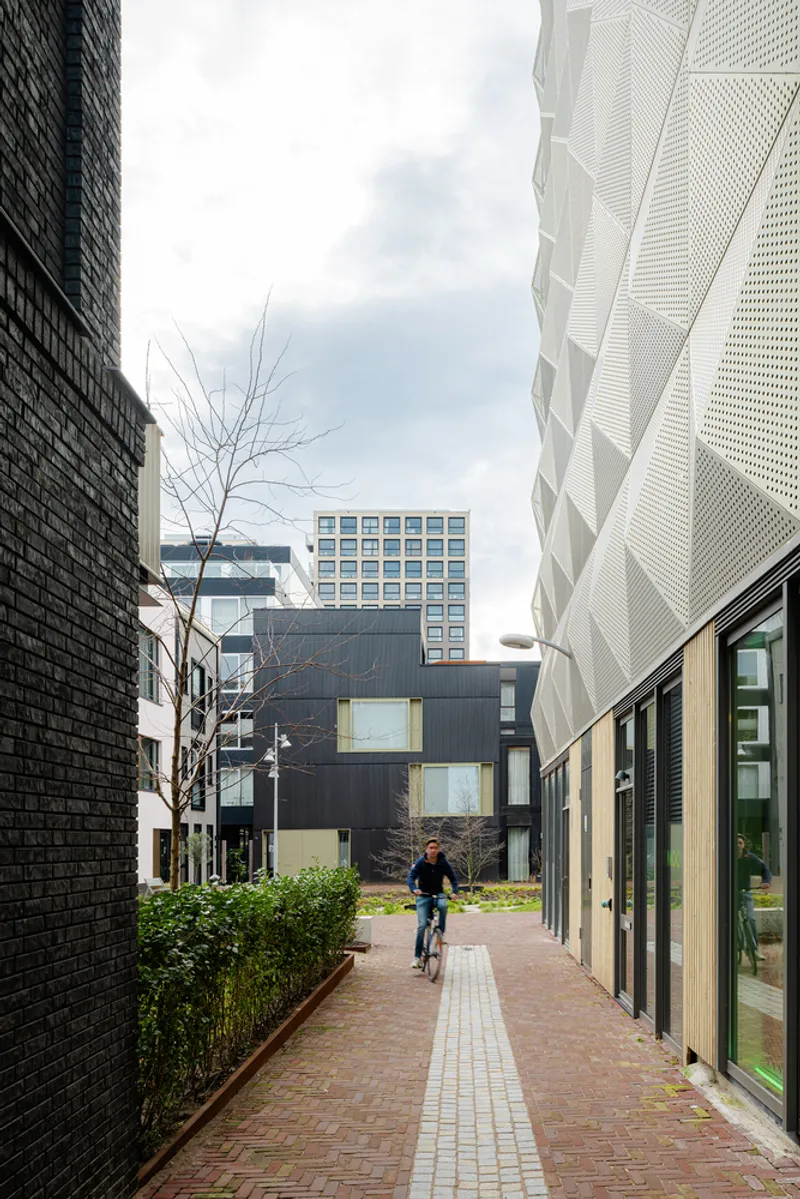
This urban strategy breaks away from conventional zoning by intermixing housing, workspaces, and social hubs. Instead of static, predetermined blocks, the area develops organically, integrating self-build projects, social housing, and business spaces within a collaborative ecosystem. The concept enables residents, entrepreneurs, and developers to co-create the district, promoting long-term engagement and a sense of ownership.

A Mixed-Use Community with Social and Economic Integration
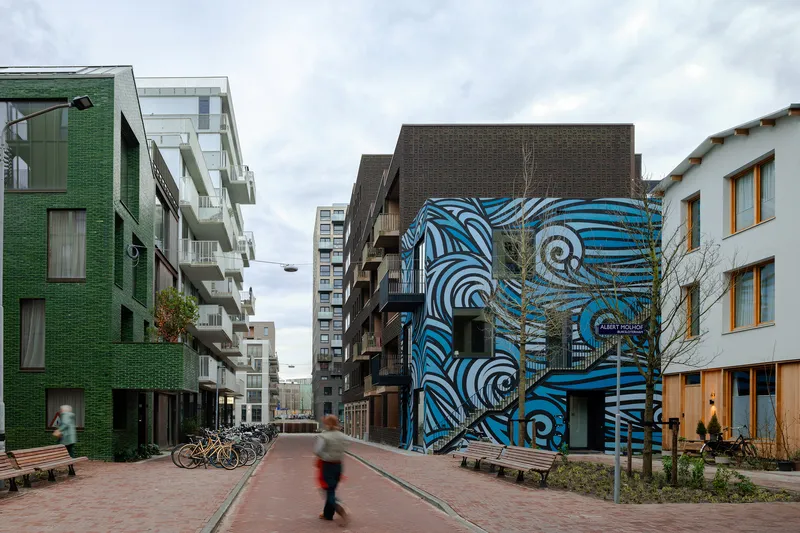
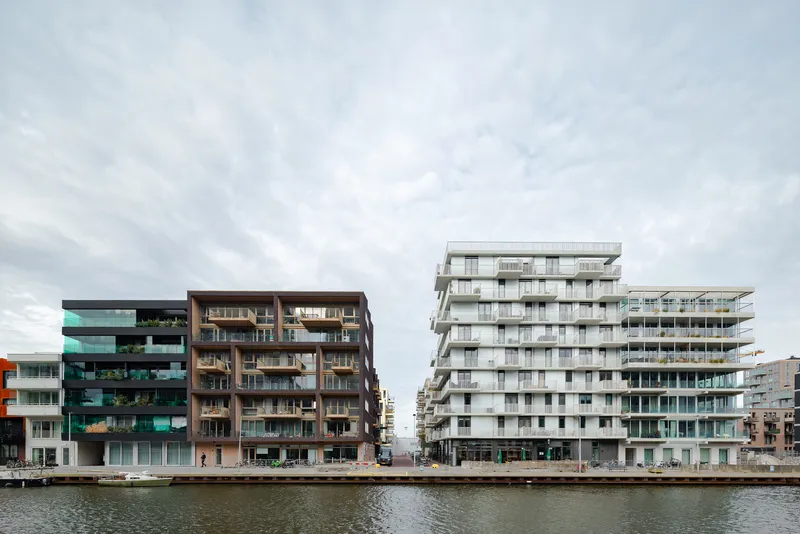
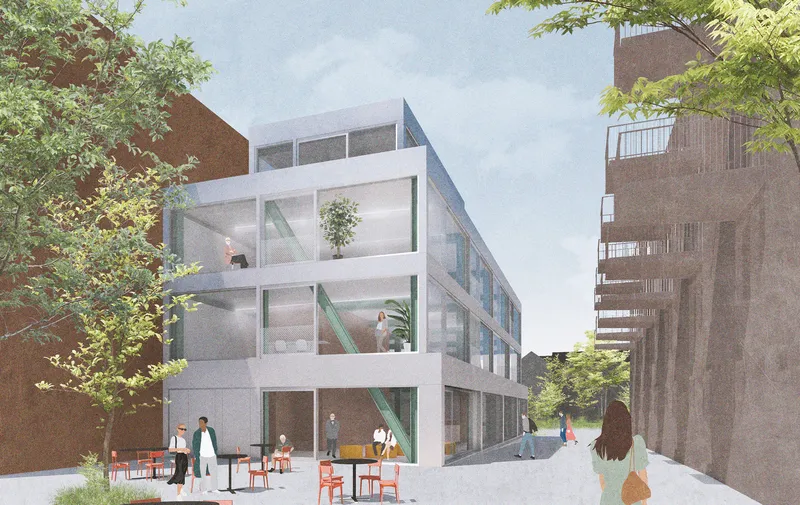
One of the key innovations in Cityplot Buiksloterham is its commitment to mixed-use development. The project includes 550 new homes alongside 4,000m² of workspace, hospitality venues, and public areas. This integration ensures that residential, economic, and social activities coexist, enhancing the vibrancy of the neighborhood.
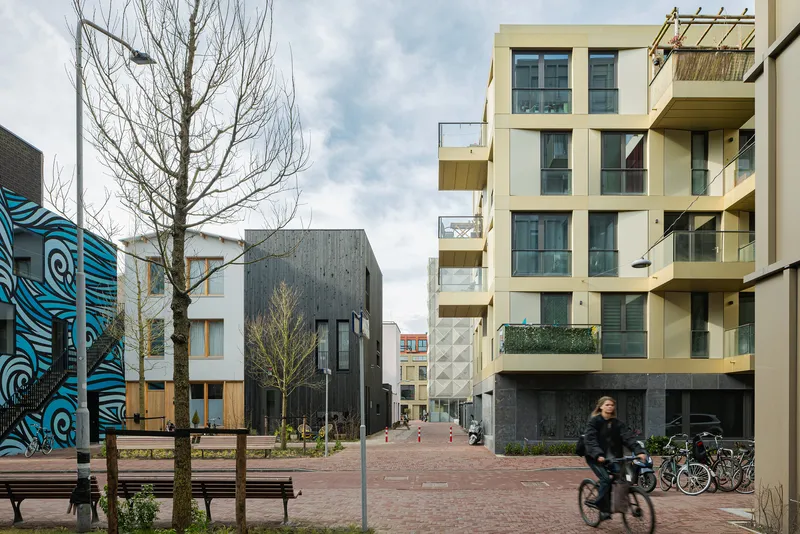
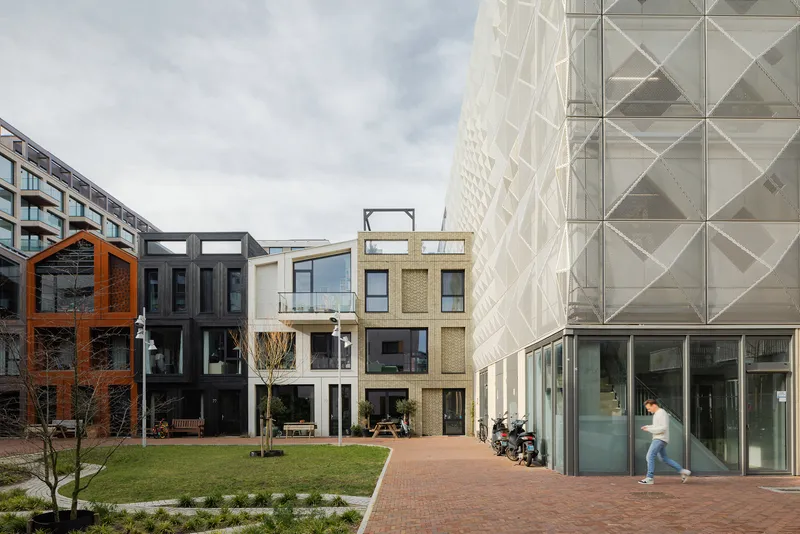
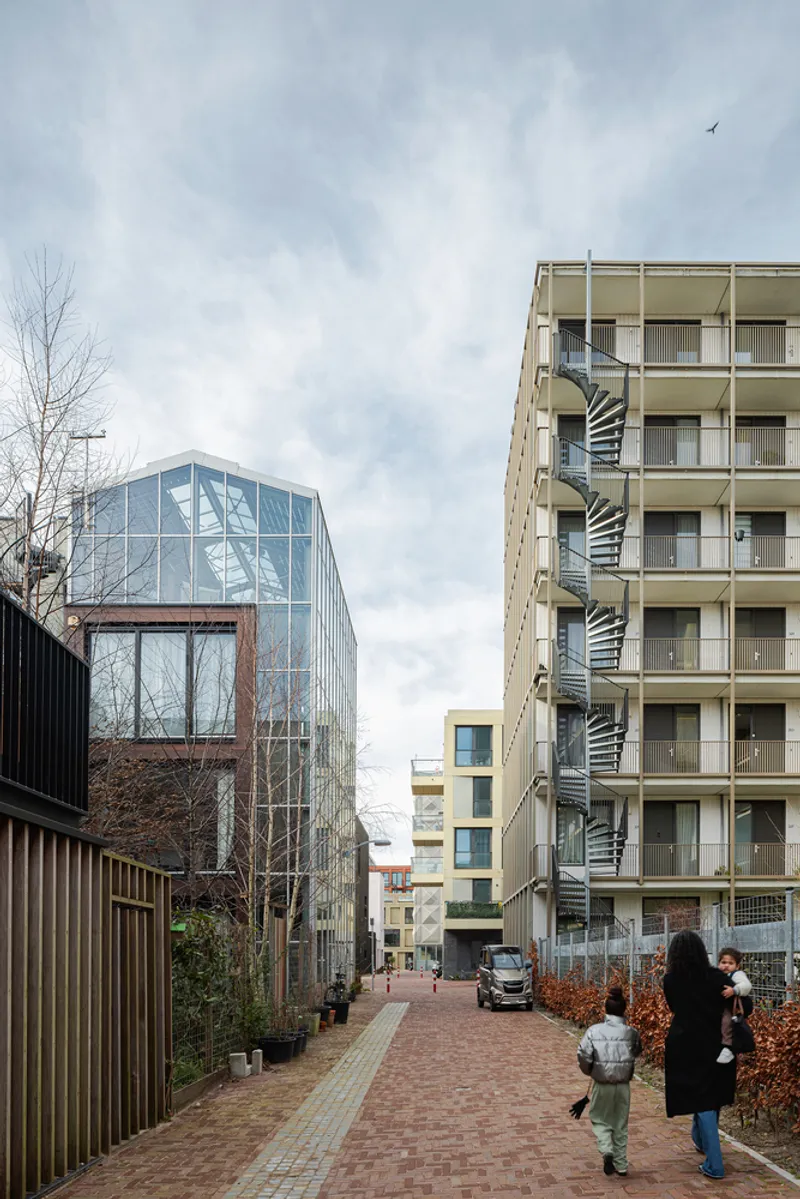
To encourage social interaction and local entrepreneurship, the project incorporates urban activators—dedicated spaces that support community-driven initiatives. These hubs attract young businesses and creatives, strengthening the district’s identity and fostering local economic growth. A central community room, currently under development, will further serve as a flexible space for neighborhood activities and gatherings.
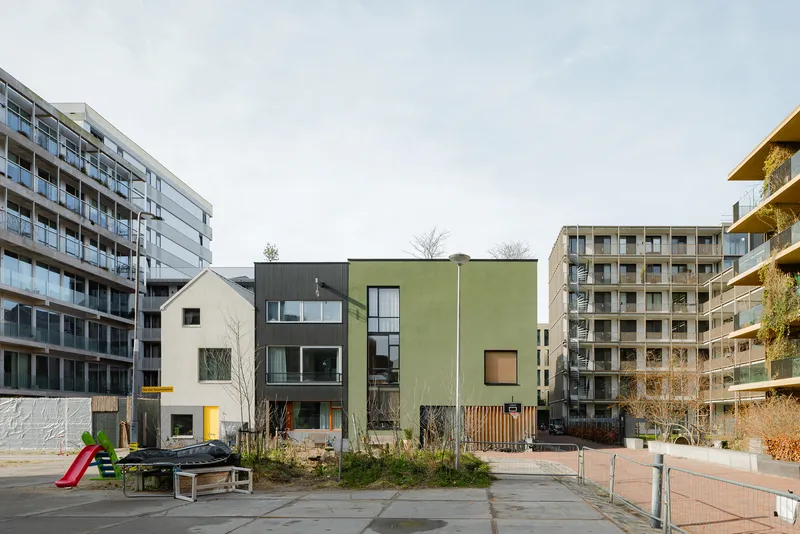
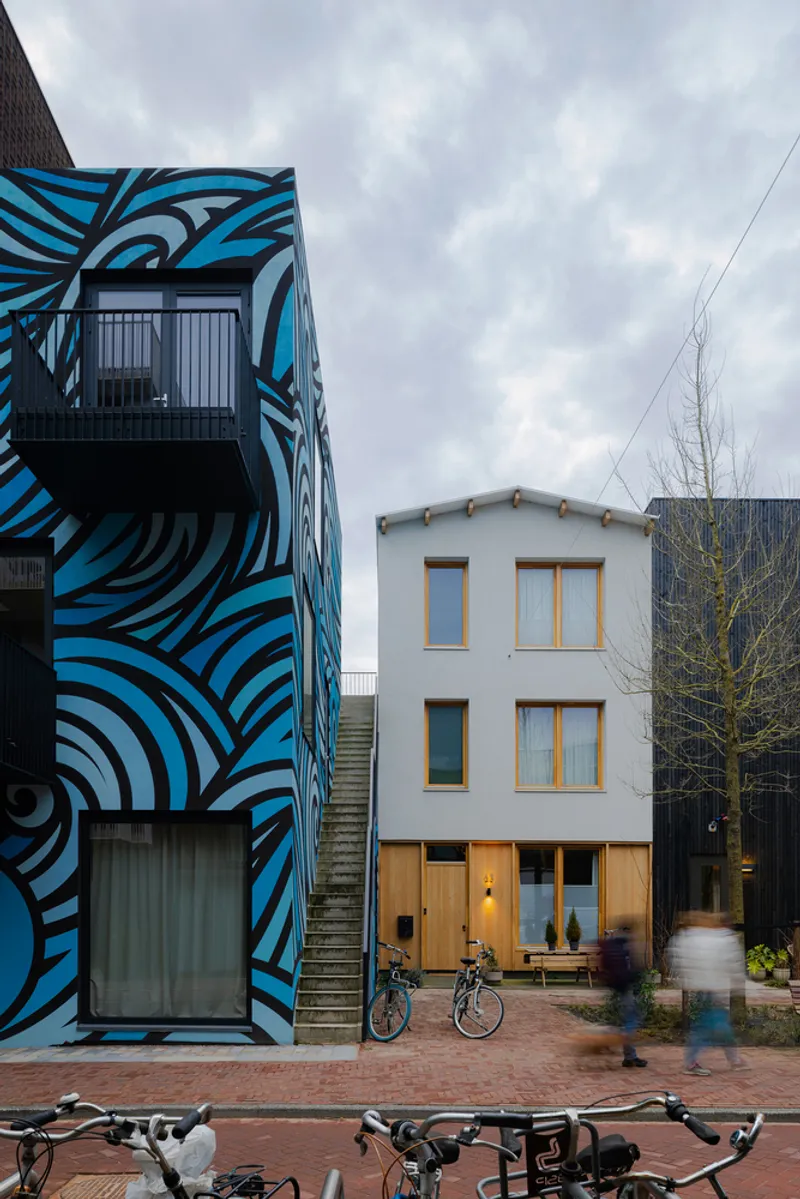

Designing a Sustainable and Climate-Responsive Cityscape
The 100×100-meter Cityplot concept defines the structure of the development. Each plot is carefully planned to accommodate various building typologies while ensuring accessibility and open spaces. Public and private spaces are seamlessly integrated, alternating between green gardens, collective terraces, and urban plazas.

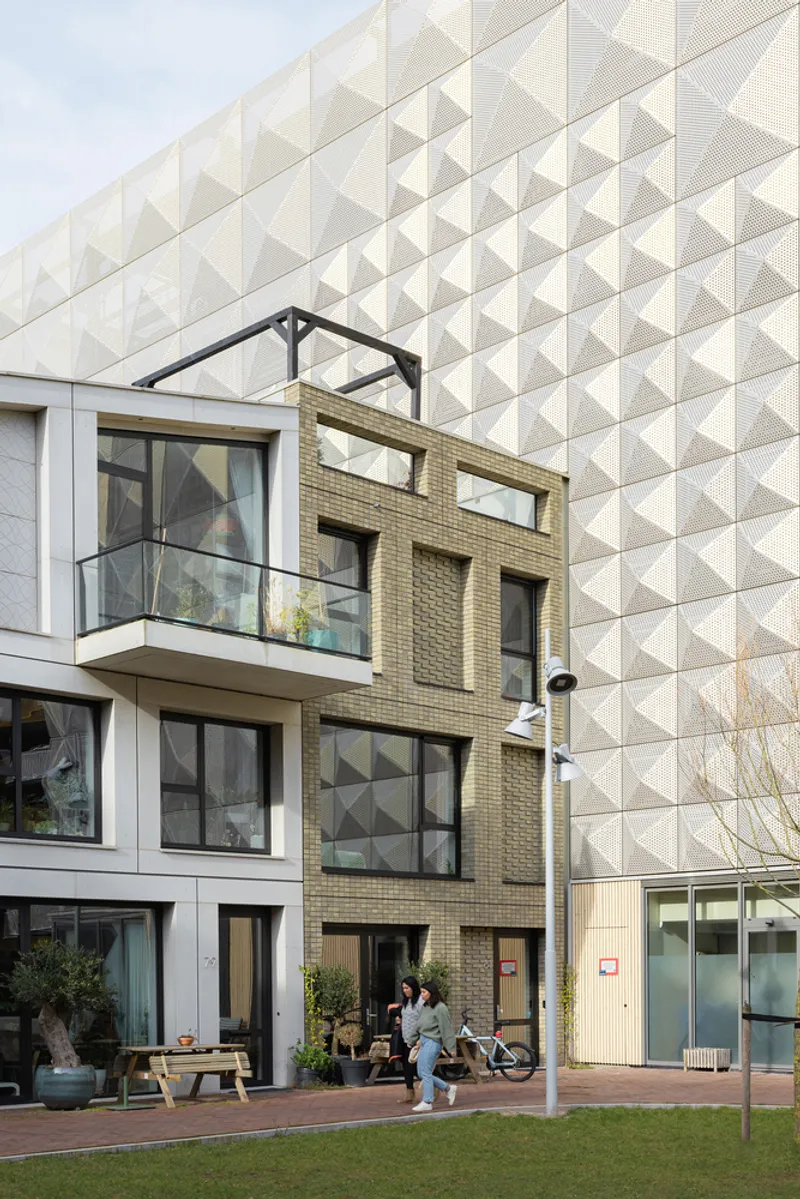
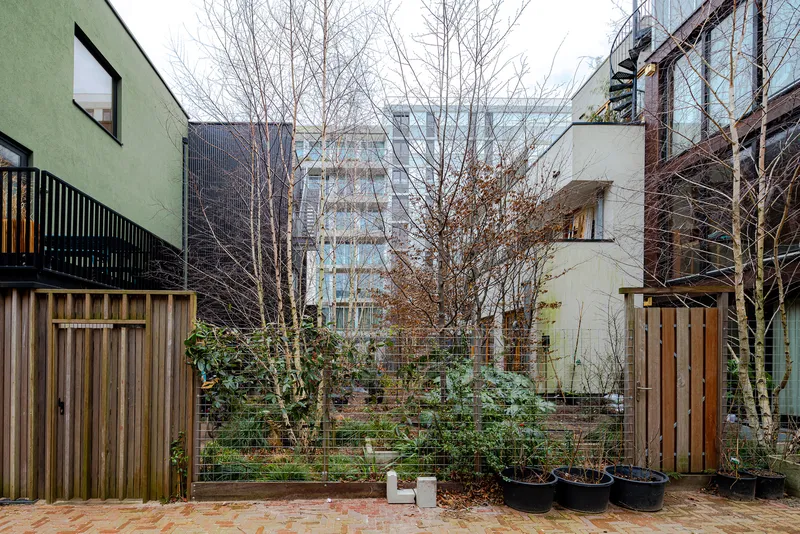
A significant emphasis is placed on green infrastructure and water management. The project incorporates large trees, rooftop gardens, and rainwater collection systems to enhance climate resilience. Water plays a fundamental role, with the Tolhuiskanaal running alongside the development. Rainwater is buffered and drained into the canal, mitigating flooding risks and improving environmental conditions. Future expansions will include walkable bridges, seating areas, and additional green zones, further enhancing public accessibility and ecological sustainability.
A Car-Free Urban District Centered on Pedestrian Experience
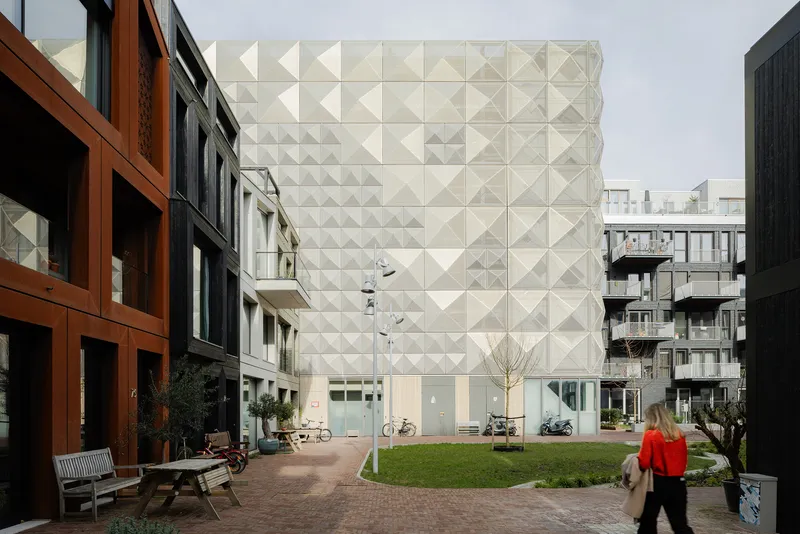
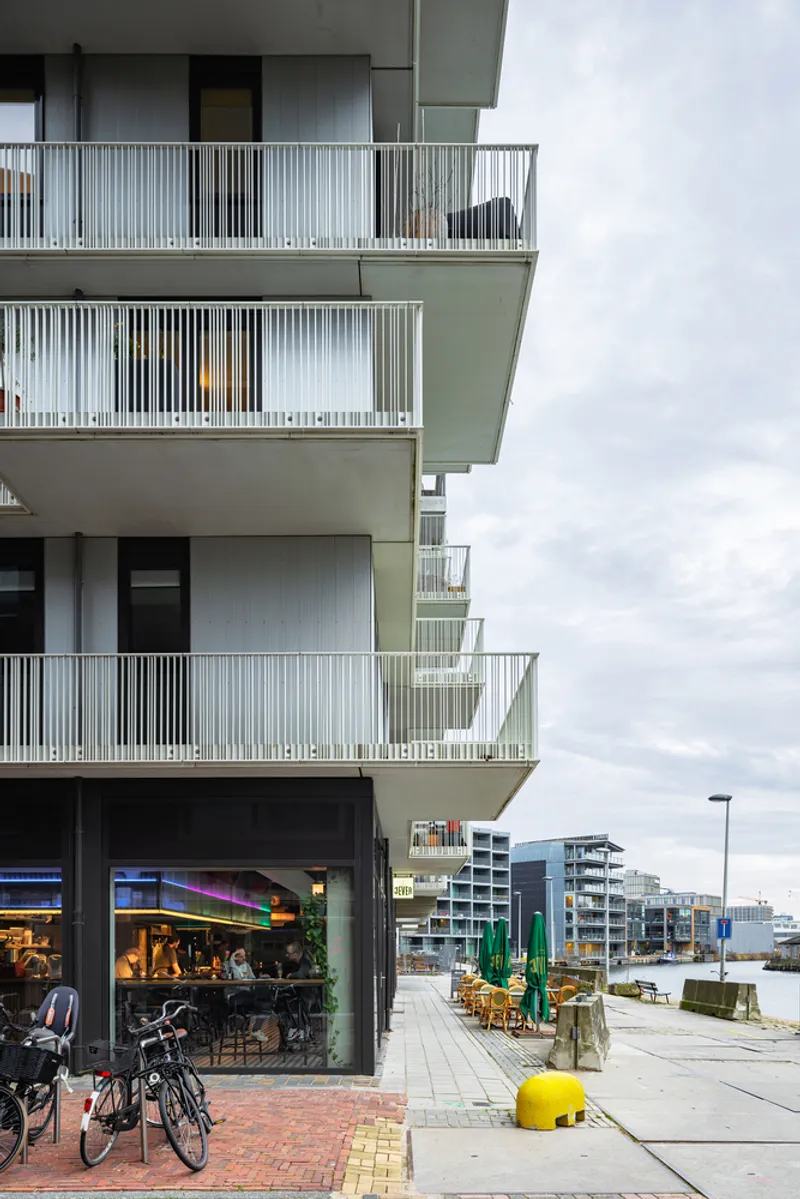
Cityplot Buiksloterham prioritizes walkability and sustainable mobility by minimizing the presence of cars in public spaces. Two designated architectural structures at either end of the development serve as centralized parking and energy hubs, keeping the streets pedestrian-friendly. This approach enhances community interaction, creating a cityscape where people can navigate freely through green corridors and vibrant public spaces.
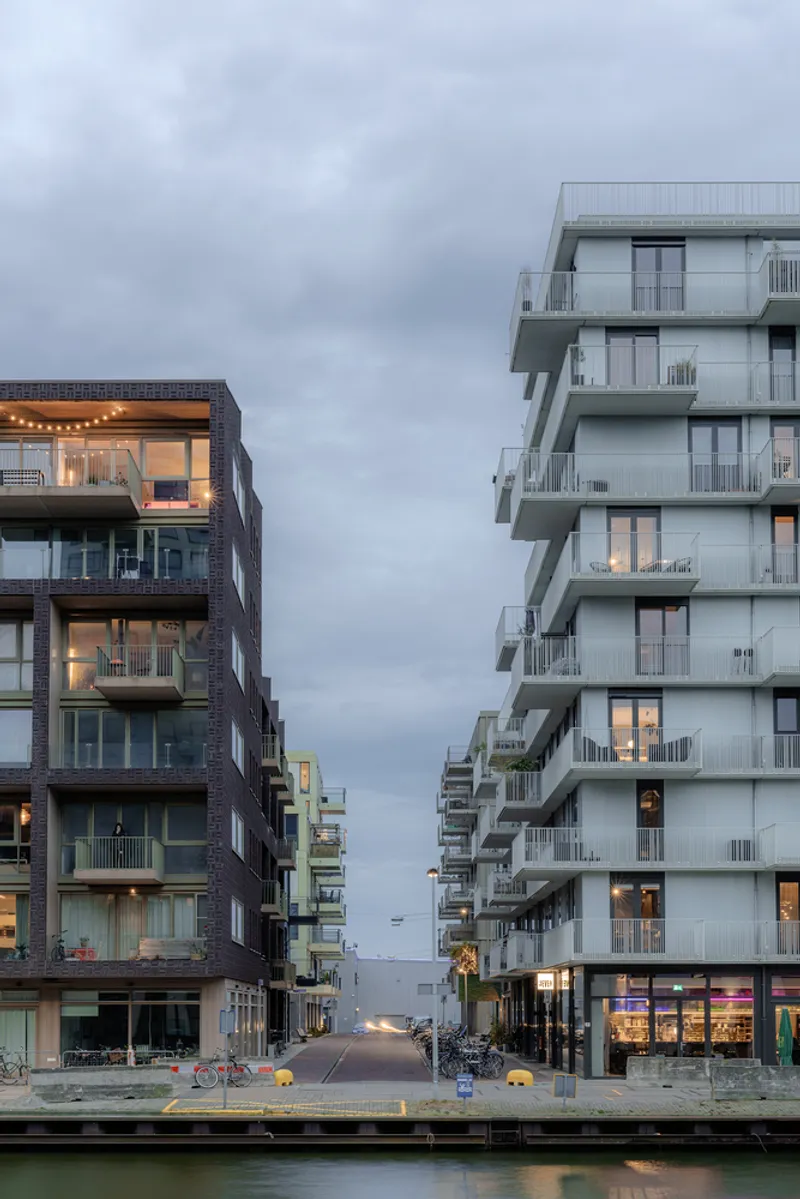
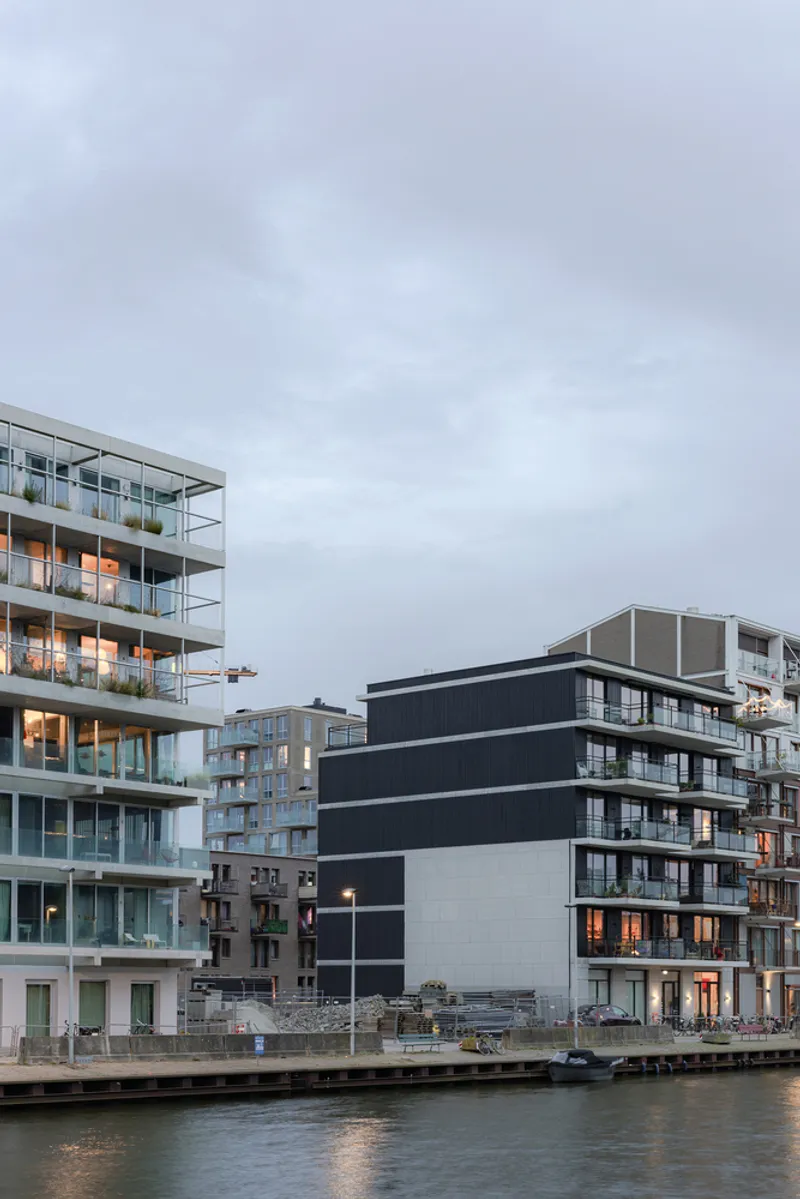
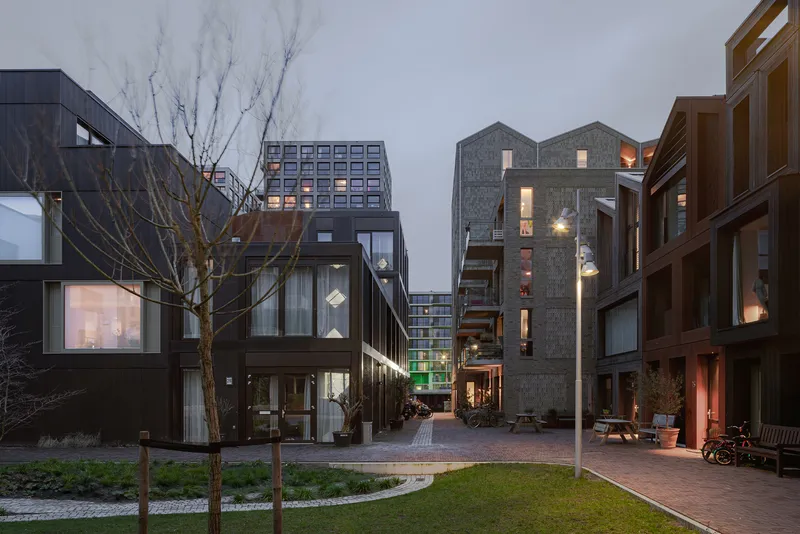
The project’s commitment to sustainable transportation is further reinforced through integrated bicycle parking and pedestrian-focused infrastructure. This urban planning model reflects Amsterdam’s broader commitment to reducing car dependency and promoting healthier, more livable environments.
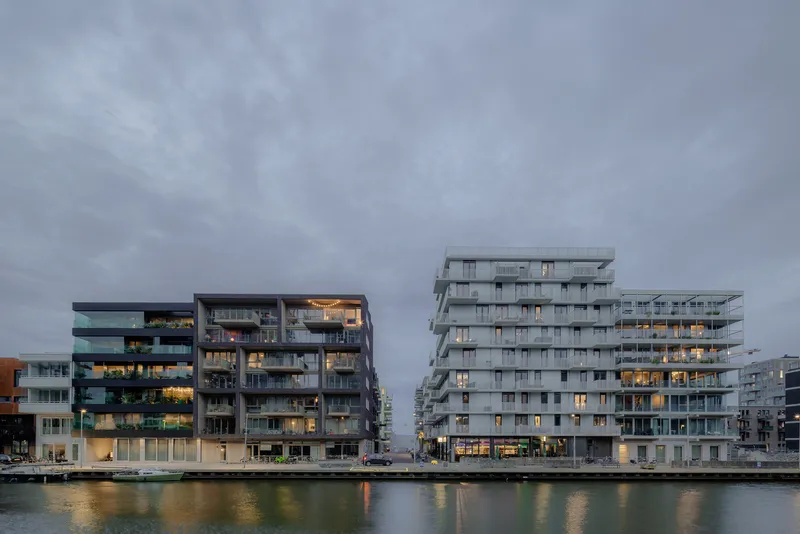

A Future-Proof Model for Sustainable Urban Development
Cityplot Buiksloterham stands as a pioneering model for urban regeneration, demonstrating how sustainable urban development can create thriving, adaptable communities. By integrating environmental responsibility, social inclusivity, and economic resilience, this project redefines how cities can be built for the future.
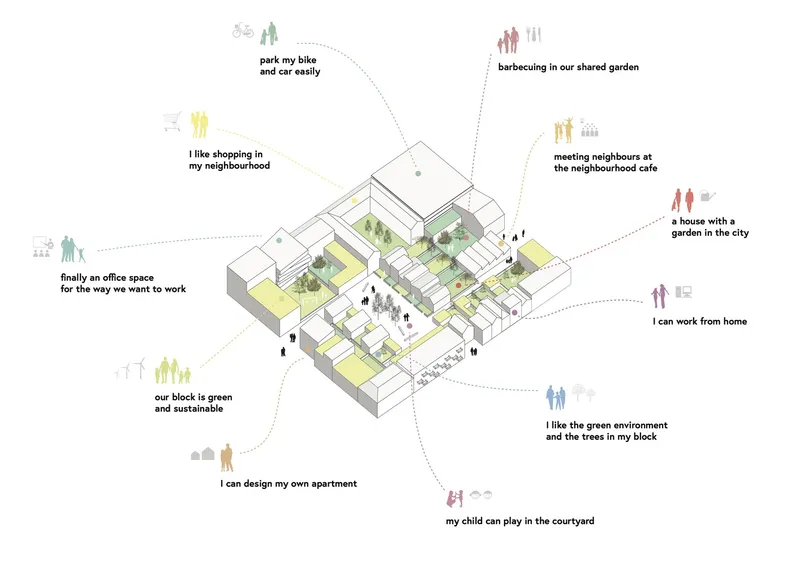
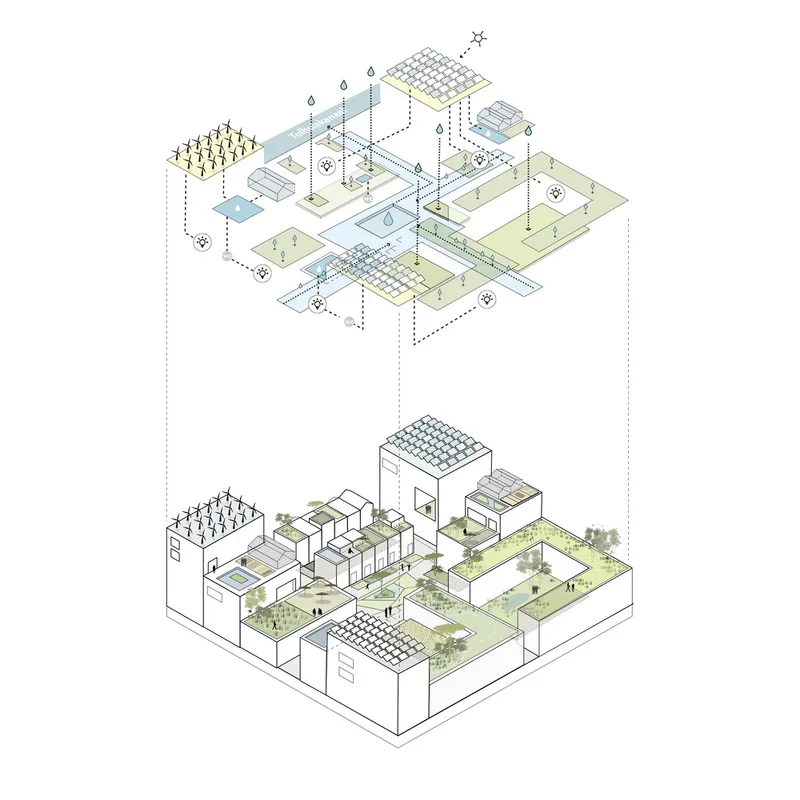

As an evolution of the Cityplot concept, Buiksloterham serves as a blueprint for other post-industrial urban areas seeking to transition toward circular, mixed-use developments. Its success underscores the potential of community-driven, flexible urban planning, where people actively shape their own living environments.

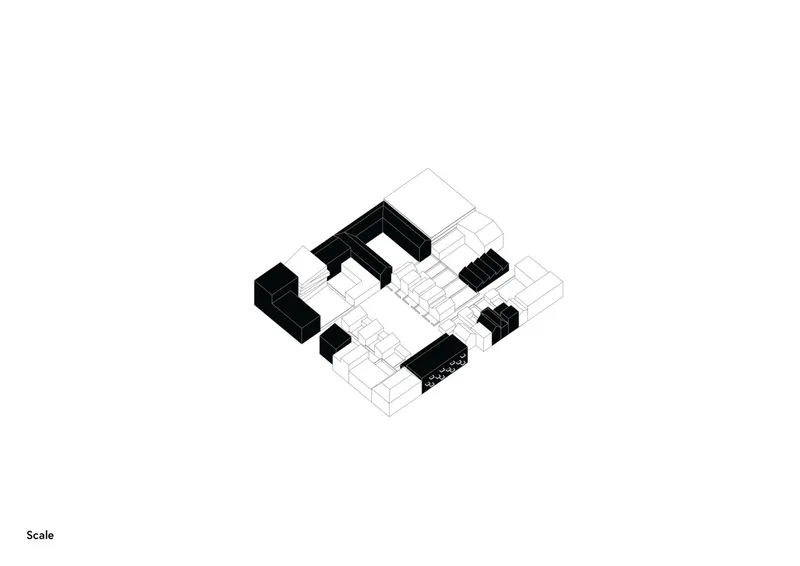
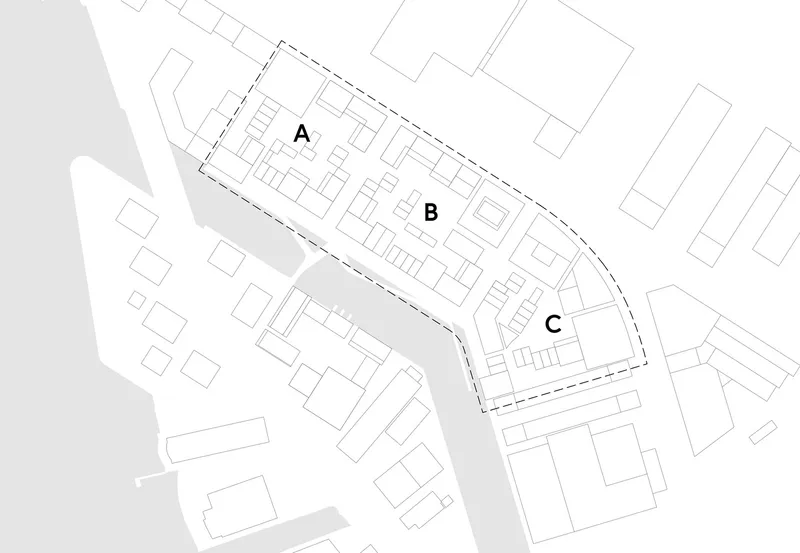
With sustainability at its core, Cityplot Buiksloterham represents the next step in creating resilient, future-proof cities that harmonize with both social and ecological systems.
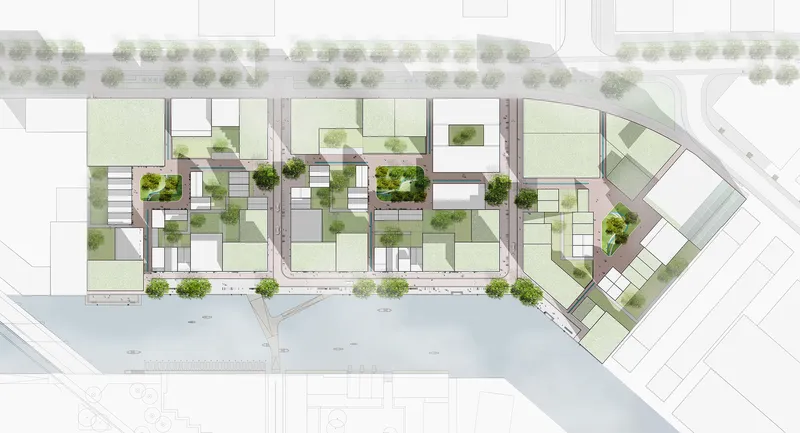
All Photographs are works of Sebastian van Damme


Popular Articles
Popular articles from the community


David Ortega Stacks a Two-Story Mexico City Penthouse Around a Steel Stair and a Pergola-Shaded Roof Terrace
In Colonia Roma, a 300 m² penthouse uses oak joinery, a planted steel stair and a slatted roof pergola to make a new-build apartment feel like a house.

FCC Arquitectura Expands a Portuguese Granite House with a Board-Marked Concrete Wing
In Portugal, JV House pairs a cleaned-up whitewashed and granite dwelling with a timber-shuttered concrete extension, courtyards and a garden pool.


Singing Woman: An Opera House That Performs Before the Curtain Rises
Ovidiu Cristian Pavel's conceptual opera house translates Estonia's choral identity into a sculpted waterfront landmark facing the Baltic Sea.

LT2A and OPEN Architectes Thread a Brick and Glass High School Through a Wooded Belgian Campus
In Braine-l'Alleud, a 3,000 m² wing for Collège Cardinal Mercier pairs pale brick with a glazed colonnade, deferring to a small chapel and a dense wood.

Similar Reads
You might also enjoy these articles


Hodi-Mandai Geram
Project Function: Preservation and revitalization of the Intangible heritage and socio-spatial identity of the Hodi by Housing, Cultural Memory Center, Sacred Grove, landscape, local tourism economy


Olio Towers: A Mid-Rise for Performers That Fuses Housing, Rehearsal, and Stage
Located blocks from Houston's Theater District, this modular tower stacks living units around a central performance atrium.

Oasis: Modular Green Housing Carved into Dhaka's Urban Fabric
A shortlisted Plugin Housing entry reclaims unauthorized settlements in Dhaka with stepped concrete volumes, green roofs, and ventilation-driven design.

Black Hole: A Floating Megastructure for the Post-Physical Era
Emiliano Mazzarotto envisions a spherical, self-scaling arena where e-sports, digital hotels, and holographic stadiums replace traditional public space.

Explore Planned City Competitions
Discover active competitions in this discipline

Challenge to reimagine the Iron Throne

Photograph architecture without architects

Illustrate the lost glory of Angkor Wat - Render Challenge

Design challenge to reuse E-waste
Comments (0)
Please login or sign up to add comments
No comments yet. Be the first to comment!