
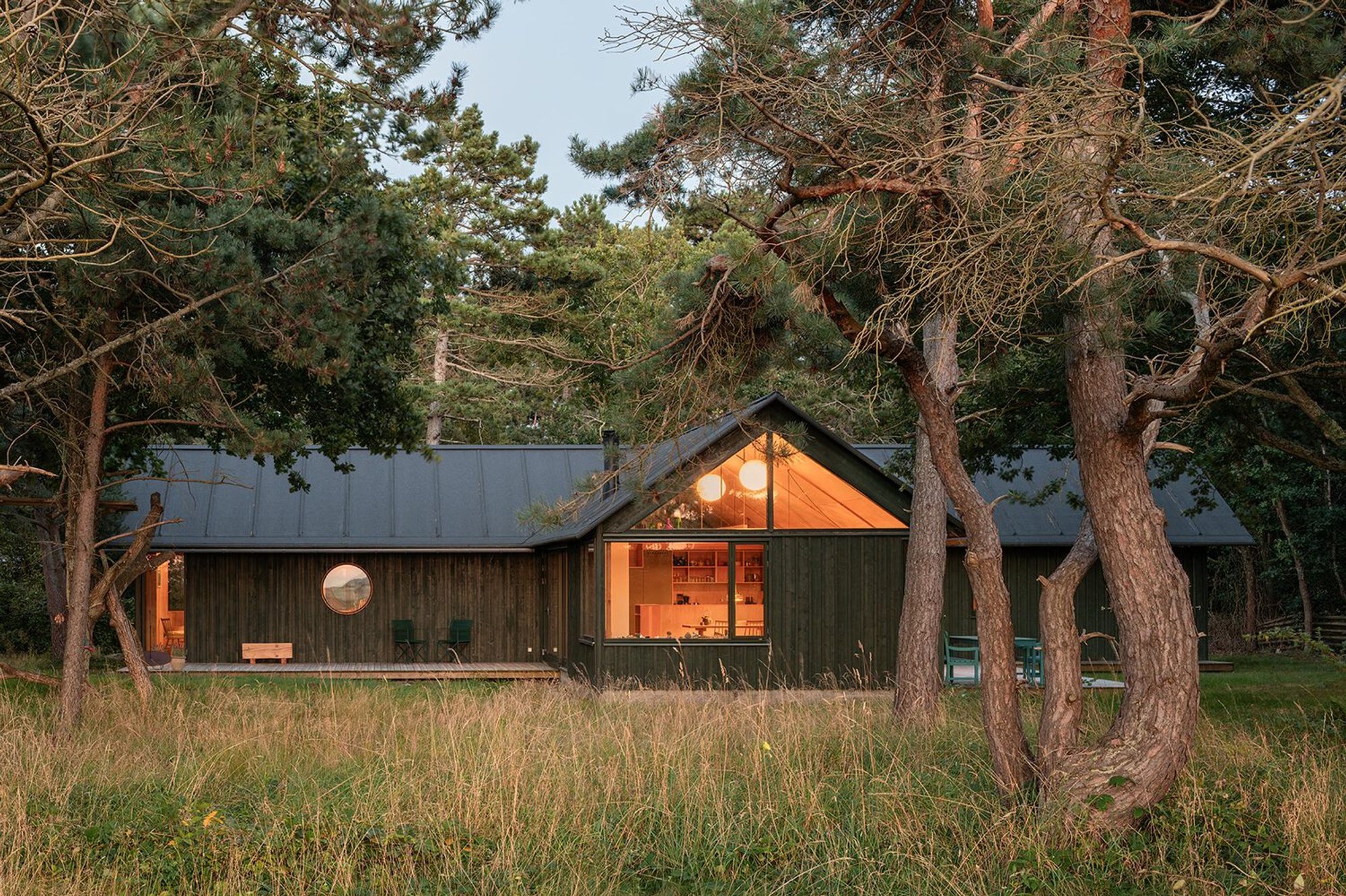
Sustainable Wooden House Design: House Between the Trees by Peter Kjær Arkitekter
The House Between the Trees showcases sustainable wooden house design, integrating eco-friendly materials with nature-inspired architecture.

Embracing Nature in Sustainable Architecture
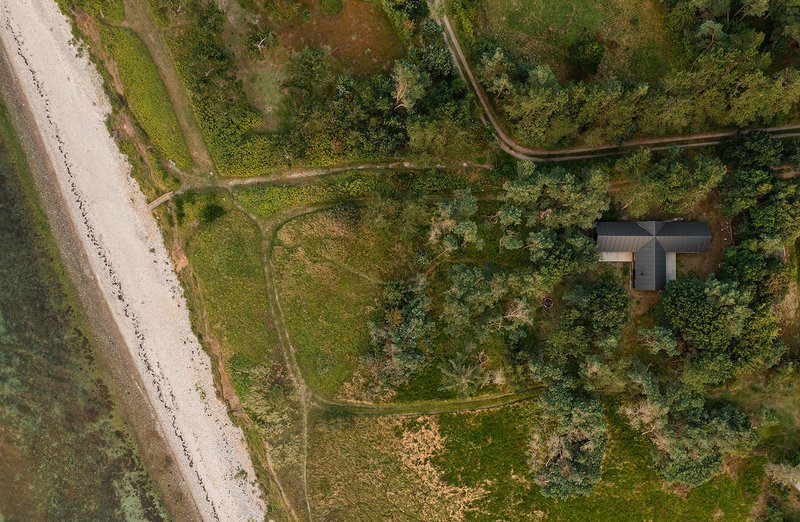
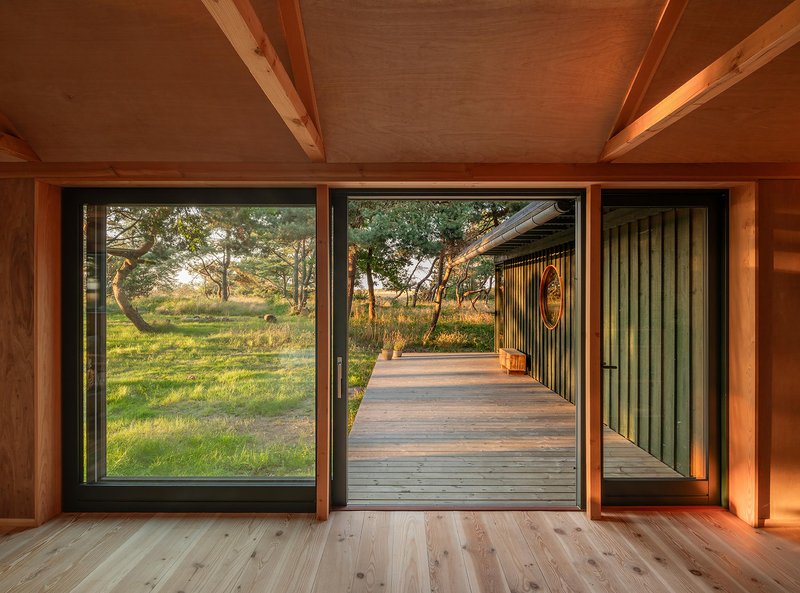
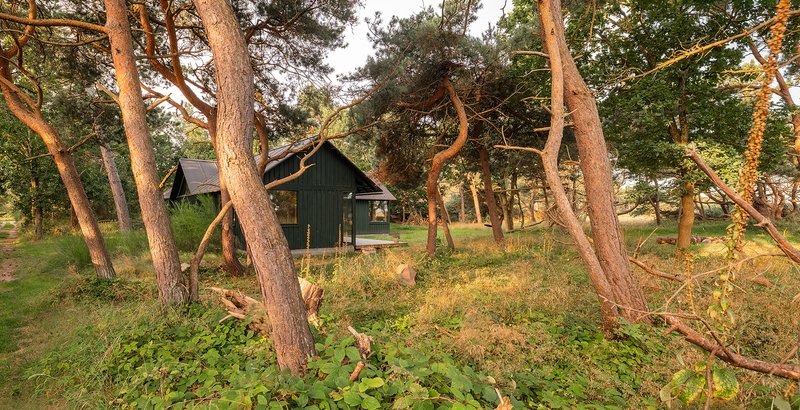
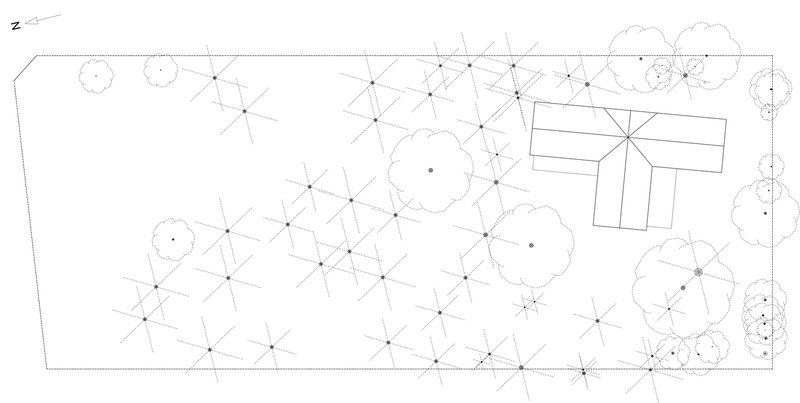
The House Between the Trees, designed by Peter Kjær Arkitekter, exemplifies the seamless integration of sustainable design and natural surroundings. Located in Denmark, this 167 m² summer house is a discreet T-shaped structure that harmonizes with the surrounding forest while incorporating environmentally conscious construction techniques. The house is a testament to how thoughtful design can address sustainability and aesthetics, creating a warm and inviting retreat.
Architectural Form and Layout
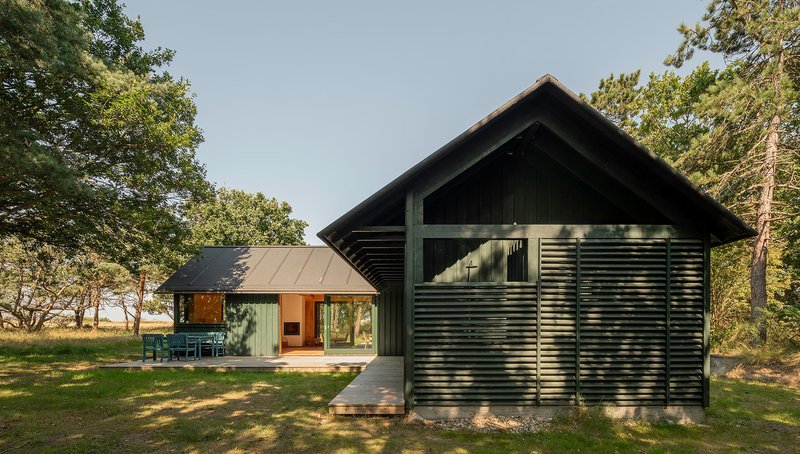
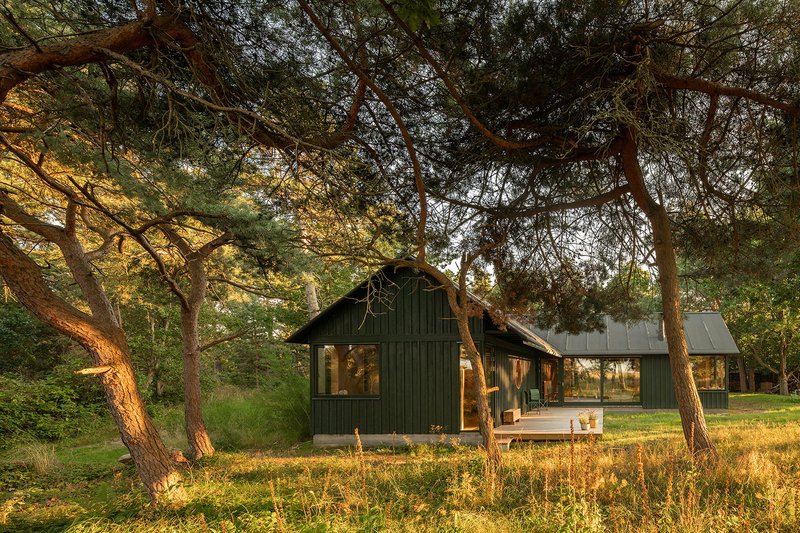
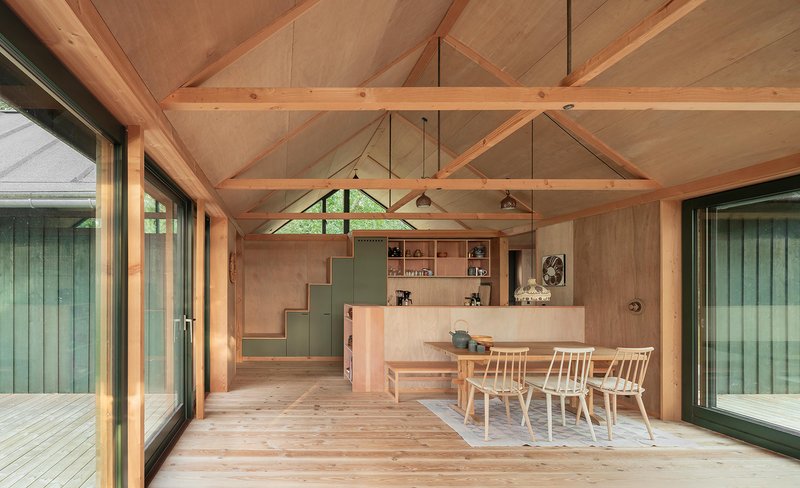
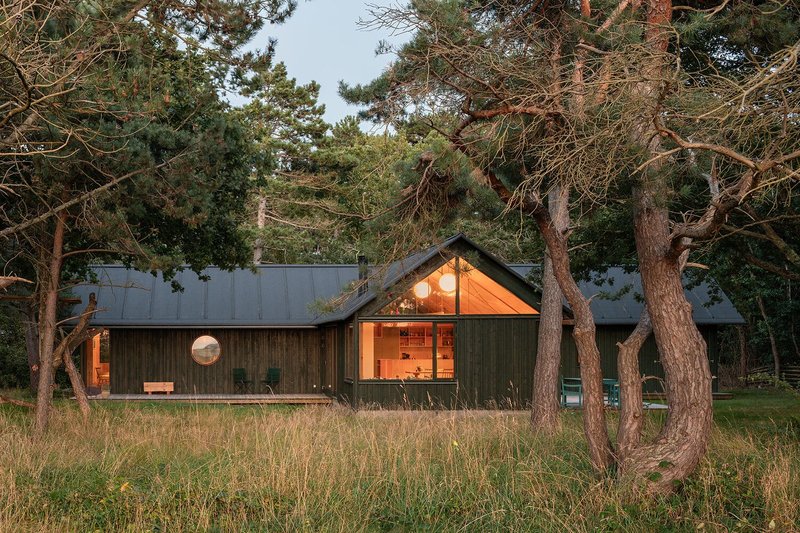
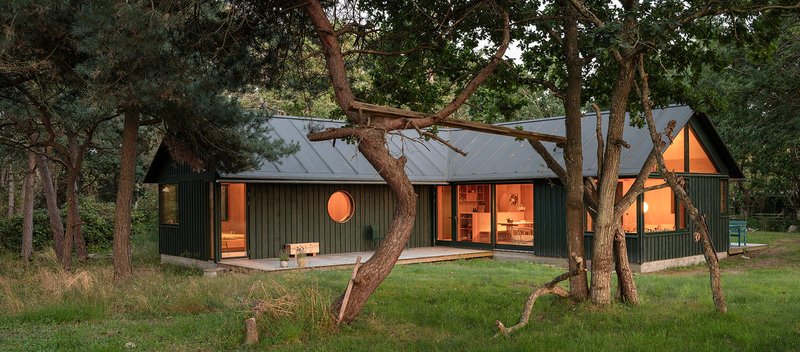
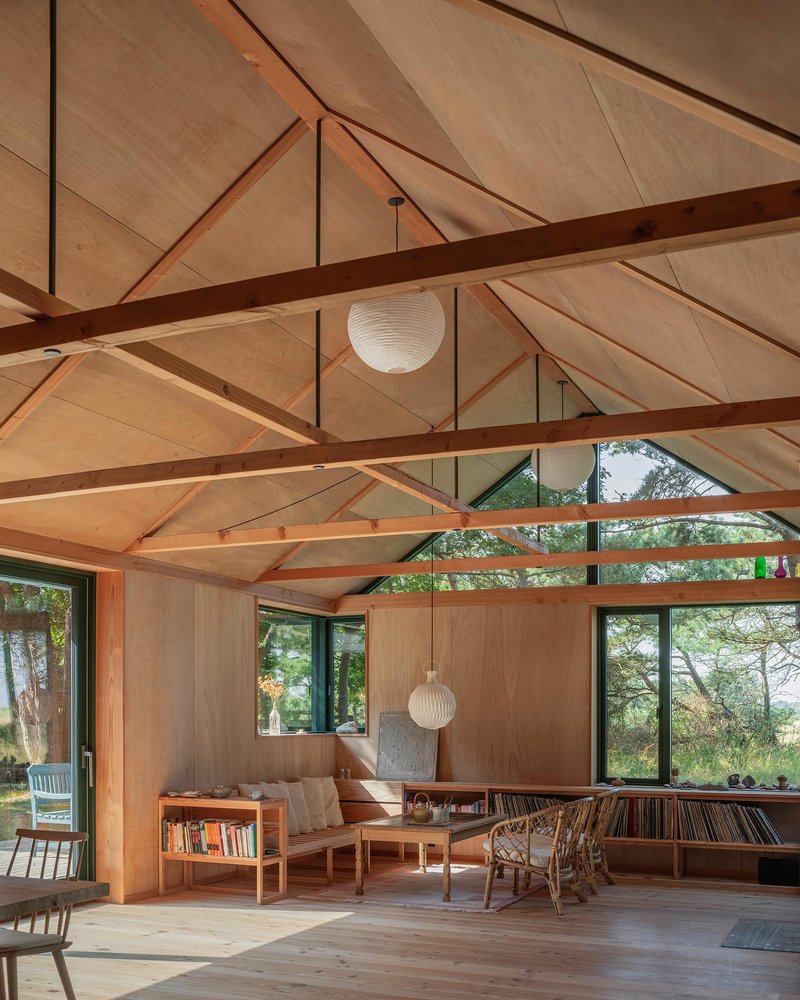
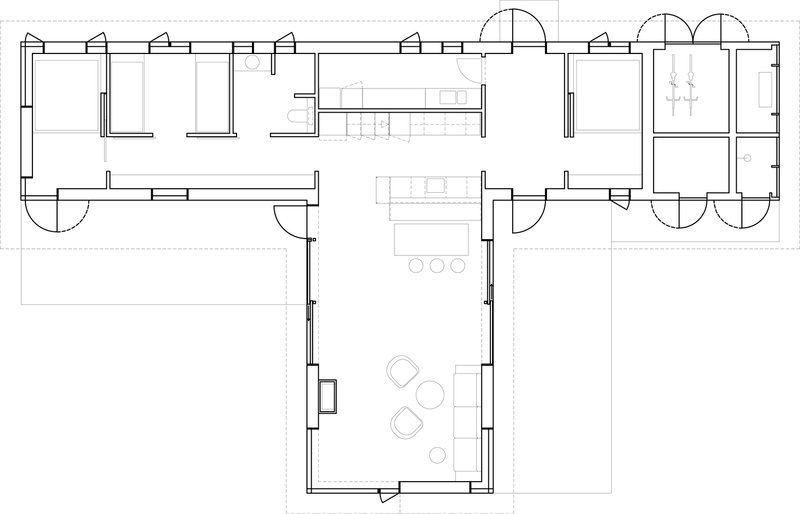
The house features an archetypal roof shape and a T-configuration that accommodates the natural layout of the lot's trees. Its design is carefully adapted to preserve the natural environment, minimizing disruption to the landscape. The structure includes two distinct wings: a bedroom wing that provides privacy and shields the home from the nearby road, and a family room wing that opens to the west. At the junction of these wings lies a kitchen that serves as the home's heart, connecting to terraces that capture sunlight throughout the day.
Thoughtful Use of Light and Space
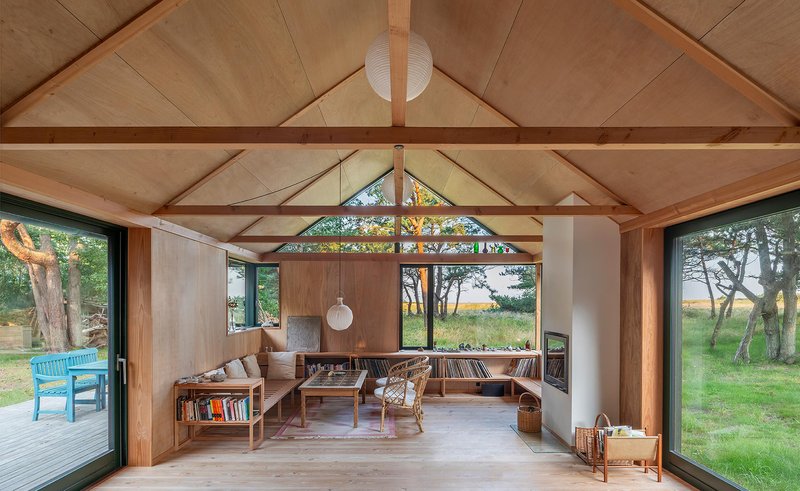
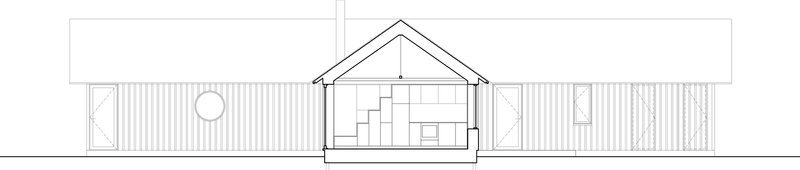
Natural light plays a vital role in the design of the House Between the Trees. The kitchen is connected to a loft that welcomes morning light from the east, creating a tranquil and luminous space. The terraces, accessible from the kitchen and family room, extend the living spaces outdoors, offering views of the forest and opportunities to enjoy the changing light throughout the day.
Foundations of Sustainability
A significant focus of the project is on reducing its climate footprint. Conventional one-story wooden homes often rely heavily on concrete for foundations, contributing significantly to their environmental impact. However, the House Between the Trees employs a foundation of screwed piles and minimal concrete, reducing the use of traditional materials. A visible plinth beam, made with wooden formwork and concrete, highlights the aesthetic potential of this approach while maintaining durability.
The terrain deck, constructed without concrete, uses pressure-resistant insulation and floating floors made from floor chipboards and Douglas fir boards. This innovative construction method demonstrates how biogenic materials can replace conventional approaches, particularly in areas with height restrictions.
Natural Materials and Interior Detailing
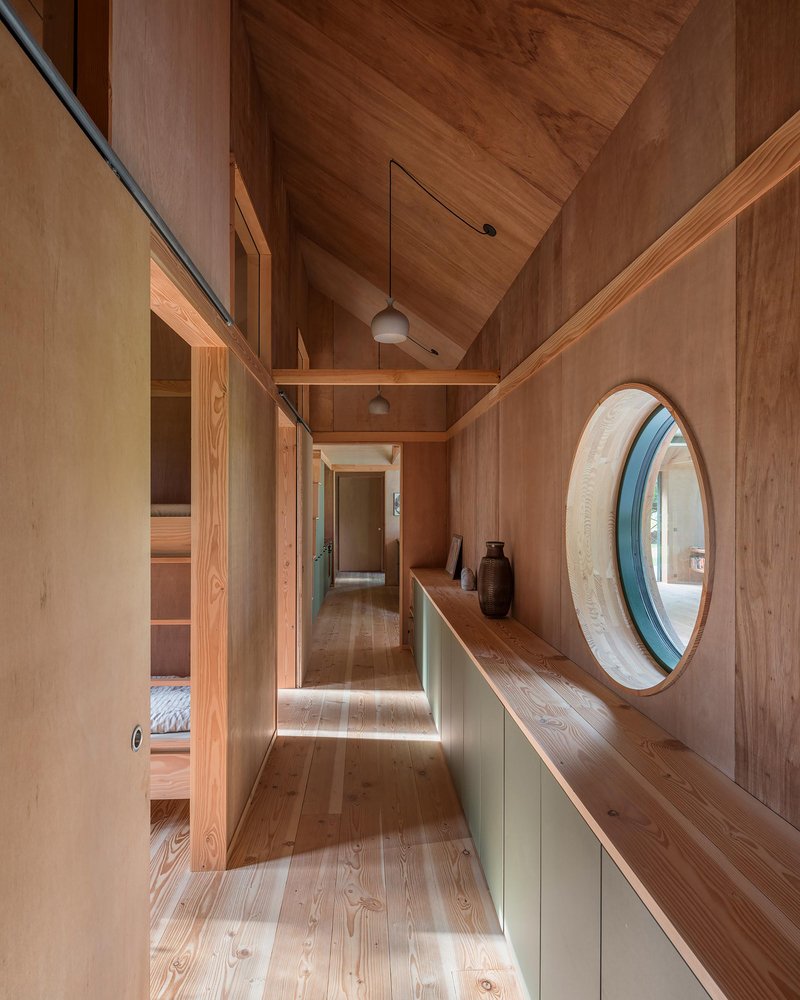
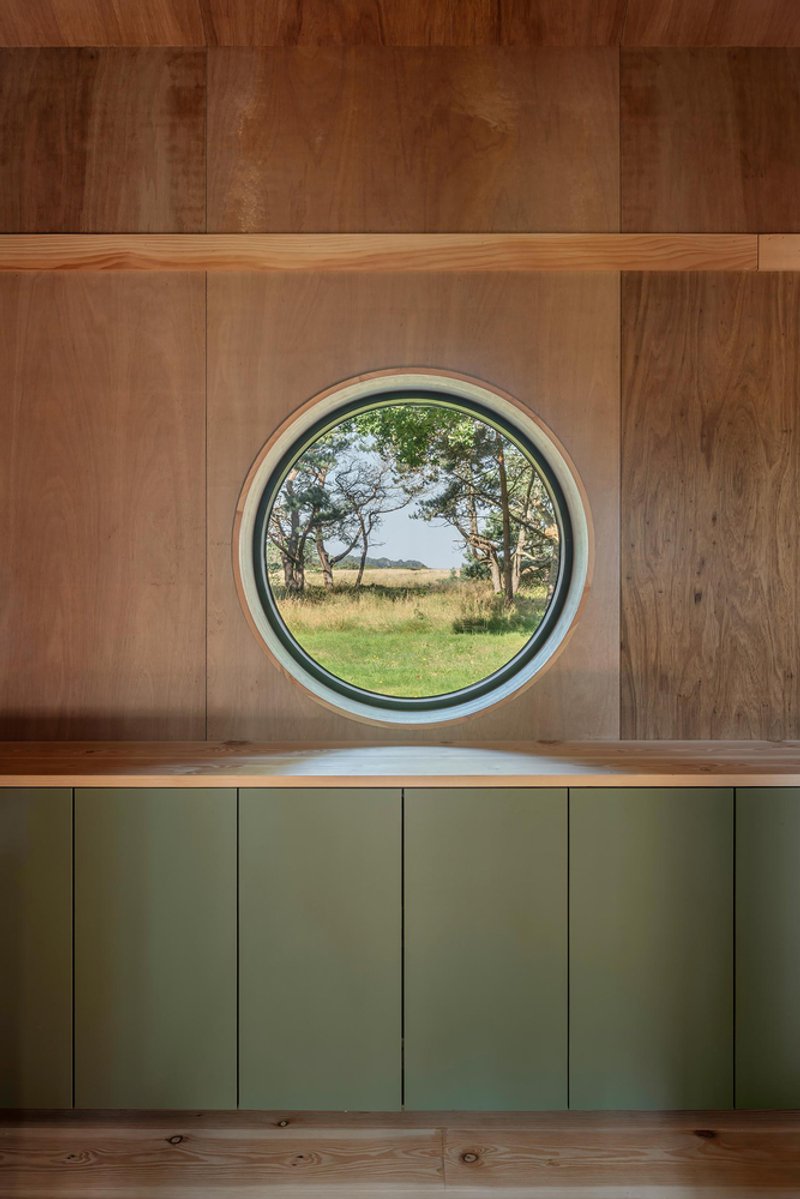
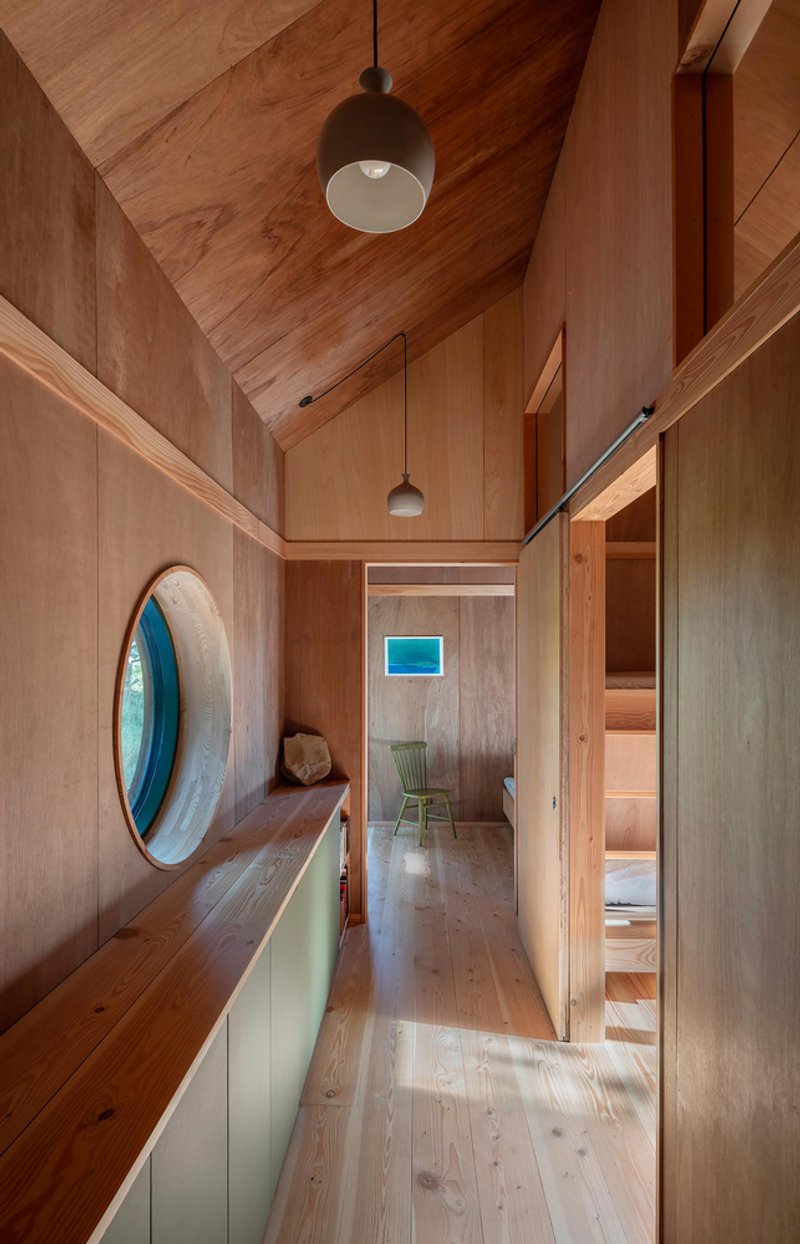
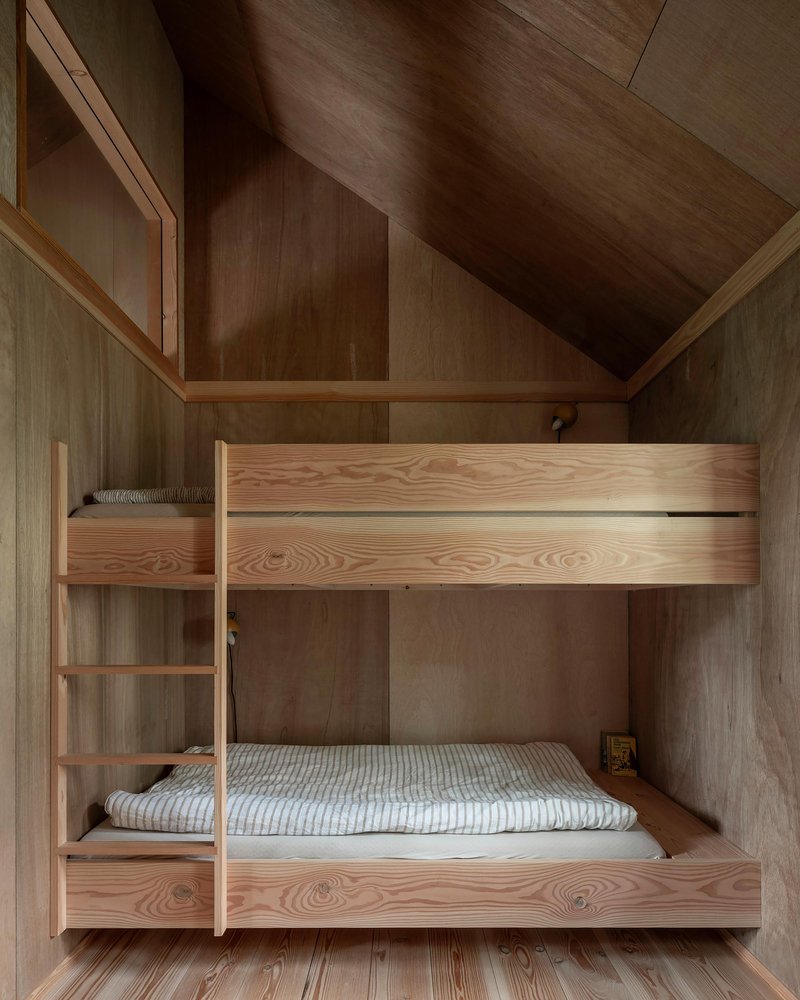
Sustainability extends to the choice of materials used throughout the house. Douglas fir is a central material, framing windows, tap bands, and other internal details. The interior walls are clad in thin east veneer, offering a durable and beautifully patinated surface, while soap-treated wooden surfaces add warmth and texture.
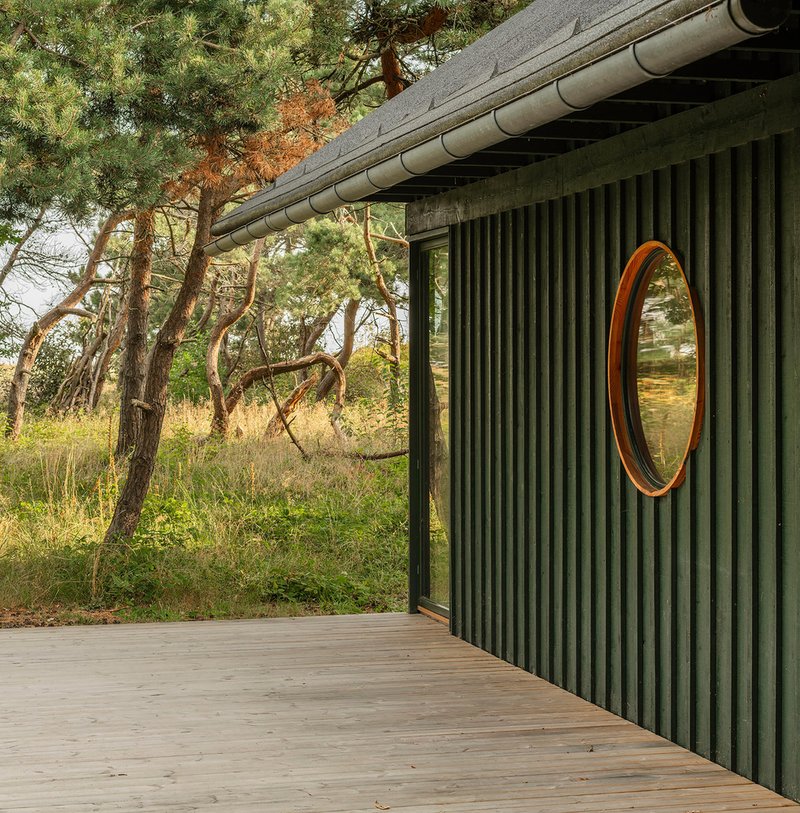
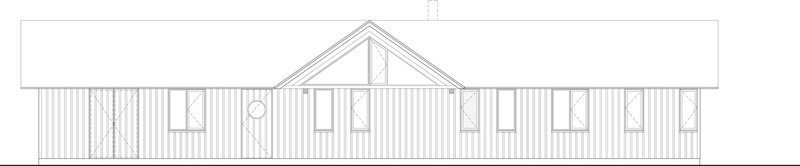
The house’s exterior reflects a commitment to breathable construction, with vapor retarders and wind barriers made from wood fiber. Blown-in wood fiber insulation provides effective thermal performance while maintaining ecological sensitivity. Linseed-oiled spruce clads the facades, and spruce boards with roofing felt complete the roof, further enhancing the building's natural aesthetic.
A Model for Future Sustainable Homes
The House Between the Trees by Peter Kjær Arkitekter is a benchmark for sustainable wooden house design. By reducing reliance on concrete, utilizing biogenic materials, and embracing natural light, the house minimizes its environmental footprint while providing a comfortable, functional, and aesthetically pleasing living space. It showcases how architecture can respect and enhance its natural surroundings, setting a standard for future sustainable homes.


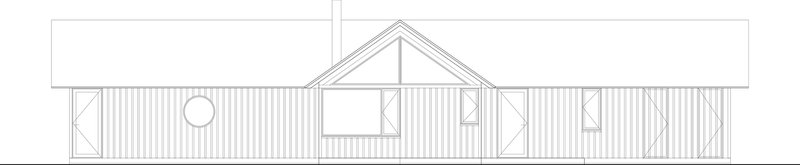
All Photographs are work of James Silverman




Popular Articles
Popular articles from the community

Split House: A Compact Urban Home Blending Privacy, Light, and Flexible Living in Japan
Compact Japanese home featuring DOMA space, flexible café potential, passive lighting, privacy zoning, and sustainable urban living design.

Free Architecture Competitions You Can Enter Right Now
No entry fees, real prizes. Here are the best free architecture competitions open for submissions in 2026.


Solar Steam: A Climate-Responsive Architecture That Redefines the Monument
A climate-responsive memorial architecture that transforms heat, decay, and time into a living system reflecting humanity’s ecological impact.


Similar Reads
You might also enjoy these articles


The Ken Roberts Memorial Delineation Competition (Krob)
As the most senior architectural drawing competition currently in operation anywhere in the world, it draws hundreds of entries each year, awarding the very best submissions in a series of medium-based categories.
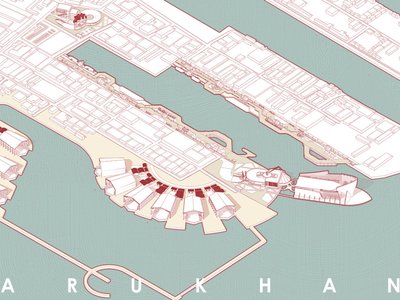
Waterfront Redevelopment and Urban Revitalization in Mumbai: Forging a New Dawn for Darukhana
A transformative waterfront redevelopment project reimagining Darukhana’s shipbreaking heritage into an inclusive urban future.

OUT-OF-MAP: A Call for Postcards on Feminist Narratives of Public Space
Rhizoma Design and Research Lab invites artists, designers, architects, researchers, and students to reflect on how feminist perspectives can reshape public space. Selected works will be exhibited in Barcelona, October 2026. Submissions open until 15 April 2026.


Documentation Work on Buddhist Wooden Temple
Architectural syncretism and cultural hybridity: A comparative study of the Buddhist temples in Chattogram Hill tracks


Explore Architecture Competitions
Discover active competitions in this discipline




The International Standard for Design Portfolios


The Global Benchmark for Architecture Dissertation Awards


The Global Benchmark for Graduation Excellence


Challenge to reimagine the Iron Throne
Comments (0)
Please login or sign up to add comments
No comments yet. Be the first to comment!